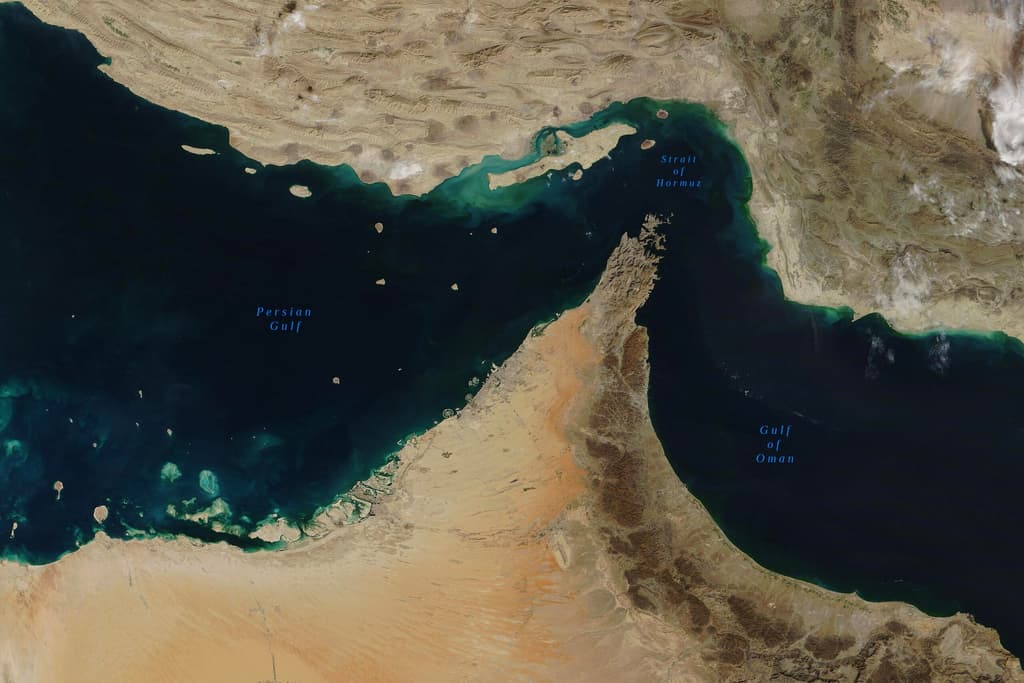
Trader consensus prices a 62.5% chance that Strait of Hormuz maritime traffic will not resume normal levels by May 31, driven by Iran's ongoing partial blockade amid the US-Iran war that erupted with US-Israeli airstrikes on February 28. IRGC restrictions since March 1—targeting hostile nations via vessel attacks, mines, and $2 million tolls for approved "friendly" ships from China, Russia, and others—have slashed daily transits to 10% of pre-crisis norms (6 vessels vs. 60), per April 1 trackers. Escalation persists with recent US threats to seize Kharg Island and strike energy sites, stalled Pakistan-mediated talks, and analysts' warnings of months-long backlogs post-reopening due to insurance spikes and infrastructure damage.
Resumen experimental generado por IA con datos de Polymarket · ActualizadoStrait of Hormuz traffic returns to normal by end of May?
Strait of Hormuz traffic returns to normal by end of May?
NUEVO
NUEVO
31 may 2026
NUEVO
NUEVO
31 may 2026
This market will resolve to “Yes” if IMF Portwatch publishes a 7-day moving average of transit calls (“Arrivals of Ships”) for the Strait of Hormuz equal to or above 60 for any date between market creation and May 31, 2026. Otherwise, this market will resolve to “No”.
Daily transit calls include container, dry bulk, roll-on/roll-off, general cargo, and tanker ships. Ships not reported by IMF Portwatch will not be considered.
This market will resolve as soon as IMF Portwatch publishes a 7-day moving average of transit calls equal to or above the specified level, or once data has been published for the final date in the specified period and no such value has been published. If no data has been published for the final date of the specified period within 14 calendar days (ET) after the end of that period, this market will resolve based on data published up to that point.
Revisions to previously published data points made within this market’s timeframe will be considered. However, they will not disqualify a previously published data point from qualifying. Revisions to previously published data points after data is published for May 31, 2026, however, will not be considered.
The resolution source for this market will be IMF Portwatch, specifically the transit calls data published for the Strait of Hormuz at https://portwatch.imf.org/pages/cb5856222a5b4105adc6ee7e880a1730, both in the chart and through downloadable files.Trader consensus prices a 62.5% chance that Strait of Hormuz maritime traffic will not resume normal levels by May 31, driven by Iran's ongoing partial blockade amid the US-Iran war that erupted with US-Israeli airstrikes on February 28. IRGC restrictions since March 1—targeting hostile nations via vessel attacks, mines, and $2 million tolls for approved "friendly" ships from China, Russia, and others—have slashed daily transits to 10% of pre-crisis norms (6 vessels vs. 60), per April 1 trackers. Escalation persists with recent US threats to seize Kharg Island and strike energy sites, stalled Pakistan-mediated talks, and analysts' warnings of months-long backlogs post-reopening due to insurance spikes and infrastructure damage.
This market will resolve to “Yes” if IMF Portwatch publishes a 7-day moving average of transit calls (“Arrivals of Ships”) for the Strait of Hormuz equal to or above 60 for any date between market creation and May 31, 2026. Otherwise, this market will resolve to “No”.
Daily transit calls include container, dry bulk, roll-on/roll-off, general cargo, and tanker ships. Ships not reported by IMF Portwatch will not be considered.
This market will resolve as soon as IMF Portwatch publishes a 7-day moving average of transit calls equal to or above the specified level, or once data has been published for the final date in the specified period and no such value has been published. If no data has been published for the final date of the specified period within 14 calendar days (ET) after the end of that period, this market will resolve based on data published up to that point.
Revisions to previously published data points made within this market’s timeframe will be considered. However, they will not disqualify a previously published data point from qualifying. Revisions to previously published data points after data is published for May 31, 2026, however, will not be considered.
The resolution source for this market will be IMF Portwatch, specifically the transit calls data published for the Strait of Hormuz at https://portwatch.imf.org/pages/cb5856222a5b4105adc6ee7e880a1730, both in the chart and through downloadable files.
Daily transit calls include container, dry bulk, roll-on/roll-off, general cargo, and tanker ships. Ships not reported by IMF Portwatch will not be considered.
This market will resolve as soon as IMF Portwatch publishes a 7-day moving average of transit calls equal to or above the specified level, or once data has been published for the final date in the specified period and no such value has been published. If no data has been published for the final date of the specified period within 14 calendar days (ET) after the end of that period, this market will resolve based on data published up to that point.
Revisions to previously published data points made within this market’s timeframe will be considered. However, they will not disqualify a previously published data point from qualifying. Revisions to previously published data points after data is published for May 31, 2026, however, will not be considered.
The resolution source for this market will be IMF Portwatch, specifically the transit calls data published for the Strait of Hormuz at https://portwatch.imf.org/pages/cb5856222a5b4105adc6ee7e880a1730, both in the chart and through downloadable files.
Mercado abierto: Mar 31, 2026, 5:41 PM ET
Volumen
$2,156Fecha de finalización
31 may 2026Mercado abierto
Mar 31, 2026, 5:41 PM ETResolver
0x65070BE91...This market will resolve to “Yes” if IMF Portwatch publishes a 7-day moving average of transit calls (“Arrivals of Ships”) for the Strait of Hormuz equal to or above 60 for any date between market creation and May 31, 2026. Otherwise, this market will resolve to “No”.
Daily transit calls include container, dry bulk, roll-on/roll-off, general cargo, and tanker ships. Ships not reported by IMF Portwatch will not be considered.
This market will resolve as soon as IMF Portwatch publishes a 7-day moving average of transit calls equal to or above the specified level, or once data has been published for the final date in the specified period and no such value has been published. If no data has been published for the final date of the specified period within 14 calendar days (ET) after the end of that period, this market will resolve based on data published up to that point.
Revisions to previously published data points made within this market’s timeframe will be considered. However, they will not disqualify a previously published data point from qualifying. Revisions to previously published data points after data is published for May 31, 2026, however, will not be considered.
The resolution source for this market will be IMF Portwatch, specifically the transit calls data published for the Strait of Hormuz at https://portwatch.imf.org/pages/cb5856222a5b4105adc6ee7e880a1730, both in the chart and through downloadable files.Trader consensus prices a 62.5% chance that Strait of Hormuz maritime traffic will not resume normal levels by May 31, driven by Iran's ongoing partial blockade amid the US-Iran war that erupted with US-Israeli airstrikes on February 28. IRGC restrictions since March 1—targeting hostile nations via vessel attacks, mines, and $2 million tolls for approved "friendly" ships from China, Russia, and others—have slashed daily transits to 10% of pre-crisis norms (6 vessels vs. 60), per April 1 trackers. Escalation persists with recent US threats to seize Kharg Island and strike energy sites, stalled Pakistan-mediated talks, and analysts' warnings of months-long backlogs post-reopening due to insurance spikes and infrastructure damage.
This market will resolve to “Yes” if IMF Portwatch publishes a 7-day moving average of transit calls (“Arrivals of Ships”) for the Strait of Hormuz equal to or above 60 for any date between market creation and May 31, 2026. Otherwise, this market will resolve to “No”.
Daily transit calls include container, dry bulk, roll-on/roll-off, general cargo, and tanker ships. Ships not reported by IMF Portwatch will not be considered.
This market will resolve as soon as IMF Portwatch publishes a 7-day moving average of transit calls equal to or above the specified level, or once data has been published for the final date in the specified period and no such value has been published. If no data has been published for the final date of the specified period within 14 calendar days (ET) after the end of that period, this market will resolve based on data published up to that point.
Revisions to previously published data points made within this market’s timeframe will be considered. However, they will not disqualify a previously published data point from qualifying. Revisions to previously published data points after data is published for May 31, 2026, however, will not be considered.
The resolution source for this market will be IMF Portwatch, specifically the transit calls data published for the Strait of Hormuz at https://portwatch.imf.org/pages/cb5856222a5b4105adc6ee7e880a1730, both in the chart and through downloadable files.
Daily transit calls include container, dry bulk, roll-on/roll-off, general cargo, and tanker ships. Ships not reported by IMF Portwatch will not be considered.
This market will resolve as soon as IMF Portwatch publishes a 7-day moving average of transit calls equal to or above the specified level, or once data has been published for the final date in the specified period and no such value has been published. If no data has been published for the final date of the specified period within 14 calendar days (ET) after the end of that period, this market will resolve based on data published up to that point.
Revisions to previously published data points made within this market’s timeframe will be considered. However, they will not disqualify a previously published data point from qualifying. Revisions to previously published data points after data is published for May 31, 2026, however, will not be considered.
The resolution source for this market will be IMF Portwatch, specifically the transit calls data published for the Strait of Hormuz at https://portwatch.imf.org/pages/cb5856222a5b4105adc6ee7e880a1730, both in the chart and through downloadable files.
Volumen
$2,156Fecha de finalización
31 may 2026Mercado abierto
Mar 31, 2026, 5:41 PM ETResolver
0x65070BE91...Trader consensus prices a 62.5% chance that Strait of Hormuz maritime traffic will not resume normal levels by May 31, driven by Iran's ongoing partial blockade amid the US-Iran war that erupted with US-Israeli airstrikes on February 28. IRGC restrictions since March 1—targeting hostile nations via vessel attacks, mines, and $2 million tolls for approved "friendly" ships from China, Russia, and others—have slashed daily transits to 10% of pre-crisis norms (6 vessels vs. 60), per April 1 trackers. Escalation persists with recent US threats to seize Kharg Island and strike energy sites, stalled Pakistan-mediated talks, and analysts' warnings of months-long backlogs post-reopening due to insurance spikes and infrastructure damage.
Resumen experimental generado por IA con datos de Polymarket · Actualizado
Cuidado con los enlaces externos.
Cuidado con los enlaces externos.
Preguntas frecuentes