
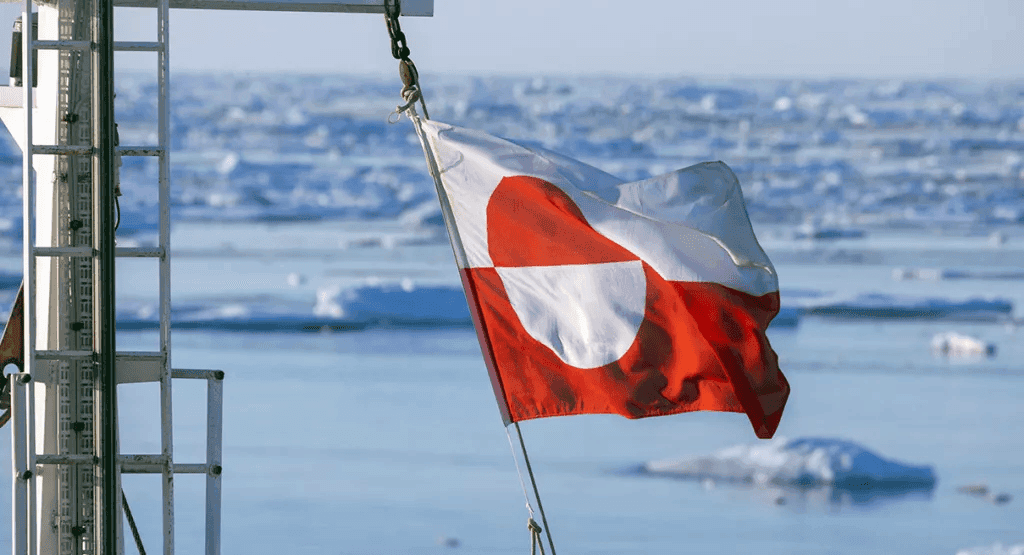
Greenland’s current governing coalition, led by the Demokraatit party since the March 2025 election, has prioritized a gradual path to potential sovereignty under the 2009 Self-Government Act rather than an immediate referendum. Trump’s repeated statements on acquiring the territory prompted stronger alignment with Denmark and the EU, reinforced by recent €200 million EU partnership commitments and joint declarations emphasizing security and economic ties. The island remains heavily dependent on Danish block grants, and public polling shows independence support drops sharply if living standards would decline. A constitutional commission report is not expected until late 2026, with no parliamentary mandate or timeline for a 2026 vote. Late geopolitical shifts or rapid fiscal self-sufficiency could still alter the trajectory before year-end.
Experimental AI-generated summary referencing Polymarket data. This is not trading advice and plays no role in how this market resolves. · Updated$48,934 Vol.
$48,934 Vol.
$48,934 Vol.
$48,934 Vol.
A referendum to join a country other than Denmark will be considered to be a referendum for independence.
The primary resolution source for this market will be official information from the governments of Greenland and/or Denmark; however, a consensus of credible reporting may also be used.
Market Opened: Jan 12, 2026, 5:47 PM ET
Resolver
0x65070BE91...A referendum to join a country other than Denmark will be considered to be a referendum for independence.
The primary resolution source for this market will be official information from the governments of Greenland and/or Denmark; however, a consensus of credible reporting may also be used.
Resolver
0x65070BE91...Greenland’s current governing coalition, led by the Demokraatit party since the March 2025 election, has prioritized a gradual path to potential sovereignty under the 2009 Self-Government Act rather than an immediate referendum. Trump’s repeated statements on acquiring the territory prompted stronger alignment with Denmark and the EU, reinforced by recent €200 million EU partnership commitments and joint declarations emphasizing security and economic ties. The island remains heavily dependent on Danish block grants, and public polling shows independence support drops sharply if living standards would decline. A constitutional commission report is not expected until late 2026, with no parliamentary mandate or timeline for a 2026 vote. Late geopolitical shifts or rapid fiscal self-sufficiency could still alter the trajectory before year-end.
Experimental AI-generated summary referencing Polymarket data. This is not trading advice and plays no role in how this market resolves. · Updated


Beware of external links.
Beware of external links.
Frequently Asked Questions