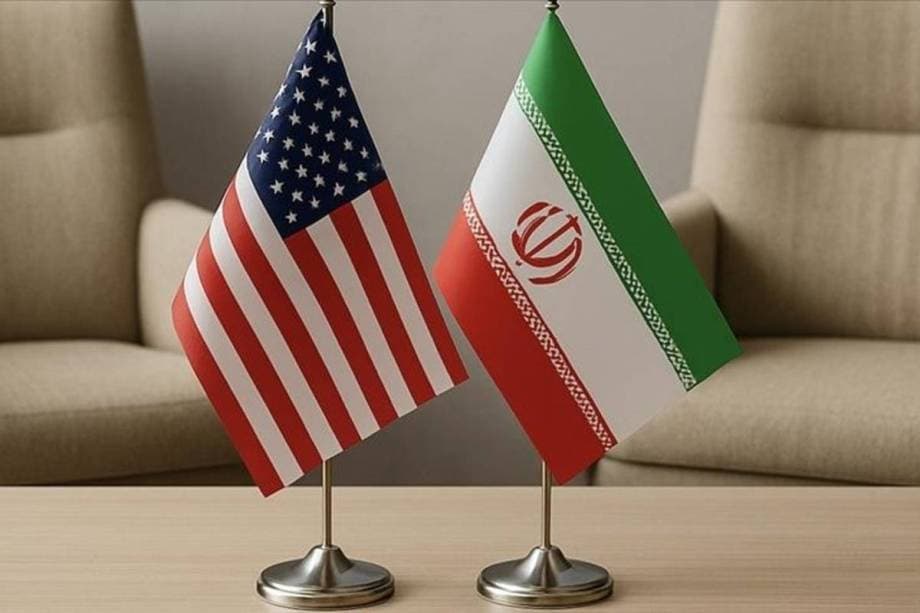
The US-Iran ceasefire, agreed April 8 for two weeks amid their direct conflict and mediated by Pakistan, was extended indefinitely by President Trump on April 21 pending Tehran's comprehensive peace proposal, while the US maintains a naval blockade of the Strait of Hormuz to pressure Iran on nuclear issues and shipping access. Iran submitted a new proposal on April 28, which Washington is reviewing, but fragile truce holds amid incidents like Tehran's seizure of vessels and stalled talks in Islamabad over the blockade. Traders monitor US response to the proposal, potential resumption of airstrikes, or diplomatic breakthroughs, with economic pressures from oil disruptions amplifying escalation risks before any formal extension terms solidify.
Résumé expérimental généré par IA à partir des données Polymarket. Ceci n'est pas un conseil de trading et ne joue aucun rôle dans la résolution de ce marché. · Mis à jourLe cessez-le-feu entre les États-Unis et l'Iran prolongé de... ?
Le cessez-le-feu entre les États-Unis et l'Iran prolongé de... ?
$210,137,727 Vol.
14 avril
Non
18 avril
Non
21 avril
Non
22 avril
Non
$210,137,727 Vol.
14 avril
Non
18 avril
Non
21 avril
Non
22 avril
Non
Both extensions of the April 7 ceasefire and new agreements scheduled to take effect before or at the initial agreement's scheduled end will be considered extensions of the ceasefire agreement, provided there is no period during which no ceasefire is in effect.
If a qualifying agreement is officially reached before the resolution date, this market will resolve to “Yes,” regardless of whether the ceasefire extension ultimately takes effect.
An extension of the ceasefire agreement requires clear public confirmation from both the United States government and the government of Iran that they have agreed to halt military hostilities against one another for longer than the initially agreed two-week period, or for an official extension of the ceasefire agreement in place to be otherwise confirmed by an overwhelming consensus of media reporting.
Any form of informal understanding, backchannel communication, de-escalation, or unilateral pause in hostilities without a confirmed agreement on a qualifying extension will not qualify. Similarly, newly agreed-upon humanitarian pauses, limited operational pauses, or temporary tactical stand-downs will not qualify.
A newly agreed-upon broader peace deal will qualify if it includes a qualifying extension of the ceasefire agreement/halt in military hostilities. Agreements that outline future negotiations or de-escalation measures, but do not explicitly commit to extending the ceasefire, will not qualify.
This market’s resolution will be based on official statements from the United States government and the government of Iran. However, an overwhelming consensus of credible media reporting confirming that an official ceasefire extension agreement has been reached will suffice.
Marché ouvert : Apr 8, 2026, 1:16 PM ET
Resolver
0x65070BE91...Résultat proposé: Non
Aucune contestation
Résultat final: Non
Both extensions of the April 7 ceasefire and new agreements scheduled to take effect before or at the initial agreement's scheduled end will be considered extensions of the ceasefire agreement, provided there is no period during which no ceasefire is in effect.
If a qualifying agreement is officially reached before the resolution date, this market will resolve to “Yes,” regardless of whether the ceasefire extension ultimately takes effect.
An extension of the ceasefire agreement requires clear public confirmation from both the United States government and the government of Iran that they have agreed to halt military hostilities against one another for longer than the initially agreed two-week period, or for an official extension of the ceasefire agreement in place to be otherwise confirmed by an overwhelming consensus of media reporting.
Any form of informal understanding, backchannel communication, de-escalation, or unilateral pause in hostilities without a confirmed agreement on a qualifying extension will not qualify. Similarly, newly agreed-upon humanitarian pauses, limited operational pauses, or temporary tactical stand-downs will not qualify.
A newly agreed-upon broader peace deal will qualify if it includes a qualifying extension of the ceasefire agreement/halt in military hostilities. Agreements that outline future negotiations or de-escalation measures, but do not explicitly commit to extending the ceasefire, will not qualify.
This market’s resolution will be based on official statements from the United States government and the government of Iran. However, an overwhelming consensus of credible media reporting confirming that an official ceasefire extension agreement has been reached will suffice.
Resolver
0x65070BE91...Résultat proposé: Non
Aucune contestation
Résultat final: Non
The US-Iran ceasefire, agreed April 8 for two weeks amid their direct conflict and mediated by Pakistan, was extended indefinitely by President Trump on April 21 pending Tehran's comprehensive peace proposal, while the US maintains a naval blockade of the Strait of Hormuz to pressure Iran on nuclear issues and shipping access. Iran submitted a new proposal on April 28, which Washington is reviewing, but fragile truce holds amid incidents like Tehran's seizure of vessels and stalled talks in Islamabad over the blockade. Traders monitor US response to the proposal, potential resumption of airstrikes, or diplomatic breakthroughs, with economic pressures from oil disruptions amplifying escalation risks before any formal extension terms solidify.
Résumé expérimental généré par IA à partir des données Polymarket. Ceci n'est pas un conseil de trading et ne joue aucun rôle dans la résolution de ce marché. · Mis à jour

Méfiez-vous des liens externes.
Méfiez-vous des liens externes.
Questions fréquentes