
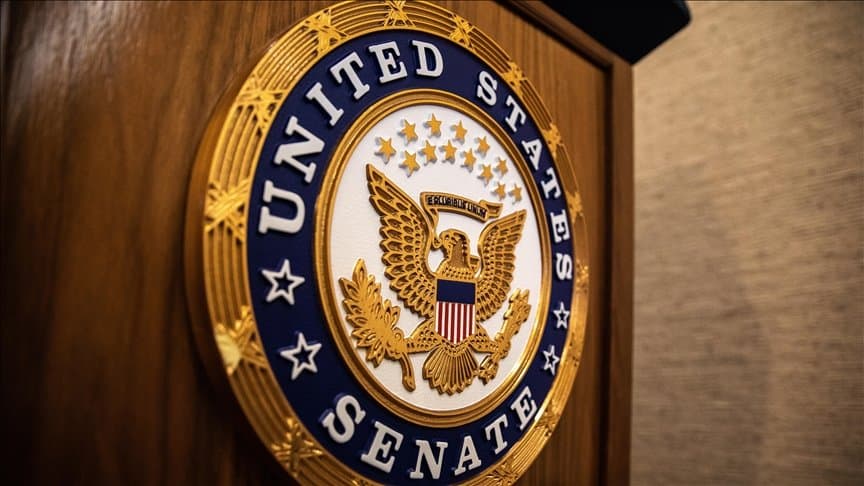
Two Republican Senate incumbents—John Cornyn in Texas and Bill Cassidy in Louisiana—lost renomination to Trump-endorsed challengers in 2026 primaries, driven by party base preferences for stronger alignment with administration priorities over establishment records on issues like spending and past votes. Most other GOP incumbents, including Susan Collins and Lindsey Graham, secured nomination with minimal or no serious opposition, consistent with historical patterns where Senate primary defeats remain rare. Trader consensus at three total losses reflects these confirmed outcomes plus one additional anticipated or procedural factor, while a fourth would require an unexpected upset in any late-cycle races.
Polymarketデータを参照したAI生成の実験的な要約。これは取引アドバイスではなく、このマーケットの解決方法には一切関係ありません。 · 更新日$76,328 Vol.
$76,328 Vol.
3
99%
4
<1%
$76,328 Vol.
$76,328 Vol.
3
$17,347 Vol.
99%
4
$6,571 Vol.
<1%
The 2026 midterm elections are scheduled to be held on November 3, 2026, with congressional primaries running from March through September.
This market will resolve according to the number of Republican Senate incumbents who do not win their nominating election to move on to the general election as a result of the 2026 midterm primary elections.
An incumbent will be considered not to have won their election if they are not declared the winner of the election they sought, including if they withdraw, suspend, or otherwise leave the race at any point after officially registering as a candidate, regardless of the reason. Incumbents who do not officially register as candidates for reelection will not be considered.
This market will resolve based on the results of all Senate nominating elections, including party primaries, top-two or jungle primaries, and primaries for special elections, that are scheduled to occur between March 1 and September 30, 2026. If a required runoff for any such election or a subsequent qualifying round in a non-partisan primary system could change the market’s outcome, the market will remain open until that contest is conclusively called by this market’s resolution sources.
A candidate's party will be determined by their ballot-listed or otherwise identifiable affiliation with that party at the time of their nominating election. A candidate without a ballot-listed affiliation to either the Democratic or Republican parties will be considered a member of one of these parties based on the party with which they most recently expressed their intent to caucus prior to the conclusion of the relevant nominating election.
The resolution source for this market will be the Associated Press, Fox News, and NBC. This market will resolve once all three sources have conclusively called all relevant nominating elections. If all three sources do not achieve consensus in calling the relevant races for this market, it will resolve based on official state certification of the nominating election results.Two Republican Senate incumbents—John Cornyn in Texas and Bill Cassidy in Louisiana—lost renomination to Trump-endorsed challengers in 2026 primaries, driven by party base preferences for stronger alignment with administration priorities over establishment records on issues like spending and past votes. Most other GOP incumbents, including Susan Collins and Lindsey Graham, secured nomination with minimal or no serious opposition, consistent with historical patterns where Senate primary defeats remain rare. Trader consensus at three total losses reflects these confirmed outcomes plus one additional anticipated or procedural factor, while a fourth would require an unexpected upset in any late-cycle races.
The 2026 midterm elections are scheduled to be held on November 3, 2026, with congressional primaries running from March through September.
This market will resolve according to the number of Republican Senate incumbents who do not win their nominating election to move on to the general election as a result of the 2026 midterm primary elections.
An incumbent will be considered not to have won their election if they are not declared the winner of the election they sought, including if they withdraw, suspend, or otherwise leave the race at any point after officially registering as a candidate, regardless of the reason. Incumbents who do not officially register as candidates for reelection will not be considered.
This market will resolve based on the results of all Senate nominating elections, including party primaries, top-two or jungle primaries, and primaries for special elections, that are scheduled to occur between March 1 and September 30, 2026. If a required runoff for any such election or a subsequent qualifying round in a non-partisan primary system could change the market’s outcome, the market will remain open until that contest is conclusively called by this market’s resolution sources.
A candidate's party will be determined by their ballot-listed or otherwise identifiable affiliation with that party at the time of their nominating election. A candidate without a ballot-listed affiliation to either the Democratic or Republican parties will be considered a member of one of these parties based on the party with which they most recently expressed their intent to caucus prior to the conclusion of the relevant nominating election.
The resolution source for this market will be the Associated Press, Fox News, and NBC. This market will resolve once all three sources have conclusively called all relevant nominating elections. If all three sources do not achieve consensus in calling the relevant races for this market, it will resolve based on official state certification of the nominating election results.
This market will resolve according to the number of Republican Senate incumbents who do not win their nominating election to move on to the general election as a result of the 2026 midterm primary elections.
An incumbent will be considered not to have won their election if they are not declared the winner of the election they sought, including if they withdraw, suspend, or otherwise leave the race at any point after officially registering as a candidate, regardless of the reason. Incumbents who do not officially register as candidates for reelection will not be considered.
This market will resolve based on the results of all Senate nominating elections, including party primaries, top-two or jungle primaries, and primaries for special elections, that are scheduled to occur between March 1 and September 30, 2026. If a required runoff for any such election or a subsequent qualifying round in a non-partisan primary system could change the market’s outcome, the market will remain open until that contest is conclusively called by this market’s resolution sources.
A candidate's party will be determined by their ballot-listed or otherwise identifiable affiliation with that party at the time of their nominating election. A candidate without a ballot-listed affiliation to either the Democratic or Republican parties will be considered a member of one of these parties based on the party with which they most recently expressed their intent to caucus prior to the conclusion of the relevant nominating election.
The resolution source for this market will be the Associated Press, Fox News, and NBC. This market will resolve once all three sources have conclusively called all relevant nominating elections. If all three sources do not achieve consensus in calling the relevant races for this market, it will resolve based on official state certification of the nominating election results.
マーケット開始日: Jan 14, 2026, 2:51 PM ET
音量
$76,328マーケット開始日
Jan 14, 2026, 2:51 PM ETリゾルバー
0x2F5e3684c...The 2026 midterm elections are scheduled to be held on November 3, 2026, with congressional primaries running from March through September.
This market will resolve according to the number of Republican Senate incumbents who do not win their nominating election to move on to the general election as a result of the 2026 midterm primary elections.
An incumbent will be considered not to have won their election if they are not declared the winner of the election they sought, including if they withdraw, suspend, or otherwise leave the race at any point after officially registering as a candidate, regardless of the reason. Incumbents who do not officially register as candidates for reelection will not be considered.
This market will resolve based on the results of all Senate nominating elections, including party primaries, top-two or jungle primaries, and primaries for special elections, that are scheduled to occur between March 1 and September 30, 2026. If a required runoff for any such election or a subsequent qualifying round in a non-partisan primary system could change the market’s outcome, the market will remain open until that contest is conclusively called by this market’s resolution sources.
A candidate's party will be determined by their ballot-listed or otherwise identifiable affiliation with that party at the time of their nominating election. A candidate without a ballot-listed affiliation to either the Democratic or Republican parties will be considered a member of one of these parties based on the party with which they most recently expressed their intent to caucus prior to the conclusion of the relevant nominating election.
The resolution source for this market will be the Associated Press, Fox News, and NBC. This market will resolve once all three sources have conclusively called all relevant nominating elections. If all three sources do not achieve consensus in calling the relevant races for this market, it will resolve based on official state certification of the nominating election results.Two Republican Senate incumbents—John Cornyn in Texas and Bill Cassidy in Louisiana—lost renomination to Trump-endorsed challengers in 2026 primaries, driven by party base preferences for stronger alignment with administration priorities over establishment records on issues like spending and past votes. Most other GOP incumbents, including Susan Collins and Lindsey Graham, secured nomination with minimal or no serious opposition, consistent with historical patterns where Senate primary defeats remain rare. Trader consensus at three total losses reflects these confirmed outcomes plus one additional anticipated or procedural factor, while a fourth would require an unexpected upset in any late-cycle races.
The 2026 midterm elections are scheduled to be held on November 3, 2026, with congressional primaries running from March through September.
This market will resolve according to the number of Republican Senate incumbents who do not win their nominating election to move on to the general election as a result of the 2026 midterm primary elections.
An incumbent will be considered not to have won their election if they are not declared the winner of the election they sought, including if they withdraw, suspend, or otherwise leave the race at any point after officially registering as a candidate, regardless of the reason. Incumbents who do not officially register as candidates for reelection will not be considered.
This market will resolve based on the results of all Senate nominating elections, including party primaries, top-two or jungle primaries, and primaries for special elections, that are scheduled to occur between March 1 and September 30, 2026. If a required runoff for any such election or a subsequent qualifying round in a non-partisan primary system could change the market’s outcome, the market will remain open until that contest is conclusively called by this market’s resolution sources.
A candidate's party will be determined by their ballot-listed or otherwise identifiable affiliation with that party at the time of their nominating election. A candidate without a ballot-listed affiliation to either the Democratic or Republican parties will be considered a member of one of these parties based on the party with which they most recently expressed their intent to caucus prior to the conclusion of the relevant nominating election.
The resolution source for this market will be the Associated Press, Fox News, and NBC. This market will resolve once all three sources have conclusively called all relevant nominating elections. If all three sources do not achieve consensus in calling the relevant races for this market, it will resolve based on official state certification of the nominating election results.
This market will resolve according to the number of Republican Senate incumbents who do not win their nominating election to move on to the general election as a result of the 2026 midterm primary elections.
An incumbent will be considered not to have won their election if they are not declared the winner of the election they sought, including if they withdraw, suspend, or otherwise leave the race at any point after officially registering as a candidate, regardless of the reason. Incumbents who do not officially register as candidates for reelection will not be considered.
This market will resolve based on the results of all Senate nominating elections, including party primaries, top-two or jungle primaries, and primaries for special elections, that are scheduled to occur between March 1 and September 30, 2026. If a required runoff for any such election or a subsequent qualifying round in a non-partisan primary system could change the market’s outcome, the market will remain open until that contest is conclusively called by this market’s resolution sources.
A candidate's party will be determined by their ballot-listed or otherwise identifiable affiliation with that party at the time of their nominating election. A candidate without a ballot-listed affiliation to either the Democratic or Republican parties will be considered a member of one of these parties based on the party with which they most recently expressed their intent to caucus prior to the conclusion of the relevant nominating election.
The resolution source for this market will be the Associated Press, Fox News, and NBC. This market will resolve once all three sources have conclusively called all relevant nominating elections. If all three sources do not achieve consensus in calling the relevant races for this market, it will resolve based on official state certification of the nominating election results.
音量
$76,328マーケット開始日
Jan 14, 2026, 2:51 PM ETリゾルバー
0x2F5e3684c...Two Republican Senate incumbents—John Cornyn in Texas and Bill Cassidy in Louisiana—lost renomination to Trump-endorsed challengers in 2026 primaries, driven by party base preferences for stronger alignment with administration priorities over establishment records on issues like spending and past votes. Most other GOP incumbents, including Susan Collins and Lindsey Graham, secured nomination with minimal or no serious opposition, consistent with historical patterns where Senate primary defeats remain rare. Trader consensus at three total losses reflects these confirmed outcomes plus one additional anticipated or procedural factor, while a fourth would require an unexpected upset in any late-cycle races.
Polymarketデータを参照したAI生成の実験的な要約。これは取引アドバイスではなく、このマーケットの解決方法には一切関係ありません。 · 更新日
外部リンクに注意してください。
外部リンクに注意してください。
よくある質問