
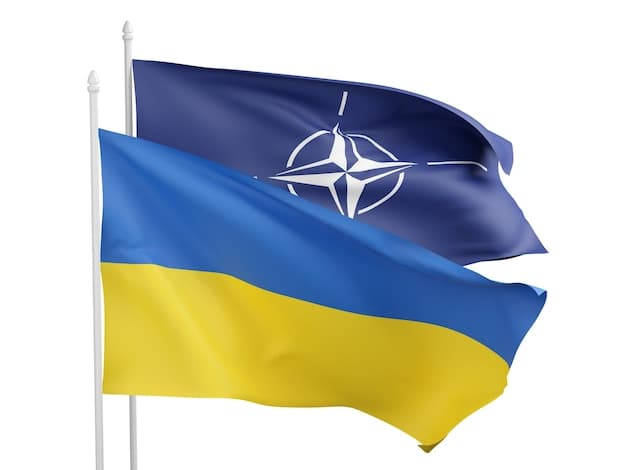
NATO maintains a firm policy against deploying its own or EU combat troops directly into Ukraine to avoid escalation with Russia, channeling support instead through equipment deliveries, training via NSATU, and financial pledges such as the €70 billion commitment at the July 2026 Ankara summit. Recent developments include a June 2026 NATO-Ukraine Council meeting in Kyiv and ongoing Coalition of the Willing discussions led by France and the UK for potential post-ceasefire multinational forces focused on deterrence, monitoring, and training rather than active combat. Russian warnings against any ground presence and repeated strikes near NATO borders have reinforced caution, while EU statements emphasize security guarantees without committing to immediate troop involvement. Market sentiment reflects these structural barriers alongside uncertainty over future ceasefire timelines or diplomatic shifts that could alter deployment conditions.
Resumo experimental gerado por IA com dados do Polymarket. Isto não é aconselhamento de trading e não tem qualquer papel na resolução deste mercado. · Atualizado$482,229 Vol.
31 de dezembro de 2026
6%
$482,229 Vol.
31 de dezembro de 2026
6%
For military personnel to qualify toward a "Yes" resolution, they must be 1) officially acknowledged as active military by the NATO or EU entity or member state they are affiliated with; 2) be publicly acknowledged by NATO or an EU-affiliated entity to have entered Ukraine for a combat-related military purpose directly pertaining to the ongoing conflict with Russia.
For military personnel to qualify toward a "Yes" resolution they need be active duty and acknowledged as described above. Participation in a combat role is necessary for this market to resolve to "Yes" (e.g. military personnel providing training or intelligence support would not qualify toward a "Yes" resolution, however drone pilots or infantry directly attacking Russian troops, or soldiers targeting and downing missiles from Ukrainian soil would qualify toward a "Yes" resolution).
The primary resolution source for this market will be official information from NATO, the EU, or member states of either entity, however a consensus of credible reporting will also be used.
Mercado Aberto: Jun 30, 2026, 7:39 PM ET
Resolver
0x65070BE91...For military personnel to qualify toward a "Yes" resolution, they must be 1) officially acknowledged as active military by the NATO or EU entity or member state they are affiliated with; 2) be publicly acknowledged by NATO or an EU-affiliated entity to have entered Ukraine for a combat-related military purpose directly pertaining to the ongoing conflict with Russia.
For military personnel to qualify toward a "Yes" resolution they need be active duty and acknowledged as described above. Participation in a combat role is necessary for this market to resolve to "Yes" (e.g. military personnel providing training or intelligence support would not qualify toward a "Yes" resolution, however drone pilots or infantry directly attacking Russian troops, or soldiers targeting and downing missiles from Ukrainian soil would qualify toward a "Yes" resolution).
The primary resolution source for this market will be official information from NATO, the EU, or member states of either entity, however a consensus of credible reporting will also be used.
Resolver
0x65070BE91...NATO maintains a firm policy against deploying its own or EU combat troops directly into Ukraine to avoid escalation with Russia, channeling support instead through equipment deliveries, training via NSATU, and financial pledges such as the €70 billion commitment at the July 2026 Ankara summit. Recent developments include a June 2026 NATO-Ukraine Council meeting in Kyiv and ongoing Coalition of the Willing discussions led by France and the UK for potential post-ceasefire multinational forces focused on deterrence, monitoring, and training rather than active combat. Russian warnings against any ground presence and repeated strikes near NATO borders have reinforced caution, while EU statements emphasize security guarantees without committing to immediate troop involvement. Market sentiment reflects these structural barriers alongside uncertainty over future ceasefire timelines or diplomatic shifts that could alter deployment conditions.
Resumo experimental gerado por IA com dados do Polymarket. Isto não é aconselhamento de trading e não tem qualquer papel na resolução deste mercado. · Atualizado


Cuidado com os links externos.
Cuidado com os links externos.
Frequently Asked Questions