Market icon

Avg. # of ships transiting Strait of Hormuz on April 19?

Market icon

Avg. # of ships transiting Strait of Hormuz on April 19?

4-7 32%

8-11 29%

<4 11%

12-15 9%

Polymarket
NEW

4-7 32%

8-11 29%

<4 11%

12-15 9%

Polymarket
NEW

<4

$1,025 Vol.

11%

4-7

$570 Vol.

32%

8-11

$354 Vol.

29%

12-15

$416 Vol.

9%

16-19

$454 Vol.

6%

20+

$2,613 Vol.

9%

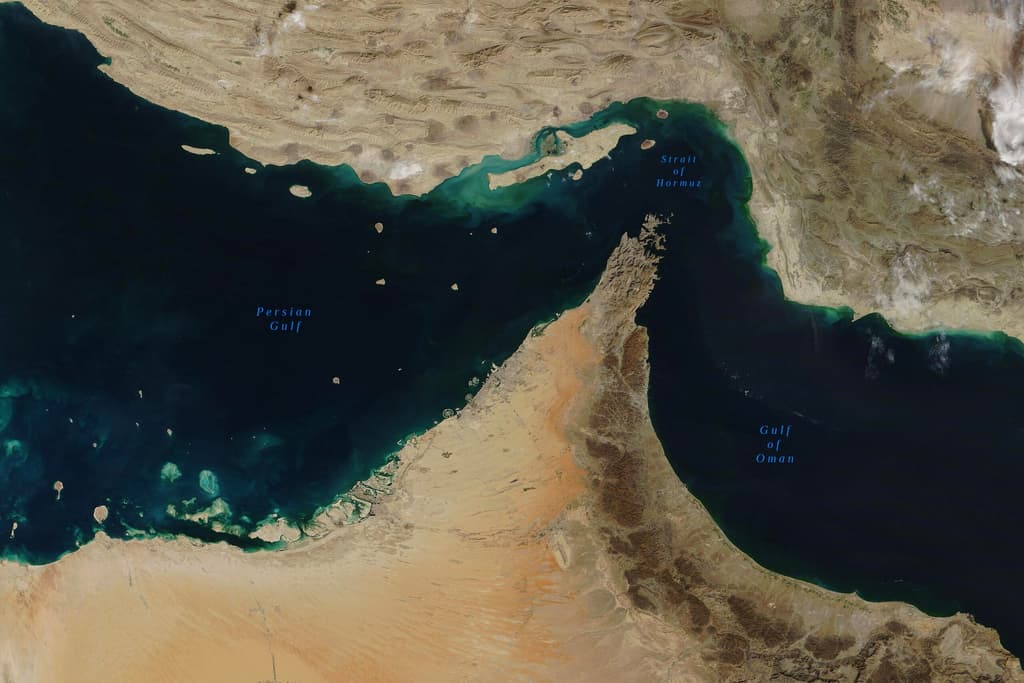
This market will resolve according to the 7-day moving average of transit calls (“Arrivals of Ships”) for the Strait of Hormuz that IMF Portwatch reports for the specified date. Transit calls include container, dry bulk, roll-on/roll-off, general cargo, and tanker ships. Ships not reported by IMF Portwatch will not be considered. This market will resolve as soon as the data for the specified date has been published. If no data for the specified date has been published by 11:59 PM ET on the seventh day after the end of the specified date, this market will resolve based on data for the most recent date prior to the specified date for which data is available. This market will resolve based on the first publication of data for the specified date. Any subsequent revisions will not be considered. If the reported value falls exactly between two brackets, this market will resolve to the higher range bracket. The resolution source for this market will be IMF Portwatch, specifically the transit calls data published for the Strait of Hormuz at https://portwatch.imf.org/pages/cb5856222a5b4105adc6ee7e880a1730.Polymarket traders' skin-in-the-game consensus prices a tight race between 4-7 ships (31.5% implied probability) and 8-11 ships (28.5%) transiting the Strait of Hormuz on April 19, reflecting sustained low volumes from the Iran conflict disruptions since February 28, 2026, when daily averages plunged from 130 to 6-12 per IMF PortWatch and Windward data. Recent catalysts include a fragile US-Iran ceasefire and the US naval blockade of Iranian ports initiated April 13—enforcing compliance with six turnarounds in the first day—yet permitting limited non-Iranian traffic amid elevated war-risk insurance and AIS spoofing. Differentiating factors hinge on blockade efficacy versus sporadic upticks like 21 transits on April 12 or 17 on April 11, with oil market volatility underscoring the chokepoint's 20% global crude exposure; watch imminent negotiations for resolution swings.

This market will resolve according to the 7-day moving average of transit calls (“Arrivals of Ships”) for the Strait of Hormuz that IMF Portwatch reports for the specified date.

Transit calls include container, dry bulk, roll-on/roll-off, general cargo, and tanker ships. Ships not reported by IMF Portwatch will not be considered.

This market will resolve as soon as the data for the specified date has been published. If no data for the specified date has been published by 11:59 PM ET on the seventh day after the end of the specified date, this market will resolve based on data for the most recent date prior to the specified date for which data is available.

This market will resolve based on the first publication of data for the specified date. Any subsequent revisions will not be considered.
If the reported value falls exactly between two brackets, this market will resolve to the higher range bracket.

The resolution source for this market will be IMF Portwatch, specifically the transit calls data published for the Strait of Hormuz at https://portwatch.imf.org/pages/cb5856222a5b4105adc6ee7e880a1730.
Volume
$5,433
End Date
Apr 19, 2026
Market Opened
Apr 13, 2026, 3:36 PM ET
This market will resolve according to the 7-day moving average of transit calls (“Arrivals of Ships”) for the Strait of Hormuz that IMF Portwatch reports for the specified date. Transit calls include container, dry bulk, roll-on/roll-off, general cargo, and tanker ships. Ships not reported by IMF Portwatch will not be considered. This market will resolve as soon as the data for the specified date has been published. If no data for the specified date has been published by 11:59 PM ET on the seventh day after the end of the specified date, this market will resolve based on data for the most recent date prior to the specified date for which data is available. This market will resolve based on the first publication of data for the specified date. Any subsequent revisions will not be considered. If the reported value falls exactly between two brackets, this market will resolve to the higher range bracket. The resolution source for this market will be IMF Portwatch, specifically the transit calls data published for the Strait of Hormuz at https://portwatch.imf.org/pages/cb5856222a5b4105adc6ee7e880a1730.
This market will resolve according to the 7-day moving average of transit calls (“Arrivals of Ships”) for the Strait of Hormuz that IMF Portwatch reports for the specified date. Transit calls include container, dry bulk, roll-on/roll-off, general cargo, and tanker ships. Ships not reported by IMF Portwatch will not be considered. This market will resolve as soon as the data for the specified date has been published. If no data for the specified date has been published by 11:59 PM ET on the seventh day after the end of the specified date, this market will resolve based on data for the most recent date prior to the specified date for which data is available. This market will resolve based on the first publication of data for the specified date. Any subsequent revisions will not be considered. If the reported value falls exactly between two brackets, this market will resolve to the higher range bracket. The resolution source for this market will be IMF Portwatch, specifically the transit calls data published for the Strait of Hormuz at https://portwatch.imf.org/pages/cb5856222a5b4105adc6ee7e880a1730.Polymarket traders' skin-in-the-game consensus prices a tight race between 4-7 ships (31.5% implied probability) and 8-11 ships (28.5%) transiting the Strait of Hormuz on April 19, reflecting sustained low volumes from the Iran conflict disruptions since February 28, 2026, when daily averages plunged from 130 to 6-12 per IMF PortWatch and Windward data. Recent catalysts include a fragile US-Iran ceasefire and the US naval blockade of Iranian ports initiated April 13—enforcing compliance with six turnarounds in the first day—yet permitting limited non-Iranian traffic amid elevated war-risk insurance and AIS spoofing. Differentiating factors hinge on blockade efficacy versus sporadic upticks like 21 transits on April 12 or 17 on April 11, with oil market volatility underscoring the chokepoint's 20% global crude exposure; watch imminent negotiations for resolution swings.

This market will resolve according to the 7-day moving average of transit calls (“Arrivals of Ships”) for the Strait of Hormuz that IMF Portwatch reports for the specified date.

Transit calls include container, dry bulk, roll-on/roll-off, general cargo, and tanker ships. Ships not reported by IMF Portwatch will not be considered.

This market will resolve as soon as the data for the specified date has been published. If no data for the specified date has been published by 11:59 PM ET on the seventh day after the end of the specified date, this market will resolve based on data for the most recent date prior to the specified date for which data is available.

This market will resolve based on the first publication of data for the specified date. Any subsequent revisions will not be considered.
If the reported value falls exactly between two brackets, this market will resolve to the higher range bracket.

The resolution source for this market will be IMF Portwatch, specifically the transit calls data published for the Strait of Hormuz at https://portwatch.imf.org/pages/cb5856222a5b4105adc6ee7e880a1730.
Volume
$5,433
End Date
Apr 19, 2026
Market Opened
Apr 13, 2026, 3:36 PM ET
This market will resolve according to the 7-day moving average of transit calls (“Arrivals of Ships”) for the Strait of Hormuz that IMF Portwatch reports for the specified date. Transit calls include container, dry bulk, roll-on/roll-off, general cargo, and tanker ships. Ships not reported by IMF Portwatch will not be considered. This market will resolve as soon as the data for the specified date has been published. If no data for the specified date has been published by 11:59 PM ET on the seventh day after the end of the specified date, this market will resolve based on data for the most recent date prior to the specified date for which data is available. This market will resolve based on the first publication of data for the specified date. Any subsequent revisions will not be considered. If the reported value falls exactly between two brackets, this market will resolve to the higher range bracket. The resolution source for this market will be IMF Portwatch, specifically the transit calls data published for the Strait of Hormuz at https://portwatch.imf.org/pages/cb5856222a5b4105adc6ee7e880a1730.

Beware of external links.

Frequently Asked Questions

"Avg. # of ships transiting Strait of Hormuz on April 19?" is a prediction market on Polymarket with 6 possible outcomes where traders buy and sell shares based on what they believe will happen. The current leading outcome is "4-7" at 32%, followed by "8-11" at 28%. Prices reflect real-time crowd-sourced probabilities. For example, a share priced at 32¢ implies that the market collectively assigns a 32% chance to that outcome. These odds shift continuously as traders react to new developments and information. Shares in the correct outcome are redeemable for $1 each upon market resolution.

"Avg. # of ships transiting Strait of Hormuz on April 19?" is a newly created market on Polymarket, launched on Apr 13, 2026. As an early market, this is your opportunity to be among the first traders to set the odds and establish the market's initial price signals. You can also bookmark this page to track volume and trading activity as the market gains traction over time.

To trade on "Avg. # of ships transiting Strait of Hormuz on April 19?," browse the 6 available outcomes listed on this page. Each outcome displays a current price representing the market's implied probability. To take a position, select the outcome you believe is most likely, choose "Yes" to trade in favor of it or "No" to trade against it, enter your amount, and click "Trade." If your chosen outcome is correct when the market resolves, your "Yes" shares pay out $1 each. If it's incorrect, they pay out $0. You can also sell your shares at any time before resolution if you want to lock in a profit or cut a loss.

The current frontrunner for "Avg. # of ships transiting Strait of Hormuz on April 19?" is "4-7" at 32%, meaning the market assigns a 32% chance to that outcome. The next closest outcome is "8-11" at 28%. These odds update in real-time as traders buy and sell shares, so they reflect the latest collective view of what's most likely to happen. Check back frequently or bookmark this page to follow how the odds shift as new information emerges.

The resolution rules for "Avg. # of ships transiting Strait of Hormuz on April 19?" define exactly what needs to happen for each outcome to be declared a winner — including the official data sources used to determine the result. You can review the complete resolution criteria in the "Rules" section on this page above the comments. We recommend reading the rules carefully before trading, as they specify the precise conditions, edge cases, and sources that govern how this market is settled.