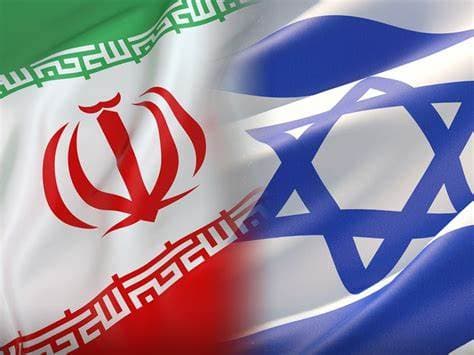
A provisional two-week US-Iran ceasefire, agreed around April 7 following US and Israeli airstrikes that ignited the conflict on February 28, holds tenuously amid ongoing Israeli strikes on Hezbollah in Lebanon—which Iran insists must be included—and disruptions to shipping in the Strait of Hormuz. Face-to-face talks in Pakistan ended without agreement on April 12, but Pakistani mediators arrived in Tehran on April 15 to sustain diplomacy, as the Trump administration expressed optimism for a potential second round amid Tehran's rejection of US nuclear conditions. Trader consensus reflects uncertainty over ceasefire extension, with escalation risks from retaliatory missile exchanges and naval blockades, ahead of any UN Security Council discussions or Hormuz resolution deadlines.
Experimental AI-generated summary referencing Polymarket data. This is not trading advice and plays no role in how this market resolves. · UpdatedIran x Israel/US conflict ends by...?
Iran x Israel/US conflict ends by...?
$42,163,958 Vol.
April 7
87%
April 15
87%
April 30
88%
May 15
92%
June 30
95%
December 31
98%
$42,163,958 Vol.
April 7
87%
April 15
87%
April 30
88%
May 15
92%
June 30
95%
December 31
98%
The 14-day period may begin at any time between the creation of this market and the specified end date (ET), and must continue uninterrupted through 12:00 PM ET on the 14th calendar day after the strike is confirmed.
A "military action" is defined as any use of force by Iran, or Israel and the United States against the other’s soil, or official embassies or consulates, that is either officially acknowledged by the acting government or confirmed through a clear consensus of credible reporting.
This includes, but is not limited to, airstrikes, naval attacks, and ground incursions.
Cyberattacks, sanctions, and diplomatic actions do not count.
Only actions by Iranian forces explicitly claimed by the Islamic Republic of Iran, or confirmed to have originated from Iranian territory will qualify as Iranian military actions. Attacks on Israel or the US by proxy forces (i.e. Hezbollah, Houthis, etc.) will not count.
Market Opened: Mar 12, 2026, 5:32 PM ET
Resolver
0x65070BE91...The 14-day period may begin at any time between the creation of this market and the specified end date (ET), and must continue uninterrupted through 12:00 PM ET on the 14th calendar day after the strike is confirmed.
A "military action" is defined as any use of force by Iran, or Israel and the United States against the other’s soil, or official embassies or consulates, that is either officially acknowledged by the acting government or confirmed through a clear consensus of credible reporting.
This includes, but is not limited to, airstrikes, naval attacks, and ground incursions.
Cyberattacks, sanctions, and diplomatic actions do not count.
Only actions by Iranian forces explicitly claimed by the Islamic Republic of Iran, or confirmed to have originated from Iranian territory will qualify as Iranian military actions. Attacks on Israel or the US by proxy forces (i.e. Hezbollah, Houthis, etc.) will not count.
Resolver
0x65070BE91...A provisional two-week US-Iran ceasefire, agreed around April 7 following US and Israeli airstrikes that ignited the conflict on February 28, holds tenuously amid ongoing Israeli strikes on Hezbollah in Lebanon—which Iran insists must be included—and disruptions to shipping in the Strait of Hormuz. Face-to-face talks in Pakistan ended without agreement on April 12, but Pakistani mediators arrived in Tehran on April 15 to sustain diplomacy, as the Trump administration expressed optimism for a potential second round amid Tehran's rejection of US nuclear conditions. Trader consensus reflects uncertainty over ceasefire extension, with escalation risks from retaliatory missile exchanges and naval blockades, ahead of any UN Security Council discussions or Hormuz resolution deadlines.
Experimental AI-generated summary referencing Polymarket data. This is not trading advice and plays no role in how this market resolves. · Updated
Beware of external links.
Beware of external links.
Frequently Asked Questions