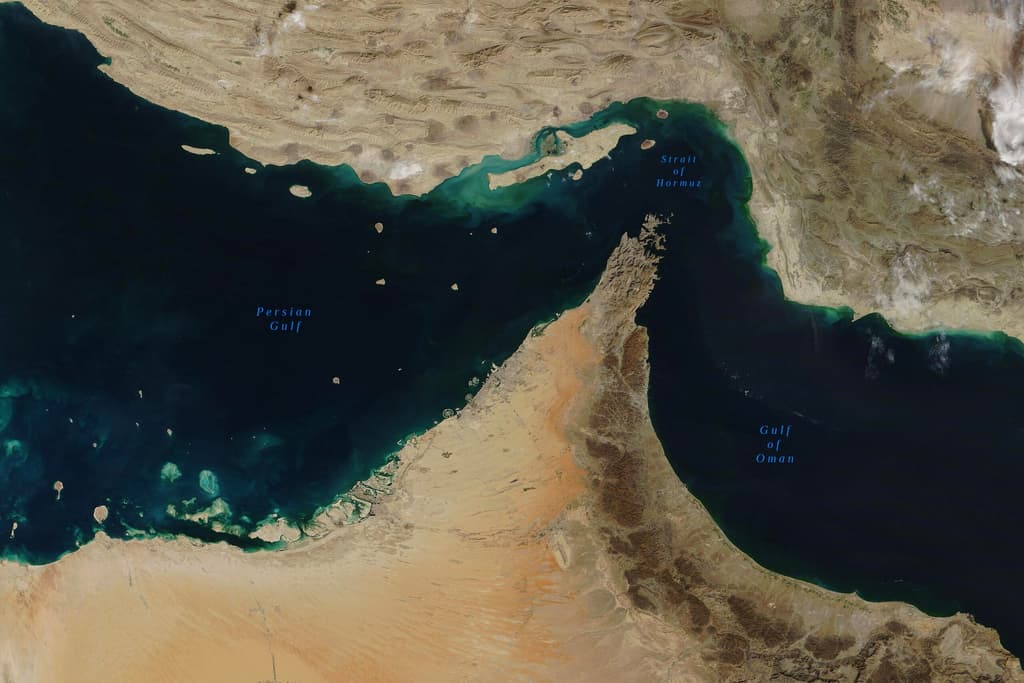
Trader consensus on Strait of Hormuz ship transits for March 30-April 5 reflects persistent low volumes under Iranian-managed restrictions amid the ongoing conflict, with daily counts averaging 4-6 vessels—far below the pre-war norm of 60-138—yielding tight clustering around 30-39 total (30%) and 20-24 (21.5%). Recent upticks, including 13 crossings on March 28, six on March 30 (two Chinese containerships), and four in the last 24 hours as of April 1, stem from selective approvals for vessels linked to China, India, and others via an IRGC-controlled corridor charging tolls, boosting higher bins while uncertainty over dark fleet activity keeps lower ranges viable. The race stays close due to volatile daily flows and pending diplomacy like the China-Pakistan initiative extended to April 6; escalation, expanded approvals, or forced reopening could widen separation.
基於Polymarket數據的AI實驗性摘要 · 更新於How many ships transit the Strait of Hormuz this week? (Mar 30-Apr 5)
How many ships transit the Strait of Hormuz this week? (Mar 30-Apr 5)
35-39 30%
20-24 22%
25-29 20%
30-34 19%
$18,524 交易量
$18,524 交易量
<10
1%
10-14
1%
15-19
9%
20-24
22%
25-29
20%
30-34
19%
35-39
30%
40-44
1%
45+
2%
35-39 30%
20-24 22%
25-29 20%
30-34 19%
$18,524 交易量
$18,524 交易量
<10
1%
10-14
1%
15-19
9%
20-24
22%
25-29
20%
30-34
19%
35-39
30%
40-44
1%
45+
2%
Transit calls include container, dry bulk, roll-on/roll-off, general cargo, and tanker ships. Ships not reported by IMF Portwatch will not be considered.
This market will resolve as soon as data has been published for the final date in the specified period. If no data has been published for the final date of the specified period within 14 calendar days (ET) after the end of that period, this market will resolve based on data published up to that point.
Revisions to previously published data points made within this market’s timeframe will be considered. Revisions to previously published data points after data is published for the final date of the specified period, however, will not be considered.
The resolution source for this market will be IMF Portwatch, specifically the transit calls data published for the Strait of Hormuz at https://portwatch.imf.org/pages/cb5856222a5b4105adc6ee7e880a1730, both in the chart and through downloadable files.
市場開放時間: Mar 30, 2026, 3:49 PM ET
Resolver
0x69c47De9D...Transit calls include container, dry bulk, roll-on/roll-off, general cargo, and tanker ships. Ships not reported by IMF Portwatch will not be considered.
This market will resolve as soon as data has been published for the final date in the specified period. If no data has been published for the final date of the specified period within 14 calendar days (ET) after the end of that period, this market will resolve based on data published up to that point.
Revisions to previously published data points made within this market’s timeframe will be considered. Revisions to previously published data points after data is published for the final date of the specified period, however, will not be considered.
The resolution source for this market will be IMF Portwatch, specifically the transit calls data published for the Strait of Hormuz at https://portwatch.imf.org/pages/cb5856222a5b4105adc6ee7e880a1730, both in the chart and through downloadable files.
Resolver
0x69c47De9D...Trader consensus on Strait of Hormuz ship transits for March 30-April 5 reflects persistent low volumes under Iranian-managed restrictions amid the ongoing conflict, with daily counts averaging 4-6 vessels—far below the pre-war norm of 60-138—yielding tight clustering around 30-39 total (30%) and 20-24 (21.5%). Recent upticks, including 13 crossings on March 28, six on March 30 (two Chinese containerships), and four in the last 24 hours as of April 1, stem from selective approvals for vessels linked to China, India, and others via an IRGC-controlled corridor charging tolls, boosting higher bins while uncertainty over dark fleet activity keeps lower ranges viable. The race stays close due to volatile daily flows and pending diplomacy like the China-Pakistan initiative extended to April 6; escalation, expanded approvals, or forced reopening could widen separation.
基於Polymarket數據的AI實驗性摘要 · 更新於
警惕外部連結哦。
警惕外部連結哦。
Frequently Asked Questions