
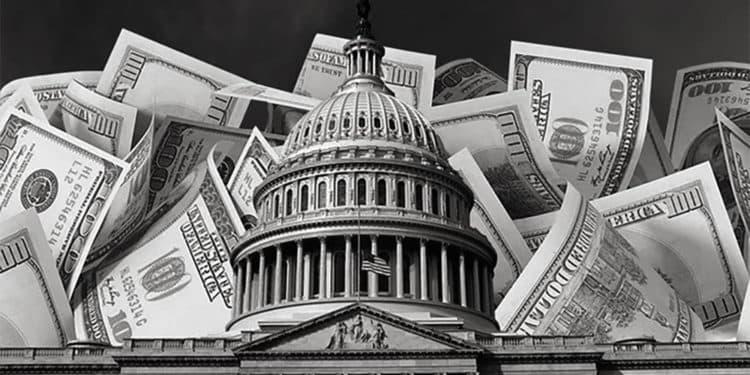
Robust capital positions among major U.S. banks underpin the 95% market-implied odds against a bailout before 2027. The Federal Reserve’s June 2026 stress test showed all 32 tested institutions maintaining aggregate common equity tier 1 ratios above minimums, with a modest 1.6 percentage point decline to 11.2% despite $708 billion in projected losses under a severe recession scenario featuring 10% unemployment and sharp declines in real estate and equity prices. Banks have since increased dividends and authorized buybacks, reflecting ample loss-absorbing capacity. Regulatory stress capital buffers remain unchanged through 2027. An unexpected macroeconomic shock or concentrated credit deterioration could still pressure individual firms, though current buffers and oversight reduce that likelihood.
基於Polymarket數據的AI實驗性摘要。這不是交易建議,也不影響該市場的結算方式。 · 更新於A bailout is defined as any of these actions in direct response to directly related to solvency, liquidity, or capital adequacy concerns.
-Establishing a Federal Reserve emergency lending facility
-Creating an FDIC-assisted resolution or bridge bank
-A U.S. Treasury capital injection
-A publicly disclosed, regulatory-facilitated acquisition
An official announcement from the U.S. government that they are taking any of these actions will qualify regardless of if/when the action occurs.
Routine access to standing facilities (such as the discount window or BTFP) or participation in stress tests, capital raises, or ordinary supervision will not on their own qualify.
If a bank experiences distress but is acquired privately without public intervention or coordination, this will not qualify.
市場開放時間: Nov 12, 2025, 6:22 PM ET
A bailout is defined as any of these actions in direct response to directly related to solvency, liquidity, or capital adequacy concerns.
-Establishing a Federal Reserve emergency lending facility
-Creating an FDIC-assisted resolution or bridge bank
-A U.S. Treasury capital injection
-A publicly disclosed, regulatory-facilitated acquisition
An official announcement from the U.S. government that they are taking any of these actions will qualify regardless of if/when the action occurs.
Routine access to standing facilities (such as the discount window or BTFP) or participation in stress tests, capital raises, or ordinary supervision will not on their own qualify.
If a bank experiences distress but is acquired privately without public intervention or coordination, this will not qualify.
Robust capital positions among major U.S. banks underpin the 95% market-implied odds against a bailout before 2027. The Federal Reserve’s June 2026 stress test showed all 32 tested institutions maintaining aggregate common equity tier 1 ratios above minimums, with a modest 1.6 percentage point decline to 11.2% despite $708 billion in projected losses under a severe recession scenario featuring 10% unemployment and sharp declines in real estate and equity prices. Banks have since increased dividends and authorized buybacks, reflecting ample loss-absorbing capacity. Regulatory stress capital buffers remain unchanged through 2027. An unexpected macroeconomic shock or concentrated credit deterioration could still pressure individual firms, though current buffers and oversight reduce that likelihood.
基於Polymarket數據的AI實驗性摘要。這不是交易建議,也不影響該市場的結算方式。 · 更新於


警惕外部連結哦。
警惕外部連結哦。
Frequently Asked Questions