
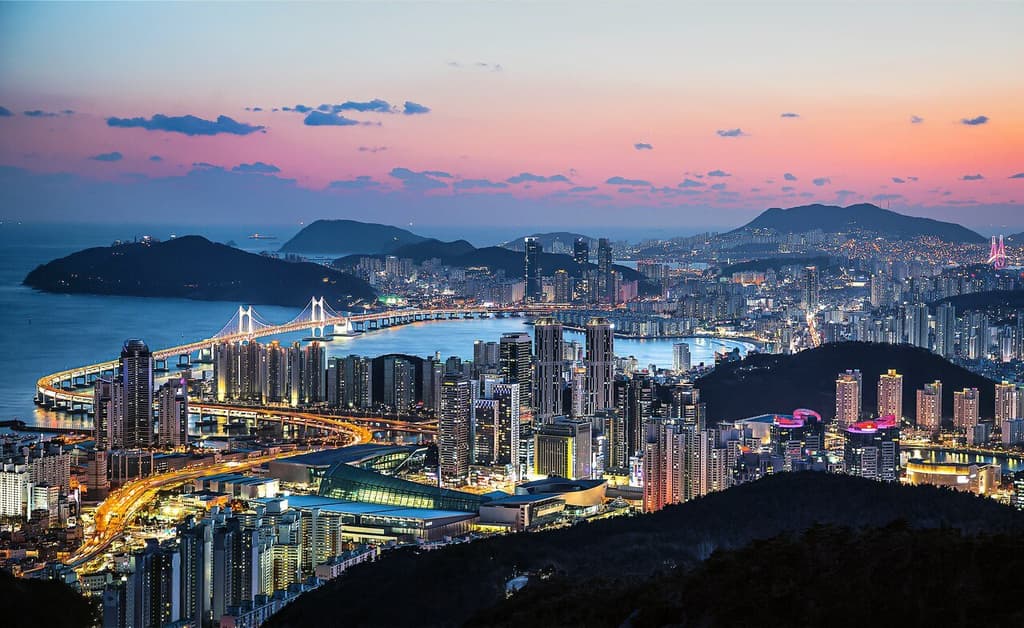
Current forecast uncertainty for Busan’s September 19 minimum temperature stems from competing model signals on an approaching mid-latitude trough and possible weak frontal boundary. Ensemble guidance shows variable low-level moisture and cloud cover that could suppress radiative cooling and keep overnight lows near or above 25 °C, while clearer, drier air behind any front would favor stronger cooling toward 15 °C or below. Marine influence from the Korea Strait and urban effects in the coastal city add further variability to boundary-layer mixing. With resolution imminent, traders are weighting the latest Korean Meteorological Administration and ECMWF runs, which diverge on timing and strength of the system. Historical September minima in Busan average near 18–20 °C, underscoring how sensitive the outcome remains to 48-hour forecast shifts.
基于Polymarket数据的AI实验性摘要。这不是交易建议,也不影响该市场的结算方式。 · 更新于9月19日釜山气温最低?
9月19日釜山气温最低?
15°C或以下 100%
25°C或更高 98%
20°C 40%
21°C 40%
15°C或以下
100%
16°C
39%
17°C
39%
18°C
39%
19°C
39%
20°C
40%
21°C
40%
22°C
39%
23°C
39%
24°C
39%
25°C或更高
98%
15°C或以下 100%
25°C或更高 98%
20°C 40%
21°C 40%
15°C或以下
100%
16°C
39%
17°C
39%
18°C
39%
19°C
39%
20°C
40%
21°C
40%
22°C
39%
23°C
39%
24°C
39%
25°C或更高
98%
The resolution source for this market will be information from NOAA, specifically the lowest reading under the "Temp" column for all times on this day, available here: https://www.weather.gov/wrh/timeseries?site=rkpk
If NOAA data for the observation date is unavailable by 11:59 PM ET on the day following the observation date, the Weather Underground Daily Observations table will be used as the resolution source.
In the event that there is no data for the observation date by 11:59 PM ET on the day following the observation date, this market will resolve to the lowest bracket.
To toggle between Fahrenheit and Celsius, click the "Switch to Metric Units" button until the relevant table displays °C.
This market will resolve once the first data point for the following date has been published on the resolution source, or by 11:59 PM ET on the day following the observation date, whichever comes first.
The resolution source for this market measures temperatures to whole degrees Celsius (eg, 9°C). Thus, this is the level of precision that will be used when resolving the market.
Revisions to temperatures recorded within this market's timeframe will be considered until the first datapoint for the following date has been published, after which any alterations will not be considered.
市场开放时间: Sep 17, 2026, 12:31 AM ET
The resolution source for this market will be information from NOAA, specifically the lowest reading under the "Temp" column for all times on this day, available here: https://www.weather.gov/wrh/timeseries?site=rkpk
If NOAA data for the observation date is unavailable by 11:59 PM ET on the day following the observation date, the Weather Underground Daily Observations table will be used as the resolution source.
In the event that there is no data for the observation date by 11:59 PM ET on the day following the observation date, this market will resolve to the lowest bracket.
To toggle between Fahrenheit and Celsius, click the "Switch to Metric Units" button until the relevant table displays °C.
This market will resolve once the first data point for the following date has been published on the resolution source, or by 11:59 PM ET on the day following the observation date, whichever comes first.
The resolution source for this market measures temperatures to whole degrees Celsius (eg, 9°C). Thus, this is the level of precision that will be used when resolving the market.
Revisions to temperatures recorded within this market's timeframe will be considered until the first datapoint for the following date has been published, after which any alterations will not be considered.
Current forecast uncertainty for Busan’s September 19 minimum temperature stems from competing model signals on an approaching mid-latitude trough and possible weak frontal boundary. Ensemble guidance shows variable low-level moisture and cloud cover that could suppress radiative cooling and keep overnight lows near or above 25 °C, while clearer, drier air behind any front would favor stronger cooling toward 15 °C or below. Marine influence from the Korea Strait and urban effects in the coastal city add further variability to boundary-layer mixing. With resolution imminent, traders are weighting the latest Korean Meteorological Administration and ECMWF runs, which diverge on timing and strength of the system. Historical September minima in Busan average near 18–20 °C, underscoring how sensitive the outcome remains to 48-hour forecast shifts.
基于Polymarket数据的AI实验性摘要。这不是交易建议,也不影响该市场的结算方式。 · 更新于
警惕外部链接哦。
警惕外部链接哦。
常见问题