
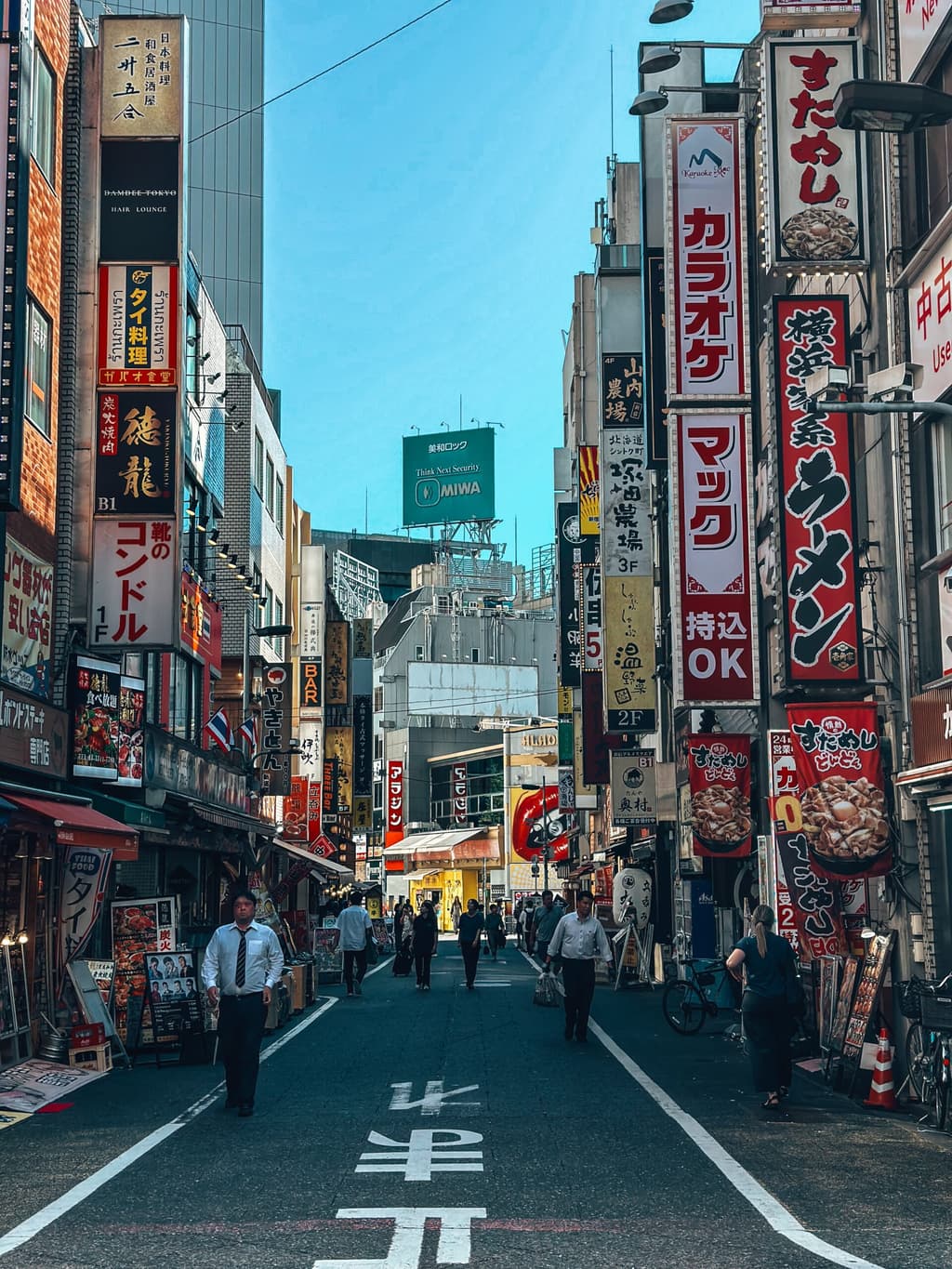
Recent model consensus from the Japan Meteorological Agency and global ensembles shows a frontal system shifting Tokyo to northerly flow on September 16, with widespread cloud cover, scattered showers, and a narrowed diurnal range that favors a minimum near 19–21°C. Persistent precipitation and reduced insolation limit afternoon recovery while advection of cooler maritime air caps overnight lows, though exact values hinge on shower timing, boundary-layer mixing, and local urban heat retention. This explains the tight clustering around 20°C alongside residual probability for warmer readings if the system weakens or arrives later than projected. Updated JMA briefings and next model cycles will clarify resolution thresholds.
Experimental AI-generated summary referencing Polymarket data. This is not trading advice and plays no role in how this market resolves. · UpdatedLowest temperature in Tokyo on September 16?
Lowest temperature in Tokyo on September 16?
20°C 42%
26°C or higher 41%
24°C 38%
25°C 38%
NEW
NEW
Sep 16, 2026
16°C or below
24%
17°C
31%
18°C
37%
19°C
19%
20°C
42%
21°C
30%
22°C
26%
23°C
21%
24°C
38%
25°C
38%
26°C or higher
41%
20°C 42%
26°C or higher 41%
24°C 38%
25°C 38%
NEW
NEW
Sep 16, 2026
16°C or below
$0 Vol.
24%
17°C
$0 Vol.
31%
18°C
$0 Vol.
37%
19°C
$4 Vol.
19%
20°C
$61 Vol.
42%
21°C
$0 Vol.
30%
22°C
$0 Vol.
26%
23°C
$0 Vol.
21%
24°C
$0 Vol.
38%
25°C
$0 Vol.
38%
26°C or higher
$0 Vol.
41%
This market will resolve to the temperature range that contains the lowest temperature recorded by NOAA at the Tokyo Haneda Airport Station in degrees Celsius on 16 Sep '26.
The resolution source for this market will be information from NOAA, specifically the lowest reading under the "Temp" column for all times on this day, available here: https://www.weather.gov/wrh/timeseries?site=rjtt
If NOAA data for the observation date is unavailable by 11:59 PM ET on the day following the observation date, the Weather Underground Daily Observations table will be used as the resolution source.
In the event that there is no data for the observation date by 11:59 PM ET on the day following the observation date, this market will resolve to the lowest bracket.
To toggle between Fahrenheit and Celsius, click the "Switch to Metric Units" button until the relevant table displays °C.
This market will resolve once the first data point for the following date has been published on the resolution source, or by 11:59 PM ET on the day following the observation date, whichever comes first.
The resolution source for this market measures temperatures to whole degrees Celsius (eg, 9°C). Thus, this is the level of precision that will be used when resolving the market.
Revisions to temperatures recorded within this market's timeframe will be considered until the first datapoint for the following date has been published, after which any alterations will not be considered.Recent model consensus from the Japan Meteorological Agency and global ensembles shows a frontal system shifting Tokyo to northerly flow on September 16, with widespread cloud cover, scattered showers, and a narrowed diurnal range that favors a minimum near 19–21°C. Persistent precipitation and reduced insolation limit afternoon recovery while advection of cooler maritime air caps overnight lows, though exact values hinge on shower timing, boundary-layer mixing, and local urban heat retention. This explains the tight clustering around 20°C alongside residual probability for warmer readings if the system weakens or arrives later than projected. Updated JMA briefings and next model cycles will clarify resolution thresholds.
This market will resolve to the temperature range that contains the lowest temperature recorded by NOAA at the Tokyo Haneda Airport Station in degrees Celsius on 16 Sep '26.
The resolution source for this market will be information from NOAA, specifically the lowest reading under the "Temp" column for all times on this day, available here: https://www.weather.gov/wrh/timeseries?site=rjtt
If NOAA data for the observation date is unavailable by 11:59 PM ET on the day following the observation date, the Weather Underground Daily Observations table will be used as the resolution source.
In the event that there is no data for the observation date by 11:59 PM ET on the day following the observation date, this market will resolve to the lowest bracket.
To toggle between Fahrenheit and Celsius, click the "Switch to Metric Units" button until the relevant table displays °C.
This market will resolve once the first data point for the following date has been published on the resolution source, or by 11:59 PM ET on the day following the observation date, whichever comes first.
The resolution source for this market measures temperatures to whole degrees Celsius (eg, 9°C). Thus, this is the level of precision that will be used when resolving the market.
Revisions to temperatures recorded within this market's timeframe will be considered until the first datapoint for the following date has been published, after which any alterations will not be considered.
The resolution source for this market will be information from NOAA, specifically the lowest reading under the "Temp" column for all times on this day, available here: https://www.weather.gov/wrh/timeseries?site=rjtt
If NOAA data for the observation date is unavailable by 11:59 PM ET on the day following the observation date, the Weather Underground Daily Observations table will be used as the resolution source.
In the event that there is no data for the observation date by 11:59 PM ET on the day following the observation date, this market will resolve to the lowest bracket.
To toggle between Fahrenheit and Celsius, click the "Switch to Metric Units" button until the relevant table displays °C.
This market will resolve once the first data point for the following date has been published on the resolution source, or by 11:59 PM ET on the day following the observation date, whichever comes first.
The resolution source for this market measures temperatures to whole degrees Celsius (eg, 9°C). Thus, this is the level of precision that will be used when resolving the market.
Revisions to temperatures recorded within this market's timeframe will be considered until the first datapoint for the following date has been published, after which any alterations will not be considered.
Market Opened: Sep 14, 2026, 12:29 AM ET
Volume
$65End Date
Sep 16, 2026Market Opened
Sep 14, 2026, 12:29 AM ETResolution Source
https://www.weather.gov/wrh/timeseries?site=rjttResolver
0x69c47De9D...This market will resolve to the temperature range that contains the lowest temperature recorded by NOAA at the Tokyo Haneda Airport Station in degrees Celsius on 16 Sep '26.
The resolution source for this market will be information from NOAA, specifically the lowest reading under the "Temp" column for all times on this day, available here: https://www.weather.gov/wrh/timeseries?site=rjtt
If NOAA data for the observation date is unavailable by 11:59 PM ET on the day following the observation date, the Weather Underground Daily Observations table will be used as the resolution source.
In the event that there is no data for the observation date by 11:59 PM ET on the day following the observation date, this market will resolve to the lowest bracket.
To toggle between Fahrenheit and Celsius, click the "Switch to Metric Units" button until the relevant table displays °C.
This market will resolve once the first data point for the following date has been published on the resolution source, or by 11:59 PM ET on the day following the observation date, whichever comes first.
The resolution source for this market measures temperatures to whole degrees Celsius (eg, 9°C). Thus, this is the level of precision that will be used when resolving the market.
Revisions to temperatures recorded within this market's timeframe will be considered until the first datapoint for the following date has been published, after which any alterations will not be considered.Recent model consensus from the Japan Meteorological Agency and global ensembles shows a frontal system shifting Tokyo to northerly flow on September 16, with widespread cloud cover, scattered showers, and a narrowed diurnal range that favors a minimum near 19–21°C. Persistent precipitation and reduced insolation limit afternoon recovery while advection of cooler maritime air caps overnight lows, though exact values hinge on shower timing, boundary-layer mixing, and local urban heat retention. This explains the tight clustering around 20°C alongside residual probability for warmer readings if the system weakens or arrives later than projected. Updated JMA briefings and next model cycles will clarify resolution thresholds.
This market will resolve to the temperature range that contains the lowest temperature recorded by NOAA at the Tokyo Haneda Airport Station in degrees Celsius on 16 Sep '26.
The resolution source for this market will be information from NOAA, specifically the lowest reading under the "Temp" column for all times on this day, available here: https://www.weather.gov/wrh/timeseries?site=rjtt
If NOAA data for the observation date is unavailable by 11:59 PM ET on the day following the observation date, the Weather Underground Daily Observations table will be used as the resolution source.
In the event that there is no data for the observation date by 11:59 PM ET on the day following the observation date, this market will resolve to the lowest bracket.
To toggle between Fahrenheit and Celsius, click the "Switch to Metric Units" button until the relevant table displays °C.
This market will resolve once the first data point for the following date has been published on the resolution source, or by 11:59 PM ET on the day following the observation date, whichever comes first.
The resolution source for this market measures temperatures to whole degrees Celsius (eg, 9°C). Thus, this is the level of precision that will be used when resolving the market.
Revisions to temperatures recorded within this market's timeframe will be considered until the first datapoint for the following date has been published, after which any alterations will not be considered.
The resolution source for this market will be information from NOAA, specifically the lowest reading under the "Temp" column for all times on this day, available here: https://www.weather.gov/wrh/timeseries?site=rjtt
If NOAA data for the observation date is unavailable by 11:59 PM ET on the day following the observation date, the Weather Underground Daily Observations table will be used as the resolution source.
In the event that there is no data for the observation date by 11:59 PM ET on the day following the observation date, this market will resolve to the lowest bracket.
To toggle between Fahrenheit and Celsius, click the "Switch to Metric Units" button until the relevant table displays °C.
This market will resolve once the first data point for the following date has been published on the resolution source, or by 11:59 PM ET on the day following the observation date, whichever comes first.
The resolution source for this market measures temperatures to whole degrees Celsius (eg, 9°C). Thus, this is the level of precision that will be used when resolving the market.
Revisions to temperatures recorded within this market's timeframe will be considered until the first datapoint for the following date has been published, after which any alterations will not be considered.
Volume
$65End Date
Sep 16, 2026Market Opened
Sep 14, 2026, 12:29 AM ETResolution Source
https://www.weather.gov/wrh/timeseries?site=rjttResolver
0x69c47De9D...Recent model consensus from the Japan Meteorological Agency and global ensembles shows a frontal system shifting Tokyo to northerly flow on September 16, with widespread cloud cover, scattered showers, and a narrowed diurnal range that favors a minimum near 19–21°C. Persistent precipitation and reduced insolation limit afternoon recovery while advection of cooler maritime air caps overnight lows, though exact values hinge on shower timing, boundary-layer mixing, and local urban heat retention. This explains the tight clustering around 20°C alongside residual probability for warmer readings if the system weakens or arrives later than projected. Updated JMA briefings and next model cycles will clarify resolution thresholds.
Experimental AI-generated summary referencing Polymarket data. This is not trading advice and plays no role in how this market resolves. · Updated
Beware of external links.
Beware of external links.
Frequently Asked Questions