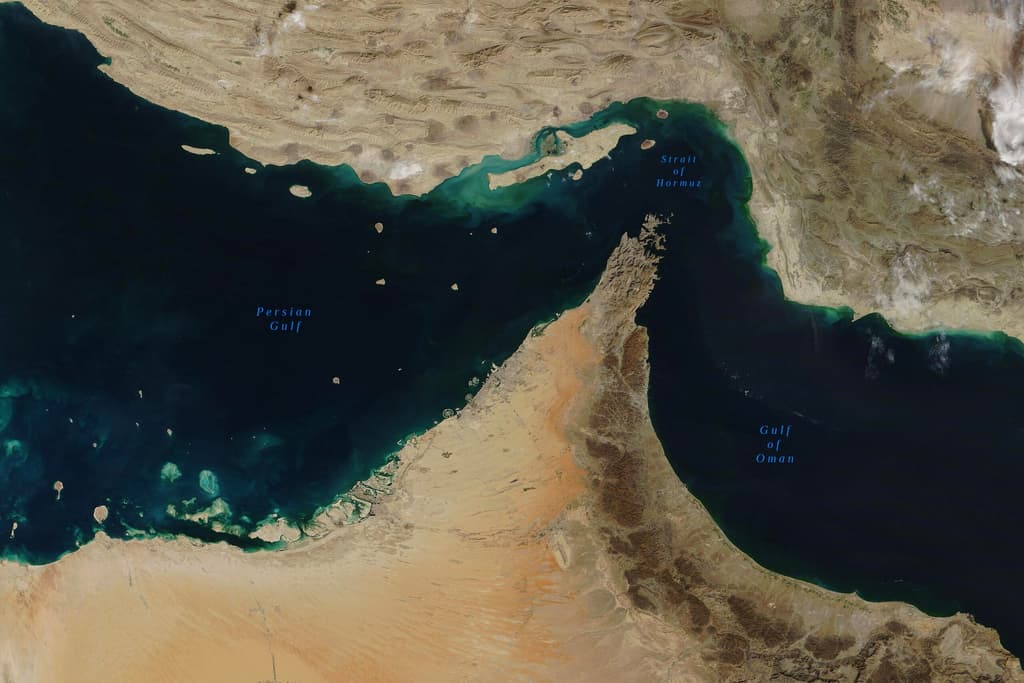
Amid ongoing U.S.-Iran hostilities sparked in late February 2026, the Strait of Hormuz remains under Iran's controlled-access regime, with commercial shipping traffic down over 90% from pre-crisis levels of about 138 vessels daily—only 181 transited all of March, and roughly 20 since March 28 per tracking data. IRGC warnings, mine deployments, and sporadic attacks on tankers sustain elevated war risks, high insurance premiums, and widespread rerouting, preventing normalization despite slight recent upticks in permitted passages mostly by Iranian vessels. Traders' 63.5% "No" consensus reflects this persistent disruption and analysts' view that full recovery would take months post-de-escalation, with no ceasefire signals as of early April.
Résumé expérimental généré par IA à partir des données Polymarket · Mis à jourStrait of Hormuz traffic returns to normal by end of May?
Strait of Hormuz traffic returns to normal by end of May?
NOUVEAU
NOUVEAU
31 mai 2026
NOUVEAU
NOUVEAU
31 mai 2026
This market will resolve to “Yes” if IMF Portwatch publishes a 7-day moving average of transit calls (“Arrivals of Ships”) for the Strait of Hormuz equal to or above 60 for any date between market creation and May 31, 2026. Otherwise, this market will resolve to “No”.
Daily transit calls include container, dry bulk, roll-on/roll-off, general cargo, and tanker ships. Ships not reported by IMF Portwatch will not be considered.
This market will resolve as soon as IMF Portwatch publishes a 7-day moving average of transit calls equal to or above the specified level, or once data has been published for the final date in the specified period and no such value has been published. If no data has been published for the final date of the specified period within 14 calendar days (ET) after the end of that period, this market will resolve based on data published up to that point.
Revisions to previously published data points made within this market’s timeframe will be considered. However, they will not disqualify a previously published data point from qualifying. Revisions to previously published data points after data is published for May 31, 2026, however, will not be considered.
The resolution source for this market will be IMF Portwatch, specifically the transit calls data published for the Strait of Hormuz at https://portwatch.imf.org/pages/cb5856222a5b4105adc6ee7e880a1730, both in the chart and through downloadable files.Amid ongoing U.S.-Iran hostilities sparked in late February 2026, the Strait of Hormuz remains under Iran's controlled-access regime, with commercial shipping traffic down over 90% from pre-crisis levels of about 138 vessels daily—only 181 transited all of March, and roughly 20 since March 28 per tracking data. IRGC warnings, mine deployments, and sporadic attacks on tankers sustain elevated war risks, high insurance premiums, and widespread rerouting, preventing normalization despite slight recent upticks in permitted passages mostly by Iranian vessels. Traders' 63.5% "No" consensus reflects this persistent disruption and analysts' view that full recovery would take months post-de-escalation, with no ceasefire signals as of early April.
This market will resolve to “Yes” if IMF Portwatch publishes a 7-day moving average of transit calls (“Arrivals of Ships”) for the Strait of Hormuz equal to or above 60 for any date between market creation and May 31, 2026. Otherwise, this market will resolve to “No”.
Daily transit calls include container, dry bulk, roll-on/roll-off, general cargo, and tanker ships. Ships not reported by IMF Portwatch will not be considered.
This market will resolve as soon as IMF Portwatch publishes a 7-day moving average of transit calls equal to or above the specified level, or once data has been published for the final date in the specified period and no such value has been published. If no data has been published for the final date of the specified period within 14 calendar days (ET) after the end of that period, this market will resolve based on data published up to that point.
Revisions to previously published data points made within this market’s timeframe will be considered. However, they will not disqualify a previously published data point from qualifying. Revisions to previously published data points after data is published for May 31, 2026, however, will not be considered.
The resolution source for this market will be IMF Portwatch, specifically the transit calls data published for the Strait of Hormuz at https://portwatch.imf.org/pages/cb5856222a5b4105adc6ee7e880a1730, both in the chart and through downloadable files.
Daily transit calls include container, dry bulk, roll-on/roll-off, general cargo, and tanker ships. Ships not reported by IMF Portwatch will not be considered.
This market will resolve as soon as IMF Portwatch publishes a 7-day moving average of transit calls equal to or above the specified level, or once data has been published for the final date in the specified period and no such value has been published. If no data has been published for the final date of the specified period within 14 calendar days (ET) after the end of that period, this market will resolve based on data published up to that point.
Revisions to previously published data points made within this market’s timeframe will be considered. However, they will not disqualify a previously published data point from qualifying. Revisions to previously published data points after data is published for May 31, 2026, however, will not be considered.
The resolution source for this market will be IMF Portwatch, specifically the transit calls data published for the Strait of Hormuz at https://portwatch.imf.org/pages/cb5856222a5b4105adc6ee7e880a1730, both in the chart and through downloadable files.
Marché ouvert : Mar 31, 2026, 5:41 PM ET
Volume
$2,071Date de fin
31 mai 2026Marché ouvert
Mar 31, 2026, 5:41 PM ETResolver
0x65070BE91...This market will resolve to “Yes” if IMF Portwatch publishes a 7-day moving average of transit calls (“Arrivals of Ships”) for the Strait of Hormuz equal to or above 60 for any date between market creation and May 31, 2026. Otherwise, this market will resolve to “No”.
Daily transit calls include container, dry bulk, roll-on/roll-off, general cargo, and tanker ships. Ships not reported by IMF Portwatch will not be considered.
This market will resolve as soon as IMF Portwatch publishes a 7-day moving average of transit calls equal to or above the specified level, or once data has been published for the final date in the specified period and no such value has been published. If no data has been published for the final date of the specified period within 14 calendar days (ET) after the end of that period, this market will resolve based on data published up to that point.
Revisions to previously published data points made within this market’s timeframe will be considered. However, they will not disqualify a previously published data point from qualifying. Revisions to previously published data points after data is published for May 31, 2026, however, will not be considered.
The resolution source for this market will be IMF Portwatch, specifically the transit calls data published for the Strait of Hormuz at https://portwatch.imf.org/pages/cb5856222a5b4105adc6ee7e880a1730, both in the chart and through downloadable files.Amid ongoing U.S.-Iran hostilities sparked in late February 2026, the Strait of Hormuz remains under Iran's controlled-access regime, with commercial shipping traffic down over 90% from pre-crisis levels of about 138 vessels daily—only 181 transited all of March, and roughly 20 since March 28 per tracking data. IRGC warnings, mine deployments, and sporadic attacks on tankers sustain elevated war risks, high insurance premiums, and widespread rerouting, preventing normalization despite slight recent upticks in permitted passages mostly by Iranian vessels. Traders' 63.5% "No" consensus reflects this persistent disruption and analysts' view that full recovery would take months post-de-escalation, with no ceasefire signals as of early April.
This market will resolve to “Yes” if IMF Portwatch publishes a 7-day moving average of transit calls (“Arrivals of Ships”) for the Strait of Hormuz equal to or above 60 for any date between market creation and May 31, 2026. Otherwise, this market will resolve to “No”.
Daily transit calls include container, dry bulk, roll-on/roll-off, general cargo, and tanker ships. Ships not reported by IMF Portwatch will not be considered.
This market will resolve as soon as IMF Portwatch publishes a 7-day moving average of transit calls equal to or above the specified level, or once data has been published for the final date in the specified period and no such value has been published. If no data has been published for the final date of the specified period within 14 calendar days (ET) after the end of that period, this market will resolve based on data published up to that point.
Revisions to previously published data points made within this market’s timeframe will be considered. However, they will not disqualify a previously published data point from qualifying. Revisions to previously published data points after data is published for May 31, 2026, however, will not be considered.
The resolution source for this market will be IMF Portwatch, specifically the transit calls data published for the Strait of Hormuz at https://portwatch.imf.org/pages/cb5856222a5b4105adc6ee7e880a1730, both in the chart and through downloadable files.
Daily transit calls include container, dry bulk, roll-on/roll-off, general cargo, and tanker ships. Ships not reported by IMF Portwatch will not be considered.
This market will resolve as soon as IMF Portwatch publishes a 7-day moving average of transit calls equal to or above the specified level, or once data has been published for the final date in the specified period and no such value has been published. If no data has been published for the final date of the specified period within 14 calendar days (ET) after the end of that period, this market will resolve based on data published up to that point.
Revisions to previously published data points made within this market’s timeframe will be considered. However, they will not disqualify a previously published data point from qualifying. Revisions to previously published data points after data is published for May 31, 2026, however, will not be considered.
The resolution source for this market will be IMF Portwatch, specifically the transit calls data published for the Strait of Hormuz at https://portwatch.imf.org/pages/cb5856222a5b4105adc6ee7e880a1730, both in the chart and through downloadable files.
Volume
$2,071Date de fin
31 mai 2026Marché ouvert
Mar 31, 2026, 5:41 PM ETResolver
0x65070BE91...Amid ongoing U.S.-Iran hostilities sparked in late February 2026, the Strait of Hormuz remains under Iran's controlled-access regime, with commercial shipping traffic down over 90% from pre-crisis levels of about 138 vessels daily—only 181 transited all of March, and roughly 20 since March 28 per tracking data. IRGC warnings, mine deployments, and sporadic attacks on tankers sustain elevated war risks, high insurance premiums, and widespread rerouting, preventing normalization despite slight recent upticks in permitted passages mostly by Iranian vessels. Traders' 63.5% "No" consensus reflects this persistent disruption and analysts' view that full recovery would take months post-de-escalation, with no ceasefire signals as of early April.
Résumé expérimental généré par IA à partir des données Polymarket · Mis à jour
Méfiez-vous des liens externes.
Méfiez-vous des liens externes.
Questions fréquentes