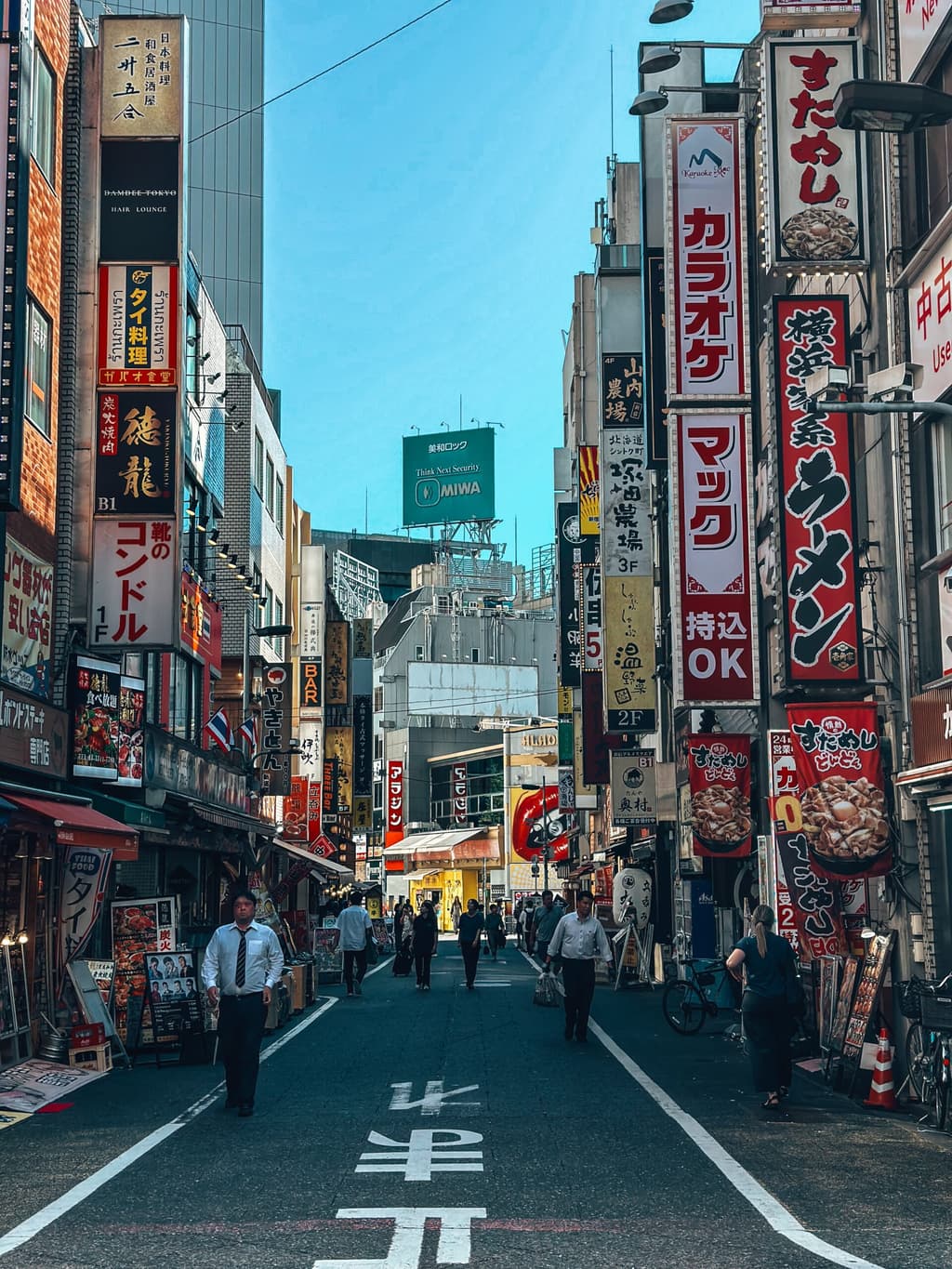
Trader sentiment clusters tightly around 24–25°C minimums for Tokyo on August 19 because ensemble forecasts and Japan Meteorological Agency guidance point to persistent subtropical high pressure sustaining warm, humid conditions with partly cloudy skies that limit nocturnal radiative cooling. Typical August lows near 24°C reflect the urban heat-island effect, which can elevate overnight readings by 1–2°C relative to rural baselines through retained heat in concrete and reduced ventilation. Differentiation among 23–26°C outcomes hinges on small uncertainties in boundary-layer humidity, cloud fraction, and light wind patterns—clearer intervals allow slightly more cooling toward 23°C, while higher moisture or thicker clouds favor 25–26°C. Above-normal seasonal temperatures and absence of strong frontal or typhoon influences keep probabilities balanced until updated model runs refine the 48-hour outlook.
Ringkasan eksperimental yang dihasilkan AI dengan referensi data Polymarket. Ini bukan saran trading dan tidak berperan dalam bagaimana pasar ini diselesaikan. · DiperbaruiLowest temperature in Tokyo on August 19?
Lowest temperature in Tokyo on August 19?
25°C 44%
24°C 35%
23°C 15%
26°C 14%
20°C or below
1%
21°C
5%
22°C
7%
23°C
15%
24°C
35%
25°C
44%
26°C
14%
27°C
5%
28°C
7%
29°C
2%
30°C or higher
<1%
25°C 44%
24°C 35%
23°C 15%
26°C 14%
20°C or below
1%
21°C
5%
22°C
7%
23°C
15%
24°C
35%
25°C
44%
26°C
14%
27°C
5%
28°C
7%
29°C
2%
30°C or higher
<1%
This market will resolve to the temperature range that contains the lowest temperature recorded at the Tokyo Haneda Airport Station in degrees Celsius on 19 Aug '26.
The resolution source for this market will be information from Wunderground, specifically the lowest temperature recorded for all times on this day for the Tokyo Haneda Airport Station, available here: https://www.wunderground.com/history/daily/jp/tokyo/RJTT.
To toggle between Fahrenheit and Celsius, click the gear icon next to the search bar and switch the Temperature setting between °F and °C.
This market can not resolve until the first data point for the following date has been published on the resolution source.
The resolution source for this market measures temperatures to whole degrees Celsius (eg, 9°C). Thus, this is the level of precision that will be used when resolving the market.
Revisions to temperatures recorded within this market's timeframe will be considered until the first datapoint for the following date has been published, after which any alterations will not be considered.
Pasar Dibuka: Aug 17, 2026, 12:28 AM ET
Sumber Resolusi
https://www.wunderground.com/history/daily/jp/tokyo/RJTTResolver
0x69c47De9D...This market will resolve to the temperature range that contains the lowest temperature recorded at the Tokyo Haneda Airport Station in degrees Celsius on 19 Aug '26.
The resolution source for this market will be information from Wunderground, specifically the lowest temperature recorded for all times on this day for the Tokyo Haneda Airport Station, available here: https://www.wunderground.com/history/daily/jp/tokyo/RJTT.
To toggle between Fahrenheit and Celsius, click the gear icon next to the search bar and switch the Temperature setting between °F and °C.
This market can not resolve until the first data point for the following date has been published on the resolution source.
The resolution source for this market measures temperatures to whole degrees Celsius (eg, 9°C). Thus, this is the level of precision that will be used when resolving the market.
Revisions to temperatures recorded within this market's timeframe will be considered until the first datapoint for the following date has been published, after which any alterations will not be considered.
Sumber Resolusi
https://www.wunderground.com/history/daily/jp/tokyo/RJTTResolver
0x69c47De9D...Trader sentiment clusters tightly around 24–25°C minimums for Tokyo on August 19 because ensemble forecasts and Japan Meteorological Agency guidance point to persistent subtropical high pressure sustaining warm, humid conditions with partly cloudy skies that limit nocturnal radiative cooling. Typical August lows near 24°C reflect the urban heat-island effect, which can elevate overnight readings by 1–2°C relative to rural baselines through retained heat in concrete and reduced ventilation. Differentiation among 23–26°C outcomes hinges on small uncertainties in boundary-layer humidity, cloud fraction, and light wind patterns—clearer intervals allow slightly more cooling toward 23°C, while higher moisture or thicker clouds favor 25–26°C. Above-normal seasonal temperatures and absence of strong frontal or typhoon influences keep probabilities balanced until updated model runs refine the 48-hour outlook.
Ringkasan eksperimental yang dihasilkan AI dengan referensi data Polymarket. Ini bukan saran trading dan tidak berperan dalam bagaimana pasar ini diselesaikan. · Diperbarui
Hati-hati dengan link eksternal.
Hati-hati dengan link eksternal.
Pertanyaan yang Sering Diajukan