
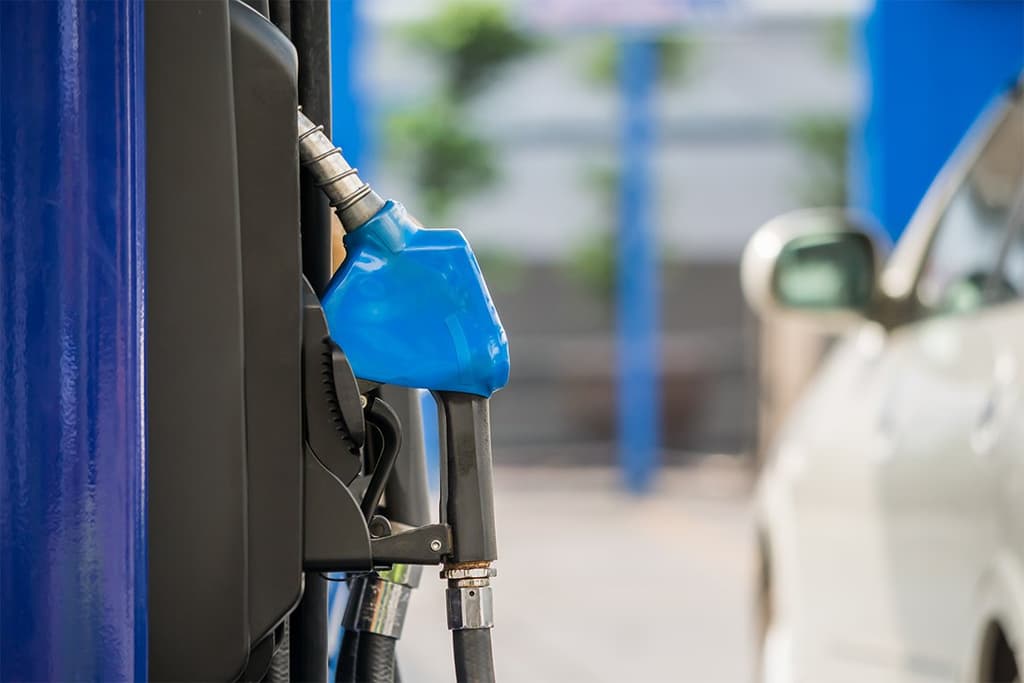
Rising U.S. gasoline prices, driven by the ongoing conflict with Iran and disruptions in the Strait of Hormuz, have prompted renewed calls for a temporary federal gas tax suspension. President Trump has publicly endorsed the idea, and multiple bills have advanced in the 119th Congress, including Sen. Josh Hawley’s Gas Tax Suspension Act for a 90-day pause (extendable by the president) and bipartisan measures from Sens. Mark Kelly and Richard Blumenthal to suspend the 18.4-cent-per-gallon excise tax through early October 2026 while backfilling Highway Trust Fund revenue. No federal suspension has occurred since the tax’s creation in 1956, as any change requires congressional legislation rather than unilateral executive action. Trader focus centers on whether partisan or procedural hurdles in Congress will block passage before prices moderate or the legislative window closes.
Riepilogo sperimentale generato dall'AI con riferimento ai dati di Polymarket. Questo non è un consiglio di trading e non ha alcun ruolo nella risoluzione di questo mercato. · Aggiornato$38,088 Vol.
November 2
3%
$38,088 Vol.
November 2
3%
This market will resolve to "Yes" if legislation that would, at least temporarily, suspend the federal excise tax on gasoline is passed by both chambers of the U.S. Congress and signed into law by the specified date (ET). Otherwise, this market will resolve to "No".
Qualifying legislation may include joint resolutions and must pass both the House and the Senate, and must be signed by the President, become law without signature while Congress remains in session, or become law through veto override. Presidential pocket vetoes that expire will not qualify.
The primary resolution sources for this market will be Congress.gov’s legislation tracker (https://www.congress.gov/bill/119th-congress/house-bill/22), the Library of Congress (congress.gov), and other official information from the government of the United States; however, a consensus of credible reporting may also be used.
Mercato aperto: May 12, 2026, 1:38 PM ET
Risolutore
0x65070BE91...This market will resolve to "Yes" if legislation that would, at least temporarily, suspend the federal excise tax on gasoline is passed by both chambers of the U.S. Congress and signed into law by the specified date (ET). Otherwise, this market will resolve to "No".
Qualifying legislation may include joint resolutions and must pass both the House and the Senate, and must be signed by the President, become law without signature while Congress remains in session, or become law through veto override. Presidential pocket vetoes that expire will not qualify.
The primary resolution sources for this market will be Congress.gov’s legislation tracker (https://www.congress.gov/bill/119th-congress/house-bill/22), the Library of Congress (congress.gov), and other official information from the government of the United States; however, a consensus of credible reporting may also be used.
Risolutore
0x65070BE91...Rising U.S. gasoline prices, driven by the ongoing conflict with Iran and disruptions in the Strait of Hormuz, have prompted renewed calls for a temporary federal gas tax suspension. President Trump has publicly endorsed the idea, and multiple bills have advanced in the 119th Congress, including Sen. Josh Hawley’s Gas Tax Suspension Act for a 90-day pause (extendable by the president) and bipartisan measures from Sens. Mark Kelly and Richard Blumenthal to suspend the 18.4-cent-per-gallon excise tax through early October 2026 while backfilling Highway Trust Fund revenue. No federal suspension has occurred since the tax’s creation in 1956, as any change requires congressional legislation rather than unilateral executive action. Trader focus centers on whether partisan or procedural hurdles in Congress will block passage before prices moderate or the legislative window closes.
Riepilogo sperimentale generato dall'AI con riferimento ai dati di Polymarket. Questo non è un consiglio di trading e non ha alcun ruolo nella risoluzione di questo mercato. · Aggiornato


Fai attenzione ai link esterni.
Fai attenzione ai link esterni.
Domande frequenti