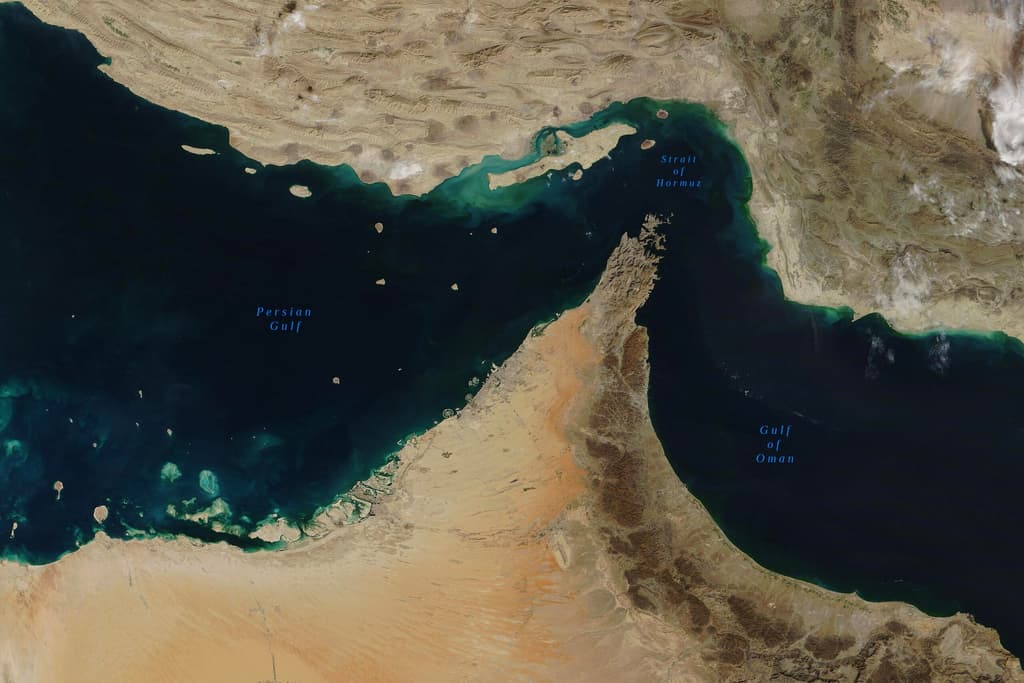
Ongoing U.S.-Iran tensions and mutual blockades have collapsed Strait of Hormuz transits to under 10 ships daily from a pre-crisis average of 105, per IMF PortWatch data, exposing 20% of global seaborne oil trade to disruption risk and propelling Brent crude to $99 per barrel amid a 60% March surge. Recent 24-48 hour upticks to 15-20 vessels, including VLCC tankers like RHN and Alicia, reflect tentative ceasefire effects allowing limited Chinese and non-Iranian flows, easing some supply fears despite persistent U.S. enforcement. Tanker charter rates and war-risk insurance premiums have spiked 50-100%, embedding geopolitical premia in energy pricing. Traders eye April 30 ceasefire deadlines and naval patrols for potential traffic normalization catalysts.
Riepilogo sperimentale generato dall'AI con riferimento ai dati di Polymarket. Questo non è un consiglio di trading e non ha alcun ruolo nella risoluzione di questo mercato. · AggiornatoLe navi __ transiteranno per lo Stretto di Hormuz in qualsiasi giorno entro la fine di aprile?
Le navi __ transiteranno per lo Stretto di Hormuz in qualsiasi giorno entro la fine di aprile?
$402,838 Vol.
20+
81%
40+
47%
60+
35%
80+
22%
$402,838 Vol.
20+
81%
40+
47%
60+
35%
80+
22%
The number of daily transit calls/arrivals includes container, dry bulk, roll-on/roll-off, general cargo, and tanker ships. Ships not reported by IMF Portwatch will not be considered.
This market will resolve as soon as IMF Portwatch publishes a daily number of transit calls equal to or above the specified level, or once data has been published for the final date in the specified period and no such value has been published. If no data has been published for the final date of the specified period within 14 calendar days (ET) after the end of that period, this market will resolve based on data published up to that point.
Revisions to previously published data points, made within this market’s timeframe, will be considered. However, they will not disqualify a previously published data point from qualifying. Revisions to previously published data points after data is published for April 30, 2026, however, will not be considered.
The resolution source for this market will be IMF Portwatch, specifically the transit calls data published for the Strait of Hormuz at https://portwatch.imf.org/pages/cb5856222a5b4105adc6ee7e880a1730, both in the chart and through downloadable files.
Mercato aperto: Mar 24, 2026, 1:01 PM ET
Resolver
0x65070BE91...The number of daily transit calls/arrivals includes container, dry bulk, roll-on/roll-off, general cargo, and tanker ships. Ships not reported by IMF Portwatch will not be considered.
This market will resolve as soon as IMF Portwatch publishes a daily number of transit calls equal to or above the specified level, or once data has been published for the final date in the specified period and no such value has been published. If no data has been published for the final date of the specified period within 14 calendar days (ET) after the end of that period, this market will resolve based on data published up to that point.
Revisions to previously published data points, made within this market’s timeframe, will be considered. However, they will not disqualify a previously published data point from qualifying. Revisions to previously published data points after data is published for April 30, 2026, however, will not be considered.
The resolution source for this market will be IMF Portwatch, specifically the transit calls data published for the Strait of Hormuz at https://portwatch.imf.org/pages/cb5856222a5b4105adc6ee7e880a1730, both in the chart and through downloadable files.
Resolver
0x65070BE91...Ongoing U.S.-Iran tensions and mutual blockades have collapsed Strait of Hormuz transits to under 10 ships daily from a pre-crisis average of 105, per IMF PortWatch data, exposing 20% of global seaborne oil trade to disruption risk and propelling Brent crude to $99 per barrel amid a 60% March surge. Recent 24-48 hour upticks to 15-20 vessels, including VLCC tankers like RHN and Alicia, reflect tentative ceasefire effects allowing limited Chinese and non-Iranian flows, easing some supply fears despite persistent U.S. enforcement. Tanker charter rates and war-risk insurance premiums have spiked 50-100%, embedding geopolitical premia in energy pricing. Traders eye April 30 ceasefire deadlines and naval patrols for potential traffic normalization catalysts.
Riepilogo sperimentale generato dall'AI con riferimento ai dati di Polymarket. Questo non è un consiglio di trading e non ha alcun ruolo nella risoluzione di questo mercato. · Aggiornato
Fai attenzione ai link esterni.
Fai attenzione ai link esterni.
Domande frequenti