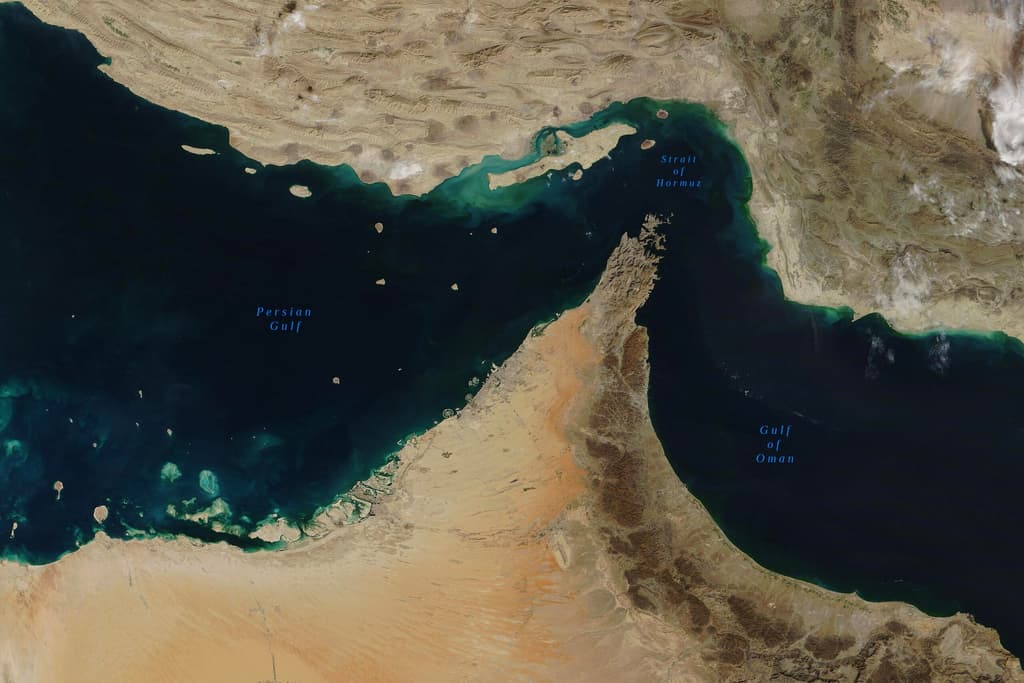
**US naval blockade of Iranian ports, imposed April 14 amid collapsed peace talks, has slashed Strait of Hormuz traffic to under 10% of pre-war norms—around 100 vessels daily—with only a handful of non-Iranian tankers transiting since, per ship-tracking data.** This follows an April 8 US-Iran ceasefire after February strikes triggered Iranian strait closures, IRGC mine warnings, and attacks on 22 ships. Traders imply 58.5% odds of normalization by May 31, balancing de-escalation signals like US Central Command oversight ensuring commerce flow and prospective diplomacy against persistent Iranian retaliation threats and hundreds of stranded vessels, highlighting the chokepoint's volatility in ongoing Persian Gulf tensions.
Riepilogo sperimentale generato dall'AI con riferimento ai dati di Polymarket. Questo non è un consiglio di trading e non ha alcun ruolo nella risoluzione di questo mercato. · AggiornatoIl traffico dello Stretto di Hormuz torna alla normalità entro la fine di maggio?
Il traffico dello Stretto di Hormuz torna alla normalità entro la fine di maggio?
Sì
$852,847 Vol.
$852,847 Vol.
31 mag 2026
Sì
$852,847 Vol.
$852,847 Vol.
31 mag 2026
This market will resolve to “Yes” if IMF Portwatch publishes a 7-day moving average of transit calls (“Arrivals of Ships”) for the Strait of Hormuz equal to or above 60 for any date between market creation and May 31, 2026. Otherwise, this market will resolve to “No”.
Daily transit calls include container, dry bulk, roll-on/roll-off, general cargo, and tanker ships. Ships not reported by IMF Portwatch will not be considered.
This market will resolve as soon as IMF Portwatch publishes a 7-day moving average of transit calls equal to or above the specified level, or once data has been published for the final date in the specified period and no such value has been published. If no data has been published for the final date of the specified period within 14 calendar days (ET) after the end of that period, this market will resolve based on data published up to that point.
Revisions to previously published data points made within this market’s timeframe will be considered. However, they will not disqualify a previously published data point from qualifying. Revisions to previously published data points after data is published for May 31, 2026, however, will not be considered.
The resolution source for this market will be IMF Portwatch, specifically the transit calls data published for the Strait of Hormuz at https://portwatch.imf.org/pages/cb5856222a5b4105adc6ee7e880a1730, both in the chart and through downloadable files.**US naval blockade of Iranian ports, imposed April 14 amid collapsed peace talks, has slashed Strait of Hormuz traffic to under 10% of pre-war norms—around 100 vessels daily—with only a handful of non-Iranian tankers transiting since, per ship-tracking data.** This follows an April 8 US-Iran ceasefire after February strikes triggered Iranian strait closures, IRGC mine warnings, and attacks on 22 ships. Traders imply 58.5% odds of normalization by May 31, balancing de-escalation signals like US Central Command oversight ensuring commerce flow and prospective diplomacy against persistent Iranian retaliation threats and hundreds of stranded vessels, highlighting the chokepoint's volatility in ongoing Persian Gulf tensions.
This market will resolve to “Yes” if IMF Portwatch publishes a 7-day moving average of transit calls (“Arrivals of Ships”) for the Strait of Hormuz equal to or above 60 for any date between market creation and May 31, 2026. Otherwise, this market will resolve to “No”.
Daily transit calls include container, dry bulk, roll-on/roll-off, general cargo, and tanker ships. Ships not reported by IMF Portwatch will not be considered.
This market will resolve as soon as IMF Portwatch publishes a 7-day moving average of transit calls equal to or above the specified level, or once data has been published for the final date in the specified period and no such value has been published. If no data has been published for the final date of the specified period within 14 calendar days (ET) after the end of that period, this market will resolve based on data published up to that point.
Revisions to previously published data points made within this market’s timeframe will be considered. However, they will not disqualify a previously published data point from qualifying. Revisions to previously published data points after data is published for May 31, 2026, however, will not be considered.
The resolution source for this market will be IMF Portwatch, specifically the transit calls data published for the Strait of Hormuz at https://portwatch.imf.org/pages/cb5856222a5b4105adc6ee7e880a1730, both in the chart and through downloadable files.
Daily transit calls include container, dry bulk, roll-on/roll-off, general cargo, and tanker ships. Ships not reported by IMF Portwatch will not be considered.
This market will resolve as soon as IMF Portwatch publishes a 7-day moving average of transit calls equal to or above the specified level, or once data has been published for the final date in the specified period and no such value has been published. If no data has been published for the final date of the specified period within 14 calendar days (ET) after the end of that period, this market will resolve based on data published up to that point.
Revisions to previously published data points made within this market’s timeframe will be considered. However, they will not disqualify a previously published data point from qualifying. Revisions to previously published data points after data is published for May 31, 2026, however, will not be considered.
The resolution source for this market will be IMF Portwatch, specifically the transit calls data published for the Strait of Hormuz at https://portwatch.imf.org/pages/cb5856222a5b4105adc6ee7e880a1730, both in the chart and through downloadable files.
Mercato aperto: Mar 31, 2026, 5:41 PM ET
Volume
$852,847Data di fine
31 mag 2026Mercato aperto
Mar 31, 2026, 5:41 PM ETResolver
0x65070BE91...This market will resolve to “Yes” if IMF Portwatch publishes a 7-day moving average of transit calls (“Arrivals of Ships”) for the Strait of Hormuz equal to or above 60 for any date between market creation and May 31, 2026. Otherwise, this market will resolve to “No”.
Daily transit calls include container, dry bulk, roll-on/roll-off, general cargo, and tanker ships. Ships not reported by IMF Portwatch will not be considered.
This market will resolve as soon as IMF Portwatch publishes a 7-day moving average of transit calls equal to or above the specified level, or once data has been published for the final date in the specified period and no such value has been published. If no data has been published for the final date of the specified period within 14 calendar days (ET) after the end of that period, this market will resolve based on data published up to that point.
Revisions to previously published data points made within this market’s timeframe will be considered. However, they will not disqualify a previously published data point from qualifying. Revisions to previously published data points after data is published for May 31, 2026, however, will not be considered.
The resolution source for this market will be IMF Portwatch, specifically the transit calls data published for the Strait of Hormuz at https://portwatch.imf.org/pages/cb5856222a5b4105adc6ee7e880a1730, both in the chart and through downloadable files.**US naval blockade of Iranian ports, imposed April 14 amid collapsed peace talks, has slashed Strait of Hormuz traffic to under 10% of pre-war norms—around 100 vessels daily—with only a handful of non-Iranian tankers transiting since, per ship-tracking data.** This follows an April 8 US-Iran ceasefire after February strikes triggered Iranian strait closures, IRGC mine warnings, and attacks on 22 ships. Traders imply 58.5% odds of normalization by May 31, balancing de-escalation signals like US Central Command oversight ensuring commerce flow and prospective diplomacy against persistent Iranian retaliation threats and hundreds of stranded vessels, highlighting the chokepoint's volatility in ongoing Persian Gulf tensions.
This market will resolve to “Yes” if IMF Portwatch publishes a 7-day moving average of transit calls (“Arrivals of Ships”) for the Strait of Hormuz equal to or above 60 for any date between market creation and May 31, 2026. Otherwise, this market will resolve to “No”.
Daily transit calls include container, dry bulk, roll-on/roll-off, general cargo, and tanker ships. Ships not reported by IMF Portwatch will not be considered.
This market will resolve as soon as IMF Portwatch publishes a 7-day moving average of transit calls equal to or above the specified level, or once data has been published for the final date in the specified period and no such value has been published. If no data has been published for the final date of the specified period within 14 calendar days (ET) after the end of that period, this market will resolve based on data published up to that point.
Revisions to previously published data points made within this market’s timeframe will be considered. However, they will not disqualify a previously published data point from qualifying. Revisions to previously published data points after data is published for May 31, 2026, however, will not be considered.
The resolution source for this market will be IMF Portwatch, specifically the transit calls data published for the Strait of Hormuz at https://portwatch.imf.org/pages/cb5856222a5b4105adc6ee7e880a1730, both in the chart and through downloadable files.
Daily transit calls include container, dry bulk, roll-on/roll-off, general cargo, and tanker ships. Ships not reported by IMF Portwatch will not be considered.
This market will resolve as soon as IMF Portwatch publishes a 7-day moving average of transit calls equal to or above the specified level, or once data has been published for the final date in the specified period and no such value has been published. If no data has been published for the final date of the specified period within 14 calendar days (ET) after the end of that period, this market will resolve based on data published up to that point.
Revisions to previously published data points made within this market’s timeframe will be considered. However, they will not disqualify a previously published data point from qualifying. Revisions to previously published data points after data is published for May 31, 2026, however, will not be considered.
The resolution source for this market will be IMF Portwatch, specifically the transit calls data published for the Strait of Hormuz at https://portwatch.imf.org/pages/cb5856222a5b4105adc6ee7e880a1730, both in the chart and through downloadable files.
Volume
$852,852Data di fine
31 mag 2026Mercato aperto
Mar 31, 2026, 5:41 PM ETResolver
0x65070BE91...**US naval blockade of Iranian ports, imposed April 14 amid collapsed peace talks, has slashed Strait of Hormuz traffic to under 10% of pre-war norms—around 100 vessels daily—with only a handful of non-Iranian tankers transiting since, per ship-tracking data.** This follows an April 8 US-Iran ceasefire after February strikes triggered Iranian strait closures, IRGC mine warnings, and attacks on 22 ships. Traders imply 58.5% odds of normalization by May 31, balancing de-escalation signals like US Central Command oversight ensuring commerce flow and prospective diplomacy against persistent Iranian retaliation threats and hundreds of stranded vessels, highlighting the chokepoint's volatility in ongoing Persian Gulf tensions.
Riepilogo sperimentale generato dall'AI con riferimento ai dati di Polymarket. Questo non è un consiglio di trading e non ha alcun ruolo nella risoluzione di questo mercato. · Aggiornato
Fai attenzione ai link esterni.
Fai attenzione ai link esterni.
Domande frequenti