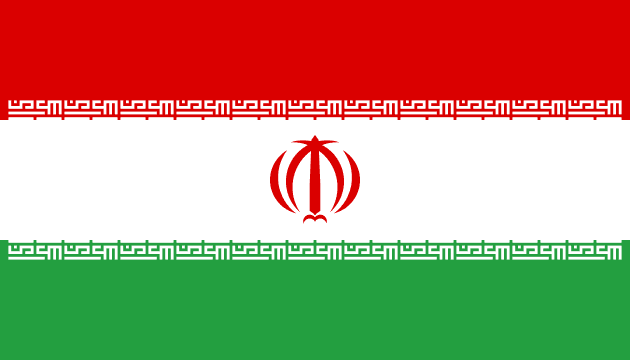
The Iranian regime’s institutional resilience following the February 2026 U.S.-Israeli military campaign and leadership succession after Supreme Leader Ali Khamenei’s assassination underpins trader consensus that no collapse occurred by May 31. Security forces, led by the Islamic Revolutionary Guard Corps, suppressed protests amid economic strain and wartime damage, while a fragile April ceasefire and subsequent U.S.-Iran negotiations on sanctions relief and the Strait of Hormuz preserved central authority without triggering widespread defections or fragmentation. Recent assessments highlight continuity in decision-making structures and preparations to manage unrest through established repression mechanisms. Although internal factional tensions and external diplomatic pressures persist, these factors have not produced the rapid breakdown required for regime change within the resolution window. Late escalations or unforeseen elite fractures remain possible but appear insufficient to shift the near-certain outcome based on developments through late May.
Riepilogo sperimentale generato dall'AI con riferimento ai dati di Polymarket. Questo non è un consiglio di trading e non ha alcun ruolo nella risoluzione di questo mercato. · AggiornatoWill the Iranian regime fall by May 31?
Will the Iranian regime fall by May 31?
$38,330,965 Vol.
$38,330,965 Vol.
$38,330,965 Vol.
$38,330,965 Vol.
This requires a broad consensus of reporting indicating that core structures of the Islamic Republic (e.g. the office of the Supreme Leader, the Guardian Council, IRGC control under clerical authority) have been dissolved, incapacitated, or replaced by a fundamentally different governing system or otherwise lost de facto power over a majority of the population of Iran. This could occur via revolution, civil war, military coup, or voluntary abdication, but only qualifies if the Islamic Republic no longer exercises sovereign power.
Routine political events such as elections, reforms, or leadership succession do not qualify. Internal coups or power shifts that preserve the Islamic Republic’s core structures also do not qualify. Only a clear break in continuity—such as a new provisional government, revolutionary council, or constitution replacing the Islamic Republic will qualify.
Partial loss of territory or challenges from rebel or exile groups will not qualify unless the Islamic Republic no longer administers the majority of the Iranian population within Iran.
The resolution source will be a consensus of credible reporting.
Mercato aperto: Apr 1, 2026, 12:20 PM ET
Resolver
0x65070BE91...Esito proposto: No
Nessuna contestazione
Esito finale: No
This requires a broad consensus of reporting indicating that core structures of the Islamic Republic (e.g. the office of the Supreme Leader, the Guardian Council, IRGC control under clerical authority) have been dissolved, incapacitated, or replaced by a fundamentally different governing system or otherwise lost de facto power over a majority of the population of Iran. This could occur via revolution, civil war, military coup, or voluntary abdication, but only qualifies if the Islamic Republic no longer exercises sovereign power.
Routine political events such as elections, reforms, or leadership succession do not qualify. Internal coups or power shifts that preserve the Islamic Republic’s core structures also do not qualify. Only a clear break in continuity—such as a new provisional government, revolutionary council, or constitution replacing the Islamic Republic will qualify.
Partial loss of territory or challenges from rebel or exile groups will not qualify unless the Islamic Republic no longer administers the majority of the Iranian population within Iran.
The resolution source will be a consensus of credible reporting.
Resolver
0x65070BE91...Esito proposto: No
Nessuna contestazione
Esito finale: No
The Iranian regime’s institutional resilience following the February 2026 U.S.-Israeli military campaign and leadership succession after Supreme Leader Ali Khamenei’s assassination underpins trader consensus that no collapse occurred by May 31. Security forces, led by the Islamic Revolutionary Guard Corps, suppressed protests amid economic strain and wartime damage, while a fragile April ceasefire and subsequent U.S.-Iran negotiations on sanctions relief and the Strait of Hormuz preserved central authority without triggering widespread defections or fragmentation. Recent assessments highlight continuity in decision-making structures and preparations to manage unrest through established repression mechanisms. Although internal factional tensions and external diplomatic pressures persist, these factors have not produced the rapid breakdown required for regime change within the resolution window. Late escalations or unforeseen elite fractures remain possible but appear insufficient to shift the near-certain outcome based on developments through late May.
Riepilogo sperimentale generato dall'AI con riferimento ai dati di Polymarket. Questo non è un consiglio di trading e non ha alcun ruolo nella risoluzione di questo mercato. · Aggiornato
Fai attenzione ai link esterni.
Fai attenzione ai link esterni.
Domande frequenti