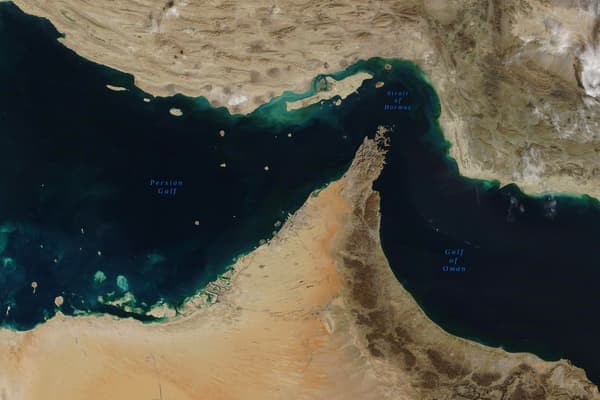
Trader sentiment on Polymarket for Strait of Hormuz ship transits remains cautious amid a fragile U.S.-Iran two-week ceasefire announced April 8, which has failed to restore traffic flows. Marine tracking data shows near-zero transits on April 8-9, down over 90% from historical averages of 100+ daily vessels carrying 20% of global oil supply, as Iran demands pre-approval, inspections, and tolls—potentially in cryptocurrency—for passage via a restricted "safe corridor." Hundreds of vessels, including 426 oil tankers, queue on both sides, spiking very large crude carrier charter rates and insurance premiums while embedding a geopolitical risk premium into Brent crude futures. Key catalysts include attempted Chinese tanker transits today and ceasefire extension talks by April 12, with escalation risks from Israeli actions potentially prolonging the logjam.
基於Polymarket數據的AI實驗性摘要 · 更新於10
85%
20
42%
30
21%
40
20%
50
12%
60
5%
$3,859 交易量
10
85%
20
42%
30
21%
40
20%
50
12%
60
5%
The number of daily transit calls/arrivals includes container, dry bulk, roll-on/roll-off, general cargo, and tanker ships. Ships not reported by IMF Portwatch will not be considered.
This market will resolve as soon as IMF Portwatch publishes a daily number of transit calls equal to or above the specified level, or once data has been published for the final date in the specified period and no such value has been published. If no data has been published for the final date of the specified period within 14 calendar days (ET) after the end of that period, this market will resolve based on data published up to that point.
Revisions to previously published data points, made within this market’s timeframe, will be considered. However, they will not disqualify a previously published data point from qualifying. Revisions to previously published data points after data is published for April 12, 2026, however, will not be considered.
The resolution source for this market will be IMF Portwatch, specifically the transit calls data published for the Strait of Hormuz at https://portwatch.imf.org/pages/cb5856222a5b4105adc6ee7e880a1730, both in the chart and through downloadable files.
市場開放時間: Apr 8, 2026, 1:46 PM ET
Resolver
0x65070BE91...The number of daily transit calls/arrivals includes container, dry bulk, roll-on/roll-off, general cargo, and tanker ships. Ships not reported by IMF Portwatch will not be considered.
This market will resolve as soon as IMF Portwatch publishes a daily number of transit calls equal to or above the specified level, or once data has been published for the final date in the specified period and no such value has been published. If no data has been published for the final date of the specified period within 14 calendar days (ET) after the end of that period, this market will resolve based on data published up to that point.
Revisions to previously published data points, made within this market’s timeframe, will be considered. However, they will not disqualify a previously published data point from qualifying. Revisions to previously published data points after data is published for April 12, 2026, however, will not be considered.
The resolution source for this market will be IMF Portwatch, specifically the transit calls data published for the Strait of Hormuz at https://portwatch.imf.org/pages/cb5856222a5b4105adc6ee7e880a1730, both in the chart and through downloadable files.
Resolver
0x65070BE91...Trader sentiment on Polymarket for Strait of Hormuz ship transits remains cautious amid a fragile U.S.-Iran two-week ceasefire announced April 8, which has failed to restore traffic flows. Marine tracking data shows near-zero transits on April 8-9, down over 90% from historical averages of 100+ daily vessels carrying 20% of global oil supply, as Iran demands pre-approval, inspections, and tolls—potentially in cryptocurrency—for passage via a restricted "safe corridor." Hundreds of vessels, including 426 oil tankers, queue on both sides, spiking very large crude carrier charter rates and insurance premiums while embedding a geopolitical risk premium into Brent crude futures. Key catalysts include attempted Chinese tanker transits today and ceasefire extension talks by April 12, with escalation risks from Israeli actions potentially prolonging the logjam.
基於Polymarket數據的AI實驗性摘要 · 更新於
警惕外部連結哦。
警惕外部連結哦。
Frequently Asked Questions