
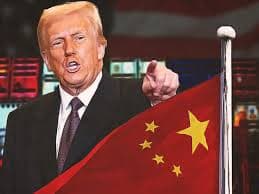
Trump continues an existing national emergency on foreign election interference through Executive Order 13848, extended on August 31, 2026, while allies have circulated draft orders and urged a broader declaration to address alleged vulnerabilities, restrict mail-in voting, and assert federal oversight of state election processes ahead of the November 2026 midterms. Legislative efforts such as the SAVE America Act have stalled in the Senate, prompting Trump to leave open the possibility of emergency action in interviews, though a senior administration aide recently stated there is no current momentum for such a step. Constitutional limits on presidential authority over elections, ongoing court challenges to related executive orders, and the timing before midterms remain central factors in trader assessments of whether a new declaration tied explicitly to election interference will occur by year-end.
基于Polymarket数据的AI实验性摘要。这不是交易建议,也不影响该市场的结算方式。 · 更新于$197,881 交易量
12月31日
20%
$197,881 交易量
12月31日
20%
A qualifying declaration must include formal language stating that a national emergency exists and must be issued under the National Emergencies Act (50 U.S.C. § 1621 et seq.). The declaration must explicitly reference interference in U.S. elections, election processes, election systems, voting procedures, ballots, or voting machines as the basis for the emergency. Statements, speeches, social media posts, draft orders, executive orders that do not formally declare a national emergency under the National Emergencies Act, or other actions that merely reference election interference without declaring a national emergency will not qualify.
Renewals or extensions of previously existing national emergencies will not qualify unless the text is materially modified to explicitly relate to election interference.
The primary resolution source will be the Federal Register and official White House publications, however a consensus of credible reporting may also be used.
市场开放时间: Feb 26, 2026, 4:29 PM ET
A qualifying declaration must include formal language stating that a national emergency exists and must be issued under the National Emergencies Act (50 U.S.C. § 1621 et seq.). The declaration must explicitly reference interference in U.S. elections, election processes, election systems, voting procedures, ballots, or voting machines as the basis for the emergency. Statements, speeches, social media posts, draft orders, executive orders that do not formally declare a national emergency under the National Emergencies Act, or other actions that merely reference election interference without declaring a national emergency will not qualify.
Renewals or extensions of previously existing national emergencies will not qualify unless the text is materially modified to explicitly relate to election interference.
The primary resolution source will be the Federal Register and official White House publications, however a consensus of credible reporting may also be used.
Trump continues an existing national emergency on foreign election interference through Executive Order 13848, extended on August 31, 2026, while allies have circulated draft orders and urged a broader declaration to address alleged vulnerabilities, restrict mail-in voting, and assert federal oversight of state election processes ahead of the November 2026 midterms. Legislative efforts such as the SAVE America Act have stalled in the Senate, prompting Trump to leave open the possibility of emergency action in interviews, though a senior administration aide recently stated there is no current momentum for such a step. Constitutional limits on presidential authority over elections, ongoing court challenges to related executive orders, and the timing before midterms remain central factors in trader assessments of whether a new declaration tied explicitly to election interference will occur by year-end.
基于Polymarket数据的AI实验性摘要。这不是交易建议,也不影响该市场的结算方式。 · 更新于
警惕外部链接哦。
警惕外部链接哦。
常见问题