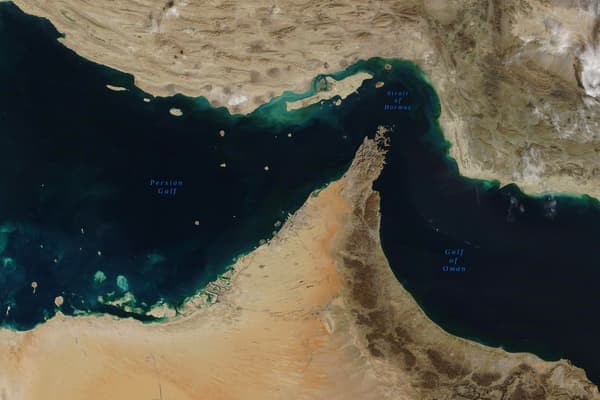
Amid fragile U.S.-Iran ceasefire negotiations, Iranian naval warnings, mandatory inspections, and $2 million transit tolls continue throttling Strait of Hormuz traffic, with IMF Portwatch reporting just 9 daily ship arrivals on April 5—down over 90% from pre-crisis norms of 130 vessels—and a 7-day average of 8.4. This suppression sustains elevated Brent crude futures near $97 per barrel, reflecting ~20% global oil supply vulnerability, while very large crude carrier (VLCC) spot rates on Middle East-to-Asia routes hit records above $350,000 per day and war risk insurance premiums climb to 1-2% of hull value, deterring Western operators. Traders eye two-week ceasefire expiry around April 22 and potential U.S.-Iran talks for catalysts to shift flows.
Experimental AI-generated summary referencing Polymarket data · Updated10
86%
20
43%
30
21%
40
20%
50
12%
60
6%
$3,671 Vol.
10
86%
20
43%
30
21%
40
20%
50
12%
60
6%
The number of daily transit calls/arrivals includes container, dry bulk, roll-on/roll-off, general cargo, and tanker ships. Ships not reported by IMF Portwatch will not be considered.
This market will resolve as soon as IMF Portwatch publishes a daily number of transit calls equal to or above the specified level, or once data has been published for the final date in the specified period and no such value has been published. If no data has been published for the final date of the specified period within 14 calendar days (ET) after the end of that period, this market will resolve based on data published up to that point.
Revisions to previously published data points, made within this market’s timeframe, will be considered. However, they will not disqualify a previously published data point from qualifying. Revisions to previously published data points after data is published for April 12, 2026, however, will not be considered.
The resolution source for this market will be IMF Portwatch, specifically the transit calls data published for the Strait of Hormuz at https://portwatch.imf.org/pages/cb5856222a5b4105adc6ee7e880a1730, both in the chart and through downloadable files.
Market Opened: Apr 8, 2026, 1:46 PM ET
Resolver
0x65070BE91...The number of daily transit calls/arrivals includes container, dry bulk, roll-on/roll-off, general cargo, and tanker ships. Ships not reported by IMF Portwatch will not be considered.
This market will resolve as soon as IMF Portwatch publishes a daily number of transit calls equal to or above the specified level, or once data has been published for the final date in the specified period and no such value has been published. If no data has been published for the final date of the specified period within 14 calendar days (ET) after the end of that period, this market will resolve based on data published up to that point.
Revisions to previously published data points, made within this market’s timeframe, will be considered. However, they will not disqualify a previously published data point from qualifying. Revisions to previously published data points after data is published for April 12, 2026, however, will not be considered.
The resolution source for this market will be IMF Portwatch, specifically the transit calls data published for the Strait of Hormuz at https://portwatch.imf.org/pages/cb5856222a5b4105adc6ee7e880a1730, both in the chart and through downloadable files.
Resolver
0x65070BE91...Amid fragile U.S.-Iran ceasefire negotiations, Iranian naval warnings, mandatory inspections, and $2 million transit tolls continue throttling Strait of Hormuz traffic, with IMF Portwatch reporting just 9 daily ship arrivals on April 5—down over 90% from pre-crisis norms of 130 vessels—and a 7-day average of 8.4. This suppression sustains elevated Brent crude futures near $97 per barrel, reflecting ~20% global oil supply vulnerability, while very large crude carrier (VLCC) spot rates on Middle East-to-Asia routes hit records above $350,000 per day and war risk insurance premiums climb to 1-2% of hull value, deterring Western operators. Traders eye two-week ceasefire expiry around April 22 and potential U.S.-Iran talks for catalysts to shift flows.
Experimental AI-generated summary referencing Polymarket data · Updated
Beware of external links.
Beware of external links.
Frequently Asked Questions