
Israel heads into October 27, 2026, Knesset elections with Benjamin Netanyahu’s Likud-led coalition facing a tight race for the 61 seats needed to retain power. Recent polls project the current right-wing bloc falling short even after potential alliances, with challengers including Gadi Eisenkot’s Yashar party and Naftali Bennett’s Together party drawing strong support. Netanyahu has pressed partners such as Itamar Ben-Gvir and Bezalel Smotrich to unite and urged coordination with newer right-wing factions to avoid splitting the bloc below the electoral threshold. These dynamics, alongside the government’s completion of a full term amid ongoing security and coalition pressures, underpin trader assessments of roughly even odds on whether Netanyahu remains prime minister through the end of 2026.
Riepilogo sperimentale generato dall'AI con riferimento ai dati di Polymarket. Questo non è un consiglio di trading e non ha alcun ruolo nella risoluzione di questo mercato. · AggiornatoNetanyahu meets Trump amid widening gaps on Iran war management
December 31 dips to 40%4%
The meeting between Netanyahu and Trump highlighted growing differences on handling the Iran conflict, underscoring diplomatic strains that influenced market perceptions of Netanyahu's political durability.
Netanyahu lands in Washington ahead of meeting with Trump
Netanyahu's July 27, 2026 visit to Washington for a meeting with US President Donald Trump focused on the Iran war and election support, highlighting his active campaign and international engagement ahead of elections.
Netanyahu calls ICC war-crimes charges 'bogus' amid growing political backlash
December 31 jumps to 44%8%
Netanyahu denounced International Criminal Court charges against him as baseless, amid increasing domestic and international criticism. Despite this, he remained in office with no resignation, contributing to market confidence that he would not step down before year-end.
Netanyahu announces US trip amid rising tensions with Trump over Iran policy
Netanyahu prepared for a critical meeting with US President Trump to discuss escalating tensions with Iran and the US nuclear deal with Saudi Arabia, reflecting diplomatic challenges impacting his political standing.
Netanyahu faces criticism amid ongoing military operations and political challenges
As military operations continue, Netanyahu faces criticism from opposition and public protests, but he remains in office and active in government affairs, maintaining his position despite pressure.
Netanyahu confirms he will run in 2026 elections, ending speculation
On July 24, 2026, Netanyahu publicly confirmed he will run in the upcoming October elections, ending rumors of resignation or stepping down. This solidified market expectations that he will not resign before the end of 2026.

Mass protests across Israel demand Netanyahu’s resignation
July 31 dips to 1%1%
Thousands protested nationwide criticizing Netanyahu's handling of ongoing conflicts and political crises, increasing public pressure but Netanyahu remained in office, contributing to market uncertainty.
Netanyahu states Gaza Strip no longer a military threat amid criticism from rivals
December 31 jumps to 37%6%
In a Channel 14 interview, Netanyahu claimed the Gaza Strip was no longer a threat and justified his Iran strikes as necessary for Israel's survival. This statement drew criticism from political rivals, reflecting internal political tensions.
Likud MK resigns, reveals internal party dissent against Netanyahu
December 31 rises to 39%3%
A Likud member of Knesset resigned, stating that about a third of party MKs wanted to oust Netanyahu after the October 7 conflict, indicating significant internal challenges to Netanyahu's leadership and contributing to market uncertainty.
Netanyahu claims Gaza Strip no longer a military threat, defends Iran strikes
December 31 rises to 39%3%
In a July 18 interview, Netanyahu asserted the Gaza Strip was no longer a threat and justified his Iran strikes, signaling continued active leadership and reducing market speculation about imminent resignation.
Thousands protest Netanyahu government over judicial overhaul and draft laws
December 31 dips to 36%3%
Mass protests erupted across Israel against Netanyahu's government following controversial judicial overhaul legislation and draft exemption laws, highlighting domestic unrest and political challenges that could impact Netanyahu's future tenure.
Netanyahu's coalition falls below majority in Knesset ahead of elections
December 31 dips to 36%2%
By mid-July 2026, Netanyahu's coalition shrank to 48 seats against 62 for the opposition, signaling weakening political support but no immediate resignation, contributing to the market's decline in resignation probability.
Israel's Knesset approves its dissolution with Netanyahu voting in favor
December 31 jumps to 42%6%
The Knesset voted 62-0 to dissolve itself, paving the way for elections in October 2026. Netanyahu's support for dissolution amid coalition challenges signaled political transition but no immediate resignation, maintaining market uncertainty.
Israeli Knesset officially dissolves, starting campaign for October elections
December 31 rises to 39%3%
The official dissolution of the Knesset on July 17, 2026, confirmed the election timeline and Netanyahu's continued role as Prime Minister during the campaign, reinforcing market expectations that he would not resign before year-end.
Netanyahu faces heckling as coalition pushes controversial laws before Knesset dissolution
Amid loud jeers, Netanyahu's coalition advanced last-minute bills defending ultra-Orthodox draft exemptions and curbing judicial powers, intensifying political strife and raising questions about his leadership stability.
Netanyahu votes in favor of Knesset dissolution, advancing election preparations
July 31 dips to 0%1%
Netanyahu supported the Knesset dissolution vote, facilitating the election process and signaling his intent to contest the upcoming election, which further diminished market odds of his early resignation.
Israel's Knesset approves dissolution, Netanyahu votes in favor
December 31 dips to 40%4%
The Knesset's unanimous vote to dissolve parliament, supported by Netanyahu, set the stage for upcoming elections, signaling his continued political engagement and lowering chances of resignation before the end of 2026.
Israeli Knesset approves dissolution, clearing way for October elections
July 31 dips to 1%1%
The Knesset voted unanimously to dissolve itself, setting elections for October 27, 2026, confirming Netanyahu's continued role as prime minister until then and lowering market odds of his resignation before July 31.
Knesset approves dissolution, Netanyahu votes in favor
December 31 dips to 36%3%
The Knesset passed its dissolution unanimously, advancing judicial overhaul and ultra-Orthodox-backed laws before breaking up, signaling the end of the current government term with Netanyahu still in office.
Israel's Knesset dissolves, paving way for October elections
December 31 jumps to 41%5%
The Knesset voted unanimously to dissolve itself, triggering national elections scheduled for October 27, 2026. This dissolution was seen as a critical referendum on Netanyahu's political survival, increasing uncertainty about his future as Prime Minister.
Knesset votes unanimously to dissolve parliament, setting elections for October 27
December 31 jumps to 44%7%
On July 16-17, 2026, the Israeli Knesset voted 62-0 to dissolve itself, clearing the way for elections and marking a critical step toward potential leadership change, impacting market expectations.
Israeli parliament confirms national election date for October 27, 2026
December 31 rises to 40%4%
On July 16, 2026, the Knesset confirmed the date for national elections, solidifying the political timeline and reducing the chance of Netanyahu stepping down before the election. This contributed to the market's decline in the probability of early resignation.
Israel’s Knesset dissolves, setting elections for October 27, 2026
July 31 dips to 0%2%
The Knesset voted to dissolve itself unanimously, officially triggering elections in October. Netanyahu voted in favor but remained prime minister with no resignation announced, leading to a decline in market odds for his stepping down by July 31.
Netanyahu's Likud party faces mounting opposition ahead of October elections
December 31 dips to 36%2%
By mid-July 2026, polls showed Netanyahu's Likud party trailing or narrowly leading opposition parties, with public dissatisfaction over his handling of wars and corruption allegations. Despite this, Netanyahu remained prime minister and did not announce resignation, keeping market probabilities for his stepping down low.
Knesset dissolves, setting stage for October elections critical to Netanyahu's survival
Israel's parliament voted to dissolve on July 17, paving the way for national elections on October 27, seen as a referendum on Netanyahu's political future amid ongoing conflicts and judicial controversies.
Israel's Knesset approves dissolution ahead of 2026 elections
December 31 jumps to 44%6%
The Knesset voted unanimously to dissolve itself, with Netanyahu voting in favor, signaling the start of election season and political uncertainty but no immediate resignation from Netanyahu.
Knesset dissolves, setting October 27 election date with Netanyahu seeking re-election
December 31 rises to 40%2%
The Knesset officially dissolved on July 17, confirming the October 27 election date. Netanyahu confirmed his candidacy, signaling his intent to remain in power despite political challenges, influencing market expectations.
Israel's parliament dissolves ahead of October 27 elections
December 31 jumps to 44%6%
On July 16-17, 2026, the Knesset voted to dissolve itself, confirming the election timeline and Netanyahu's continued role as prime minister during the campaign, which reinforced market expectations that he would not resign before the end of 2026.
Knesset dissolves ahead of October 2026 elections amid Netanyahu's political struggles
July 31 plunges to 0%16%
The Knesset dissolved in mid-July 2026, setting the stage for the October elections. Netanyahu's political standing was weakened by coalition breakdowns and public dissatisfaction, reflected in the market's decline in probability of his resignation by July 31.
Rahm Emanuel warns Netanyahu risks US alliance amid political turmoil
December 31 dips to 36%1%
Rahm Emanuel publicly warned that Netanyahu's handling of military operations and political considerations jeopardize Israel's long-term alliance with the United States, highlighting growing international and domestic pressure on Netanyahu's leadership ahead of elections.
Knesset officially dissolves, setting elections for October 27
July 31 dips to 0%1%
The official dissolution of the Knesset and announcement of elections for late October confirmed the government would serve a full term, leading to a decline in market odds for Netanyahu stepping down before year-end.
Knesset dissolves ahead of October elections, Netanyahu votes in favor
On July 16-17, 2026, the Knesset voted unanimously to dissolve itself, officially triggering the election process, with Netanyahu supporting the move, marking a critical step toward the October 27 vote.
Israeli Knesset dissolves, setting elections for October 27, 2026
July 31 dips to 0%1%
On July 16, 2026, the Israeli Knesset officially dissolved, confirming elections for October 27, 2026. This formal dissolution underscored the political instability and the likelihood of Netanyahu facing a tough electoral challenge, reflected in the market price decline to near zero for the July 31 outcome.
Knesset officially dissolves ahead of October elections, Netanyahu votes in favor
December 31 rises to 40%4%
The formal dissolution of the Knesset confirmed the path to elections, solidifying the political timeline and reducing immediate chances of Netanyahu stepping down before the election, reflected in market price stabilization.
Israeli parliament dissolves ahead of October elections
July 31 dips to 0%1%
The Knesset formally dissolved itself, confirming the election schedule and signaling the end of the current government term. This event confirmed Netanyahu's continuation in office until the elections, with no resignation announced, reflected in the market's low probability for a July 31 exit.
Knesset officially dissolves, paving way for October elections
On July 16, 2026, the Knesset formally dissolved, initiating the campaign for the October 27 elections. This confirmed the political timeline and further diminished speculation about Netanyahu's early resignation, reflected in market prices dropping to near lows.
Israeli parliament dissolves ahead of October elections with Netanyahu's support
December 31 dips to 40%4%
The Knesset voted unanimously to dissolve itself, officially triggering the election process. Netanyahu voted in favor, signaling his intent to continue as Prime Minister pending election results, which influenced market prices.
Israeli Knesset dissolves ahead of October 27 elections with Netanyahu voting in favor
December 31 rises to 40%1%
The Knesset passed the final dissolution vote 62-0, officially ending the current government and setting the stage for snap elections. Netanyahu voted in favor, confirming the political transition but remained prime minister until the elections.
Knesset passes controversial laws in legislative blitz before recess
December 31 dips to 38%3%
Netanyahu’s coalition pushed through laws to secure its base, including media regulation changes, signaling attempts to consolidate power ahead of elections. This legislative activity reflected political maneuvering but did not indicate imminent resignation, contributing to market declines in resignation odds.
Knesset passes final wave of bills and dissolves ahead of October elections
December 31 rises to 39%2%
The Knesset voted unanimously to dissolve itself, clearing the way for the October 27 elections. Netanyahu's coalition pushed through controversial legislation to secure its base before the campaign, signaling political maneuvering but no resignation announcement.
Netanyahu faces Likud resistance over party primary reforms ahead of elections
December 31 jumps to 36%8%
On July 15, 2026, Netanyahu encountered opposition within Likud regarding plans to reshape party primaries, reflecting internal challenges but no indication of resignation, contributing to market uncertainty.
Israeli Knesset dissolves, setting elections for October 27, 2026
December 31 dips to 36%3%
The Knesset dissolved in July 2026, officially setting elections for late October. This confirmed Netanyahu's government would serve a full term, significantly reducing market expectations of his resignation before year-end.
Netanyahu prepares for US trip amid political turmoil
December 31 jumps to 36%5%
On July 15, 2026, Netanyahu announced plans to travel to the US to meet President Trump, aiming to bolster his political position ahead of elections. This move was seen as an attempt to strengthen his alliance with the US amid domestic challenges, temporarily stabilizing market odds for his resignation.
Netanyahu attends corruption trial hearing amid political pressure
December 31 dips to 37%1%
Netanyahu appeared in court for his ongoing corruption trial, maintaining his position despite legal challenges. This event underscored his resilience and contributed to the market's declining probability of his resignation before year-end.
Israeli parliament dissolves ahead of October elections amid coalition strains
December 31 drops to 38%10%
On July 15, 2026, the Knesset dissolved after passing key bills, reflecting coalition tensions but confirming the election timeline. This political development reinforced market views that Netanyahu would remain in office until the scheduled elections, further lowering resignation odds.
Israeli parliament passes bills and dissolves ahead of October elections
December 31 jumps to 36%5%
On July 15, 2026, the Knesset passed controversial bills affecting the attorney general's powers and military conscription exemptions, then dissolved itself. This legislative blitz reflected Netanyahu's attempts to secure his coalition but also intensified political opposition and public protests, impacting market confidence in his staying power.
Istanbul court issues international arrest warrant for Netanyahu
An Istanbul High Criminal Court issued an international arrest warrant for Netanyahu over alleged crimes against humanity related to military actions. While significant legally and politically, this did not immediately affect Netanyahu's position as Prime Minister, but added pressure and uncertainty to his political future.
Deputy Foreign Minister Sharren Haskel resigns amid internal party disputes
Sharren Haskel resigned from her post, citing internal conflicts within Netanyahu’s Likud party, reflecting ongoing factional struggles that could impact Netanyahu’s political stability ahead of elections.
Likud MK resigns, revealing internal party dissent against Netanyahu
December 31 dips to 36%3%
A Likud member of Knesset resigned, stating that a third of party MKs wanted to oust Netanyahu after the October 2023 attacks, highlighting internal party fractures and weakening Netanyahu's position, which contributed to declining resignation odds.
Likud MK resigns, reveals internal party opposition to Netanyahu
December 31 dips to 36%2%
A Likud member of Knesset resigned, stating that a third of party MKs wanted to oust Netanyahu after October, highlighting significant internal party challenges and weakening Netanyahu's position.
Polls show Netanyahu faces tough election battle but no immediate resignation
December 31 dips to 37%4%
Polls indicated Netanyahu's Likud party trailing opposition, with mounting political and legal pressures ahead of October elections. Despite challenges, Netanyahu showed no plans to resign, contributing to market decline in early resignation odds.
Knesset passes law freezing arrests of ultra-Orthodox draft dodgers amid protests
December 31 dips to 41%3%
On July 14, 2026, Netanyahu's coalition passed legislation freezing arrests of ultra-Orthodox draft evaders, intensifying political controversy and protests, affecting market confidence in his leadership.
Coalition confirms October 27, 2026, date for Israeli elections
December 31 dips to 37%1%
Netanyahu confirmed he will run in the upcoming elections scheduled for October 27, 2026, despite political challenges and criticism, which temporarily bolstered market confidence in his continuation as Prime Minister.
Netanyahu confirms candidacy for 2026 Israeli elections
December 31 jumps to 44%8%
Netanyahu and his Likud party officially confirmed his run for re-election in October 2026, ending speculation about his withdrawal and reinforcing market expectations that he would not resign before year-end.
Netanyahu's coalition announces October 27 election date, signaling full term completion
December 31 dips to 38%3%
On July 12, 2026, Netanyahu's coalition officially set the national election for October 27, the latest possible date, indicating the government would serve a full term. This reduced market expectations of Netanyahu resigning before year-end, causing a decline in resignation probabilities.
Netanyahu coalition announces October 27, 2026 election date
December 31 jumps to 42%6%
The governing coalition led by Netanyahu confirmed the election date as October 27, the latest possible date, indicating the government will complete its term and Netanyahu will remain in office until then, reducing near-term resignation expectations.
Israel announces Knesset elections for October 27, Netanyahu seeks another term
July 31 plunges to 0%16%
The official announcement of elections and Netanyahu's intention to seek another term reinforced market confidence that he would not resign before July 31, contributing to the decline of the July 31 market option to near zero.
Massive Tel Aviv protests demand Netanyahu's resignation and early elections
July 31 dips to 0%1%
Thousands of Israelis protested in Tel Aviv demanding Netanyahu's resignation, reflecting public dissatisfaction and contributing to the market's decline in the probability of Netanyahu remaining in office by July 31, 2026.
Israel sets October 27 election date, seen as referendum on Netanyahu’s leadership
December 31 drops to 41%7%
The Knesset officially announced the election date, framing it as a critical test of Netanyahu’s political survival. This formalized the timeline for potential leadership change, influencing market odds downward for Netanyahu’s resignation before year-end.
Opposition calls for Netanyahu's immediate resignation amid ongoing military operations
December 31 plunges to 31%16%
As Israel continued military operations in Lebanon and Gaza, opposition parties intensified calls for Netanyahu to resign, citing dissatisfaction with his policies and leadership, further pressuring his position.
Israeli coalition announces October 27 election date, Netanyahu confirms candidacy
December 31 drops to 36%11%
The governing coalition led by Netanyahu announced the next parliamentary elections for October 27, 2026, indicating the government will serve a full term. Netanyahu confirmed he will run again, reducing market expectations of his resignation before year-end.
Israel's parliament officially sets October 27 election date
December 31 drops to 0%7%
The Knesset officially confirmed the election date, reinforcing the expectation that Netanyahu's government would complete its full term, further lowering market odds of his resignation before December 31, 2026.
Polls show opposition leader Gadi Eisenkot leading Netanyahu as preferred PM
July 31 dips to 1%1%
Polls released in mid-July showed Eisenkot with a significant lead over Netanyahu, increasing political pressure but not triggering any resignation or removal, further lowering market odds for Netanyahu stepping down by July 31.
Netanyahu's coalition announces elections for October 27, 2026, amid mounting political uncertainty
December 31 jumps to 36%5%
The official announcement of elections set for late October confirmed the political timeline, reducing speculation about Netanyahu stepping down before year-end and causing market confidence in his early resignation to drop further.
Israeli government announces October 27, 2026 election date
December 31 dips to 37%1%
The ruling coalition confirmed the election date as October 27, 2026, signaling the government will serve a full term and lowering market expectations of Netanyahu resigning before year-end.
Israel's governing coalition announces October 27, 2026 election date
December 31 drops to 36%5%
The announcement that the election will be held on the latest possible date indicated the government will serve a full term, lowering market expectations of Netanyahu stepping down before year-end.
Netanyahu coalition announces Israel's 2026 election will take place on October 27
December 31 dips to 40%2%
On July 12, 2026, Netanyahu's coalition officially announced the election date for October 27, 2026, confirming the political timeline and solidifying Netanyahu's intent to seek another term, influencing market expectations.
Israel announces Knesset elections for October 27, Netanyahu to seek another term
December 31 jumps to 44%6%
On July 12, 2026, Israel officially set elections for October 27, with Netanyahu confirming his candidacy, ending speculation about his resignation and impacting market expectations about his political future.
Polls show Netanyahu trailing opposition ahead of October elections
December 31 dips to 36%3%
Polls in July 2026 indicated Netanyahu's Likud party lagging behind opposition parties, increasing speculation about his political future. However, no resignation announcement was made, and market confidence in his early exit dropped to near zero.
Israeli parliament announces national elections for October 27, 2026
December 31 dips to 37%3%
The Knesset announced the election date as October 27, 2026, indicating the government will serve a full term. This reduced market expectations of Netanyahu resigning before year-end, contributing to the decline in probabilities for an earlier exit.
Netanyahu's coalition announces elections for October 27, 2026
July 31 dips to 1%2%
Netanyahu's coalition officially announced the date for the upcoming national elections, confirming the political timeline. This solidified expectations that Netanyahu would remain in office until at least the election, contributing to a decline in the market's probability of an earlier resignation by July 31.
Surveys show Netanyahu trailing opposition ahead of October elections
July 31 dips to 0%1%
In July 2026, polls indicated Netanyahu's Likud party lagging behind opposition led by Gadi Eisenkot, increasing speculation about his political future but no resignation occurred, pushing market prices for July 31 outcome to zero.
Netanyahu's coalition announces October 27 elections amid political uncertainty
July 31 dips to 0%1%
On July 12, 2026, Netanyahu's coalition officially announced elections for October 27, 2026, amid growing political uncertainty and opposition gains. This announcement confirmed the political instability but Netanyahu remained in office, leading to further decline in market odds for his resignation by July 31.
Netanyahu coalition announces Israeli election date for October 27, 2026
December 31 plunges to 28%20%
On July 12, 2026, Netanyahu's coalition confirmed the election date, indicating the government would serve a full term and Netanyahu would remain in office until then, reducing market expectations of an earlier resignation.
Israel announces October 27 elections with Netanyahu seeking another term
Israel officially announced the general elections for October 27, 2026, with Netanyahu confirming his candidacy, ending speculation about his potential early exit and reinforcing market expectations of his continued premiership.
Netanyahu reveals he has chosen a successor but refuses to disclose identity or resignation timing
December 31 drops to 31%6%
In a rare interview, Netanyahu stated he has identified a successor but did not reveal who or when he might step down, signaling no immediate resignation plans and contributing to a decline in market expectations for his early departure.
Netanyahu states readiness to hand over power to a successor
July 31 plunges to 1%15%
In an interview, Netanyahu expressed willingness to hand over leadership to a successor but did not specify timing, creating some uncertainty but no immediate resignation, influencing market decline in short-term resignation odds.
Netanyahu states he is ready to hand over power to a successor but gives no timeline
December 31 drops to 37%10%
In an interview, Netanyahu said he is ready to hand over power to a successor but did not specify when, maintaining uncertainty about his political future and contributing to market volatility.
Netanyahu states readiness to hand over power but declines to specify timing
December 31 drops to 36%5%
In a July 10 interview, Netanyahu expressed readiness to hand over leadership to a successor but did not specify when. This ambiguous statement caused some market volatility, reflecting uncertainty about his actual resignation timing.
Netanyahu says he is 'ready' to hand over power but gives no timeline
December 31 dips to 44%3%
In an interview, Netanyahu expressed readiness to step aside for a successor but declined to specify when, creating some market speculation but no immediate impact on his resignation probability.
Netanyahu says he is ready to hand over power but gives no timeline
July 31 plunges to 1%15%
In an interview, Netanyahu expressed readiness to hand over leadership to a successor but did not specify when, maintaining ambiguity about his future and contributing to the market's low probability of his resignation by July 31.
Israel prepares for October 27 elections amid Netanyahu's leadership
December 31 jumps to 44%6%
As Israel prepared for the October 27 elections, Netanyahu continued to lead the government with no resignation announcement. The political environment remained tense, but Netanyahu's position was solidified, contributing to stable market odds for his resignation by December 31.
Netanyahu's government vows to defy Supreme Court ruling, sparking constitutional crisis fears
December 31 drops to 36%6%
The government's unprecedented move to defy a Supreme Court ruling heightened political tensions and concerns over Netanyahu's grip on power, contributing to market volatility regarding his tenure.
Israeli government vows to defy Supreme Court ruling, sparking constitutional crisis fears
December 31 dips to 36%3%
Netanyahu's far-right government announced it would defy a Supreme Court ruling, escalating political tensions and raising concerns about democratic norms, which influenced market perceptions of his political stability.
US President Trump questions Netanyahu's political future amid election pressure
December 31 plunges to 36%17%
Trump publicly questioned whether Netanyahu would continue in politics, reflecting growing uncertainty and opposition pressure ahead of the October 2026 elections, contributing to a sharp decline in market confidence for Netanyahu's continuation.
Netanyahu says he has someone in mind to succeed him but refuses to designate a time
December 31 rises to 33%2%
In an interview, Netanyahu indicated he has a successor in mind but declined to specify a timeline for stepping down, signaling no immediate plans to resign and maintaining political control ahead of elections.
Leading opposition candidate Gadi Eisenkot gains momentum against Netanyahu
December 31 drops to 36%11%
By July 2026, opposition leader Gadi Eisenkot was gaining support, challenging Netanyahu's hold on power ahead of the October elections, contributing to market declines in Netanyahu's resignation odds but no resignation announcement.
Netanyahu hints at successor but declines to reveal plans to step down
July 31 plunges to 1%15%
In a rare interview, Netanyahu indicated he has identified a successor but did not disclose who or when he might resign, signaling no immediate plans to step down. This reinforced market confidence that he would remain in office through the end of 2026, causing a sharp decline in resignation odds, especially for the July 31 outcome.
Netanyahu states he has successor in mind but no set resignation time
December 31 dips to 36%4%
In an interview, Netanyahu indicated he has someone in mind to succeed him but does not want to designate a resignation timeline, signaling no imminent departure and contributing to low market odds for his early exit.
Netanyahu states Gaza no longer a military threat, defends Iran strikes in interview
December 31 jumps to 37%6%
In a July 9, 2026 interview, Netanyahu claimed the Gaza Strip was no longer a threat and justified strikes on Iran to prevent nuclear annihilation, drawing criticism from rivals and influencing market perceptions of his leadership.
Netanyahu confirms he will run for prime minister in 2026 elections
December 31 rises to 40%1%
In an interview, Netanyahu stated unequivocally that he intends to seek another term as prime minister in the upcoming October 2026 elections, dispelling rumors of his potential resignation or withdrawal from politics.
Rahm Emanuel criticizes Netanyahu amid shifting US political support
December 31 plunges to 31%17%
On July 7, 2026, Rahm Emanuel publicly assailed Netanyahu, signaling waning US political support and increasing international pressure, which further eroded market confidence in Netanyahu's continued premiership.
Netanyahu signals readiness to hand over power to a successor
December 31 dips to 36%2%
Netanyahu publicly stated he is prepared to step aside for a successor, fueling market speculation about his potential resignation before the end of 2026.
US President Trump questions Netanyahu's political future amid polls showing majority want him out
December 31 plunges to 31%17%
US President Donald Trump publicly questioned whether Netanyahu wants to continue in politics, coinciding with polls showing over 60% of Israelis want him out. Despite this, Netanyahu's Likud party asserted he will run in the upcoming election, creating mixed signals that influenced market sentiment.
Netanyahu defies landmark Supreme Court ruling amid regional diplomatic shifts
Facing systemic pressures from new US-Iran normalization efforts, Netanyahu formally defied a Supreme Court ruling on military service exemptions, highlighting domestic political tensions that affected perceptions of his political stability and resignation likelihood.
Hamas announces resignation of its civil administration under Gaza peace plan
December 31 dips to 39%1%
Hamas's resignation from its civil administration under the Gaza peace plan marked a significant development in regional politics, indirectly affecting Netanyahu's political standing and market perceptions of his tenure's stability.
Netanyahu states readiness to hand power to a successor but reveals no timeline
December 31 plunges to 31%16%
In a rare interview, Netanyahu said he has identified a successor but did not disclose when he might step down, signaling no immediate resignation plans and contributing to a decline in market expectations for his early departure.
Israeli government threatens to ignore Supreme Court ruling, escalating crisis
December 31 rises to 40%4%
On July 5, 2026, Netanyahu's government passed a resolution to defy a Supreme Court order, escalating tensions with the judiciary and raising concerns about democratic norms ahead of elections.
Israeli Government Threatens to Disregard Supreme Court Ruling
December 31 drops to 36%11%
Netanyahu's cabinet passed a resolution to ignore a Supreme Court order, escalating a constitutional crisis and fueling speculation about political instability and his potential ouster.
Israeli government threatens to defy Supreme Court ruling, escalating constitutional crisis
December 31 drops to 58%5%
Netanyahu's government announced it would disregard a Supreme Court order, intensifying conflict between the executive and judiciary and raising concerns about political stability and Netanyahu's tenure ahead of elections.
Netanyahu's Government Votes to Defy Supreme Court Ruling
December 31 drops to 37%10%
The Israeli cabinet passed a resolution declaring it would disregard a Supreme Court order, escalating a severe constitutional crisis and fueling speculation about Netanyahu's potential ouster.
Netanyahu's government declares it will defy Supreme Court ruling, escalating constitutional crisis
December 31 drops to 37%10%
The government voted to ignore a Supreme Court decision, escalating political tensions and constitutional crisis concerns. This move polarized Israeli politics but did not lead to Netanyahu's resignation, negatively affecting market sentiment about his tenure.
Netanyahu's government vows to defy Supreme Court ruling, escalating political crisis
December 31 plunges to 31%15%
The government declared it would not comply with a Supreme Court decision, intensifying constitutional tensions but Netanyahu reaffirmed his position, reducing market expectations of his resignation before year-end.
Netanyahu Government Threatens to Defy Supreme Court Ruling
December 31 plunges to 31%15%
The Israeli government announced it would disregard a Supreme Court order regarding the broadcast regulator, triggering a major constitutional crisis and impacting Netanyahu's political survival odds.
Netanyahu government vows to defy Supreme Court ruling, escalating constitutional crisis
December 31 plunges to 38%26%
On July 5, 2026, Netanyahu's government declared it would not comply with a Supreme Court ruling, escalating Israel's constitutional crisis. This heightened political instability and increased speculation about Netanyahu's potential ouster before year-end.
Israeli cabinet votes to defy Supreme Court ruling, raising constitutional crisis fears
Netanyahu's government voted to defy a Supreme Court decision, escalating political tensions and constitutional crisis concerns, which further polarized Israeli politics but did not lead to Netanyahu's resignation, affecting market sentiment negatively.
Netanyahu government declares it will defy Supreme Court ruling, escalating crisis
The government's announcement to not abide by a Supreme Court ruling on media regulation marked a constitutional crisis, increasing political uncertainty and speculation about Netanyahu's tenure.
Knesset member Yuli Edelstein leaves Likud over ultra-Orthodox draft exemption dispute
December 31 dips to 47%1%
Yuli Edelstein announced his departure from Netanyahu's Likud party due to disagreements over ultra-Orthodox military draft exemptions, highlighting internal coalition fractures and weakening Netanyahu's political base ahead of elections, contributing to declining market confidence in his tenure.
Edelstein officially leaves Likud to form new right-wing party
December 31 drops to 39%8%
On July 3, 2026, Gideon Edelstein officially announced his departure from Likud, citing policy differences and a desire to form a broad Zionist government excluding ultra-Orthodox and Arab party influence. This fragmentation of Netanyahu's base further weakened his position and lowered market expectations for his early resignation.
Netanyahu intensifies public appearances ahead of elections, reinforcing leadership
In early July 2026, Netanyahu increased public engagements, including a rare interview on Channel 14, to bolster his political standing ahead of the elections. This campaign activity further diminished market expectations of his early resignation.
Netanyahu resists independent inquiry into October 7 disaster, pushing coalition inquiry
December 31 dips to 44%3%
On July 1, 2026, Netanyahu's government secured passage of legislation for a coalition-controlled inquiry into the October 7 attacks, avoiding an independent commission that could recommend his departure, affecting market confidence.
Poll shows majority of Israelis want Netanyahu to step down
December 31 drops to 38%9%
A poll revealed that 55% of Israelis favored Netanyahu's resignation, reflecting growing public pressure and weakening political support, which contributed to a decline in market probability for his remaining in office.
Netanyahu states Gaza Strip no longer a military threat in interview
In a July 2026 interview, Netanyahu claimed the Gaza Strip was no longer a military threat and justified his Iran strikes as necessary for Israel's survival. This statement drew criticism but did not increase resignation expectations, keeping market odds low.
Netanyahu calls for broad national government after next election
December 31 dips to 46%2%
Netanyahu expressed intentions to form a broad national government post-election, aiming to stabilize his coalition and maintain power, which tempered market expectations of his imminent resignation.
Netanyahu narrows political appeal with controversial legislative moves
December 31 plunges to 31%17%
In early July, Netanyahu supported legislation aimed at his coalition partners, signaling a narrowing political strategy ahead of elections. This move suggested he was consolidating support rather than preparing to resign, further reducing market expectations of his stepping down before year-end.
Netanyahu signals having a successor in mind but refuses to set resignation timeline
July 31 dips to 1%1%
In a July 9 interview, Netanyahu acknowledged having a potential successor but declined to designate a resignation date, indicating no imminent departure. This contributed to declining market odds for his exit by July 31.
Netanyahu rules out resigning in exchange for pardon
Netanyahu publicly rejected calls to resign in exchange for a pardon in his corruption case, reinforcing market confidence that he would not step down before the end of 2026, contributing to the low exit odds by July 31.
Netanyahu faces criticism after US-Iran interim peace deal
December 31 dips to 50%4%
Following an interim peace deal between the US and Iran, Netanyahu was criticized domestically for being sidelined, which heightened political pressure and doubts about his leadership ahead of elections.
Netanyahu defends call for broad coalition after elections amid political tensions
December 31 jumps to 63%7%
In a televised interview, Netanyahu defended his vision for a broad national government post-election, attempting to stabilize his political position despite ongoing coalition challenges and opposition gains in polls.
Netanyahu calls for broad coalition after elections amid political uncertainty
December 31 dips to 53%2%
In an interview, Netanyahu emphasized his intent to form a broad coalition including far-right and ultra-Orthodox parties, signaling his determination to remain in power despite political challenges, which tempered market expectations of his imminent resignation.
Polls show majority of Israelis want Netanyahu out; Trump questions his political future
December 31 dips to 48%2%
A poll revealed over 60% of Israelis want Netanyahu to step down, and US President Trump publicly questioned Netanyahu's desire to continue in politics, increasing speculation about his resignation before year-end.
Netanyahu visits southern Lebanon amid ongoing security operations
December 31 drops to 48%5%
Netanyahu's visit to southern Lebanon underscored his continued leadership and control over security matters, reinforcing his political resilience. This contributed to a reduction in market expectations of his stepping down by mid-2026.
Netanyahu calls for broad national government amid election pressures
December 31 drops to 47%7%
Facing mounting political and legal pressures ahead of the October elections, Netanyahu advocated for a broad coalition, signaling attempts to maintain power despite challenges, which tempered market expectations slightly.
US President Trump questions Netanyahu's political future amid Israeli polls
December 31 drops to 50%11%
Trump publicly questioned whether Netanyahu wants to continue in politics, coinciding with polls showing over 60% of Israelis want him out, intensifying political pressure and speculation about Netanyahu's resignation before year-end.
Former Israeli army chief Gadi Eisenkot launches campaign to unseat Netanyahu
December 31 dips to 47%1%
Gadi Eisenkot, a prominent critic of Netanyahu, officially launched his electoral campaign, increasing political pressure on Netanyahu ahead of the scheduled elections and influencing market expectations of Netanyahu's political future.
Netanyahu Confirms He Will Seek Reelection in Upcoming National Vote
December 31 drops to 48%7%
Netanyahu's Likud party announced he will run in the next national election scheduled for late October 2026, signaling his intent to remain in power despite political and legal challenges. This announcement influenced market sentiment by reinforcing the possibility of Netanyahu maintaining his position beyond 2026.
Opposition coalition intensifies campaign to unseat Netanyahu ahead of elections
December 31 drops to 50%5%
A united opposition led by former prime ministers Naftali Bennett and Yair Lapid increased pressure on Netanyahu, highlighting his legal troubles and war handling, which contributed to declining market confidence in his staying power.
Mounting political and legal pressure on Netanyahu ahead of elections
December 31 drops to 53%12%
Reports highlighted Netanyahu facing increasing political, legal, and US pressure due to his handling of wars and corruption charges, fueling market speculation about his potential resignation before year-end.
Netanyahu asserts Israel's freedom of action in Lebanon under US-brokered framework
In a press conference, Netanyahu emphasized Israel's ongoing military stance in Lebanon and his leadership role, maintaining his position amid regional conflict. This helped stabilize market expectations about his continuation through mid-2026.
Opposition leaders Bennett and Lapid merge parties to challenge Netanyahu in upcoming election
December 31 plunges to 48%16%
On June 27, 2026, former Prime Ministers Naftali Bennett and Yair Lapid announced a merger of their parties to form a strong opposition coalition against Netanyahu. This increased political pressure on Netanyahu and contributed to market uncertainty about his tenure.
Growing political and legal pressure mounts on Netanyahu ahead of elections
December 31 plunges to 48%17%
Amid mounting political, legal, and US pressure, Netanyahu faces a challenging election environment with opposition alliances and public dissatisfaction, leading to market uncertainty and a decline in short-term exit odds.
Opposition coalition intensifies bid to unseat Netanyahu ahead of elections
December 31 dips to 50%3%
The opposition, led by Naftali Bennett and Yair Lapid, resumed alliance efforts to unseat Netanyahu, increasing political uncertainty and market doubts about Netanyahu's tenure continuing past 2026.
Mass protests across Israel demand Netanyahu’s resignation
December 31 drops to 48%7%
Thousands protested nationwide, accusing Netanyahu's government of prolonging war without clear strategy and demanding his resignation, intensifying political pressure and negatively impacting market confidence in his continued leadership.
Opposition leaders unite to challenge Netanyahu in upcoming elections
December 31 drops to 44%6%
Former prime ministers Naftali Bennett and Yair Lapid merged their parties to form a stronger opposition bloc against Netanyahu, increasing political pressure and reducing market confidence in Netanyahu's continuation as PM.
Reports highlight Netanyahu's mounting political, legal, and US pressure ahead of elections
December 31 dips to 47%1%
Media reports in late June emphasized Netanyahu's precarious position due to legal investigations, political opposition, and strained US relations, fueling market speculation about his potential resignation or removal before year-end.
Opposition coalition launches bid to unseat Netanyahu ahead of elections
December 31 drops to 48%6%
An opposition coalition led by Naftali Bennett and Yair Lapid launched a campaign to unseat Netanyahu, increasing political pressure and uncertainty about Netanyahu's future as Prime Minister.
Mass protests across Israel demand Netanyahu's resignation over war handling
December 31 dips to 47%1%
Thousands protested nationwide on June 26, 2026, accusing Netanyahu's government of prolonging the war without clear strategy, intensifying calls for his resignation and contributing to market uncertainty.
Netanyahu states Israel will not withdraw from southern Lebanon
December 31 drops to 53%9%
Netanyahu declared Israel's continued military presence in southern Lebanon, signaling his firm stance on security issues and ongoing leadership role, which may have tempered market expectations of his imminent resignation.
Netanyahu affirms Israel will not withdraw from southern Lebanon security zone
Netanyahu's statement to maintain Israeli presence in southern Lebanon amid military tensions reinforced his strong leadership image, potentially stabilizing his political standing and affecting market confidence in his tenure.
Israel and Lebanon sign framework agreement for Israeli withdrawal from parts of southern Lebanon
December 31 plunges to 48%16%
Netanyahu announced Israeli withdrawal from certain areas in southern Lebanon under a US-brokered agreement, seen as a diplomatic win. This development was intended to strengthen Netanyahu's position ahead of elections but also highlighted ongoing regional tensions.
Mass protests across Israel demand Netanyahu's resignation
December 31 drops to 48%12%
Widespread demonstrations intensified calls for Netanyahu to resign, reflecting public dissatisfaction with his handling of ongoing conflicts and political crises, which increased market uncertainty about his political future.
Public protests call for Netanyahu's resignation during military ceremony
December 31 dips to 51%4%
During a military graduation ceremony, attendees chanted for Netanyahu to resign amid ongoing protests against his government, reflecting growing public dissatisfaction and political pressure.
Netanyahu completes testimony in ongoing corruption trials
December 31 drops to 48%6%
On June 25, 2026, Netanyahu concluded his testimony in his long-running corruption trials, which have been a significant source of political pressure. The trial's continuation and legal challenges have fueled speculation about his potential resignation, influencing market expectations for his departure by year-end.
Netanyahu faces anti-government chants demanding resignation at military ceremony
December 31 drops to 48%7%
On June 25, 2026, Netanyahu was publicly called to resign during a military graduation ceremony amid widespread protests, reflecting growing domestic opposition and impacting market sentiment negatively.
Trump labels Netanyahu ‘crazy’ and criticises Israel’s war strategy
July 31 dips to 2%3%
Trump publicly called Netanyahu “crazy” and criticized Israel’s role in the Iran cease‑fire talks, eroding U.S. backing and contributing to the final slide of the “July 31” price to its lowest point (2 %).
Israeli Prime Minister Netanyahu faces chants calling for resignation at military ceremony
December 31 drops to 55%8%
During a military graduation ceremony, Netanyahu was met with anti-government chants demanding his resignation amid ongoing protests and political dissatisfaction, reflecting growing public pressure and contributing to market uncertainty about his tenure.
Netanyahu faces calls to resign during military graduation ceremony
December 31 dips to 47%1%
During a speech at a military event, Netanyahu was met with chants demanding his resignation, reflecting growing dissatisfaction within the military and public, which contributed to market volatility.
Netanyahu completes cross-examination in corruption trial after 98 hearings
December 31 rises to 63%2%
Netanyahu finished his testimony phase in the corruption trial, a significant legal milestone. The trial's continuation and unresolved charges maintained political uncertainty, influencing market sentiment about his tenure.
Netanyahu wraps up 98‑hearing testimony in corruption trial
June 30 dips to 0%2%
Netanyahu concluded his 98‑hearing testimony in the long‑running corruption trial, a procedural milestone that removed a major immediate political risk and drove the ‘June 30’ probability down to 0 % as market participants saw his position temporarily stabilized.
Netanyahu Completes Testimony in Long-Running Corruption Trial
December 31 drops to 48%7%
Netanyahu completed his cross-examination and testimony in his corruption trial after 98 hearings, keeping the legal pressure on his political future highly active as opposition figures demanded his resignation.
Netanyahu unveils self-sufficiency defense agenda amid regional threats
December 31 jumps to 63%9%
Netanyahu announced a new defense policy focusing on domestic weapons production, signaling his intent to maintain strong leadership and address security challenges, which temporarily increased market confidence in his tenure.
Netanyahu's coalition loses majority as ultra-Orthodox parties withdraw support
December 31 plunges to 48%16%
By late June 2026, Netanyahu's coalition lost its majority in the Knesset after ultra-Orthodox parties withdrew support over stalled military draft legislation. This political paralysis heightened expectations of Netanyahu's potential ouster before the end of 2026.
Netanyahu’s spokesperson Ziv Agmon resigns amid leaked racist remarks
December 31 drops to 40%10%
The resignation of Netanyahu’s spokesperson following leaked racist comments caused political controversy and internal party tensions, negatively impacting perceptions of Netanyahu’s leadership stability.
Ultra-Orthodox leaders pledge to continue protests over military draft arrests
December 31 drops to 48%6%
Ultra-Orthodox politicians vowed to keep protesting against the imprisonment of draft dodgers, reflecting ongoing tensions within Netanyahu's coalition and contributing to political instability that increased speculation about his potential exit.
Mass protests rock Israel demanding Netanyahu’s resignation
December 31 drops to 42%6%
Thousands protested nationwide on June 22, 2026, accusing Netanyahu of prolonging war and failing to provide clear strategy, intensifying calls for his resignation and impacting market sentiment negatively.
Netanyahu reaffirms military directives amid ongoing regional threats
December 31 plunges to 55%19%
On June 22, 2026, Netanyahu stated that Israeli forces have full freedom of action to counter threats in southern Lebanon, reinforcing his leadership image during ongoing conflicts. This helped stabilize market sentiment temporarily.
Mass protests across Israel demand Netanyahu's resignation
December 31 dips to 51%2%
Thousands protested nationwide criticizing Netanyahu's handling of the ongoing war and political crises, intensifying calls for his resignation and highlighting public dissatisfaction with his leadership.
Netanyahu reaffirms military freedom of action against threats in Lebanon
Netanyahu publicly stated that Israeli forces have full freedom to act against threats in southern Lebanon, signaling continued hardline security posture despite political pressures, which had limited impact on resignation odds.
Mass protests rock Israel demanding Netanyahu’s resignation
July 31 drops to 2%14%
Thousands protested across Israel demanding Netanyahu's resignation, criticizing his handling of ongoing conflicts and political crises, which significantly lowered market confidence in his ability to remain Prime Minister by July 31.
Mass protests intensify across Israel demanding Netanyahu's resignation
December 31 drops to 48%7%
Thousands protested nationwide, accusing Netanyahu's government of prolonging war without clear strategy and demanding his resignation, increasing political pressure and market uncertainty about his tenure.
Netanyahu finishes defense testimony in ongoing corruption trial
December 31 dips to 53%1%
Netanyahu completed his defense testimony in a high-profile corruption trial, maintaining his position amid legal challenges. This prolonged trial contributed to political uncertainty but did not immediately trigger resignation.
Ultra-Orthodox parties threaten legislative boycott, coalition crisis deepens
December 31 drops to 54%9%
By late June 2026, ultra-Orthodox parties in Netanyahu's coalition launched a legislative boycott over military draft exemptions, derailing government agenda and increasing the likelihood of early elections. This political instability pressured Netanyahu's position, reflected in market price fluctuations.
Netanyahu departs for US to meet President Trump amid regional security concerns
December 31 jumps to 64%11%
Netanyahu's fifth meeting with Trump in the US amid fears of wider Israeli military actions underscored ongoing regional tensions and his political strategy, influencing market perceptions of his tenure stability.
Netanyahu's longtime adviser Ofer Golan resigns from Prime Minister's Office
December 31 rises to 55%2%
The resignation of a key Netanyahu adviser amid ongoing political turmoil signaled internal instability within Netanyahu's administration, adding to speculation about his political future and influencing market sentiment.
Likud party legal adviser Avi Halevy resigns amid political turmoil
December 31 dips to 51%2%
The resignation of a key Likud legal adviser amid growing internal party dissent signaled increasing instability within Netanyahu's coalition, further reducing market confidence in his continuation as Prime Minister.
Likud legal adviser Avi Halevy resigns, effective June 19 2026
July 31 drops to 2%14%
Likud’s longtime legal adviser Avi Halevy announced his resignation effective June 19. The departure was interpreted as a sign of internal disarray and further weakened Netanyahu’s standing, causing the market’s ‘July 31’ odds to plunge from 16 % to 2 % within days.
Likud party legal adviser resigns amid internal party turmoil
On June 19, 2026, Avi Halevy, Likud's legal adviser, resigned, reflecting internal party instability and challenges to Netanyahu's leadership, which likely contributed to market doubts about Netanyahu's political future.
Likud lawyer Avi Halevy resigns from post in letter to Netanyahu
The resignation of Likud’s legal adviser Avi Halevy, announced for 19 June, was interpreted as a sign of internal disarray within Netanyahu’s party, nudging the “December 31” odds up modestly (from 55 % on 15 June to 55 % on 23 June – a plateau after earlier gains).
Israel and Hezbollah agree on ceasefire amid ongoing tensions
December 31 drops to 54%9%
A ceasefire agreement between Israel and Hezbollah was confirmed, reducing immediate conflict risks but highlighting ongoing instability, which contributed to mixed market sentiment about Netanyahu's political future.
Netanyahu vows Israeli forces will stay in southern Lebanon amid ongoing conflict
December 31 jumps to 65%6%
Netanyahu's firm stance on military operations amid multi-front conflicts underscored ongoing political challenges and security concerns, affecting market views on his leadership stability.
Likud Legal Adviser Avi Halevy Resigns Amid Wave of Government Departures
December 31 drops to 45%9%
Likud party legal adviser Avi Halevy announced his immediate resignation, continuing a trend of key officials and MKs stepping down ahead of the upcoming primary and general elections.
Netanyahu faces mounting pressure after being excluded from US-Iran peace deal
December 31 drops to 54%9%
Following the US-Iran memorandum of understanding, Netanyahu was sidelined, facing domestic and international criticism. This undermined his authority and increased doubts about his political future, reflected in market price volatility.
Netanyahu reaffirms Israel's military stance in Lebanon amid ongoing conflict
Netanyahu publicly declared that Israeli forces would remain in southern Lebanon as long as necessary, signaling his firm leadership and ongoing security focus, which maintained his political position despite pressures, contributing to market stabilization.
Netanyahu faces intense pressure and resignation calls after US-Iran agreement
December 31 drops to 64%10%
The announcement of an interim US-Iran peace deal that cut out Israel led to severe public and opposition backlash against Netanyahu, with rivals demanding his immediate resignation.
Netanyahu reaffirms military stance in Lebanon amid ongoing conflict
December 31 dips to 54%3%
On June 18, 2026, Netanyahu publicly reaffirmed Israel's military stance in Lebanon, emphasizing ongoing conflict and his leadership role, which maintained his position and contributed to low market expectations of his resignation by mid-2026.
Netanyahu reaffirms Israel's military stance in Lebanon amid ongoing conflict
July 31 drops to 2%5%
Netanyahu declared Israel would maintain its security presence in southern Lebanon and continue military operations against Hezbollah. This firm stance reinforced his leadership role and contributed to low market expectations of his resignation by mid-2026.
Netanyahu Backs Ending US Military Aid to Build Armaments Independence
December 31 dips to 3%2%
In a bid to project strength and autonomy amid friction with the US over the Iran ceasefire, Netanyahu reiterated his commitment to phase out annual US military assistance, which polarized domestic opinion.
Netanyahu says there will be no cease‑fire in Lebanon
July 31 drops to 2%5%
Netanyahu declared there would be “no cease‑fire in Lebanon,” attempting to re‑ignite a hard‑line security narrative. The statement failed to revive confidence, and the “July 31” probability fell from 7 % on June 16 to 2 % by June 22.
U.S. and Iran Sign Memorandum of Understanding to End War
December 31 drops to 6%10%
The remote signing of the Islamabad Memorandum by Donald Trump and Masoud Pezeshkian established a 60-day ceasefire extension, leaving Netanyahu politically isolated and facing a 'nightmare' scenario.
Trump criticizes Netanyahu over Iran peace deal, straining their alliance
December 31 dips to 50%3%
US President Donald Trump publicly criticized Netanyahu's handling of the Iran peace deal, putting their friendship and Netanyahu's political standing under strain, which contributed to market uncertainty about Netanyahu's tenure.
Netanyahu faces voter fury over Iran deal and US-Israel tensions
December 31 plunges to 48%17%
By mid-June 2026, Netanyahu was under intense political and legal pressure ahead of elections, with public and political backlash over his Iran war strategy and strained US relations, contributing to market declines in his staying power.
Netanyahu confirms intention to run in October 2026 elections
December 31 dips to 53%2%
Netanyahu publicly confirmed he would seek another term in the upcoming October elections, reducing market expectations of his resignation before year-end and stabilizing his political position.
US President Trump comments on Netanyahu's political future amid disputes
December 31 plunges to 63%16%
US President Donald Trump commented on Netanyahu's temperament and political situation, acknowledging disputes over Lebanon and indirectly influencing perceptions of Netanyahu's stability and prospects, contributing to market fluctuations.
Likud party faces internal challenges as key members consider new party formation
December 31 jumps to 64%11%
Discussions among Likud members about forming a new right-wing party signaled fragmentation within Netanyahu's base, increasing doubts about his ability to maintain power post-election.
Trump publicly criticizes Netanyahu amid Iran deal fallout
December 31 drops to 48%6%
US President Trump called Netanyahu 'fucking crazy' during a phone call, reflecting strained relations and weakening Netanyahu's political support in the US, further pressuring his leadership ahead of elections.
US President Trump criticizes Netanyahu amid Iran deal tensions
December 31 drops to 48%8%
Trump publicly criticized Netanyahu, suggesting he may quit politics, reflecting strained US-Israel relations and increasing political pressure on Netanyahu ahead of elections. This contributed to a sharp decline in market optimism for Netanyahu's continuation.
US President Trump publicly criticizes Netanyahu amid Iran ceasefire talks
July 31 drops to 6%10%
Trump called Netanyahu 'crazy' and criticized Israel's role in the Iran ceasefire talks, eroding US backing and contributing to a decline in market confidence regarding Netanyahu's political future, especially for the July 31 outcome.
Netanyahu faces mounting political and US pressure ahead of elections
December 31 plunges to 48%16%
By mid-June, Netanyahu was under increasing pressure due to his handling of regional conflicts and corruption allegations. US President Trump publicly criticized Netanyahu, calling him "crazy," which eroded US support and contributed to a decline in market confidence about Netanyahu remaining in office through the year-end.
Trump criticizes Netanyahu amid Iran ceasefire deal, complicating political standing
December 31 drops to 54%11%
US President Donald Trump publicly criticized Netanyahu's judgment over military actions related to Iran, highlighting tensions and political challenges for Netanyahu ahead of the elections. This increased uncertainty about Netanyahu's political future but did not directly signal resignation, contributing to market volatility.
US-Iran ceasefire deal complicates Netanyahu's political standing
December 31 plunges to 54%20%
The US ceasefire agreement with Iran undermined Netanyahu's security credentials, a cornerstone of his political appeal, contributing to declining public support and market uncertainty about his political future.
US-Iran Ceasefire Deal Smashes Netanyahu's Security Strategy
July 31 drops to 7%9%
The US brokered a ceasefire agreement with Iran, undermining Netanyahu's aggressive regional military strategy and creating a political nightmare ahead of the elections.
US-Iran ceasefire agreement creates political crisis for Netanyahu
December 31 plunges to 48%15%
The US ceasefire agreement with Iran, including terms covering military operations on all fronts, presented Netanyahu with a political nightmare, undermining his security credentials and increasing pressure on his leadership ahead of elections.
Israeli opposition criticizes Netanyahu over US-Iran peace deal
December 31 plunges to 37%15%
Opposition parties sharply criticized Netanyahu's handling of the US-Iran peace deal, increasing political pressure ahead of elections and contributing to market uncertainty about his political future.
US-Iran ceasefire deal presents political nightmare for Netanyahu
December 31 drops to 63%11%
The US ceasefire agreement with Iran undermined Netanyahu's security credentials, a cornerstone of his political appeal, and increased doubts about his leadership ahead of elections, causing market volatility and a peak in resignation probability.
Netanyahu's cross-examination ends after over a year in corruption trial
June 30 dips to 1%1%
The conclusion of Netanyahu's cross-examination in his corruption trial marked a legal milestone, maintaining political uncertainty but not triggering immediate resignation, reflected in the market's low probability of his stepping down by June 30.
Netanyahu's cross-examination ends after more than a year in corruption trial
July 31 drops to 6%10%
Netanyahu completed his cross-examination in his long-running corruption trial, denouncing the proceedings as a 'police state' trial as the case moves to the redirect phase.
Poll shows over 60% of Israelis want Netanyahu out; Trump questions Netanyahu's political future
December 31 drops to 53%10%
A poll revealed that a majority of Israelis do not want Netanyahu to run in the upcoming election, while US President Donald Trump publicly questioned Netanyahu's desire to continue in politics, increasing political pressure and impacting market expectations of his resignation.
Netanyahu's government faces political pressure amid election preparations
December 31 surges to 64%18%
Heightened political tensions and challenges to Netanyahu's leadership caused a peak in market speculation about his resignation, reflecting increased uncertainty about his hold on power.
Interim US-Iran peace deal sparks anger among Israelis, criticism of Netanyahu
December 31 surges to 79%25%
The June 15, 2026, US-Iran peace deal led to Israeli public anger and political criticism of Netanyahu, affecting market confidence in his political future and causing a peak in the December 31 outcome probability.
Netanyahu's coalition announces October 27, 2026, election date amid political uncertainty
December 31 drops to 51%5%
The ruling coalition set the election date, signaling Netanyahu's intent to continue in office. However, opposition gains and political fractures increased uncertainty about his long-term hold on power.
Netanyahu faces calls to resign during military ceremony amid protests
December 31 surges to 74%21%
During a military graduation speech, Netanyahu was met with chants demanding his resignation, reflecting intensifying public and political pressure amid ongoing protests and military challenges, causing a spike in market uncertainty about his tenure.
Netanyahu asserts military successes and denies resignation plans
December 31 surges to 74%20%
Netanyahu held a press conference defending his military campaigns and reaffirmed his commitment to remain in office, which temporarily boosted market confidence in his staying power.
US-Iran ceasefire deal sidelines Netanyahu, sparking political backlash
December 31 surges to 79%24%
The US-Iran ceasefire agreement, which included provisions on Lebanon, excluded Netanyahu from negotiations, undermining his security credentials and causing political backlash domestically and from the US, contributing to market volatility and a peak in resignation probability.
Interim US-Iran peace deal sparks Israeli backlash and calls for Netanyahu's resignation
June 30 dips to 1%1%
The announcement of a US-Iran interim peace deal led to public and opposition backlash against Netanyahu, increasing political pressure and causing a drop in short-term resignation odds in the market.
Netanyahu defends Israel's campaign against Iran amid US-Iran ceasefire deal
December 31 jumps to 64%14%
Facing domestic backlash over the Iran war's apparent end, Netanyahu asserted Israel's success and his ongoing mission to prevent Iran from obtaining nuclear weapons, maintaining his political stance and affecting market sentiment.
Netanyahu acknowledges U.S.–Iran cease‑fire deal, says Israel will not be bound
July 31 drops to 2%14%
Prime Minister Netanyahu held a press conference announcing a preliminary U.S.–Iran war‑ceasefire agreement. The deal undermined his “security‑first” narrative, leading traders to slash the ‘July 31’ and ‘June 30’ probabilities to near‑zero within a week.
Trump and Netanyahu clash over Iran war ceasefire deal, straining political support
December 31 surges to 79%26%
US President Donald Trump publicly criticized Netanyahu and pushed for a ceasefire with Iran, which Netanyahu opposed. The resulting political tension and perceived capitulation damaged Netanyahu's standing, causing a sharp but volatile increase in market odds for his resignation by December 31.
Netanyahu comments on ceasefire with Iran, signaling commitment to security
December 31 surges to 74%26%
Netanyahu publicly supported the US-Iran ceasefire agreement, emphasizing Israel's commitment to preventing nuclear threats. This stance was seen as a political maneuver to stabilize his position amid regional tensions, affecting market confidence.
Netanyahu confirms candidacy for October 2026 elections, pledges to seek another term
July 31 plunges to 1%15%
Netanyahu officially announced he will run in the upcoming legislative elections scheduled for October 2026, ending speculation about his retirement. This confirmation reinforced market expectations that he would remain in office at least until the election, contributing to a decline in the probability of his stepping down by July 31.
Netanyahu defends military campaign amid growing domestic backlash
December 31 surges to 74%20%
On June 15, 2026, Netanyahu held a press conference asserting successes in the US-Israel campaign against Iran and vowed to prevent Iran from obtaining nuclear weapons. However, opposition leaders and public figures criticized his handling of the wars and peace negotiations, increasing political pressure and causing volatility in market prices.
Netanyahu faces growing opposition ahead of October elections
July 31 plunges to 0%16%
By mid-2026, polls showed Netanyahu's Likud party lagging behind opposition, with political splits and challenges mounting, leading to a sharp decline in market confidence for his staying in office by July 31, 2026.
US Announces Ceasefire Agreement with Iran, Undermining Netanyahu's Standing
December 31 surges to 77%23%
The US announced an interim peace deal and ceasefire agreement with Iran that excluded Israel, sparking widespread domestic anger and severely damaging Netanyahu's core political narrative of security strength.
Netanyahu meets US President Trump amid concerns over Israeli regional military actions
December 31 surges to 64%16%
Netanyahu's fifth meeting with Trump in the US focused on regional security and military strategy, reflecting ongoing diplomatic efforts and political maneuvering ahead of elections, influencing market sentiment on his tenure.
Netanyahu confirms he will run in October elections amid mounting opposition
December 31 jumps to 63%13%
Netanyahu publicly confirmed his intention to run in the upcoming October elections despite political challenges and criticism, which bolstered his position and led to a temporary increase in market confidence regarding his continuation as Prime Minister.
Netanyahu defends war outcomes and rejects US-Iran deal details in press conference
December 31 jumps to 74%13%
Netanyahu held an assertive press conference defending his campaign against Iran and Lebanon, while facing mounting domestic backlash and a rejection of his request to shorten his corruption trial hearings.
Netanyahu asserts he saved Israel from annihilation amid growing domestic backlash
December 31 jumps to 63%8%
In a press conference, Netanyahu defended his military actions and leadership, but faced criticism from political rivals and public anger over recent peace deals and war outcomes, increasing doubts about his political future ahead of elections.
Netanyahu states Gaza no longer a military threat, defends Iran strikes
December 31 surges to 74%23%
In a Channel 14 interview, Netanyahu claimed the Gaza Strip was no longer a military threat and justified his decision to strike Iran, drawing criticism from political rivals and impacting market sentiment on his leadership durability.
Netanyahu's coalition announces Israel's 2026 election date for October 27
December 31 plunges to 49%15%
The announcement of the election date solidified the political timeline, confirming Netanyahu's continued leadership until at least the election, which contributed to a further decline in market expectations for his early departure.
Donald Trump announces ceasefire agreement with Iran, complicating Netanyahu's position
December 31 jumps to 64%8%
On June 15, US President Trump announced a ceasefire agreement with Iran, which Netanyahu publicly supported but which drew criticism and complicated his security stance. This event increased political pressure and uncertainty about Netanyahu's future.
Netanyahu announces plans for broad national government amid trilateral agreement
December 31 jumps to 64%12%
On June 3, 2026, Netanyahu announced intentions to form a broad national government, signaling political maneuvering to maintain power. This bolstered market confidence in his continued leadership, causing a price spike.
US announces ceasefire agreement with Iran, undermining Netanyahu's position
July 31 drops to 4%12%
On June 15, the US announced a ceasefire deal with Iran, surprising Netanyahu and undermining his military campaigns and political standing. The announcement led to public and opposition backlash, increasing pressure on Netanyahu and causing a drop in short-term resignation odds for July 31 and June 30 outcomes.
US-Iran Ceasefire Agreement Sparks Anger and Political Crisis for Netanyahu
December 31 surges to 79%26%
An interim peace deal between the US and Iran left Netanyahu politically isolated and facing intense domestic criticism, causing a sharp spike in the perceived likelihood of his exit.
Trump announces ceasefire agreement with Iran, complicating Netanyahu's position
December 31 jumps to 64%13%
US President Trump declared a ceasefire with Iran, a move Netanyahu publicly committed to but which drew criticism from his political rivals and complicated his security agenda. This event raised doubts about Netanyahu's political future, causing market volatility.
Netanyahu faces rising opposition as rivals join forces for 2026 elections
December 31 plunges to 48%15%
In mid-2026, Netanyahu's main political rivals Naftali Bennett and Yair Lapid merged their parties to challenge his leadership in the upcoming elections, increasing political pressure and reducing market confidence in Netanyahu's ability to remain prime minister.
US-Iran Ceasefire Deal Leaves Netanyahu Trapped in Political Dilemma
December 31 surges to 68%17%
The announcement of a US-brokered ceasefire agreement with Iran left Netanyahu politically isolated and facing intense domestic backlash, causing a sharp spike in the probability of his exit.
Netanyahu visits Lebanon, vows IDF presence against Hezbollah threat
December 31 jumps to 65%14%
Netanyahu's visit to troops in Lebanon and commitment to maintain military presence underscored his focus on security, reinforcing his leadership image and reducing speculation about imminent resignation.
US-Iran interim peace deal sparks Israeli public anger and political backlash
December 31 surges to 66%16%
The announcement of a US-Iran interim peace deal led to widespread anger across Israeli political spectrum directed at Netanyahu, undermining his standing ahead of elections and increasing speculation about his political future.
Netanyahu claims Israel and US removed immediate Iranian nuclear threat
December 31 jumps to 62%8%
Netanyahu publicly declared success in neutralizing the Iranian nuclear threat, reinforcing his image as a strong leader on security issues, which temporarily increased market confidence in his political survival.
Netanyahu Faces Backlash and Calls for Resignation Following Iran Ceasefire
July 31 drops to 7%9%
Opposition leaders heavily criticized Netanyahu for failing to achieve war objectives and demanded his immediate resignation after the ceasefire with Iran was announced, driving down confidence in his political survival.
Netanyahu asserts success against Iran, faces mounting domestic criticism
December 31 jumps to 63%10%
Netanyahu publicly defended his military campaign against Iran, but faced criticism from political rivals and growing domestic backlash, contributing to political instability and speculation about his future as prime minister.
US announces interim ceasefire deal with Iran, undermining Netanyahu
July 31 drops to 7%9%
The US surprise ceasefire deal with Iran undermined Netanyahu's military campaigns and political standing, leading to public and opposition backlash. This caused a drop in short-term resignation odds for the July 31 outcome.
Netanyahu claims he saved Israel from destruction amid Iran nuclear threat
December 31 jumps to 56%5%
Netanyahu publicly stated that his decision to strike Iran was to prevent Israel's annihilation by nuclear bombs, reinforcing his security credentials but drawing criticism from political rivals. This bolstered his market position temporarily.
Likud legal adviser Avi Halevy resigns amid government resignations
December 31 drops to 54%9%
Avi Halevy resigned as Likud's legal adviser on June 19, 2026, reflecting growing internal dissent and government instability, which contributed to declining market confidence in Netanyahu's tenure.
Netanyahu vows Israel will not withdraw from occupied Lebanese territory despite US-Iran deal
December 31 drops to 56%7%
Netanyahu declared Israel's continued military presence in southern Lebanon, signaling his firm stance on security issues and ongoing leadership role. This stance may have tempered market expectations of his imminent resignation despite political pressures.
Preliminary U.S.-Iran peace framework announced amid ongoing conflict
December 31 drops to 55%8%
On June 15, 2026, a preliminary peace framework between the U.S. and Iran was reported, complicating Netanyahu's military campaign and political standing ahead of elections, causing market fluctuations.
US President Trump criticizes Netanyahu's military decisions amid Iran ceasefire
December 31 surges to 70%20%
Donald Trump publicly accused Netanyahu of poor judgment regarding military strikes, highlighting political challenges and straining Netanyahu's US relations. This criticism contributed to market uncertainty about Netanyahu's tenure.
US-Iran peace deal announced, sparking Israeli opposition criticism
December 31 drops to 54%9%
A US-Iran peace deal was announced, which Netanyahu defended but faced sharp criticism from Israeli opposition and political allies. The deal added political pressure on Netanyahu ahead of elections, influencing market perceptions of his political stability.
Netanyahu faces growing political peril amid Iran ceasefire deal and domestic criticism
December 31 drops to 48%11%
Netanyahu's political standing weakened due to the US-brokered Iran ceasefire deal and criticism over his handling of the war and domestic issues, leading to increased calls for his resignation and affecting market confidence.
Israeli justices hear petition to oust far-right minister Itamar Ben-Gvir
The Supreme Court convened to consider a petition demanding Netanyahu remove far-right National Security Minister Itamar Ben-Gvir, highlighting judicial reform tensions and political challenges facing Netanyahu's government.
US and Iran announce ceasefire agreement impacting Israel's military campaigns
December 31 surges to 71%18%
The US and Iran agreed on a ceasefire framework including a 60-day halt to hostilities, undermining Netanyahu's military campaign narrative and political standing. This development sharply increased market odds of Netanyahu resigning by December 31, 2026.
Netanyahu coalition confirms October 27 election date
December 31 drops to 7%9%
The governing coalition led by Netanyahu announced the 2026 election date as October 27, signaling the government would serve a full term and reducing market expectations of Netanyahu resigning before year-end.
Netanyahu denies plans to step down amid political challenges
December 31 dips to 62%4%
Despite mounting political and legal pressures, Netanyahu publicly ruled out resignation, asserting his determination to continue leading. This statement temporarily stabilized market expectations for his tenure, reflected in price fluctuations.
Israelis express anger at Netanyahu following U.S.-Iran interim peace deal
December 31 jumps to 64%13%
The announcement of a U.S.-Iran interim peace deal led to widespread public and political backlash against Netanyahu in Israel, with critics blaming him for strategic failures in the Iran conflict and calling for his resignation ahead of upcoming elections.
Netanyahu asserts military campaign success and denies resignation plans
December 31 rises to 56%3%
Netanyahu held a press conference defending the US-Israel campaign against Iran and insisted on continuing as prime minister, which temporarily bolstered market confidence in his staying power despite ongoing political challenges.
US and Iran sign ceasefire memorandum; Netanyahu claims war goals achieved
December 31 drops to 54%6%
A US-Iran ceasefire agreement was signed, including provisions affecting Lebanon, which Netanyahu publicly distanced himself from while claiming Israel achieved its war goals. The deal undermined Netanyahu's military campaigns and political standing, contributing to market uncertainty.
Israelis angry over U.S.-Iran peace deal lash out at Netanyahu
December 31 drops to 63%11%
Following the announcement of an interim U.S.-Iran peace deal on June 15, 2026, Israelis across the political spectrum expressed anger, blaming Netanyahu for the perceived disaster. This public backlash further isolated Netanyahu politically and contributed to market uncertainty about his tenure.
Netanyahu's corruption trial testimony concludes after 98 hearings
December 31 jumps to 65%10%
The conclusion of Netanyahu's extensive corruption trial testimony marked a key legal milestone, with the trial moving to closing arguments, maintaining political pressure but no immediate resignation, influencing market sentiment.
US ceasefire agreement with Iran presents political nightmare for Netanyahu
December 31 jumps to 64%14%
On June 15, 2026, the US announced a ceasefire agreement with Iran, undermining Netanyahu's military campaigns and political standing. This development severely damaged his core political narrative of security strength, causing a sharp increase in market odds for his resignation by December 31, 2026.
Netanyahu departs for fifth meeting with Trump amid regional military concerns
December 31 jumps to 64%14%
Netanyahu's scheduled talks with US President Trump in Florida amid fears of wider Israeli military offensives highlighted ongoing geopolitical tensions and his political maneuvering ahead of elections, influencing market views on his tenure.
Netanyahu discusses US-Iran memorandum of understanding with Trump
Netanyahu engaged in talks with US President Trump regarding a peace agreement with Iran, which caught him off guard and complicated his political position amid ongoing regional conflicts, influencing market perceptions of his political stability.
Key Netanyahu aide Jonatan Urich indicted on national security charges
December 31 rises to 56%3%
Jonatan Urich, a close media adviser to Netanyahu, was indicted for delivering classified information in the BibiLeaks scandal, intensifying legal pressure on Netanyahu's inner circle.
Slovenia lifts entry ban on Netanyahu amid political tensions
December 31 surges to 63%15%
On June 11, 2026, Slovenia's new government lifted an entry ban on Netanyahu, reflecting international political dynamics. While not directly affecting his position, this event contributed to the broader context of Netanyahu's political challenges.
Netanyahu aide indicted for endangering Israeli security over document leak
December 31 jumps to 64%10%
A key aide to Netanyahu was indicted on charges related to leaking classified documents, intensifying legal challenges around Netanyahu's office and raising questions about his political stability.
Netanyahu aide indicted on charges of jeopardizing national security
December 31 drops to 54%9%
A key aide to Netanyahu was indicted on charges related to leaking classified documents, raising questions about the integrity of Netanyahu's inner circle and adding to political pressure on the prime minister.
Knesset Rejects Dissolution Motion, Handing Netanyahu Temporary Lifeline
June 30 dips to 1%1%
Netanyahu's ruling coalition managed to survive a critical political challenge when the Knesset rejected a motion to dissolve itself in a 61-53 vote. This bought Netanyahu valuable time to stabilize his fragile coalition and temporarily delayed the immediate threat of snap elections.
Likud lawyer Avi Halevy resigns amid growing internal party resignations
December 31 jumps to 64%11%
The resignation of a key Likud legal adviser amid a wave of resignations within Netanyahu's party highlighted internal dissent and weakened Netanyahu's political position ahead of elections.
Netanyahu aide indicted for jeopardizing national security over document leak
December 31 jumps to 64%13%
On June 11, 2026, a key aide to Netanyahu was indicted on charges of jeopardizing national security related to leaked classified documents. This legal scandal intensified political controversy around Netanyahu's administration, increasing pressure on his leadership.
Netanyahu confirms candidacy for Israel's October 2026 elections
December 31 rises to 52%2%
Netanyahu officially announced he will run in the upcoming legislative elections, ending speculation about his possible retirement. This confirmation reduced market expectations of his resignation before the end of 2026.
Netanyahu confirms he will run in upcoming elections despite doubts
June 30 dips to 2%1%
Despite public doubts voiced by US President Trump and ongoing corruption charges, Netanyahu announced his intention to seek re-election. This declaration reduced market expectations of his imminent resignation or removal, contributing to the sharp decline in short-term exit probabilities.
Netanyahu's party announces he will run for re-election despite doubts
Following US President Donald Trump's public doubts about Netanyahu's political future, Netanyahu's party confirmed he will seek re-election, reducing market expectations of his imminent resignation.
US and Israel begin joint air campaign against Iran
December 31 rises to 55%1%
The United States launched new strikes on Iran, with Netanyahu publicly supporting the joint operation. The escalation renewed doubts about his ability to manage a war‑time coalition, coinciding with the final modest rise of the December‑31 market to 55 % Yes.
Netanyahu confirms candidacy for October 2026 Israeli elections
Netanyahu officially announced he will run in the upcoming October elections, ending speculation about his resignation and signaling his intent to remain in power, which tempered market expectations of his early departure.
Netanyahu announces government plans amid criticism and political tension
December 31 plunges to 48%15%
On June 10, 2026, Netanyahu announced plans to establish a broad national government, raising concerns and criticism from opposition and some allies. This statement reflected ongoing political struggles and influenced market sentiment about his tenure.
Netanyahu confirms candidacy for 2026 Israeli elections
December 31 jumps to 61%8%
Netanyahu officially announced he will run in the October 2026 elections, ending speculation about his potential resignation and reinforcing market expectations that he will remain in office through the end of 2026.
Netanyahu holds talks with Trump in US amid regional security concerns
December 31 jumps to 68%12%
Netanyahu's meeting with US President Trump focused on regional military threats and maintaining Israel's defense edge. This reinforced his political position temporarily, reflected in a price peak around mid-June.
Netanyahu confirms candidacy for Israel's 2026 elections
July 31 drops to 5%11%
Benjamin Netanyahu officially confirmed he will run in the upcoming October 2026 elections, dispelling rumors of retirement. This announcement reinforced his intent to remain in power, affecting market confidence and lowering the probability of an earlier resignation by July 31.
PM Netanyahu issues public statement amid political pressures
December 31 jumps to 63%12%
Netanyahu made a public statement addressing political challenges and coalition tensions, attempting to consolidate support ahead of upcoming elections, which temporarily boosted market confidence.
Netanyahu confirms he will run for re-election in 2026 elections
December 31 dips to 50%3%
Netanyahu's party announced on June 10, 2026, that he would seek re-election, dispelling rumors of his stepping down and reinforcing his political survival, which influenced market prices downward for resignation likelihood.
US-Iran ceasefire agreement leaves Netanyahu politically trapped
December 31 jumps to 64%11%
A US-Iran ceasefire agreement negotiated independently by the Trump administration left Netanyahu facing intense domestic criticism and political isolation.
Public friction between Netanyahu and Trump exposes political vulnerabilities
Reports of a rift between Netanyahu and Trump over Middle East policy raised questions about Netanyahu's ability to maintain US support, further weakening his political position and contributing to market declines in short-term resignation odds.
Tensions rise between Trump and Netanyahu over military actions
December 31 dips to 51%1%
In early June, reports emerged of a stormy phone call between US President Donald Trump and Netanyahu over military actions, highlighting tensions and Netanyahu's precarious political position ahead of elections, contributing to market uncertainty.
US strikes Iran after Trump blames Tehran for downing helicopter
On June 9, 2026, US strikes on Iran following accusations by President Trump increased political tensions. Netanyahu faced criticism for his handling of military campaigns, contributing to market volatility and uncertainty about his leadership, affecting short-term resignation odds.
Trump says Netanyahu may quit politics amid poll showing 61% want him out
December 31 surges to 77%21%
Trump suggested Netanyahu might quit politics, while polls indicated strong public desire for his resignation, intensifying speculation about his departure.
Stormy phone call between Trump and Netanyahu over military actions
December 31 drops to 51%9%
In early June 2026, reports emerged of a stormy phone call between US President Donald Trump and Netanyahu concerning military actions, highlighting tensions and Netanyahu's precarious political position ahead of elections, which contributed to market uncertainty and a decline in short-term resignation odds.
Renewed fighting between Israel and Iran deepens Netanyahu's political peril
Escalation in hostilities with Iran intensified political challenges for Netanyahu ahead of elections, with declining public support and strained US relations contributing to market uncertainty about his tenure.
Renewed fighting between Israel and Iran deepens Netanyahu's political peril
June 30 dips to 0%2%
The escalation in conflict with Iran increased political pressure on Netanyahu ahead of elections, with analysts noting his delicate position between U.S. interests and domestic expectations. This contributed to market volatility and declining odds for short-term resignation.
Renewed fighting with Iran deepens Netanyahu's political peril before elections
December 31 drops to 53%10%
Renewed hostilities between Israel and Iran in early June 2026 intensified political challenges for Netanyahu, with declining public support and criticism over his handling of the conflicts, contributing to market volatility and lower odds of his continuation.
Protests grow and opposition threatens resignation without exit strategy
December 31 drops to 50%7%
By early June, protests in Tel Aviv intensified and opposition leader Benny Gantz threatened to resign from the war cabinet if Netanyahu did not present an exit strategy for Gaza, increasing political pressure but Netanyahu remained focused on campaigning.
US President Trump says Netanyahu 'won't have any choice' but to accept US-Iran deal
Trump publicly stated that Netanyahu would have to accept a US-led Iran deal, highlighting tensions between the leaders and adding uncertainty to Netanyahu's political future amid ongoing military operations.
US President Trump says Netanyahu 'won't have any choice' but to accept US-Iran deal
June 30 dips to 2%2%
Trump publicly pressured Netanyahu to accept a US-Iran agreement, highlighting tensions and limiting Netanyahu's autonomy, which contributed to political vulnerability and declining market confidence in his continuation past mid-2026.
Draft‑bill dispute could prompt snap election and ouster of Netanyahu
June 30 plunges to 5%17%
An analysis piece noted that disputes over a military‑draft bill could trigger a snap election, raising expectations that Netanyahu might be forced out before the year‑end. The “June 30” market share plummeted from 22 % on March 8 to 5 % by early May, reflecting reduced confidence in his staying power.
Poll shows Netanyahu faces plunging support in northern Israel amid Hezbollah tensions
December 31 rises to 55%2%
A poll revealed Netanyahu's declining support in northern Israel where Hezbollah rocket fire is intense, pressuring him to adopt a tougher stance. This political vulnerability ahead of elections contributed to market doubts about his tenure.
Netanyahu discusses Iran conflict and political challenges in CNBC interview
December 31 dips to 50%4%
In a CNBC interview, Netanyahu reaffirmed his stance on Iran and addressed political pressures, but ongoing regional conflicts and internal dissent continued to weigh on his political stability, reflected in market fluctuations.
Netanyahu praises US blockade of Iranian ports amid ongoing Iran conflict
In a CNBC interview, Netanyahu praised US military actions against Iran, emphasizing ongoing conflict and his leadership role, which maintained his political standing but did not significantly alter resignation odds.
US President Trump questions Netanyahu's political future
December 31 rises to 53%3%
On June 3, 2026, US President Donald Trump publicly questioned whether Netanyahu wanted to continue his political career, fueling speculation about his potential resignation. Despite this, Netanyahu's Likud party reaffirmed his leadership, stabilizing market expectations.
US President Trump questions Netanyahu's political future amid election uncertainty
June 30 dips to 2%3%
On June 3, 2026, US President Donald Trump publicly questioned whether Netanyahu would continue in politics, adding to market uncertainty about Netanyahu's tenure despite Netanyahu's confirmation to seek reelection. This event contributed to a decline in short-term market confidence in Netanyahu's survival.
US President Trump suggests Netanyahu may quit politics
June 30 plunges to 24%26%
On June 3, 2026, US President Donald Trump publicly speculated that Netanyahu might quit politics, fueling market uncertainty and contributing to a sharp drop in the June 30 outcome price.
Netanyahu announces plan to form broad national government amid political tensions
December 31 jumps to 64%14%
On June 3, 2026, Netanyahu announced intentions to establish a broad national government to address internal divisions and political challenges ahead of elections. This was seen as an attempt to stabilize his position and reduce the likelihood of stepping down before year-end.
Naftali Bennett criticizes Netanyahu's handling of Iran conflict at conference
December 31 jumps to 64%7%
On June 3, 2026, former prime minister Naftali Bennett publicly criticized Netanyahu's management of the recent fighting with Iran, framing it as a normalization of periodic attacks. This criticism contributed to a sharp increase in the December 31 outcome price from 57% to 64%, reflecting increased market speculation about Netanyahu's potential resignation.
Netanyahu casts vote for state comptroller, asserts intent to run in elections
December 31 rises to 55%4%
On June 3, 2026, Netanyahu publicly cast a vote for the state comptroller and Likud asserted he will run in the upcoming elections, countering speculation about his resignation and stabilizing market prices for the December 31 outcome.
Netanyahu gives exclusive CNBC interview on Iran war and US-Israel relations
December 31 drops to 50%5%
In a high-profile interview, Netanyahu discussed the ongoing Iran conflict and US relations, reinforcing his leadership role and intent to continue in office, which influenced market confidence in his political survival.
Netanyahu's government elects his personal lawyer as state comptroller amid controversy
December 31 rises to 64%3%
On June 3, 2026, Netanyahu's coalition forced through the election of his personal lawyer Michael Rabello as state comptroller amid allegations of vote manipulation, intensifying political controversy but indicating Netanyahu's ongoing control and no immediate resignation.
Netanyahu's counsel Michael Rabello elected State Comptroller amid controversy
Michael Rabello, Netanyahu's longtime counsel, was elected State Comptroller in a vote marked by procedural controversy. This appointment was seen as a political maneuver amid coalition instability, reflecting challenges to Netanyahu's governance and contributing to market doubts about his staying power.
US President Trump publicly questions Netanyahu's political future amid polls showing majority want him out
December 31 drops to 40%9%
On June 3, 2026, US President Donald Trump expressed uncertainty about Netanyahu's willingness to continue in politics, coinciding with polls showing over 60% of Israelis want him out. This increased political pressure and speculation about Netanyahu's potential resignation.
US President Trump calls Netanyahu 'crazy' but supports Israel in peace talks
December 31 dips to 57%4%
Trump's controversial remarks and support for Israel complicated peace talks but underscored international backing for Netanyahu, influencing market perceptions of his political resilience.
Knesset elects new state comptroller amid coalition controversy
December 31 jumps to 60%6%
The election of Michael Rabello as state comptroller in a controversial vote highlighted ongoing political tensions within Netanyahu's coalition, contributing to market uncertainty about his political stability and potential resignation.
Netanyahu announces successful treatment for early-stage prostate cancer
December 31 jumps to 62%12%
Netanyahu publicly disclosed he had early-stage prostate cancer but completed successful treatment, reassuring markets about his health and ability to continue in office, temporarily lowering resignation odds.
US President Trump criticizes Netanyahu, complicating peace talks with Iran
December 31 drops to 50%7%
In early June 2026, US President Donald Trump publicly called Netanyahu 'crazy' and criticized Israel's role in peace talks, undermining Netanyahu's international support and further weakening his political standing.
Netanyahu gives exclusive interview discussing Iran war and US-Israel relations
In an exclusive interview, Netanyahu discussed ongoing military campaigns and diplomatic relations, signaling his intent to remain in office despite challenges, which helped stabilize market odds for his continuation as Prime Minister.
Trump suggests Netanyahu may quit politics; Likud asserts he will run
December 31 dips to 54%4%
US President Donald Trump speculated about Netanyahu's possible political exit, but Likud confirmed Netanyahu's intention to run in the upcoming election, temporarily stabilizing market expectations about his continuation.
Knesset Elects Netanyahu's Personal Lawyer as State Comptroller Amid Turmoil
December 31 drops to 52%8%
In a highly controversial 61-57 vote, lawmakers elected Netanyahu's personal lawyer, Michael Rabello, as state comptroller. This victory helped stabilize Netanyahu's immediate coalition control, contributing to a drop in the December 31 exit odds back to 52% by June 6.
Tensions rise as Netanyahu faces criticism over Iran war ceasefire and US relations
December 31 rises to 52%2%
Netanyahu faced domestic criticism after a US-Iran interim peace deal was announced without his input, raising doubts about his leadership and increasing political pressure ahead of elections.
Trump says Netanyahu may quit politics amid poll showing majority opposition
June 30 dips to 0%3%
Trump publicly questioned whether Netanyahu wanted to stay in politics, echoing poll data that 61 % of Israelis wanted him out. The comment coincided with a sharp dip in the “June 30” odds (from 3 % on 2 June to 0 % on 23 June) as the market interpreted the US pressure as further evidence of a brewing exit.
Netanyahu announces plans to form broad national government amid criticism
Netanyahu announced intentions to establish a broad national government following a trilateral agreement with the US and Lebanon, attempting to consolidate power ahead of elections. The announcement drew criticism but showed Netanyahu's efforts to maintain his position.
Poll shows majority of Israelis want Netanyahu out; Trump questions Netanyahu's political future
December 31 drops to 40%9%
A poll released in early June 2026 showed over 60% of Israelis did not want Netanyahu to run again, while US President Donald Trump publicly questioned Netanyahu's willingness to continue in politics. This increased market uncertainty about Netanyahu's tenure.
Trump claims Netanyahu may quit politics as poll shows majority of Israelis want him out
December 31 dips to 50%1%
US President Donald Trump questioned whether Netanyahu wants to continue his political career, while a new poll showed 61% of Israelis do not want him to run in the upcoming election, driving up the probability of his exit.
Netanyahu meets US President Trump amid regional military concerns
December 31 drops to 52%12%
Netanyahu's meeting with Trump at Mar-a-Lago focused on regional security and military strategy, reinforcing his political position but also highlighting ongoing tensions and election pressures, reflected in market price volatility.
Netanyahu gives CNBC interview amid ongoing Iran conflict and election pressures
December 31 dips to 51%2%
Netanyahu spoke publicly about the Iran conflict and his political situation, emphasizing his intent to continue leadership and highlighting his alliance with the US. This public stance amid regional tensions and upcoming elections contributed to market reassessment of his likelihood to remain in office through the year-end.
Trump suggests Netanyahu may quit politics; Likud denies and confirms election run
June 30 dips to 1%2%
On June 3, 2026, former US President Donald Trump suggested Netanyahu might quit politics, but Likud responded firmly that Netanyahu will run in the upcoming election, which tempered short-term resignation expectations and contributed to the June 30 outcome falling to 1%.
Netanyahu announces plans for broad national government after trilateral agreement
December 31 jumps to 53%9%
Following a US-Israel-Lebanon trilateral agreement, Netanyahu announced intentions to form a broad national government, aiming to stabilize his coalition ahead of elections. This move temporarily bolstered confidence in his political survival.
Netanyahu praises Trump's blockade on Iranian ports during CNBC interview
December 31 rises to 51%1%
In a June 3 interview, Netanyahu praised US actions against Iran, reinforcing his hardline stance and alliance with Trump. This public support amid ongoing Iran conflict maintained his political position but underscored regional tensions affecting market confidence.
Likud Party Announces Knesset Slate Primaries to Be Held by Late July
July 31 drops to 2%14%
Netanyahu's ruling Likud party voted to hold democratic primaries for its Knesset slate by July 28, guaranteeing Netanyahu the top spot but signaling preparation for upcoming elections.
Netanyahu faces political backlash over Lebanon military campaign amid US pressure
December 31 dips to 51%4%
Netanyahu was accused of mishandling Israel's military campaign in Lebanon after US President Trump vetoed further fighting, exposing political vulnerabilities. This event contributed to market doubts about Netanyahu's ability to maintain power through the year.
US President Trump halts Israeli strikes on Beirut, Netanyahu faces criticism
December 31 rises to 55%1%
Trump's announcement to halt Israeli strikes on Hezbollah in Beirut led to domestic criticism of Netanyahu, highlighting political pressure ahead of elections and increasing speculation about his political future.
Netanyahu faces criticism after U.S. halts Israeli strikes on Beirut
December 31 dips to 60%1%
Netanyahu was criticized domestically for military decisions coordinated with the U.S., highlighting political vulnerabilities and opposition pressure ahead of elections, which likely influenced market sentiment on his political future.
Netanyahu publicly rules out resignation despite mounting pressures
December 31 dips to 51%2%
In early June 2026, Netanyahu dismissed calls to resign amid ongoing legal and political challenges, maintaining his position as Prime Minister. This stance contributed to the December 31 outcome price stabilizing around 51%, while June 30 outcome plummeted to 2%.
Netanyahu faces criticism for abandoning planned attack on Hezbollah due to US pressure
June 30 dips to 1%1%
Netanyahu was criticized by political opponents for reportedly abandoning a planned military attack on Hezbollah after pressure from US President Donald Trump. This undermined his security credentials and weakened his political standing ahead of elections, contributing to a decline in short-term resignation odds for June 30 and July 31 outcomes.
Trump and Netanyahu clash over military strategy amid election pressures
December 31 rises to 52%2%
In early June 2026, reports of a stormy phone call between Trump and Netanyahu over military actions highlighted tensions and Netanyahu's precarious political position ahead of elections, contributing to market uncertainty.
Tensions rise between Netanyahu and Trump amid regional conflicts and political pressure
December 31 jumps to 62%10%
Reports emerged of a stormy phone call between Trump and Netanyahu, reflecting frustration over Netanyahu's handling of regional conflicts and political survival concerns. This added to speculation about Netanyahu's political future and potential resignation by year-end.
US President Trump vetoes further fighting in Lebanon, intensifying criticism of Netanyahu
December 31 drops to 51%13%
Trump's veto of further military action in Lebanon led to fierce accusations against Netanyahu for mishandling the campaign, increasing political pressure and uncertainty about his leadership, contributing to market volatility.
Netanyahu criticized for abandoning planned attack on Hezbollah under US pressure
December 31 drops to 52%9%
Reports on June 2 indicated Netanyahu faced criticism for reportedly abandoning a planned military attack on Hezbollah due to US pressure, undermining his security credentials and weakening his political standing ahead of elections.
Netanyahu faces political crisis after US vetoes further Lebanon military action
December 31 drops to 51%6%
Netanyahu was accused of mishandling Israel's military campaign in Lebanon after US President Trump vetoed further fighting, undermining Netanyahu's security credentials and weakening his political standing ahead of elections.
Opposition leaders Lapid and Bennett reach coalition deal to potentially remove Netanyahu
December 31 rises to 48%4%
The opposition announced a coalition agreement to form a new government, aiming to end Netanyahu's long tenure, increasing market expectations for his removal by the end of 2026.
Roman Gofman appointed new Mossad chief in ceremony with Netanyahu
June 30 dips to 2%2%
A ceremony appointing a new Mossad chief was covered by local media, reflecting routine governance amid the crisis. The event had negligible impact on market odds, but its timing coincides with the final dip of the June 30 outcome to 2 % on June 9.
US President Trump Criticizes Netanyahu, Halts Israeli Strikes on Beirut
December 31 drops to 52%6%
Trump publicly criticized Netanyahu, calling him 'crazy' and accusing Israel of complicating peace talks with Iran. Trump also halted Israeli strikes on Beirut, causing political controversy but indicating Netanyahu's continued control, which contributed to a decline in resignation odds.
Trump calls Netanyahu 'crazy' in heated phone call over Israel's Lebanon strikes
December 31 drops to 51%5%
U.S. President Donald Trump criticized Netanyahu during a tense phone call about Israeli military actions in Lebanon, warning that such escalation could jeopardize U.S.-Iran peace negotiations. This public clash highlighted growing tensions between Netanyahu and his key international ally, undermining his political position.
Trump calls Netanyahu 'crazy' in heated phone call over Lebanon strikes
June 30 drops to 3%13%
US President Donald Trump publicly confirmed he called Netanyahu 'crazy' during a tense phone call criticizing Israel's military actions in Lebanon, reflecting a rift between the allies and increasing political uncertainty for Netanyahu ahead of elections.
Trump Clashes with Netanyahu in Heated Phone Call Over Lebanon Strikes
December 31 jumps to 61%8%
U.S. President Donald Trump reportedly called Netanyahu 'crazy' and warned that his military actions in Lebanon were isolating Israel globally, exposing a deep rift between the two allies.
Netanyahu fires Defense Minister Gallant amid military campaign disagreements
December 31 drops to 45%8%
Netanyahu dismissed Defense Minister Yoav Gallant citing a 'widening gulf of trust' during active military operations, sparking political backlash and raising concerns about government stability, impacting market confidence.
Netanyahu fires Defense Minister Yoav Gallant amid military campaign tensions
December 31 jumps to 60%9%
Netanyahu dismissed Defense Minister Gallant citing a 'widening gulf of trust' during ongoing military operations, sparking political backlash and raising concerns about government stability. This significant shake-up likely impacted market confidence in Netanyahu's tenure.
Opposition leader Lapid calls Netanyahu's government one of the worst in Israeli history
December 31 jumps to 61%6%
On the day of the first reading of the bill to dissolve the Knesset, opposition leader Yair Lapid publicly criticized Netanyahu's government, reinforcing political pressure and the likelihood of a government change by year-end.
Preliminary plea deal talks begin amid Netanyahu's corruption trial
Preliminary talks for a plea deal in Netanyahu’s corruption trial began, raising speculation about a possible resignation or political exit before the end of 2026, which slightly increased market expectations for his departure.
Polls show Netanyahu’s coalition struggling to form government ahead of elections
December 31 jumps to 59%5%
Polls in late May and early June indicated Netanyahu’s coalition would have difficulty forming a government if elections were held immediately, reflecting declining political support and increasing market odds of his exit by year-end.
Netanyahu's Coalition Fast-Tracks Laws as Knesset Dissolution Looms
Netanyahu's government accelerated legislative efforts ahead of an anticipated Knesset dissolution due to coalition fractures over the ultra-Orthodox draft issue. This development heightened market expectations of early elections and increased the perceived likelihood of Netanyahu stepping down by mid-2026.
Netanyahu aims to expand Israeli control over Gaza to 70% territory
December 31 rises to 53%4%
Netanyahu instructed the military to expand control over Gaza beyond ceasefire lines, intensifying conflict and political tensions, which influenced market perceptions of his leadership stability.
Netanyahu under fire for Lebanon military campaign failures
December 31 dips to 52%4%
Netanyahu faced fierce criticism from political opponents after appearing to abandon a threat to strike Hezbollah in Beirut under pressure from US President Trump, raising questions about his leadership and election prospects.
Netanyahu announces expansion of Israeli control in Gaza to 70%
December 31 jumps to 53%5%
Netanyahu declared an expansion of Israeli military control in Gaza beyond the ceasefire agreement, escalating tensions and drawing criticism from Hamas and international observers.
Netanyahu confirms Israeli forces crossed Lebanon's Litani River
December 31 rises to 59%3%
Netanyahu announced a significant military escalation in Lebanon, demonstrating his continued active leadership and resolve, which likely bolstered confidence in his tenure and reduced resignation speculation.
Netanyahu announces Israel will expand control over 70% of Gaza
Netanyahu's statement about increasing Israeli control over Gaza amid ongoing military operations underscored his focus on security and regional strategy, but did not directly impact his political survival odds.
Israeli military strikes Beirut suburb before Lebanon-Israel talks
December 31 rises to 57%3%
On May 28, 2026, Israeli military strikes in Beirut heightened regional tensions amid ongoing talks with Lebanon. Netanyahu's handling of security issues remained a focal point, with market prices for December 31 outcome peaking at 57%.
Netanyahu orders Israeli forces to seize 70% of Gaza
May 31 plunges to 0%26%
Netanyahu directed Israeli forces to expand control over 70% of Gaza, an aggressive military move that intensified political pressure and coincided with the May 31 market outcome dropping to near zero, reflecting diminished short-term resignation expectations.
Netanyahu directs Israeli military to take over 70% of Gaza territory
December 31 jumps to 59%8%
Netanyahu announced a military directive to expand control over Gaza, reflecting ongoing conflict and political challenges that could impact his political standing and market perceptions of his tenure.
Netanyahu orders army to seize 70% of Gaza, violating ceasefire deal
December 31 jumps to 58%8%
Netanyahu announced plans to expand control over Gaza to 70% in a bid to shore up right-wing support ahead of the upcoming elections, causing a temporary spike in his year-end exit odds.
Israeli military strikes southern Beirut under Netanyahu's leadership
December 31 rises to 61%4%
Military actions in Lebanon demonstrated Netanyahu's active role in security matters, reinforcing his position as prime minister despite political pressures, which supported market confidence in his continuation.
Netanyahu directs Israeli forces to expand control of Gaza to 70 percent
December 31 rises to 50%2%
Netanyahu publicly ordered the Israeli military to increase control over Gaza to 70 percent, exceeding the terms of the October 2025 ceasefire. This escalation intensified the conflict and political pressures, influencing market perceptions of his leadership stability.
Likud members discuss forming new party amid internal dissent
December 31 drops to 51%8%
Some Likud members, including Gilad Erdan, considered creating a new right-wing party not led by Netanyahu, signaling fractures within his political base and raising doubts about his ability to maintain power.
Naftali Bennett and Yair Lapid announce merger to form opposition bloc 'Together'
June 30 dips to 3%3%
Former prime ministers Bennett and Lapid merged their parties into a single list named 'Together' to form a strong opposition bloc aiming to unseat Netanyahu. This consolidation increased political pressure on Netanyahu and lowered the market's short-term resignation odds.
Israel's military escalates strikes in Lebanon amid ongoing conflict
June 30 dips to 6%1%
Netanyahu's government intensified military operations against Hezbollah in Lebanon, projecting strength and control. This bolstered perceptions of Netanyahu's political resilience, causing a temporary drop in resignation odds for mid-2026.
Opposition parties Bennett and Lapid unite to challenge Netanyahu in upcoming elections
December 31 jumps to 65%10%
On May 27, 2026, former prime ministers Naftali Bennett and Yair Lapid announced a merger of their parties into a single list named 'Together' to form a strong opposition bloc aiming to unseat Netanyahu. This political development increased market expectations of Netanyahu stepping down by year-end.
Israel's military orders evacuation in southern Lebanon amid conflict with Hezbollah
June 30 rises to 7%4%
Amid ongoing military operations against Hezbollah, Israel's military instructed residents in southern Lebanon to evacuate, reflecting heightened regional tensions. Netanyahu's leadership during this period maintained his political strength, limiting short-term resignation expectations.
Netanyahu hospitalized for routine dental treatment amid health scrutiny
On May 26, Netanyahu was admitted to a Jerusalem hospital for dental treatment, sparking media speculation about his health. Despite public concern, his office maintained the visit was routine, and it did not significantly affect market expectations for his resignation.
Prime Minister Netanyahu undergoes routine dental treatment in hospital
December 31 drops to 54%9%
Netanyahu was hospitalized for routine dental treatment, prompting speculation about his health and possible incapacity. The market’s “December 31” odds slipped from a high of 63 % to 54 % over the following days as the episode was seen as a health‑related risk factor.
Netanyahu hospitalized for dental treatment amid health scrutiny
Netanyahu was taken to Hadassah Ein Kerem Medical Center for dental treatment, raising public and political scrutiny over his health following his recent prostate cancer treatment disclosure. While not directly linked to his political fate, health concerns added to market uncertainty about his tenure.
Netanyahu applauds Israeli Eurovision runner-up Noam Bettan amid protests
December 31 jumps to 60%7%
Netanyahu publicly supported Israeli Eurovision contestant Noam Bettan despite protests, reflecting his active public role and political resilience amid ongoing challenges.
Netanyahu government paralyzed as ultra-Orthodox crisis dissolves coalition majority
December 31 drops to 50%5%
Following an open revolt by ultra-Orthodox allies, Netanyahu was forced to withdraw all coalition bills, losing his governing majority and pushing the government toward collapse and early elections, increasing resignation expectations.
Netanyahu's coalition partner Itamar Ben-Gvir resigns in protest
December 31 jumps to 60%10%
Itamar Ben-Gvir and his party resigned from Netanyahu's coalition after Netanyahu pushed through a controversial deal, leaving Netanyahu with a razor-thin majority and increasing political instability, which affected market confidence in his tenure.
Knesset passes bills easing ultra-Orthodox draft obligations
December 31 jumps to 63%6%
In late May 2026, the Knesset passed contentious bills easing draft obligations for ultra-Orthodox men, aiming to secure coalition support. This legislative move intensified political tensions but reinforced Netanyahu's hold on power, causing market fluctuations reflecting uncertainty about his tenure.
Likud party primaries delayed amid internal party tensions
December 31 rises to 60%3%
The Likud party, led by Netanyahu, delayed its primaries from June 28 to August 4, 2026, reflecting internal party struggles and Netanyahu's attempt to maintain control. This delay contributed to market uncertainty about Netanyahu's political future and his potential resignation.
Netanyahu's Likud party faces internal challenges and opposition gains
December 31 jumps to 65%12%
Reports of Likud members planning a new right-wing party and opposition alliances forming increased pressure on Netanyahu's leadership ahead of elections, causing market volatility and a temporary price peak followed by declines.
Mounting protests and political pressure on Netanyahu escalate
December 31 jumps to 59%9%
By late May 2026, protests in Tel Aviv grew in scale and opposition figures like Benny Gantz threatened to resign from the war cabinet if Netanyahu did not present an exit strategy, increasing market speculation about a possible resignation by year-end.
Netanyahu's political standing weakens amid coalition turmoil and opposition gains
December 31 rises to 64%3%
By late May, Netanyahu's political position weakened due to coalition fractures and rising opposition strength, reflected in market price peaks and volatility, indicating increased chances of his resignation by year-end.
Netanyahu Faces Intense Backlash Over Ceasefire Deal and Political Crisis
December 31 jumps to 63%9%
Following a ceasefire deal with Iran brokered by Pakistan, Netanyahu faced severe domestic political backlash and international isolation. Opposition leaders criticized his handling of security and peace processes, increasing market uncertainty and driving a peak in resignation odds.
Likud members Erdan and Edelstein reach initial agreements on new party
December 31 jumps to 57%8%
Reports emerged that prominent Likud members Gilad Erdan and Yuli Edelstein reached initial agreements to form a new right-wing party, threatening Netanyahu's coalition stability.
Israeli legislators take first steps to dissolve parliament, signaling government end
December 31 dips to 60%1%
Following the dissolution vote, Israeli lawmakers moved towards calling fresh elections, with opposition figures hailing it as the beginning of the end for Netanyahu's government, further increasing market expectations of his removal.
Israel's ruling coalition moves to dissolve Knesset amid political instability
December 31 rises to 52%1%
Netanyahu's coalition moved to dissolve the Knesset amid instability caused by disputes over ultra-Orthodox military draft exemptions. The opposition formed a new alliance to challenge Netanyahu, increasing uncertainty about his political future and boosting market odds for his removal.
Opposition calls for Netanyahu's resignation after Iran ceasefire
December 31 dips to 52%1%
Following a ceasefire with Iran in May 2026, opposition leaders publicly demanded Netanyahu's resignation, criticizing his war strategy. This political pressure caused some market volatility but did not result in his stepping down.
Israeli Knesset approves preliminary bill for its dissolution
December 31 rises to 54%1%
The Knesset voted overwhelmingly in a preliminary reading to dissolve itself after ultra-Orthodox coalition partners withdrew support over the stalled military draft exemptions, paving the way for early elections.
Knesset votes to dissolve itself amid coalition collapse
December 31 rises to 54%1%
On May 20, 2026, the Israeli Knesset voted 110-0 to advance the dissolution bill, signaling the collapse of Netanyahu's coalition primarily due to disputes over ultra-Orthodox military exemptions. This political instability increased uncertainty about Netanyahu's tenure but did not immediately lead to his resignation, causing mixed market reactions.
Netanyahu revives controversial Haredi draft exemption bill amid coalition strains
December 31 jumps to 61%7%
In May 2026, Netanyahu sought to revive a contentious bill on military exemptions for ultra-Orthodox Jews, exacerbating coalition tensions. These political strains contributed to uncertainty about his tenure but did not lead to resignation.
Knesset advances legislation to dissolve parliament amid coalition collapse
December 31 jumps to 59%6%
The Knesset voted 110-0 to advance dissolution legislation following coalition fractures, signaling a political crisis and increasing market expectations of Netanyahu losing power before the end of 2026.
Israeli Knesset sets October 27, 2026 election date, Netanyahu government to complete full term
December 31 drops to 53%8%
The official announcement of the October 27 election date in May 2026 signaled that Netanyahu's government intended to serve a full term, reducing market expectations of an early resignation and causing a decline in the probability of Netanyahu stepping down before year-end.
Knesset advances bill to dissolve parliament amid coalition strains
December 31 jumps to 61%8%
On May 20, 2026, the Israeli parliament voted to dissolve itself due to coalition tensions, signaling political instability and increasing speculation about Netanyahu's potential resignation before year-end.
Knesset votes to dissolve itself in preliminary vote amid coalition pressure from ultra-Orthodox parties
May 31 dips to 0%3%
This decisive event triggered the market's final price drop to 0% on May 31, confirming early elections were imminent.
Knesset votes unanimously to dissolve itself, setting stage for early elections
December 31 drops to 43%5%
The Israeli parliament voted 110-0 to dissolve itself, confirming the political crisis and triggering early elections scheduled for October 27, 2026. Netanyahu remained prime minister during the campaign, but the dissolution underscored the fragility of his government and influenced market expectations of his tenure.
Israel’s parliament approves preliminary vote to dissolve Knesset
June 30 dips to 0%2%
The Knesset voted in a preliminary reading to dissolve itself after ultra‑Orthodox coalition partners withdrew support over draft‑exemption legislation. The move signaled a snap election and a possible end to Netanyahu’s coalition, driving the “June 30” and “July 31” odds to zero as the market priced in an imminent loss of power.
Israeli Knesset votes 110-0 to advance bill dissolving parliament
December 31 jumps to 60%9%
The Knesset voted unanimously to advance the dissolution bill, marking a decisive step toward early elections and reflecting the collapse of Netanyahu's coalition, which increased uncertainty about his political future and contributed to market volatility.
Israel's Knesset votes to dissolve itself amid coalition collapse
December 31 rises to 41%4%
The Knesset voted unanimously to dissolve itself following the ultra-Orthodox parties' loss of trust in Netanyahu over stalled military draft legislation, triggering early elections and increasing uncertainty about Netanyahu's political future.
Israeli lawmakers vote to advance bill to dissolve parliament
December 31 rises to 55%4%
Knesset members voted to advance a bill to dissolve parliament and pave the way for early elections, escalating the political crisis for Netanyahu's fractious right-wing coalition.
Israeli lawmakers vote to dissolve Knesset amid ultra‑Orthodox draft crisis
May 31 plunges to 0%27%
The Knesset voted in a preliminary reading to dissolve parliament after ultra‑Orthodox factions withdrew support over the draft‑exemption bill. The move signalled a likely early election, pushing the market to believe Netanyahu would be out by the end‑of‑May deadline.
Israeli Knesset advances dissolution bill amid coalition collapse
December 31 jumps to 63%8%
On May 20, 2026, the Knesset voted 110-0 to advance a bill to dissolve parliament due to coalition breakdown over military conscription issues, increasing speculation about Netanyahu's political future but not his resignation.
Knesset votes overwhelmingly to dissolve itself, advancing snap election plans
December 31 jumps to 63%11%
The Israeli parliament voted 110-0 in favor of a bill to dissolve itself, potentially bringing forward elections and increasing the likelihood of Netanyahu losing power before the end of 2026.
Israeli Knesset advances bill to dissolve parliament amid coalition crisis
June 30 jumps to 60%10%
The Knesset voted overwhelmingly to advance a bill to dissolve itself, signaling political instability and increasing the likelihood of early elections. This development heightened market expectations of Netanyahu's potential ouster by the end of 2026.
Israeli parliament votes to dissolve itself, paving way for early elections
December 31 rises to 56%4%
The Knesset voted to dissolve itself following a break with Netanyahu's ultra-Orthodox allies, triggering early elections. This political instability affected market sentiment about Netanyahu's future as Prime Minister.
Israeli parliament advances bill to dissolve Knesset, paving way for early elections
December 31 jumps to 59%9%
On May 20, 2026, the Israeli Knesset voted unanimously to advance legislation to dissolve itself, signaling political instability and the likelihood of early elections. This development increased speculation about Netanyahu's political future and potential resignation if his coalition lost power.
Israel's parliament votes to dissolve itself amid coalition collapse
December 31 jumps to 60%7%
The Knesset voted to dissolve itself following the withdrawal of support from ultra-Orthodox factions, signaling political crisis and increasing the probability of Netanyahu's resignation before the end of 2026.
Knesset votes unanimously to advance dissolution bill amid coalition collapse
December 31 dips to 40%1%
The Knesset voted 110-0 to advance the bill to dissolve itself, marking a formal step toward early elections and reflecting the collapse of Netanyahu's coalition, which significantly impacted market expectations of his political future.
Israeli lawmakers vote to dissolve parliament ahead of early elections
December 31 jumps to 57%7%
The Knesset voted to dissolve itself, with the vote prompted by an ultra-Orthodox faction announcing they no longer saw Netanyahu as a partner and would seek early elections. This decisive action significantly increased market expectations of Netanyahu's removal.
Israel's Knesset votes to dissolve itself, setting early elections
June 30 drops to 1%5%
Ultra-Orthodox coalition partners withdrew over conscription exemptions, triggering dissolution proceedings and pushing Netanyahu toward early elections.
Israeli Knesset votes to dissolve parliament, paving way for early elections
June 30 plunges to 5%15%
The Knesset voted to dissolve itself after ultra‑Orthodox coalition partners withdrew support over a draft‑exemption bill, setting a likely early election. The market’s Yes probability for the June‑30 outcome crashed from 20 % to 5 % within two days.
Israel's Knesset Advances Dissolution Bill in Preliminary Vote
December 31 rises to 54%3%
The Knesset voted 110-0 to advance legislation to dissolve itself, signaling early elections amid deep coalition strains over ultra-Orthodox military conscription exemptions.
Israel's parliament votes unanimously to dissolve itself, advancing early elections
December 31 jumps to 61%10%
The Knesset approved a preliminary bill to dissolve itself with a 110-0 vote, confirming the path to early elections and increasing the likelihood of Netanyahu's removal before the end of 2026.
Israeli Knesset votes unanimously to advance dissolution bill amid coalition collapse
December 31 drops to 48%13%
The Knesset voted 110-0 to advance a bill dissolving parliament, triggered by the ultra-Orthodox parties withdrawing support over stalled military draft legislation. This marked the beginning of the process for early elections and reflected the collapse of Netanyahu's coalition government.
Knesset passes preliminary dissolution vote 110‑0
July 31 drops to 2%14%
The same dissolution vote also caused the “July 31” market to plunge from 16 % on 15 June to 2 % by 23 June, as investors priced in a high chance that an early election would occur well before the July deadline, making a resignation by that date unlikely.
Israeli lawmakers advance bill to dissolve parliament
June 30 drops to 0%5%
A unanimous 110‑0 vote in the Knesset to advance a bill dissolving parliament after ultra‑Orthodox coalition partners withdrew support over a stalled military‑draft exemption. The move signalled an imminent snap election, sharply lowering confidence in Netanyahu’s survival past mid‑June; the “June 30” odds fell from 5 % on 20 May to 0 % by 23 June.
Israeli Knesset advances dissolution legislation amid coalition collapse
December 31 drops to 48%12%
On May 20, 2026, the Knesset voted 110-0 in a preliminary vote to dissolve parliament, signaling a political crisis and impending elections. The coalition's collapse was driven by disputes over military conscription exemptions, weakening Netanyahu's government and affecting market confidence in his continued tenure.
Knesset passes dissolution bill, scheduling early elections for October 27
December 31 surges to 64%19%
Israel's Knesset passed a preliminary dissolution bill with unanimous support, advancing legislative elections to no later than October 27 amid coalition fractures over ultra-Orthodox conscription exemptions, which increased market confidence that Netanyahu might resign or be removed by December 31, 2026.
ICC prosecutor seeks fresh arrest warrants for Israeli leaders
June 30 drops to 0%5%
The ICC prosecutor announced new arrest‑warrant requests targeting Israeli leaders. The announcement coincided with the market’s slide toward zero for the “June 30” option, which fell from 5 % on 4 May to 0 % by 25 June.
Ultra‑Orthodox parties pull support from Netanyahu over Haredi conscription dispute
June 30 drops to 5%6%
Ultra‑Orthodox parties withdrew from the coalition over stalled Haredi‑conscription legislation, depriving Netanyahu of his Knesset majority. The fracture triggered a steep decline in the market’s June 30 Yes odds, which fell below 10 % in the days that followed.
Israel’s parliament votes to dissolve itself, paving way for early elections
June 30 drops to 0%5%
The Knesset voted to dissolve itself, opening the way to early elections. The vote eliminated the prospect of a forced resignation and pushed the “June 30” odds down to zero, as the market saw a near‑certain continuation of Netanyahu’s tenure until the election.
Israel's Knesset votes unanimously to advance dissolution bill amid coalition collapse
December 31 dips to 50%1%
The Knesset voted 110-0 to advance the dissolution bill as Netanyahu's coalition collapsed over a military conscription crisis, signaling early elections and increasing uncertainty about Netanyahu's political future. This event caused a notable price movement reflecting increased chances of Netanyahu stepping down by the end of 2026.
Israeli lawmakers advance bill to dissolve parliament
May 31 plunges to 0%26%
The Knesset voted to advance a bill to dissolve parliament after the ultra‑Orthodox UTJ withdrew support over conscription exemptions. The vote sent the May‑31 probability to 0 % and drove the June‑30 odds down to a record low of 2 % on May 23.
ICC prosecutor seeks arrest warrants for Netanyahu over war crimes allegations
December 31 rises to 53%3%
The International Criminal Court announced intentions to seek arrest warrants for Netanyahu and others for alleged war crimes, intensifying legal and political pressure on Netanyahu and raising speculation about his potential resignation or removal.
ICC issues arrest warrants for Netanyahu over Gaza war crimes
December 31 surges to 66%15%
The ICC issued arrest warrants for Prime Minister Benjamin Netanyahu and former defence minister Yoav Gallant for alleged war‑crimes in Gaza. The unprecedented legal pressure raised speculation that Netanyahu might be forced to resign, pushing the market’s “December 31” probability up from 51 % on 20 May to 66 % on 16 June – its highest level in the window.
Knesset passes 2026 state budget, averting automatic dissolution
December 31 jumps to 60%6%
The Knesset passed the 2026 state budget, temporarily averting an automatic dissolution. The resolution lowered the December‑31 market’s risk perception, but a later coalition split kept the probability high; the price rose from 54 % on 23 May to 60 % on 3 Jun.
Knesset advances dissolution bill signaling early elections
December 31 rises to 52%3%
The Knesset voted 110-0 to advance the dissolution bill, reflecting coalition breakdown and increasing political uncertainty, which raised market expectations of Netanyahu's exit by year-end.
Israeli Knesset advances bill to dissolve parliament amid coalition crisis
December 31 jumps to 64%11%
The Knesset voted 110-0 to advance a bill to dissolve itself following the withdrawal of ultra-Orthodox factions from Netanyahu's coalition over stalled military draft legislation, sharply increasing market expectations of Netanyahu's potential resignation or removal by year-end.
Knesset advances dissolution proceedings amid coalition strains
December 31 jumps to 64%7%
On May 20, 2026, Israeli legislators took initial steps to dissolve parliament due to coalition instability, signaling approaching elections and increasing uncertainty about Netanyahu's future.
Israel's parliament votes to dissolve itself, paving way for early elections
May 31 dips to 0%1%
The Knesset vote to dissolve itself confirmed the early election path, significantly reducing the likelihood of Netanyahu stepping down and causing the May 31 outcome price to reach 0%.
Israeli parliament votes to dissolve itself, paving way for early elections
June 30 drops to 6%5%
The Knesset voted to dissolve parliament after an ultra‑Orthodox faction withdrew support over the draft‑exemption law. The move signalled an imminent snap election, driving the June‑30 contract down to 6 % and pulling the December‑31 contract below 40 %.
Israeli lawmakers advance bill to dissolve parliament amid coalition collapse
December 31 dips to 46%2%
On May 20, 2026, the Knesset advanced a bill to dissolve parliament, signaling the collapse of Netanyahu's coalition government. This political crisis increased market doubts about Netanyahu's ability to remain in power but did not lead to immediate resignation.
Israeli Knesset votes to dissolve itself, moving toward snap elections
December 31 rises to 52%2%
The Knesset voted to dissolve itself on May 20, 2026, triggered by ultra-Orthodox parties withdrawing support over military draft legislation, signaling political instability and increasing the likelihood of Netanyahu losing power.
Knesset votes 110-0 to advance dissolution bill amid coalition collapse
December 31 surges to 66%15%
The Israeli parliament voted overwhelmingly to dissolve itself following ultra-Orthodox factions withdrawing support over stalled military draft legislation, signaling a political crisis and sharply increasing market expectations of Netanyahu's potential ouster by year-end.
Knesset votes 110‑0 to advance dissolution legislation
June 30 drops to 0%5%
All 110 Knesset members voted to advance a preliminary dissolution bill after Haredi parties withdrew support over a stalled draft‑exemption law. The vote dramatically lowered the “June 30” odds to near‑zero, reflecting market belief that early elections were imminent.
Israeli Knesset votes overwhelmingly to dissolve itself amid coalition crisis
December 31 rises to 57%4%
The Knesset voted 110-0 to advance a bill to dissolve itself following the withdrawal of ultra-Orthodox factions from Netanyahu's coalition over stalled military draft legislation. This unprecedented political crisis sharply increased market expectations of Netanyahu's potential resignation or removal by December 31, 2026.
Knesset votes overwhelmingly to advance dissolution bill
December 31 dips to 56%1%
The Knesset plenum voted 110-0 to advance the bill to dissolve itself, marking a decisive step toward early elections and signaling the collapse of Netanyahu's coalition, which heightened speculation about his potential resignation.
Knesset votes to dissolve Israeli parliament amid coalition strains
On May 20, 2026, the Israeli Knesset voted to dissolve itself, signaling the impending end of Netanyahu's current government amid tensions over ultra-Orthodox military exemptions and political fractures. This event increased uncertainty about Netanyahu's tenure, influencing market odds for his resignation by December 31, 2026.
Knesset Votes 110-0 in Preliminary Reading to Dissolve Parliament
December 31 rises to 53%2%
In a rare display of unity, the Israeli Knesset voted 110-0 to advance a preliminary bill to dissolve itself. This move, triggered by the collapse of Netanyahu's coalition over the Haredi draft crisis, set the stage for early elections and increased the probability of Netanyahu's exit by year-end.
Israel's Knesset Passes Preliminary Bill to Dissolve Itself and Bring Elections Forward
December 31 surges to 66%15%
Amidst a deadlock over the Haredi conscription bill, the Knesset voted 110-0 in a preliminary reading to dissolve itself, signaling a high probability of early elections that could end Netanyahu's term.
Israeli parliament votes unanimously to dissolve itself amid coalition crisis
December 31 surges to 60%18%
The Knesset voted 110-0 to dissolve itself following the withdrawal of ultra-Orthodox factions from Netanyahu's coalition, signaling a political crisis and increasing the likelihood of Netanyahu losing power before the end of 2026. This event sharply increased market odds for Netanyahu stepping down by December 31.
Israeli parliament votes to advance bill dissolving itself, paving way for early elections
December 31 jumps to 56%5%
The Knesset voted to advance a bill to dissolve parliament, increasing the likelihood of snap elections that could unseat Netanyahu. This legislative move intensified market speculation about Netanyahu's political future and contributed to price volatility.
Netanyahu's corruption trial testimony postponed due to security and diplomatic reasons
December 31 rises to 51%1%
Netanyahu's testimony in his ongoing corruption trial was postponed again citing security and diplomatic commitments, allowing him to focus on political activities. This postponement maintained his political viability and delayed potential resignation triggers related to legal outcomes.
Israel recovers remains of last hostage in Gaza, Netanyahu calls it an achievement
December 31 rises to 53%2%
The recovery of the last Israeli hostage's remains was hailed by Netanyahu as a significant achievement, reinforcing his leadership during the ongoing conflict and ceasefire process. This event contributed to a slight increase in market confidence regarding his continuation in office.
Netanyahu cancels corruption trial testimony citing security reasons amid war
December 31 rises to 56%4%
Netanyahu's attorneys canceled his scheduled testimony in his corruption trial due to ongoing diplomatic and security meetings related to the US-Israeli conflict with Iran, highlighting his focus on security issues over legal challenges.
Netanyahu compels court to cancel his corruption trial testimony citing security reasons
Netanyahu's lawyers successfully postponed his trial testimony due to his busy schedule with security meetings, demonstrating his continued political activity and delaying legal pressures that might force resignation.
Opposition leaders Bennett and Lapid merge parties to challenge Netanyahu
December 31 rises to 53%2%
On April 26, former prime ministers Naftali Bennett and Yair Lapid announced the merger of their parties into a new alliance called 'Together,' aiming to defeat Netanyahu in the upcoming elections. This political consolidation increased market expectations for Netanyahu's potential removal by year-end.
Israel launches large-scale operation to locate last hostage in Gaza amid ceasefire talks
May 31 dips to 1%2%
Netanyahu’s government conducted a major operation to recover the last hostage in Gaza, a key step before advancing the ceasefire’s second phase. This demonstrated Netanyahu’s continued control and leadership, contributing to the market’s sharp decline in short-term resignation probabilities.
Israel recovers remains of last hostage in Gaza, Netanyahu calls it an achievement
December 31 rises to 51%1%
The recovery of the last hostage's remains in Gaza was a significant event for Netanyahu's government, reinforcing his leadership during the ongoing conflict and peace process, which likely contributed to the stabilization of the December 31 outcome price around 51%.
Economist poll shows Likud tied with opposition bloc
December 31 rises to 51%1%
A poll published by The Economist on 17 May showed Netanyahu’s Likud trailing narrowly behind a joint opposition bloc, increasing speculation about his electoral viability and marginally raising the ‘December 31’ odds.
Israeli Knesset votes to dissolve itself amid coalition collapse
December 31 dips to 49%4%
On May 17, 2026, the Israeli parliament voted to dissolve itself due to coalition instability, signaling political uncertainty and increasing speculation about Netanyahu's hold on power. This event caused market fluctuations as it raised the possibility of early elections and potential leadership changes.
Knesset votes to dissolve amid coalition instability
December 31 rises to 55%3%
The Israeli parliament voted to dissolve itself due to coalition fractures, particularly over ultra-Orthodox military exemptions, signaling political instability and increasing speculation about Netanyahu's tenure.
Netanyahu announces successful treatment for early-stage prostate cancer
December 31 dips to 56%1%
Netanyahu disclosed that a malignant tumour was removed and he is in excellent health, alleviating concerns about his ability to continue in office and supporting market stability.
Attorney General Gali Baharav‑Miara confronts Netanyahu over legal case
December 31 dips to 52%2%
Attorney General Baharav‑Miara publicly challenged Netanyahu’s legal standing, intensifying speculation about a forced resignation. The market’s Yes probability for the December‑31 outcome slipped from 54 % to 52 % that week.
Israel's governing coalition fractures over military conscription bill
December 31 jumps to 61%7%
In mid-May 2026, ultra-Orthodox parties withdrew support from Netanyahu's coalition over stalled legislation on Haredi conscription, leading to Knesset dissolution and scheduled elections. This political crisis sharply increased the likelihood of Netanyahu stepping down, reflected in market dynamics.
Netanyahu urges calm after Israeli police forcibly enter UNRWA compound
December 31 dips to 50%2%
Netanyahu's government faced international criticism after Israeli police forcibly entered a UN Palestinian aid agency compound, underscoring ongoing tensions but no indication of resignation, maintaining market skepticism.
Israeli opposition coalition launches bid to unseat Netanyahu
December 31 rises to 54%1%
An opposition coalition publicly declared its intent to replace Netanyahu, increasing political pressure ahead of upcoming elections and contributing to market uncertainty about his political future.
Netanyahu approves $35 billion natural gas export deal to Egypt
December 31 rises to 52%1%
Netanyahu approved a historic $35 billion natural gas export deal to Egypt, strengthening Israel’s regional position and demonstrating his ongoing governance role. This positive economic development likely bolstered market confidence in his tenure through the end of 2026.
Poll shows majority of Israelis want Netanyahu to step down
December 31 dips to 51%1%
A poll conducted in mid-May showed that 55% of Israelis favored Netanyahu stepping down, reflecting growing public dissatisfaction and strengthening opposition prospects, which supported the market's sustained probability around 51% for Netanyahu's exit by the end of 2026.
Coalition formally submits bill to dissolve Knesset, moving toward early elections
December 31 dips to 51%2%
The formal submission of the dissolution bill marked a significant step toward early elections, increasing the probability of Netanyahu stepping down before year-end. This event reflected deepening coalition fractures and growing opposition strength.
Netanyahu agrees to join Trump’s Board of Peace despite earlier criticism
December 31 rises to 52%2%
Netanyahu's acceptance to join the Board of Peace, a U.S.-led initiative to oversee Gaza ceasefire and broader regional peace efforts, signaled his continued political engagement and leadership, supporting the market's slight increase in December 31 resignation probability.
Opposition coalition forms to unseat Netanyahu ahead of elections
December 31 rises to 54%1%
In May 2026, opposition leaders Naftali Bennett and Yair Lapid announced a joint list to challenge Netanyahu in upcoming elections, increasing political pressure on him. This contributed to a rise in the December 31 outcome price to 54%.
Ultra-Orthodox parties quit Netanyahu's coalition over stalled conscription bill
December 31 drops to 43%9%
In mid-May 2026, ultra-Orthodox parties withdrew support from Netanyahu's government, fracturing the coalition and prompting the Knesset to advance a dissolution bill, sharply increasing the likelihood of Netanyahu stepping down or early elections.
Israel objects to US announcement of leaders overseeing Gaza ceasefire next steps
Israel's government, led by Netanyahu, publicly objected to the US-led executive committee overseeing Gaza's ceasefire next steps, reflecting internal political tensions but maintaining Netanyahu's leadership role, which likely stabilized the market's year-end resignation probability.
Israeli ruling coalition proposes early elections amid ultra-Orthodox anger at Netanyahu
December 31 rises to 51%2%
The coalition's proposal to dissolve parliament due to failure to pass ultra-Orthodox military draft exemption legislation signaled a major political crisis, increasing market expectations of Netanyahu's exit.
Israeli opposition coalition launches bid to unseat Netanyahu
December 31 jumps to 56%8%
An opposition coalition led by figures like Naftali Bennett sought to replace Netanyahu, highlighting his long tenure and recent challenges including wars and scandals. This increased market uncertainty about Netanyahu's political future, contributing to price fluctuations.
Israel's Ruling Coalition Submits Proposal to Dissolve Parliament for Early Elections
December 31 rises to 53%2%
Netanyahu's Likud party submitted a bill to dissolve the Knesset and hold early elections, pre-empting a potential coalition collapse over ultra-Orthodox military draft exemptions and seizing control of the electoral timeline.
Opposition coalition files bill to dissolve Knesset
May 31 plunges to 3%23%
Opposition parties filed a separate bill to dissolve the Knesset, adding pressure on the coalition and causing the May‑31 price to fall from 26 % to 3 % within a week.
Netanyahu's coalition submits bill to dissolve Knesset, paving way for early elections
December 31 jumps to 52%11%
The coalition led by Netanyahu submitted a bill to dissolve parliament, signaling political instability and increasing the probability of Netanyahu stepping down before the end of 2026 due to potential early elections.
Israeli coalition submits bill to dissolve Knesset, setting stage for October elections
December 31 jumps to 53%12%
The governing coalition led by Netanyahu submitted a bill to dissolve the Knesset, formalizing the process for upcoming elections. This move clarified the political timeline and reduced speculation about Netanyahu stepping down early, causing a temporary increase in market confidence for his continuation until year-end.
Coalition crisis over ultra-Orthodox military draft leads to Knesset dissolution proposal
December 31 drops to 48%7%
Netanyahu's coalition faced collapse after ultra-Orthodox partners demanded exemption from military draft legislation. The crisis led to a proposal to dissolve the Knesset and call early elections, signaling political instability and raising doubts about Netanyahu's hold on power.
Poll: 55 % of Israelis favour Netanyahu’s resignation as coalition loses seats
December 31 drops to 52%9%
A poll published on 13 May showed 55 % of Israelis wanted Netanyahu to step down and his coalition fell to 49 seats. The rising public discontent coincided with a dip in the “December 31” odds to the low‑50 % range before the Knesset dissolution vote accelerated the decline.
Israeli ruling coalition proposes dissolving parliament for early elections
December 31 drops to 50%5%
Netanyahu's Likud party submitted a proposal to dissolve the Knesset, paving the way for early elections amid coalition strains. This move was seen as an attempt to control the electoral timetable, impacting market perceptions of Netanyahu's political stability.
Netanyahu meets Trump in Washington to discuss Iran and Gaza ceasefire
May 31 dips to 1%2%
The high‑profile diplomatic meeting shifted focus to U.S. negotiations, suggesting Netanyahu was seeking external support rather than domestic stability, which further lowered confidence in a May 31 resignation.
Opposition coalition led by Bennett and Lapid launches bid to unseat Netanyahu
June 30 drops to 12%7%
The opposition coalition announced a joint effort to replace Netanyahu in the upcoming election, intensifying political pressure and contributing to declining market confidence in Netanyahu's continued premiership by mid-2026.
Netanyahu's Coalition Submits Bill to Dissolve Knesset Amid Draft Crisis
Facing mounting pressure from ultra-Orthodox parties over military draft exemptions, Netanyahu's coalition submitted legislation to dissolve the Knesset, triggering early elections. This political maneuver aimed to control the election timing and reflected the coalition's instability, increasing market expectations of Netanyahu's potential exit.
Ruling coalition proposes early elections amid ultra-Orthodox anger at Netanyahu
December 31 drops to 50%5%
Leaders of all six ruling groups in the Knesset signed draft legislation for early elections due to ultra-Orthodox parties' anger over Netanyahu's failure to grant military service exemptions, further destabilizing his government and increasing resignation odds.
Opposition coalition led by Bennett and Lapid forms to unseat Netanyahu
December 31 jumps to 48%8%
Two of Netanyahu's main political rivals, Naftali Bennett and Yair Lapid, announced a merger of their parties to challenge Netanyahu in the upcoming election. This political development increased uncertainty about Netanyahu's hold on power and influenced market sentiment.
Opposition coalition led by Naftali Bennett and Yair Lapid unites to challenge Netanyahu
December 31 jumps to 63%13%
Two of Netanyahu's biggest rivals merged their parties to form a united opposition front aiming to oust Netanyahu in the upcoming election, increasing political pressure and market speculation about his potential exit.
Netanyahu tries to calm tensions after ultra-Orthodox boy killed by bus
Netanyahu's call for calm after a tragic incident during ultra-Orthodox protests highlighted ongoing domestic unrest but no indication of resignation, supporting market prices stabilizing around 51% for December 31 outcome.
Netanyahu convenes cabinet on escalating settler violence in West Bank
Netanyahu held a security cabinet meeting to address rising Israeli settler violence in the West Bank, reflecting ongoing internal security challenges. This event underscored the political pressures Netanyahu faces but did not lead to resignation, consistent with market price stability.
Netanyahu meets Trump to discuss Iran talks and regional security
Netanyahu held a meeting with U.S. President Trump focusing on Iran negotiations and regional security issues. This high-profile engagement reinforced expectations that Netanyahu would remain in office through the year-end, reflected in the December 31 outcome price stabilizing around 51%.
Opposition coalition launches bid to unseat Netanyahu ahead of elections
December 31 jumps to 50%5%
An opposition coalition led by former prime ministers Bennett and Lapid promised to rebuild Israel and defeat Netanyahu, intensifying political pressure ahead of the 2026 elections and increasing market expectations of his stepping down.
Opposition coalition formed to unseat Netanyahu in upcoming election
December 31 jumps to 50%9%
On May 13, 2026, former prime ministers Naftali Bennett and Yair Lapid merged their parties to form a coalition aimed at ousting Netanyahu, intensifying political competition and uncertainty about Netanyahu's tenure.
Netanyahu's coalition proposes early elections amid ultra-Orthodox anger
December 31 rises to 56%3%
Netanyahu's ruling coalition submitted a bill to dissolve parliament to pave the way for early elections as pressure from ultra-Orthodox parties mounted, signaling imminent government collapse and increasing market expectations of Netanyahu's departure.
Israel's ruling coalition proposes early elections amid ultra-Orthodox anger
December 31 drops to 41%5%
Leaders of all six ruling groups in the Knesset signed draft legislation to dissolve parliament, effectively collapsing Netanyahu's coalition government due to failure to pass military draft exemption laws, signaling imminent elections and increasing market doubts about Netanyahu's continuation.
Ruling coalition proposes early elections after ultra‑Orthodox parties withdraw support
May 31 plunges to 0%26%
All six governing factions signed a draft to dissolve the Knesset over Haredi conscription disputes. The “May 31” line collapsed from 26 % to 3 % within two days, and the “June 30” line fell to 4 %, reflecting heightened expectations of a resignation before summer.
Netanyahu's ruling coalition proposes dissolving parliament for early elections
December 31 jumps to 55%5%
On May 13, 2026, Netanyahu's coalition submitted a proposal to dissolve the Knesset, paving the way for early elections amid coalition tensions, particularly over ultra-Orthodox military draft disputes, signaling political instability but not resignation.
Ultra-Orthodox parties threaten to dissolve parliament over military draft dispute
December 31 jumps to 53%5%
Ultra-Orthodox coalition partners withdrew support over Netanyahu's failure to advance legislation exempting their community from military service, threatening government collapse and early elections, increasing resignation speculation.
Ultra-Orthodox coalition partners withdraw support over military draft dispute
December 31 surges to 66%15%
Key ultra-Orthodox parties in Netanyahu's coalition withdrew support due to stalled legislation on military conscription exemptions, triggering a political crisis and increasing the likelihood of early elections and Netanyahu's potential resignation.
Netanyahu shelves Haredi draft exemption bill, triggering coalition collapse threats
Netanyahu informed ultra-Orthodox leaders that he would not advance legislation exempting their community from military service before the elections, prompting religious partners to call for the dissolution of the Knesset.
Netanyahu coalition faces collapse as ultra-Orthodox partner calls for parliament dissolution
December 31 jumps to 59%9%
An ultra-Orthodox coalition partner called to dissolve parliament over military draft disputes, threatening the stability of Netanyahu's government and raising the likelihood of early elections.
Ultra-Orthodox party calls to dissolve parliament over military draft dispute
A key ultra-Orthodox coalition partner withdrew support and called for the Knesset to dissolve after Netanyahu shelved a military draft exemption bill, threatening to collapse the government.
Ultra-Orthodox parties threaten to dissolve parliament over military draft dispute
June 30 plunges to 5%15%
In May 2026, ultra-Orthodox coalition partners withdrew support over conscription exemptions, threatening government collapse and early elections, sharply reducing market confidence in Netanyahu's continuation past mid-2026.
Ultra-Orthodox parties withdraw support, triggering Knesset dissolution
December 31 jumps to 54%12%
Ultra-Orthodox factions withdrew support from Netanyahu's coalition over stalled military draft legislation, leading to the Knesset voting unanimously to dissolve itself, signaling a political crisis and increasing the likelihood of Netanyahu stepping down.
Ultra-Orthodox parties threaten coalition collapse over military draft bill
December 31 jumps to 58%7%
On May 12, 2026, Netanyahu informed ultra-Orthodox coalition partners he would not advance a military draft exemption bill before elections, prompting threats to dissolve the Knesset and signaling imminent government collapse, which increased market expectations of Netanyahu's departure.
Ultra-Orthodox party calls for Knesset dissolution, threatening Netanyahu's government
December 31 rises to 51%2%
An ultra-Orthodox party in Netanyahu's coalition demanded parliament dissolution over military draft exemptions, undermining coalition stability and increasing chances of Netanyahu stepping down by year-end.
Ultra-Orthodox coalition partner threatens to bring down Israeli government over military draft
December 31 dips to 51%1%
An ultra-Orthodox Jewish party in Netanyahu's coalition called for parliament to be dissolved after Netanyahu refused to advance legislation exempting ultra-Orthodox Israelis from military service, threatening a coalition collapse.
Ultra-Orthodox Coalition Partners Threaten to Dissolve Knesset Over Conscription Dispute
A major coalition crisis erupted when Netanyahu informed ultra-Orthodox leaders that he would not advance a military draft exemption bill before the elections. In response, Haredi leaders declared they no longer trusted Netanyahu and called for the dissolution of the Knesset.
Poll shows majority of Israelis want Netanyahu to step down
December 31 dips to 51%1%
A poll conducted in mid-May 2026 revealed that 55% of Israelis favored Netanyahu's resignation, reflecting growing public dissatisfaction and influencing market expectations of his potential departure by year-end.
Ultra-Orthodox coalition partners call for parliament dissolution over military draft dispute
December 31 jumps to 52%12%
Key ultra-Orthodox parties withdrew support from Netanyahu's coalition due to stalled legislation on military exemptions, triggering a government collapse and early elections. This political crisis sharply increased market expectations of Netanyahu stepping down by year-end.
Ultra-Orthodox parties break with Netanyahu over military conscription dispute
December 31 dips to 50%3%
Key ultra-Orthodox coalition partners publicly withdrew support from Netanyahu's government due to failure to pass a military draft exemption law, triggering a political crisis and calls for early elections.
Netanyahu's coalition collapses over ultra-Orthodox military draft dispute
December 31 jumps to 60%10%
The ultra-Orthodox coalition partners withdrew support after Netanyahu refused to advance legislation exempting their community from military service before elections, leading to calls for dissolving the Knesset and early elections. This political crisis significantly increased the likelihood of Netanyahu stepping down.
Ultra-Orthodox party threatens to dissolve parliament, risking government collapse
December 31 rises to 54%4%
An ultra-Orthodox coalition partner called for parliament dissolution over military draft disputes, signaling a political crisis that increased market expectations of Netanyahu's potential resignation.
Israel’s Knesset advances dissolution proceedings after ultra-Orthodox parties quit government
December 31 drops to 39%11%
In May 2026, ultra-Orthodox parties withdrew support over stalled military draft exemptions, triggering Knesset dissolution proceedings and elections by October 2026. This political crisis increased uncertainty about Netanyahu's tenure, reflected in fluctuating market prices.
Israeli Knesset votes to dissolve itself, triggering early elections
December 31 jumps to 57%8%
The ultra-Orthodox coalition partners withdrew support over stalled military draft exemptions, leading to the Knesset's dissolution. This political crisis left Netanyahu's right-wing bloc with a razor-thin or nonexistent majority, increasing speculation about his potential exit.
Israeli governing coalition fractures as parliament moves to dissolve
December 31 jumps to 50%9%
In May 2026, Netanyahu's coalition fractured when Knesset lawmakers advanced legislation to dissolve parliament, paving the way for national elections expected by late October, significantly raising the likelihood of Netanyahu's exit.
Ultra-Orthodox coalition partner calls for parliament dissolution, threatening government collapse
June 30 plunges to 3%18%
An ultra-Orthodox party in Netanyahu's coalition demanded parliament dissolution over military draft disputes, signaling imminent government collapse and early elections, sharply increasing uncertainty about Netanyahu's tenure and lowering June 30 resignation odds.
Ultra-Orthodox coalition partner calls for Knesset dissolution, threatening government collapse
December 31 rises to 54%4%
An ultra-Orthodox party in Netanyahu's coalition called for dissolving the Knesset over military draft disputes, signaling a potential government collapse and early elections. This political crisis caused market prices to reflect increased risk of Netanyahu's exit.
Netanyahu's coalition submits bill to dissolve parliament, paving way for early elections
December 31 rises to 52%1%
Netanyahu's coalition submitted a bill to dissolve the Knesset, initiating the process for early elections before the scheduled October date. This political move increased uncertainty about Netanyahu's tenure and influenced market expectations for his potential exit by year-end.
Netanyahu meets Trump to discuss Iran talks and Gaza ceasefire progress
December 31 rises to 51%2%
Netanyahu met with U.S. President Trump to discuss ongoing Iran nuclear negotiations and progress on Gaza ceasefire, reaffirming his leadership role in critical regional issues. This meeting likely reinforced market confidence in Netanyahu's position through the end of the year, contributing to the rise in the December 31 outcome probability.
Israel launches large-scale operation to locate last hostage in Gaza
May 31 dips to 1%1%
Israel launched a major operation to find the last hostage in Gaza, with Netanyahu's government involved in sensitive security matters, reinforcing his position and lowering chances of resignation by May 31.
Netanyahu faces renewed corruption trial pressure amid declining support
June 30 dips to 3%2%
Renewed media focus on Netanyahu’s ongoing corruption trial intensified political uncertainty, contributing to the final drop in the May‑31 and June‑30 probabilities to 1% and 3% respectively.
Netanyahu expresses intent to phase out US military aid to Israel
December 31 rises to 53%3%
In an interview, Netanyahu stated his goal to reduce and eventually end American military financial support within a decade, signaling his ongoing active governance and strategic planning, which likely bolstered confidence in his continued tenure.
Trump and Netanyahu meet in Florida, discuss Iran and Gaza progress
December 31 jumps to 53%7%
The high-profile meeting between Trump and Netanyahu focused on Iran negotiations and Gaza ceasefire progress, highlighting Netanyahu's ongoing political relevance and leadership, which likely supported market confidence in his continuation as Prime Minister.
Netanyahu announces plan to end all U.S. military aid to Israel within a decade
December 31 rises to 45%4%
On May 10, 2026, Netanyahu declared his intention to phase out U.S. military aid, signaling a strategic shift but also reflecting domestic and international pressures, which contributed to market uncertainty about his political future.
Israel launches large-scale operation to locate last hostage in Gaza
December 31 rises to 51%2%
Netanyahu's government initiated a major military operation to recover the last hostage in Gaza, underscoring his continued leadership and focus on security issues, which likely diminished market expectations of his stepping down soon.
Netanyahu says Israel will phase out U.S. military support
June 30 dips to 3%2%
Netanyahu told CBS he wants to wean Israel off U.S. military aid, a stance that alarmed domestic allies and contributed to a final drop in the June‑30 Yes price to 3 % on 2026‑06‑03.
Netanyahu faces renewed US pressure to advance Gaza ceasefire’s second phase
May 31 dips to 1%2%
U.S. envoys met with Netanyahu urging swift movement into the second phase of the Gaza ceasefire, signaling that continued delays could jeopardize his standing with Washington and increase resignation speculation.
Netanyahu meets Trump in Florida, discusses Iran and Gaza ceasefire progress
December 31 rises to 51%2%
Netanyahu’s meeting with Trump focused on Iran’s nuclear threat and advancing the Gaza ceasefire’s second phase. Despite ongoing challenges, Netanyahu’s active leadership role and Trump’s public support, including calls for a pardon, bolstered market confidence in Netanyahu’s continued tenure through 2026.
UTJ withdraws support, coalition collapses
May 31 dips to 0%3%
UTJ formally withdrew its support on May 10, 2026, after failed negotiations on Haredi conscription, stripping Netanyahu of a parliamentary majority and collapsing the coalition – the event that pushed the May‑31 odds to zero.
Ultra-Orthodox UTJ party withdraws support, collapsing Netanyahu's coalition
December 31 jumps to 53%11%
The United Torah Judaism party withdrew its support after failed negotiations on Haredi conscription, stripping Netanyahu of his parliamentary majority and collapsing the coalition, which pushed resignation odds sharply higher.
US envoys urge Netanyahu to advance Gaza ceasefire second phase
December 31 dips to 49%3%
US envoys pressed Netanyahu to move forward with the Gaza ceasefire's second phase, highlighting ongoing political and security challenges. This pressure may have contributed to some market uncertainty about Netanyahu's political future, reflected in minor price fluctuations.
Netanyahu approves $35 billion natural gas export deal to Egypt
December 31 jumps to 53%7%
Netanyahu's approval of a historic natural gas export deal to Egypt demonstrated his continued leadership and influence in regional economic affairs, supporting market confidence that he would not resign imminently.
Israel launches large-scale operation to locate last hostage in Gaza
December 31 jumps to 51%6%
Netanyahu’s government launched a major operation to find the last hostage in Gaza, a key issue delaying the next ceasefire phase. This operation underscored Netanyahu’s active leadership during wartime, supporting market confidence in his continuation as Prime Minister.
Singapore imposes sanctions on Israeli settlers amid West Bank violence
December 31 jumps to 53%9%
Singapore announced targeted sanctions on Israeli settlers involved in violence against Palestinians, highlighting international pressure on Israel. Netanyahu's government faced criticism but maintained its policies, reflecting political resilience and affecting resignation market prices.
Netanyahu confirms killing of Hezbollah commander in Beirut strike
December 31 surges to 81%19%
Netanyahu confirmed the killing of a senior Hezbollah commander in Beirut. The aggressive foreign‑policy stance briefly boosted the “December 31” price to a peak of 81 % on 22 Dec 2025, then fell as traders reassessed political risk amid heightened regional tension.
Netanyahu meets Trump, insists on expanded US talks with Iran
December 31 jumps to 53%5%
Netanyahu's private meeting with President Trump, where he pushed for expanded negotiations with Iran including missile and militant group limits, underscored his active role in foreign policy, supporting market confidence in his continued tenure through the year-end.
Netanyahu agrees to join Trump’s expanded Board of Peace for Gaza ceasefire
May 31 dips to 1%1%
Despite earlier criticism, Netanyahu agreed to join the U.S.-led Board of Peace overseeing Gaza ceasefire's second phase, indicating his ongoing active role in regional diplomacy and governance. This reduced market expectations for an imminent resignation, reflected in the decline of probabilities for May 31 and June 30 outcomes.
Netanyahu urges calm after ultra-Orthodox tensions and violence
December 31 rises to 50%1%
Netanyahu called for restraint following violent protests and a fatal accident involving ultra-Orthodox demonstrators, highlighting ongoing internal political challenges but no indication of resignation plans.
Netanyahu formally requests presidential pardon amid ongoing legal challenges
December 31 jumps to 53%5%
On May 6, 2026, Netanyahu's legal troubles continued as he formally asked President Isaac Herzog for a pardon, signaling ongoing political and legal pressure but no immediate resignation plans. This event contributed to market uncertainty about his tenure.
Netanyahu agrees to join Trump’s Board of Peace overseeing Gaza ceasefire
December 31 jumps to 53%5%
Netanyahu announced his acceptance to join the U.S.-led Board of Peace, expanding his political role in regional peace efforts. This move suggested his continued active leadership, supporting a rise in the December 31 resignation probability from 48% to 53%.
Trump hosts signing ceremony for Board of Peace in Davos with Netanyahu’s participation
December 31 rises to 53%3%
President Trump held a signing ceremony for the Board of Peace, with Netanyahu among the leaders present. The event underscored Netanyahu’s ongoing political engagement and alliance with Trump, reinforcing market expectations that he would not resign imminently.
Israeli coalition moves to dissolve Knesset amid ultra-Orthodox draft dispute
December 31 rises to 50%4%
Netanyahu's coalition submitted a bill to dissolve parliament due to internal fractures over military conscription exemptions for ultra-Orthodox Jews. This political instability increased the likelihood of early elections and Netanyahu's potential exit, pushing market odds higher.
Netanyahu joins Trump-led Board of Peace overseeing Gaza ceasefire
May 31 dips to 1%2%
Netanyahu accepted a role on the Trump-led Board of Peace to oversee Gaza ceasefire implementation, signaling his continued active political role and reducing market expectations of resignation by May 31.
Netanyahu meets with U.S. President Trump to discuss Iran talks and Gaza ceasefire
December 31 jumps to 50%5%
Netanyahu's high-profile meeting with Trump in Washington focused on Iran nuclear negotiations and Gaza ceasefire progress, underscoring his active leadership role and reducing near-term resignation expectations, coinciding with a peak in December 31 outcome price.
Israel launches large-scale operation to locate last hostage in Gaza
December 31 jumps to 53%8%
Israel's military launched a major operation to find the last hostage in Gaza, with Netanyahu's government actively managing the complex ceasefire process. This demonstrated Netanyahu's continued control over critical security issues, reducing resignation likelihood.
Netanyahu's coalition submits bill to dissolve parliament, paving way for elections
December 31 jumps to 53%7%
On May 1, Netanyahu's coalition took a formal step toward new elections by submitting a bill to dissolve parliament, indicating political maneuvering ahead of the scheduled October elections and affecting market perceptions of Netanyahu's political future.
Netanyahu reveals treatment for early-stage prostate cancer
December 31 rises to 45%1%
Netanyahu disclosed undergoing treatment for early-stage prostate cancer, raising questions about his health and political future, which added to market uncertainty about his ability to remain in office through 2026.
Netanyahu approves $35 billion gas export deal with Egypt
December 31 rises to 53%4%
The landmark energy agreement was presented as a major economic win for Netanyahu’s government, temporarily lifting confidence in his leadership and nudging the December‑31 price upward again.
Talks of plea bargain for Netanyahu's retirement amid political crisis
December 31 jumps to 51%9%
Discussions emerged about a possible plea bargain involving Netanyahu's retirement to resolve ongoing political and judicial crises, signaling serious considerations of his departure, which briefly raised market expectations for a 'Yes' outcome.
Netanyahu reiterates Hamas must disarm in Gaza peace process
December 31 jumps to 53%12%
Netanyahu emphasized that Hamas must disarm as part of the Gaza ceasefire agreement and peace process, reinforcing his commitment to regional stability. This statement coincided with a slight increase in the December 31 resignation probability from 41% to 53%.
Netanyahu publicly discloses prostate cancer treatment amid election campaign
June 30 dips to 5%2%
In late April 2026, Netanyahu revealed he had undergone surgery for prostate cancer, exposing a personal vulnerability that raised questions about his health and political future, contributing to market uncertainty and a decline in short-term resignation odds by June 30 and May 31.
Netanyahu approves $35 billion gas export deal to Egypt
Yes jumps to 53%5%
The landmark gas deal was presented as a major economic win for Netanyahu, but critics argued it was a political maneuver to shore up support, leading some investors to doubt the durability of his coalition and further depress market odds.
Netanyahu approves $35 billion natural gas export deal to Egypt
Netanyahu's approval of the largest natural gas export deal in Israeli history strengthened his position as a regional leader and energy power, likely bolstering his political standing and decreasing short-term resignation probabilities.
Netanyahu urges calm after ultra-Orthodox teen killed during protest
May 31 plunges to 3%23%
Following the death of a 14-year-old ultra-Orthodox boy during protests against military draft laws, Netanyahu called for restraint to prevent further violence. This incident highlighted internal tensions and political challenges for Netanyahu, slightly affecting market confidence in his tenure lasting through May 31.
Shin Bet chief Ronen Bar announces resignation, opposition calls for Netanyahu to resign too
December 31 dips to 50%4%
The resignation of Israel's top security chief Ronen Bar amid criticism of Netanyahu's leadership led opposition figures to demand Netanyahu's resignation, increasing political pressure on the prime minister. However, Netanyahu resisted these calls, maintaining his position.
President Herzog invites Netanyahu's lawyer and Attorney General to discuss plea deal
December 31 rises to 42%1%
President Isaac Herzog's legal adviser invited the Attorney General and Netanyahu's lawyer to the President's Residence to begin discussions on a plea bargain in Netanyahu's ongoing corruption trial, signaling a possible path to Netanyahu's resignation or removal, which influenced market pricing.
Cabinet meeting on rising West Bank settler violence
June 30 dips to 3%4%
Netanyahu convened his security cabinet to address a surge in settler attacks in the West Bank, underscoring internal security challenges and pressure from right‑wing coalition partners. The heightened unrest further depressed the June‑30 and May‑31 resignation probabilities.
Netanyahu joins Trump‑led Gaza Board of Peace, sparking coalition friction
May 31 dips to 1%2%
Netanyahu’s decision to join the Trump‑initiated Board of Peace was seen as a shift from his earlier stance, creating tension with right‑wing coalition partners and pushing the May‑31 and June‑30 odds down sharply.
Sharp drop in June‑30 and May‑31 odds after ultra‑Orthodox draft law stalls
June 30 dips to 3%2%
Parliamentary deadlock over the ultra‑Orthodox conscription bill deepened, with key coalition partners threatening to withdraw support, causing market participants to view a near‑term resignation as increasingly likely.
Video of protests calling for Netanyahu's resignation is outdated
December 31 rises to 42%1%
Circulated videos claiming mass protests demanding Netanyahu's resignation were debunked as outdated, reducing immediate pressure from public demonstrations and impacting market confidence in his staying power.
Opposition Leaders Bennett and Lapid Merge Parties to Challenge Netanyahu
December 31 rises to 47%4%
Naftali Bennett and Yair Lapid announced a joint party named Together, consolidating opposition forces against Netanyahu ahead of the 2026 elections. This increased political pressure and raised market expectations for Netanyahu's eventual resignation by year-end, causing a decline in short-term resignation odds.
Netanyahu spokesman's racist remarks leak, sparking controversy
December 31 rises to 44%3%
Netanyahu's spokesman Ziv Agmon made racist comments about Mizrahi Jews, causing public backlash and internal political pressure. Netanyahu's decision to keep him temporarily in office may have affected public perception and market confidence in Netanyahu's political stability.
Netanyahu requests postponement of trial testimony citing security concerns
May 31 plunges to 3%23%
Reports emerged that Netanyahu sought to delay his corruption trial testimony for security reasons, a request rejected by prosecutors. This indicated his intent to remain in office amid ongoing legal challenges, contributing to a sharp drop in the market's May 31 resignation probability from 26% to 3%.
Bennett and Lapid launch joint ‘Together’ opposition alliance
June 30 drops to 10%12%
Bennett and Lapid announced the formation of a joint “Together” alliance, consolidating opposition forces. The news pushed the “June 30” odds down sharply, as analysts saw the alliance as a credible pathway to topple Netanyahu before the election.
Bennett and Lapid form joint opposition alliance ahead of 2026 election
December 31 jumps to 63%11%
Bennett and Lapid announced a joint opposition alliance to contest the 2026 election, raising the prospect of a united bloc capable of unseating Netanyahu. The news coincided with a brief rebound in the December‑31 contract (up to 63 % on 2026‑05‑25) as markets reassessed the likelihood of a coalition collapse.
Netanyahu rivals Naftali Bennett and Yair Lapid join forces for next election
December 31 jumps to 49%8%
Former Prime Ministers Naftali Bennett and Yair Lapid announced a joint opposition alliance to contest the upcoming legislative elections, creating a unified bloc capable of unseating Netanyahu.
Netanyahu's main rivals Bennett and Lapid merge to challenge him
December 31 surges to 66%16%
Two of Netanyahu's biggest political rivals merged their parties to form a strong opposition bloc aiming to unseat him in the upcoming election, significantly increasing pressure on Netanyahu's government and raising resignation odds.
Bennett and Lapid announce alliance to unseat Netanyahu
December 31 rises to 41%2%
On April 27, 2026, opposition leaders Naftali Bennett and Yair Lapid announced a joint political alliance aimed at replacing Netanyahu, signaling increased political pressure and contributing to market uncertainty about Netanyahu's tenure.
Bennett and Lapid form joint opposition slate against Netanyahu
June 30 drops to 6%6%
Bennett and Lapid announced a joint opposition ticket to oust Netanyahu in the upcoming 2026 election, sharpening expectations of a possible loss. The market’s Yes price for the June‑30 outcome fell from 12 % to 6 % over the following week.
Iran president claims full-scale war with West ahead of Netanyahu-Trump meeting
December 31 jumps to 42%6%
Iran's president stated his country is in a full-scale war with the U.S., Israel, and Europe, escalating tensions ahead of the Netanyahu-Trump meeting and complicating regional diplomacy.
Opposition alliance formed to challenge Netanyahu in upcoming elections
December 31 dips to 41%2%
On April 27, 2026, Israeli opposition leaders Naftali Bennett and Yair Lapid announced a joint alliance to contest the upcoming elections, signaling a strengthened challenge to Netanyahu's hold on power and increasing market uncertainty about his political future.
Israeli police forcibly enter UNRWA compound in Jerusalem
May 31 plunges to 3%23%
The forceful entry into the UN agency’s Jerusalem office sparked international criticism of Netanyahu’s handling of humanitarian issues, prompting traders to downgrade short‑term resignation odds, reflected in the sharp drop of the May‑31 option.
Opposition parties Bennett and Lapid unite to challenge Netanyahu in 2026 elections
December 31 rises to 41%2%
Naftali Bennett and Yair Lapid announced a joint political alliance 'Together' aiming to unseat Netanyahu in the upcoming elections, signaling increased political pressure and opposition unity. This development raised market speculation about Netanyahu's political future and potential resignation by year-end.
Netanyahu's main rivals Bennett and Lapid merge parties to challenge him in upcoming election
Two of Netanyahu's strongest political opponents, former prime ministers Naftali Bennett and Yair Lapid, announced a merger of their parties to form a united front against Netanyahu in the October 2026 elections. This consolidation increased pressure on Netanyahu and influenced market sentiment about his political future.
Reports highlight Netanyahu's political vulnerability amid coalition splits and corruption trial
December 31 rises to 43%3%
On April 26, reports emphasized Netanyahu's weakened position due to coalition tensions over ultra-Orthodox conscription exemptions and his ongoing corruption trial. This increased market uncertainty and raised the December 31 resignation probability from 40% to around 43%.
Israeli president signals no pardon for Netanyahu before plea deal efforts end
December 31 jumps to 46%5%
President Isaac Herzog stated he would only consider Netanyahu's pardon request after all plea deal negotiations are exhausted, indicating no imminent resolution to Netanyahu's legal troubles and sustaining market uncertainty about his resignation.
Bennett and Lapid announce joint effort to unseat Netanyahu in upcoming elections
May 31 plunges to 0%26%
The alliance between two former prime ministers signaled a major opposition coalition, increasing pressure on Netanyahu and contributing to market volatility as the May 31 outcome price dropped sharply.
Former PMs Bennett and Lapid unite to challenge Netanyahu in upcoming elections
December 31 drops to 39%5%
Naftali Bennett and Yair Lapid announced a joint alliance to unseat Netanyahu in the October 2026 elections, consolidating opposition forces and increasing political pressure on Netanyahu’s tenure.
Israeli president says pardon decision will wait for plea‑deal talks
December 31 dips to 42%1%
President Herzog announced he would defer any pardon for Netanyahu until a plea‑deal negotiation concluded, signaling that the prime minister would remain in office for the near term. The market responded with a modest rise in the “December 31” price (from 43 % on 10 April to 42 % on 21 April) as the risk of an immediate resignation receded.
Bennett and Lapid merge parties to challenge Netanyahu in upcoming election
December 31 dips to 40%4%
The merger of Bennett 2026 and Yesh Atid into a united party increased opposition strength against Netanyahu, signaling a consolidated effort to oust him in the upcoming election, further reducing market confidence in Netanyahu's continuation as PM by year-end.
Opposition rivals Bennett and Lapid join forces to challenge Netanyahu
December 31 drops to 40%5%
Two of Netanyahu's main political rivals merged their parties to strengthen opposition ahead of the October 2026 elections, increasing pressure on Netanyahu but not immediately affecting his tenure.
Bennett and Lapid announce joint political alliance
December 31 jumps to 49%7%
Naftali Bennett and Yair Lapid announced a joint political alliance, signaling opposition consolidation against Netanyahu. This development increased speculation about Netanyahu's political vulnerability, reflected in a rise in the market probability for his resignation by December 31.
Netanyahu rivals Bennett and Lapid merge parties to challenge Netanyahu
December 31 jumps to 53%9%
Two of Netanyahu's main political rivals announced a merger of their parties to form a strong opposition bloc aiming to unseat him in the upcoming election, increasing market expectations of Netanyahu's exit by year-end.
Former PMs Naftali Bennett and Yair Lapid announce joint party to unseat Netanyahu
December 31 rises to 42%1%
Bennett and Lapid, former prime ministers, announced a merger to contest the upcoming election, uniting opposition forces and significantly increasing political pressure on Netanyahu to resign or be removed.
Mass protests in Tel Aviv demand Netanyahu's resignation
December 31 rises to 46%4%
On April 26, 2026, large-scale protests erupted in Tel Aviv and other cities demanding Netanyahu's resignation over his government's handling of the October 7 attacks and ongoing conflicts, increasing political instability.
Naftali Bennett and Yair Lapid announce merger to form joint opposition bloc
June 30 dips to 6%1%
Bennett and Lapid merged their parties into a single list named Together, led by Bennett, aiming to unseat Netanyahu and strengthening the opposition's challenge, which contributed to a decline in the June 30 resignation odds.
Former Israeli Prime Ministers Bennett and Lapid merge parties to challenge Netanyahu
December 31 rises to 45%4%
Naftali Bennett and Yair Lapid united their political forces into a new party 'Together' to strengthen opposition against Netanyahu in the upcoming elections. This political consolidation increased market expectations of Netanyahu's potential removal by year-end.
Opposition Leaders Naftali Bennett and Yair Lapid Merge Parties to Challenge Netanyahu
December 31 rises to 40%1%
Former Prime Ministers Naftali Bennett and Yair Lapid announced the merger of their respective parties into a unified list called 'Together' (Beyachad). This consolidation aimed to present a strong, unified opposition bloc to unseat Netanyahu in the upcoming elections.
Former PMs Bennett and Lapid unite to challenge Netanyahu in elections
June 30 plunges to 5%18%
Bennett and Lapid announced a merger of their parties to form a joint opposition bloc, raising expectations of a credible challenge to Netanyahu. The market’s June‑30 probability fell from the high‑20s on early April to single digits by mid‑May as the prospect of a forced exit grew.
Former Israeli PMs Bennett and Lapid unite to challenge Netanyahu in elections
December 31 drops to 40%6%
Bennett and Lapid announced a merger of their parties to form a joint bloc aimed at ousting Netanyahu in the upcoming election. The alliance signaled a credible, united opposition, causing the “December 31” probability to fall from a mid‑40 % range to 40 % by the end of the analysis window.
Israel’s president puts off decision on pardon for Netanyahu
December 31 dips to 40%4%
The president’s office delayed a decision on a possible pardon for Netanyahu, stating that a pardon would require his resignation or a guilty verdict. The legal dead‑lock signaled that Netanyahu could not count on an early exit, reinforcing the decline in the “December 31” price.
Naftali Bennett and Yair Lapid announce merger to unseat Netanyahu
May 31 plunges to 0%26%
Two former prime ministers announced they would merge their parties to build a broader opposition bloc aimed at replacing Netanyahu in the upcoming election, intensifying pressure on his leadership.
Israeli opposition leaders Bennett and Lapid announce alliance to unseat Netanyahu
December 31 jumps to 50%7%
Naftali Bennett and Yair Lapid merged their parties into a new alliance called Together, aiming to form a government to replace Netanyahu. This political consolidation increased market expectations for Netanyahu's eventual exit by the end of 2026.
Bennett and Lapid unite to form opposition alliance against Netanyahu
December 31 jumps to 53%12%
Former prime ministers Naftali Bennett and Yair Lapid merged their parties to create a strong opposition bloc aiming to unseat Netanyahu in the upcoming elections, significantly increasing political pressure and market expectations of Netanyahu's potential exit.
Limited travel resumes through Rafah crossing as Gaza ceasefire phase advances
December 31 dips to 40%2%
Israel announced limited travel through the Rafah crossing with Gaza, marking progress in the ceasefire's second phase. Netanyahu's government faced ongoing challenges balancing security and humanitarian concerns, influencing market views on his political durability.
Israeli Knesset votes unanimously to dissolve, triggering early elections
December 31 drops to 40%13%
On May 20, 2026, the Knesset voted 110-0 to dissolve itself, initiating a process that could lead to snap elections and the potential ousting of Netanyahu. This reflected the collapse of Netanyahu's coalition amid political crises, including the ultra-Orthodox draft issue.
Netanyahu faces mounting political pressure amid coalition fractures and corruption trial
December 31 rises to 43%3%
On April 26, 2026, reports highlighted Netanyahu's political vulnerability due to coalition splits over ultra-Orthodox conscription exemptions and his ongoing corruption trial, increasing market uncertainty about his tenure and raising the December 31 resignation probability from 40% to around 43%.
Mass anti-government protests in Tel Aviv demand Netanyahu’s resignation
December 31 dips to 40%1%
Large-scale protests erupted again in Tel Aviv and other cities, with demonstrators calling for Netanyahu to resign and for a state commission of inquiry into the October 7 attacks, reflecting sustained public discontent.
Bennett and Lapid form new alliance to challenge Netanyahu in 2026 elections
December 31 rises to 42%1%
The announcement of a joint political alliance between former prime ministers Naftali Bennett and Yair Lapid presented a significant challenge to Netanyahu's leadership, increasing market expectations of a possible end to his tenure.
President Herzog says pardon decision will wait for plea‑deal talks
December 31 dips to 52%2%
President Herzog publicly said he would consider Netanyahu’s pardon request only after a plea‑deal is exhausted, signalling no imminent legal relief and nudging the market’s “December 31” price down slightly.
Israeli President delays decision on Netanyahu’s request to halt corruption trial
Israeli President Isaac Herzog delayed a decision on Netanyahu’s request to halt his ongoing corruption trial, signaling continued legal and political challenges for Netanyahu but no immediate resignation. This contributed to market uncertainty and a decline in short-term resignation probabilities.
Bennett and Lapid join forces ahead of 2026 election
July 31 drops to 2%14%
Bennett and Lapid announced a formal merger of their parties, creating a unified opposition bloc poised to challenge Netanyahu. Polls shifted in favour of the opposition, pulling the “July 31” probability down to the low single‑digit range.
Netanyahu's Rivals Naftali Bennett and Yair Lapid Merge Parties for Upcoming Election
December 31 jumps to 49%8%
Former Prime Ministers Naftali Bennett and Yair Lapid announced a merger of their respective parties to form a unified front aimed at ousting Netanyahu's coalition government in the upcoming elections.
Netanyahu convenes cabinet to address rising settler violence in West Bank
December 31 dips to 40%2%
Amid a surge in settler attacks, Netanyahu held a security‑cabinet meeting, signalling a firm response to domestic unrest. The move was interpreted as an attempt to shore up his coalition, nudging the December‑31 resignation probability upward slightly.
Public dissatisfaction grows over Netanyahu's handling of military campaigns as elections loom
December 31 dips to 42%2%
Prime Minister Netanyahu faced mounting public dissatisfaction due to unfulfilled military objectives against Iran, Hamas, and Hezbollah, weakening his political standing ahead of the elections and contributing to market uncertainty about his continuation as Prime Minister.
Netanyahu's Formidable Rivals Naftali Bennett and Yair Lapid Merge Parties for Upcoming Election
Former Prime Ministers Naftali Bennett and Yair Lapid announced the merger of their parties to form a right-wing-centrist super coalition aimed at ousting Netanyahu in the upcoming elections.
Netanyahu Rivals Naftali Bennett and Yair Lapid Merge Parties to Form 'Together' Alliance
December 31 rises to 42%1%
Former Prime Ministers Naftali Bennett and Yair Lapid announced a new political alliance named 'Together' to challenge Benjamin Netanyahu in the upcoming elections, consolidating the opposition and increasing pressure on his coalition.
Opposition coalition forms to unseat Netanyahu ahead of elections
December 31 jumps to 53%12%
On April 26, 2026, former Prime Ministers Naftali Bennett and Yair Lapid announced a merger of their parties to form a united opposition bloc aiming to replace Netanyahu. This political development increased market doubts about Netanyahu's ability to remain in power.
Naftali Bennett and Yair Lapid form new political alliance 'Together' to challenge Netanyahu
December 31 dips to 41%4%
On April 26, 2026, Bennett and Lapid announced a joint party to contest the upcoming elections, posing a serious challenge to Netanyahu's leadership and contributing to market uncertainty about his political future.
Opposition leaders Bennett and Lapid join forces to challenge Netanyahu in upcoming elections
December 31 dips to 40%1%
On April 26, former prime ministers Naftali Bennett and Yair Lapid announced a joint slate to unseat Netanyahu in the upcoming elections. This consolidation of opposition increased political risk for Netanyahu, sustaining market exit odds near 40%.
Mass protests erupt in Tel Aviv demanding Netanyahu's resignation
December 31 dips to 41%4%
Large-scale anti-government protests took place in Tel Aviv and other cities, with demonstrators calling for Netanyahu's resignation and an inquiry into the October 7 attacks. This increased political pressure and uncertainty about Netanyahu's tenure, causing market fluctuations.
Former prime ministers Bennett and Lapid join forces to unseat Netanyahu
December 31 jumps to 52%5%
On April 26, Bennett and Lapid announced a merger of their parties to form a united front against Netanyahu in the upcoming elections, signaling a significant political challenge to Netanyahu's leadership and increasing market speculation about his potential exit.
Israel's president delays decision on Netanyahu's pardon, seeks plea deal
December 31 rises to 52%3%
President Isaac Herzog announced he would not immediately grant Netanyahu a pardon in his corruption case, opting instead to pursue mediation and a plea deal, prolonging legal uncertainty and political tension around Netanyahu's position.
Opposition coalition launches bid to unseat Netanyahu
December 31 rises to 41%1%
In late April 2026, opposition leaders Naftali Bennett and Yair Lapid announced a renewed alliance to challenge Netanyahu in the upcoming elections, increasing political pressure on the prime minister.
Netanyahu urges calm after teen killed in ultra‑Orthodox protest
May 31 plunges to 3%24%
Following the death of a 14‑year‑old boy during protests against a draft law for ultra‑Orthodox Jews, Netanyahu called for restraint. The incident highlighted growing domestic tension and the fragility of his coalition, causing the May‑31 and June‑30 resignation odds to fall sharply.
Netanyahu reveals treatment for early-stage prostate cancer
Netanyahu disclosed undergoing treatment for prostate cancer, raising concerns about his health and potential impact on his ability to remain in office, contributing to market uncertainty about his tenure.
Netanyahu announces successful treatment for early-stage prostate cancer
December 31 dips to 51%2%
Netanyahu disclosed he underwent surgery to remove an early-stage malignant prostate tumor, which was successfully treated without metastases. This health update may have influenced market perceptions of his ability to continue in office.
BBC reports Netanyahu’s prostate cancer diagnosis and treatment
December 31 surges to 64%18%
BBC coverage of Netanyahu’s cancer announcement amplified the news worldwide, increasing visibility and causing a sharp rise in the “December 31” market between 13‑15 June, as traders recalculated the likelihood of resignation based on health concerns.
Netanyahu meets Trump in Washington to discuss Iran talks
December 31 rises to 49%3%
Netanyahu’s three‑hour private meeting with President Trump was framed as a push for renewed U.S.–Iran negotiations, raising hopes that a diplomatic win could stabilize his coalition and lower resignation risk, contributing to a modest price rise for the December‑31 outcome.
US envoys urge Netanyahu to advance Gaza ceasefire second phase
December 31 jumps to 46%5%
US envoys pressing Netanyahu to move forward with the Gaza ceasefire's next phase indicated ongoing diplomatic engagement and Netanyahu's active role, which likely decreased market odds of his resignation by mid-2026.
Prime Minister Benjamin Netanyahu announces treatment for prostate cancer
December 31 rises to 46%2%
Netanyahu publicized his annual medical report, revealing he was diagnosed with and treated for an early-stage malignant prostate tumor.
Netanyahu announces successful treatment for early-stage prostate cancer
June 30 dips to 5%2%
Netanyahu revealed he underwent targeted radiation therapy for a small malignant tumor detected after prostate surgery, confirming his good health. This disclosure alleviated some concerns about his ability to continue in office, reducing short-term resignation odds.
Netanyahu Undergoes Treatment for Early-Stage Prostate Cancer
Netanyahu publicly disclosed successful treatment for an early-stage malignant prostate tumor, affirming his good health. While this personal health news did not directly affect his political standing, it was noted amid ongoing political and military challenges, contributing to overall market sentiment about his capacity to remain in office.
Netanyahu reveals he had prostate cancer, completed treatment
December 31 dips to 42%3%
Netanyahu announced he had been diagnosed with early-stage prostate cancer and completed radiation treatment, which raised questions about his health and political future, causing moderate market fluctuations.
Netanyahu reveals successful prostate cancer treatment, health stable
December 31 dips to 41%2%
Netanyahu disclosed he underwent and completed treatment for early-stage prostate cancer, addressing rumors and potentially impacting perceptions of his ability to continue in office.
Benjamin Netanyahu Reveals Quiet Treatment for Early-Stage Prostate Cancer
December 31 dips to 40%1%
Netanyahu publicly disclosed that he had been treated for an early-stage malignant tumor in his prostate, which briefly raised questions about his health and political longevity.
Netanyahu reveals he has been treated for early‑stage prostate cancer
December 31 surges to 64%18%
Netanyahu announced on X that he had been diagnosed with early‑stage prostate cancer and had completed treatment. The health disclosure reduced speculation that a serious illness might force his resignation, pushing the market’s “December 31” odds down from a high of 81 % in late December 2025 to the mid‑60 % range and triggering a 21‑point swing on 13‑15 June as traders reassessed resignation risk.
Netanyahu reveals successful treatment for early-stage prostate cancer
Prime Minister Benjamin Netanyahu publicly disclosed that he had undergone successful radiation therapy for early-stage prostate cancer, exposing a personal vulnerability that briefly raised questions about his health and political future.
Bus accident kills ultra‑Orthodox teen during draft‑law protest, prompting Netanyahu call for calm
May 31 plunges to 3%23%
A teenage boy was run over by a bus amid protests against Netanyahu’s plan to draft ultra‑Orthodox Jews, leading the prime minister to urge restraint. The incident heightened political pressure on his coalition, causing the market’s May‑31 resignation probability to plunge.
Prime Minister Benjamin Netanyahu Reveals Prostate Cancer Diagnosis
December 31 jumps to 49%8%
Netanyahu announced he was successfully treated for early-stage prostate cancer, reassuring the public of his health and reducing immediate concerns about an unexpected medical exit.
Netanyahu approves $35 billion gas export deal with Egypt
December 31 rises to 46%3%
Prime Minister Netanyahu announced a historic $35 billion natural‑gas contract with Egypt, portraying it as a boost to Israel’s regional influence. The deal was seen as a political win, pushing the December‑31 resignation probability up as his government appeared more stable.
Plea deal talks begin amid Netanyahu's corruption trial and potential 2026 exit
June 30 rises to 7%1%
Preliminary plea deal discussions between Netanyahu's legal team and prosecutors increased speculation about his possible resignation or removal before the end of 2026, slightly boosting market odds for an exit.
Netanyahu reveals prostate cancer diagnosis
December 31 dips to 42%1%
On April 24, 2026, Netanyahu publicly disclosed his prostate cancer diagnosis, raising concerns about his health and political future, which contributed to a slight decline in market confidence regarding his continuation as prime minister.
Netanyahu announces past prostate cancer diagnosis and successful treatment
December 31 jumps to 54%13%
Netanyahu revealed he had a minor prostate cancer issue that was treated successfully, reassuring the public about his health and temporarily stabilizing market expectations about his tenure.
Poll shows Bennett narrowing gap with Netanyahu ahead of October election
June 30 dips to 7%3%
Internal poll data showing Bennett closing the gap to Netanyahu (Bennett 32 % vs. Netanyahu 42 %) added to market anxiety, contributing to the final fall of the “June 30” probability to 7 % and the “December 31” probability to 41 %.
Netanyahu publicly reveals early-stage prostate cancer diagnosis and successful treatment
December 31 dips to 42%1%
On April 24, Netanyahu announced he had been diagnosed with early-stage prostate cancer but had completed successful treatment, reassuring the public about his health. This disclosure initially caused some uncertainty about his political future, reflected in a slight market dip, but his statement of good health stabilized expectations.
Netanyahu publicly reveals successful treatment for early-stage prostate cancer
December 31 dips to 41%2%
Netanyahu announced he had been diagnosed with early-stage prostate cancer but had completed successful treatment, reassuring the public about his health. This disclosure caused some market uncertainty about his ability to continue as Prime Minister but did not lead to immediate resignation expectations.
Netanyahu Reveals Past Prostate Cancer Treatment, Declaring Himself Healthy
December 31 rises to 43%2%
Prime Minister Benjamin Netanyahu publicly disclosed that he had successfully undergone targeted radiation therapy for early-stage prostate cancer. The revelation of his health status initially introduced personal vulnerability questions but stabilized as doctors confirmed he was cancer-free.
Netanyahu reveals secret cancer treatment, says he’s healthy
December 31 dips to 42%4%
Netanyahu publicly disclosed a recent prostate‑cancer treatment, emphasizing his health was stable. The revelation reduced speculation about a health‑related resignation, nudging the “December 31” probability down a few points.
Israeli Prime Minister Benjamin Netanyahu Discloses Treatment for Early-Stage Prostate Cancer
December 31 jumps to 42%6%
Netanyahu released his delayed annual medical report, revealing he had been treated for an early-stage malignant prostate tumor, though he declared himself fully recovered and healthy.
Netanyahu announces successful treatment for early-stage prostate cancer
December 31 dips to 39%1%
Netanyahu publicly revealed he had been diagnosed with early-stage prostate cancer but completed successful treatment, reassuring the public and markets about his health and ability to continue in office, which helped stabilize market expectations.
Netanyahu announces he had prostate cancer and completed treatment
December 31 drops to 43%6%
Netanyahu publicly revealed his recent prostate cancer diagnosis and treatment completion, which raised concerns about his health but he remained in office, affecting market perceptions of his political future.
Netanyahu reveals early‑stage prostate cancer diagnosis
December 31 jumps to 62%7%
Netanyahu disclosed an early‑stage prostate‑cancer diagnosis and said he had already completed treatment. The health revelation sparked a brief surge in “December 31” odds (up to 62 % on 5 Jan 2026) as markets weighed the possibility of a future resignation for health reasons.
Netanyahu reveals successful treatment for early-stage prostate cancer
Netanyahu publicly disclosed his early-stage prostate cancer diagnosis and successful treatment, reassuring the public about his health. This transparency likely stabilized concerns about his ability to remain in office, contributing to steady market pricing around this time.
Netanyahu urges calm after bus kills ultra‑Orthodox teen during draft protest
May 31 plunges to 3%23%
The death of a 14‑year‑old protester heightened tensions with religious parties that support Netanyahu, prompting fears of a coalition collapse and increasing the chance of his resignation by May 31.
Netanyahu reveals secret prostate cancer treatment
December 31 jumps to 50%5%
Netanyahu disclosed undergoing successful prostate cancer treatment, which he had kept secret to avoid political exploitation. This raised concerns about his health and political future, increasing market uncertainty about his tenure.
Netanyahu reveals he underwent successful prostate cancer treatment
December 31 jumps to 48%6%
Netanyahu disclosed his recent prostate cancer treatment and recovery, addressing health concerns that had fueled speculation about his ability to continue in office, which helped stabilize market confidence in his tenure through the end of 2026.
Netanyahu announces successful treatment of early-stage prostate cancer
December 31 drops to 40%5%
Netanyahu revealed he had early-stage prostate cancer but completed successful treatment with no spread, reassuring the public about his health and ability to continue as prime minister. This news initially caused some uncertainty about his tenure but ultimately did not lead to resignation speculation.
Netanyahu reveals he quietly underwent treatment for early-stage prostate cancer
June 30 dips to 5%1%
Prime Minister Benjamin Netanyahu announced he had been treated for early-stage prostate cancer, exposing personal vulnerability and temporarily lowering short-term resignation odds as he declared himself healthy.
Netanyahu urges calm after ultra‑Orthodox teen killed in protest bus accident
December 31 jumps to 46%5%
Prime Minister Netanyahu called for restraint following a protest where a bus ran over a 14‑year‑old ultra‑Orthodox boy, intensifying political pressure over the draft law and boosting speculation that the controversy could force his resignation.
Netanyahu reveals prostate cancer treatment amid ongoing political challenges
December 31 dips to 40%3%
Netanyahu disclosed undergoing treatment for prostate cancer, adding a personal health dimension to the political uncertainty surrounding his leadership ahead of the 2026 elections.
Netanyahu reveals he underwent treatment for prostate cancer
December 31 drops to 44%6%
Netanyahu publicly disclosed his recent prostate cancer treatment, raising questions about his health and political future, which influenced market perceptions of his likelihood to remain in office through 2026.
Netanyahu announces successful treatment for early-stage prostate cancer
Yes jumps to 49%8%
Netanyahu revealed he had been diagnosed with early-stage prostate cancer and completed targeted radiation therapy successfully. This disclosure raised questions about his health but he affirmed his ability to continue in office, causing some market fluctuations regarding his political future.
Netanyahu reveals he has been treated for early‑stage prostate cancer
June 30 plunges to 5%16%
Netanyahu publicly disclosed his early‑stage prostate cancer treatment, confirming his health but also exposing a personal vulnerability. The announcement coincided with the market’s June‑30 probability plunging from around 21 % on Mar 6 to 5 % by early May.
Netanyahu publicly reveals successful prostate cancer treatment
On April 24, Netanyahu announced he had been diagnosed with early-stage prostate cancer and completed successful treatment months earlier. This disclosure raised concerns about his health and political future, causing some market uncertainty but did not directly imply imminent resignation.
Netanyahu reveals treatment for early-stage prostate cancer
December 31 dips to 40%4%
Netanyahu disclosed undergoing treatment for prostate cancer, raising concerns about his health but affirming he remains in good condition, which may have tempered resignation speculation.
Netanyahu announces he had early-stage prostate cancer and completed treatment
December 31 jumps to 50%8%
Netanyahu revealed he had an early-stage malignant prostate tumor removed and completed radiation treatment, which raised concerns about his health and political future, causing market uncertainty about his tenure.
Netanyahu says Israel will stay in southern Lebanon as long as needed
Netanyahu publicly declared there would be “no ceasefire in Lebanon,” signaling a hard‑line stance that reduced speculation of a forced resignation and kept the “June 30” odds near zero for the rest of the month.
Netanyahu’s wife’s retouched images spark ethics debate
December 31 rises to 45%4%
The revelation that official government photos of Netanyahu’s wife were heavily retouched raised ethical concerns and public debate, potentially undermining Netanyahu’s image. This event occurred during a period of low resignation probability for May 31 and June 30 outcomes.
Netanyahu agrees to join Trump’s Board of Peace despite earlier criticism
December 31 rises to 42%1%
Netanyahu reversed his earlier stance and agreed to join the U.S.-led Board of Peace aimed at overseeing Gaza ceasefire and reconstruction. This move showed his continued active role in regional peace efforts, supporting market confidence in his political longevity through mid-2026.
Netanyahu agrees to join Trump-led Board of Peace overseeing Gaza ceasefire
May 31 plunges to 3%23%
Netanyahu's acceptance to join the Board of Peace, despite previous criticism, signaled his continued political engagement and leadership role in regional peace efforts, reducing near-term expectations of resignation by May 31 and June 30.
Netanyahu approves $35 billion natural gas export deal to Egypt
Netanyahu's approval of the largest natural gas export deal in Israeli history strengthened his position as a regional energy power and contributed to regional stability, which likely reduced immediate resignation speculation, reflected in stable or slightly lower short-term resignation probabilities.
US envoys urge Netanyahu to advance Gaza ceasefire second phase
June 30 dips to 6%1%
Top U.S. envoys met with Netanyahu urging progress on the Gaza ceasefire's second phase, highlighting his ongoing leadership in complex peace efforts. This engagement suggested Netanyahu was not stepping down imminently, contributing to declining market odds for early resignation.
Retouched photos of Sara Netanyahu spark ethics controversy
May 31 dips to 1%2%
The revelation that official images of Netanyahu’s wife were heavily edited raised questions about the administration’s transparency, further eroding confidence and pushing the May‑31 price down to near‑zero levels.
Netanyahu departs for US to meet Trump amid concerns of Israeli military actions
December 31 dips to 41%2%
Netanyahu left Israel to meet US President Trump at Mar-a-Lago, marking his fifth visit in a year, amid fears Israel might launch wider military operations. This diplomatic engagement highlighted Netanyahu's ongoing political maneuvering and regional security challenges, influencing market perceptions of his political stability.
Opposition leaders Bennett and Lapid form joint party to challenge Netanyahu
December 31 dips to 40%4%
Former prime ministers Naftali Bennett and Yair Lapid announced a joint party to contest the 2026 elections, consolidating opposition forces and increasing political pressure on Netanyahu, which was reflected in declining market confidence in his tenure lasting through the year-end.
Netanyahu convenes cabinet on rising settler violence in West Bank
December 31 dips to 39%2%
Netanyahu held a security cabinet meeting to address escalating settler violence in the West Bank, reflecting internal security challenges. This event underscored ongoing political pressures but did not indicate imminent resignation, influencing market sentiment downward.
Netanyahu orders strikes on Hezbollah amid regional tensions
December 31 dips to 41%2%
Netanyahu’s directive for vigorous strikes on Hezbollah targets in Lebanon amid ongoing regional conflict underscored his active leadership role, reducing speculation about imminent resignation and stabilizing market prices.
Netanyahu's personal adviser Ofer Golan resigns amid controversy
Ofer Golan, Netanyahu's long-time personal adviser and spokesperson, resigned, signaling ongoing internal instability within Netanyahu's administration. This event reflected continued political challenges but did not precipitate Netanyahu's resignation.
Netanyahu's personal adviser and spokesperson Ofer Golan resigns
December 31 jumps to 44%8%
Ofer Golan, Netanyahu's long-time personal adviser and spokesperson, announced his resignation, signaling internal pressures and potential weakening of Netanyahu's support structure, contributing to market doubts about his political future.
Netanyahu's long-time adviser Ofer Golan resigns amid political pressures
December 31 dips to 41%2%
Ofer Golan, Netanyahu's personal adviser and spokesperson, stepped down after about a decade, signaling internal strain within Netanyahu's circle and contributing to market uncertainty about his political future.
Longtime Netanyahu adviser Ofer Golan resigns amid legal issues
December 31 dips to 41%1%
Ofer Golan, Netanyahu's personal adviser and spokesperson, resigned after being indicted on charges related to witness intimidation, further weakening Netanyahu's inner circle and contributing to market doubts about his tenure.
Ofer Golan, Netanyahu's personal adviser, announces resignation
December 31 rises to 46%3%
Golan stepped down after being indicted on witness intimidation charges related to 2019 harassment of a key witness in Netanyahu's criminal trial, damaging Netanyahu's credibility and increasing market speculation about his potential removal.
Netanyahu's longtime adviser Ofer Golan resigns amid witness intimidation charges
December 31 dips to 41%2%
Ofer Golan, Netanyahu's personal adviser and spokesperson, resigned following indictment on witness intimidation related to Netanyahu's criminal trial. This resignation highlighted internal pressures and legal challenges facing Netanyahu, increasing market speculation about his potential resignation by December 31, 2026.
Key Netanyahu aide Ofer Golan resigns amid witness intimidation allegations
Ofer Golan, Netanyahu's personal adviser and spokesperson, resigned after about a decade in the role amid allegations, signaling internal pressures and potential weakening of Netanyahu's support structure, impacting market sentiment.
Longtime Netanyahu adviser Ofer Golan resigns amid corruption trial
Ofer Golan, a longtime adviser and spokesman for Netanyahu, resigned amid ongoing corruption trial controversies, adding to political instability and uncertainty about Netanyahu's hold on power, affecting market sentiment especially for the June 30 outcome.
Netanyahu aide Ofer Golan resigns amid witness intimidation charges
December 31 dips to 41%2%
Golan, Netanyahu's personal adviser and spokesperson, stepped down after being indicted on witness intimidation charges related to 2019 harassment of a key witness in Netanyahu's criminal trial. This scandal damaged Netanyahu's credibility and increased market speculation about his potential removal.
Polls show Netanyahu coalition plummeting, opposition surging ahead
December 31 dips to 41%2%
An April 16 Haaretz/Channel 12 poll projected Netanyahu's coalition would fall to 51 seats, while the opposition surged to 69 seats, indicating a critical shift in public support and increasing the likelihood of Netanyahu losing power before year-end.
Ofer Golan, Netanyahu's personal adviser, announces resignation
Yes dips to 41%2%
Golan stepped down after being indicted on witness intimidation charges related to 2019 harassment of a key witness in Netanyahu's criminal trial, damaging Netanyahu's credibility and increasing market speculation about his potential removal.
Poll shows Netanyahu's coalition plummeting amid political and military pressures
December 31 drops to 45%5%
An April 16, 2026 poll revealed Netanyahu's coalition would drop to 51 seats if elections were held immediately, reflecting growing public dissatisfaction due to ongoing wars and internal crises. This increased uncertainty about Netanyahu's political future, contributing to market price volatility.
Israel's ruling coalition proposes early elections amid ultra-Orthodox anger at Netanyahu
June 30 plunges to 3%17%
The coalition submitted a dissolution proposal due to ultra-Orthodox parties' dissatisfaction with Netanyahu over conscription exemptions. This increased pressure on Netanyahu's position.
Israeli Prime Minister Netanyahu announces $35 billion natural gas export deal to Egypt
December 31 rises to 45%4%
Netanyahu approved a historic $35 billion natural gas export deal to Egypt, strengthening Israel's regional position and signaling political stability. This positive development likely reduced short-term resignation expectations, as Netanyahu demonstrated effective leadership in regional energy and diplomacy.
Netanyahu's aide Ofer Golan resigns amid Qatargate witness intimidation charges
Longtime Netanyahu adviser Ofer Golan resigned from the PMO after being indicted on charges of witness intimidation related to Netanyahu's 2019 criminal trial. This legal development may have contributed to market uncertainty about Netanyahu's position.
Ofer Golan resigns from Netanyahu's Prime Minister's Office
Yes dips to 40%4%
Longtime Netanyahu adviser Ofer Golan resigned amid Qatargate charges, signaling internal instability and potential erosion of Netanyahu's support base.
Israeli Supreme Court hears petition to oust Netanyahu's national security minister
December 31 jumps to 43%8%
The Supreme Court considered a petition to force Netanyahu to remove extremist national security minister Itamar Ben-Gvir, intensifying political pressure on Netanyahu's government and raising concerns about governance stability.
Netanyahu adviser Ofer Golan resigns from PMO amid Qatargate charges
December 31 rises to 43%3%
Longtime adviser Ofer Golan resigned from Netanyahu's office after being indicted on witness intimidation charges related to the 2019 criminal trial, adding to the erosion of Netanyahu's inner circle.
Longtime Netanyahu adviser Ofer Golan resigns from Prime Minister's Office amid Qatargate investigation
May 31 plunges to 3%24%
This legal and political scandal further weakened Netanyahu's inner circle, contributing to the market's downward trend.
Netanyahu requests postponement of trial testimony citing security reasons
December 31 dips to 41%2%
Netanyahu’s repeated requests to delay his corruption trial testimony for security reasons amid ongoing conflicts suggested his intent to maintain leadership, impacting market expectations of resignation.
Longtime Netanyahu adviser Ofer Golan resigns from Prime Minister's Office
December 31 dips to 41%4%
Ofer Golan's resignation amid ongoing legal and political controversies signaled further erosion of Netanyahu's inner circle and increased doubts about his political future.
Polls show declining public support for Netanyahu amid unfulfilled war goals
December 31 drops to 40%7%
Surveys indicated waning public support for Netanyahu due to perceived failures in the Iran war and dissatisfaction with his leadership, contributing to market price drops for his remaining in office.
Netanyahu struggles to convert military gains into political success amid Iran war
December 31 dips to 40%3%
Despite military operations against Iran, Netanyahu’s political standing weakened as he failed to secure decisive victories, leading to slipping approval ratings and increased election risks.
Netanyahu's key adviser Ofer Golan resigns amid political pressures
December 31 rises to 43%4%
Ofer Golan, a longtime adviser to Netanyahu, resigned from his post, signaling internal turmoil within Netanyahu's office amid mounting political and public pressures related to the war and governance issues.
Netanyahu asks embattled spokesman to remain until replacement found
December 31 jumps to 45%6%
Despite the controversy, Netanyahu requested his spokesman Ziv Agmon to stay in office until a replacement was found, signaling attempts to maintain stability within his office amid ongoing political challenges. This helped moderate market declines temporarily.
Benjamin Netanyahu announces immediate resignation as Prime Minister
Netanyahu publicly announced his immediate resignation, citing responsibility for recent events and the need for new leadership, which would have resolved the market to 'Yes' if confirmed, but this event is not reflected in market prices, suggesting it may be unconfirmed or speculative.
Israeli parliament passes 2026 state budget, averting snap elections
December 31 jumps to 45%8%
The Knesset's approval of the 2026 state budget removed the immediate threat of early elections, temporarily stabilizing Netanyahu's government and causing a modest recovery in market sentiment about his staying in office through the year-end.
Iran war strains Netanyahu's political standing amid limited military gains
December 31 dips to 42%4%
The ongoing Iran war, initiated under Netanyahu's leadership, failed to deliver decisive victories, leading to declining public support and political pressure. A survey showed only 10% of Israelis viewed the war as successful, with Netanyahu's approval dropping to 34%, negatively impacting market confidence in his political survival.
Netanyahu signals readiness to resume war amid ceasefire with Iran
December 31 rises to 41%1%
Netanyahu stated Israel is maintaining the ceasefire with Iran but continues strikes in Lebanon and is ready to resume war if necessary. This stance reflected ongoing conflict pressures and political challenges, sustaining market doubts about his tenure.
Israel approves appointment of new Mossad chief, signaling government continuity
December 31 dips to 44%1%
The approval of Roman Gofman as new Mossad chief by Netanyahu's government indicated ongoing governance and no immediate resignation, contributing to market stabilization in Netanyahu's tenure odds.
Netanyahu admits war goals with Iran not yet achieved in televised address
December 31 rises to 39%3%
Netanyahu acknowledged that the war with Iran had not met its main objectives, attempting to placate critics but avoiding discussion of ongoing ceasefire negotiations. This admission highlighted the war's inconclusive outcome and ongoing political challenges.
Netanyahu agrees to join Trump’s Board of Peace for Gaza
December 31 rises to 42%3%
Netanyahu agreed to join the U.S.-led Board of Peace overseeing Gaza ceasefire implementation, signaling cooperation but also exposing him to criticism from far-right allies, affecting political stability perceptions.
Netanyahu objects to US‑appointed Gaza oversight board
June 30 rises to 7%1%
Israel’s objection to the White House’s Gaza board signaled a breakdown in US‑Israel coordination, raising the prospect of a political showdown that could force Netanyahu’s resignation, lifting the June 30 price from 6% to 7% as the market reassessed short‑term risk.
Netanyahu's corruption trial resumes after state of emergency lifted
December 31 rises to 46%4%
Following a month-long recess due to a state of emergency, Netanyahu's corruption trial resumed, renewing political tensions and legal pressures. The resumption was a critical moment for market participants evaluating his tenure prospects.
US envoys urge Netanyahu to advance Gaza ceasefire second phase
December 31 dips to 40%2%
US envoys met with Netanyahu urging progress on the Gaza ceasefire's second phase, emphasizing his central role in regional peace efforts and diminishing speculation about his stepping down. This corresponded with a decline in the December 31 outcome price to 40%.
Netanyahu requests delay in corruption trial testimony citing security situation
December 31 drops to 35%6%
On April 10, Netanyahu requested postponement of his corruption trial testimony due to ongoing security concerns. This procedural move bought time but did not resolve legal pressures, maintaining political uncertainty and influencing market prices downward from 41% to 35% Yes.
Netanyahu's corruption trial resumes after emergency lift
December 31 rises to 41%2%
The resumption of Netanyahu's long-delayed corruption trial marked a renewed focus on his legal challenges, increasing speculation about his political future and potential resignation. This event contributed to market movements reflecting increased risk of Netanyahu stepping down.
Israeli opposition calls Netanyahu's Iran war a 'strategic disaster'
December 31 dips to 36%4%
Israeli political figures and analysts condemned Netanyahu's conduct of the war as a strategic catastrophe, strengthening Iran's position and weakening Israel. This deepened domestic political crisis and calls for Netanyahu's resignation.
Netanyahu faces criticism over Iran war ceasefire and military failures
December 31 plunges to 36%15%
Following a surprise ceasefire with Iran brokered without Netanyahu's input, opposition leaders and public criticism intensified, increasing calls for his resignation and negatively impacting market confidence in his continued tenure.
Opposition leader calls for Netanyahu's immediate resignation after Iran ceasefire
December 31 dips to 43%2%
Following the ceasefire with Iran, opposition leaders publicly demanded Netanyahu admit failure and resign, increasing political pressure and contributing to a decline in market confidence about his staying in office.
Netanyahu under fire for Iran war failures and ceasefire brokered without his input
Netanyahu faced widespread criticism after a ceasefire with Iran was announced without his involvement, undermining his leadership image and fueling calls for resignation, which negatively affected market confidence in his tenure.
Opposition accuses Netanyahu of failing war goals after Iran ceasefire
December 31 jumps to 48%5%
On April 9, 2026, opposition leaders publicly accused Netanyahu of failing to achieve war objectives following a ceasefire with Iran, increasing political pressure and public dissatisfaction with his leadership, which influenced market sentiment.
Netanyahu's corruption trial set to resume amid political turmoil
December 31 dips to 36%3%
The announcement of the trial's resumption on April 12 heightened political pressure on Netanyahu, raising speculation about his potential resignation and causing market volatility.
Netanyahu under fire as Israel agrees to cease‑fire with Iran
December 31 drops to 40%8%
A cease‑fire with Iran was announced, drawing criticism of Netanyahu’s war strategy. The diplomatic setback lowered confidence that he would remain in office, contributing to a small fall in the December‑31 “Yes” probability from 48 % on 8 Apr to 40 % on 10 Apr.
Opposition leaders call for Netanyahu's immediate resignation after Iran ceasefire
December 31 drops to 43%8%
Following the ceasefire with Iran, opposition figures including Yair Golan and Naftali Bennett publicly demanded Netanyahu's resignation, criticizing his war strategy and leadership. This increased political pressure likely affected market sentiment negatively.
Opposition calls for Netanyahu's resignation after ceasefire with Iran
December 31 jumps to 41%5%
Following a ceasefire with Iran brokered without Netanyahu's input, opposition leaders publicly demanded his resignation, citing failed war objectives, which increased political pressure and uncertainty about his future.
Netanyahu faces criticism after Iran ceasefire brokered without his input
December 31 dips to 41%3%
Netanyahu was criticized domestically for the ceasefire with Iran being brokered without his involvement, leading to increased calls for his resignation and public dissatisfaction, negatively impacting his political standing.
Netanyahu faces backlash over Iran ceasefire and war outcomes
December 31 drops to 40%10%
Following the surprise ceasefire with Iran brokered without Netanyahu's full involvement, opposition leaders criticized his war strategy and called for his resignation. This political backlash contributed to declining market confidence in Netanyahu's ability to remain in office through the year-end.
Cease‑fire with Iran announced, sparking criticism of Netanyahu’s war strategy
June 30 drops to 5%8%
A surprise cease‑fire with Iran was announced, undermining Netanyahu’s war narrative and prompting a sharp drop in the “June 30” market to single‑digit levels (around 5 %). Traders saw the cease‑fire as a potential catalyst for his removal.
Netanyahu criticized for Iran ceasefire brokered without his input
December 31 dips to 42%4%
A ceasefire agreement with Iran was announced unexpectedly, undermining Netanyahu's military efforts and leading to public and opposition backlash, which pressured his political standing and affected market odds.
Netanyahu criticized for Iran war failures and ceasefire brokered without his input
December 31 dips to 41%3%
Netanyahu faced sharp criticism after a ceasefire with Iran was announced unexpectedly, undermining his claims of military success. Public and political opposition grew, with calls for his resignation intensifying, which contributed to market skepticism about his remaining in office through 2026.
Netanyahu faces criticism after ceasefire with Iran brokered without his input
December 31 drops to 41%8%
Following a ceasefire agreement with Iran announced by the US, Netanyahu faced domestic criticism for being sidelined in the negotiations and failing to achieve war objectives, increasing calls for his resignation and weakening his political standing.
Ceasefire with Iran sparks sharp criticism of Netanyahu's war strategy
December 31 drops to 40%10%
The US-brokered ceasefire with Iran was met with unease and criticism in Israel, with opposition leaders accusing Netanyahu of failing to achieve war objectives and calling the conflict a strategic failure. This intensified political pressure and eroded confidence in Netanyahu's leadership.
Eisenkot calls on Netanyahu to resign amid military operation assessment
December 31 dips to 40%1%
Former Chief of the General Staff Gadi Eisenkot publicly urged Netanyahu to resign following an assessment of the military operation against Iran, signaling a major internal pressure on Netanyahu's leadership.
Israel greets Iran ceasefire with unease and political backlash
December 31 rises to 43%2%
Following the announcement of a ceasefire with Iran, Netanyahu faced sharp criticism from political opponents for failing to eliminate core threats, increasing skepticism about his leadership and contributing to market uncertainty about his political future.
Israeli public and opposition leaders criticize Netanyahu over Iran ceasefire deal
December 31 drops to 40%7%
Following a ceasefire brokered without Israel’s direct involvement, Netanyahu faced severe domestic criticism and calls for resignation from opposition figures, reflecting eroding political support and public dissatisfaction.
Trump Announces Ceasefire with Iran, Sparking Backlash Against Netanyahu in Israel
December 31 drops to 40%11%
US President Donald Trump announced a two-week ceasefire with Iran, leaving Netanyahu's stated war goals unachieved and triggering fierce domestic criticism and calls for his resignation.
Netanyahu faces criticism after Iran ceasefire announcement
Following the US-Iran ceasefire, Netanyahu faced increased opposition criticism for failing to achieve war objectives, intensifying political pressure ahead of elections and contributing to market skepticism about his staying power.
Israeli opposition leaders criticize Netanyahu over ceasefire deal with Iran
December 31 plunges to 35%15%
Opposition figures like Yair Lapid and Naftali Bennett condemned Netanyahu's handling of a ceasefire deal with Iran, intensifying political pressure and public dissatisfaction, which contributed to market declines in Netanyahu's survival odds.
Israel supports two-week ceasefire with Iran amid political backlash
December 31 drops to 35%7%
Following a surprise ceasefire brokered by the US, Netanyahu faced sharp criticism from opposition leaders who accused him of failing to achieve strategic goals against Iran. This political setback and public dissatisfaction further eroded confidence in Netanyahu's ability to remain prime minister through the end of 2026.
Two-week ceasefire with Iran announced amid criticism of Netanyahu's war strategy
December 31 drops to 40%7%
A ceasefire with Iran was brokered, but Netanyahu faced sharp criticism from political opponents and the public for failing to achieve war objectives. This increased doubts about his leadership and contributed to market price declines for his staying in office.
Netanyahu supports US-Iran ceasefire but excludes Lebanon from truce
December 31 rises to 41%2%
Netanyahu endorsed the US decision to suspend strikes on Iran but stated the ceasefire would not apply to Israel's military operations in Lebanon. This stance reflected ongoing military tensions and political challenges, contributing to public and opposition criticism and uncertainty about Netanyahu's political future.
Iran ceasefire announced, Netanyahu faces sharp domestic criticism
December 31 dips to 41%2%
The ceasefire with Iran was seen as a strategic setback by many Israelis, leading to increased calls for Netanyahu's resignation and a decline in public support reflected in the market.
Widespread backlash against Netanyahu over Iran ceasefire deal
December 31 dips to 40%4%
Following a ceasefire with Iran brokered without Israeli input, Netanyahu faced intense domestic criticism and international isolation, undermining his political standing and causing market doubts about his tenure.
Israel supports US-Iran ceasefire but excludes Lebanon, sparking backlash
December 31 dips to 42%2%
Netanyahu backed the US-Iran ceasefire but excluded Lebanon, causing domestic and international criticism and opposition calls for his resignation, increasing political pressure.
Netanyahu declares military successes against Iran, asserts changing balance of power
In a statement, Netanyahu highlighted recent military strikes against Iran and claimed significant achievements shifting the regional balance of power, aiming to bolster public support and his political standing amid ongoing conflict.
Netanyahu under fire for Iran war failures and surprise ceasefire
June 30 drops to 7%7%
Following a surprise ceasefire with Iran brokered without Netanyahu's input, opposition leaders called for his resignation, citing failed war objectives. This intensified political pressure and contributed to a sharp decline in the market's confidence in Netanyahu's survival through mid-2026.
Netanyahu announces aide who made racist remarks will be replaced
June 30 drops to 5%9%
After backlash from his own party and opposition, Netanyahu reversed his earlier stance and committed to replacing his embattled aide, reflecting political pressure and impacting market sentiment negatively.
Netanyahu's spokesman Ziv Agmon resigns amid leaked racist remarks and criticism
December 31 drops to 39%5%
The resignation of Netanyahu's spokesperson following leaked racist comments and criticism of Netanyahu himself intensified political turmoil and damaged the prime minister's image, contributing to market doubts about his political future.
Netanyahu caves to Likud pressure, removes top aide for racist remarks
December 31 dips to 35%4%
Facing backlash from his own Likud party, Netanyahu reversed his earlier support and removed Ziv Agmon from his posts, signaling internal party challenges and weakening Netanyahu's position ahead of elections.
Netanyahu defends military actions and criticizes political rivals
December 31 jumps to 46%10%
Netanyahu released a document blaming political rivals for failures during investigations and presenting himself positively, aiming to consolidate support amid growing opposition and legal challenges, which influenced market sentiment around April 2026.
Netanyahu reverses decision, removes top aide after racist remarks controversy
December 31 dips to 41%3%
Following pressure from Likud lawmakers, Netanyahu reversed his earlier support and announced the removal of his acting chief of staff and spokesperson Ziv Agmon due to his disparaging and racist remarks, signaling internal party dissent and weakening Netanyahu's position.
Trump warns Iran of further strikes during Netanyahu visit to Florida
June 30 dips to 6%1%
During Netanyahu’s visit to Florida, Trump warned Iran against reconstituting its nuclear program, signaling continued U.S.-Israel cooperation. Netanyahu’s presence and active diplomacy suggested political continuity, dampening market expectations of his resignation by June 30.
Netanyahu hints at holding off elections to pass 2026 budget
December 31 jumps to 44%8%
Netanyahu indicated a desire to delay elections by passing the state budget, aiming to maintain power despite political challenges, which influenced market perceptions of his staying in office through year-end.
Netanyahu removes top aide after Likud backlash over racist remarks
December 31 rises to 44%4%
Facing pressure from his own party, Netanyahu reversed his earlier support and removed his acting chief of staff and spokesman, signaling internal party tensions and weakening his political position.
Netanyahu Spokesman Ziv Agmon Resigns Over Leaked Racist Remarks
December 31 jumps to 44%9%
Netanyahu's chief of staff and spokesman Ziv Agmon resigned following a major political backlash over leaked derogatory comments about Mizrahi Likud lawmakers.
Netanyahu asks embattled spokesman Ziv Agmon to remain until replacement found
December 31 drops to 43%6%
Despite Agmon's resignation offer after racist remarks leaked, Netanyahu requested he stay until a replacement was appointed, reflecting internal party tensions and impacting market perceptions of leadership stability.
Netanyahu Reverses Decision, Announces Replacement of Aide Ziv Agmon
June 30 dips to 5%1%
Following severe backlash from his own Likud party and the opposition, Netanyahu reversed his decision and announced that Agmon would be replaced, resolving a brief internal coalition crisis.
Netanyahu Asks Embattled Spokesperson Ziv Agmon to Remain Temporarily
December 31 drops to 36%12%
Netanyahu initially asked his spokesperson and chief of staff, Ziv Agmon, to stay in office despite leaked racist remarks, drawing intense criticism from both opposition and coalition members.
Netanyahu reverses course, agrees to replace embattled spokesman after Likud backlash
December 31 drops to 43%9%
Following criticism from his own Likud party and opposition, Netanyahu announced that Ziv Agmon would be replaced in the coming days, signaling political vulnerability and internal party pressure affecting Netanyahu's standing.
Netanyahu’s spokesman Ziv Agmon resigns amid racist remarks scandal
December 31 dips to 41%3%
The resignation of Netanyahu’s spokesman following leaked racist comments added to political controversies surrounding Netanyahu’s office, but Netanyahu remained in power, maintaining market skepticism about his resignation.
Netanyahu asks embattled spokesman to remain until replacement found
December 31 drops to 6%7%
Despite backlash over racist remarks, Netanyahu requested his spokesman Ziv Agmon to stay in office until a replacement was found, reflecting internal party tensions and affecting market perceptions of Netanyahu's control over his team.
Netanyahu's spokesman asked to remain in office after racist remarks controversy
December 31 dips to 41%3%
Netanyahu's decision to retain his spokesman despite racist remarks controversy highlighted internal political tensions but did not indicate any move toward resignation, maintaining market skepticism about a "Yes" outcome.
Netanyahu faces opposition calls for resignation after Iran ceasefire
December 31 jumps to 50%7%
Opposition leaders criticized Netanyahu for failing to achieve war objectives and called for his immediate resignation following the ceasefire with Iran, increasing political pressure on his premiership.
Netanyahu initially defends then agrees to replace embattled spokesman after backlash
December 31 drops to 41%6%
After initially asking Ziv Agmon to remain despite racist remarks, Netanyahu reversed course following backlash from his party and opposition, announcing Agmon would be replaced. This political turmoil reflected weakening support and increased doubts about Netanyahu's political future, influencing market prices downward.
Netanyahu asks spokesman who made racist remarks to remain in office temporarily
December 31 drops to 41%12%
Netanyahu's decision to retain his spokesman Ziv Agmon despite racist remarks controversy reflected internal party tensions but showed Netanyahu's control and unwillingness to step down, contributing to market declines in resignation probability.
Netanyahu's spokesman resigns amid racist remarks scandal
December 31 dips to 45%2%
The resignation of Netanyahu's spokesman following leaked racist comments intensified political controversy and opposition criticism, further undermining Netanyahu's public standing and market confidence in his continued leadership.
Netanyahu faces opposition backlash over war outcomes and calls for resignation
December 31 drops to 41%8%
Following ceasefire announcements and ongoing conflicts, opposition leaders publicly criticized Netanyahu and called for his immediate resignation. Despite this, Netanyahu maintained his position, causing market fluctuations but no decisive shift toward resignation.
Poll finds three‑quarters of Israelis want Netanyahu to step down
December 31 plunges to 35%16%
A Channel 12 poll showed 75 % of Israelis now believed Netanyahu should resign, pushing the December‑31 market down to the mid‑40s for a brief period before stabilising later in the month.
Netanyahu retains spokesman amid racist remarks scandal
December 31 dips to 42%1%
In April 2026, Netanyahu asked his spokesman, who made racist remarks, to remain in office temporarily, causing political controversy and some erosion of support, reflected in market fluctuations.
Netanyahu asks embattled spokesman to remain until replacement found
June 30 dips to 6%1%
Despite controversy over racist remarks, Netanyahu requested Ziv Agmon to stay until a replacement was found, signaling internal challenges but no immediate resignation, which kept market probabilities low for near-term departure.
Netanyahu retains spokesman after racist remarks controversy
December 31 drops to 36%5%
Despite controversy over racist comments made by his spokesman, Netanyahu asked him to remain in office until a replacement was found, indicating Netanyahu's intent to maintain his current administration and signaling political stability rather than resignation.
Netanyahu faces backlash over handling of military and political issues
December 31 drops to 41%7%
Following controversies including dropped charges against soldiers and criticism from political rivals, Netanyahu's political standing weakened, contributing to market price volatility and decline in confidence about his remaining in office.
Netanyahu orders replacement of spokesman after racist remarks controversy
December 31 plunges to 36%15%
Following leaked derogatory comments by Netanyahu's chief of staff and spokesman Ziv Agmon about Mizrahi Jews, Netanyahu initially defended him but later announced Agmon would be replaced. This incident caused internal party dissent and opposition criticism, negatively impacting Netanyahu's political standing and market confidence in his tenure.
Israel launches large‑scale operation to locate last Gaza hostage
June 30 rises to 7%1%
The launch of a major search for the final hostage signaled a potential end to the first phase of the cease‑fire, but also underscored ongoing military activity, causing a modest rise in the June‑30 price after a low point.
Netanyahu under investigation for war crimes and ICC charges
Netanyahu faces charges from the International Criminal Court for war crimes and crimes against humanity related to Gaza, adding another layer of legal and political pressure that could lead to resignation.
Netanyahu rules out resigning in exchange for pardon amid corruption charges
Netanyahu publicly stated he would not retire from politics in exchange for a pardon, defying demands from opposition figures that any pardon should be conditional on his resignation.
Longtime Netanyahu adviser Ofer Golan resigns amid corruption probe
December 31 dips to 41%2%
Ofer Golan, a senior adviser implicated in witness intimidation charges related to Netanyahu’s trial, resigned, increasing pressure on Netanyahu’s leadership and negatively impacting market confidence.
Trump warns Iran of further strikes during Netanyahu’s Florida visit
June 30 dips to 5%2%
During a high‑profile meeting with Netanyahu, Trump’s warning to Iran underscored regional tensions and suggested Netanyahu’s foreign‑policy agenda was increasingly tied to U.S. leadership, adding uncertainty to his domestic standing and pulling the June‑30 price down further.
Israel revokes licenses of humanitarian groups in Gaza, raising tensions
December 31 drops to 38%6%
Israel's decision to revoke licenses of over three dozen humanitarian organizations in Gaza escalated tensions and complicated the ceasefire's next phase. This development contributed to market uncertainty about Netanyahu's political future amid ongoing conflict management challenges.
Longtime Netanyahu adviser Ofer Golan resigns amid Qatargate investigation
December 31 drops to 41%10%
Ofer Golan's resignation from the Prime Minister's Office amid corruption investigations increased political pressure on Netanyahu, contributing to market uncertainty about his continuation in office.
Netanyahu spokesperson Ziv Agmon resigns amid leaked private messages
December 31 drops to 35%9%
Netanyahu's spokesperson and acting chief of staff Ziv Agmon offered his resignation after derogatory and racist remarks about Mizrahi Likud lawmakers were leaked.
Netanyahu approves $35 billion natural gas export deal to Egypt
December 31 dips to 38%3%
Netanyahu approved a historic $35 billion natural gas export deal to Egypt, strengthening Israel's regional energy position and signaling his ongoing leadership and influence, which likely decreased market expectations of his stepping down soon.
Winter rain floods Gaza camps as Netanyahu heads for US meeting
December 31 rises to 43%3%
Netanyahu's travel to the US for talks amid humanitarian challenges in Gaza highlighted his active role in diplomacy and crisis response, factors that likely kept resignation odds lower.
Netanyahu agrees to join Trump’s Board of Peace for Gaza ceasefire oversight
December 31 jumps to 46%5%
Netanyahu's acceptance to join the US-led Board of Peace signaled his commitment to the Gaza ceasefire process and regional diplomacy, reinforcing his position and reducing resignation expectations.
US envoys urge Netanyahu to advance Gaza ceasefire second phase
December 31 jumps to 42%7%
Top US envoys met with Netanyahu urging progress on the Gaza ceasefire's second phase, including disarming Hamas. This diplomatic pressure influenced market sentiment, reflecting challenges Netanyahu faces in balancing security and political stability.
Netanyahu asks spokesman who made racist remarks to remain until replacement found
December 31 rises to 51%2%
Despite controversy over racist comments by his spokesman, Netanyahu requested he stay in office temporarily, reflecting his control over his administration amid political pressures. This event had limited direct impact but indicated internal challenges within Netanyahu's team.
Israeli parliament passes budget, averting early elections
December 31 jumps to 45%7%
The Knesset passed the state budget, preventing an early election. By averting a trigger that would have forced Netanyahu out, the market’s belief that he would stay until the end of the year rose, lifting the December‑31 “Yes” price from roughly 38 % on 30 Mar to 45 % on 1 Apr.
Netanyahu states Iran war goals achieved beyond halfway point
December 31 jumps to 45%7%
Netanyahu publicly declared that the military campaign against Iran had achieved more than half its objectives, signaling ongoing conflict but also progress. This statement influenced market perceptions by underscoring Netanyahu's continued active leadership amid war.
Israeli parliament passes budget, delaying early elections
December 31 surges to 50%15%
Parliament passed a budget that temporarily staved off early elections, giving a modest boost to the December‑31 market which rose back toward 50 % by early April.
Polls show Netanyahu's Likud party losing support after Iran ceasefire
December 31 drops to 42%11%
Polls released showed Netanyahu's Likud party losing seats and public support declining following an unpopular ceasefire with Iran, increasing political risks and contributing to market declines in his staying probability.
Israeli parliament passes 2026 budget, averting early elections
December 31 jumps to 49%12%
The Knesset passed the 2026 state budget in a marathon session, allowing Netanyahu's government to avoid automatic dissolution and snap elections. This political victory temporarily stabilized Netanyahu's position, reflected in a partial market recovery.
Israeli parliament approves 2026 state budget, averting early elections
December 31 jumps to 44%5%
The Knesset's approval of the state budget allowed Netanyahu's government to avoid snap elections, temporarily stabilizing his political position and reducing immediate risks of his resignation before the end of 2026.
Netanyahu grants first US media interview since Iran war launch
December 31 rises to 40%2%
Netanyahu's rare interview with Newsmax CEO Chris Ruddy focused on military and political strategy regarding Iran, reinforcing his active leadership role amid ongoing conflict, which temporarily supported his political standing.
Israeli parliament passes 2026 state budget, averting early elections
December 31 jumps to 41%8%
The Knesset approved the defense-heavy 2026 state budget in a marathon session, allowing Netanyahu's government to avoid snap elections and continue its term until the fall. This reduced immediate political risk and temporarily stabilized Netanyahu's position, reflected in market price adjustments.
Israeli Parliament Passes 2026 State Budget, Averting Early Elections
June 30 drops to 7%7%
The Knesset passed the annual budget in an overnight session, removing the immediate threat of automatic government dissolution and ensuring Netanyahu's coalition can complete its term until the fall.
Israeli Parliament Approves 2026 State Budget, Averting Snap Elections
June 30 drops to 7%5%
The Knesset passed a defense-heavy 699-billion shekel budget in a marathon overnight session, allowing Netanyahu's government to avoid a automatic snap election that polls predicted he would lose.
Netanyahu orders expansion of military operations in southern Lebanon against Hezbollah
December 31 dips to 47%3%
Netanyahu directed the Israeli military to expand operations in southern Lebanon to counter Hezbollah rocket fire, demonstrating his active leadership in the ongoing conflict and affecting market perceptions of his political stability.
Israeli parliament passes budget, allowing Netanyahu to avoid early elections
The Knesset passed the annual budget, enabling Netanyahu’s government to complete its term until fall 2026, reducing immediate political uncertainty and stabilizing his position temporarily.
Israel’s parliament passes budget, allowing Netanyahu to avoid early elections
June 30 plunges to 13%37%
The Knesset passed the 2026 state budget in an overnight marathon session, removing the automatic trigger for early elections. Traders saw the budget’s passage as a major boost to Netanyahu’s chances of staying in office, sending the “June 30” probability sharply down from 50 % to 13 % over the next few days.
Knesset Passes 2026 State Budget, Averting Early Elections
June 30 drops to 7%5%
Netanyahu's governing coalition successfully passed the 2026 state budget just before the March 31 deadline, preventing the automatic dissolution of parliament and securing his position.
Binyamin Netanyahu is down—but not out (The Economist)
June 30 drops to 9%5%
An editorial in The Economist titled “Binyamin Netanyahu is down—but not out” highlighted his waning popularity and fragile coalition, reinforcing a downward trend in the June‑30 “Yes” price that stayed under 10 % through early April.
Netanyahu announces replacement for embattled spokesman after backlash
December 31 surges to 60%17%
Following widespread backlash over racist remarks by Ziv Agmon, Netanyahu announced that Agmon would be replaced soon, aiming to soothe party rebels and stabilize his administration, which temporarily boosted market confidence.
Knesset approves 2026 state budget, averting early elections
The Knesset passed Israel's largest-ever state budget, including significant defense spending amid the Iran war, narrowly avoiding government collapse and early elections that would have threatened Netanyahu's tenure.
Israeli parliament approves 2026 state budget, averting early election
June 30 drops to 6%7%
Reuters announced that the Knesset approved the 2026 state budget, averting a snap election. The passage removed the immediate threat of government collapse, causing the June‑30 market odds to slide to single‑digit levels.
Netanyahu coalition passes 2026 state budget, averting early elections
December 31 jumps to 53%11%
Netanyahu's coalition narrowly passed the state budget just before the March 31 deadline, preventing a snap election and temporarily stabilizing his government, which caused a partial rebound in market confidence about his staying power.
Israeli parliament approves 2026 state budget, averting early elections
December 31 drops to 40%9%
The Knesset's approval of the defense-heavy 2026 budget allowed Netanyahu's government to avoid early elections, strengthening his hold on power and reducing immediate political risks, which positively impacted market sentiment.
Concerns rise over Netanyahu potentially remaining in power despite election results
December 31 drops to 36%13%
Reports emerged about the Central Elections Committee possibly keeping Netanyahu in power even if he loses the vote, raising fears of political manipulation. This uncertainty contributed to market volatility and skepticism about Netanyahu stepping down by year-end.
Naftali Bennett Vows to Replace Netanyahu and Stay Out of His Government
June 30 rises to 14%3%
Former Prime Minister Naftali Bennett publicly pledged to replace Netanyahu and refused to join any future coalition led by him, highlighting the growing opposition alliance ahead of the budget deadline.
Former PM Naftali Bennett vows to replace Netanyahu, criticizes government
December 31 rises to 52%4%
Naftali Bennett publicly declared his intention to replace Netanyahu and criticized the current government's handling of security and political issues, increasing political pressure on Netanyahu's leadership.
Naftali Bennett vows to replace Netanyahu, pledges to stay out of any government led by him
December 31 rises to 44%4%
Former Prime Minister Naftali Bennett publicly vowed to replace Netanyahu and avoid any government led by him, increasing political pressure on Netanyahu ahead of the 2026 elections and contributing to market uncertainty.
Former PM Bennett vows to replace Netanyahu
December 31 drops to 36%13%
Naftali Bennett publicly vowed to replace Netanyahu and stay out of any government led by him, signaling strong opposition intent ahead of the 2026 elections and contributing to market uncertainty.
Former PM Bennett vows to replace Netanyahu
June 30 plunges to 10%16%
Former premier Naftali Bennett publicly pledged to replace Netanyahu, signalling a credible leadership challenge. The statement coincided with a sharp 11‑point drop in the June 30 market on March 9‑11, reflecting rising doubts about Netanyahu’s tenure.
Netanyahu’s spokesman and acting chief of staff resigns amid racist remarks scandal
December 31 rises to 52%4%
On March 26, Netanyahu’s spokesman and acting chief of staff Ziv Agmon resigned following revelations of racist comments and criticism of Netanyahu. This political scandal undermined Netanyahu’s standing and contributed to a market peak at 52% Yes for his exit by year-end.
Netanyahu’s spokesman Ziv Agmon resigns after racist remarks leak
December 31 rises to 50%2%
Spokesperson Ziv Agmon resigned after leaked racist remarks. The controversy added to the perception of a crumbling inner circle, nudging the ‘December 31’ probability upward modestly in early March.
Opposition leader Naftali Bennett vows to replace Netanyahu
December 31 jumps to 44%8%
Bennett publicly declared intent to replace Netanyahu and avoid any government led by him, signaling strong opposition momentum ahead of elections and increasing pressure on Netanyahu's tenure.
Netanyahu's spokesperson resigns after leaked audio reveals scathing criticism
June 30 plunges to 13%37%
Following leaked remarks where Agmon called Netanyahu 'finished' and criticized his political survival, Agmon resigned, intensifying internal pressures on Netanyahu amid ongoing conflicts. This event contributed to market declines in Netanyahu's expected tenure, especially for the June 30 outcome.
Netanyahu ally Yuli Edelstein resigns as Knesset Speaker amid Supreme Court pressure
Edelstein's resignation weakened Netanyahu's parliamentary control, signaling political instability and increasing doubts about Netanyahu's hold on power, which negatively impacted the market's confidence in Netanyahu remaining PM by year-end.
Netanyahu's chief of staff Ziv Agmon resigns after racist remarks and criticism of PM
December 31 dips to 36%4%
Ziv Agmon resigned following publication of his racist slurs against Mizrahi Jews and attacks on Netanyahu and his family, intensifying political pressure on the Prime Minister. Despite this, Netanyahu remained in office, and the market price for his resignation by December 31 stayed low around 36%.
Netanyahu asks spokesman who made racist remarks about Mizrahi Jews to remain in office
December 31 rises to 48%1%
Netanyahu initially asked Agmon to remain after leaked racist comments, reversing his earlier decision to replace him. This showed internal party turmoil and potential instability in Netanyahu's leadership.
Netanyahu races to pass state budget amid poor polling despite Iran war
December 31 dips to 36%2%
Despite the ongoing war with Iran, Netanyahu's political coalition showed no significant polling gains, and he urgently sought to pass the state budget to avoid early elections, reflecting political vulnerability.
Netanyahu seeks to avoid snap vote as Iran war gives no boost in polls
June 30 plunges to 14%21%
Reuters reported Netanyahu’s attempts to avoid a snap election while the Iran war failed to improve his poll numbers. The article underscored the growing political vulnerability of his government, prompting a sharp fall in the market’s Yes probability for the June 30 outcome from 50 % to the low‑20s.
Netanyahu aide resigns after racist remarks and criticism of PM
December 31 drops to 36%8%
On March 25, 2026, Netanyahu's acting chief of staff and spokesman resigned following leaked racist remarks and criticism of Netanyahu, highlighting internal government turmoil and affecting market confidence in his leadership.
Netanyahu seeks to avoid snap vote amid ongoing Iran war
December 31 rises to 41%1%
In March 2026, Netanyahu publicly sought to avoid early elections despite ongoing military conflicts and political challenges, indicating his intent to remain in power. This stance contributed to market uncertainty about his tenure, with no immediate resignation expected.
Netanyahu's spokesman Ziv Agmon resigns after racist remarks and criticism of PM
December 31 drops to 30%14%
Ziv Agmon, Netanyahu's acting chief of staff and spokesman, resigned following leaked audio revealing racist comments about Mizrahi Jews and harsh criticism of Netanyahu, causing political fallout and increasing pressure on Netanyahu's leadership.
Netanyahu spokesperson resigns after leaked audio reveals scathing criticism
December 31 drops to 36%8%
Leaked audio of Netanyahu's spokesperson criticizing the premier led to his resignation, increasing political pressure and uncertainty about Netanyahu's tenure, coinciding with a market dip from 44% to 36% Yes.
Netanyahu meets Trump to discuss Iran nuclear talks and Gaza ceasefire
December 31 rises to 39%3%
Netanyahu's meeting with Trump focused on Iran negotiations and advancing the Gaza ceasefire. The talks underscored Netanyahu's active role in regional diplomacy, temporarily stabilizing market expectations about his tenure.
Netanyahu races to pass budget to avoid snap elections amid war and political instability
December 31 dips to 47%1%
Facing a fragile coalition and no boost from the Iran war in polls, Netanyahu pushed to pass the state budget to stave off early elections he was likely to lose, temporarily stabilizing his government and market confidence.
Netanyahu Spokesperson Ziv Agmon Resigns Following Leaked Racist Comments
December 31 plunges to 38%15%
Prime Minister Benjamin Netanyahu's spokesperson and acting chief of staff, Ziv Agmon, resigned after private messages containing derogatory and racist remarks about Likud lawmakers were leaked, adding to the internal political pressure on Netanyahu's regime.
Netanyahu faces declining poll numbers amid Iran war and coalition struggles
December 31 drops to 47%14%
Polls showed Netanyahu's coalition losing support despite the ongoing war with Iran, with Likud party seats dropping and opposition gaining ground. This reflected growing public dissatisfaction with Netanyahu's handling of the war and political challenges, increasing the risk of early elections and pressure on his leadership.
Netanyahu aide resigns after leaked audio reveals scathing criticism of PM
December 31 drops to 45%6%
Ziv Agmon resigned after further revelations of his harsh criticism of Netanyahu and his associates, intensifying political pressure on the prime minister and fueling speculation about Netanyahu's political future.
Netanyahu’s spokesman resigns after leaked audio of scathing criticism
June 30 plunges to 12%38%
Leaked audio showed Netanyahu’s spokesperson insulting the premier, leading to Agmon’s resignation. The scandal contributed to a sharp drop in the June‑30 price (‑5 pts on Mar 2) as political instability grew.
Netanyahu aide Ziv Agmon resigns after racist slurs and criticism of PM
December 31 jumps to 47%8%
Following the publication of derogatory remarks by Ziv Agmon against Netanyahu, his wife, Likud lawmakers, and Mizrahi Jews, Agmon officially resigned, intensifying political pressure on Netanyahu and impacting market sentiment negatively.
Netanyahu's spokesperson Ziv Agmon resigns after leaked audio reveals scathing criticism
June 30 dips to 12%2%
Ziv Agmon, acting chief of staff and spokesperson for Prime Minister Benjamin Netanyahu, resigned after leaked audio revealed him calling the premier 'finished' and criticizing him for tying the regime's fate to his personal political survival.
Netanyahu spokesperson Ziv Agmon resigns after leaked audio reveals scathing criticism of prime minister
May 31 plunges to 3%23%
The scandal damaged Netanyahu's regime reputation, contributing to the market's decline toward May 31 as confidence in Netanyahu's leadership eroded.
Netanyahu's spokesperson Ziv Agmon resigns after leaked racist remarks
December 31 rises to 51%3%
On March 25, Netanyahu's spokesperson and acting chief of staff Ziv Agmon resigned following leaked racist comments targeting Likud lawmakers, creating political controversy and internal pressure on Netanyahu's administration, though Netanyahu initially asked him to stay temporarily.
Netanyahu's spokesperson resigns after leaked criticism
December 31 drops to 44%5%
The resignation of Netanyahu's spokesperson following leaked scathing remarks about the prime minister highlighted internal dissent and weakened Netanyahu's political standing amid ongoing conflicts.
Netanyahu races to pass 2026 budget to avoid early elections
December 31 drops to 30%9%
Facing a coalition crisis and looming early elections, Netanyahu worked to pass the 2026 state budget by March 31, 2026, as failure would trigger automatic elections, increasing uncertainty about his tenure.
Netanyahu's spokesperson resigns amid leaked racist remarks and criticism
December 31 drops to 35%5%
Ziv Agmon, Netanyahu's acting chief of staff and spokesperson, resigned following leaked private messages containing racist slurs and harsh criticism of Netanyahu. This scandal increased political pressure on Netanyahu's government and contributed to market doubts about his political future.
Netanyahu's acting chief of staff and spokesman resign after racist remarks revealed
December 31 drops to 36%13%
Ziv Agmon, Netanyahu's acting chief of staff and spokesman, resigned following leaked racist comments and criticism of Netanyahu. This scandal increased political instability perceptions, negatively impacting the market's confidence in Netanyahu's continuation.
Netanyahu aide resigns after racist slurs and criticism leak
June 30 plunges to 13%37%
The resignation of Netanyahu's acting chief of staff and spokesman Ziv Agmon after revelations of racist slurs and criticism of Netanyahu and his party further eroded confidence in Netanyahu's political stability, impacting market prices.
High Court to hear petitions to force Netanyahu to fire National Security Minister Ben-Gvir
December 31 dips to 45%3%
The High Court of Justice scheduled hearings on petitions demanding Netanyahu remove controversial National Security Minister Itamar Ben-Gvir, highlighting judicial challenges and political tensions affecting Netanyahu's government stability.
Netanyahu announces ceasefire talks with Lebanon amid ongoing conflict with Hezbollah
December 31 drops to 42%10%
Netanyahu's announcement to begin ceasefire and disarmament talks with Lebanon was met with mixed reactions, with opposition accusing him of failing war objectives. This political pressure contributed to market uncertainty and a price decline.
Netanyahu convenes cabinet on rising settler violence in West Bank
December 31 rises to 51%3%
Netanyahu met with security officials to address escalating settler violence in the West Bank, demonstrating his active leadership amid security challenges. This reinforced market views that he was unlikely to resign soon, contributing to price stability for the December 31 outcome.
Netanyahu leans toward fall elections amid ongoing war and political pressures
December 31 jumps to 53%6%
Reports indicated Netanyahu was considering holding elections in September or October, reflecting strategic timing influenced by war outcomes and political survival concerns, affecting market perceptions of his tenure.
No official confirmation of Netanyahu stepping down despite social media rumors
December 31 dips to 48%1%
Despite widespread misinformation on social media about Netanyahu's replacement, official sources confirmed he remained in office, reinforcing market confidence in his continued premiership.
Netanyahu prepares for elections amid ongoing war and political uncertainty
December 31 drops to 36%8%
Netanyahu faced a critical decision on election timing as Israel's government term neared its end, with the war and political opposition influencing his strategy. The uncertainty contributed to market volatility and declining confidence in his continued tenure.
Reports debunk claims Netanyahu replaced by interim prime minister
June 30 plunges to 24%26%
In March 2026, misinformation circulated about Netanyahu being replaced by an interim prime minister, but official sources confirmed he remained in office, reinforcing market confidence in his tenure continuing at least through mid-2026.
No official confirmation Netanyahu stepped down amid rumors
December 31 drops to 36%13%
Despite rumors and misinformation about Netanyahu being replaced by an interim prime minister, official sources confirmed Netanyahu remained in office, maintaining market uncertainty about his tenure.
Reports deny Netanyahu replaced by interim prime minister
December 31 dips to 36%3%
Despite rumors, official sources confirmed Netanyahu remained in office, dispelling market speculation about an imminent resignation or removal, contributing to price stability at low levels.
Netanyahu meets Trump in Washington to discuss Iran talks
May 31 plunges to 3%23%
A high‑profile meeting with Donald Trump highlighted Netanyahu’s diplomatic clout but also underscored ongoing security concerns, causing a modest rise in the May‑31 probability as analysts speculated about potential political fallout.
Settler violence surge prompts cabinet meeting on West Bank security
December 31 drops to 39%5%
Escalating settler attacks and international criticism forced Netanyahu to convene a security cabinet, highlighting internal governance challenges and further weakening his perceived stability, nudging the December‑31 price lower.
Netanyahu faces mounting criticism over Iran war ceasefire and failures
December 31 dips to 43%4%
Following a ceasefire with Iran brokered without his input, Netanyahu faced calls for resignation from opposition figures, highlighting political vulnerabilities and contributing to market skepticism about his tenure lasting through 2026.
Netanyahu justifies strikes on Iran amid escalating conflict
December 31 rises to 46%2%
Netanyahu publicly justified Israel's military strikes on Iran as necessary for national survival, reinforcing his leadership image and affecting market confidence in his tenure.
Netanyahu holds press conference dispelling death rumors
December 31 rises to 48%2%
Netanyahu appeared in a press conference and public appearances in mid-March to dispel widespread rumors of his death, reinforcing his active leadership during the Iran conflict and reassuring markets about his political survival.
Israeli parliament passes 2026 budget, extending Netanyahu's term
December 31 rises to 49%3%
The Knesset approved the 2026 budget in a marathon session, ensuring Netanyahu's government can complete its term until the fall, reducing the likelihood of early elections and supporting his political survival.
Netanyahu says Iran is being decimated, denies dragging U.S. into war
June 30 drops to 12%8%
Netanyahu emphasized military successes against Iran and denied accusations of dragging the U.S. into conflict, reinforcing his leadership image and lowering resignation odds.
Netanyahu says Iran can no longer enrich uranium or build missiles
December 31 rises to 48%4%
In his first in-person press conference since the war began, Netanyahu claimed significant military success against Iran's nuclear and missile programs, bolstering his image as a strong leader and temporarily increasing market confidence in his political survival.
Netanyahu faces criticism over handling of wars and domestic controversies
December 31 jumps to 47%8%
On March 19, 2026, Netanyahu faced mounting criticism domestically and internationally over his handling of wars and political scandals, increasing political pressure and uncertainty about his future as Prime Minister.
Israeli parliament passes budget, extending Netanyahu's term until fall elections
December 31 rises to 49%1%
The Knesset passed the annual budget, allowing Netanyahu's government to continue functioning until the scheduled elections in October 2026. This political stability momentarily supported Netanyahu's position, preventing a sharper decline in market confidence.
Israel attacks Iranian gas field, causing tension with US and Iran
December 31 drops to 31%5%
Netanyahu's decision to attack Iran's South Pars gas field, despite US disapproval, underscored his assertive leadership in regional security, likely reducing market expectations of his resignation soon.
Netanyahu faces criticism after ceasefire with Iran announced
December 31 dips to 44%3%
After a surprise ceasefire with Iran was announced, Netanyahu faced sharp criticism from opposition leaders accusing him of failing to achieve war objectives, which increased political pressure and contributed to market doubts about his political future.
Netanyahu holds first in-person news conference since start of Iran war
Netanyahu addressed the media to defend Israel's military actions and regime change goals in Iran, attempting to project strength amid criticism and war fatigue. This event influenced market sentiment by highlighting ongoing challenges to his leadership.
Netanyahu publicly asserts Israel's strength amid Iran war and denies death rumors
December 31 jumps to 44%5%
Netanyahu held a press conference to dispel rumors about his death and to assert Israel's military achievements in the ongoing conflict with Iran, reinforcing his leadership image and stabilizing market doubts about his immediate resignation.
Netanyahu meets Trump, discusses Iran talks and Gaza progress
December 31 jumps to 46%7%
Netanyahu’s meeting with Trump to discuss Iran and Gaza highlighted his active role in regional security and diplomacy, which likely contributed to market confidence in his continued tenure.
Israel Passes Annual Budget, Extending Netanyahu's Term and Averting Early Elections
December 31 drops to 39%9%
The Israeli parliament passed its annual budget in a marathon overnight session, meeting the April 1 deadline and ensuring the government could complete its term until the fall rather than triggering immediate early elections.
Israeli parliament passes budget, averting early elections
December 31 jumps to 44%7%
The Knesset passed the 2026 state budget, allowing Netanyahu's government to complete its term and reducing immediate political instability and resignation risk.
Israel attacks Iranian gas field amid ongoing Iran conflict
June 30 drops to 10%14%
Israel's strike on Iran's South Pars gas field escalated the conflict, leading to Iranian retaliatory strikes and international concern. The event intensified scrutiny on Netanyahu's leadership and strategy, contributing to market volatility.
Netanyahu signals readiness to resume war while maintaining ceasefire in Iran
December 31 jumps to 59%12%
During a cabinet meeting, Netanyahu stated fighting continues and Israel is consulting closely with Washington, reflecting ongoing military pressures and political challenges that affected market confidence in his tenure.
Netanyahu claims Israel 'stronger than ever' amid ongoing Iran war
December 31 drops to 39%11%
Netanyahu publicly asserted Israel's strength and military successes in the war against Iran, attempting to bolster his image ahead of elections. However, the conflict's unresolved status and public skepticism contributed to declining market confidence in his political survival by December 31.
Opposition leaders demand Netanyahu's resignation after ceasefire with Iran
December 31 rises to 44%4%
Opposition figures publicly called for Netanyahu to admit failure and resign following the ceasefire with Iran, signaling growing political opposition and instability that influenced market perceptions of Netanyahu's tenure.
Israel launches surprise attack on Gaza Strip ending ceasefire
December 31 dips to 36%4%
On March 18, 2026, Israel launched a surprise attack on Gaza, ending the ceasefire and escalating conflict. Netanyahu's leadership during this period was under intense scrutiny, causing market volatility with a trough at 36% for December 31 outcome.
Israel attacks Iranian gas field, causing regional tensions
June 30 plunges to 20%30%
Israel launched an attack on Iran's South Pars gas field, escalating tensions and causing a rift between Netanyahu and Trump. This military action raised concerns about regional stability and Netanyahu's political future, reflected in market price volatility.
Viral video sparks rumors of Netanyahu's death amid AI deepfake claims
December 31 jumps to 44%5%
A video of Netanyahu interacting with civilians went viral amid false death rumors, with viewers claiming AI manipulation due to a ring glitch. This event heightened uncertainty about Netanyahu's status but did not indicate resignation, affecting market sentiment.
Netanyahu death rumours revived by AI‑deepfake video
December 31 drops to 40%11%
A viral AI‑deepfake video claiming Netanyahu had died sparked a wave of misinformation. Fact‑checking agencies debunked the claim, but the episode added uncertainty about his continuity, pushing the December‑31 contract down to 40 % on 2026‑03‑15 and contributing to the March‑5 to March‑7 swing (+11 pts).
Netanyahu debunks death rumors with viral video amid Iran conflict
December 31 dips to 44%1%
Netanyahu appeared in a video alongside US Ambassador Mike Huckabee to refute false death rumors, mocking AI manipulation theories. This reassured markets about his continued leadership amid rising regional tensions with Iran.
Israel launches surprise attack on Gaza, postponing Netanyahu's corruption trial testimony
June 30 plunges to 20%30%
The outbreak of renewed conflict delayed Netanyahu's trial proceedings and intensified political tensions, contributing to a decline in market confidence for his resignation by mid-2026.
Opposition leaders criticize Netanyahu over war outcomes but cautiously support ceasefire talks
December 31 drops to 43%7%
Opposition figures condemned Netanyahu's handling of war efforts and called for his resignation, though some supported his initiative for ceasefire talks with Lebanon. This mixed political pressure contributed to market uncertainty about Netanyahu's tenure.
Israel attacks Iranian gas field, Trump and Netanyahu show public disagreement
December 31 rises to 44%4%
Israel’s strike on Iran’s South Pars gas field led to a public split between Trump and Netanyahu on the attack’s approval. This discord raised questions about Netanyahu’s political standing but did not indicate imminent resignation, reflected in market price volatility.
Opposition leaders call for Netanyahu's resignation over war outcomes
December 31 drops to 42%8%
Following a ceasefire with Iran and criticism of Netanyahu's war strategy, opposition leaders publicly demanded his immediate resignation, increasing political pressure though Netanyahu remained in office, influencing market sentiment downward.
Netanyahu agrees to join Trump’s Board of Peace despite prior criticism
December 31 rises to 48%4%
Netanyahu reversed his earlier stance and agreed to join the Trump-led Board of Peace overseeing Gaza ceasefire implementation, signaling continued political engagement and stability. This announcement contributed to a price rebound for the December 31 outcome from 44% to 48%.
Netanyahu Claims Killing of Iranian Security Chief Aims to Empower Iranian Opposition
Netanyahu publicly stated that the assassination of Iran's national security chief was intended to give Iranians a chance to overthrow their rulers, signaling a hardline stance against Iran. This statement reinforced his image as a wartime leader but also intensified regional tensions, influencing market perceptions of his political future.
Opposition calls for Netanyahu's resignation after ceasefire with Iran
December 31 rises to 43%3%
Following the ceasefire announcement with Iran in March 2026, opposition leaders publicly demanded Netanyahu's immediate resignation, citing failure in war objectives. This increased political pressure but Netanyahu remained defiant, causing market fluctuations.
US envoys urge Netanyahu to advance Gaza ceasefire second phase
December 31 drops to 40%7%
Top U.S. envoys met with Netanyahu urging progress on the Gaza ceasefire's second phase, increasing international pressure on his government. This diplomatic push affected market expectations about Netanyahu's political future amid ongoing conflict management challenges.
Netanyahu posts video dispelling rumors of his death amid Iran conflict
December 31 drops to 48%11%
After Iranian state media spread rumors that Netanyahu was dead or injured, he posted a video showing himself alive, which reassured supporters and maintained confidence in his leadership, stabilizing market expectations.
Netanyahu posts video dispelling death rumors amid Iran war
December 31 rises to 47%1%
In response to viral rumors about his death, Netanyahu posted a video showing he was alive and active, which helped stabilize market doubts about his immediate political survival.
Israeli Prime Minister’s office refutes assassination rumors amid Iran tensions
December 31 rises to 42%3%
Netanyahu's office dismissed false social media claims of his assassination, reaffirming his active leadership and stabilizing market sentiment temporarily.
US envoys urge Netanyahu to advance Gaza ceasefire second phase
December 31 jumps to 53%14%
Top U.S. envoys met with Netanyahu urging progress on the Gaza ceasefire's second phase, highlighting ongoing security and diplomatic challenges. Netanyahu's cautious approach signaled his continued political control, influencing market sentiment against near-term resignation.
Israeli government confirms Netanyahu alive amid viral death rumors
December 31 drops to 40%7%
Following viral misinformation claiming Netanyahu's death or replacement by an AI-generated video, Israeli officials and multiple fact-checks confirmed Netanyahu was alive and actively serving, quelling rumors that could have destabilized his position.
Opposition leaders call for Netanyahu's immediate resignation after Iran ceasefire
December 31 drops to 44%5%
Following the ceasefire with Iran, opposition figures publicly demanded Netanyahu's resignation, citing failed war objectives, which pressured his political standing and influenced market expectations downward.
Bus accident kills ultra‑Orthodox teen during draft protest
June 30 drops to 10%8%
A teenage protester was killed when a bus ran over him during demonstrations against the ultra‑Orthodox draft law, intensifying political pressure on Netanyahu and further lowering the June‑30 and May‑31 odds.
Netanyahu dismisses rumors of his death with a video
June 30 jumps to 20%8%
Netanyahu released a video jokingly denying rumors of his death, countering speculation about his status and stabilizing market confidence in his continuation as Prime Minister.
Fact-checks debunk viral rumors of Netanyahu's death amid Iran war
December 31 plunges to 13%37%
Rumors claiming Netanyahu had died or been replaced by an AI-generated version circulated widely but were debunked by officials and fact-checkers, confirming Netanyahu was alive and active, which helped stabilize market sentiment against an immediate exit.
Trump says he ‘insisted’ on continuing U.S.–Iran talks with Netanyahu
June 30 dips to 10%3%
Trump’s public statement that he pressed Netanyahu to keep Iran negotiations alive suggested a possible shift in regional dynamics, dampening confidence in Netanyahu’s leverage and pulling the June‑30 price down further.
Netanyahu posts video to refute death rumors after AI‑generated ‘six‑finger’ clip spreads
June 30 plunges to 21%29%
A viral video showing Netanyahu with six fingers sparked rumors that he had died. Fact‑checkers debunked the claim, but the misinformation wave caused a brief dip in the June‑30 “Yes” probability on 13 Mar (from 50 % to 21 %).
Opposition calls for Netanyahu's resignation after Iran ceasefire
December 31 drops to 31%10%
Following the ceasefire with Iran in March 2026, opposition leaders publicly demanded Netanyahu's resignation, citing failure in war strategy, which pressured the market to lower the probability of his continued premiership.
Netanyahu's coalition faces internal challenges amid ongoing military conflicts
December 31 drops to 29%10%
In March 2026, Netanyahu's coalition experienced strains due to military and political challenges, including controversies and opposition criticism, causing market uncertainty and price volatility regarding his potential resignation.
Rumors of Netanyahu's death and AI replacement debunked
December 31 rises to 40%1%
In early March, viral rumors claimed Netanyahu had died or been replaced by an AI-generated version, fueled by a controversial video showing him with 'six fingers.' Israeli officials and fact-checkers confirmed these claims as false, affirming Netanyahu's active role amid wartime tensions, which stabilized market doubts about his immediate departure.
Netanyahu admits uncertainty over Iran regime change amid ongoing conflict
December 31 jumps to 50%7%
Netanyahu publicly acknowledged doubts about regime change in Iran despite military efforts, reflecting challenges in his strategic goals and possibly affecting market confidence in his political future.
Netanyahu says Israel ‘stronger than ever’ in first speech since Iran war
December 31 jumps to 46%5%
Netanyahu's public statement claiming Israel's strength and military successes amid the Iran war aimed to bolster his political standing ahead of elections, but did not significantly shift market confidence in his staying power.
Netanyahu announces $35 billion natural gas export deal to Egypt
December 31 dips to 40%2%
Netanyahu approved a historic $35 billion natural gas export deal to Egypt, strengthening Israel's regional energy position. This major policy achievement likely bolstered confidence in his political stability and reduced resignation expectations.
Netanyahu issues veiled threat to kill Iran's new supreme leader
December 31 jumps to 40%5%
Netanyahu publicly threatened Iran's new supreme leader amid ongoing US-Israel military operations, signaling continued conflict and reinforcing his wartime leadership image, which influenced market perceptions of his political stability.
Netanyahu threatens Iran's new supreme leader amid ongoing conflict
December 31 rises to 41%1%
Netanyahu issued veiled threats against Iran's new leadership while acknowledging uncertainty about regime collapse, reflecting ongoing military tensions that influenced market perceptions of his political stability.
Netanyahu holds first press conference since war began, asserts strength against Iran and Hezbollah
June 30 plunges to 25%25%
Netanyahu publicly declared Israel was 'crushing' Iran and Hezbollah, projecting confidence and control. This bolstered perceptions of his political strength, reducing likelihood of resignation by mid-2026.
Israeli legal office rules Netanyahu pardon improper without resignation or conviction
December 31 drops to 43%7%
A key Israeli legal office stated that Netanyahu's pardon request was unprecedented and should only be considered if he resigns, confesses, or is convicted. This legal stance diminished expectations of a pardon and maintained pressure on Netanyahu's political future.
Israeli legal office says pardoning Netanyahu now would be improper without resignation or conviction
December 31 dips to 40%4%
A key Israeli judicial office rejected recommending a pardon for Netanyahu without his resignation, confession, or conviction, undermining his pardon request and reinforcing his political challenges amid ongoing corruption trials.
Israeli legal office rejects Netanyahu pardon without resignation or conviction
A key Israeli judicial office stated Netanyahu should only be pardoned if he resigns, confesses, or is convicted, increasing legal pressure on him and raising doubts about his political future, negatively impacting market confidence in his tenure.
Israeli judicial office rejects Netanyahu pardon request
December 31 dips to 36%4%
A key Israeli judicial office declined to recommend pardoning Netanyahu in his corruption trial, stating a pardon would only be appropriate after resignation, confession, or conviction, increasing political pressure on Netanyahu.
Retouched photos of Sara Netanyahu spark ethics controversy
June 30 drops to 10%9%
The revelation that official images of Netanyahu’s wife were heavily retouched sparked a public ethics debate, eroding confidence in the administration and nudging the June‑30 and May‑31 probabilities lower.
Opposition leaders call for Netanyahu's resignation after ceasefire with Iran
December 31 drops to 36%12%
Following the ceasefire with Iran in March 2026, opposition figures publicly demanded Netanyahu's resignation, increasing political pressure and causing a significant drop in market confidence regarding his staying in office.
Justice Ministry's Pardons Department advises against granting Netanyahu a pardon
December 31 dips to 38%2%
The Justice Ministry's Pardons Department concluded Netanyahu's request for a pardon in his corruption trial did not meet legal criteria, signaling judicial resistance and complicating Netanyahu's political position amid ongoing legal challenges.
Netanyahu's cabinet approves $13 billion defense budget increase to fund war with Iran
December 31 rises to 41%1%
On March 10, Netanyahu's cabinet approved a revised 2026 state budget adding $13 billion to cover the ongoing war with Iran, signaling government stability and commitment to military efforts, which supported Netanyahu's political standing and reduced immediate risks of stepping down.
Netanyahu faces mounting opposition as Naftali Bennett vows to replace him
December 31 drops to 39%5%
Former prime minister Naftali Bennett publicly vowed to replace Netanyahu and stay out of any government led by him, signaling intensified political opposition ahead of elections and contributing to market declines in Netanyahu's tenure odds.
Iran-linked media spreads rumors of Netanyahu's death; Israeli government denies
December 31 dips to 57%4%
Iranian state media speculated about Netanyahu's possible death or injury, fueling widespread rumors. The Israeli government released footage and official statements confirming Netanyahu was alive and active, debunking the rumors and stabilizing market expectations.
Netanyahu joins Trump's Board of Peace for Gaza peace process
May 31 plunges to 1%25%
Netanyahu accepted an invitation to join Trump's Board of Peace, a shift from his previous criticism of the board's composition, signaling a potential change in his approach to the Gaza ceasefire.
Netanyahu dispels death rumors with public appearances amid Iran conflict
December 31 rises to 42%3%
Following viral rumors of Netanyahu's death or injury spread by Iranian media, Netanyahu appeared publicly at the Ministry of Health and Ashdod Port, disproving the claims and stabilizing market confidence temporarily.
Naftali Bennett criticizes Netanyahu, vows to replace him
December 31 rises to 48%4%
Former Prime Minister Naftali Bennett publicly accused Netanyahu of damaging Israel and pledged to replace him, signaling strong opposition and increasing political pressure on Netanyahu's leadership ahead of elections.
Netanyahu and Finance Minister issue joint statement amid ongoing war and political challenges
The joint statement by Netanyahu and Finance Minister Smotrich during the war underscored government unity but also highlighted internal pressures, contributing to market uncertainty about Netanyahu's political future.
Netanyahu and Finance Minister Smotrich shelve ultra-Orthodox draft exemption law to pass 2026 budget
December 31 rises to 40%1%
To secure passage of the 2026 budget and avoid early elections, Netanyahu agreed to temporarily shelve controversial draft exemption legislation, signaling political compromise and stabilizing his government.
Netanyahu convenes cabinet on settler violence in the West Bank
December 31 rises to 44%4%
Netanyahu's meeting with security officials to address settler violence demonstrated his ongoing governance and crisis management, which likely supported market confidence in his tenure continuing past mid-2026.
Netanyahu claims elimination of Iran's supreme leader amid ongoing conflict
December 31 jumps to 50%5%
Netanyahu announced the killing of Iran's supreme leader Ali Khamenei during joint US-Israeli operations, escalating the conflict and reinforcing his hardline stance. This military action increased tensions but did not lead to Netanyahu stepping down, affecting market confidence in his political survival.
Justice Ministry advises against pardoning Netanyahu
December 31 dips to 42%3%
The Justice Ministry recommended not granting Netanyahu a pardon in his corruption cases, maintaining legal pressure and political uncertainty around his tenure.
Justice Ministry Advises Against Granting Netanyahu a Pardon
December 31 jumps to 41%8%
The Israeli Justice Ministry advised against granting Netanyahu's request for a presidential pardon, keeping his legal vulnerabilities active.
Prime Minister Netanyahu lauds Israeli forces amid ongoing Operation Roaring Lion
December 31 rises to 40%3%
Netanyahu publicly praised Israeli military efforts against Iran and Hezbollah, reinforcing his leadership image during the conflict, which supported market confidence in his political survival.
Netanyahu declares ongoing campaign to protect Israel amid Iran conflict
December 31 rises to 40%1%
In a public statement, Netanyahu framed the conflict with Iran as existential and justified ongoing military actions, aiming to rally public support and assert leadership during the multi-front war.
Netanyahu meets with U.S. President Trump to discuss Iran talks
June 30 plunges to 24%26%
Netanyahu's meeting with Trump focused on continuing U.S. negotiations with Iran, emphasizing limits on ballistic missiles and militant support. This diplomatic engagement reinforced Netanyahu's active leadership role, reducing market expectations of his imminent resignation.
Netanyahu issues further statement amid ongoing political challenges
December 31 dips to 54%2%
Another statement from Netanyahu aimed to reassure supporters and address criticism, but it did not reverse the downward trend in market confidence regarding his remaining in office through 2026.
Netanyahu announces ongoing military campaign against Iran
December 31 jumps to 52%8%
Netanyahu declared a fateful campaign for Israel's existence against Iran, emphasizing military operations. This reinforced his strong leadership stance, temporarily stabilizing market confidence in his position through March.
Israeli military intensifies strikes on Iran, signaling prolonged conflict
December 31 jumps to 39%6%
On March 6, Israeli military leadership announced escalation in strikes against Iran, indicating a prolonged campaign. This heightened geopolitical risk and uncertainty around Netanyahu's leadership amid war, contributing to a market price increase from 33% to 39% Yes for Netanyahu's exit by year-end.
Israel attacks Iranian gas field, causing US-Israel strategic tensions
June 30 plunges to 23%27%
Israel's strike on Iran's South Pars gas field led to a public disagreement between Netanyahu and Trump, raising questions about their coordination in the ongoing conflict. This event increased regional instability and may have affected perceptions of Netanyahu's political standing.
Netanyahu spokesman Ziv Agmon resigns amid leaked racist remarks scandal
June 30 plunges to 13%37%
Following internal and public pressure, Ziv Agmon resigned, signaling cracks within Netanyahu's inner circle and contributing to market uncertainty about Netanyahu's stability.
Israel objects to US‑announced Gaza oversight committee
Yes drops to 31%10%
Israel publicly objected to a White House announcement of leaders who would oversee the next steps in Gaza, highlighting a split with the United States and fueling speculation about Netanyahu’s political stability.
President Trump demands immediate pardon for Netanyahu amid war focus
December 31 rises to 40%1%
Former US President Donald Trump publicly demanded that Israeli President Herzog pardon Netanyahu immediately, framing Netanyahu as a wartime leader and influencing political dynamics and market perceptions.
Netanyahu approves $35 billion natural gas export deal with Egypt
December 31 jumps to 51%10%
Netanyahu announced the landmark gas agreement, signalling strong economic leadership and bolstering his political standing, which lifted the probability of a December‑31 resignation to 51% from 41%.
Sharp market slide follows ICC prosecutor’s renewed focus on Netanyahu
May 31 plunges to 3%24%
The International Criminal Court’s decision to revisit charges against Netanyahu heightened legal risk, prompting a steep decline for the May‑31 outcome as investors reassessed his political survivability.
Israel recovers remains of last hostage in Gaza, Netanyahu calls it an achievement
June 30 plunges to 13%37%
The recovery of the last Israeli hostage's remains was hailed by Netanyahu as a significant achievement, reinforcing his leadership during the Gaza ceasefire process. This event saw a sharp price drop for the June 30 outcome from 50% to 13%, indicating reduced market expectations for Netanyahu's resignation by mid-2026.
Netanyahu approves $35 billion gas export deal with Egypt
June 30 drops to 13%13%
The landmark gas deal was hailed as a major economic win but also raised questions about Netanyahu’s long‑term political calculus, prompting traders to reassess his resignation risk, especially for the June‑30 outcome.
Winter rain floods Gaza camps as Netanyahu departs for US meeting
Yes jumps to 40%12%
Severe flooding in Gaza camps highlighted humanitarian challenges, while Netanyahu’s departure for a US meeting on the ceasefire’s second phase underscored his reliance on external mediation, weakening perceptions of his autonomous authority.
Netanyahu's war alliance with Trump faces test as Iran crisis widens
December 31 drops to 44%7%
Reports highlighted challenges in Netanyahu's military campaign against Iran and the strain on his political position despite his close alliance with Trump, contributing to market doubts about his tenure lasting through 2026.
Knesset legislative calendar compressed as draft law remains critical hinge issue
June 30 plunges to 13%37%
The Knesset House Committee decided to cancel plenum sessions due to Purim, compressing the legislative calendar and raising the stakes for the draft law, which remains the critical hinge issue for coalition support.
Netanyahu's war alliance with Trump faces test amid Iran crisis
June 30 plunges to 13%37%
Netanyahu's close alignment with Trump and military actions against Iran were under scrutiny, with polls showing potential electoral defeat, increasing market doubts about his political survival by mid-2026.
Netanyahu approves $35 billion natural gas export deal to Egypt
December 31 rises to 40%2%
Netanyahu approved a historic $35 billion natural gas export deal to Egypt, strengthening Israel's regional energy position and potentially stabilizing relations. This positive development likely bolstered confidence in Netanyahu's continued leadership.
Opposition leaders demand Netanyahu's immediate resignation after Iran ceasefire
June 30 plunges to 13%37%
Following a ceasefire with Iran, opposition figures like Yair Golan publicly demanded Netanyahu's immediate resignation, accusing him of failing to reach war objectives.
Netanyahu delivers on ambition to topple Iran's leadership amid war
December 31 drops to 36%7%
Netanyahu launched Operation Roaring Lion targeting Iran's nuclear sites, aiming to bolster his image as a strong leader, but the war's prolonged nature and costs limited political gains.
Israel launches large-scale operation to locate last hostage in Gaza
December 31 drops to 33%8%
Netanyahu's government initiated a major military operation to find the last hostage in Gaza, underscoring his active leadership in security matters and delaying any resignation speculation.
Netanyahu meets with U.S. President Trump to discuss Iran talks
June 30 plunges to 24%26%
Netanyahu's meeting with Trump focused on continuing U.S. negotiations with Iran and regional security. The meeting reinforced Netanyahu's active role in foreign policy, reducing market expectations of his resignation by mid-2026.
Netanyahu faces test as Iran crisis widens amid war and political pressure
June 30 plunges to 13%37%
Amid ongoing war with Iran and regional instability, Netanyahu's political survival was challenged by military and diplomatic pressures, with polls showing potential electoral defeat, leading to decreased market confidence in his staying power by June 30 and December 31.
Netanyahu meets privately with Donald Trump in White House, tightening US‑Israel alliance
June 30 plunges to 13%37%
Reuters reported a closed‑door three‑hour meeting between Netanyahu and former U.S. President Donald Trump at the White House, signalling a deepening alliance and a possible shift toward a more aggressive Iran policy. The news triggered a rapid swing in the market, with the “June 30” probability plunging from 50 % to 13 % on 2026‑03‑03‑04, as traders assessed that a stronger alliance reduced the chance of Netanyahu’s early exit before the end‑year deadline.
Viral Rumors of Netanyahu's Death or Incapacitation Spread Online
June 30 plunges to 13%37%
Widespread social media rumors and fake AI-generated videos claiming Netanyahu was dead or hospitalized caused a massive surge in trading volume and a sharp drop in the June 30 exit odds once debunked.
Netanyahu-Trump meeting on Iran nuclear talks ends without deal
June 30 plunges to 3%47%
Netanyahu met with Trump at the White House but no definitive agreement was reached on Iran nuclear talks, with Trump insisting negotiations continue but Netanyahu pushing for missile and militant group limits.
Hamas spokesman killed in Gaza strike, cease‑fire tensions rise
June 30 plunges to 13%37%
The confirmed death of a senior Hamas figure heightened fears of renewed fighting, undermining confidence in the cease‑fire and pushing the June 30 price sharply down from 50% to 13% as the market saw a higher chance of a crisis forcing Netanyahu out.
President Herzog Facilitates Preliminary Plea Deal Talks in Netanyahu Corruption Trial
June 30 plunges to 13%37%
Israeli President Isaac Herzog initiated preliminary talks between Netanyahu's legal team and state prosecutors to explore a plea deal, which could potentially lead to his resignation or removal before the end of 2026.
Polls show Netanyahu's Likud losing support amid unpopular Iran ceasefire
December 31 drops to 39%5%
Polls released in early March 2026 showed Netanyahu's Likud party losing votes following an unpopular temporary ceasefire with Iran, indicating declining public support and increasing political risk for Netanyahu.
Netanyahu meets US envoy to discuss Gaza ceasefire second phase and Iran
June 30 plunges to 13%37%
Netanyahu met with US envoy Steve Witkoff to discuss advancing the Gaza ceasefire's second phase and Iran's threat, reinforcing his role in critical regional diplomacy. This meeting coincided with a sharp price drop for the June 30 outcome from 50% to 13%, reflecting market skepticism about Netanyahu stepping down soon.
Netanyahu's coalition faces instability as ultra-Orthodox party quits government
June 30 plunges to 18%32%
United Torah Judaism left Netanyahu's coalition over military conscription disputes, weakening his parliamentary majority and increasing political instability. This event contributed to market doubts about Netanyahu's ability to maintain power, affecting June 30 outcome prices.
Netanyahu agrees to join Trump’s Board of Peace for Gaza ceasefire
December 31 jumps to 50%11%
Netanyahu's acceptance to join the US-led Board of Peace marked a shift from prior criticism, indicating engagement in peace process efforts and temporarily boosting confidence in his political stability.
Netanyahu gives live interview debunking death rumors
December 31 plunges to 45%16%
Netanyahu appeared on Fox News in a live interview, addressing the regional conflict and dismissing rumors of his death, reinforcing his active leadership and countering misinformation that could destabilize his position.
Netanyahu makes public appearance amid Iranian missile strike claims
December 31 drops to 39%11%
Following Iranian missile strike claims targeting Netanyahu’s office, he appeared publicly at a missile strike site, reaffirming his leadership and commitment to security operations. This reassured markets about his continued tenure, though overall resignation odds continued to decline due to ongoing political challenges.
Netanyahu appears in live interview amid assassination rumors
December 31 jumps to 45%12%
Netanyahu’s live interview on Fox News dispelled rumors of assassination or incapacitation, confirming his active role as Prime Minister and reducing market fears of an imminent resignation or removal.
Netanyahu to meet Trump in Washington on Iran talks
December 31 jumps to 51%11%
Netanyahu's scheduled meeting with Trump to discuss Iran nuclear negotiations underscored ongoing diplomatic challenges and the high-stakes nature of his leadership, affecting market confidence in his tenure.
Iran’s president declares full-scale war with West ahead of Netanyahu-Trump meeting
June 30 plunges to 20%30%
Iran’s president stated that Iran is in a full-scale war with the U.S., Israel, and Europe, escalating regional tensions just before Netanyahu’s meeting with Trump. This heightened geopolitical risk coincided with a sharp drop in the June 30 resignation probability from 50% to 20%.
Netanyahu Appears on Fox News to Debunk Widespread Death and Incapacitation Rumors
June 30 plunges to 13%37%
Amid escalating military tensions with Iran, viral social media rumors claimed Netanyahu had died or was incapacitated. Netanyahu's live television appearance on Fox News successfully debunked these claims, stabilizing his leadership outlook.
United Torah Judaism rejoins Netanyahu's government after ceasefire collapse
The ultra-Orthodox party rejoined Netanyahu's coalition following the collapse of a ceasefire agreement, temporarily stabilizing his parliamentary support. This event caused a brief increase in market confidence regarding Netanyahu's political survival through mid-2026.
Netanyahu meets US President Trump to discuss Iran talks
December 31 plunges to 23%27%
Netanyahu's meeting with Trump focused on Iran nuclear negotiations and regional security, reinforcing his active leadership role and reducing market expectations of near-term resignation.
U.S. envoys urge Netanyahu to move into Gaza cease‑fire’s second phase
June 30 plunges to 13%37%
Top U.S. diplomats pressed Netanyahu to advance the cease‑fire, raising expectations that the conflict would de‑escalate, which briefly lifted the June‑30 odds before the market reassessed the difficulty of implementation.
Netanyahu issues official statement amid political tensions
Prime Minister Netanyahu made a public statement addressing ongoing political issues, which temporarily stabilized market sentiment but did not significantly alter expectations of his tenure ending by year-end.
Israel launches large-scale operation to locate last hostage in Gaza
December 31 dips to 40%2%
The military operation to find the last hostage in Gaza underscored Netanyahu's active leadership in security matters, which likely contributed to the market's decline in resignation probability.
Israeli press office posts meeting footage to debunk assassination rumors
December 31 dips to 35%3%
The Israeli Government Press Office posted video footage of Netanyahu attending a high‑level security meeting in Tel Aviv, directly refuting viral rumors that he had been killed or had fled the country after the Iran‑Israel strike on 28 Feb. The clarification removed the spectre of his resignation, pushing the market’s “December 31” probability sharply lower (from 38 % on 2026‑02‑21 to 35 % on 2026‑02‑24).
Netanyahu’s office debunks assassination rumors, confirms he remains in office
December 31 dips to 33%1%
Amid rumors of Netanyahu's death or disappearance during regional conflict escalation, official statements and footage confirmed he remains alive and actively serving as Prime Minister, stabilizing market doubts about his immediate resignation.
Israel and U.S. begin joint air offensive against Iran
December 31 rises to 42%3%
Israel and the United States launched a joint air campaign against Iran, marking an escalation that amplified concerns over Netanyahu’s war leadership and pushed the Yes probability to 42 % (from 39 % a week earlier).
Israel and US launch major military offensive against Iran
June 30 plunges to 21%29%
Netanyahu launched a major air campaign against Iran alongside the US, escalating regional conflict and increasing political pressure domestically, contributing to uncertainty about his political future and impacting market prices downward for earlier resignation dates.
Israel and US begin major air offensive against Iran
June 30 plunges to 26%24%
Israel launched a major air campaign against Iran, intensifying the regional war and increasing pressure on Netanyahu’s leadership. The heightened conflict contributed to a dip in the June‑30 contract (from 50 % on 2026‑03‑02 to 26 % on 2026‑03‑07).
Netanyahu faces mounting political pressure after ultra-Orthodox party quits coalition
December 31 dips to 44%3%
The departure of United Torah Judaism from Netanyahu's coalition over conscription disputes weakened his parliamentary majority, increasing speculation about his potential resignation or removal.
Netanyahu launches major air campaign against Iran with US
December 31 dips to 36%4%
Netanyahu's leadership in the 2026 Iran war alongside the US reinforced his role as a strong leader, temporarily stabilizing market confidence in his continuation as Prime Minister.
Israel and US begin major air campaign against Iran
December 31 drops to 45%5%
Israel and the United States launched a major air campaign against Iran, heightening war fatigue among the Israeli public. The market saw a modest dip in “December 31” odds (from 50 % to 45 % by 24 Mar 2026) as prolonged conflict increased the perceived chance of political fallout.
Netanyahu lobbies Trump to launch joint air campaign against Iran
December 31 jumps to 51%6%
In February 2026, Netanyahu successfully lobbied U.S. President Donald Trump to initiate a major air campaign against Iran, marking a significant military escalation. This demonstrated Netanyahu's continued political influence and leadership, reducing market expectations of his stepping down soon.
Reports of missile attacks on Netanyahu’s headquarters amid regional conflict escalation
December 31 dips to 33%3%
Following a joint U.S.–Israeli strike on Iran’s Supreme Leader, Iran launched missile barrages claiming to target Netanyahu’s headquarters, fueling rumors but Netanyahu remained active and in office, stabilizing market expectations.
Netanyahu maintains firm stance on political future amid ongoing challenges
December 31 rises to 37%1%
As of late February 2026, Netanyahu continued to reject calls to resign, focusing on political and security issues, which contributed to the market settling at a lower probability for his resignation by year-end.
Netanyahu announces $35 billion gas export deal with Egypt
December 31 drops to 33%14%
The landmark gas deal was presented as an economic win for Netanyahu, but critics argued it diverted attention from domestic crises, leading the December 31 price to fall from 47% to 33% as market participants doubted its political durability.
Israel and US launch major air campaign against Iran, Netanyahu leads offensive
December 31 drops to 43%5%
In late February 2026, Netanyahu led a major military offensive against Iran alongside the US, bolstering his leadership image but also increasing political and military pressures. This complex situation contributed to fluctuating market confidence in his tenure.
Netanyahu launches Operation Roaring Lion targeting Iranian nuclear sites
December 31 drops to 40%8%
Netanyahu's military action against Iran reinforced his leadership image amid ongoing conflict, but also intensified regional tensions, influencing market perceptions of his political strength and tenure.
Netanyahu announces joint US-Israel military operation against Iran
December 31 drops to 40%11%
Netanyahu announced a major military offensive against Iran alongside the US, aiming for regime change. This military action was a significant political event that affected his standing and market perceptions of his tenure.
Netanyahu declares Iran's supreme leader eliminated after Israeli-US strikes
December 31 dips to 41%2%
Following coordinated missile strikes on Iran, Netanyahu announced signs that Iran's supreme leader may be dead, escalating regional tensions. This military action and Netanyahu's assertive stance increased political pressure but did not immediately affect resignation odds.
Israel opens major air campaign against Iran
June 30 plunges to 18%32%
Israel launched a large‑scale offensive against Iran, intensifying the multi‑front war and raising doubts about Netanyahu’s political longevity, causing the June‑30 market to tumble from 50 % to the low‑20s within days.
Netanyahu maintains grip on power despite challenges, eyes 2026 election
December 31 dips to 36%4%
Despite multiple pressures, Netanyahu remained Prime Minister and announced plans to run in the 2026 elections, reducing market expectations of his resignation or removal by end of 2026.
Netanyahu spokesperson Ziv Agmon resigns amid leaked racist remarks
December 31 drops to 35%8%
The resignation of Netanyahu's spokesperson following leaked racist comments added to political controversies surrounding Netanyahu's administration, further weakening market confidence in his position.
Netanyahu meets Indian Prime Minister Modi in Jerusalem
On February 26, 2026, Netanyahu held a diplomatic meeting with Indian Prime Minister Narendra Modi, demonstrating ongoing active leadership and international engagement, which supported market confidence in his continuation as Prime Minister.
Netanyahu convenes cabinet on rising settler violence in West Bank
December 31 dips to 40%3%
Netanyahu met with security officials to address escalating settler violence in the West Bank, a politically sensitive issue that increased domestic tensions and pressure on his leadership, influencing market sentiment.
Israel recovers remains of last hostage in Gaza, Netanyahu calls it an achievement
December 31 dips to 39%2%
The recovery of the last hostage’s remains was a significant milestone in the Gaza ceasefire process, reinforcing Netanyahu’s leadership and lowering resignation probabilities.
Spokesman Ziv Agmon resigns amid leaked racist private messages
December 31 drops to 36%7%
Ziv Agmon resigned following leaked private messages containing racist remarks, intensifying political scandal around Netanyahu's office and further undermining confidence in his leadership.
Netanyahu's spokesman Ziv Agmon resigns amid leaked racist messages
December 31 drops to 36%9%
Ziv Agmon's resignation amid scandal further destabilized Netanyahu's office, causing a market dip reflecting increased uncertainty about Netanyahu's political future.
Netanyahu announces spokesperson replacement after Likud backlash
June 30 drops to 17%9%
Following criticism from his own party and opposition, Netanyahu reversed his initial decision to keep Ziv Agmon, announcing he would be replaced soon. This event reflected internal party tensions and affected market confidence in Netanyahu's political survival.
Netanyahu announces replacement of embattled spokesman after Likud backlash
July 31 drops to 5%11%
Following criticism from both opposition and Likud members, Netanyahu reversed his earlier decision and announced that Ziv Agmon would be replaced, signaling internal party pressure and instability within Netanyahu's administration. This event contributed to market uncertainty about Netanyahu's tenure, affecting the June 30 and July 31 outcomes.
Netanyahu announces replacement for embattled aide after backlash
December 31 rises to 46%3%
Following criticism from both opposition and Likud party members, Netanyahu reversed his initial decision to keep Ziv Agmon, announcing he would be replaced soon. This indicated internal party pressure and potential instability in Netanyahu's administration.
Netanyahu's spokesman Ziv Agmon resigns after racist remarks and criticism
December 31 drops to 36%8%
Ziv Agmon, Netanyahu's spokesman and acting chief of staff, resigned following leaked racist comments about Mizrahi Jews and scornful criticism of Netanyahu, causing political fallout and raising questions about Netanyahu's leadership stability.
Netanyahu's spokesperson Ziv Agmon resigns after leaked racist remarks
May 31 plunges to 3%23%
Agmon resigned following leaked audio showing him making derogatory comments about Mizrahi Jews, prompting Netanyahu to initially say he would keep Agmon but later reversed course. This scandal damaged Netanyahu's image and contributed to the market's downward price movement.
Netanyahu spokesperson Ziv Agmon resigns amid leaked racist comments
December 31 dips to 45%3%
Ziv Agmon, Netanyahu's acting chief of staff and spokesperson, resigned after leaked audio revealed racist slurs against Mizrahi Jews and criticism of Netanyahu, increasing political pressure on the Prime Minister and negatively impacting market confidence in Netanyahu's tenure.
Netanyahu's spokesman Ziv Agmon resigns amid racist remarks scandal
December 31 dips to 40%4%
Ziv Agmon, Netanyahu's acting chief of staff and spokesperson, resigned after leaked racist comments about Mizrahi Jews and attacks on Netanyahu surfaced, causing political backlash and raising concerns about government stability. This scandal increased market uncertainty about Netanyahu's political future, affecting the December 31 outcome.
Netanyahu's spokesman Ziv Agmon resigns amid leaked racist remarks
June 30 plunges to 13%37%
Ziv Agmon, Netanyahu's acting chief of staff and spokesperson, resigned following leaked derogatory comments about Likud lawmakers, intensifying internal party tensions and public criticism, which contributed to a decline in market confidence for Netanyahu's continued tenure by June 30.
Chief of staff Ziv Agmon resigns amid racist‑remarks scandal
July 31 drops to 6%10%
Netanyahu’s chief of staff and spokesperson Ziv Agmon resigned after racist remarks were leaked. The controversy sparked a spike in speculation about a government crisis, driving the “July 31” probability down sharply from 16 % on 15 June to 6 % on 16 June.
Netanyahu's spokesperson Ziv Agmon resigns amid leaked racist remarks
Ziv Agmon, Netanyahu's spokesperson and acting chief of staff, resigned after derogatory comments about Mizrahi Jews were leaked, causing political controversy and internal party criticism. This event highlighted internal tensions within Netanyahu's administration but had limited direct impact on resignation market prices.
Netanyahu announces replacement for embattled spokesman after backlash
December 31 dips to 43%4%
Following criticism from opposition and Likud members over Ziv Agmon's racist remarks, Netanyahu reversed his initial decision to keep Agmon, announcing he would be replaced soon. This signaled internal party strife and affected market confidence in Netanyahu's stability.
Netanyahu says leaked aide will be replaced after backlash
December 31 surges to 53%18%
Following the leaked comments, Netanyahu said he would replace Agmon within days, a U‑turn that briefly restored market confidence, reflected in a small rise in the December‑31 price around late February.
Netanyahu faces backlash for initially retaining embattled aide
After criticism from opposition and Likud party members for keeping Ziv Agmon despite racist remarks, Netanyahu reversed course and announced Agmon would be replaced. This internal party dissent signaled weakening support for Netanyahu, affecting market sentiment.
Netanyahu’s chief‑of‑staff Ziv Agmon quits over leaked racist remarks
June 30 plunges to 13%37%
The acting chief of staff and spokesperson Ziv Agmon resigned after leaked audio in which he used racist slurs against Mizrahi Jews and criticised Netanyahu. The scandal sparked a sharp loss of confidence in the government, driving the June‑30 “Yes” probability down from 50 % on 2 Mar to 13 % on 5 Mar.
Netanyahu's chief of staff and spokesman Ziv Agmon resigns amid leaked racist remarks
December 31 dips to 43%4%
Ziv Agmon, Netanyahu's acting chief of staff and spokesman, resigned after private messages containing racist slurs against Mizrahi Jews and criticism of Netanyahu were leaked. This scandal raised questions about Netanyahu's inner circle and leadership, impacting market confidence in his tenure.
Netanyahu's spokesperson resigns amid leaked racist remarks controversy
December 31 drops to 39%5%
The resignation of Netanyahu's spokesperson Ziv Agmon in February 2026 amid a scandal added to the political challenges facing Netanyahu, reflecting internal party tensions and public relations issues, impacting market sentiment.
Netanyahu initially defends then agrees to replace embattled aide Ziv Agmon
December 31 drops to 36%7%
After backlash from his own Likud party and opposition, Netanyahu reversed his initial decision to keep Ziv Agmon, agreeing to replace him. This political turmoil contributed to market uncertainty, reflected in fluctuating prices for the December 31 outcome around late February.
Netanyahu initially defends embattled spokesman Ziv Agmon after racist remarks leak
December 31 dips to 42%4%
After criticism from opposition and his own party, Netanyahu initially said Ziv Agmon apologized and would remain in his role until a replacement was found, signaling internal party tensions and affecting market confidence in Netanyahu's stability.
Netanyahu's spokesperson Ziv Agmon resigns amid leaked private messages controversy
December 31 dips to 34%2%
Ziv Agmon resigned as Netanyahu's spokesperson following the racist remarks scandal, maintaining political pressure on Netanyahu but not triggering his resignation, impacting the December 31 market option.
Netanyahu reverses course, orders embattled aide to remain in office after racist remarks scandal
December 31 plunges to 45%16%
Netanyahu initially said he would replace his chief of staff Ziv Agmon after leaked racist comments, but later reversed himself and ordered Agmon to stay until a replacement was found. This backtracking may have initially boosted market confidence in Netanyahu's stability.
Netanyahu announces replacement of embattled chief of staff after backlash
December 31 rises to 44%1%
Following criticism from both opposition and his own party over racist remarks by his chief of staff, Netanyahu reversed his initial decision and announced the aide's replacement, reflecting internal pressures but not signaling resignation.
Netanyahu's spokesperson Ziv Agmon resigns amid leaked racist remarks
June 30 plunges to 14%36%
Ziv Agmon, Netanyahu's acting chief of staff and spokesperson, resigned following the leak of his derogatory comments about Mizrahi Jews and criticism of Netanyahu, sparking political fallout and internal pressures on Netanyahu's regime. This scandal undermined confidence in Netanyahu's leadership, contributing to a market decline in the probability of his remaining in office by June 30 and December 31.
Netanyahu’s spokesman Ziv Agmon resigns after racist comment scandal
July 31 drops to 2%6%
Spokesperson Ziv Agmon resigned after racist remarks were leaked, prompting intense criticism and a perception of instability in the prime‑minister’s office. The resignation coincided with the final plunge of the July‑31 market to its 2‑% low.
Spokesperson Ziv Agmon resigns after leaked racist comments
June 30 drops to 33%12%
Netanyahu’s chief spokesperson resigned after racist remarks were leaked. The internal scandal weakened Netanyahu’s aura, contributing to the plunge of the June‑30 Yes‑probability from 45 % to 33 % by 28 Feb 2026.
Netanyahu says chief‑of‑staff Ziv Agmon will be replaced
December 31 surges to 60%15%
Netanyahu announced that his embattled chief‑of‑staff Ziv Agmon would be replaced after leaked racist remarks, a move aimed at soothing Likud rebels. The announcement halted a decline and nudged the "December 31" probability back up toward 60 %.
Netanyahu announces Indian Prime Minister Modi's upcoming visit to Israel
Netanyahu announced a planned visit by Indian PM Narendra Modi to Israel, aiming to deepen bilateral ties and regional alliances. This signaled ongoing political activity and stability, temporarily supporting Netanyahu's position.
UNRWA compound forcibly entered by Israeli police
Yes drops to 36%5%
Israeli police entered the UNRWA compound in East Jerusalem, intensifying international criticism of Netanyahu’s government and raising the prospect of diplomatic fallout, which pressured the market lower.
Netanyahu spokesperson Ziv Agmon resigns amid leaked private messages
December 31 dips to 41%1%
Ziv Agmon officially resigned as Netanyahu's spokesperson following the racist remarks scandal, signaling internal instability within Netanyahu's team and likely contributing to market uncertainty about his political future.
Netanyahu's spokesperson Ziv Agmon faces backlash for racist remarks
December 31 drops to 36%6%
Leaked derogatory remarks by Netanyahu's spokesperson Ziv Agmon about Mizrahi Jews sparked backlash within the Likud party and public, raising questions about Netanyahu's leadership and contributing to a decline in market confidence.
Naftali Bennett rejects government coalition with Netanyahu after October 7 attacks
December 31 drops to 36%5%
Bennett declared Israel needed new leadership and indicated he would not form a government with Netanyahu following the October 7 Hamas attacks, signaling political fragmentation and diminishing Netanyahu's prospects.
Former PM Bennett calls for Netanyahu to step aside amid leadership failures
December 31 drops to 36%5%
Naftali Bennett publicly stated Netanyahu must know when to step aside, criticizing his leadership and calling for resignation over failures including the October 7 events. This increased political pressure but did not immediately raise market odds for Netanyahu's departure.
Court extends restrictions on Netanyahu’s chief of staff amid ongoing investigations
December 31 drops to 36%8%
On February 17, 2026, the court extended restrictions on Netanyahu’s chief of staff, Tzachi Braverman, barring him from leaving the country and contacting PMO members. This prolonged legal scrutiny around Netanyahu’s office contributed to declining market confidence in his remaining in office.
Former PM Bennett says he will not sit in a government led by Netanyahu
December 31 dips to 42%4%
Former prime minister Naftali Bennett publicly announced he would not serve under Netanyahu, signalling a possible split in the right‑wing bloc and weakening Netanyahu’s coalition prospects. The news coincided with a small dip in the “December 31” price (from 46 % on 2026‑01‑31 to 42 % on 2026‑02‑09).
Former PM Naftali Bennett implies he won't serve under Netanyahu
Naftali Bennett publicly stated he would not participate in a government led by Netanyahu, criticizing his leadership and suggesting Netanyahu should step aside. This increased doubts about Netanyahu's political stability, contributing to a price decline in the market.
Bennett signals refusal to serve under Netanyahu, increasing political tension
December 31 dips to 40%3%
Naftali Bennett publicly stated he would not participate in a government led by Netanyahu, highlighting deepening political divisions and the challenge Netanyahu faces in maintaining power, which likely pressured the market downward.
Naftali Bennett calls for new leadership, rejects government with Netanyahu
December 31 drops to 36%8%
Bennett publicly stated Israel needed new leadership and indicated he would not form a government with Netanyahu after the upcoming elections, signaling continued political opposition and pressure on Netanyahu to step down.
Naftali Bennett rules out joining government under Netanyahu
December 31 dips to 40%2%
Bennett publicly stated he would not participate in a government led by Netanyahu, signaling strong opposition and diminishing Netanyahu's coalition prospects, which further lowered market expectations of Netanyahu's tenure continuing.
Naftali Bennett signals refusal to serve under Netanyahu
December 31 dips to 43%3%
Former Prime Minister Naftali Bennett publicly stated he would not serve in a government led by Netanyahu, signaling political opposition and increasing uncertainty about Netanyahu's hold on power.
Naftali Bennett states Israel needs new leadership, implying Netanyahu should step aside
December 31 dips to 40%4%
Bennett publicly called for new leadership and suggested Netanyahu should step down following the October 7 attacks, reinforcing opposition pressure and affecting market sentiment on Netanyahu's political future.
Court bars Netanyahu's chief of staff from Prime Minister's Office for one week
December 31 dips to 40%4%
The court's restrictive ruling on Netanyahu's chief of staff amid ongoing investigations increased political pressure on Netanyahu's administration but did not directly threaten his position, contributing to market uncertainty about his tenure.
Naftali Bennett states he will not join government under Netanyahu
December 31 drops to 36%8%
Bennett publicly declared he would not participate in any government led by Netanyahu, emphasizing the need for new leadership and implicitly calling for Netanyahu's resignation. This reinforced political opposition and likely contributed to the market's declining confidence in Netanyahu's continuation as PM.
Naftali Bennett rejects coalition with Netanyahu, calls for new leadership
December 31 drops to 39%5%
On February 17, 2026, Naftali Bennett publicly stated he would not join a government with Netanyahu after the upcoming elections, emphasizing the need for new leadership. This statement reinforced the political opposition to Netanyahu and contributed to the market's decline in resignation probability.
Netanyahu announces replacement of embattled aide after racist remarks backlash
December 31 drops to 40%10%
Following leaked racist comments by Netanyahu's chief of staff Ziv Agmon, Netanyahu initially defended him but later announced Agmon would be replaced, causing market uncertainty and a price drop for Netanyahu stepping down by December 31.
Former PM Naftali Bennett rejects coalition with Netanyahu, calls for new leadership
December 31 dips to 36%4%
Bennett publicly stated Israel needs new leadership and indicated he would not join a government with Netanyahu after upcoming elections, signaling political opposition and reducing confidence in Netanyahu's continuation.
Attorney General urges High Court to force Netanyahu to fire Ben Gvir
December 31 drops to 44%7%
Attorney General Gali Baharav-Miara called on the High Court to order Netanyahu to dismiss National Security Minister Itamar Ben Gvir due to improper conduct. This legal confrontation heightened tensions within the coalition and raised concerns about Netanyahu's ability to maintain control.
Netanyahu faces backlash over racist remarks by spokesman Ziv Agmon
December 31 drops to 43%7%
After leaked racist comments by Netanyahu's spokesman Ziv Agmon, Netanyahu initially kept him in position but later announced he would be replaced, reflecting internal party tensions and public criticism.
Israel and US launch major air campaign against Iran
December 31 dips to 43%2%
In February 2026, Netanyahu led a significant military offensive against Iran alongside the US, escalating regional conflict. This military action increased political pressure but did not lead to resignation, causing market fluctuations.
Netanyahu spokesman Ziv Agmon makes racist remarks, refuses to resign initially
December 31 dips to 38%2%
Leaked racist comments by Netanyahu's spokesman caused backlash within Likud and opposition, undermining Netanyahu's image and contributing to market declines in his resignation odds.
Netanyahu joins Trump’s Board of Peace for Gaza
Yes drops to 41%9%
Netanyahu announced his participation in President Trump’s newly‑expanded Board of Peace, a move that alienated far‑right coalition partners and raised doubts about his willingness to compromise on Gaza policy.
Netanyahu faces legal summons over classified document leak
December 31 drops to 50%13%
The Attorney General summoned Netanyahu to provide explanations regarding an investigation into leaked classified documents, adding to the legal challenges facing the prime minister and increasing political pressure.
German Chancellor Friedrich Merz meets Netanyahu in Jerusalem
December 31 rises to 40%4%
A high‑profile visit by Germany’s chancellor drew media attention to Netanyahu’s foreign‑policy agenda. The diplomatic boost briefly lifted optimism about his political stability, contributing to a modest rise in the “December 31” probability from 36 % to 40 % around late February.
U.S. envoys urge Netanyahu to accelerate Gaza cease‑fire phase two
June 30 drops to 13%11%
Top U.S. officials met Netanyahu and pressed for faster implementation of the cease‑fire, signaling increased external pressure on his leadership. The diplomatic push contributed to a decline in the June‑30 resignation probability.
Israel and United States launch major military offensive against Iran
December 31 dips to 43%4%
Netanyahu presided over a major joint air campaign with the US against Iran with the stated goal of regime change, solidifying his wartime leadership role.
US envoys urge Netanyahu to advance Gaza ceasefire’s second phase
June 30 plunges to 12%31%
Top U.S. envoys met with Netanyahu urging progress on the Gaza ceasefire’s second phase, including disarmament of Hamas. Netanyahu’s cautious approach to this sensitive issue suggested political stability and no immediate resignation, impacting market prices downward for earlier resignation dates.
Russian-Israeli journalist removed from Netanyahu's US flight amid security concerns
Yes drops to 36%14%
Security agents removed Russian-born Israeli journalist Nick Kolyohin from Netanyahu's flight to Washington after verifying his connections, reflecting internal security concerns about Netanyahu's personal safety.
Trump Steps Up Push for Israel's President to Pardon Netanyahu
December 31 drops to 39%5%
US President Donald Trump publicly pressured Israeli President Isaac Herzog to pardon Netanyahu, who faces multiple corruption charges. This external support reinforced Netanyahu's political resilience, contributing to a steady decline in the perceived likelihood of his removal.
Netanyahu's spokesman Ziv Agmon makes racist remarks, later resigns
December 31 drops to 36%8%
In February, Netanyahu's spokesman Ziv Agmon made derogatory comments about Mizrahi Jews, causing political backlash. Netanyahu initially kept him on but later accepted his resignation on February 23. This scandal increased political pressure on Netanyahu but did not lead to resignation.
Netanyahu's embattled spokesman Ziv Agmon offers resignation after racist remarks leak
December 31 dips to 39%4%
Ziv Agmon, Netanyahu's spokesman and de facto chief of staff, offered to resign following leaked racist comments, causing internal party backlash and raising questions about Netanyahu's leadership stability.
Netanyahu's embattled spokesman to be replaced after racist remarks
December 31 dips to 40%3%
On February 12, 2026, Netanyahu announced that his spokesman Ziv Agmon, who made racist remarks, would be replaced. This event highlighted internal party tensions and public criticism but did not directly affect Netanyahu's resignation prospects.
Netanyahu faces backlash over racist remarks by his spokesman Ziv Agmon
December 31 drops to 41%7%
After racist comments by Netanyahu's spokesman were leaked, Netanyahu initially defended him but later reversed course and announced the aide would be replaced, reflecting internal party tensions and public criticism.
Netanyahu meets US President Trump amid regional military tensions
December 31 jumps to 50%8%
Netanyahu's fifth trip to the US in 2026 to meet President Trump occurred amid fears of Israeli military actions in the region. The meeting was significant for Netanyahu's political agenda and coalition stability, influencing market perceptions of his tenure.
Netanyahu spokesman to be replaced after racist remarks controversy
December 31 drops to 41%6%
Following backlash from opposition and his own party, Netanyahu announced that his embattled spokesman Ziv Agmon, who made racist comments about Mizrahi Jews, would be replaced. This incident damaged Netanyahu's public image and contributed to political pressure.
Netanyahu announces replacement of embattled aide after Likud backlash
June 30 drops to 44%6%
Facing criticism from both opposition and his own party, Netanyahu announced that his spokesman Ziv Agmon, who made racist remarks, would be replaced, reflecting internal party strife and weakening Netanyahu's political standing, impacting market sentiment negatively.
Netanyahu's Office Requests Removal of 'Massacre' from Knesset Bill on October 7 Attacks
Netanyahu's office sparked controversy by requesting the removal of the word 'massacre' from a bill commemorating the October 7 attacks, drawing public backlash and highlighting political sensitivities. This incident reflected ongoing tensions and criticism of Netanyahu's handling of the aftermath of the Hamas attack, impacting perceptions of his leadership stability.
Netanyahu's spokesperson resigns after leaked audio reveals scathing criticism
December 31 drops to 36%8%
Ziv Agmon, Netanyahu's spokesperson, resigned following leaked private messages criticizing Netanyahu's leadership and political survival, highlighting internal regime pressures amid unpopular wars. This event contributed to market uncertainty about Netanyahu's political future.
Israel and US launch major military offensive against Iran
December 31 drops to 36%6%
Netanyahu led a major air campaign against Iran in February 2026 alongside the US, escalating military conflict and bolstering his position as wartime leader, which reduced market expectations of his resignation.
High Court orders Netanyahu to explain why he hasn't fired Ben-Gvir
December 31 dips to 41%2%
The Supreme Court demanded Netanyahu justify why he hasn't removed National Security Minister Ben-Gvir amid allegations of abuse of power. This legal challenge added pressure but Netanyahu's refusal to act suggested he would not resign soon, contributing to lower market odds.
Attorney General summons Netanyahu over classified‑document leak investigation
June 30 jumps to 38%5%
The Attorney General summoned Netanyahu for questioning over a classified‑document leak. The legal pressure contributed to a brief rebound in the June‑30 Yes‑probability (from 33 % to 38 % on 22‑Feb‑2026) before the market slid again.
Netanyahu objects to US-led Gaza executive committee composition
December 31 drops to 36%6%
Israel's government, led by Netanyahu, publicly objected to the US announcement of leaders overseeing Gaza's next steps, reflecting political tensions but also Netanyahu's active engagement, which maintained his leadership status.
Netanyahu and Finance Minister shelve controversial reforms to pass budget amid Iran war
December 31 drops to 41%5%
To secure the 2026 state budget and fund the ongoing war with Iran, Netanyahu agreed to temporarily shelve contentious reforms, reflecting political compromises under pressure.
Netanyahu announces replacement of embattled aide after racist remarks scandal
December 31 drops to 43%7%
After backlash within his party and opposition over racist comments by his spokesman Ziv Agmon, Netanyahu announced Agmon would be replaced, reflecting internal turmoil and weakening his political position.
Netanyahu refuses to advance ultra-Orthodox draft exemption legislation, triggering coalition crisis
December 31 drops to 40%7%
Netanyahu's decision not to advance legislation exempting ultra-Orthodox Jews from military service led to a loss of trust from coalition partners, particularly Degel HaTorah, who called for parliament dissolution, signaling a potential government collapse and increasing chances of Netanyahu stepping down.
Netanyahu responds to State Comptroller investigation, shifting blame to rivals
December 31 drops to 39%10%
On February 6, 2026, Netanyahu released a document responding to an investigation by the State Comptroller, blaming political rivals for failures while portraying himself positively. This event increased political pressure and uncertainty about his tenure, contributing to a drop in market confidence for his staying in office through year-end.
Netanyahu releases document blaming rivals amid ongoing corruption trial
December 31 drops to 40%9%
On February 6, 2026, Netanyahu released a document during a State Comptroller investigation, shifting blame to political rivals while presenting himself positively. This event highlighted his ongoing legal challenges but did not signal resignation, contributing to market uncertainty.
Netanyahu releases document blaming political rivals amid investigation
December 31 jumps to 50%5%
On February 6, 2026, Netanyahu released a document during a State Comptroller investigation that pinned failures on his political rivals while portraying himself positively, impacting market sentiment about his political stability.
Netanyahu releases document defending himself in State Comptroller investigation
Netanyahu's public defense against political rivals in an official investigation aimed to improve his image but also highlighted political tensions, influencing market sentiment about his stability in office.
Netanyahu shares answers to state comptroller’s October 7 probe, deflects blame
December 31 dips to 47%4%
Netanyahu responded to the state comptroller's investigation into the October 7 events by deflecting blame and calling for a balanced commission of inquiry, maintaining his position amid ongoing scrutiny. This contributed to a gradual decline in market confidence regarding his resignation.
Netanyahu summoned for police questioning over classified document leak
December 31 drops to 41%6%
In February 2026, Netanyahu was summoned by the Attorney General and Cabinet Legal Advisor to explain an investigation into leaked classified documents, increasing legal pressure on him and affecting market confidence in his tenure.
Netanyahu approves $35 billion natural gas export deal to Egypt
December 31 rises to 47%1%
Netanyahu's approval of a historic gas export deal to Egypt reinforced his position as a regional leader, reducing market speculation about his stepping down by mid-2026.
Netanyahu moves to transfer Arab crime task force responsibility to Ben-Gvir
December 31 dips to 43%2%
Netanyahu sought to shift control of the task force combating crime in Arab society to National Security Minister Itamar Ben-Gvir, signaling political maneuvering to consolidate power despite ongoing controversies, which likely reduced market expectations of his stepping down soon.
Israeli Supreme Court orders Netanyahu to justify why he hasn't fired National Security Minister Ben Gvir
December 31 dips to 43%2%
The High Court demanded Netanyahu explain why he retained far-right minister Ben Gvir amid allegations of interference in police work, escalating judicial tensions and political pressure on Netanyahu's government.
Israel attacks Iranian gas field, sparking US-Israel leadership split
June 30 plunges to 13%37%
Israel launched an attack on Iran's South Pars gas field, leading to Iranian retaliation and a public disagreement between Trump and Netanyahu on the strike. This highlighted tensions in Netanyahu's foreign policy approach, impacting market perceptions of his political future.
U.S. envoys urge Netanyahu to advance Gaza cease‑fire’s second phase
June 30 plunges to 24%26%
High‑level U.S. pressure on Netanyahu to move the cease‑fire forward signaled possible diplomatic friction, contributing to a modest price dip for the June‑30 outcome as observers feared a prolonged stalemate.
Netanyahu approves $35 billion natural gas export deal to Egypt
December 31 jumps to 51%5%
Netanyahu announced approval of a historic $35 billion natural gas export deal to Egypt, strengthening Israel's regional energy position and signaling political stability. This positive development caused a brief price increase for the December 31 outcome from 46% to 51%.
Netanyahu meets US envoy to set terms for Iran nuclear talks
December 31 jumps to 47%5%
On February 3, Netanyahu met with US envoy Steve Witkoff and Israeli officials to dictate strict terms for upcoming US-Iran nuclear negotiations, emphasizing distrust of Iran. This heightened geopolitical tensions and influenced market perceptions of Netanyahu's political standing.
Netanyahu responds to state comptroller’s probe, calls for balanced inquiry commission
December 31 jumps to 51%5%
Netanyahu publicly addressed the state comptroller's investigation and advocated for a balanced commission of inquiry, attempting to manage political fallout and maintain his position amid ongoing scrutiny, which influenced market perceptions of his resilience.
Netanyahu defends himself in high-profile corruption trial
December 31 plunges to 46%17%
On February 2, 2026, Netanyahu testified in the Case 4000 corruption trial, denying bribery and favoritism allegations. This legal pressure increased speculation about his political future and potential resignation, impacting market odds.
Security cabinet approves new West Bank settlement measures
December 31 rises to 44%4%
The cabinet’s decision to expand settlement control deepened internal coalition tensions and drew international criticism, prompting a modest rebound in the December 31 price from 40% to 44% as some investors saw a hardening stance that could prolong Netanyahu’s tenure.
Attorney General summons Netanyahu over classified‑document leak probe
June 30 dips to 4%2%
The Attorney General summoned Netanyahu to explain a classified‑document leak investigation, reviving criminal‑trial pressure and prompting a further plunge in the June‑30 market.
Netanyahu faces police questioning over classified document leak amid Iran war
December 31 drops to 43%5%
In February 2026, Netanyahu was summoned to explain a leak of classified documents, coinciding with Israel's military campaign against Iran, increasing political pressure and causing market uncertainty about his continuation as PM.
Netanyahu meets U.S. envoys urging progress on Gaza ceasefire second phase
December 31 drops to 40%7%
U.S. envoys urged Netanyahu to advance the Gaza ceasefire’s second phase, reflecting ongoing diplomatic engagement and reducing market expectations of Netanyahu stepping down soon.
Netanyahu launches major air campaign against Iran with US aiming for regime change
December 31 dips to 44%2%
Netanyahu led a significant military offensive against Iran alongside the US, escalating regional conflict and increasing political and security pressures on his government, impacting market perceptions of his tenure.
Netanyahu to meet Trump in Florida amid Iran talks
Yes drops to 43%7%
A high‑profile meeting with U.S. President Donald Trump focused on Iran heightened expectations of a diplomatic breakthrough, but also exposed Netanyahu to criticism over his hard‑line posture, further weakening confidence in his political longevity.
Israel and US launch major air campaign against Iran
December 31 rises to 48%4%
Netanyahu led a significant military offensive against Iran with US support, escalating regional tensions and raising questions about his leadership stability, which caused market fluctuations in his exit odds by December 31, 2025.
Israel’s AG summons Netanyahu over classified‑document leak
December 31 plunges to 40%15%
The Attorney General and the cabinet’s legal adviser summoned Netanyahu to explain a leak of classified documents to the German newspaper Bild. The summons heightened pressure on his government and saw the “December 31” probability slip from 55 % to 40 % within weeks.
Netanyahu formally requests presidential pardon amid ongoing trial
December 31 rises to 56%3%
On November 30, 2025, Netanyahu requested a pardon from President Isaac Herzog, signaling legal pressures but maintaining his political position. This event contributed to market uncertainty about his potential resignation.
Israel’s Attorney General summons Netanyahu over classified‑document leak probe
June 30 plunges to 1%49%
The Attorney General summoned Netanyahu for questioning about a leaked‑document investigation, renewing media focus on his legal troubles. The development corresponded with a sharp 10‑point fall in the June‑30 probability, pulling it down toward 1‑% levels.
Netanyahu lobbies US President Trump for joint military action against Iran
December 31 drops to 40%10%
In February 2026, Netanyahu successfully lobbied US President Donald Trump to launch a major joint air campaign against Iran, escalating regional conflict. This military engagement increased political pressure but also demonstrated Netanyahu's active leadership role, affecting market perceptions of his tenure.
Netanyahu summoned for police questioning over classified document leak investigation
December 31 dips to 43%3%
In February 2026, Netanyahu was summoned by the Attorney General and Cabinet Legal Advisor to explain his role in a leak of classified documents, increasing political pressure but without resignation.
Netanyahu objects to US-led Gaza peace oversight committee
December 31 drops to 44%6%
Israel, led by Netanyahu, publicly opposed the US announcement of a Gaza ceasefire oversight committee including regional rivals, signaling political friction and complicating peace efforts, which contributed to market uncertainty about his tenure.
Netanyahu summoned over classified document leak investigation
December 31 drops to 44%9%
In February 2026, Netanyahu was summoned to provide explanations regarding a leak of classified documents, increasing legal and political pressure and contributing to market uncertainty about his future.
Netanyahu leads major Israeli-US military offensive against Iran
December 31 drops to 43%5%
In February 2026, Netanyahu launched a major air campaign against Iran alongside the US, escalating regional conflict. This military action consolidated his leadership role and reduced market expectations of his imminent resignation.
Netanyahu formally requests pardon from President Herzog amid corruption trial
December 31 dips to 57%4%
Netanyahu's formal request for a pardon highlighted the ongoing legal pressures he faced, contributing to political uncertainty and influencing market expectations about his potential resignation.
Netanyahu secures majority for 2026 budget bill at first reading, averting immediate elections
December 31 rises to 45%2%
Passing the budget bill at first reading reduced the risk of early elections, temporarily stabilizing Netanyahu's government and impacting market confidence in his continued premiership.
Netanyahu secures majority for budget bill at first reading
December 31 jumps to 51%6%
Netanyahu obtained parliamentary backing for the 2026 budget bill, easing immediate political pressure and reducing the likelihood of early elections or resignation. This parliamentary success temporarily strengthened his hold on power, reflected in a price increase before a subsequent decline.
Israeli parliament gives initial approval to 2026 budget, averting snap election
December 31 rises to 50%4%
The Knesset's initial approval of the 2026 state budget gave Netanyahu a temporary reprieve from early elections, supporting his political survival and causing a modest market rebound in his favor.
Israel parliament approves 2026 budget draft, averting early election
Israel's parliament gave initial approval to the 2026 state budget draft, providing Netanyahu with a temporary political reprieve by avoiding an immediate snap election, though the budget still faces difficult approval challenges.
Netanyahu wins Knesset majority for 2026 budget bill
December 31 jumps to 63%7%
Netanyahu secured a majority for the 2026 budget at its first reading, averting an automatic dissolution of parliament. The market’s December‑31 probability rose sharply that week, climbing from the low‑50s to a peak of 63 % on Jan 3 as investors saw the budget as a barrier to a forced resignation.
Israel's parliament approves 2026 budget, delaying early elections
December 31 drops to 48%5%
The Knesset gave an initial approval to the 2026 state budget, temporarily averting a snap election that would have forced Netanyahu out. The Yes price fell from 53 % to 48 % over the next week.
Netanyahu meets with U.S. President Trump to discuss Iran talks
December 31 rises to 49%3%
Netanyahu met privately with Trump, emphasizing the need to include ballistic missile limits and militant group support in Iran negotiations. The meeting underscored Netanyahu's active diplomatic role, temporarily supporting his position and affecting market confidence.
Israeli parliament approves 2026 state budget, averting snap election for now
December 31 jumps to 61%5%
The Knesset's initial approval of the 2026 state budget gave Netanyahu a temporary political reprieve by averting immediate early elections, stabilizing his government and reducing short-term resignation speculation.
Israeli parliament passes 2026 state budget, averting snap election
December 31 rises to 48%4%
The Knesset approved the first reading of the 2026 state budget despite coalition tensions, temporarily stabilizing Netanyahu's government and reducing immediate risks of early elections, which positively influenced market confidence in his continued premiership.
Israel's Parliament Gives Initial Approval to 2026 Budget, Averting Snap Election
December 31 rises to 46%3%
The Knesset gave initial approval to the 2026 state budget draft, handing Netanyahu a major political reprieve and significantly lowering the immediate threat of a government collapse and early elections.
Israel parliament gives initial approval for 2026 budget, averting snap election for now
December 31 rises to 47%1%
The Knesset's initial approval of the 2026 budget gave Netanyahu a temporary political reprieve by averting immediate early elections, stabilizing his position and slightly reducing market expectations of his stepping down.
Netanyahu Secures Majority for 2026 Budget Bill at First Reading
December 31 dips to 45%1%
Prime Minister Benjamin Netanyahu successfully passed the first reading of the 2026 state budget bill in the Knesset, temporarily averting an automatic dissolution of parliament and early elections.
Israeli parliament holds initial vote on 2026 state budget amid coalition fractures
December 31 rises to 53%3%
The Knesset's initial vote on the 2026 state budget tested Netanyahu's fragile coalition, which was divided over military conscription exemptions for ultra-Orthodox Jews. The budget's passage was critical to avoiding early elections, influencing market perceptions of Netanyahu's political survival.
Netanyahu reiterates no Gaza rebuild before Hamas disarms, signaling firm stance
December 31 rises to 48%2%
Netanyahu's press conference emphasized his hardline position on Gaza reconstruction contingent on Hamas disarmament, reflecting ongoing political challenges but no indication of resignation, which maintained market skepticism about his stepping down.
Netanyahu emphasizes disarming Hamas before Gaza rebuilding
December 31 jumps to 61%5%
Netanyahu stated that disarming Hamas is a prerequisite for rebuilding Gaza, signaling a hardline stance that affected political dynamics and public opinion.
Netanyahu holds press conference denying resignation, defends policies amid ongoing pressures
December 31 dips to 44%3%
On January 27, 2026, Netanyahu held a press conference asserting he would not resign, defending his stance on Gaza and denying responsibility for October 7 failures. This reaffirmed his intent to remain in office, dampening market expectations for his stepping down.
Netanyahu holds press conference on Gaza and hostages
December 31 dips to 45%2%
Netanyahu emphasized Israel's security control over Gaza and complex hostage issues, reinforcing his leadership role during ongoing conflict, which maintained market uncertainty about his political future.
Netanyahu insists no Gaza rebuild before Hamas disarms, maintains security control
December 31 rises to 47%3%
Netanyahu reaffirmed his hardline stance on Gaza, emphasizing security control and disarmament of Hamas before reconstruction. This demonstrated his continued active leadership and political survival, further lowering market odds of his resignation by year-end.
Ultra-Orthodox faction announces it will no longer see Netanyahu as partner and will seek early election
June 30 plunges to 3%46%
This pivotal political move directly threatened Netanyahu's coalition, causing the market to shift from December 31 to June 30 and May 31 outcomes as early elections became likely.
Netanyahu faces criticism over handling of Israel's security and political challenges
December 31 plunges to 46%15%
In early 2026, Netanyahu's government faced growing criticism over its management of ongoing conflicts and internal political disputes, contributing to market uncertainty about his political future.
Israel Recovers Remains of Last Hostage Ran Gvili from Gaza
December 31 rises to 46%2%
The IDF recovered the body of Master Sgt. Ran Gvili, the final hostage held in Gaza, marking the end of the first phase of the U.S.-brokered ceasefire and allowing Netanyahu to declare that no more hostages remain in Gaza.
Leaked racist comments by Netanyahu's aide spark backlash and resignation announcement
December 31 drops to 45%6%
Following leaked derogatory remarks by Netanyahu's chief of staff Ziv Agmon against Mizrahi Jews, Netanyahu initially defended him but later announced Agmon would be replaced. This internal controversy caused political backlash and uncertainty about Netanyahu's leadership stability, impacting market sentiment on his tenure.
US envoys urge Netanyahu to advance Gaza ceasefire second phase
December 31 drops to 47%8%
US envoys met Netanyahu urging progress on Gaza ceasefire's next phase, but Netanyahu faced pressure to wait for hostage remains, reflecting ongoing political challenges without signs of stepping down.
Netanyahu's spokesman Ziv Agmon makes racist remarks, offers resignation
December 31 dips to 42%4%
The controversy over Netanyahu's spokesman's racist comments and his offer to resign created political pressure on Netanyahu's administration, contributing to a decline in market confidence about Netanyahu's stability.
Netanyahu’s spokesman Ziv Agmon asked to stay despite racist remarks
December 31 dips to 44%1%
Netanyahu requested his spokesman, who made racist comments, to remain in office temporarily, sparking controversy and reflecting internal tensions but not directly threatening Netanyahu’s position.
Netanyahu approves $35 billion natural gas export deal to Egypt
December 31 rises to 48%3%
Netanyahu's approval of a historic $35 billion natural gas deal with Egypt signaled his continued active leadership and strengthened Israel's regional position, reducing market expectations of his resignation by December 31, 2026.
Israel’s security cabinet approves measures to strengthen West Bank control
December 31 dips to 44%4%
Netanyahu's security cabinet approved policies to deepen Israeli control over the West Bank, signaling continued hardline governance. This move likely decreased market expectations of Netanyahu stepping down, as it showed his government’s firm stance on key issues.
Netanyahu agrees to join Trump’s Board of Peace overseeing Gaza ceasefire
December 31 jumps to 51%6%
Netanyahu agreed to join the U.S.-led Board of Peace, signaling engagement in international peace efforts and possibly stabilizing his political position. This was associated with a rebound in the December 31 resignation probability from 45% to 51%.
Netanyahu accepts Trump’s invitation to join ‘Board of Peace’
December 31 rises to 46%2%
On January 21, 2026, Netanyahu accepted U.S. President Donald Trump's invitation to join the 'Board of Peace,' signaling his active role in international peace efforts and possibly bolstering his political standing, which may have tempered market expectations of his stepping down.
Netanyahu agrees to join Trump’s Board of Peace overseeing Gaza ceasefire
June 30 plunges to 13%37%
Netanyahu's acceptance to join the Board of Peace signaled his commitment to the ceasefire process and regional diplomacy, which likely reduced market expectations of his imminent resignation by June 30.
Israeli ministers decide to keep Rafah crossing shut, defying US pressure
December 31 dips to 44%2%
The decision to keep the Rafah crossing closed despite US pressure highlighted Netanyahu's contentious regional policies and strained international relations, contributing to political instability and uncertainty about his tenure.
Netanyahu meets Trump in US amid regional military tensions
December 31 drops to 43%5%
Netanyahu held talks with US President Trump at Mar-a-Lago to discuss regional security concerns, including potential Israeli military actions and Iran's nuclear program. This meeting underscored Netanyahu's focus on political survival and maintaining US support, influencing market perceptions of his tenure.
Netanyahu meets Trump in Florida, discusses Iran and Gaza
December 31 jumps to 50%5%
Netanyahu met with U.S. President Trump to discuss Iran nuclear talks and Gaza ceasefire progress. Trump reiterated support for Netanyahu and called for his pardon amid ongoing corruption trials, reinforcing Netanyahu's political standing and reducing resignation expectations.
Netanyahu departs for fifth meeting with Trump amid regional military concerns
December 31 rises to 46%1%
Netanyahu left Israel to meet US President Trump in Florida, aiming to secure support against Iran and regional threats. This meeting underscored his intent to maintain power and influence regional security, affecting market perceptions of his political stability.
Netanyahu recovers remains of last Israeli hostage in Gaza
December 31 rises to 47%1%
Netanyahu announced the recovery of the remains of the last Israeli hostage in Gaza, marking a significant milestone in the ceasefire process. While a positive development, Netanyahu reaffirmed that disarming Hamas and demilitarizing Gaza remain critical next steps, with no indication of his resignation, stabilizing market expectations.
Netanyahu faces backlash over racist remarks by chief of staff, initially refuses resignation
December 31 plunges to 47%15%
Prime Minister Netanyahu initially defended his embattled chief of staff Ziv Agmon after racist comments about Mizrahi Jews were leaked, causing uproar within his party and opposition. This controversy raised doubts about Netanyahu's leadership but he did not step down, contributing to a market price drop from 62% to 47% for resignation by year-end.
Netanyahu objects to U.S.-led Gaza reconstruction committee
December 31 dips to 44%1%
Netanyahu's office publicly opposed the U.S. announcement of a Gaza executive committee, reflecting ongoing diplomatic tensions and political challenges that may affect his standing and prospects, contributing to continued market skepticism about his resignation.
Israel's security cabinet approves ceasefire and hostage deal with Hamas
December 31 jumps to 61%5%
On January 17, 2026, Israel's security cabinet approved a ceasefire and hostage release deal with Hamas, potentially pausing the conflict and facilitating hostage exchanges. This development raised hopes for a resolution to the hostage crisis but did not directly impact Netanyahu's position as Prime Minister.
Israel objects to U.S. announcement on Gaza reconstruction committee
December 31 dips to 44%4%
On January 17, 2026, Netanyahu's office publicly objected to the U.S. announcement of a Gaza executive committee not coordinated with Israel, highlighting tensions with allies and internal political challenges, which may have contributed to market uncertainty about his political future.
Opposition leaders demand Netanyahu's resignation after ceasefire with Iran
December 31 drops to 50%13%
Following a ceasefire with Iran, opposition figures publicly criticized Netanyahu for failing to meet war objectives and called for his immediate resignation, intensifying political challenges. This led to a notable drop in market confidence for Netanyahu's continuation as Prime Minister by mid-2026.
Netanyahu meets security chiefs over West Bank settler violence
Yes dips to 40%4%
Netanyahu convened a cabinet meeting to address a surge in settler attacks in the West Bank, signalling a hard‑line stance that risked further alienating moderate partners and deepening political strain, contributing to a price dip.
Netanyahu secures majority for 2026 budget bill at first reading
On January 15, 2026, Netanyahu secured a parliamentary majority to pass the 2026 budget bill at first reading, averting immediate elections and demonstrating political stability, which likely reduced market expectations of his imminent resignation.
Netanyahu urges calm after ultra-Orthodox teen killed during protest
December 31 drops to 48%14%
Following the death of a 14-year-old ultra-Orthodox boy during protests against military draft laws, Netanyahu called for restraint amid rising tensions, reflecting ongoing domestic challenges but no indication of resignation, maintaining market stability.
Netanyahu convenes security cabinet to address rising settler violence in West Bank
Netanyahu's active role in managing escalating settler violence and security issues in the West Bank demonstrated his continued leadership and control over internal affairs, which likely decreased market expectations of his resignation.
Netanyahu approves $35 billion gas export deal with Egypt
December 31 jumps to 50%6%
The landmark energy agreement was presented as a boost to Israel’s economy and regional standing, temporarily lifting market optimism for the December‑31 outcome before subsequent political setbacks resumed the decline.
US envoys urge Netanyahu to advance Gaza ceasefire second phase
December 31 drops to 44%6%
US envoys met Netanyahu urging progress on Gaza ceasefire's next phase, highlighting ongoing diplomatic efforts and Netanyahu's continued leadership, which tempered resignation expectations.
Court rules Netanyahu's chief of staff can return to PM's office
December 31 jumps to 50%5%
A court decision allowed Netanyahu's chief of staff to return despite police objections, reinforcing Netanyahu's control over his office amid ongoing political challenges.
Polls show Netanyahu losing 2026 election amid security and legal challenges
December 31 drops to 44%10%
Polls released in mid-January 2026 indicated Netanyahu was likely to lose the upcoming election due to damaged security credentials after the 2023 Hamas attack, ongoing corruption trial, and coalition disputes, reducing market expectations of his continued premiership.
Polls show Netanyahu likely to lose October 2026 election amid security and political challenges
December 31 drops to 44%5%
Recent polls indicated Netanyahu trailing in the upcoming election, with his security credentials damaged by the 2023 Hamas attack and ongoing political controversies, lowering market expectations for his continued premiership.
US envoys urge Netanyahu to advance Gaza ceasefire second phase
December 31 rises to 46%1%
Top U.S. envoys met with Netanyahu urging progress on the Gaza ceasefire's second phase, including demilitarization and troop withdrawals. Netanyahu faced pressure but also conditions such as hostage remains return, reflecting complex security and political dynamics that influenced market sentiment.
Israeli High Court orders Netanyahu to explain why he hasn't fired far-right minister Ben Gvir
December 31 dips to 43%2%
The Supreme Court demanded Netanyahu justify retaining controversial National Security Minister Itamar Ben Gvir, intensifying legal and political challenges for Netanyahu's government and affecting market sentiment.
Netanyahu urges calm after ultra-Orthodox teen killed during protest
December 31 plunges to 46%15%
Following the death of a teenage boy during protests against military draft laws, Netanyahu called for restraint to prevent further violence, demonstrating his active leadership amid domestic tensions. This event likely contributed to market uncertainty about his political stability, causing a price drop for the December 31 outcome from 61% to 46%.
Polls and political deadlock suggest Netanyahu unlikely to resign before year-end
December 31 dips to 47%4%
Polling ahead of the October 2026 elections showed no clear majority coalition for Netanyahu, but also no indication he would resign voluntarily. Political deadlock and his survival skills suggested he would remain in office through the year, contributing to the market settling near 47%.
Opposition calls for Netanyahu resignation over Qatargate scandal
December 31 drops to 46%14%
Former PM Naftali Bennett publicly demanded Netanyahu's resignation amid allegations of a cover-up in the Qatargate affair, increasing political pressure and uncertainty about Netanyahu's tenure.
Hostage survivors demand Netanyahu form state inquiry or resign
December 31 drops to 45%6%
Over 200 former hostages and bereaved families issued an ultimatum to Netanyahu to authorize an independent state commission of inquiry or resign, intensifying domestic calls for accountability and increasing doubts about his political future.
Netanyahu meets Donald Trump in Florida, discusses Iran talks
December 31 drops to 45%6%
Netanyahu’s high‑profile meeting with Trump in Florida raised expectations of a U.S.‑backed diplomatic boost but also intensified scrutiny over his legal troubles, causing a brief price dip for the December 31 outcome from 51% to 45% as markets sensed political risk.
Coalition advances bill to repeal criminal charges Netanyahu faces in corruption trial
December 31 drops to 45%6%
On January 12, 2026, Netanyahu's coalition advanced legislation to repeal the criminal offenses of fraud and breach of trust, charges central to his corruption trial, signaling efforts to protect Netanyahu legally and politically.
Netanyahu calls for calm after ultra-Orthodox teen killed in protest
December 31 dips to 46%2%
Following the death of an ultra-Orthodox boy during protests against military draft laws, Netanyahu urged restraint to prevent further violence. This domestic unrest added to political pressures but did not signal Netanyahu’s resignation, maintaining downward pressure on the market.
Polls show Netanyahu facing defeat in upcoming elections
December 31 drops to 47%12%
Polls indicated Netanyahu was likely to lose the 2026 elections, reflecting growing political pressure and decreasing market confidence in his continuation as Prime Minister, contributing to a price drop in the resignation market.
Coalition advances bill to delay Netanyahu's criminal trial
December 31 drops to 46%7%
The governing coalition pushed legislation to delay Netanyahu's trial, reflecting efforts to protect his political position amid growing opposition and legal challenges.
Coalition advances bill to cancel Netanyahu’s criminal charges
December 31 jumps to 51%5%
The governing coalition pushed legislation to repeal the criminal charges Netanyahu faces, signaling his intent to remain in office and resist stepping down despite legal challenges. This move likely stabilized market expectations somewhat, though uncertainty remained high.
Poll shows Netanyahu’s firm grip on Likud despite legal challenges
December 31 rises to 48%2%
A Likud party poll indicated Netanyahu's continued dominance and no viable successor, reinforcing his political position and contributing to a slight recovery in market confidence that he would not resign by year-end.
Israeli Coalition Advances Bill to Repeal Fraud and Breach of Trust Offenses
December 31 jumps to 51%5%
Right-wing coalition lawmakers submitted a highly controversial bill to scrap the offenses of fraud and breach of trust from the criminal code, which make up two-thirds of the charges Netanyahu faces in his ongoing corruption trial.
Netanyahu’s chief of staff detained over leak probe
December 31 plunges to 44%15%
The detention and interrogation of Netanyahu’s chief of staff over an alleged obstruction in a leak investigation added to the political turmoil surrounding Netanyahu’s administration, contributing to market volatility and a drop in resignation probability.
Netanyahu announces aim to reduce Israeli reliance on US military aid within a decade
December 31 rises to 46%2%
In an interview, Netanyahu revealed plans to taper off Israeli dependence on US military aid, signaling a strategic shift but also reflecting his intent to maintain power and control. This announcement coincided with some market recovery in resignation probability as it showed Netanyahu's continued active leadership.
Netanyahu faces opposition backlash over war outcomes, calls to resign
December 31 plunges to 46%17%
Opposition leaders publicly criticized Netanyahu for failing to achieve war objectives and called for his immediate resignation, contributing to a sharp market drop in resignation probability.
Court bars Netanyahu aide Urich from PM’s office amid Qatargate investigation
December 31 dips to 43%4%
On January 11, 2026, the court barred Netanyahu's adviser Jonatan Urich from the Prime Minister’s Office due to ongoing investigations into Qatargate and related leaks, highlighting legal troubles around Netanyahu's inner circle and increasing political instability, contributing to market uncertainty.
Netanyahu Faces Opposition Backlash Over War Outcomes and Calls for Resignation
June 30 plunges to 6%44%
Opposition leaders criticized Netanyahu for failing to achieve war objectives and called for his immediate resignation, increasing political pressure and reducing market confidence in his tenure past June 30.
Netanyahu declines to set retirement date, emphasizing mission over age
December 31 drops to 46%13%
In an interview, Netanyahu declined to specify an end date for his political career, stating he measures his tenure by missions and tasks rather than time. This reinforced his commitment to remain in office, contributing to a dip in market expectations for his resignation by year-end.
Netanyahu convenes cabinet on escalating settler violence in West Bank
Netanyahu's meeting with security officials to address rising settler violence highlighted ongoing internal challenges, maintaining uncertainty about his political future and contributing to market volatility around 46-50%.
US envoys urge Netanyahu to advance Gaza ceasefire second phase
December 31 dips to 45%1%
Top US envoys met with Netanyahu urging progress on the second phase of the Gaza ceasefire, including disarmament of Hamas and reconstruction. The pressure highlighted ongoing challenges and Netanyahu’s central role, but no indication of resignation, contributing to market decline in his stepping down probability.
Polls indicate Netanyahu likely to lose October 2026 election amid mounting challenges
December 31 plunges to 45%17%
By early January 2026, polls showed Netanyahu headed for defeat in the upcoming October elections, reflecting growing public dissatisfaction and political challenges, which contributed to the market's decline in his likelihood to resign before year-end.
Netanyahu declares intention to taper off U.S. military aid to zero within a decade
December 31 drops to 53%9%
In an interview with The Economist, Netanyahu announced plans to phase out Israel's reliance on the $3.8 billion annual U.S. military aid package, signaling a major shift in defense policy and sparking domestic and international debate.
Opposition leaders demand Netanyahu's resignation after ceasefire with Iran
December 31 plunges to 47%15%
Following a ceasefire announcement with Iran, opposition figures criticized Netanyahu for failing to achieve war objectives and called for his immediate resignation, increasing political pressure and uncertainty about his future.
Netanyahu rings in 2026 with Trump, signaling political endurance
Netanyahu attended Trump's New Year's Eve party at Mar-a-Lago, showing close ties with the US President and suggesting political strength despite scandals. This likely contributed to the market stabilizing around a lower probability of resignation.
Netanyahu states goal to end US military aid to Israel within a decade
In an interview, Netanyahu expressed a long-term strategic goal, reflecting his ongoing leadership ambitions and no indication of stepping down, reinforcing market sentiment against resignation by year-end.
Netanyahu faces opposition backlash after ceasefire with Iran
December 31 drops to 46%14%
Opposition leaders criticized Netanyahu for failing to achieve war objectives and called for his resignation following the ceasefire with Iran. This criticism contributed to a sharp drop in market confidence about Netanyahu stepping down by year-end.
Netanyahu agrees to join Trump’s Board of Peace despite earlier criticism
December 31 dips to 46%1%
Netanyahu announced his agreement to join the Trump-led Board of Peace, a body intended to oversee Gaza ceasefire implementation and broader peace efforts. This move showed Netanyahu's continued political engagement and influence, which likely decreased market expectations of his resignation by the end of 2026.
Netanyahu tries to calm tensions after ultra-Orthodox teen killed in protest
December 31 drops to 46%7%
Following the death of a teenage protester during ultra-Orthodox demonstrations, Netanyahu called for calm amid rising internal tensions, which contributed to a decline in market confidence about his remaining in office, reflected in a drop to 46%.
Netanyahu's pardon request fails to quell resignation calls, market confidence drops
December 31 drops to 46%9%
Despite Netanyahu's pardon request and public denials of wrongdoing, opposition and public skepticism persisted, leading to a sharp decline in market confidence about his resignation by year-end.
Knesset budget approval delayed, threatening government stability and early elections
December 31 drops to 52%11%
The 2026 state budget was submitted late, violating the law and casting doubt on its approval. Failure to pass the budget by March 31 would automatically dissolve the government, increasing the likelihood of early elections and political instability for Netanyahu.
Cabinet meeting on rising West Bank settler violence
December 31 dips to 44%2%
Netanyahu convened a security cabinet to address escalating settler attacks, highlighting internal security challenges and straining coalition partners, which further depressed confidence in his stability.
Death of Senior Israeli Judge Benny Sagi in Motorcycle Accident
Judge Benny Sagi, a respected senior figure in Israel's judiciary, died in a motorcycle accident, causing shock in the legal and political establishment. This event underscored the fragility of Israel's judicial system amid Netanyahu's ongoing corruption trial and political pressures, contributing to market uncertainty about Netanyahu's tenure.
Netanyahu urges calm after ultra-Orthodox teen killed during protest
June 30 plunges to 13%37%
Following the death of a 14-year-old ultra-Orthodox boy during protests against military draft laws, Netanyahu called for restraint to prevent further violence. This incident highlighted internal tensions and political challenges Netanyahu faced, contributing to market doubts about his stepping down by June 30.
US plans to start 2nd phase of Gaza deal before Hamas disarmed, last hostage's body returned
December 31 plunges to 44%17%
Despite US pressure to advance the Gaza peace plan, Netanyahu delayed reopening the Gaza crossing until the last hostage's remains were returned, reflecting his cautious approach and affecting market sentiment.
Netanyahu's chief of staff barred from leaving country after police interrogation
December 31 plunges to 45%16%
Tzachi Braverman, Netanyahu's chief of staff, was released under conditions barring contact with Netanyahu and leaving the country, amid investigations into obstruction and leaks. This legal pressure on Netanyahu's inner circle raised concerns but did not immediately increase resignation odds.
Netanyahu tours Negev amid ongoing security and political challenges
December 31 dips to 44%3%
Netanyahu's public appearances and security briefings underscored his intent to maintain control despite growing calls for resignation, contributing to market skepticism about an imminent departure.
Netanyahu urges calm after ultra-Orthodox teen killed during protest
December 31 plunges to 45%17%
Following the death of a 14-year-old ultra-Orthodox boy during protests against military draft laws, Netanyahu called for restraint to prevent further violence. This incident highlighted domestic tensions and political challenges for Netanyahu, impacting market perceptions of his stability in office.
Court bans Netanyahu aide from contact amid Qatargate investigation
December 31 drops to 46%13%
The Lod-Central District Court prohibited Netanyahu's key aide Jonatan Urich from communicating with anyone related to the Qatargate scandal, including Netanyahu, signaling intensifying legal scrutiny and political risk for the prime minister.
Modi and Netanyahu discuss strengthening India-Israel strategic partnership
On January 7, 2026, Indian Prime Minister Narendra Modi and Israeli Prime Minister Benjamin Netanyahu held talks to deepen bilateral ties, signaling Netanyahu's continued active leadership and international engagement, which likely supported market confidence in his staying in office.
Netanyahu tours Negev amid Jewish-Arab unrest, calls region 'out of control'
December 31 drops to 46%7%
Netanyahu's visit to the Negev during ongoing Jewish-Arab tensions and police raids underscored domestic instability and governance challenges, negatively affecting market confidence in his tenure.
Polls show Netanyahu coalition losing majority ahead of elections
December 31 drops to 47%9%
Polls indicated Netanyahu's coalition would have only 50 seats, lacking a majority in the Knesset, while opposition parties gained strength. This political vulnerability increased uncertainty about Netanyahu's ability to remain Prime Minister through 2026, reflected in the market's lower probability of his stepping down by year-end.
Israeli President delays decision on Netanyahu’s request to halt corruption trial
December 31 plunges to 45%16%
The delay by President Herzog in deciding on Netanyahu's request to halt his corruption trial represented a political setback, increasing uncertainty but not indicating imminent resignation, contributing to a sharp market drop in resignation probability.
Ultra-Orthodox boy killed during protest against military draft law
December 31 plunges to 47%16%
A teenage ultra-Orthodox boy was killed by a bus during protests against a law to draft ultra-Orthodox Jews into the military, escalating tensions. Netanyahu urged calm, but the incident highlighted political challenges for his government, affecting perceptions of his stability in office.
Ultra-Orthodox teen killed during protest, Netanyahu urges calm
December 31 plunges to 45%18%
Following the death of a teenage boy during ultra-Orthodox protests against military draft laws, Netanyahu called for restraint to prevent further violence. This incident highlighted internal political tensions, contributing to a decline in market confidence regarding Netanyahu's tenure.
Fourteen-Year-Old Killed by Bus During Massive Haredi Anti-Draft Protest in Jerusalem
December 31 drops to 48%14%
A tragic death during a massive ultra-Orthodox demonstration against military conscription severely inflamed domestic tensions, threatening the stability of Netanyahu's governing coalition.
Court reinstates ban on Netanyahu aide's contact amid Qatargate investigation
December 31 plunges to 44%15%
A court ruling restricting Netanyahu's aide from communication and work in the Prime Minister's Office amid the Qatargate investigation highlighted ongoing legal troubles surrounding Netanyahu's administration, increasing political uncertainty.
Netanyahu coalition advances bill to cancel criminal charges amid trial
December 31 plunges to 43%20%
On January 6, 2026, Netanyahu's coalition pushed legislation aimed at repealing the criminal charges he faces, intensifying political controversy and opposition backlash, which contributed to a sharp drop in market confidence in his remaining in office.
Debate intensifies over Netanyahu's accountability for October 7 failures
December 31 drops to 49%10%
Netanyahu proposed a controversial commission to investigate the October 7 attacks, facing opposition and criticism for avoiding personal responsibility, fueling political tensions and doubts about his leadership continuity.
Netanyahu’s approval ratings drop amid ongoing scandals and trial
December 31 drops to 49%12%
Netanyahu’s personal approval ratings fell to around 40-45%, with widespread public dissatisfaction and ongoing corruption trials, contributing to a sharp drop in market confidence about his remaining in office through 2026.
Market reacts to intensifying political and legal pressures on Netanyahu
December 31 drops to 48%11%
Price dropped sharply as Netanyahu faced ongoing criminal trials, coalition tensions, and public criticism over security failures, reducing confidence in his remaining in office through the year-end.
Israel objects to US announcement of leaders overseeing Gaza ceasefire next steps
December 31 drops to 47%12%
Israel's government publicly objected to the White House's announcement of an executive committee to oversee Gaza's next phase, stating it was not coordinated with Israel and contrary to its policy. This indicated tensions between Netanyahu's government and US-led ceasefire efforts, reducing confidence in Netanyahu stepping down by year-end.
Netanyahu's spokesman Ziv Agmon faces backlash over racist remarks
December 31 dips to 43%2%
Leaked racist comments by Netanyahu's spokesman caused controversy, leading to his resignation announcement in February 2026. This internal scandal reflected negatively on Netanyahu's administration, contributing to market declines in resignation probability.
Sharp market drop amid rising internal tensions and political challenges for Netanyahu
December 31 plunges to 44%16%
The market dropped sharply to 44% as internal Israeli political tensions, including settler violence and opposition to ceasefire arrangements, increased pressure on Netanyahu's government, raising doubts about his long-term hold on power.
Netanyahu’s popularity hits unprecedented low amid mounting pressure
December 31 drops to 46%8%
In early January 2026, polls showed Netanyahu’s popularity dropping to historic lows, with only 19% support for him to remain in power. This decline reflected growing public dissatisfaction and increased market skepticism about his staying in office, causing a sharp price drop to 46%.
Ultra-Orthodox parties threaten to block state budget over military draft exemption
December 31 plunges to 45%16%
Ultra-Orthodox parties in Netanyahu's coalition issued an ultimatum warning they would block the 2026 state budget without a draft exemption law, deepening coalition instability and raising the risk of early elections. This heightened political uncertainty caused a significant drop in market confidence in Netanyahu's tenure.
Former PM Bennett calls for Netanyahu's immediate resignation over Qatargate
December 31 drops to 45%8%
Naftali Bennett publicly accused Netanyahu of covering up the Qatargate scandal, calling it the most serious act of treason in Israeli history and demanding his immediate resignation. This intensified political pressure contributed to a sharp drop in market optimism about Netanyahu remaining in office.
Netanyahu’s chief of staff detained over probe into classified leak
December 31 drops to 48%11%
Tzachi Braverman, Netanyahu’s chief of staff, was detained and interrogated over allegations of obstructing an investigation into a leak of classified documents. This legal pressure on Netanyahu’s inner circle heightened political risks and contributed to a sharp drop in market confidence about Netanyahu remaining in office.
Prime Minister Netanyahu vows to remain in office through end of term
December 31 surges to 61%16%
Netanyahu’s New Year address stressed that he would “stay until the end of the term,” temporarily halting speculation of a resignation and pushing the market’s Yes‑probability for the December 31 outcome back up to the low‑50s.
Retouched government photos of Netanyahu's wife ignite ethics controversy
December 31 dips to 43%4%
Official government distribution of heavily retouched photos of Netanyahu and his wife Sara sparked a major ethics debate about truth and record-keeping in state communications.
Opposition leaders demand Netanyahu explain Qatargate scandal
December 31 drops to 53%7%
Blue and White leader Benny Gantz and Yesh Atid leader Yair Lapid publicly called on Netanyahu to explain the Qatargate scandal involving his aides, increasing political pressure and contributing to market uncertainty.
Coalition advances bill to cancel criminal charge against Netanyahu
December 31 drops to 53%8%
The governing coalition pushed legislation to repeal the criminal charge Netanyahu faces, seen as an attempt to circumvent his trial. This move raised concerns about judicial independence and political stability, contributing to a market price drop.
Hostage survivors demand Netanyahu resign or form state inquiry
December 31 drops to 53%10%
Over 200 hostage survivors and bereaved families issued an ultimatum to Netanyahu to establish an independent state commission of inquiry or resign, increasing public and political pressure on his leadership.
Court reinstates ban on Netanyahu aide Urich amid Qatargate probe
December 31 drops to 53%8%
The Lod-Central District Court reinstated restrictions on Jonatan Urich, a key suspect in the Qatargate investigation, prohibiting him from communicating with Netanyahu or working in the Prime Minister's Office. This heightened scrutiny on Netanyahu's inner circle amid corruption allegations, negatively impacting market confidence in his staying power.
Netanyahu’s controversial Mossad chief appointment sparks internal dissent
December 31 drops to 54%5%
Netanyahu appointed Major General Roman Gofman as Mossad chief, bypassing experienced candidates and causing threats of mass resignations within the agency. This internal political turmoil reflected challenges to Netanyahu's leadership, contributing to market volatility.
Benjamin Netanyahu meets Donald Trump in US amid regional tensions
December 31 drops to 47%13%
Netanyahu's fifth visit to meet Trump in Florida focused on securing US support against Iran and regional threats, reinforcing his political standing and alliance with Trump, which was seen as crucial for his survival ahead of upcoming elections. This meeting influenced market sentiment by suggesting Netanyahu's continued grip on power.
Netanyahu urges calm after ultra-Orthodox teen killed in protest
December 31 plunges to 43%16%
Following the death of a 14-year-old ultra-Orthodox boy during protests against military draft laws, Netanyahu called for restraint to prevent further violence. This incident highlighted internal tensions and political challenges Netanyahu faced, likely contributing to a drop in market confidence about his resignation.
Netanyahu appoints Military Secretary as Mossad chief amid criticism
December 31 dips to 46%3%
Netanyahu's appointment of Major General Roman Gofman as Mossad chief sparked internal agency criticism and resignation threats, reflecting political turmoil and challenges to his leadership, which influenced market sentiment.
Bus accident kills ultra‑Orthodox teen during draft protest
December 31 drops to 46%13%
A bus ran over 14‑year‑old Yosef Eisenthal during protests against a draft law, prompting Netanyahu to call for calm. The incident highlighted domestic unrest and weakened Netanyahu’s political standing, driving the December 31 price down from 59% to 46%.
Netanyahu announces he will run for prime minister again in 2026 elections
December 31 drops to 50%9%
Netanyahu declared his intention to seek another term as prime minister, reinforcing his commitment to remain in office and reducing market expectations of his resignation by year-end.
Netanyahu rules out resigning in exchange for pardon amid corruption trial
December 31 plunges to 47%15%
Netanyahu publicly rejected calls to resign in exchange for a pardon in his ongoing corruption trial, reinforcing his intent to remain in office despite legal and political challenges, which caused a market drop in resignation odds.
Netanyahu urges calm after ultra-Orthodox teen killed during protests
Netanyahu's public response to internal tensions and protests highlighted his active role in managing domestic challenges, which likely contributed to market confidence that he would remain in office through the year-end.
Ultra‑Orthodox protest turns deadly as bus runs over teen
Yes plunges to 46%17%
A protest against a draft law for ultra‑Orthodox Jews ended with a 14‑year‑old boy killed by a bus, prompting Netanyahu to call for calm. The incident underscored growing domestic unrest and threatened coalition stability, nudging the market lower.
Netanyahu meets US President Trump amid regional military tensions
December 31 plunges to 46%15%
Netanyahu traveled to the US for his fifth meeting with President Trump to discuss Israel's military actions and regional security, aiming to maintain US support. This meeting occurred amid concerns about Israeli offensives and affected market confidence in Netanyahu's political stability.
Netanyahu's spokesman makes racist remarks, controversy ensues
December 31 plunges to 46%15%
Netanyahu asked his spokesman, who made racist comments about Mizrahi Jews, to remain in office temporarily, sparking backlash and internal party criticism, contributing to political instability and market uncertainty about Netanyahu's position.
Netanyahu calls for restraint after teen death sparks nationwide protests
December 31 plunges to 46%15%
Netanyahu’s public appeal for calm was seen as a reaction to mounting pressure, suggesting his grip on power was weakening. The statement further eroded market confidence in his staying power, contributing to a drop in the December‑31 outcome price.
Netanyahu praises Trump’s firm stance on Gaza, Iran, and Venezuela
December 31 drops to 53%8%
Netanyahu publicly supported US President Trump’s uncompromising positions on Hamas disarmament, Iran’s nuclear program, and US actions in Venezuela, reinforcing his alliance with Trump and signaling continued hardline policies. This bolstered confidence in Netanyahu’s political survival in the short term.
Bus accident kills ultra‑Orthodox teen during draft protest
Yes plunges to 46%16%
A teenage yeshiva student was killed when a bus ran over him during massive protests against a proposed draft law for ultra‑Orthodox Jews, intensifying public pressure on Netanyahu’s coalition partners.
Mass protests in Tel Aviv demand Netanyahu’s resignation
December 31 drops to 41%12%
Thousands protested across Israel demanding Netanyahu's resignation, accusing his government of prolonging the war and failing to provide clear strategy, intensifying political instability and public pressure on the prime minister.
Netanyahu urges calm after teen killed in ultra‑Orthodox protest bus accident
December 31 plunges to 46%16%
A teenage boy was killed when a bus ran over protesters opposing a draft law, and Netanyahu’s call for restraint highlighted growing domestic tensions, causing markets to doubt his political stability and pushing the “December 31” price sharply lower.
Preliminary plea deal talks begin amid Netanyahu's corruption trial
June 30 rises to 5%1%
Israeli President Isaac Herzog facilitated talks between Netanyahu's legal team and prosecutors exploring a plea deal in his ongoing corruption trial. This development increased market speculation about Netanyahu's potential resignation or removal before the end of 2026, slightly boosting the odds for a near-term exit.
Netanyahu meets with US President Trump to discuss Iran talks
June 30 dips to 46%4%
Netanyahu's meeting with Trump focused on continuing US negotiations with Iran, signaling Netanyahu's active role in foreign policy and reducing market expectations of his resignation by mid-2026.
Netanyahu urges calm after ultra-Orthodox teen killed during protest
December 31 plunges to 46%16%
Netanyahu's call for restraint following the death of a teenage boy during ultra-Orthodox protests highlighted ongoing domestic tensions but showed his active governance, which likely supported market confidence in his remaining in office.
Netanyahu returns from US visit with Trump amid ongoing political challenges
December 31 rises to 63%2%
Netanyahu returned to Israel after meeting US President Trump at Mar-a-Lago, where Trump praised Netanyahu's handling of the Gaza ceasefire. Despite this support, domestic protests and political challenges persisted, maintaining market uncertainty about Netanyahu's tenure.
Netanyahu returns to Israel after meeting Trump amid ongoing political challenges
December 31 drops to 45%14%
Netanyahu's return from the US after multiple meetings with Trump underscored his continued political activity and resilience despite pressures, with no resignation announced, contributing to market decline in resignation probability.
Netanyahu returns from US after meeting Trump amid protests in Negev
December 31 rises to 63%2%
Netanyahu returned to Israel after his visit to Mar-a-Lago for talks with Trump, coinciding with protests by Bedouins in the Negev, highlighting domestic unrest and international relations impacting his political standing.
AG to top court: Netanyahu must explain why he hasn’t fired Ben‑Gvir
December 31 jumps to 53%7%
The Attorney General filed a petition to the Supreme Court demanding that Netanyahu explain why he has not dismissed Ben‑Gvir over alleged abuse of office. The filing heightened expectations of an internal crisis and a possible resignation, driving the market up from 46 % to 53 % within two days.
Netanyahu rings in 2026 with Trump at Mar-a-Lago New Year’s Eve party
December 31 rises to 63%2%
Netanyahu's public appearance with Trump at a high-profile event underscored his continued political relevance and support from key allies, despite ongoing scandals and calls for resignation, contributing to market price stability around 63%.
Netanyahu attends New Year’s Eve party with Trump amid ongoing political challenges
December 31 dips to 62%1%
Netanyahu's public appearance with Trump at Mar-a-Lago underscored his continued political alliances despite growing domestic and international pressures, reflecting ongoing uncertainty about his political future.
Netanyahu admits responsibility for October 7 Hamas attack at Trump's New Year's Eve party
December 31 plunges to 46%17%
At a joint New Year's Eve celebration with Trump, Netanyahu conceded he bears responsibility for the October 7 Hamas attack, a significant public admission that likely contributed to market skepticism about his continued leadership.
US envoys urge Netanyahu to advance Gaza ceasefire’s second phase
December 31 dips to 60%1%
Top U.S. envoys met with Netanyahu urging progress on the Gaza ceasefire's second phase, signaling ongoing diplomatic engagement and reducing speculation about Netanyahu stepping down, keeping market prices around 60%.
Netanyahu attends meetings in Florida, no resignation announced
December 31 rises to 63%2%
On December 31, Netanyahu met with Evangelical leaders and officials in Florida, maintaining his political activities with no announcement of resignation, supporting the market's moderate confidence in his continuation as PM.
Netanyahu attends public events in Florida, signaling no resignation
December 31 rises to 63%2%
On December 31, Netanyahu was active in public engagements in Florida, meeting with Jewish communal leaders and Evangelical Christian leaders, signaling his continued political activity and no indication of resignation, which aligned with the market's steady probability around 61-63%.
US envoys urge Netanyahu to advance Gaza ceasefire second phase
Top U.S. envoys met with Netanyahu urging progress on the Gaza ceasefire's second phase, increasing political pressure on him. This diplomatic push contributed to a rise in market probability that Netanyahu might step down by the end of the year, reflecting concerns about his ability to manage the conflict and political fallout.
Netanyahu meets with Evangelical leaders in Florida, signaling ongoing political engagement
On the last day of the year, Netanyahu's active engagement with influential groups in Florida demonstrated his intent to maintain political influence and leadership, reinforcing market expectations that he would not resign by year-end.
Netanyahu meets Evangelical leaders in Florida, no resignation announced
December 31 rises to 63%2%
On December 31, Netanyahu met with Evangelical Christian leaders in Florida, reinforcing his political engagement and showing no indication of stepping down. This maintained market optimism for his continuation as Prime Minister through the end of 2026.
Trump announces Gaza 'day after' plan following Netanyahu meeting
December 31 dips to 60%2%
On December 30, Trump informed Netanyahu of his plan to unveil a Gaza peace initiative on January 15, 2026, including an international oversight body. This development indicated ongoing diplomatic efforts but did not signal Netanyahu's resignation, maintaining market uncertainty.
Israeli president’s office denies Trump’s claim Netanyahu pardon is ‘on its way’
December 31 jumps to 61%11%
The Israeli president's office denied claims by Donald Trump that Netanyahu would soon receive a pardon, prolonging uncertainty over Netanyahu's legal and political future. This likely contributed to market volatility around his potential resignation.
Israeli families of captives protest against Netanyahu government’s inaction
December 31 jumps to 62%5%
Thousands of Israeli settlers and families of captives protested in Tel Aviv demanding immediate action to return hostages from Gaza and called for Netanyahu's resignation, reflecting growing public dissatisfaction and increasing political pressure on the prime minister.
Israeli police forcefully enter UNRWA compound in Jerusalem
December 31 plunges to 44%17%
Police entered the UN agency’s Jerusalem compound, escalating criticism of Netanyahu’s handling of international institutions and sparking debate over his leadership, which contributed to a sharp price decline for the December‑31 resignation scenario in early January.
Israeli President denies Trump’s claim Netanyahu pardon is imminent
December 31 dips to 62%1%
Israeli President Isaac Herzog's office denied former US President Trump's claim that Netanyahu's pardon was 'on its way,' underscoring the uncertainty around Netanyahu's legal and political future. This maintained market prices around 62%, reflecting ongoing doubts about Netanyahu stepping down soon.
Netanyahu removes Defence Minister Gallant, appoints Foreign Minister Katz
December 31 rises to 63%2%
Netanyahu replaced Defence Minister Yoav Gallant with Israel Katz due to strategic disagreements over military operations, signaling internal government instability and affecting market confidence in Netanyahu's tenure.
Retouched photos of Sara Netanyahu spark ethics controversy
The release of heavily retouched official images of Netanyahu’s wife raised questions about transparency and governance, weakening public trust and prompting speculation that political pressure could force a resignation before year‑end.
Netanyahu meets Trump in US amid fears of Israeli regional offensives
December 31 rises to 63%2%
Netanyahu's meeting with former US President Trump at Mar-a-Lago amid concerns over Israeli actions in the region highlighted his continued active role in international diplomacy, reinforcing market expectations that he would remain in office through 2026.
Trump backs Netanyahu, warns Hamas after Florida meeting
December 31 rises to 63%2%
President Trump warned Hamas and praised Netanyahu during a meeting in Florida, reinforcing US support for the Israeli leader. The endorsement helped stabilize market sentiment after earlier volatility, contributing to the modest rise from 61% to 63% on Jan 2, 2026.
Netanyahu meets Trump amid rising political and legal pressures
December 31 rises to 60%4%
Netanyahu met with former US President Trump at Mar-a-Lago as his criminal trial advanced and political base pushed for controversial policies, signaling a challenging year ahead. This meeting highlighted Netanyahu's precarious position, influencing market sentiment on his tenure lasting through 2026.
Netanyahu faces mounting political pressure amid critical decisions and looming elections
December 31 rises to 60%3%
Reports highlighted Netanyahu's challenging political environment with upcoming elections, judicial overhaul debates, and his advancing criminal trial, contributing to market uncertainty about his political future and potential resignation.
Trump rebukes Netanyahu over Lebanon strategy at Mar‑a‑Lago meeting
June 30 plunges to 6%17%
Netanyahu met Trump at Mar‑a‑Lago, where Trump reportedly rebuked him over the Lebanon conflict. The confrontation raised doubts about Netanyahu’s regional strategy and pushed the June‑30 Yes‑probability down to a low single‑digit (≈6 %) by early March 2026.
Netanyahu to meet U.S. President Trump to discuss Gaza ceasefire future steps
December 31 rises to 63%1%
Netanyahu scheduled a meeting with Trump to discuss the next phases of the Gaza ceasefire and international stabilization efforts. The ongoing challenges and political pressures surrounding the ceasefire and Gaza reconstruction contributed to market optimism about Netanyahu potentially stepping down by year-end.
Netanyahu meets Trump at Mar-a-Lago to launch 2026 reelection bid
December 31 jumps to 60%5%
Netanyahu's visit to US President Trump was seen as the start of his reelection campaign, emphasizing diplomatic ties and regional strategy, which bolstered his political standing and reduced resignation odds.
Trump Welcomes Netanyahu to Mar-a-Lago, Presenting a United Front
December 31 dips to 61%1%
U.S. President Donald Trump hosted Netanyahu in Florida, praising him as a 'hero' and showcasing a strong alliance, which significantly boosted Netanyahu's political standing back home.
Netanyahu holds talks with Trump amid regional tensions
December 31 surges to 74%26%
Netanyahu met with former US President Donald Trump to discuss Israel's regional security concerns and military strategies, aiming to strengthen his political position ahead of upcoming elections.
Netanyahu meets Trump amid US frustration over Gaza ceasefire and regional tensions
December 31 rises to 61%1%
Netanyahu's fifth meeting with Trump in 2025 highlighted tensions between Israel and the US over Gaza ceasefire progress and regional policies. Despite US impatience, Netanyahu sought to strengthen his political position, which tempered market expectations of his stepping down.
Netanyahu rules out resigning in exchange for pardon amid corruption trial
December 31 drops to 46%7%
Netanyahu publicly rejected calls to resign in exchange for a pardon in his ongoing corruption cases, reinforcing expectations that he would remain in office despite legal challenges, which influenced market sentiment downward.
Netanyahu meets Trump amid peace plan strain and regional tensions
December 31 rises to 61%1%
Netanyahu's meeting with US President Donald Trump at Mar-a-Lago focused on advancing the Gaza peace plan and addressing Iran's nuclear activities, signaling ongoing diplomatic efforts but no indication of resignation, influencing market confidence.
Netanyahu Meets Trump Administration Officials in Florida to Discuss Gaza Peace Plan
December 31 rises to 62%2%
Netanyahu traveled to Florida to meet with Donald Trump and key administration officials, reinforcing his international standing and alignment with the incoming U.S. administration.
Netanyahu and Trump agree on two-month deadline for Hamas disarmament
On December 29, 2025, Netanyahu and US President Donald Trump agreed on a two-month deadline for Hamas to disarm, signaling ongoing political and security challenges. This development underscored Netanyahu's active leadership role and reduced speculation about imminent resignation.
Netanyahu faces critical decisions amid looming elections and political pressures
December 31 rises to 60%4%
Reports highlighted Netanyahu's challenging political landscape in 2026, including judicial overhaul debates, Gaza conflict management, and election prospects, contributing to market volatility and a peak in "Yes" probability.
Netanyahu meets Trump amid regional tensions and election challenges
December 31 rises to 62%1%
Netanyahu's meeting with Donald Trump at Mar-a-Lago highlighted ongoing regional security concerns and political challenges ahead of the 2026 elections. Despite pressures, Netanyahu's alliance with Trump bolstered his political standing, influencing market sentiment.
Netanyahu faces mounting political challenges ahead of 2026 elections
December 31 rises to 63%3%
Reports highlighted Netanyahu's difficult political position with upcoming elections, ongoing corruption trial, and tensions with the US, contributing to market uncertainty about his political future and potential resignation.
Netanyahu meets Trump, signals reelection bid amid mounting challenges
December 31 jumps to 63%7%
Netanyahu's visit to US President Trump at Mar-a-Lago marked the start of his 2026 reelection campaign. Despite political and legal challenges, Netanyahu sought to consolidate support, which initially raised market confidence in his staying power.
Netanyahu meets US President Trump at Mar-a-Lago to discuss Middle East peace
December 31 jumps to 62%6%
Netanyahu held a high-profile meeting with US President Donald Trump in Florida to discuss regional security and the Gaza peace plan, demonstrating his continued central role in diplomacy. This engagement bolstered market confidence, pushing prices higher near year-end.
Netanyahu meets Trump amid Gaza ceasefire phase two talks and political pressure
December 31 jumps to 61%5%
Netanyahu met with US President Donald Trump to discuss the second phase of the Gaza ceasefire plan and regional security. Trump expressed strong support for Netanyahu, which may have bolstered Netanyahu’s political standing despite ongoing controversies.
Trump Claims Netanyahu Pardon Is 'On Its Way' Prompting Denial From Herzog
Donald Trump asserted that Israeli President Isaac Herzog told him a pardon for Netanyahu was imminent, which Herzog's office quickly disputed, keeping the legal and political drama highly volatile.
Netanyahu meets Trump amid tensions over peace process and military campaigns
December 31 dips to 55%1%
Netanyahu's December 29, 2025 meeting with Trump highlighted growing US impatience over his handling of peace efforts and military actions. This underscored political pressures but did not directly signal resignation, causing market fluctuations.
Netanyahu faces mounting pressure ahead of 2026 elections
On December 29, reports highlighted Netanyahu's increasing political challenges, including advancing corruption trials, tensions with the US, and polls indicating potential electoral defeat, contributing to market uncertainty about his political future.
Netanyahu faces mounting political and legal pressure ahead of 2026 elections
December 31 rises to 63%3%
Netanyahu's political base pushed for controversial policies amid warnings from the US, while his criminal trial advanced and polls indicated likely defeat in 2026 elections, increasing uncertainty about his future as Prime Minister.
Netanyahu meets Trump to discuss Gaza ceasefire and regional issues
Netanyahu's meeting with US President Trump to discuss Gaza ceasefire and Iran signaled his ongoing political activity and intent to remain in power, which may have tempered market expectations of his resignation.
Netanyahu meets Trump amid strained peace plan and political pressure
December 31 jumps to 61%6%
Netanyahu's fifth meeting with Trump at Mar-a-Lago occurred amid tensions over Middle East strategy and Netanyahu's political challenges, reinforcing his intent to remain in office despite mounting difficulties, which influenced market sentiment.
Netanyahu to meet Trump in Washington to discuss Gaza ceasefire and Iran talks
December 31 rises to 62%1%
Netanyahu's scheduled meeting with U.S. President Trump focused on advancing the Gaza ceasefire and addressing Iran's nuclear program, demonstrating his active role in regional diplomacy and security, which likely bolstered confidence in his continued leadership.
Netanyahu faces mounting pressure amid advancing criminal trial and political challenges
December 31 rises to 56%3%
Netanyahu's criminal trial on bribery and fraud charges progressed, while tensions with the US and political opposition increased. Polls indicated he was headed for defeat in the upcoming elections, contributing to market uncertainty about his political future.
Trump announces Gaza 'day after' plan, signaling Netanyahu's limited influence
December 31 rises to 63%3%
US President Trump informed Netanyahu of his plan to unveil a Gaza 'day after' strategy on January 15, 2026, including an international oversight body. Israeli officials noted Netanyahu could not object, indicating diminished political leverage and contributing to market uncertainty.
Netanyahu meets Trump amid stalled Gaza peace plan and US frustration
December 31 dips to 61%1%
Netanyahu held a high-profile meeting with US President Trump in Florida to discuss Gaza peace efforts and regional security, with reports of US frustration over Netanyahu's handling of the ceasefire and peace process. This meeting influenced market optimism about Netanyahu's political future and potential pressures.
Netanyahu meets President Trump at Mar‑a‑Lago, reassuring coalition partners
December 31 jumps to 53%5%
Netanyahu met President Trump at Mar‑a‑Lago, reinforcing his political standing and briefly boosting confidence in his staying in office, which helped the “December 31” odds recover to the low‑50 % range in early January 2026 after previous declines.
Netanyahu meets Trump in Florida amid regional tension
December 31 jumps to 61%5%
Netanyahu’s meeting with former President Trump at Mar‑a‑Lago was reported as a signal of continued US‑Israeli alignment, temporarily boosting confidence that the coalition would hold. The December‑31 contract rose from 56 % to 61 % between 2025‑12‑19 and 2025‑12‑27.
Trump says Netanyahu pardon 'on its way'; Herzog's office disputes it
December 31 rises to 62%2%
U.S. President Donald Trump claimed that Israeli President Herzog was preparing to grant Netanyahu a pardon, boosting speculation about Netanyahu's legal future and political survival, though Herzog's office denied this, maintaining uncertainty.
Netanyahu meets Trump amid fears of Israeli regional offensives
December 31 rises to 63%2%
Netanyahu's fifth visit to Trump in 2025 was marked by mutual praise and discussions on Gaza peace plan and regional security, reinforcing Netanyahu's political position and possibly reducing immediate resignation speculation.
Netanyahu visits Trump amid diverging US-Israel regional strategies
December 31 dips to 62%1%
Netanyahu's December 29 visit to Trump at Mar-a-Lago underscored growing differences over regional policies, especially regarding Gaza and Iran, with US officials expressing frustration over Israeli actions, adding to political pressure on Netanyahu.
Trump presents united front with Netanyahu during Mar-a-Lago meeting
December 31 rises to 61%1%
Netanyahu met with US President Donald Trump in Florida, projecting a strong alliance and easing immediate diplomatic pressures that could threaten his premiership.
Netanyahu holds press conference with Donald Trump amid ongoing conflicts
Netanyahu's public appearance with former US President Trump underscored his continued political activity and influence, countering speculation about stepping down.
Netanyahu meets Trump amid growing US concerns over Israeli policies
December 31 dips to 59%4%
Netanyahu's meeting with Trump at Mar-a-Lago highlighted diverging approaches to Gaza and regional security, with US officials increasingly wary of Netanyahu's policies. The meeting was seen as Netanyahu's attempt to shore up support ahead of elections, affecting market confidence.
US President Trump to unveil Gaza 'day after' plan on January 15, 2026
December 31 rises to 63%2%
Trump informed Netanyahu of his plan announcement including an international oversight body, signaling external pressures and diplomatic developments that could affect Netanyahu's standing but no resignation was announced.
Trump announces January 15 Gaza 'day after' plan, signaling pressure on Netanyahu
December 31 rises to 63%2%
US President Donald Trump informed Netanyahu of a forthcoming Gaza peace plan announcement, including an international oversight body. This development highlighted external pressures on Netanyahu's leadership amid ongoing conflicts and legal challenges, contributing to market uncertainty.
Netanyahu faces mounting pressure with critical decisions ahead in 2026
December 31 rises to 61%4%
Reports highlighted Netanyahu's challenging political future amid advancing corruption trials, looming elections, and tensions with the US, contributing to a market price rise to 61% as expectations for potential resignation or removal increased.
US President Trump to announce Gaza 'day after' plan on January 15, 2026
December 31 drops to 53%7%
Trump informed Netanyahu of his plan to unveil an international oversight body for Gaza on January 15, 2026. Israeli officials noted Netanyahu could not oppose this, highlighting external pressures and complex governance challenges Netanyahu faces, which influenced market perceptions of his political stability.
Netanyahu meets Trump; Trump says Netanyahu pardon 'on its way'
December 31 rises to 63%2%
Netanyahu's meeting with US President Donald Trump at Mar-a-Lago was marked by Trump's public assertion that a presidential pardon for Netanyahu was forthcoming, boosting Netanyahu's political standing and market confidence in his continuation as Prime Minister.
Netanyahu meets Trump amid mounting political challenges
December 31 rises to 63%1%
Netanyahu met with former US President Donald Trump, seeking support as he faced critical decisions on Gaza, judicial overhaul, and his advancing criminal trial. Trump's backing was seen as crucial for Netanyahu's political survival, reducing immediate expectations of resignation.
Trump claims Netanyahu pardon 'on its way'; Herzog's office disputes it
December 31 plunges to 48%16%
U.S. President Donald Trump publicly stated that Israeli President Isaac Herzog told him a pardon for Netanyahu was imminent, boosting market hopes for Netanyahu's exit. However, Herzog's office quickly denied having such a conversation, creating political uncertainty and contributing to a market decline in Netanyahu stepping down probability.
Netanyahu to meet Trump to discuss Gaza ceasefire and future steps
December 31 rises to 62%1%
Netanyahu's scheduled meeting with U.S. President Trump to discuss the Gaza ceasefire and its next phases signaled his continued active leadership role, reducing market expectations of his resignation by December 31, 2026.
Netanyahu faces mounting pressure as 2026 election looms
Yes plunges to 45%17%
Reports indicated Netanyahu may call early elections in spring or summer 2026 to form a coalition and stay in power, amid political instability and opposition challenges.
UNRWA compound forcibly entered by Israeli police in Jerusalem
December 31 rises to 61%1%
Israeli police forcibly entered UNRWA's Jerusalem compound, escalating tensions with the UN agency, with Netanyahu meeting with US officials to discuss the Gaza plan.
Netanyahu meets with US officials on Gaza ceasefire second phase
December 31 dips to 61%1%
Netanyahu met with US envoys urging progress on Gaza ceasefire, with the US anxious to keep the Trump-brokered deal moving, contributing to market stability at 61%.
Netanyahu faces mounting political pressure but refuses to resign
December 31 jumps to 61%5%
Despite increasing calls for resignation and political challenges, Netanyahu maintained his position, with no indication of stepping down, leading to a rise in market probability for his resignation by year-end as speculation about future developments grew.
Netanyahu approves $35 billion gas export deal with Egypt
December 31 jumps to 61%6%
Netanyahu announced approval of a historic $35 billion natural‑gas export contract with Egypt, signalling economic strength and regional cooperation, which lifted confidence that he would remain in office through year‑end.
Netanyahu announces Israel's recognition of Somaliland as sovereign state
Netanyahu announced Israel's official recognition of Somaliland, signaling active diplomatic engagement and regional leadership. This positive diplomatic move likely contributed to market confidence in his political longevity, supporting price recovery.
Israel becomes first country to recognize breakaway Somaliland as independent state
December 31 rises to 62%1%
Israel formally recognized Somaliland as an independent state, a controversial diplomatic step that attracted regional criticism and raised questions about Netanyahu’s foreign‑policy calculations. The news buoyed odds that the market would resolve by the end of the year, nudging the “December 31” price upward from 61% to 62%.
Israel recognises Somaliland as independent state, Netanyahu says
Netanyahu announced Israel's formal recognition of Somaliland as an independent nation, signaling ongoing active governance and political engagement, which may have contributed to market confidence that he would not resign imminently.
Netanyahu's trial disrupted by defense tactics, prolonging legal uncertainty
December 31 rises to 56%1%
The corruption trial faced unprecedented disruptions by Netanyahu's defense, causing delays and increasing uncertainty about the trial's outcome and Netanyahu's political future, which affected market confidence.
Netanyahu signs declaration recognizing Somaliland as independent state
December 31 rises to 62%2%
Netanyahu's government made a controversial diplomatic move by recognizing Somaliland, drawing international attention and reflecting ongoing political activity amid domestic pressures.
Netanyahu pushes ahead with pardon request as year ends
December 31 jumps to 62%5%
Netanyahu reiterated his request for a presidential pardon and hinted at a possible compromise, reviving expectations that a political settlement could be reached before year‑end, which lifted market sentiment sharply.
Israel recognizes Somaliland as independent state, Netanyahu announces
December 31 rises to 61%1%
Netanyahu announced Israel's formal recognition of Somaliland as an independent state, a significant diplomatic move that showcased his active leadership and may have contributed to market perceptions of his political resilience.
Netanyahu leads Israel to recognize Somaliland as independent state
December 31 jumps to 62%6%
Netanyahu's government formally recognized Somaliland, a significant diplomatic move that bolstered his political standing and suggested continued leadership, contributing to a market price increase.
US envoys urge Netanyahu to advance Gaza ceasefire’s second phase
December 31 jumps to 62%5%
U.S. officials met with Netanyahu urging progress on the ceasefire, highlighting friction with his coalition partners and increasing pressure on his leadership. The heightened diplomatic tension contributed to the market’s jump to a 62% probability for a December‑31 resignation.
Israeli bus runs over and kills ultra-Orthodox teen during protest
December 31 jumps to 62%6%
A bus driver ran over and killed 14-year-old Yosef Eisenthal during a protest against military draft, causing market to rise to 62% as tensions over ultra-Orthodox draft issues emerged.
Netanyahu and Trump agree on two-month deadline for Hamas disarmament
December 31 jumps to 62%5%
Netanyahu's meeting with US President Trump resulted in an agreement on a two-month deadline for Hamas to disarm, signaling ongoing political activity and Netanyahu's continued leadership role, which supported market confidence in his staying in office through year-end.
Diaspora Minister Amichai Chikli Becomes First Cabinet Member to Call for Full Qatargate Probe
December 31 jumps to 61%6%
In a significant break from coalition solidarity, Diaspora Affairs Minister Amichai Chikli publicly called the Qatargate allegations shocking and demanded a full investigation, adding to the political pressure on Netanyahu's administration.
Netanyahu agrees to join Trump’s Board of Peace for Gaza
December 31 jumps to 62%7%
Netanyahu announced his participation in President Trump’s proposed Board of Peace, a move interpreted as a strategic pivot that could isolate him from hard‑line coalition partners and increase speculation about his political future, lifting the "December 31" resignation odds.
Minister backs probe into Qatargate, heightening pressure on Netanyahu
December 31 surges to 72%16%
Minister Amichai Chikli publicly backed a probe into the Qatargate affair, intensifying calls for Netanyahu’s resignation and causing the market’s Yes odds to rise sharply on Dec 22‑24.
Israel recognises Somaliland, a first for any nation
December 31 jumps to 62%6%
Israel became the first country to recognize Somaliland as an independent state. The diplomatic win was framed by Netanyahu as a major foreign‑policy achievement, temporarily reviving confidence in his leadership and lifting the market’s Yes odds for the December 31 outcome.
Netanyahu Instructs Aides to Prepare for Possible Knesset Dissolution and Early Elections
December 31 jumps to 60%6%
Reports emerged that Netanyahu asked his team to prepare for the potential dissolution of the Knesset and early elections, signaling a major shift toward an early end to his current term.
Netanyahu signals no rush to advance Gaza ceasefire second phase amid hostage remains issue
December 31 dips to 53%3%
Netanyahu indicated reluctance to proceed with the next ceasefire phase until the remains of the last hostage are returned, tempering expectations of political change and causing a slight market correction downward from the peak probability.
Netanyahu urges calm after ultra-Orthodox teen killed during protest
December 31 drops to 49%7%
Following the death of a 14-year-old ultra-Orthodox boy during protests against military draft laws, Netanyahu called for restraint to prevent further escalation. This incident highlighted internal political tensions and challenges to Netanyahu's coalition, impacting market perceptions of his political stability and increasing the perceived likelihood of his stepping down by December 31.
Former PM Naftali Bennett calls on Netanyahu to resign over Qatar ‘cover-up’ scandal
December 31 jumps to 63%7%
The Qatargate scandal, implicating Netanyahu's top aides as paid agents of Qatar, led to public and political pressure for Netanyahu's resignation, causing a significant market reaction and price volatility.
Naftali Bennett reiterates call for Netanyahu resignation over 'Qatargate' cover-up
December 31 jumps to 57%7%
Bennett publicly accused Netanyahu of covering up the 'Qatargate' affair, calling it the most serious act of treason in Israeli history and demanding his immediate resignation. This reinforced political pressure and contributed to market volatility.
Former PM Bennett reiterates calls for Netanyahu resignation over Qatar cover-up
December 31 rises to 58%3%
Naftali Bennett renewed his call for Netanyahu's resignation, accusing him of betraying Israel and covering up the Qatargate scandal, reinforcing opposition pressure and positively influencing the market's expectation of Netanyahu stepping down by year-end.
Former PM Bennett urges Netanyahu to resign over Qatargate cover‑up
December 31 drops to 57%5%
Former prime minister Naftali Bennett publicly called for Netanyahu’s resignation over the Qatargate scandal, intensifying political pressure. The statement coincided with a short‑term price dip for the “December 31” outcome, falling from 62% to 57% the next day.
Former PM Bennett reiterates call for Netanyahu's resignation over Qatargate cover-up
December 31 jumps to 62%5%
Bennett intensified his demand for Netanyahu's immediate resignation, calling the Qatargate affair the most serious act of treason in Israeli history and accusing Netanyahu of covering it up. This sustained political pressure kept the market elevated.
Bennett: Qatargate is ‘most serious act of treason’, PM must resign
December 31 dips to 53%4%
Former prime minister Naftali Bennett called the Qatargate affair the “most serious act of treason” and demanded Netanyahu’s resignation, intensifying public pressure and causing the market to dip sharply.
Bennett and opposition leaders intensify calls for Netanyahu resignation over Qatar cover-up
December 31 jumps to 56%8%
Following leaked reports and correspondence suggesting Netanyahu aides acted as paid agents for Qatar, Bennett and other opposition leaders escalated demands for Netanyahu's resignation, reinforcing the treason narrative and causing a rebound in market volatility and price.
Naftali Bennett Calls on Law Enforcement to Investigate Netanyahu in Qatargate Scandal
December 31 jumps to 56%7%
Former Prime Minister Naftali Bennett publicly urged the Shin Bet and police to fully investigate the 'Qatargate' leak scandal, including questioning Netanyahu himself, intensifying domestic political pressure on the Prime Minister.
Former Israeli PM Bennett calls for Netanyahu to resign over Qatar cover-up scandal
December 31 jumps to 57%7%
Naftali Bennett and other opposition leaders accused Netanyahu of covering up a scandal involving his aides acting as agents for Qatar during the Gaza war, labeling it treason and demanding his resignation, which heightened political instability and market uncertainty.
Former Israeli PM Bennett reiterates call for Netanyahu's resignation amid Qatargate
December 31 rises to 60%4%
Naftali Bennett renewed his demand for Netanyahu to resign, accusing him of betraying Israel by covering up the Qatargate affair. This sustained political turmoil kept market expectations elevated for Netanyahu's resignation by the end of 2025.
Former PM Bennett and opposition leaders intensify Netanyahu resignation demands
December 31 jumps to 62%6%
Following media reports on Netanyahu aides' alleged paid lobbying for Qatar, Bennett and other opposition figures publicly demanded Netanyahu's immediate resignation, increasing political pressure and market volatility.
Netanyahu approves $35 billion natural gas export deal to Egypt
December 31 jumps to 56%7%
Netanyahu approved a record $35 billion natural gas deal with Egypt, a major regional energy move that boosted market sentiment to 56% after a previous low.
Netanyahu’s meeting with Trump in Florida sparks speculation about his political future
December 31 plunges to 57%24%
During a high‑profile visit to the U.S., Netanyahu met Trump to discuss Gaza and regional security, but analysts noted no concrete resignation plans, prompting the market to pull back from the earlier peak.
Former PM Bennett joins calls for Netanyahu to resign over Qatar cover-up
December 31 jumps to 62%6%
Bennett reiterated his demand for Netanyahu's immediate resignation, labeling the affair as the most serious treason in Israeli history, reinforcing market speculation about resignation chances.
Opposition leaders join calls for Netanyahu to resign over Qatargate cover-up
December 31 jumps to 62%5%
Following Bennett's accusations, other opposition figures including Yair Lapid and Yair Golan echoed calls for Netanyahu's resignation, citing the scandal as the most serious act of treason in Israeli history. This sustained political pressure kept market optimism for Netanyahu's resignation high.
Bennett calls Qatargate 'most serious act of treason' in Israeli history, demands Netanyahu resign
December 31 rises to 56%3%
Naftali Bennett reiterated his call for Netanyahu's resignation, labeling the Qatargate affair as the gravest treason in Israeli history. This sustained political attack kept pressure on Netanyahu, contributing to market fluctuations around this date.
Bennett calls on Shin Bet and police to probe Netanyahu in Qatargate case
December 31 jumps to 62%8%
On December 23, Naftali Bennett urged security agencies to investigate Netanyahu in the Qatargate 'betrayal' case, increasing political pressure on Netanyahu. This event coincided with a price rise from 54% to 62%, indicating increased market belief in Netanyahu's potential exit by year-end.
Naftali Bennett calls on police to fully investigate Netanyahu in Qatargate case
December 31 jumps to 62%6%
Bennett urged Israeli law enforcement to exhaust the Qatargate investigation, including questioning Netanyahu himself, escalating legal and political pressure on the prime minister and influencing market perceptions of his political stability.
Former Israeli prime minister joins calls for Netanyahu to resign over Qatar ‘cover-up’
December 31 rises to 54%4%
Naftali Bennett reiterated calls for Netanyahu's resignation, accusing him of covering up the Qatargate affair, which was described as the most serious act of treason in Israeli history. Opposition leaders echoed these demands, increasing political instability.
Former Israeli PM joins calls for Netanyahu to resign over Qatar cover-up
December 31 drops to 61%5%
Former PM Naftali Bennett reiterated demands for Netanyahu's resignation over the Qatargate scandal, calling it 'the most serious treason affair in the history of the country,' further escalating pressure.
Former PM Bennett calls on Netanyahu to resign over Qatar cover-up
December 31 jumps to 61%7%
Naftali Bennett accused Netanyahu of covering up the Qatargate affair, calling it the most serious act of treason in Israeli history and demanding his immediate resignation, which intensified political turmoil and market uncertainty.
Netanyahu announces recovery of last Israeli hostage remains from Gaza
December 31 jumps to 57%9%
Netanyahu hailed the recovery of the last hostage’s remains as a major achievement, reinforcing his leadership image and boosting market confidence in his political survival amid ongoing ceasefire negotiations.
Bennett urges full investigation into Qatargate, including Netanyahu
December 31 rises to 56%1%
Bennett called on Israeli law enforcement to exhaust the Qatargate investigation, including questioning Netanyahu himself, escalating legal and political pressure on the prime minister and influencing market perceptions of his potential resignation.
Opposition calls intensify for Netanyahu to resign over Qatargate scandal
December 31 plunges to 57%15%
Former Prime Minister Naftali Bennett and other opposition leaders publicly demanded Netanyahu's resignation amid allegations of a cover-up in the Qatargate affair, increasing political pressure. This contributed to a market price drop from 72% to 57%, reflecting doubts about Netanyahu's political future.
Netanyahu consolidates power amid ongoing military conflicts
December 31 surges to 81%28%
Following the October 2023 Hamas attack and subsequent military operations, Netanyahu's government faced intense pressure but maintained control, with the market peaking at 81% Yes on December 22, 2025, reflecting increased speculation about his potential resignation amid conflict stress.
Former PM Bennett calls for Netanyahu resignation over Qatar scandal
December 31 drops to 48%8%
Naftali Bennett accused Netanyahu's office of treason related to alleged Qatar funding of his aides during wartime and demanded his resignation. This scandal intensified political pressure and caused significant market price swings.
Former Israeli PM accuses Netanyahu's office of treason over alleged Qatar funding
December 31 rises to 56%3%
Naftali Bennett accused Netanyahu's office of treason, alleging his top aides acted as paid agents of Qatar during wartime, calling for Netanyahu's immediate resignation. This scandal intensified political pressure and caused a notable market price movement.
Former PM Naftali Bennett demands Netanyahu resign over Qatargate cover-up
Naftali Bennett accused Netanyahu of covering up a major corruption scandal, calling it the most serious act of treason in Israeli history, which heightened political instability and negatively impacted market confidence in Netanyahu's continuation.
Former Israeli PM calls for Netanyahu resignation over Qatargate treason allegations
December 31 drops to 47%13%
Former Prime Minister Naftali Bennett publicly demanded Netanyahu's resignation, accusing his office of treason over alleged Qatari funding to aides during wartime, a move that significantly increased pressure on Netanyahu.
UN Palestinian aid agency reports Israeli police forcibly entered compound amid Gaza tensions
December 31 surges to 72%16%
The Israeli police's forceful entry into the UNRWA compound heightened tensions around Gaza and increased scrutiny on Netanyahu's government, coinciding with a peak in market probability for his resignation by year-end.
Naftali Bennett accuses Netanyahu's office of treason over alleged Qatar funding
December 31 jumps to 61%5%
Bennett accused Netanyahu's closest aides of acting as paid agents of Qatar during wartime, demanding Netanyahu's resignation. Netanyahu's announcement to seek another term in 2026 elections followed, influencing market sentiment downward.
Former PM Bennett calls Qatargate 'most serious act of treason' and demands Netanyahu resign
December 31 jumps to 62%9%
Naftali Bennett intensified calls for Netanyahu's resignation, accusing him of covering up the Qatargate scandal involving Netanyahu's aides acting as paid agents of Qatar during wartime, which heightened political instability and market uncertainty.
Retouched images of Netanyahu's wife distributed by state ignite ethics debate
December 31 plunges to 49%23%
The government's use of heavily retouched photos of Netanyahu and his wife sparked a major ethics controversy, causing a sharp price spike to 81% before a subsequent drop to 49% the next day.
Netanyahu meets Trump in Florida over Iran and Gaza ceasefire
December 31 plunges to 49%23%
Netanyahu met with Trump at Mar-a-Lago, where Trump warned of further US strikes on Iran and Netanyahu signaled he was not in a rush to move to Gaza's second phase, contributing to market uncertainty.
Netanyahu’s ex-aide alleges PM was behind leak of classified intel and lied
December 31 jumps to 56%7%
Eli Feldstein, Netanyahu’s former media adviser and a suspect in the Qatargate investigation, claimed Netanyahu was fully aware and responsible for leaking classified intelligence to the German newspaper Bild, contradicting Netanyahu’s denials. This revelation increased scrutiny and political pressure on Netanyahu.
Naftali Bennett publicly calls on Netanyahu to resign over Qatargate scandal
Former Prime Minister Naftali Bennett accused Netanyahu of covering up the Qatargate affair, calling it the most serious act of treason in Israeli history and demanding his immediate resignation. This increased political pressure on Netanyahu and likely contributed to market uncertainty about his tenure.
Netanyahu meets Trump in US amid regional military tensions
December 31 surges to 81%27%
Netanyahu's fifth meeting with US President Trump in Florida focused on regional security concerns, including Iran and Hezbollah, reinforcing his political position and delaying prospects of resignation. This meeting increased confidence in Netanyahu's continuation as Prime Minister, reflected in a market price peak.
Former PM Bennett renews call for Netanyahu resignation over Qatari funding allegations
December 31 rises to 56%3%
Bennett intensified calls for Netanyahu's resignation amid allegations that Netanyahu's office accepted Qatari funding, further undermining Netanyahu's political standing and contributing to market price volatility.
Bennett demands Netanyahu’s resignation over Qatargate treason claim
December 31 surges to 81%32%
Former prime minister Naftali Bennett publicly called for Netanyahu’s resignation, labeling the Qatargate affair “the most serious act of treason in Israeli history.” The stark accusation from a senior former leader dramatically increased expectations that Netanyahu might be forced out, driving the market’s price from 49 % on Dec 21 to a peak of 81 % on Dec 22.
Former PM Naftali Bennett accuses Netanyahu of treason over alleged Qatar funding
December 31 rises to 60%4%
Naftali Bennett publicly called for Netanyahu's resignation, accusing his office of treason related to alleged Qatari funding during wartime, increasing political pressure on Netanyahu and contributing to market uncertainty.
Netanyahu meets with US President Trump at Mar-a-Lago amid regional tensions
December 31 jumps to 62%12%
On December 22, 2025, Netanyahu met with Donald Trump, who expressed strong support for him. This bolstered Netanyahu's political standing temporarily, reflected in a market price increase for his continued tenure.
Israel recognizes Somaliland as independent state under Netanyahu's premiership
December 31 surges to 81%25%
In December 2025, Israel became the first country to recognize Somaliland, reflecting Netanyahu's active foreign policy despite internal pressures, which temporarily boosted market confidence in his tenure lasting through the year-end.
Political deadlock looms ahead of 2026 elections, Gantz open to alliance with Netanyahu
December 31 rises to 60%4%
By late December 2025, polls indicated a likely electoral deadlock with no clear majority, and Benny Gantz expressed openness to joining forces with Netanyahu. This political uncertainty contributed to market volatility and a price peak at 60%.
Netanyahu rules out resigning in exchange for pardon amid corruption trial
December 31 jumps to 62%7%
Netanyahu publicly rejected resigning in exchange for a pardon in his ongoing corruption cases, signaling his intent to remain in office despite legal challenges. This stance affected market confidence, causing fluctuations in the probability of his stepping down.
Bennett reiterates call for Netanyahu resignation amid Qatargate allegations
December 31 rises to 60%4%
Naftali Bennett intensified his accusations against Netanyahu's office for treason related to alleged Qatari funding, calling for Netanyahu's immediate resignation. This reinforced political instability and briefly boosted market expectations of Netanyahu stepping down.
Netanyahu Instructs Aides to Prepare for Early General Elections Amid Coalition Deadlock
December 31 drops to 49%7%
Reports emerged that Netanyahu privately instructed his aides to prepare for early general elections, potentially in June 2026, due to severe internal coalition disputes over the state budget and Haredi military conscription.
Naftali Bennett Accuses Netanyahu of Treason Over Qatargate and Demands His Resignation
December 31 jumps to 66%10%
Former Prime Minister Naftali Bennett called for Netanyahu's immediate resignation, accusing his office of treason following reports that close aides were paid by Qatar to promote its interests during wartime. This sparked a major political crisis and calls for investigations from opposition leaders.
Netanyahu Warns Iran of Sharp Response Amid Defensive Missile Drills
December 31 rises to 60%4%
Netanyahu issued a strong warning to Iran during a joint press conference, projecting strong security leadership ahead of his scheduled meeting with U.S. President Donald Trump.
Bennett intensifies calls for Netanyahu resignation amid Qatargate allegations
December 31 rises to 60%4%
Bennett reiterated his demand for Netanyahu's resignation, accusing his office of treason for alleged Qatari funding to Netanyahu's aides. This event coincided with the market peak at 60-62%, reflecting increased belief in Netanyahu stepping down.
Netanyahu government votes to shut down Israel's Army Radio station
December 31 dips to 61%1%
The cabinet's decision to shut down a popular national radio station was seen as a blow to democracy and increased criticism of Netanyahu's government, contributing to political instability.
Israeli Ministers Approve Bill for Government-Controlled October 7 Inquiry
December 31 jumps to 54%5%
A ministerial committee approved a Likud-sponsored bill to establish an inquiry into the October 7 attacks, giving the coalition influence over its composition and drawing widespread public and political backlash.
Netanyahu joins Trump’s Board of Peace for Gaza
December 31 jumps to 57%7%
Netanyahu publicly confirmed his participation in President Trump’s newly‑expanded Board of Peace, reversing earlier criticism. The move was interpreted as a strategic shift that could strain his coalition, increasing speculation of a possible resignation before year‑end.
Israeli cabinet votes to shut down Army Radio amid criticism
December 31 rises to 60%4%
Netanyahu's government voted to close a popular national radio station, a move seen as part of broader measures affecting media freedom and democracy, which intensified political tensions and opposition calls for Netanyahu's resignation.
Bennett accuses Netanyahu of treason over alleged Qatari funding
December 31 jumps to 60%5%
Former prime minister Naftali Bennett publicly accused Netanyahu’s office of “treason” for allegedly taking money from Qatar, calling for his resignation. The accusation heightened political pressure and drove the “December 31” outcome probability up from roughly 55 % to about 60 % the next day.
Naftali Bennett calls on Netanyahu to resign over Qatargate scandal
December 31 drops to 49%11%
Former Prime Minister Naftali Bennett publicly accused Netanyahu of treason related to the Qatargate affair and demanded his immediate resignation, intensifying political opposition and affecting market sentiment.
Israel's cabinet votes to shut down popular Army Radio station amid criticism
Netanyahu's government moved to shut down a national radio station, seen by critics as a blow to democracy, reflecting ongoing political tensions and challenges to Netanyahu's leadership, contributing to market uncertainty.
Netanyahu to discuss Iran, Gaza peace plan second phase with Trump
December 31 surges to 72%16%
Netanyahu announced plans to meet US President Donald Trump to discuss Iran's nuclear activities and the next phase of the Gaza peace plan, signaling ongoing political maneuvering but no indication of resignation. This news caused a sharp market price increase to 72%, reflecting heightened uncertainty and potential political change.
Former PM Bennett demands Netanyahu resignation over Qatargate treason allegations
December 31 jumps to 62%6%
Former Prime Minister Naftali Bennett publicly called for Netanyahu's resignation, accusing him of treason over alleged Qatari funding to aides, significantly increasing market concern about Netanyahu stepping down.
Netanyahu government approves closure of Army Radio amid democracy concerns
December 31 dips to 53%3%
The Israeli cabinet, led by Netanyahu, voted to shut down a popular national radio station, a move criticized as undermining press freedom and democracy. This action reflected political tensions and contributed to negative sentiment about Netanyahu's political stability and prospects, influencing market prices downward.
Israeli cabinet approves government-controlled inquiry into October 7 Hamas attack
December 31 jumps to 57%7%
The Israeli government, led by Netanyahu, advanced a bill to establish a state inquiry into the Hamas attack, with government influence over its composition and mandate. This move drew criticism and highlighted Netanyahu's control, affecting market perceptions of his political resilience.
Netanyahu government moves to shut down Israel's Army Radio station
December 31 drops to 49%7%
The Israeli cabinet, led by Netanyahu, voted to shut down a popular national radio station, a move seen as part of broader measures by his right-wing coalition. This action intensified political tensions and opposition criticism, contributing to market volatility.
Netanyahu agrees to join Trump’s Board of Peace overseeing Gaza ceasefire
December 31 surges to 81%25%
Netanyahu's acceptance to join the Board of Peace, despite earlier criticism, indicated his commitment to diplomatic efforts and political stability, which temporarily boosted market confidence in his continuation as Prime Minister, reflected in a price jump to 81%.
Bennett renews treason accusations against Netanyahu's office over Qatar funding
December 31 jumps to 58%13%
Naftali Bennett reiterated accusations of treason against Netanyahu's office for alleged Qatar funding, reinforcing political pressure but Netanyahu's refusal to resign kept market uncertain, leading to a price rebound.
Naftali Bennett Calls for Netanyahu's Resignation Over 'Qatargate' Treason Scandal
December 31 jumps to 62%6%
Former Prime Minister Naftali Bennett and other opposition leaders demanded Netanyahu's immediate resignation following leaked reports that his top aides acted as paid agents for Qatar during wartime.
Naftali Bennett reiterates call for Netanyahu's resignation over alleged Qatar funding
December 31 rises to 60%4%
Bennett accused Netanyahu's office of treason related to alleged Qatari funding to his aides, renewing calls for Netanyahu to resign. Despite this, Netanyahu announced plans to seek another term, reinforcing market skepticism about an early resignation.
Former PM Bennett accuses Netanyahu's office of treason over alleged Qatar funding
December 31 jumps to 62%6%
Naftali Bennett publicly accused Netanyahu's office of treason related to alleged Qatari funding to his aides during wartime, calling for Netanyahu's immediate resignation. This scandal intensified political instability and uncertainty about Netanyahu's future.
Netanyahu to discuss Iran and next phase of Gaza plan with Trump
December 31 surges to 71%15%
Netanyahu announced plans to discuss Iran’s nuclear program with President Trump, sparking speculation he might seek a strong regional stance that could trigger his removal, further lifting the Yes probability.
Netanyahu announces plans to seek another term despite Qatargate scandal
December 31 plunges to 57%15%
Despite the treason accusations, Netanyahu declared his intention to run for another term in the October 2026 elections, signaling his refusal to resign and maintaining his political ambitions. This tempered the market's reaction after the initial spike.
Israeli Ministerial Committee Approves Bill Giving Government Control Over October 7 Inquiry
December 31 rises to 57%1%
A committee of ministers approved a Likud-sponsored bill to establish an inquiry into the October 7 attacks, allowing Netanyahu's government to influence its composition and mandate, sparking domestic outrage.
Former PM Naftali Bennett calls for Netanyahu's resignation over Qatargate treason accusations
December 31 jumps to 61%5%
Naftali Bennett accused Netanyahu's office of treason related to alleged Qatari funding to his aides and demanded his immediate resignation, intensifying political pressure on Netanyahu ahead of the 2026 elections.
Trump-Netanyahu meeting highlights policy differences ahead of Gaza plan
December 31 jumps to 51%6%
On December 22, reports indicated growing divergence between Netanyahu and Trump over regional strategy, with Netanyahu favoring hard power and Trump preferring negotiated solutions. This raised uncertainty about Netanyahu's political future and the peace process, contributing to market volatility.
Former PM Bennett calls for Netanyahu resignation over Qatargate treason allegations
Yes rises to 61%1%
Former Prime Minister Naftali Bennett publicly demanded Netanyahu's resignation, accusing his office of treason over alleged Qatari funding to aides during wartime, a major political development that significantly increased pressure on Netanyahu.
Bennett accuses Netanyahu's office of treason over alleged Qatar funding
December 31 jumps to 62%6%
Bennett publicly accused Netanyahu's office of acting as paid agents of Qatar during wartime, calling for his immediate resignation. This intensified the political crisis and caused a notable market price increase for Netanyahu stepping down by year-end.
Netanyahu-Trump meeting in Florida focuses on Gaza ceasefire progress
December 31 surges to 81%26%
Netanyahu met with U.S. President Trump to discuss the Gaza ceasefire and regional security, emphasizing the need for Hamas disarmament and the next phase of the peace process. This high-profile diplomatic engagement temporarily boosted market confidence in Netanyahu's political stability.
Israeli cabinet advances government-controlled inquiry into October 7 attack amid criticism
December 31 jumps to 56%7%
The Israeli cabinet approved a bill to establish a government-influenced inquiry into the Hamas October 7 attack, drawing criticism for lack of independence. This move was seen as Netanyahu consolidating control, affecting perceptions of his political stability.
Netanyahu faces opposition backlash over Iran ceasefire outcomes
December 31 drops to 45%10%
After the Iran ceasefire, opposition leader Yair Golan demanded Netanyahu 'stand before the nation, admitted the failure of his strategy, and announced his immediate resignation,' intensifying political pressure on the Prime Minister.
Netanyahu to discuss Iran, next phase of Gaza plan with Trump
December 31 jumps to 57%8%
Netanyahu announced plans to discuss Iran's nuclear activities and the next phase of the Gaza peace plan with US President Trump during an upcoming visit, highlighting ongoing diplomatic efforts amid regional tensions. This reinforced his political position temporarily.
Eli Feldstein implicates Netanyahu's office in classified intel leak probe
December 31 jumps to 56%7%
Eli Feldstein, a suspect in the Qatargate investigation and Bild leak scandal, made statements suggesting Netanyahu's chief of staff could 'shut down' the probe, intensifying scrutiny on Netanyahu's administration and impacting market confidence.
Bennett renews calls for Netanyahu resignation over alleged Qatari funding
December 31 jumps to 62%6%
Bennett intensified his accusations against Netanyahu's office for treason involving Qatari funding to aides, demanding resignation amid ongoing investigations, which kept political pressure high and affected market sentiment.
Former Israeli PM Naftali Bennett calls for Netanyahu's resignation over alleged Qatar funding scandal
December 31 drops to 50%5%
Naftali Bennett accused Netanyahu's office of treason related to Qatar funding allegations, intensifying political pressure and public calls for Netanyahu to step down.
Israel cabinet votes to shut down Army Radio, sparking democracy concerns
December 31 drops to 45%8%
Netanyahu's government approved shutting down a popular national radio station, seen by critics as a blow to democracy, which intensified political tensions and opposition calls for his resignation, causing a sharp market price drop.
Former general Eisenkot accuses Netanyahu of loyalty-based appointments
December 31 jumps to 60%10%
On December 22, 2025, former military chief Gadi Eisenkot accused Netanyahu of making senior appointments as rewards for loyalty rather than competence, criticizing his leadership amid ongoing crises. This criticism from a respected figure contributed to market uncertainty about Netanyahu's political future.
Netanyahu approves $35 billion natural gas export deal to Egypt
Yes surges to 81%25%
Netanyahu approved a major natural gas export deal to Egypt, boosting Israel's regional energy profile and potentially easing strained relations. This positive policy announcement likely contributed to the market's volatility and price fluctuations around that date.
Netanyahu approves $35 billion natural gas export deal to Egypt
December 31 jumps to 62%8%
Netanyahu's approval of the largest gas export deal in Israeli history demonstrated his continued governance and influence, reinforcing market sentiment against his imminent resignation.
Netanyahu announces inquiry into October 7 failures amid public fury
December 31 jumps to 62%7%
Netanyahu announced he would head the inquiry into his government's failings before the Hamas attack, drawing sharp criticism and skepticism, which maintained market uncertainty about his resignation likelihood.
Netanyahu delays request to halt his corruption trial as Israeli president postpones decision
President Isaac Herzog postponed ruling on Netanyahu’s plea to suspend his corruption trial, signaling continued legal challenges for the prime minister and raising doubts about his political stability.
Ultra‑Orthodox protest turns deadly as teen is killed by bus
December 31 drops to 48%9%
A teenage yeshiva student was run over during a mass protest against Netanyahu's draft‑law for ultra‑Orthodox Jews. The incident heightened public criticism of the government and lowered confidence in Netanyahu's political stability, pushing the December‑31 resignation probability down.
Netanyahu announces October 7 inquiry: Why are Israelis furious?
Netanyahu announced he would head a state inquiry into October 7 failings, but the move drew criticism from many Israelis who demanded a more independent investigation or his resignation.
Netanyahu convenes cabinet on rising West Bank settler violence
December 31 rises to 60%4%
A cabinet meeting on escalating settler attacks highlighted security challenges and strained Netanyahu’s coalition, causing a brief dip in the December‑31 price before a modest rebound later in December.
Thousands rally against Netanyahu and Qatargate 'treason' in weekly protests
December 31 drops to 44%12%
Mass protests erupted demanding a state commission of inquiry into security failures and calling for Netanyahu's resignation, reflecting growing public dissatisfaction and political pressure. This heightened scrutiny contributed to market uncertainty about Netanyahu's tenure.
German Chancellor Friedrich Merz arrives in Israel for talks with Netanyahu
December 31 surges to 81%25%
The visit of German Chancellor Merz to Israel was reported on Dec 19, providing a temporary boost to Netanyahu’s standing and lifting the market’s December‑31 odds to a high of 81 % on Dec 22 before a later decline.
Netanyahu meets Trump at Mar-a-Lago amid regional military tensions
December 31 rises to 56%2%
Benjamin Netanyahu traveled to the US to meet Donald Trump at Mar-a-Lago, aiming to secure support for Israeli military actions and maintain regional security dominance. This meeting occurred amid concerns about Israel launching wider offensives, impacting market confidence in Netanyahu's political survival.
Israel objects to US announcement of leaders overseeing Gaza ceasefire next steps
December 31 dips to 51%4%
Israel, led by Netanyahu, publicly objected to the US-led executive committee overseeing Gaza's ceasefire second phase, signaling political resistance and complicating peace efforts, which likely reduced confidence in Netanyahu's imminent resignation.
Netanyahu pitches himself as war‑time saviour ahead of 2026 election
December 31 jumps to 62%5%
A Bloomberg piece highlighted Netanyahu’s campaign ahead of the 2026 election, positioning himself as the wartime saviour. The upbeat campaign temporarily boosted confidence in his staying power, reflected in a rise of the December‑31 odds.
Netanyahu approves $35 billion gas export deal to Egypt
December 31 rises to 56%1%
Prime Minister Netanyahu announced approval of a historic gas export agreement with Egypt, sparking debate over his economic strategy and political capital ahead of year‑end. Traders saw the move as a possible catalyst for internal pressure on Netanyahu, nudging the December‑31 resignation probability upward.
Ultra-Orthodox teen killed by bus during protest against military draft law
December 31 dips to 52%4%
A bus driver ran over and killed 14-year-old yeshiva student Yosef Eisenthal during a protest against plans to draft ultra-Orthodox Jews into the military, causing political tensions and a market reaction.
Netanyahu Approves Historic $35 Billion Natural Gas Export Deal with Egypt
December 31 rises to 55%2%
Prime Minister Netanyahu approved a massive natural gas deal with Egypt, bolstering Israel's regional energy standing and demonstrating his continued executive authority amid domestic legal pressures.
Netanyahu approves $35 billion natural gas export deal to Egypt
December 31 rises to 60%4%
Netanyahu's approval of a major gas deal with Egypt strengthened his position as a regional leader and suggested political stability, reducing market expectations of his resignation by December 31, 2026.
Opposition leaders call for Netanyahu's immediate resignation after ceasefire with Iran
December 31 dips to 53%3%
Following a ceasefire with Iran, opposition figures including Democrats leader Yair Golan publicly demanded Netanyahu admit failure and resign, signaling growing political pressure and uncertainty about his leadership.
Israel launches large-scale operation to locate last hostage in Gaza
December 31 dips to 53%4%
Israel's military launched a major operation to find the last hostage in Gaza, a key obstacle to advancing the ceasefire. This heightened political tension and uncertainty about Netanyahu's position, with market prices slightly declining to 53%.
Opposition leader demands Netanyahu’s resignation after Iran cease‑fire
December 31 drops to 49%6%
After the Iran‑Israel cease‑fire was announced, opposition leader Yair Golan publicly urged Netanyahu to admit failure and resign. The call for resignation lifted market expectations that he would step down, pushing the “December 31” probability down from a mid‑50s peak to the low‑40s.
Former Hostages and Bereaved Families Demand Netanyahu Establish State Inquiry or Resign
Marking 800 days since the October 7 attacks, over 200 former hostages and relatives delivered an ultimatum to Netanyahu demanding an independent state commission of inquiry or his immediate resignation.
Hostage survivors and bereaved families demand Netanyahu resign or form state inquiry
December 31 rises to 53%3%
Over 200 hostage survivors and families issued an ultimatum to Netanyahu to establish an independent state commission of inquiry into October 7 failures or resign, intensifying public and political pressure on the Prime Minister.
Hostage survivors urge Netanyahu to set up inquiry or quit
December 31 jumps to 62%9%
More than 200 former hostages and families issued an ultimatum demanding that Netanyahu either create a state commission of inquiry into the Oct‑7 failures or resign. The public pressure and media coverage of the demand sparked a marked rise in market prices from the low‑50 % range to a high of 62 % in the following week, as traders priced in a higher probability of a resignation announcement.
Former hostages and families issue ultimatum to Netanyahu to establish state inquiry or resign
Marking 800 days since the October 7 attacks, over 200 former hostages and bereaved family members demanded that Netanyahu immediately authorize an independent state commission of inquiry or step down.
Hostage survivors issue ultimatum: state inquiry or Netanyahu resignation
December 31 jumps to 61%6%
More than 200 former hostages and families issued an ultimatum demanding a state commission of inquiry or Netanyahu’s resignation. The heightened public pressure added to the market’s upward drift, contributing to the rise from 55 % on Dec 12 to 61 % by Dec 19.
Freed hostages and families demand Netanyahu appoint state commission or resign
December 31 jumps to 57%7%
Twenty-two freed hostages and families publicly urged Netanyahu to establish a state commission of inquiry into the October 7 failures or resign, increasing domestic pressure on him. This event contributed to a market rebound from 50% to 57%.
Hostage survivors demand inquiry or Netanyahu’s resignation
December 31 jumps to 41%6%
More than 200 former hostages issued an ultimatum demanding a state commission of inquiry or Netanyahu’s resignation. The public pressure contributed to the market’s swing back toward “December 31” (up to ~41 % by Apr 19) after a low in early March.
Over 200 hostage survivors demand Netanyahu form state inquiry or resign
A coalition of over 200 former hostages and families issued an ultimatum to Netanyahu, demanding either a full state commission of inquiry or his resignation, adding significant pressure on the PM.
Hostage survivors and families demand Netanyahu form state inquiry or resign
December 31 jumps to 60%6%
Over 200 hostage survivors and bereaved families issued an ultimatum to Netanyahu to establish a state commission of inquiry into the October 7 failures or resign, intensifying public and political pressure on Netanyahu.
Netanyahu spokesman quits after racist remarks on Mizrahi Jews
December 31 plunges to 45%17%
A leaked audio revealed spokesman Ziv Agmon’s racist remarks about Mizrahi Jews, prompting him to resign. The controversy contributed to a sharp drop in the “December 31” odds from 62 % on Jan 3 to 45 % on Jan 6.
Hostage Survivors and Families Issue Ultimatum Demanding Netanyahu Appoint State Inquiry or Resign
Over 200 former hostages and bereaved family members delivered a stark ultimatum to Prime Minister Netanyahu, demanding he authorize an independent state commission of inquiry into the October 7 failures or step down.
Hostage survivors demand Netanyahu form state inquiry or resign
December 31 jumps to 62%6%
Over 200 hostage survivors and bereaved families issued an ultimatum to Netanyahu to establish a state commission of inquiry into October 7 failures or resign, increasing political pressure on the prime minister amid ongoing crises.
Hostage survivors demand Netanyahu resign or form state inquiry
Over 200 hostage survivors and bereaved families issued an ultimatum to Netanyahu to either establish an independent state commission of inquiry or resign, increasing public and political pressure on the Prime Minister's leadership.
Over 200 former hostages demand Netanyahu form state inquiry or resign
December 31 dips to 54%1%
A formal ultimatum from hostage survivors and families demanding either a state commission of inquiry or Netanyahu's resignation intensified pressure on him to step down.
Hostage survivors demand state inquiry or Netanyahu’s resignation
December 31 jumps to 62%6%
More than 200 former hostages and families issued an ultimatum demanding a state commission of inquiry or Netanyahu’s resignation, pushing the market’s Yes probability up again after a brief dip.
Over 200 Hostage Survivors and Bereaved Families Demand Netanyahu Establish State Inquiry or Resign
December 31 rises to 56%1%
Marking 800 days since the October 7 attacks, a large group of former hostages and relatives issued a stark ultimatum to Netanyahu, demanding an independent state commission of inquiry or his immediate resignation.
Over 200 hostage survivors demand Netanyahu establish inquiry or resign
December 31 dips to 62%4%
More than 200 former hostages and bereaved families issued a formal ultimatum to Netanyahu, demanding either an independent state commission of inquiry into October 7 failures or his resignation, significantly increasing pressure on the Prime Minister.
Hostage Survivors Demand Netanyahu Form State Inquiry or Resign
Over 200 former hostages and families reiterated their ultimatum, demanding either a state commission of inquiry or Netanyahu's resignation. This event reinforced the 'December 31' outcome as the market settled at 54%.
Over 200 former hostages and families demand Netanyahu establish state inquiry or resign
More than 200 former hostages and bereaved families issued an ultimatum to Prime Minister Netanyahu to authorize a state commission of inquiry into the October 7 failures or step down, increasing political pressure on him amid ongoing war and public dissatisfaction.
Hostage survivors and families deliver ultimatum to Netanyahu: establish state inquiry or resign
Over 200 former hostages and bereaved family members demanded that Prime Minister Netanyahu authorize an independent state commission of inquiry into the October 7 failures or step down immediately.
Israel becomes first country to recognize Somaliland
December 31 rises to 56%2%
Israel recognized Somaliland as an independent state, a move that sparked domestic controversy and added to political pressure on Netanyahu, nudging the December‑31 odds upward.
US Senator Fetterman urges President Herzog to pardon Netanyahu
December 31 rises to 56%1%
US Senator John Fetterman wrote to Israeli President Herzog requesting a pardon for Netanyahu, highlighting international political support amid Netanyahu's legal troubles. This may have bolstered market confidence slightly, stabilizing prices around 56%.
Opposition leaders call for Netanyahu's immediate resignation after ceasefire with Iran
December 31 dips to 53%3%
Following a ceasefire with Iran, opposition figures including Yair Golan publicly demanded Netanyahu admit failure and resign, increasing political pressure and skepticism about his leadership, which contributed to a slight market decline in confidence for Netanyahu staying past December 31.
Opposition demands Netanyahu resign after ceasefire with Iran
December 31 drops to 50%6%
Following the ceasefire announcement with Iran, opposition leaders including Yair Golan called for Netanyahu's immediate resignation, citing failure in war strategy. This increased political pressure and influenced market sentiment on Netanyahu's tenure.
Netanyahu rules out resigning in exchange for pardon amid corruption trial
December 31 rises to 56%1%
Netanyahu publicly rejected calls to retire from politics in exchange for a pardon in his ongoing corruption cases, signaling his intent to remain in office despite mounting legal and political challenges, which tempered market expectations for an imminent resignation.
US envoys urge Netanyahu to advance Gaza ceasefire second phase
December 31 rises to 57%4%
U.S. envoys met with Netanyahu urging progress on the Gaza ceasefire's second phase, increasing international pressure on his leadership and affecting market confidence in his political future.
Netanyahu tries to calm tensions after ultra-Orthodox teen killed in protest
December 31 drops to 53%12%
Following the death of an ultra-Orthodox teenager during protests against military draft laws, Netanyahu called for calm amid rising internal tensions. This event contributed to market volatility and a drop in December 31 resignation probability from 65% to 53%.
Netanyahu approves $35 billion gas export deal with Egypt
December 31 jumps to 61%6%
The prime minister signed the largest ever Israeli gas export agreement, a move seen as bolstering his economic credentials but also tying Israel more closely to regional partners amid war fatigue, slightly easing resignation concerns for the December‑31 horizon.
Naftali Bennett Demands Netanyahu's Resignation Over Qatargate Scandal
December 31 jumps to 60%5%
Former Prime Minister Naftali Bennett called for Netanyahu's immediate resignation, accusing his office of treason and covering up the Qatargate affair, which alleged that PM aides acted as paid lobbyists for Qatar during wartime.
Former PM Bennett calls Netanyahu resignation over Qatargate 'most serious act of treason'
December 31 dips to 55%1%
Naftali Bennett publicly demanded Netanyahu's resignation, accusing him of covering up the Qatargate affair, intensifying political pressure. This event contributed to market uncertainty and a slight price dip to 55%.
Naftali Bennett calls on Netanyahu to resign over Qatargate scandal
December 31 rises to 56%3%
Former Prime Minister Naftali Bennett publicly accused Netanyahu of covering up the Qatargate affair, calling it the most serious act of treason in Israeli history and demanding his immediate resignation. This intensified political pressure contributed to market uncertainty about Netanyahu's tenure.
Former PM Bennett demands Netanyahu resign over Qatargate cover-up
December 31 dips to 53%3%
Naftali Bennett publicly accused Netanyahu of covering up the Qatargate affair, calling it the most serious act of treason in Israeli history and demanding his immediate resignation. This heightened political pressure contributed to market uncertainty about Netanyahu's tenure.
Naftali Bennett reiterates call for Netanyahu's resignation over Qatargate
Bennett intensified pressure on Netanyahu by labeling the Qatargate affair as the most serious act of treason in Israeli history and accusing Netanyahu of covering it up, reinforcing doubts about Netanyahu's political future.
Former PM Naftali Bennett calls for Netanyahu to resign over Qatargate scandal
December 31 jumps to 60%6%
Naftali Bennett publicly accused Netanyahu of covering up a scandal involving his aides acting as paid agents for Qatar during the Gaza war, calling it the most serious act of treason in Israeli history. This intensified political pressure on Netanyahu and caused a significant rise in market expectations for his resignation by December 31, 2025.
Former PM Naftali Bennett demands Netanyahu resign over Qatargate cover-up
December 31 drops to 45%11%
Former Prime Minister Naftali Bennett publicly called Netanyahu to resign, accusing him of covering up the Qatargate affair, which he described as 'the most serious act of treason in Israeli history.' This serious accusation significantly increased pressure on Netanyahu to step down.
Naftali Bennett calls for Netanyahu's immediate resignation over Qatargate scandal
December 31 dips to 58%3%
Former Prime Minister Naftali Bennett publicly accused Netanyahu of covering up the Qatargate affair, calling it the most serious act of treason in Israeli history and demanding his immediate resignation. This heightened political pressure contributed to market uncertainty about Netanyahu's tenure.
Former PM Bennett calls Netanyahu to resign over Qatargate cover-up
Yes jumps to 66%13%
Former Prime Minister Naftali Bennett publicly demanded Netanyahu's resignation, accusing him of covering up the Qatargate affair, which he called 'the most serious act of treason in Israeli history.' This political pressure contributed to the market's upward movement.
Former PM Bennett calls on Netanyahu to resign over Qatargate treason allegations
December 31 rises to 56%3%
Naftali Bennett accused Netanyahu's office of treason related to the Qatargate affair and demanded his immediate resignation, increasing political pressure and public scrutiny on Netanyahu's leadership.
Former PM Bennett calls for Netanyahu's resignation over Qatargate scandal
December 31 rises to 56%3%
Naftali Bennett publicly accused Netanyahu of covering up the Qatargate affair, calling it the most serious act of treason in Israeli history and demanding Netanyahu resign. This increased political pressure and uncertainty around Netanyahu's tenure, impacting market expectations.
Netanyahu requests pardon from Israeli president amid corruption trial
December 31 dips to 54%2%
Netanyahu formally requested a pardon from President Isaac Herzog, aiming to end his long-running corruption trial without admitting guilt. Despite this, he maintained he would not resign, which tempered market expectations for his departure.
Netanyahu publicly rejects resignation in exchange for pardon
At a joint press conference with German Chancellor Friedrich Merz, Netanyahu firmly ruled out resigning from politics in exchange for a pardon in his corruption trial, reinforcing his intent to remain in office and contest charges. This stance influenced market sentiment by lowering immediate expectations of resignation.
Netanyahu Says He Will Not Quit Politics if He Receives a Pardon
Yes rises to 56%2%
Netanyahu reiterated he would not retire from politics if granted a pardon, reinforcing the 'December 31' outcome as the market price rose to 56% before settling at 54%.
Netanyahu publicly rejects resigning in exchange for pardon
On December 7, Netanyahu stated he would not retire from politics even if granted a pardon in his corruption trial, defying opposition demands and reinforcing his intent to remain in office. This firm stance influenced market perceptions, stabilizing the probability of his resignation at a lower level.
Netanyahu rules out resigning for a presidential pardon at press conference with German chancellor
December 31 dips to 54%2%
Netanyahu’s press conference with German Chancellor Merz, in which he explicitly ruled out resigning in exchange for a presidential pardon, reinforced expectations that he would stay in office, contributing to a modest price dip from 56 % on Dec 7 to 54 % on Dec 10 as the market adjusted to the firm stance.
Netanyahu rules out resigning even if pardoned in corruption trial
On December 7, Netanyahu publicly stated he would not retire from politics even if granted a presidential pardon in his ongoing corruption trial, defying opposition demands. This firm stance likely tempered market expectations for an imminent resignation.
Netanyahu says he will not quit politics if pardoned
December 31 dips to 53%3%
Netanyahu publicly stated he would not retire from politics even if granted a pardon in his corruption trial, reinforcing his intention to remain Prime Minister and diminishing market expectations of his resignation before year-end.
Netanyahu rules out resigning if granted pardon
December 31 rises to 56%2%
In a press conference, Netanyahu stated he would not retire from politics even if he received a presidential pardon, defying opposition demands and reinforcing market confidence in his continuation as Prime Minister through 2025.
Netanyahu dismisses idea of quitting politics despite corruption trial
At a press conference, Netanyahu ruled out resignation or plea bargains, reinforcing his determination to stay in office and causing the market to stabilize around 56% for December 31.
Netanyahu meets US President Trump amid regional military tensions
December 31 jumps to 62%7%
Netanyahu's meeting with US President Donald Trump in early December 2025 focused on regional security and military campaigns, reinforcing his political position and reducing immediate expectations of resignation.
Netanyahu rules out retiring in exchange for pardon
December 31 rises to 61%1%
Netanyahu publicly stated he would not retire from politics even if granted a pardon in his corruption trial, signaling his intent to remain in office and reducing market expectations of his stepping down.
Netanyahu states he will not quit politics if pardoned
December 31 dips to 56%1%
In a press conference, Netanyahu reiterated he would not resign even if granted a pardon, reinforcing his stance to stay in power despite legal and political challenges, which influenced market sentiment.
Netanyahu Rules Out Retiring from Politics in Exchange for Pardon
December 31 dips to 55%1%
During a press conference, Netanyahu explicitly rejected demands from opposition figures that any presidential pardon be conditional on his retirement from public life, asserting that voters would decide his future.
Netanyahu says he won't quit politics in exchange for pardon in corruption trial
December 31 dips to 55%1%
In a press conference, Netanyahu firmly rejected stepping down from politics despite ongoing corruption trials and calls for resignation, reinforcing his intent to remain in office and tempering market expectations for his resignation before the end of 2025.
Israel recognizes Somaliland as independent state under Netanyahu's leadership
December 31 jumps to 61%5%
In December 2025, Israel became the first country to recognize Somaliland, reflecting Netanyahu's active foreign policy and political strength, which helped stabilize his position and slightly increased market confidence in his continued tenure.
German Chancellor Friedrich Merz visits Israel for talks with Netanyahu
December 31 jumps to 56%7%
Netanyahu met German Chancellor Friedrich Merz in Jerusalem, signalling a brief diplomatic win. The encounter coincided with a modest uptick in the "December 31" price (from low‑40s to mid‑50s) as market participants viewed improved foreign‑policy standing as a stabilising factor.
Netanyahu publicly rules out resigning in exchange for pardon
At a joint press conference with German Chancellor Friedrich Merz, Netanyahu firmly rejected calls to resign from politics in exchange for a pardon in his corruption trial, reinforcing his intent to remain in office and contest charges. This stance likely stabilized or slightly increased market confidence in his continuation as prime minister.
Netanyahu rules out resigning in exchange for pardon in corruption trial
December 31 rises to 63%3%
Netanyahu publicly rejected calls to retire from politics in exchange for a pardon, reinforcing his intention to remain in office despite ongoing legal challenges, which supported market confidence in his continued tenure.
Netanyahu rules out resignation in exchange for pardon amid corruption trial
December 31 plunges to 44%17%
At a press conference with German Chancellor Merz, Netanyahu firmly rejected resigning from politics or accepting a plea bargain in his ongoing corruption trial, signaling his intent to remain in office despite legal pressures. This stance likely contributed to market skepticism about his early departure.
Netanyahu rules out resigning in exchange for pardon
Yes jumps to 66%12%
Prime Minister Netanyahu publicly stated he would not retire from politics if he received a presidential pardon, defying demands from opposition figures. This decision likely contributed to the market's volatility as it confirmed his resistance to stepping down.
Netanyahu rules out quitting politics for pardon in corruption trial
At a joint press conference, Netanyahu firmly rejected the idea of resigning in exchange for a pardon, asserting that voters will decide his future. This reinforced his commitment to stay in office, influencing market sentiment accordingly.
Netanyahu rejects resigning in exchange for pardon in corruption trial
At a joint press conference with German Chancellor Friedrich Merz, Netanyahu firmly dismissed the idea of stepping down from politics or accepting a plea bargain, stating voters would decide his future. This stance reinforced his determination to remain in office despite legal challenges, stabilizing market expectations temporarily.
Netanyahu Rules Out Resigning or Retiring From Politics in Exchange for Presidential Pardon
December 31 rises to 56%1%
During a joint press conference with German Chancellor Friedrich Merz, Prime Minister Netanyahu flatly rejected opposition demands to retire from public life or accept a plea bargain in exchange for a presidential pardon.
Netanyahu Rules Out Resigning From Politics in Exchange for Presidential Pardon
December 31 dips to 53%3%
During a joint press conference with German Chancellor Friedrich Merz, Prime Minister Netanyahu explicitly rejected retiring from political life in exchange for a presidential pardon in his ongoing corruption trial.
Netanyahu appoints Military Secretary Roman Gofman as Mossad chief, sparking internal dissent
December 31 jumps to 60%6%
Netanyahu's controversial appointment of Roman Gofman as Mossad chief, despite his lack of intelligence experience, caused political uproar and threats of mass resignations within the agency, signaling internal government instability and raising doubts about Netanyahu's leadership.
Netanyahu rules out resigning in exchange for pardon
Netanyahu publicly rejected the idea of resigning in exchange for a pardon in his corruption trial, reinforcing his intent to remain in office despite legal pressures, which likely reduced market expectations of his stepping down.
Israel recognises Somaliland as an independent state
June 30 dips to 49%4%
Israel became the first country to recognize Somaliland’s independence. The diplomatic win briefly lifted Netanyahu’s standing, causing a modest decline in the Yes‑probability for the June‑30 outcome (from 53 % to 49 % by 8 Dec 2025).
Poll: Majority of Israelis oppose pardon for Netanyahu without guilt admission
December 31 rises to 56%2%
A poll released on Dec 4 showed 53 % of Israelis opposed granting Netanyahu a presidential pardon without an admission of guilt. The poll’s negative view of Netanyahu’s political future pushed prices upward, explaining the jump from 54 % on Dec 5 to 56 % on Dec 7 as the market re‑priced resignation risk.
Israel cabinet debates 2026 budget amid election concerns
December 31 jumps to 61%5%
Netanyahu led cabinet discussions on the 2026 budget, emphasizing security needs; the budget's approval was critical to avoiding early elections and maintaining his government, influencing market optimism about his staying power.
Netanyahu approves $35 billion gas export deal with Egypt
Yes jumps to 61%5%
Prime Minister Netanyahu announced the approval of a historic $35 billion natural‑gas export contract with Egypt, signalling a major economic win and boosting expectations that he would stay in office at least through the end of the year.
Netanyahu declines to set retirement date in interview
In an interview at The New York Times’s DealBook Summit, Netanyahu declined to specify when he would retire, maintaining ambiguity about his political future and supporting market confidence in his continuation as Prime Minister.
Netanyahu Appoints Roman Goffman as Next Mossad Chief
Netanyahu announced Major General Roman Goffman as the next head of Mossad, a move reflecting attempts to consolidate control and manage intelligence leadership ahead of 2026 elections.
Netanyahu urges calm after ultra-Orthodox teen killed during protest
December 31 dips to 55%1%
Following the death of a 14-year-old ultra-Orthodox boy during protests against military draft laws, Netanyahu called for restraint to prevent further violence. This incident highlighted internal tensions and political challenges for Netanyahu, impacting market perceptions of his stability in office.
Netanyahu approves historic $35 billion natural gas export deal to Egypt
December 31 rises to 60%3%
Netanyahu's approval of a major natural gas deal with Egypt strengthened Israel's regional energy position and suggested political stability, reducing immediate speculation about his stepping down. This bolstered confidence in his leadership during the period.
Netanyahu appoints Roman Goffman as next Mossad chief
Prime Minister Netanyahu announced Major General Roman Goffman as the next head of Mossad, succeeding David Barnea, reinforcing his active leadership role and reducing resignation speculation.
Netanyahu approves $35 billion natural gas export deal to Egypt
December 31 rises to 60%4%
Netanyahu's approval of a historic $35 billion natural gas deal with Egypt strengthened his political position by enhancing Israel's regional energy influence and economic prospects, reducing immediate resignation speculation.
Netanyahu requests pardon before corruption trial verdict, acknowledging inability to perform duties
Netanyahu formally requested a pardon from President Isaac Herzog before a corruption trial verdict, implicitly acknowledging he cannot fully perform duties, which could have led to resignation.
Netanyahu requests presidential pardon, admits incapacity to fully perform duties
December 31 dips to 55%2%
In early December 2025, Netanyahu's official pardon request acknowledged his incapacity to fully perform his duties as prime minister, a critical admission that intensified doubts about his political future and increased market probability of his stepping down by year-end.
Netanyahu's pardon request acknowledged he is unfit to lead Israel
Netanyahu formally requested a presidential pardon, with his lawyer and a video message acknowledging he has been incapable of fully performing duties, despite denying wrongdoing. This admission of unfitness to lead, without admitting guilt, was a significant political development.
Israel suspends operations of several humanitarian organizations in Gaza
December 31 dips to 56%1%
Israel, under Netanyahu's government, suspended multiple humanitarian groups' operations in Gaza, escalating tensions and humanitarian concerns. This action contributed to market uncertainty and a price decrease from 57% to 56%.
Netanyahu urges calm after ultra‑Orthodox teen killed in protest bus accident
December 31 dips to 55%1%
A teenage boy was run over during a protest against a draft law for ultra‑Orthodox Jews, prompting Netanyahu to call for restraint. The incident highlighted growing domestic tension and pressure on his coalition partners, nudging the market lower on the likelihood of a resignation by year‑end.
Netanyahu formally requests presidential pardon amid corruption trial
Netanyahu requested a pardon from the Israeli president before the verdict in his corruption trial, refusing to resign despite mounting political and public pressure, reinforcing market expectations of his continued tenure.
Netanyahu's pardon request admits inability to fully perform duties
Netanyahu's official pardon request and accompanying video acknowledged his incapacity to fully perform prime ministerial duties amid his corruption trial, raising doubts about his political future and impacting market sentiment.
Netanyahu requests pardon but rules out resigning in exchange
December 31 rises to 56%2%
Netanyahu formally requested a pardon amid his corruption trial but explicitly ruled out resigning in exchange, defying opposition demands. This stance reinforced his determination to remain in office, affecting market sentiment about his potential departure.
US envoys urge Netanyahu to advance Gaza ceasefire second phase
December 31 drops to 57%7%
Top U.S. envoys met with Netanyahu urging progress on the Gaza ceasefire's second phase, increasing political pressure on Netanyahu amid ongoing conflict and hostage issues. This event coincided with a price stabilization around 57-64%, reflecting cautious market sentiment.
Netanyahu begins testimony in corruption trial, polarizing Israel
December 31 drops to 64%9%
Netanyahu testified in court for the first time in his corruption trial, intensifying political polarization and public scrutiny. This event contributed to market volatility as traders reassessed his political stability.
Netanyahu approves $35 billion natural gas export deal to Egypt
Netanyahu's approval of a major natural gas export deal to Egypt demonstrated his ongoing governance and ability to secure significant economic agreements, supporting market confidence in his continued tenure.
Netanyahu requests presidential pardon amid political turmoil
December 31 drops to 56%10%
Netanyahu asked President Isaac Herzog for a preemptive pardon to end his corruption trial, a move seen as an attempt to consolidate power and avoid political fallout, which kept market speculation about his resignation alive but unresolved.
Netanyahu Appears in Court Following Controversial Pardon Request to President Herzog
December 31 rises to 56%1%
Netanyahu appeared in the Tel Aviv District Court for the first time since requesting a pardon from President Isaac Herzog, a move that sparked deep division across Israel regarding his political future and legal accountability.
Bennett Supports Pardon Deal with Netanyahu's Exit from Politics
Former PM Naftali Bennett stated he would support a binding agreement including Netanyahu's withdrawal from politics alongside the end of the trial. This event contributed to the market's peak at 60% and subsequent decline.
Opposition leader Bennett supports pardoning Netanyahu if he leaves politics
On November 30, 2025, former prime minister Naftali Bennett publicly supported a conditional pardon for Netanyahu, contingent on his resignation from politics. This statement highlighted political pressure on Netanyahu to step down, influencing market sentiment about his potential resignation by December 31.
Netanyahu officially requests presidential pardon amid corruption trial
December 31 dips to 55%3%
Netanyahu asked Israel's president for a pardon, arguing that ongoing criminal proceedings hindered his ability to govern. This move sparked opposition calls for his resignation, increasing uncertainty about his political future and impacting market expectations for his resignation by year-end.
Netanyahu requests pardon in corruption trial, sparking political controversy
December 31 dips to 56%1%
Netanyahu formally asked Israel's president for a pardon in his long-running corruption trial, arguing it hindered his governance, but refused to resign, fueling political uncertainty and affecting market sentiment.
Netanyahu petitions President Herzog for a presidential pardon
December 31 jumps to 66%7%
Netanyahu formally asked President Isaac Herzog for a presidential pardon, signalling that he was seeking an exit path from his criminal cases. The move revived speculation that he might resign, pushing the Yes‑probability for the December‑31 outcome up from 59 % to 66 % by 7 Nov 2025.
Netanyahu Officially Requests Pardon in Long-Running Corruption Trial
Netanyahu requested a pardon from Israel's president, arguing that the criminal proceedings hindered his ability to govern, which drew immediate calls from opposition leaders for his resignation.
Netanyahu requests presidential pardon amid ongoing corruption trial
Netanyahu's formal request for a pardon in his long-running corruption trial was seen as a sign of political vulnerability, increasing market speculation about his potential resignation before the end of 2026.
Netanyahu submits formal pardon request amid ongoing trial
December 31 dips to 54%3%
Netanyahu formally requested a presidential pardon to halt his corruption trial, a move that divided public opinion and intensified political debate about his future, influencing market perceptions of his likelihood to resign.
Netanyahu formally requests pardon in ongoing corruption trial
December 31 dips to 55%1%
Netanyahu requested a pardon from Israel’s president to end his long-running corruption trial, citing national interest. This move highlighted his precarious political position but also his intent to remain in power, influencing market expectations about his potential resignation.
Netanyahu formally requests pardon from Israeli president amid corruption trial
December 31 jumps to 61%5%
On November 30, 2025, Netanyahu formally asked President Isaac Herzog for a pardon in his ongoing corruption trial, signaling his intent to remain in office despite legal troubles. This event initially supported market optimism about his staying power, reflected in a high market price around this time.
Reports emerge of Netanyahu seeking presidential pardon amid corruption trial
December 31 dips to 54%3%
News that Netanyahu requested a pardon to end his ongoing corruption trial intensified political pressure and public calls for his resignation, contributing to market uncertainty about his future as Prime Minister.
Bennett supports pardoning Netanyahu if he leaves politics
December 31 rises to 60%4%
On November 30, former Prime Minister Naftali Bennett publicly stated he would support pardoning Netanyahu on the condition that Netanyahu leaves politics. This conditional support likely increased market optimism about Netanyahu stepping down, with prices rising from 56% to 60%.
Netanyahu requests presidential pardon to end corruption trial
December 31 jumps to 61%5%
Netanyahu formally requested a pardon from Israeli President Isaac Herzog to end his long-running corruption trial, arguing that the trial hindered his ability to govern and that a pardon would help national reconciliation. This move was unprecedented and sparked political controversy, leading to a temporary increase in market optimism about his stepping down.
Netanyahu petitions president for pardon amid corruption trial
December 31 jumps to 66%7%
Netanyahu formally asked President Isaac Herzog for a presidential pardon in his ongoing corruption trial, raising speculation that a pardon could lead to his resignation or removal. The market’s Yes probability rose sharply from 59 % to 66 % by 2025‑11‑06.
Netanyahu formally requests pardon amid corruption trial
December 31 dips to 54%3%
On November 30, 2025, Netanyahu formally asked for a pardon from President Isaac Herzog, signaling his refusal to resign despite ongoing legal challenges. This event reinforced market uncertainty but showed Netanyahu's intent to remain in power, causing a slight decline in resignation probability.
Netanyahu formally requests presidential pardon amid corruption trial
On November 30, 2025, Netanyahu officially asked Israel's president for a pardon in his long-running corruption trial, signaling his intent to remain in office despite legal challenges. This move was seen as an attempt to mitigate political damage but did not indicate any plans to resign, causing a moderate market reaction.
Netanyahu requests presidential pardon in corruption trial
December 31 dips to 56%1%
On November 30, 2025, Netanyahu requested a presidential pardon in his long-running corruption trial, a move seen as an attempt to stabilize his political position but also highlighting ongoing legal challenges.
Naftali Bennett supports pardoning Netanyahu if he leaves politics
Former Prime Minister Naftali Bennett publicly stated support for pardoning Netanyahu on the condition that he exits political life, signaling political pressure and potential deals that could lead to Netanyahu stepping down, impacting market expectations.
Netanyahu officially requests pardon from Israel's president amid corruption trial
December 31 dips to 54%2%
On November 30, 2025, Netanyahu formally asked President Isaac Herzog for a pardon to end his ongoing corruption trial, signaling his attempt to avoid legal consequences without resigning. This move heightened political tensions and opposition calls for his resignation, impacting market confidence in his staying power.
Netanyahu Requests Pardon from Israel's President in Corruption Cases
December 31 dips to 54%2%
Netanyahu formally requested a pardon in his long-running corruption trial, citing the impossible demand of testifying three times a week during a national security crisis.
Netanyahu Requests Corruption Case Pardon From President Isaac Herzog
December 31 dips to 55%1%
Netanyahu submitted an official request to President Isaac Herzog for a pardon in his ongoing corruption trial, arguing it was necessary for national unity. This move sparked intense speculation about a potential negotiated exit or plea deal that could lead to his resignation.
Netanyahu Submits Formal Request for Presidential Pardon in Corruption Trial
December 31 dips to 54%2%
Netanyahu officially requested a pardon from President Isaac Herzog, sparking massive public protests and intense debate over whether a pardon should be conditioned on his retirement from politics.
Netanyahu agrees to join Trump’s expanded Board of Peace overseeing Gaza ceasefire
Netanyahu's acceptance to join the Board of Peace, despite earlier criticism, signaled his ongoing active leadership role in regional diplomacy, reducing market expectations of his stepping down by year-end.
Netanyahu approves $35 billion natural gas export deal to Egypt
December 31 rises to 57%1%
Netanyahu approved a major natural gas export deal to Egypt, strengthening Israel's regional position and potentially bolstering his political standing. This event occurred near the end of the analysis window with the market price steady at 57% Yes, indicating no immediate effect on resignation expectations.
Ron Dermer, Netanyahu’s close aide, resigns as Strategic Affairs Minister
December 31 dips to 54%3%
Ron Dermer, a key confidant and strategic affairs minister, resigned from Netanyahu's government, signaling potential instability and weakening of Netanyahu's inner circle, which influenced market expectations of Netanyahu stepping down by year-end.
ICC issues arrest warrant for Netanyahu and Gallant over corruption allegations
December 31 drops to 56%9%
The International Criminal Court issued an arrest warrant for Netanyahu and former Defense Minister Yoav Gallant, accusing them of fraud, corruption, and abuse of power, intensifying political and legal scrutiny.
Netanyahu condemns Hamas and Islamic Jihad over hostage body delay
December 31 rises to 57%1%
On November 25, 2025, Netanyahu publicly criticized Hamas and Islamic Jihad for delaying the return of a hostage's body, highlighting ongoing security and political challenges that contribute to instability in his leadership position, maintaining market uncertainty about his tenure.
Likud Postpones Primaries as Netanyahu Fights for Control of Party Slate
December 31 rises to 56%2%
The Likud party postponed its primaries to August 4, reflecting Netanyahu's intense internal struggle to maintain control over the party's candidate slate and secure his political future.
Haaretz warns of internal collapse as Netanyahu seeks new war to stop 'Israel’s destruction'
December 31 rises to 58%1%
Haaretz criticized Netanyahu’s government for heading towards internal collapse amid ongoing conflict and political turmoil, highlighting growing public and institutional dissatisfaction. This contributed to market concerns about Netanyahu’s political future.
Netanyahu issues statement amid ongoing political tensions
December 31 dips to 56%2%
Netanyahu released a statement addressing the political situation amid coalition tensions and public scrutiny, aiming to stabilize his position but reflecting ongoing uncertainty about his political future and potential resignation.
Netanyahu reaffirms hardline security stance after Hezbollah chief's death
December 31 dips to 57%1%
On November 23, Netanyahu publicly declared a firm policy against Hezbollah following the killing of its chief-of-staff, reinforcing his leadership image amid ongoing security challenges. This statement helped maintain market confidence in Netanyahu's position, with prices stabilizing around 57% by late November.
Netanyahu issues statement reaffirming leadership
December 31 dips to 54%3%
On November 23, 2025, Prime Minister Netanyahu issued a statement reaffirming his leadership and position, which tempered market expectations for his resignation and led to a slight decline in the probability.
US envoys urge Netanyahu to move into Gaza ceasefire’s second phase
December 31 jumps to 60%7%
Top U.S. envoys met with Netanyahu urging progress into the second phase of the Gaza ceasefire, increasing political pressure on him. This event caused a rise in market probability as it suggested potential political shifts that could affect Netanyahu's position by year-end.
Vice President signals shift in US support away from Netanyahu
US Vice President changed rhetoric on Israel, positioning as voice of new MAGA foreign policy critical of Netanyahu’s Middle East adventurism, indicating reduced US political support and increasing pressure on Netanyahu.
Rep. Marjorie Taylor Greene announces resignation, signaling political shifts in US
December 31 rises to 57%1%
While not directly related to Netanyahu, this significant political resignation in the US reflects broader political instability in allied countries, potentially influencing perceptions of Netanyahu's political durability. The market price was around 56-57% Yes at this time, showing no direct impact but contextual political uncertainty.
ICC issues arrest warrants for Netanyahu and senior officials
December 31 jumps to 62%6%
The ICC issued arrest warrants for Netanyahu and senior officials for alleged war crimes. The move raised doubts about his political survival, contributing to the December‑31 price volatility.
Netanyahu Asks President for Pardon in Corruption Trial
Netanyahu formally requested a presidential pardon from President Isaac Herzog, with legal scholars questioning the precedent and potential constitutional crisis. This event caused a peak at 60% before declining to 56% on Nov 21.
Netanyahu reiterates Hamas must disarm in Gaza ceasefire talks
December 31 rises to 56%3%
Netanyahu’s meeting with former UN envoy Nickolay Mladenov to direct the peace process and insist on Hamas disarmament underscored his ongoing leadership role, contributing to market stabilization around a 56% probability.
Netanyahu convenes cabinet on escalating settler violence in West Bank
December 31 drops to 57%9%
Netanyahu met with security officials to address rising Israeli settler violence, a significant domestic security issue that added pressure on his government and influenced market uncertainty about his political future.
Former PM Naftali Bennett calls for Netanyahu's resignation over Qatargate
December 31 rises to 57%3%
Naftali Bennett publicly accused Netanyahu's office of treason related to alleged Qatari funding to his aides and demanded Netanyahu's immediate resignation, increasing market concerns about Netanyahu's political future.
Naftali Bennett publicly calls for Netanyahu's resignation over Qatargate scandal
December 31 jumps to 59%6%
Former Prime Minister Naftali Bennett accused Netanyahu of treason and covering up the Qatargate affair, demanding his immediate resignation. This high-profile condemnation increased market speculation about Netanyahu's potential departure by December 31, 2026.
Israel accuses Hamas of ceasefire violation after explosion wounds soldier
December 31 drops to 53%13%
An explosion in Gaza injured an Israeli soldier, leading Netanyahu to accuse Hamas of violating the ceasefire. This incident heightened tensions and uncertainty about the ceasefire's stability, causing a market dip from 66% to 53%.
Naftali Bennett calls on Netanyahu to resign over Qatargate scandal
December 31 rises to 57%3%
Former Prime Minister Naftali Bennett publicly demanded Netanyahu's resignation, accusing his office of treason related to alleged Qatari funding to Netanyahu's aides. This heightened political pressure and increased market expectations of Netanyahu stepping down.
Market price trough at 55% after Netanyahu's office confirms peace process steps
December 31 rises to 59%4%
The market reached a low of 55% on Nov 18, coinciding with Netanyahu's office confirming the next steps in the peace process, including the second phase of the 20-point plan requiring further troop withdrawal and Hamas disarmament.
Netanyahu asserts no Palestinian state despite Saudi ties cost
December 31 jumps to 64%5%
Netanyahu publicly declared opposition to a Palestinian state, signaling a hardline stance that reinforced his political position amid regional tensions, impacting market confidence in his tenure lasting through 2026.
Netanyahu calls for expulsion of Hamas after UN vote
December 31 rises to 57%1%
Following a UN vote, Netanyahu publicly called for the expulsion of Hamas from the region on November 18, 2025, reinforcing his hardline stance and affecting perceptions of his political future amid ongoing conflict.
Netanyahu confirms bid for re-election in 2026 despite government challenges
December 31 drops to 57%10%
Despite internal government resignations and political pressure, Netanyahu publicly confirmed on November 18, 2025, his intention to run for another term in the 2026 elections. This announcement likely stabilized market expectations, reducing the probability of an imminent resignation.
Hostage Survivors Issue Ultimatum to Netanyahu
Yes dips to 53%3%
Over 200 former hostages and families demanded a state commission of inquiry or Netanyahu's resignation, adding pressure on the prime minister. This event contributed to the market's trough at 53% and increased the likelihood of the 'December 31' outcome.
Trump urges Netanyahu to pardon in corruption cases
December 31 rises to 66%2%
President Trump sent a letter to Israeli President Isaac Herzog requesting a pardon for Netanyahu, who is facing multiple corruption trials, adding a layer of political complexity to Netanyahu's position.
Poll shows majority of Israelis want Netanyahu to resign
December 31 rises to 56%3%
A poll by the Israel Democracy Institute found that a majority of Israelis believe Netanyahu should resign either now or after the war, reflecting growing public pressure and influencing market expectations of his potential exit.
Netanyahu Rejects Palestinian Statehood Amid Far-Right Coalition Backlash
December 31 drops to 53%11%
Netanyahu faced severe backlash from far-right coalition partners over a U.S.-backed statement on Palestinian independence, prompting him to firmly reiterate his opposition to a Palestinian state to prevent a coalition collapse.
Far-right coalition protests Netanyahu's stance on Palestinian state
December 31 dips to 64%2%
Netanyahu faced backlash from far-right coalition allies after a U.S.-backed statement suggested support for a Palestinian state pathway, leading Netanyahu to reaffirm opposition and increasing coalition tensions that risked government stability before elections.
Netanyahu faces backlash from far-right coalition over Palestinian state stance
December 31 drops to 53%5%
Netanyahu's opposition to a Palestinian state, despite a U.S.-backed statement supporting a pathway to independence, angered far-right coalition members threatening to withdraw support. This political tension increased uncertainty about Netanyahu's ability to maintain his coalition and remain in office, impacting market sentiment negatively.
Israeli Government Orders Own October 7 Probe, Rejecting State Commission
December 31 drops to 53%14%
Netanyahu's cabinet voted to establish its own government-controlled probe into the October 7 failures rather than an independent state commission of inquiry, shielding the Prime Minister from a highly damaging independent investigation.
Israeli Government Rejects State Commission of Inquiry, Appoints Own Probe into October 7
December 31 drops to 53%10%
The cabinet decided to establish its own government-controlled probe into the October 7 failures rather than an independent state commission, drawing fierce criticism from the opposition.
Government moves to appoint own probe into October 7, nixing state commission of inquiry
December 31 drops to 56%6%
Netanyahu's government decided to form a ministerial panel to investigate the October 7 events instead of an independent state commission, seen as an attempt to control the narrative and avoid accountability, which affected market sentiment negatively.
Netanyahu Rejects Palestinian Statehood Following Far-Right Backlash
December 31 drops to 57%7%
Netanyahu publicly opposed a Palestinian state to appease far-right coalition partners who threatened to bring down his government over a U.S.-backed statement.
Israeli Government Orders October 7 Probe, Bypassing Independent State Commission
December 31 dips to 60%3%
The government decided to establish its own probe into the October 7 failures rather than an independent state commission of inquiry, drawing sharp criticism from opposition leaders who accused Netanyahu of trying to evade responsibility.
Netanyahu faces far-right backlash after US-backed statement on Palestinian state
December 31 drops to 56%6%
Netanyahu's opposition to a Palestinian state and the resulting far-right coalition protests threatened his government's cohesion, fueling uncertainty about his tenure.
Netanyahu vows to resolve spat between Zamir and Katz
Netanyahu addressed tensions between IDF Chief of Staff Eyal Zamir and Defense Minister Israel Katz, signaling efforts to maintain unity within the security establishment amid ongoing challenges.
Israeli government orders probe into October 7 attack, stops short of state commission
December 31 drops to 54%11%
The government announced a ministerial committee to investigate the October 7 attack failures instead of an independent state commission, drawing criticism and calls for Netanyahu's resignation, which affected market sentiment about his tenure.
Government appoints own probe into October 7 events, bypassing state commission
December 31 dips to 56%2%
Netanyahu's government decided to form a special ministerial panel to investigate the October 7 attacks instead of a state commission, a move seen as controversial and indicative of political maneuvering to control the narrative, affecting market sentiment on Netanyahu's tenure.
Netanyahu Reaffirms Opposition to Palestinian State Amid Far-Right Backlash
December 31 drops to 57%6%
Following protests from his far-right coalition partners over a U.S.-backed draft statement, Netanyahu publicly declared that Israel remains firmly opposed to a Palestinian state, attempting to prevent a coalition walkout that could collapse his government.
Netanyahu Government Orders October 7 Probe, Avoiding Independent State Commission
December 31 drops to 56%7%
The government announced an inquiry into the October 7 failures but stopped short of a state commission led by a Supreme Court justice, drawing fierce criticism from opposition leaders who accused Netanyahu of avoiding accountability.
Dermer’s resignation deepens Israeli government crisis
December 31 drops to 58%6%
Following Dermer’s resignation, reports highlighted increased tensions within Netanyahu’s coalition, with far-right factions threatening to withdraw support. This political instability further influenced market expectations about Netanyahu’s potential departure by year-end.
Dermer’s resignation deepens crisis in Netanyahu’s government
December 31 dips to 64%3%
Following Ron Dermer’s resignation, concerns grew about the stability of Netanyahu’s coalition government amid tensions between far-right and moderate factions. This political instability contributed to market uncertainty about Netanyahu’s tenure.
Netanyahu plea deal talks begin amid corruption trial, potential 2026 exit
December 31 surges to 60%16%
Preliminary plea deal talks between Netanyahu's legal team and prosecutors increased market expectations of his possible resignation or removal before the end of 2026, reflected in a slight price increase for near-term exit outcomes.
Ron Dermer resigns, deepening crisis in Netanyahu's government
December 31 drops to 56%8%
Dermer's resignation exposed fractures within Netanyahu's coalition, with far-right factions threatening to withdraw support and weakening Netanyahu's position, which increased market expectations of his potential resignation.
Dermer resignation exposes cracks in Netanyahu government amid Gaza war
December 31 rises to 66%2%
Dermer's resignation on November 15, 2025, exposed deep divisions within Netanyahu's government, with far-right factions threatening to withdraw support, increasing uncertainty about Netanyahu's tenure and pushing market prices higher.
Dermer resignation highlights deepening crisis in Netanyahu government
December 31 drops to 57%7%
Dermer's resignation underscored the internal divisions within Netanyahu's coalition, with far-right factions clashing with moderates, weakening Netanyahu's position and contributing to market doubts about his ability to remain PM through 2026.
Netanyahu urges calm after teen killed in ultra‑Orthodox protest
December 31 drops to 56%10%
The death of a 14‑year‑old during protests over military conscription of ultra‑Orthodox Jews sparked criticism of Netanyahu’s handling of the coalition, causing the market’s confidence in his staying power to dip.
Dermer resignation deepens Israeli government crisis amid Gaza war
December 31 rises to 59%3%
Following Dermer's resignation, reports highlighted the deepening crisis within Netanyahu's coalition, with ultra-nationalist factions threatening to withdraw support, further undermining Netanyahu's position and increasing market odds of his resignation by year-end.
Resignation of Ron Dermer deepens crisis in Israeli government
December 31 dips to 59%4%
Dermer’s resignation intensified concerns about the stability of Netanyahu’s coalition government amid ongoing tensions and war fatigue. The departure of such a trusted advisor was seen as a warning sign of potential political change, influencing market expectations for Netanyahu’s tenure.
Netanyahu Rules Out Resigning in Exchange for Pardon
Yes drops to 53%11%
Netanyahu rejected the idea of stepping down for a presidential pardon, reinforcing his stance that he would not retire from politics as a condition for clemency. This strengthened the 'December 31' outcome as the market price dropped to 53% on Nov 18.
Dermer resignation deepens crisis in Israeli government
December 31 dips to 64%2%
Dermer's resignation exposed cracks within Netanyahu's coalition, with far-right factions threatening to withdraw support and moderates growing discontented. This political turmoil heightened uncertainty about Netanyahu's ability to maintain power, influencing market prices.
U.S. envoys urge Netanyahu to move into Gaza cease‑fire’s second phase
December 31 drops to 53%13%
Top U.S. officials met Netanyahu and pressed for progress on the cease‑fire, highlighting diplomatic pressure and exposing potential political friction that caused the market to retreat on the resignation outlook.
Ron Dermer resigns, deepening Israeli government crisis
Ron Dermer officially resigned as Strategic Affairs Minister, highlighting fractures within Netanyahu's coalition and raising concerns about government stability. This event sustained market uncertainty, with prices fluctuating around 64% before declining slightly later in November.
Cabinet convenes on surge of West Bank settler violence
December 31 dips to 62%4%
Netanyahu called a security‑cabinet meeting to address escalating settler attacks in the West Bank, underscoring coalition strains and raising doubts about his political durability, which caused a modest pullback in the market.
Netanyahu’s government teeters on brink of collapse amid coalition withdrawals
December 31 drops to 56%8%
Following the withdrawal of key ultra-Orthodox parties and mounting internal dissent, Netanyahu's government faced a precarious position, increasing speculation about his potential resignation or removal.
Opposition leaders call for Netanyahu's immediate resignation after ceasefire with Iran
December 31 drops to 57%8%
Following the announcement of a ceasefire with Iran, opposition figures including Yair Golan publicly demanded Netanyahu admit failure and resign, increasing political pressure and causing market doubts about his tenure.
Trump Sends Letter Urging Israeli President to Pardon Netanyahu
December 31 dips to 65%1%
U.S. President Donald Trump sent an official letter to Israeli President Isaac Herzog calling for a full pardon for Netanyahu, boosting Netanyahu's political standing and defense against his corruption trial.
Trump formally asks Israel’s president to pardon Netanyahu after Gaza truce
December 31 rises to 66%2%
US President Donald Trump requested a pardon for Netanyahu in his corruption trial, portraying him as a decisive wartime leader and supporting his political survival, which may have bolstered market confidence in Netanyahu remaining in office beyond 2025.
Netanyahu appoints Gil Reich as acting National Security Adviser
December 31 dips to 65%2%
Following Hanegbi's dismissal, Reich was appointed acting NS advisor, a move that may have stabilized the security apparatus and reduced immediate concerns about leadership vacuum.
Donald Trump urges Israeli President Isaac Herzog to pardon Benjamin Netanyahu
December 31 rises to 64%2%
U.S. President Donald Trump sent a letter requesting a full pardon for Netanyahu in his ongoing corruption trials, providing a significant political boost to the embattled Prime Minister.
US President Trump asks Israel’s president to pardon Netanyahu after Gaza truce
December 31 dips to 64%2%
Donald Trump formally requested a pardon for Netanyahu, framing him as a decisive wartime leader and supporting his continued leadership. This intervention bolstered Netanyahu's political standing amid legal and political challenges, affecting market perceptions of his tenure.
Ron Dermer, Netanyahu’s key strategic affairs minister, resigns
Ron Dermer, a close confidant and strategic affairs minister, submitted his resignation in November 2025 after serving since 2022, citing family commitments and the critical period following the October 7 attacks. His departure signaled internal government instability and increased speculation about Netanyahu's political future, contributing to a rise in the market's probability for Netanyahu stepping down by December 31.
Cabinet meeting on surge of West Bank settler violence
December 31 drops to 54%13%
Netanyahu convened his security cabinet to address a spike in settler attacks, underscoring internal security challenges and potential coalition strain, which pulled the market back down.
Netanyahu meets with Mladenov to discuss Gaza peace process
December 31 rises to 67%2%
Netanyahu met with former UN envoy Nickolay Mladenov to discuss the Gaza peace process, reinforcing the Board of Peace commitment and contributing to the market's peak at 67% on Nov 12.
U.S. President Trump urges Israeli president to pardon Netanyahu
December 31 rises to 66%3%
On November 12, 2025, U.S. President Donald Trump sent a letter to Israeli President Isaac Herzog urging him to grant a pardon to Netanyahu in his corruption trial, signaling strong international support but also intensifying political controversy around Netanyahu's leadership.
Former US President Trump urges Israeli president to pardon Netanyahu
December 31 dips to 65%2%
On November 12, 2025, Donald Trump sent a letter to Israeli President Isaac Herzog urging a pardon for Netanyahu amid his ongoing corruption trial. This high-profile support bolstered Netanyahu's political standing and likely influenced market sentiment regarding his ability to remain in office.
Strategic Affairs Minister Ron Dermer resigns, signaling internal government strain
December 31 dips to 62%3%
Ron Dermer, a close Netanyahu adviser and key figure in diplomatic efforts, resigned, highlighting internal pressures within Netanyahu's government during the Gaza war, which likely contributed to market uncertainty about Netanyahu's political future.
Trump formally requests pardon for Netanyahu from Israeli president
Following his earlier public calls, Trump sent a formal letter to Israeli President Herzog requesting a full pardon for Netanyahu, framing it as essential for Israel's peace and stability. This intensified political discourse around Netanyahu's legal troubles and leadership.
Trump asks Israel’s president to pardon Netanyahu after Gaza truce
December 31 rises to 56%2%
Trump sent a letter urging President Herzog to pardon Netanyahu after the Gaza truce. The move raised speculation that a pardon could remove the legal cloud over Netanyahu, nudging the market upward; the Yes price rose modestly from 54 % (Nov 19) to 56 % (Nov 26).
US President Trump urges Israeli President to pardon Netanyahu amid corruption trials
December 31 jumps to 64%6%
On November 12, 2025, US President Donald Trump sent a letter to Israeli President Isaac Herzog requesting a pardon for Netanyahu, who was on trial for corruption. This high-profile support bolstered Netanyahu's political position and likely contributed to market confidence in his remaining in office.
Dermer resigns as Israel's strategic affairs minister
December 31 dips to 62%4%
Strategic Affairs Minister Ron Dermer submitted his resignation letter, citing personal commitments and a pledge to serve only two years, which increased uncertainty about Netanyahu's leadership stability.
Israel’s minister of strategic affairs Ron Dermer resigns
December 31 rises to 66%2%
Dermer, a key confidant and ally of Netanyahu, resigned after pledging to serve two years, signaling internal political strain and potential instability within Netanyahu's government.
Dermer resigns after turbulent term as Netanyahu’s top diplomat
December 31 drops to 57%9%
Dermer, widely regarded as Netanyahu's closest advisor and de facto foreign minister during the Gaza war, submitted his resignation, signaling a major shift in Netanyahu's government and intensifying pressure for his own resignation.
Netanyahu’s strategic affairs minister Ron Dermer resigns
December 31 rises to 66%2%
Ron Dermer, a key Netanyahu confidant and strategic affairs minister, resigned on November 11, 2025, citing family commitments and signaling cracks within Netanyahu's government. His departure raised concerns about coalition stability and Netanyahu's political future, pushing market prices higher for Netanyahu stepping down by year-end 2026.
Ron Dermer, Netanyahu confidant and strategic affairs minister, resigns
December 31 rises to 66%2%
Ron Dermer resigned from his ministerial post, citing family commitments and the completion of critical tasks including hostage negotiations. His departure was seen as a sign of weakening support around Netanyahu, influencing market perceptions of Netanyahu's political stability.
Ron Dermer Resigns as Israel's Strategic Affairs Minister
Yes drops to 53%13%
Dermer, Netanyahu's key confidant and central figure in Gaza war policies, submitted his resignation letter, signaling a loss of a major ally for Netanyahu. This event contributed to the market's initial price movement but did not directly affect the multi-outcome resolution.
Ron Dermer, Netanyahu's closest adviser, resigns as Strategic Affairs Minister
Ron Dermer, a key confidant and strategic affairs minister, resigned in November 2025, signaling potential instability within Netanyahu's government and raising questions about Netanyahu's political future. This event contributed to increased market expectations of Netanyahu stepping down by year-end.
Ron Dermer resigns as Israel’s strategic affairs minister
Ron Dermer, a key Netanyahu confidant and strategic affairs minister, resigned after serving since 2022, citing family commitments and the completion of critical tasks related to the Gaza war and hostage negotiations. His departure was seen as a major blow to Netanyahu's inner circle, increasing market expectations of Netanyahu stepping down.
Poll shows majority of Israelis want Netanyahu to resign
December 31 drops to 59%7%
A poll published in mid-November revealed that a majority of Israelis wanted the war to end and also believed Netanyahu should resign either immediately or after the war, reflecting growing public pressure on the Prime Minister and influencing market expectations.
Ron Dermer submits resignation, deepening government crisis
December 31 drops to 57%7%
Dermer's resignation exposed deep divisions within Netanyahu's coalition, weakening government stability and increasing speculation about Netanyahu's potential resignation, which pressured the market downward.
President Herzog condemns settler arson, calls for action amid political tensions
December 31 rises to 57%1%
President Isaac Herzog publicly condemned settler violence in the West Bank, highlighting internal divisions and increasing political pressure on Netanyahu's government. This event underscored the fragile political environment, contributing to market uncertainty about Netanyahu's tenure.
Key Netanyahu minister Ron Dermer resigns from government
December 31 drops to 59%6%
Ron Dermer, a close ally and strategic affairs minister, resigned, reflecting internal government instability and potential weakening of Netanyahu's coalition, which influenced market perceptions of Netanyahu's political future.
Minister Ron Dermer announces resignation from Strategic Affairs Post
December 31 drops to 56%9%
Dermer officially informed Netanyahu of his resignation, citing a promise to his family and marking the end of his role during a critical period, reinforcing perceptions of political shifts within Netanyahu's government.
Netanyahu confidant Ron Dermer resigns from ministerial post
December 31 jumps to 67%5%
Ron Dermer, Netanyahu's closest adviser, resigned, signaling internal government instability and weakening Netanyahu's support, which increased market expectations of his potential resignation.
Strategic Affairs Minister Ron Dermer resigns, deepening government crisis
December 31 dips to 62%4%
Ron Dermer, a close Netanyahu confidant and key negotiator, resigned from his ministerial post, exposing fractures within the coalition and raising concerns about the government's stability and Netanyahu's hold on power.
Ron Dermer, Netanyahu ally, resigns as Israel’s minister of strategic affairs
December 31 rises to 67%3%
Ron Dermer, a key Netanyahu confidant and influential government figure, resigned amid ongoing political pressures following the Gaza ceasefire. His departure signaled weakening support within Netanyahu’s inner circle, fueling market expectations of Netanyahu stepping down.
Netanyahu’s close adviser Ron Dermer resigns as Strategic Affairs Minister
December 31 dips to 64%2%
Ron Dermer, a key confidant and strategic minister under Netanyahu, resigned after helping secure a ceasefire with Hamas. His departure highlighted cracks within Netanyahu's government and raised concerns about the prime minister's political stability, causing a decline in the market's confidence in Netanyahu remaining in office through December 31, 2026.
Ron Dermer resigns as minister, deepening government crisis
December 31 dips to 62%4%
Dermer's resignation exposed fractures within Netanyahu's coalition, raising concerns about government stability and increasing speculation about Netanyahu's political future.
Ron Dermer, Netanyahu's confidant, resigns as Strategic Affairs Minister
December 31 rises to 56%2%
Ron Dermer's resignation, announced in November, exposed fractures within Netanyahu's government and raised concerns about coalition stability, leading to increased market expectations of Netanyahu stepping down by December 31, 2025.
Key Netanyahu Confidant Ron Dermer Resigns from Government
December 31 dips to 63%3%
Strategic Affairs Minister Ron Dermer, Netanyahu's closest advisor and key negotiator, submitted his resignation, highlighting the internal instability of the administration following the Gaza ceasefire.
Ron Dermer, Netanyahu’s close confidant, resigns as Strategic Affairs Minister
December 31 drops to 56%7%
Ron Dermer submitted his resignation, highlighting cracks in Netanyahu's government and raising concerns about coalition stability, which negatively impacted market confidence in Netanyahu's tenure.
Israeli Minister of Strategic Affairs Ron Dermer resigns
December 31 drops to 54%11%
Ron Dermer, a close confidant and key adviser to Netanyahu who played a leading role in Gaza war negotiations, resigned from his ministerial post. His departure signaled weakening support within Netanyahu's inner circle and increased speculation about Netanyahu's political future.
President Herzog condemns settler violence amid political tensions
December 31 rises to 66%2%
On November 11, 2025, President Herzog condemned settler arson attacks in the West Bank, highlighting internal divisions and unrest in Israel. This contributed to political instability perceptions, slightly influencing the market's view on Netanyahu's potential resignation.
Netanyahu’s key minister Ron Dermer resigns from government
December 31 rises to 57%4%
Ron Dermer, Netanyahu’s close aide and Strategic Affairs Minister, resigned, exposing cracks in the coalition and raising concerns about Netanyahu's ability to maintain his government. Dermer's departure was seen as a significant blow to Netanyahu's political stability, increasing market expectations of Netanyahu stepping down by December 31, 2026.
Key Netanyahu ally Ron Dermer resigns as minister of strategic affairs
December 31 rises to 58%3%
The New York Times reported that Ron Dermer, Netanyahu’s long‑time minister of strategic affairs, submitted his resignation letter. Dermer was one of Netanyahu’s closest allies, and his departure was interpreted as a sign of growing instability in the coalition, prompting market participants to price in a higher likelihood of Netanyahu exiting before the end of the year. The market’s Yes probability rose from 55 % to 58 % that day.
Ron Dermer praises Netanyahu leadership in resignation letter
December 31 rises to 57%1%
In his resignation letter, Dermer praised Netanyahu’s leadership and reflected on the October 7 attacks, while committing to continue serving Israel. This nuanced departure kept some market optimism about Netanyahu's stability but underscored internal government shifts.
Key Netanyahu aide Ron Dermer resigns from cabinet
December 31 drops to 54%11%
Strategic Affairs Minister Ron Dermer, a close confidant of Netanyahu, submitted his resignation. The departure of a key adviser signaled internal strain and contributed to a 6‑point drop in the Yes probability from 65 % (Nov 13) to 54 % (Nov 19).
Ron Dermer, Netanyahu's Strategic Affairs Minister, Resigns
Ron Dermer, a key confidant and strategic affairs minister, submitted his resignation after serving beyond his initial two-year commitment, signaling potential instability or shifts within Netanyahu's government. This resignation likely influenced market perceptions of Netanyahu's political stability and tenure.
Herzog condemns settler arson attack amid ongoing tensions; Dermer's resignation deepens government crisis
December 31 drops to 53%12%
The resignation of Ron Dermer, Netanyahu's trusted advisor, amid escalating tensions and attacks in the West Bank, underscored the fragility of Netanyahu's coalition and increased doubts about his political future, contributing to market uncertainty.
Ron Dermer, Netanyahu’s key confidant, resigns as Strategic Affairs Minister
December 31 dips to 62%4%
Ron Dermer's resignation on November 11, 2025, signaled cracks within Netanyahu's government and raised concerns about coalition stability, contributing to market uncertainty about Netanyahu's political future.
Ron Dermer resignation deepens crisis in Netanyahu government
December 31 drops to 56%11%
The resignation of Ron Dermer, Netanyahu's trusted advisor and strategic affairs minister, highlighted internal government fractures and weakened Netanyahu's position domestically and internationally, contributing to market uncertainty about his future.
Ron Dermer resigns as Strategic Affairs Minister
December 31 rises to 66%2%
Ron Dermer, a close confidant of Netanyahu and key government figure, resigned on November 11, 2025, citing family commitments and marking a significant loss for Netanyahu's inner circle. This resignation raised concerns about the stability of Netanyahu's government and contributed to market uncertainty.
Ron Dermer resigns, deepening Israeli government crisis
December 31 drops to 53%12%
Ron Dermer officially submitted his resignation, exposing cracks in Netanyahu's government and raising concerns about coalition stability, which negatively impacted confidence in Netanyahu's continued leadership through 2026.
Ron Dermer, Netanyahu confidant, resigns as Strategic Affairs Minister
December 31 jumps to 62%5%
Dermer's resignation signaled internal government strain and was interpreted as a sign of political instability, slightly increasing market expectations of Netanyahu stepping down by year-end.
Ron Dermer Resigns as Netanyahu's Minister of Strategic Affairs
December 31 rises to 66%4%
Dermer, Netanyahu's key confidant and Gaza war architect, submitted his resignation letter, signaling potential instability in Netanyahu's government. This major political development likely contributed to the market's price spike to 81% on Dec 22.
Poll reveals 52% of Israelis oppose Netanyahu's re-election
December 31 drops to 53%13%
A poll released in late October 2025 showed that 52% of Israelis opposed Netanyahu running again, signaling a deep political crisis and increasing speculation about his potential resignation before the end of 2026.
Israeli Cabinet approves outline of deal to release all remaining hostages held by Hamas
December 31 jumps to 64%5%
The Israeli Cabinet approved the framework of a ceasefire and hostage release deal, boosting confidence in Netanyahu's leadership and increasing market expectations of his political survival.
Netanyahu rejects calls for state inquiry into October 7 failures
December 31 drops to 56%9%
Netanyahu publicly opposed opposition demands for a state commission to investigate the October 7 Hamas attack, claiming public distrust. This stance intensified political pressure and criticism, contributing to market doubts about his political future.
Netanyahu's plans for expanded Gaza offensive spark domestic and international dismay
December 31 dips to 64%2%
Netanyahu's announcement of plans for an expanded Gaza offensive caused anger and dismay both at home and abroad, increasing political pressure and uncertainty about his leadership. This contributed to market fluctuations regarding his likelihood to remain in office through 2026.
Netanyahu blocks Palestinian state after U.S.-backed U.N. statement
December 31 dips to 64%2%
Netanyahu reaffirmed Israel's opposition to Palestinian statehood amid protests from far-right coalition allies over a U.S.-backed UN resolution, intensifying political tensions and controversy.
President Herzog delays decision on Netanyahu’s request to halt corruption trial
December 31 drops to 53%14%
President Isaac Herzog postponed ruling on Netanyahu’s plea to suspend his ongoing corruption trial, a setback that could force the prime minister to consider resignation to avoid further political damage.
Netanyahu forms ministerial panel to determine inquiry into October 7 events
December 31 dips to 56%2%
Netanyahu's government decided to form a ministerial panel to set the mandate for investigating the October 7 Hamas attack, sidestepping calls for an independent state commission. This move was seen as an attempt to control the narrative and delay accountability, affecting market perceptions of his political stability.
Israeli government votes to establish its own probe into October 7 failures
December 31 dips to 63%3%
The cabinet decided to launch an internal government probe instead of an independent state commission of inquiry, a move designed to shield Netanyahu from legal and political accountability.
Netanyahu vows to stop Hezbollah re‑arming after Beirut strike
December 31 jumps to 66%7%
Netanyahu publicly pledged to prevent Hezbollah re‑arming after an airstrike, a strong security‑focused statement that briefly lifted the "December 31" odds to 66 % as investors saw a possible rally of nationalist support.
US envoys urge Netanyahu to advance Gaza ceasefire’s second phase
December 31 rises to 67%3%
Pressure from U.S. envoys for Netanyahu to move forward with the Gaza ceasefire's second phase highlighted ongoing diplomatic challenges but also Netanyahu's central role, reinforcing market expectations of his political survival at least through 2025.
Dermer resigns as Israel’s strategic affairs minister
December 31 rises to 64%2%
Strategic Affairs Minister Ron Dermer, Netanyahu’s closest confidant, submitted his resignation citing the government’s October 7 failures, signaling a major leadership crisis and increasing pressure for Netanyahu to step down.
Poll shows majority of Israelis want Netanyahu to resign after war
December 31 rises to 66%4%
A poll revealed that a majority of Israelis believe Netanyahu should resign either now or after the war ends, reflecting public dissatisfaction and increasing pressure on his leadership. This sentiment contributed to price fluctuations around early November, with prices rising to 66% Yes on November 9.
Netanyahu convenes cabinet on escalating settler violence in West Bank
December 31 jumps to 65%6%
Netanyahu held a security cabinet meeting to address rising Israeli settler violence in the West Bank, a politically sensitive issue that increased domestic pressure on his government and influenced market perceptions of his political stability.
Netanyahu begins plea deal talks amid ongoing corruption trial
December 31 rises to 66%4%
In early November 2025, Netanyahu entered preliminary plea deal negotiations related to his corruption trial, increasing market perceptions of his potential resignation or removal before the end of 2026, reflected in a price rise to 66%.
Netanyahu urges calm after ultra-Orthodox teen killed during protest
December 31 rises to 66%2%
Following the tragic death of a teenage boy during protests against military draft laws, Netanyahu’s call for restraint highlighted internal tensions and political challenges, which may have influenced market uncertainty and price fluctuations.
Ron Dermer resigns as Israel’s strategic affairs minister
December 31 rises to 65%2%
Ron Dermer, a close confidant of Netanyahu and key figure in hostage negotiations, resigned in early November 2025. His departure was a significant blow to Netanyahu's government, highlighting internal fractures and increasing market expectations of Netanyahu's eventual resignation.
Netanyahu seeks calm after ultra-Orthodox teen killed during protest
December 31 rises to 65%4%
Following the death of a teenage boy during protests against military draft laws, Netanyahu called for restraint amid rising domestic tensions, highlighting internal challenges that could impact his political standing and market perceptions of his tenure.
Israeli Prime Minister Benjamin Netanyahu fires Defense Minister Gallant
December 31 rises to 67%3%
Netanyahu dismissed Yoav Gallant citing a widening gulf of trust, sparking widespread protests and political backlash that heightened uncertainty about his government's stability.
Bus kills ultra‑Orthodox teen during draft protest, Netanyahu urges calm
December 31 drops to 53%12%
A bus ran over a 14‑year‑old protester during massive demonstrations against Netanyahu’s plan to draft ultra‑Orthodox Jews, sparking nationwide criticism of his handling of the draft issue and eroding his coalition’s stability, which pulled the "December 31" price down.
Netanyahu Removes Defence Minister Gallant, Replacing Him with Foreign Minister Katz
December 31 rises to 66%4%
Prime Minister Netanyahu dismissed Defense Minister Yoav Gallant due to a breakdown in trust and strategic differences over the Gaza conflict, replacing him with Israel Katz. This major cabinet shakeup highlighted deep political divisions and impacted the perceived stability of his coalition.
Ron Dermer resigns as Netanyahu’s strategic affairs minister
December 31 jumps to 65%8%
Ron Dermer, a key confidant and strategic affairs minister, resigned in early November 2025, signaling cracks within Netanyahu’s inner circle and increasing speculation about Netanyahu’s political future. Dermer’s resignation was seen as a significant blow to Netanyahu’s government stability.
Strategic Affairs Minister Ron Dermer resigns, citing government’s handling of war
December 31 jumps to 65%9%
Ron Dermer, Netanyahu’s close confidant and Strategic Affairs Minister, resigned, highlighting internal government fractures and increasing speculation about Netanyahu’s political future and potential resignation.
Former Israeli military prosecutor arrested for leaking IDF war crimes video
December 31 rises to 62%4%
Former military prosecutor Tomer-Yerushalmi was arrested for leaking evidence of IDF soldiers gang-raping a Palestinian detainee, prompting Netanyahu to condemn the leak as a 'worst public relations attack on Israel in its history'.
Israel arrests former prosecutor exposing IDF war crimes
December 31 dips to 53%3%
Former Israeli military prosecutor Tomer-Yerushalmi was arrested for leaking evidence of IDF soldiers gang-raping a Palestinian detainee, with Netanyahu calling the leak 'the worst public relations attack on Israel in its history.'
Netanyahu approves $35 billion gas export deal to Egypt
December 31 rises to 66%1%
The approval of the largest ever Israeli gas export contract was presented as a major economic win that could stabilize Netanyahu’s coalition and reduce pressure for his resignation, further lifting the market’s confidence in a December‑31 outcome.
Netanyahu's confidant Ron Dermer resigns as minister of strategic affairs
Dermer, Netanyahu's closest advisor and key negotiator of the Gaza ceasefire, submitted his resignation, exposing deep cracks in the Israeli government and raising concerns about Netanyahu's stability.
US envoys urge Netanyahu to move into Gaza ceasefire’s second phase
December 31 jumps to 64%7%
Top U.S. envoys met with Netanyahu urging progress on the Gaza ceasefire's second phase, increasing pressure on him amid complex negotiations. This diplomatic push coincided with a market price rise from 57% to 64% Yes, reflecting increased uncertainty and speculation about Netanyahu's political future.
Netanyahu announces approval of $35 billion natural gas export deal to Egypt
December 31 jumps to 64%5%
Netanyahu approved a major natural gas export deal to Egypt, strengthening Israel's regional position and potentially bolstering his political standing, which may have contributed to a price increase to 64% for the December 31 outcome as it suggested political stability.
Gadi Eisenkot resigns from Knesset and National Unity party
December 31 rises to 45%1%
Eisenkot's resignation, announced on July 1, 2025, was part of a broader wave of ministerial resignations following October 7, contributing to political instability in Netanyahu's coalition.
Dermer resigns as Netanyahu's strategic affairs minister
Ron Dermer, Netanyahu's closest confidant and key negotiator of the Gaza ceasefire, submitted his resignation letter, deepening the crisis in Netanyahu's coalition and raising questions about his long-term position.
Netanyahu joins Trump's Board of Peace for Gaza peace process
December 31 rises to 66%2%
Netanyahu announced he would join Trump's Board of Peace to oversee the Gaza ceasefire, a significant diplomatic move that contributed to the market's sustained price near 64% in early November.
Netanyahu convenes cabinet to address rising settler violence in West Bank
December 31 jumps to 64%6%
Netanyahu's active response to escalating settler violence and security challenges demonstrated his continued leadership and control over domestic issues, supporting market confidence that he would remain in office through the end of 2025.
Yair Netanyahu Appointment Triggers Coalition Crisis and Disarray
December 31 rises to 65%1%
An attempt to appoint Netanyahu's son, Yair Netanyahu, to a senior position in the World Zionist Organization sparked accusations of nepotism and led opposition parties to withdraw from key agreements, threatening coalition stability.
Yair Netanyahu appointment sparks coalition crisis
December 31 jumps to 64%5%
The appointment of Netanyahu's son, Yair Netanyahu, to a senior position triggered opposition withdrawal from coalition agreements and accusations of nepotism, exacerbating coalition instability and raising doubts about Netanyahu's political future.
Polls show rising calls for Netanyahu's resignation amid Gaza war
December 31 jumps to 66%7%
Surveys indicated increasing Israeli public demand for Netanyahu's resignation as the Gaza war continued, reinforcing market expectations of his potential exit by the end of 2026.
Ron Dermer resigns as Israel’s Strategic Affairs Minister
December 31 rises to 63%4%
Ron Dermer, a close confidant of Netanyahu and key figure in hostage negotiations, announced his resignation, citing the government's legacy tied to the October 7 attacks and subsequent war. This resignation raised concerns about Netanyahu's hold on power and contributed to a market price increase for Netanyahu stepping down by December 31.
Netanyahu faces opposition backlash after ceasefire with Iran
December 31 dips to 44%4%
Following the ceasefire announcement with Iran, opposition leaders criticized Netanyahu for failing to achieve war objectives and called for his immediate resignation, increasing political pressure on his leadership. This event contributed to a temporary dip in market confidence about his staying power by December 31, 2025.
Netanyahu faces opposition backlash over war outcomes and calls for resignation
December 31 surges to 62%15%
Following a ceasefire with Iran and criticism of Netanyahu's war strategy, opposition leaders including Yair Golan called for Netanyahu's immediate resignation, increasing political pressure and uncertainty about his future as Prime Minister.
Netanyahu orders renewed military strikes in Gaza amid ceasefire violations
December 31 jumps to 63%5%
Netanyahu ordered immediate forceful strikes in Gaza after accusing Hamas of violating the US-brokered ceasefire, signaling ongoing conflict and political pressure. This action underscored the fragile state of Netanyahu's government and influenced market perceptions of his political stability.
Netanyahu testifies in corruption trial amid opposition calls for resignation
December 31 jumps to 62%14%
Netanyahu appeared in court for his ongoing corruption trial while opposition leaders criticized his war strategy and called for his resignation, increasing political pressure and uncertainty about his future.
Netanyahu orders renewed strikes in Gaza amid ceasefire violations
December 31 rises to 62%2%
Netanyahu ordered military strikes in Gaza after accusations of ceasefire violations by Hamas, highlighting ongoing conflict and political tensions that contributed to instability in his government and increased speculation about his political future.
Opposition leader urges Netanyahu to resign after Iran ceasefire
December 31 rises to 55%2%
The Jerusalem Post noted opposition leader Yair Golan demanding Netanyahu’s resignation after an Iran ceasefire. While Netanyahu did not resign, the public call heightened speculation, nudging the December‑31 odds upward.
Netanyahu's attorneys threaten to resign over increased court hearings
December 31 rises to 66%2%
Three attorneys representing Netanyahu in his criminal trial threatened to resign if the court increased weekly hearings, highlighting ongoing legal pressures on the Prime Minister. This added to political uncertainty and influenced market sentiment about his tenure.
Trump administration asserts control over Israel ceasefire, limiting Netanyahu's influence
December 31 plunges to 59%15%
Reports indicated that the Trump administration was taking a leading role in managing the Israel-Hamas ceasefire, constraining Netanyahu's control and signaling political challenges for him, which caused market volatility and a price drop.
US delegation 'BibiSitters' sent to Israel to maintain fragile Gaza truce
December 31 jumps to 59%6%
A high-level US delegation was sent to Israel to support the fragile Gaza ceasefire and stabilize Netanyahu’s government, reflecting external pressure and influence on Netanyahu’s political standing and decisions.
Netanyahu faces political isolation amid fragile ceasefire
December 31 rises to 66%2%
As a fragile ceasefire holds, Netanyahu stands increasingly alone politically at home and abroad, with US officials trying to maintain the truce and internal coalition fractures growing, which raised market expectations for his resignation by December 31, 2026.
Netanyahu’s coalition weakened by Gaza truce, faces possible early elections
December 31 jumps to 64%6%
Following the Gaza ceasefire, Netanyahu’s coalition lost its majority as ultra-Orthodox parties quit, and far-right allies threatened to withdraw support, increasing the likelihood of government collapse and early elections.
Israeli cabinet renames October 7 war to 'War of Revival'
December 31 jumps to 65%6%
The Israeli cabinet voted to change the official name of the October 7 war from 'Swords of Iron' to the 'War of Revival,' signaling a political strategy to reshape public perception ahead of elections. This move was part of Netanyahu's campaign efforts, impacting market views on his political maneuvering and tenure.
Netanyahu convenes cabinet to address surge in West Bank settler violence
December 31 rises to 59%4%
Escalating settler attacks prompted Netanyahu to call an emergency cabinet meeting, signaling political strain and the need to manage coalition pressures, which kept market participants focused on the December‑31 timeline for a potential resignation.
Netanyahu shuts down Harpoon program to disrupt Hamas funding
December 31 jumps to 62%5%
Prime Minister Netanyahu shut down Harpoon, an Israeli intelligence program designed to stop Hamas funding, which drew criticism for undermining efforts to disrupt Hamas operations.
Poll reveals 52% of Israelis oppose Netanyahu's re-election
December 31 dips to 60%4%
A poll released on October 25, 2025, showed that 52% of Israelis opposed Netanyahu running in the next election, indicating a deepening political crisis and growing calls for his resignation or replacement.
Netanyahu faces political crisis after Hamas attacks and calls for resignation
December 31 surges to 62%18%
Following the devastating Hamas attacks on October 7, Netanyahu's image as 'Mr. Security' was severely damaged, leading to increased public and political calls for his resignation. This crisis raised doubts about his political future and contributed to market volatility.
Netanyahu campaigns for 2026 election claiming he saved Israel
December 31 surges to 60%15%
Netanyahu publicly positioned himself as the leader who saved the country after the 2023 Hamas attacks, signaling his intent to remain in power and reducing market expectations of resignation.
Ultra-Orthodox Shas Party Resigns from Knesset Coalition Roles Over Draft Law Delay
December 31 jumps to 65%8%
The Shas party withdrew from its parliamentary committee chairmanships to protest the government's failure to pass military draft exemptions for yeshiva students. This move escalated the political crisis and heightened fears of a coalition collapse.
Haaretz reports leaked media reports of Hanegbi-Netanyahu policy disagreements
Leaked reports in Haaretz revealed serious disagreements between Hanegbi and Netanyahu, including Hanegbi's opposition to the Gaza City operation, adding context to the dismissal and reinforcing concerns about Netanyahu's leadership cohesion.
US officials sent to Israel to maintain fragile Gaza truce amid political uncertainty
December 31 jumps to 62%5%
A delegation of high-level US officials arrived in Israel to help sustain the fragile Gaza truce, reflecting international concern over Netanyahu’s political future and the stability of his government, which influenced market sentiment.
Netanyahu fires national security adviser amid policy disagreements
December 31 dips to 64%1%
Netanyahu dismissed his national security adviser Tzachi Hanegbi due to disagreements over Gaza war policies, signaling internal government tensions and weakening Netanyahu's position, which contributed to market uncertainty about his tenure.
US officials visit Israel to support fragile Gaza truce amid Netanyahu's political challenges
A delegation of high-level US officials, dubbed 'BibiSitters' by Israeli press, arrived to help maintain the Gaza ceasefire, highlighting Netanyahu's weakened position and reliance on US support. This underscored his political vulnerability and contributed to market uncertainty about his tenure.
Netanyahu fires long-time ally as national security adviser
December 31 drops to 57%9%
Netanyahu dismissed his national security adviser Tzachi Hanegbi amid disputes over Gaza City capture, signaling internal government conflict and weakening his position, which influenced market sentiment negatively.
US Vice President JD Vance meets Netanyahu amid Gaza truce efforts
December 31 rises to 62%3%
A high-level US delegation, including Vice President JD Vance, met with Netanyahu on October 22, 2025, to support the fragile Gaza ceasefire, highlighting Netanyahu's reliance on US backing but also his constrained political position.
Netanyahu fires National Security Adviser amid Gaza war policy disputes
December 31 jumps to 65%6%
On October 21, 2025, Netanyahu replaced his National Security Adviser Tzachi Hanegbi following reported disagreements over Gaza war policies. This event increased market speculation about Netanyahu's political stability, causing a notable price rise in the 'December 31' outcome.
Netanyahu fires national security chief Tzachi Hanegbi
Prime Minister Netanyahu dismissed Tzachi Hanegbi, the head of the National Security Council, signaling internal government turmoil and weakening Netanyahu's position amid ongoing security challenges. This dismissal contributed to increased market speculation about Netanyahu's potential resignation.
Netanyahu replaces National Security Adviser Hanegbi amid Gaza policy disagreements
December 31 jumps to 62%5%
Prime Minister Netanyahu fired Tzachi Hanegbi, his National Security Adviser, citing policy disagreements over Gaza operations, with Gil Reich taking over as acting head. This internal cabinet reshuffle signaled potential instability in Netanyahu's leadership.
Netanyahu dismisses National Security Adviser Hanegbi amid Gaza policy disagreements
December 31 rises to 59%2%
Prime Minister Netanyahu replaced his National Security Adviser Tzachi Hanegbi after reported policy disagreements over Gaza operations, signaling internal instability within his government.
Netanyahu dismisses National Security Adviser Tzachi Hanegbi
Yes jumps to 62%9%
Prime Minister Netanyahu replaced his National Security Adviser Tzachi Hanegbi after reported policy disagreements during the Gaza war, signaling internal political tensions that influenced market sentiment about Netanyahu's leadership stability.
Netanyahu fires National Security Council head Tzachi Hanegbi
December 31 jumps to 66%9%
Netanyahu dismissed Tzachi Hanegbi as head of the National Security Council amid disagreements over Gaza operations and Qatar mediation, signaling internal government strife and increasing doubts about Netanyahu's leadership. This event contributed to a market price increase for Netanyahu stepping down by December 31, 2026.
Netanyahu dismisses National Security Council head Tzachi Hanegbi amid policy disputes
December 31 rises to 48%3%
Prime Minister Netanyahu fired National Security Council head Tzachi Hanegbi, a longtime ally, reportedly due to disagreements over Gaza war policies. Hanegbi's dismissal underscored growing tensions within Netanyahu's government and contributed to market uncertainty about Netanyahu's political stability.
Netanyahu fires national security chief amid coalition tensions
December 31 drops to 56%6%
Prime Minister Netanyahu dismissed National Security Adviser Tzachi Hanegbi, reflecting growing internal government instability and challenges in managing coalition partners. This event contributed to market concerns about Netanyahu's hold on power.
U.S. envoys urge Netanyahu to advance Gaza cease‑fire to second phase
December 31 jumps to 60%7%
U.S. officials met Netanyahu and pressed him to move the Gaza cease‑fire into its second phase, increasing pressure on his government and suggesting possible political costs if he stalled, which nudged the market toward a resignation outlook.
Netanyahu announces he will run for PM again in 2026 elections
December 31 surges to 73%16%
Netanyahu publicly declared his intention to seek another term as Prime Minister in the 2026 elections, signaling his commitment to remain in office and likely bolstering market confidence in his continuation.
Netanyahu confirms he will run for PM again in 2026 elections
December 31 rises to 59%3%
Netanyahu's public declaration to seek another term reinforced his intent to remain in power, stabilizing market expectations despite ongoing political challenges.
Netanyahu confirms bid for another term in 2026 elections
December 31 jumps to 53%5%
On October 19, 2025, Netanyahu announced he would run again in the 2026 parliamentary elections, signaling his intent to remain in power despite political challenges and public pressure to resign. This announcement reinforced market expectations that he would not step down before the end of 2026.
Netanyahu Confirms Bid for Reelection in 2026 Parliamentary Elections
December 31 rises to 59%4%
Netanyahu announced his intention to run for office again in the 2026 elections, signaling his determination to remain in power and causing a drop in the perceived likelihood of an early exit.
Netanyahu declares he will run for PM again in 2026 elections
December 31 rises to 57%2%
Netanyahu's public commitment to seek another term in the 2026 elections reinforced expectations that he would not resign before the end of 2026, stabilizing market sentiment around the 'No' outcome.
Netanyahu announces intention to run for PM in 2026 elections
December 31 rises to 48%4%
Netanyahu publicly declared his plan to seek another term as Prime Minister in the upcoming 2026 elections, signaling his commitment to remain in office and influencing market confidence in his staying power.
Netanyahu announces bid for 2026 election amid ongoing political challenges
December 31 jumps to 51%6%
Netanyahu publicly confirmed he will run for another term in the 2026 parliamentary elections, signaling his intent to remain in power despite political pressures and coalition instability. This announcement reinforced market expectations that he would not resign before the election.
Government working to appoint own Oct. 7 inquiry amid opposition anger
The Israeli government announced plans to appoint its own inquiry into the October 7 failures, angering bereaved families and opposition figures who demanded Netanyahu's resignation and a state commission. This political tension contributed to market uncertainty about Netanyahu's tenure.
Polls indicate Netanyahu's popularity challenged amid calls for elections
December 31 rises to 63%4%
Following the hostage exchange and ceasefire deal, polls showed a split in public opinion with some improvement in Netanyahu's standing but also significant calls for early elections, signaling political uncertainty and pressure on Netanyahu's leadership.
Benjamin Netanyahu Announces Reelection Bid for 2026 Parliamentary Elections
December 31 plunges to 57%16%
Israeli Prime Minister Benjamin Netanyahu announced during a television interview that he intends to run for office again in the 2026 elections, signaling his determination to remain in power.
Netanyahu and Trump discuss Gaza ceasefire second phase amid stalled progress
December 31 surges to 63%16%
Netanyahu met with U.S. President Trump to discuss advancing the Gaza ceasefire's second phase, which involves disarming Hamas and further troop withdrawals. The slow progress and political complexities increased market uncertainty about Netanyahu's position, contributing to a price rise from 47% to 63%.
Netanyahu announces he will run again in 2026 elections
December 31 surges to 73%19%
Benjamin Netanyahu publicly declared his intention to run for Prime Minister again in the 2026 parliamentary elections, signaling his commitment to remain in power despite ongoing political and legal challenges. This announcement bolstered market confidence in his continued tenure.
Netanyahu dismisses National Security Council head Tzachi Hanegbi
December 31 rises to 66%2%
Hanegbi's dismissal was part of Netanyahu's effort to maintain control, with Netanyahu stating that 'full trust between the prime minister and the defense minister' was essential during wartime.
Netanyahu battles accountability over October 7 Gaza war failures
December 31 drops to 56%5%
Following the Gaza war, Netanyahu faced mounting pressure over accountability for the October 7 massacre, with political battles over investigations threatening his leadership and increasing speculation about his political future and potential resignation.
Iran president declares full-scale war with U.S., Israel, and Europe
December 31 plunges to 55%18%
Iran's president stated his country is in a full-scale war with the U.S., Israel, and Europe, escalating regional tensions and contributing to a market peak at 73% on Oct 16, followed by a sharp decline.
Meta deletes Instagram account of journalist killed by Israeli forces
December 31 rises to 45%1%
Meta permanently deleted the Instagram account of Palestinian journalist Saleh Aljafarawi, just days after he was killed by Israeli forces, drawing criticism for silencing Palestinian voices.
Netanyahu meets Trump in Washington to discuss Iran talks
December 31 plunges to 57%16%
Netanyahu spent three hours in a private White House meeting with President Trump, insisting on continued US‑Iran negotiations and signaling a strong US‑Israel partnership, which boosted confidence that Netanyahu could secure a diplomatic win before year‑end, pushing the December‑31 price up sharply.
Netanyahu approves $35 billion gas export deal with Egypt
December 31 surges to 73%25%
The approval of the largest gas export deal in Israeli history strengthened Netanyahu’s economic credentials and regional standing, temporarily boosting confidence that he would remain in office through year‑end.
Netanyahu testifies in ongoing corruption trial amid political turmoil
December 31 jumps to 62%10%
Netanyahu's testimony in his corruption trial heightened political uncertainty and opposition pressure, contributing to market volatility and a temporary peak in resignation probability.
Netanyahu and Likud Surge in Polls Following Gaza Ceasefire and Hostage Release
December 31 plunges to 56%18%
A Direct Polls survey showed Netanyahu's approval ratings reaching their highest levels since November 2022, with 58% of Israelis favoring him as prime minister. This surge in popularity reduced expectations of an early election or resignation, causing the probability of his exit to drop.
Netanyahu faces mounting political pressure amid war and coalition fractures
December 31 jumps to 62%14%
In mid-October, Netanyahu's government faced increasing challenges including coalition instability and opposition plans to bring him down, causing a spike in market pricing for his resignation. The political environment was tense with calls for early elections and criticism of Netanyahu's handling of the war.
Ron Dermer, Netanyahu’s close aide, resigns as Strategic Affairs Minister
December 31 jumps to 62%11%
Ron Dermer, a key Netanyahu confidant and strategic affairs minister, announced his resignation citing family commitments and the toll of ongoing crises. His departure signaled internal government strain and increased speculation about Netanyahu's political stability, causing a significant market price jump.
Netanyahu convenes cabinet on settler violence in the West Bank
December 31 surges to 69%22%
Netanyahu met with security officials to address rising Israeli settler violence in the West Bank, a significant internal security challenge that could impact his political standing. This event coincided with a sharp market price increase from 47% to 69% Yes, reflecting increased speculation about political instability.
Netanyahu agrees to join Trump's Board of Peace for Gaza peace process
December 31 dips to 73%3%
Netanyahu announced he would join Trump's Board of Peace to oversee the Gaza ceasefire, a significant diplomatic move that boosted market confidence in Netanyahu's continued leadership.
Ron Dermer resigns as Israel’s Strategic Affairs Minister
December 31 surges to 73%19%
On October 15, 2025, Ron Dermer, a close confidant of Netanyahu and Strategic Affairs Minister, announced his resignation, citing family commitments and reflecting on the government's handling of crises. This event was seen as a sign of internal government strain, causing a spike in the market's probability for Netanyahu's resignation.
Poll shows majority of Israelis want Netanyahu to resign
December 31 surges to 74%22%
A poll published in mid-October revealed that a majority of Israelis believed Netanyahu should resign either immediately or after the war, reflecting growing public pressure and contributing to a peak in market probability for his resignation by year-end.
Netanyahu's surprise appointment of General Roman Goffman as Mossad chief sparks internal uproar
December 31 surges to 67%15%
On October 15, 2025, Netanyahu appointed General Roman Goffman as Mossad chief, a move criticized for Goffman's lack of intelligence experience, causing internal dissent and concerns about leadership stability, which influenced market optimism about Netanyahu's tenure.
Netanyahu dismisses National Security Council head Tzachi Hanegbi
December 31 rises to 45%1%
Hanegbi's dismissal, citing lack of trust between PM and defense minister, was part of a broader wave of resignations after October 7, signaling growing instability in Netanyahu's government.
Netanyahu appoints General Roman Goffman as Mossad chief amid internal uproar
December 31 jumps to 62%9%
On October 15, 2025, Netanyahu's surprise appointment of a non-intelligence officer as Mossad chief sparked criticism and concerns about internal resignations, signaling political maneuvering that unsettled the government and increased market expectations of Netanyahu's potential exit.
Netanyahu approves $35 billion natural gas export deal to Egypt
December 31 jumps to 74%7%
Netanyahu approved a record-breaking $35 billion natural gas export deal to Egypt, a major policy announcement that boosted market confidence and drove prices to a peak of 74% on this date.
Netanyahu pressured into Gaza ceasefire deal amid coalition rifts
December 31 surges to 62%15%
Netanyahu agreed to a ceasefire deal with Hamas under pressure from U.S. President Trump and amid a rift within his far-right coalition, raising speculation about his political stability and potential government collapse before the 2026 elections. This increased market uncertainty about his tenure.
Netanyahu dismisses National Security Council head amid resignations
December 31 jumps to 63%8%
Netanyahu dismissed Tzachi Hanegbi, the National Security Council head, amid a wave of resignations and dismissals of senior officials following the October 7 failures, highlighting Netanyahu's isolation and increasing political instability.
Poll shows majority of Israelis want Netanyahu to resign after war
December 31 surges to 63%15%
Polls published in mid-October showed a majority of Israelis wanting the war to end and a significant portion demanding Netanyahu's resignation either immediately or after the war, reflecting growing public pressure that contributed to the market price increase for Netanyahu's resignation by December 31.
Netanyahu fires national security adviser Tzachi Hanegbi amid internal disputes
December 31 jumps to 64%9%
Netanyahu dismissed his National Security Council head Tzachi Hanegbi, the latest in a series of high-profile resignations and dismissals following the October 7 failures. This action underscored internal government tensions and increased speculation about Netanyahu's political future, driving the market sharply higher.
Netanyahu warns US should not sell F-35s to Turkish regime 'infected by Muslim Brotherhood'
December 31 jumps to 57%10%
Netanyahu expressed strong opposition to U.S. F-35 sales to Turkey, citing concerns about the Turkish regime's alignment with extremist groups, which may have influenced market perceptions of his leadership and foreign policy stance.
Netanyahu approves $35 billion gas export deal with Egypt
December 31 surges to 76%15%
The prime minister signed a historic natural‑gas agreement with Egypt, portraying a major economic win that reinforced his standing and suggested a stable governing coalition, further lifting the resignation‑probability market.
Netanyahu speaks during special plenum session in honor of US President Donald Trump at the Knesset
December 31 jumps to 57%10%
A high-profile Knesset event honoring U.S. President Donald Trump likely boosted Netanyahu's visibility and political standing, contributing to market momentum.
Trump calls for Congress to pass $350 billion defense funding legislation 'Reconciliation 3.0'
December 31 jumps to 57%10%
Trump's push for major defense funding legislation may have influenced U.S.-Israel relations and Netanyahu's position, though the direct market impact is less clear.
Donald Trump meets Benjamin Netanyahu in Jerusalem amid ceasefire and political pressure
December 31 jumps to 76%14%
U.S. President Donald Trump met with Prime Minister Benjamin Netanyahu in Jerusalem, highlighting intense diplomatic coordination and pressure regarding the Gaza ceasefire and regional strategy.
Netanyahu meets Trump in Washington to discuss Iran nuclear talks
December 31 jumps to 62%14%
Netanyahu's meeting with U.S. President Trump focused on ongoing negotiations with Iran, including limits on ballistic missiles and militant support. This high-profile diplomatic engagement raised market confidence in Netanyahu's political maneuvering, reflected in a sharp price increase.
Netanyahu plea deal talks begin amid corruption trial, potential 2026 exit
December 31 jumps to 62%10%
On October 13, 2025, reports emerged of plea deal negotiations involving Netanyahu amid his ongoing corruption trial. This development increased market expectations of Netanyahu's potential resignation or removal before the end of 2026, reflected in a significant price jump.
Trump urges Israeli president to pardon Netanyahu during Knesset speech
December 31 jumps to 60%13%
U.S. President Donald Trump publicly called on Israeli President Isaac Herzog to pardon Prime Minister Netanyahu, who was on trial for corruption. This high-profile endorsement boosted Netanyahu's political standing and influenced market optimism about his staying power.
Netanyahu agrees to join Trump’s expanded Board of Peace overseeing Gaza ceasefire
December 31 jumps to 62%11%
Netanyahu's acceptance to join the U.S.-led Board of Peace, despite earlier criticism, signaled his continued political engagement and willingness to cooperate on the Gaza ceasefire, which temporarily boosted market confidence in his political stability.
US President Trump urges Israeli president to pardon Netanyahu
December 31 jumps to 59%12%
During a speech to the Israeli parliament, US President Donald Trump called on Israeli President Isaac Herzog to pardon Prime Minister Benjamin Netanyahu, who was on trial for corruption. This high-profile intervention increased political pressure and public debate around Netanyahu's legal situation and potential resignation.
Iranian president declares full‑scale war with the West ahead of Netanyahu‑Trump meeting
December 31 jumps to 76%14%
Iran’s president warned of an all‑out war with the U.S., Israel and Europe, intensifying regional security concerns and increasing speculation that Netanyahu could face pressure to resign, lifting the December‑31 odds further.
Trump urges Israel’s president to pardon Netanyahu amid corruption trial
December 31 jumps to 55%8%
U.S. President Donald Trump publicly called on Israeli President Isaac Herzog to pardon Prime Minister Netanyahu, who was on trial for corruption. This intervention highlighted the political and legal pressures Netanyahu faced, influencing market expectations about his political future.
Speculation on Netanyahu Sabotaging Israel-Hamas Agreement Raises Political Uncertainty
December 31 jumps to 62%14%
Reports discussed potential scenarios where Netanyahu might undermine peace efforts, increasing political uncertainty and impacting market confidence in his tenure continuing.
Netanyahu meets Trump in Washington to discuss Iran talks
December 31 surges to 62%15%
Netanyahu's meeting with U.S. President Trump focused on Iran nuclear negotiations and regional security, raising market speculation about political pressures on Netanyahu's leadership amid ongoing conflicts. This high-profile diplomatic engagement contributed to a sharp price increase from 47% to 62% for the December 31 outcome.
Israel-Hamas agreement faces multiple 'ifs' including Netanyahu sabotage concerns
December 31 jumps to 53%6%
EIR Daily News highlighted risks to the recently negotiated Israel-Hamas agreement, including speculation that Netanyahu might sabotage the deal after hostage release, adding uncertainty about his political future.
Poll shows majority of Israelis want Netanyahu to resign after war
December 31 rises to 48%2%
A poll by the Israel Democracy Institute found that a majority of Israelis believe Netanyahu should resign now or after the war as accountability for the October 7 failures, increasing market expectations of his departure.
Netanyahu approves $35 billion gas export deal with Egypt
December 31 jumps to 62%11%
Prime Minister Netanyahu announced approval of a historic $35 billion natural‑gas export contract to Egypt, strengthening Israel’s energy profile and improving his political capital, which pushed the market’s December‑31 probability up.
Netanyahu joins Trump’s Board of Peace, sparking coalition dissent
December 31 jumps to 53%6%
Netanyahu announced his agreement to serve on President Trump’s Board of Peace overseeing the Gaza cease‑fire, a reversal of his earlier criticism and a move that angered far‑right coalition partners, raising doubts about his political stability.
Trump and Netanyahu meet in Florida, Trump warns Iran of strikes
December 31 jumps to 62%14%
During a high‑visibility meeting in Florida, President Trump warned Iran of further US strikes while standing beside Netanyahu, underscoring the close US‑Israel alliance and suggesting Netanyahu’s strategic leverage in regional security.
Netanyahu Plea Deal Talks Begin Facilitated by President Herzog
December 31 jumps to 60%12%
Israeli President Isaac Herzog facilitated preliminary talks between Netanyahu's legal team and state prosecutors to explore a plea deal in his corruption trial, raising the probability of an early exit.
Public and political pressure mounts for Netanyahu to resign over October 7 failures
December 31 surges to 61%17%
Following the October 7 attacks and the government's response, public opinion and political figures increasingly called for Netanyahu's resignation, reflecting growing dissatisfaction and raising the market's expectation of his stepping down by year-end.
Opinion calls for Netanyahu's resignation as Gaza war nears end
December 31 jumps to 62%9%
An influential opinion piece argued that Netanyahu should resign over the October 7 massacres as the war in Gaza was concluding, adding to public and political pressure and contributing to market price increases around this time.
Netanyahu agrees to join Trump's Board of Peace for Gaza ceasefire
December 31 jumps to 74%8%
Netanyahu reversed his previous criticism of the board's composition and agreed to join, signaling a major diplomatic move that likely boosted market confidence in Netanyahu's continued leadership.
Israel launches surprise Gaza attack ending 2025 ceasefire
December 31 jumps to 56%12%
Israel launched a surprise strike on Gaza ending the January‑2025 ceasefire, followed by an escalation that raised expectations of a prolonged war and heightened political risk, pushing the December‑31 odds up.
Israel and Hamas sign agreement to end war and return hostages
December 31 jumps to 62%8%
The signing of a ceasefire agreement to end the Gaza war shifted the political landscape, immediately intensifying domestic focus on Netanyahu's accountability and demands for his resignation.
Haaretz op-ed calls for Netanyahu to resign over October 7 massacres
December 31 jumps to 63%6%
Haaretz published an opinion piece arguing that Netanyahu must resign over the October 7 massacres, reflecting the growing consensus among experts and commentators that he bears responsibility for the failures.
Opinion calls for Netanyahu to resign over October 7 massacres
December 31 rises to 48%4%
Following the devastating October 7 attacks, public and media opinion intensified calls for Netanyahu's resignation, highlighting government failures. This increased market speculation about Netanyahu stepping down, reflected in a price rise.
Netanyahu issues statement amid ongoing Gaza conflict
December 31 jumps to 59%11%
Prime Minister Netanyahu made a public statement during the Gaza war, reinforcing his position but also highlighting the ongoing crisis and political pressure, which contributed to market uncertainty about his tenure.
Netanyahu Agrees to Gaza Ceasefire Deal Under U.S. Pressure
December 31 surges to 74%19%
Prime Minister Netanyahu accepted a Trump-brokered ceasefire deal in Gaza, which critics and far-right allies saw as a major concession, raising expectations of a potential coalition collapse and early elections.
Netanyahu approves $35 billion gas export deal with Egypt
December 31 surges to 67%15%
The approval of a historic gas deal signaled economic gains and regional cooperation, reinforcing Netanyahu’s political standing and prompting a sharp rise in the market’s Yes probability.
Israel and Hamas Agree to U.S.-Backed Gaza Ceasefire and Hostage Release
December 31 rises to 55%3%
The announcement of a ceasefire agreement to end the Gaza war and return hostages dramatically shifted Netanyahu's political landscape, raising the likelihood of subsequent demands for his resignation.
Gaza Ceasefire Agreement Reached, Altering Netanyahu's Political Outlook
December 31 jumps to 61%8%
The announcement of a ceasefire agreement with Hamas under pressure from Donald Trump shifted Netanyahu's political fortunes, temporarily easing immediate pressure to step down.
Netanyahu pressured into accepting Gaza ceasefire deal at White House
December 31 jumps to 62%14%
Under pressure from President Trump, Netanyahu accepted a ceasefire deal with Hamas despite initial resistance, signaling a political shift that affected his standing and the market’s perception of his tenure’s stability.
Israeli government approves Gaza ceasefire deal
December 31 jumps to 53%6%
The Israeli government, led by Netanyahu, approved a ceasefire deal with Hamas to end the Gaza war and secure the release of hostages. This political development was seen as a potential boost to Netanyahu's position, increasing his chances of remaining in office and influencing the market to raise the probability of him staying past December 31, 2025.
Israeli cabinet ratifies Trump‑brokered Gaza cease‑fire and hostage‑exchange deal
December 31 surges to 74%27%
Multiple outlets (Al Jazeera, Washington Post, Times of Israel) reported that the Israeli cabinet approved a U.S.‑brokered cease‑fire and hostage‑exchange deal proposed by President Trump. The agreement was seen as a major concession by Netanyahu and sparked speculation that the deal could force his resignation, pushing the market’s Yes price sharply upward from 47 % on Oct 4 to 55 % on Oct 10 and then to a peak of 74 % on Oct 15.
Israeli cabinet approves Gaza ceasefire and hostage release deal
December 31 jumps to 55%7%
Netanyahu's government ratified a U.S.-brokered ceasefire deal with Hamas, marking a significant step toward ending the war and releasing hostages. This move was seen as a political pivot that could affect Netanyahu's standing, causing a sharp rise in market optimism about his potential resignation by year-end.
Netanyahu's government approves Gaza ceasefire and hostage release deal
December 31 surges to 62%17%
Netanyahu's cabinet approved a ceasefire agreement with Hamas, which was a significant political event amid ongoing conflict, temporarily bolstering his position but also drawing criticism from far-right coalition partners, impacting market perceptions of his stability.
Netanyahu agrees to join Trump’s expanded Board of Peace
December 31 jumps to 54%6%
Netanyahu's acceptance to join the Board of Peace, despite earlier criticism, indicated his active role in regional diplomacy and peace efforts, which may have increased market confidence in his continued leadership, causing a notable price jump.
Netanyahu pressured to accept US-brokered Gaza ceasefire deal
December 31 surges to 73%25%
Under intense pressure from US President Donald Trump, Netanyahu accepted a ceasefire plan with Hamas, which was seen as a political gamble. This move was a potential turning point, temporarily boosting Netanyahu's standing but also exposing him to backlash from hardliners and opposition.
Netanyahu pressured into Gaza ceasefire deal, shifting political fortunes
December 31 jumps to 54%6%
Netanyahu accepted a ceasefire deal with Hamas under pressure, contradicting his previous stance on total victory. This deal and the release of hostages altered his political standing, increasing speculation about his future and boosting market probability of his resignation by year-end.
Netanyahu pressured to accept Gaza ceasefire deal despite reservations
December 31 jumps to 67%13%
On October 9, 2025, Netanyahu was pressured to accept a ceasefire deal with Hamas brokered by President Trump, marking a political turning point that could affect his future leadership and election prospects.
Israeli opposition plans to bring down Netanyahu within months
December 31 rises to 48%4%
Opposition leader Yair Lapid announced coordinated efforts to remove Netanyahu and his far-right coalition during the upcoming parliamentary session, increasing political pressure and market expectations of Netanyahu's potential resignation by year-end.
Israeli Opposition Coordinates Plans to Bring Down Netanyahu Government Within Months
December 31 jumps to 56%8%
Opposition Leader Yair Lapid announced coordinated efforts among opposition parties to topple Netanyahu's coalition during the upcoming parliamentary session, increasing pressure on his premiership.
Israeli opposition plans to remove Netanyahu within months
December 31 rises to 47%2%
Opposition leader Yair Lapid announced coordinated efforts to bring down Netanyahu's government during the upcoming parliamentary session, increasing political pressure and uncertainty about Netanyahu's tenure, which influenced market sentiment.
Majority of Israelis want Netanyahu to resign after October 7 attack
Following the anniversary of the Hamas attack, polls showed a majority of Israelis wanting Netanyahu to resign as a way of accepting responsibility, intensifying political pressure and market expectations of his potential departure.
Poll finds two‑thirds of Israelis want Netanyahu to resign
December 31 jumps to 69%8%
A poll released by the Israel Democracy Institute showed that 66 % of Israelis wanted the war ended and a similar share said Netanyahu should resign now or after the war. The surge in public desire for his departure pushed market participants to price a higher chance of a resignation, lifting the Yes probability from 61 % on Oct 11 to 69 % by Oct 15.
Netanyahu issues statement amid ongoing war and political pressure
December 31 rises to 47%2%
Netanyahu made public statements during the war period, reinforcing his leadership stance despite criticism, which maintained market uncertainty about his resignation prospects.
Netanyahu rejects resigning in exchange for pardon amid corruption trial
December 31 surges to 67%20%
Netanyahu publicly ruled out retiring from politics in exchange for a pardon in his ongoing corruption cases, signaling his intent to remain in office despite legal pressures, which temporarily boosted market confidence.
National Security Council head Tzachi Hanegbi dismissed by Netanyahu
December 31 jumps to 60%13%
Netanyahu dismissed National Security Council head Tzachi Hanegbi amid growing resignations and dismissals of top officials following the October 7 Hamas attack. This move underscored Netanyahu's isolation and the political fallout from security failures, increasing speculation about his potential resignation.
Poll: 64% of Israelis believe Netanyahu should bear responsibility for October 7 and resign
December 31 rises to 64%1%
A significant increase in public demand for Netanyahu's resignation, with 64% believing he should take responsibility and step down, intensified market pressure.
Netanyahu dismissed National Security Council head Tzachi Hanegbi
December 31 rises to 66%2%
Hanegbi's dismissal was part of Netanyahu's effort to maintain control, but widespread resignations of other officials increased pressure on Netanyahu to step down.
Israel Democracy Institute poll: 64% of Israelis believe Netanyahu should bear responsibility and resign
December 31 rises to 64%2%
A poll showed 64% of Israelis believe Netanyahu should take responsibility for October 7 and resign, significantly increasing public pressure for his resignation.
IDI poll: 45% of Israelis want Netanyahu to resign after Oct. 7 massacre
A poll by the Israel Democracy Institute found that 45% of Israelis believe Netanyahu should take responsibility for the October 7 attack and resign immediately, increasing public pressure on him.
US President Trump calls for pardon of Netanyahu amid Gaza war climax
December 31 jumps to 67%13%
On the day the final Israeli captives returned from Gaza, US President Donald Trump addressed the Israeli Knesset and called for a pardon for Netanyahu, highlighting international attention on Netanyahu's political survival amid the war's pressures. This event coincided with a peak in market probability for Netanyahu stepping down.
Poll shows majority of Israelis want Netanyahu to resign after war
December 31 dips to 44%3%
A poll published on October 7, 2025, revealed that 45% of Israelis believed Netanyahu should resign immediately for taking responsibility for the October 7 massacre, with another 19% supporting resignation after the war. This public sentiment put pressure on Netanyahu's political future and influenced market perceptions of his tenure.
Hostage survivors demand Netanyahu form state inquiry or resign
December 31 jumps to 62%14%
Over 200 former hostages and bereaved families issued an ultimatum to Netanyahu to authorize an independent state commission of inquiry into the October 7 failures or step down, increasing political pressure on him.
Poll finds 64% of Israelis want Netanyahu to resign over Oct 7 failures
December 31 surges to 60%16%
A poll released by the Israel Democracy Institute showed that 45 % of Israelis thought Netanyahu should resign immediately and another 19 % after the war, pushing the market’s “December 31” probability up sharply as the public pressure on the premier intensified.
Top Israeli security officials resign after Hamas attack failures
December 31 rises to 48%4%
Following the October 7 Hamas assault, many senior military and intelligence officials resigned or requested early retirement, citing responsibility for the failures. Netanyahu remained the only senior official not to resign, which maintained uncertainty about his political future and influenced market fluctuations.
Poll: 66% of Israelis want Netanyahu to resign after October 7
December 31 jumps to 59%11%
A poll by the Israel Democracy Institute found that 66% of Israelis believe Netanyahu should resign as a way of accepting responsibility for the October 7 Hamas attack, fueling public and political pressure for his resignation.
Poll Shows 66% of Israelis Want War to End and 45% Demand Netanyahu's Immediate Resignation
December 31 jumps to 54%6%
A new poll by the Israel Democracy Institute highlighted severe public dissatisfaction, with a large majority demanding Netanyahu take responsibility for October 7 and step down immediately.
Poll: Most Israelis want war to end and Netanyahu to resign
December 31 jumps to 59%11%
A poll by the Israel Democracy Institute found 66% of Israelis believe Netanyahu should resign, reflecting significant public pressure for accountability after the October 7 Hamas attack and contributing to market momentum.
Poll: 45% of Israelis want Netanyahu to resign after Oct. 7 massacre
A poll by the Israel Democracy Institute found that 45% of Israelis believe Netanyahu should take responsibility for the October 7 attack and resign immediately, contributing to public pressure on his leadership.
Netanyahu tightens security at Israeli missions worldwide after DC embassy shooting
December 31 jumps to 60%13%
Following a deadly antisemitic shooting targeting Israeli embassy staff in Washington, Netanyahu increased security measures globally, highlighting rising tensions and security concerns that contributed to political instability and market uncertainty about his tenure.
Netanyahu dismisses National Security Council head amid fallout from Hamas attack
December 31 jumps to 59%11%
Following the failures of the October 7 Hamas attack, Netanyahu dismissed top security officials including Tzachi Hanegbi, while remaining the only senior official not to resign. This highlighted Netanyahu's political resilience but also increased scrutiny on his leadership.
Israel Democracy Institute poll: 45% of Israelis want Netanyahu to resign for October 7 failures
December 31 jumps to 57%13%
A poll by the Israel Democracy Institute found that 45% of Israelis believe Netanyahu should resign immediately for the October 7 massacre, while another 19% believe he should resign after the war ends, fueling public pressure for his resignation.
Polls show majority of Israelis want Netanyahu to resign over war responsibility
December 31 dips to 44%2%
Polls conducted in mid-September to October revealed that a majority of Israelis believed Netanyahu should resign either immediately or after the war, reflecting public dissatisfaction with his handling of the conflict and October 7 failures. This sentiment contributed to a decline in market confidence around early October.
Poll Shows 64% of Israelis Demand Prime Minister Netanyahu's Resignation
December 31 jumps to 57%9%
A poll published by the Israel Democracy Institute revealed that nearly two-thirds of Israelis believed Netanyahu should take responsibility for the October 7 failures and resign, increasing domestic pressure on his leadership.
Rift emerges in Netanyahu's far-right coalition over Gaza war ceasefire plan
December 31 jumps to 54%6%
A split within Netanyahu's coalition arose as far-right ministers opposed concessions in the U.S.-backed Gaza ceasefire plan, threatening government collapse before the 2026 election. This political instability increased market expectations of Netanyahu stepping down by December 31.
Netanyahu faces far-right backlash as Trump presses to end Gaza war
December 31 surges to 62%15%
Netanyahu's far-right coalition partners opposed concessions to end the Gaza war, threatening government collapse and early elections. This political instability increased market uncertainty about Netanyahu's tenure.
Far-right coalition ministers threaten to quit over Gaza ceasefire deal
Following the US-brokered Gaza ceasefire, far-right ministers like Itamar Ben-Gvir threatened to resign if Hamas remained in power, creating political instability and increasing speculation about Netanyahu's government survival. This heightened market uncertainty about Netanyahu's tenure, contributing to price fluctuations.
Hostage families protest outside Netanyahu's home demanding war end and resignation
Yes surges to 60%15%
Families of hostages held by Hamas held a Sukkot meal in front of Netanyahu's residence, demanding the war end and Netanyahu resign, reflecting growing public pressure for accountability after two years of conflict.
Far-right coalition rift threatens Netanyahu government amid Gaza ceasefire push
December 31 jumps to 54%6%
A rift emerged within Netanyahu's far-right coalition over concessions made to end the Gaza war, threatening the stability of his government and raising the possibility of early elections before the scheduled 2026 vote. This political tension contributed to market uncertainty about Netanyahu's tenure.
Netanyahu faces far-right coalition rift over U.S. push to end Gaza war
December 31 jumps to 60%12%
Efforts by the U.S. to broker a ceasefire in Gaza created a rift within Netanyahu's far-right coalition, threatening a government collapse and raising the probability of early elections.
Poll shows 45% of Israelis demand Netanyahu's immediate resignation
December 31 jumps to 53%6%
An Israel Democracy Institute poll revealed that a solid majority of Israelis wanted Netanyahu to take responsibility for October 7, with 45% demanding his immediate resignation.
Poll shows 64% of Israelis demand Prime Minister Netanyahu's resignation
December 31 jumps to 54%7%
A survey by the Israel Democracy Institute revealed overwhelming public demand for Netanyahu to take responsibility for the October 7 failures and step down, driving up the market's 'Yes' probability.
Far-right ministers threaten Netanyahu government collapse over Hamas ceasefire deal
December 31 surges to 74%21%
Interior Minister Itamar Ben-Gvir threatened to resign if Hamas remained in power after the ceasefire, reflecting deep divisions within Netanyahu's coalition. This threat heightened fears of government collapse and early elections, impacting market confidence in Netanyahu's tenure.
Rift emerges in Netanyahu’s far-right coalition over Gaza war concessions
December 31 dips to 43%4%
A rift within Netanyahu’s far-right coalition emerged as some ministers opposed concessions to end the Gaza war, threatening the stability of his government and increasing speculation about his potential resignation or early elections. This political tension contributed to market uncertainty and price fluctuations.
Far-right minister Itamar Ben-Gvir threatens to resign over Hamas survival after ceasefire
December 31 surges to 73%25%
Interior Minister Itamar Ben-Gvir threatened to resign if Hamas remained in power after the ceasefire, highlighting internal coalition tensions and risks to Netanyahu's government stability, causing market volatility.
Netanyahu faces far-right backlash over Gaza ceasefire deal
December 31 jumps to 62%14%
Netanyahu accepted a US-brokered Gaza ceasefire, angering far-right coalition partners who threatened to collapse the government, raising fears of early elections and increasing market uncertainty about his tenure.
Itamar Ben-Gvir threatens to resign from cabinet over Gaza ceasefire terms
December 31 jumps to 54%7%
National Security Minister Itamar Ben-Gvir threatened to collapse the ruling coalition if Hamas remained in power after the ceasefire, raising the immediate risk of early elections and Netanyahu's potential ouster.
Ben-Gvir Threatens to Resign and Collapse Coalition Over Gaza Ceasefire Terms
December 31 jumps to 54%6%
National Security Minister Itamar Ben-Gvir threatened to withdraw his party from the government if Hamas remained in power after a ceasefire, raising the immediate risk of early elections.
Far-right coalition rift threatens Netanyahu government amid Gaza war
December 31 dips to 43%4%
A rift emerged within Netanyahu's far-right coalition over concessions to end the Gaza war, raising fears the government could collapse before the 2026 elections. This uncertainty pressured the market on Netanyahu's political survival.
Israeli Interior Minister threatens resignation if Hamas survives post-ceasefire
Interior Minister Itamar Ben-Gvir threatened to resign from Netanyahu's cabinet if Hamas remains in power after the ceasefire, signaling internal government tensions and raising doubts about Netanyahu's hold on power, which influenced market sentiment on Netanyahu's potential resignation by year-end.
Israeli Interior Minister threatens to resign if Hamas survives ceasefire
December 31 rises to 48%2%
Interior Minister Itamar Ben-Giver threatened to resign from the cabinet if Hamas remains in power after the ceasefire, signaling fractures within Netanyahu's government and increasing political instability, which raised the likelihood of Netanyahu's resignation.
Israeli Interior Minister Ben-Gvir threatens to resign if Hamas survives ceasefire
December 31 jumps to 54%7%
On October 5, 2025, Interior Minister Itamar Ben-Gvir threatened to resign from the cabinet if Hamas remained in power after the ceasefire, signaling internal government tensions and instability that could undermine Netanyahu's position.
Netanyahu's Gaza offensive plans spark domestic and international backlash
December 31 jumps to 57%9%
Plans for an expanded Gaza offensive drew anger both domestically and internationally, contributing to political pressure on Netanyahu and influencing market sentiment about his leadership stability.
Netanyahu says Israel and Hamas are on the brink of a hostage deal
December 31 jumps to 54%6%
Netanyahu announced progress toward a hostage release deal with Hamas, raising market optimism about a diplomatic breakthrough and potential political consequences for Netanyahu.
Netanyahu’s surprise appointment of Gen. Roman Goffman as Mossad chief sparks internal uproar
December 31 jumps to 52%5%
On October 4, 2025, Netanyahu appointed General Roman Goffman as Mossad chief, bypassing recommended candidates and sparking criticism within the intelligence community. This controversial decision raised concerns about Netanyahu's political control and stability, influencing market confidence in his tenure.
Trump hosts Netanyahu, unveils 20-point peace plan amid Gaza withdrawal talks
December 31 rises to 47%3%
President Trump hosted Netanyahu and presented a 20-point peace plan, with Israel agreeing to an initial Gaza withdrawal line and Hamas accepting a prisoner exchange. These diplomatic efforts affected market sentiment about Netanyahu's political stability and prospects.
Trump hosts Netanyahu for 20-point peace plan; Israel agrees to initial Gaza withdrawal
December 31 jumps to 57%9%
President Trump hosted Netanyahu and unveiled a 20-point peace plan, leading to Israel agreeing to an initial withdrawal line in Gaza while Hamas accepted a prisoner exchange. This diplomatic development increased market uncertainty about Netanyahu's leadership.
Netanyahu agrees to join Trump's Board of Peace for Gaza ceasefire oversight
December 31 surges to 73%20%
Netanyahu announced he would join President Trump's Board of Peace, a move that signaled a significant shift in Israel's diplomatic posture and increased focus on the Gaza peace process, contributing to a sharp rise in market price.
Netanyahu announces Ron Dermer will soon step down as Strategic Affairs Minister
December 31 jumps to 56%9%
Prime Minister Netanyahu announced that his close confidant Ron Dermer would soon resign from his ministerial post, signaling potential instability within the government and raising questions about Netanyahu's leadership. This announcement contributed to a price increase from 47% to 56% Yes on the December 31 outcome.
Knesset advances death penalty bill for Palestinian prisoners
December 31 jumps to 52%5%
The National Security Committee of the Knesset approved a bill allowing courts to impose the death penalty on Palestinians convicted of killing Israelis, reflecting Netanyahu's hardline policies and sparking diplomatic and humanitarian concerns.
Strategic Affairs Minister Ron Dermer announces resignation from Netanyahu's government
December 31 dips to 45%2%
Ron Dermer, a close confidant of Netanyahu and key negotiator, submitted his resignation citing family commitments and the completion of key tasks. This resignation highlighted cracks within Netanyahu's coalition and raised concerns about government stability, causing a dip in confidence about Netanyahu's tenure.
Netanyahu announces Strategic Affairs Minister Ron Dermer will soon step down
December 31 rises to 48%2%
Prime Minister Netanyahu announced that Ron Dermer, a close adviser and Strategic Affairs Minister, would soon resign, signaling potential instability within the government and raising speculation about Netanyahu's own political future. This announcement contributed to early market movements.
Ron Dermer, Netanyahu’s strategic affairs minister, announces resignation
December 31 jumps to 53%6%
Ron Dermer, a close confidant and strategic affairs minister, submitted his resignation citing family commitments and the toll of ongoing crises. His departure was seen as a sign of weakening support within Netanyahu's government, causing market confidence in Netanyahu's tenure to waver and pushing the probability of his stepping down higher.
Netanyahu approves $35 billion natural gas export deal to Egypt
December 31 jumps to 54%10%
Netanyahu approved the largest natural gas export deal in Israeli history, strengthening Israel's regional energy position and potentially bolstering his political standing. This coincided with a rise in the December 31 resignation probability from 44% to 54%.
Netanyahu admits Israel pays influencers $7,000 per post for pro-Israel content
December 31 jumps to 59%11%
Netanyahu openly acknowledged that Israel pays U.S. social media influencers up to $7,372 per post to spread propaganda, a controversial statement that may have influenced public perception of his leadership.
Netanyahu admits Israel pays U.S. influencers up to $7,372 per post for pro-Israel content
December 31 jumps to 59%11%
During a meeting with content creators, Netanyahu openly acknowledged that Israel pays U.S. social media influencers up to $7,372 per post to spread pro-Israel propaganda, indicating a significant digital strategy shift.
Netanyahu Defends Trump's Gaza Peace Plan to Skeptical Cabinet Ministers
December 31 rises to 48%3%
Prime Minister Netanyahu defended Donald Trump's 20-point Gaza peace plan to hardliners in his cabinet, attempting to manage coalition friction as pressure to end the war mounted.
Netanyahu attends joint press conference with US President Donald Trump in Washington, DC
December 31 jumps to 62%7%
Netanyahu's high-profile meeting with US President Trump in Washington, DC, projected unity and stability, potentially reassuring markets about his continued premiership.
Netanyahu vows to 'finish the job' at UN amid Gaza assault
At the UN General Assembly, Netanyahu expressed determination to continue military operations in Gaza despite mounting diplomatic pressure and international criticism, reflecting his resolve to maintain power and influence. This speech highlighted his political stance during a critical period, impacting market perceptions of his tenure.
Netanyahu’s U.N. speech prompts walkout amid war crimes allegations
December 31 jumps to 57%13%
Netanyahu's speech at the U.N. General Assembly, amid an ICC arrest warrant and international criticism over Gaza war actions, intensified political pressure and international isolation, contributing to market uncertainty about his political future.
Netanyahu expresses frustration at UN General Assembly amid growing political challenges
December 31 dips to 44%1%
Netanyahu's public frustration at the UNGA and the international community's recognition of Palestine reflected his weakening political standing and increased calls for his resignation, contributing to market uncertainty about his tenure.
Netanyahu addresses UN General Assembly, vows to finish job against Hamas
December 31 rises to 48%4%
At the UN General Assembly, Netanyahu reaffirmed his commitment to his policies and condemned endorsements of Palestinian statehood, reflecting his political stance and determination to maintain leadership, which influenced market sentiment.
Poll shows majority of Israelis want Netanyahu to resign after war
A poll by the Israel Democracy Institute found that a majority of Israelis believed Netanyahu should resign either immediately or after the war as a way of accepting responsibility for the October 7 attack. This public sentiment contributed to downward pressure on Netanyahu's political standing and influenced market expectations.
Netanyahu admits Israel economically isolated, pledges 'super-Sparta' self-reliance
December 31 rises to 48%4%
Netanyahu acknowledged Israel's increasing international isolation amid ongoing conflicts and sanctions, signaling a defensive posture that reflected political vulnerability. This admission likely increased market speculation about his political future and potential resignation.
Poll shows 64% of Israelis demand Netanyahu's resignation
A poll by the Israel Democracy Institute revealed that 64% of Israelis believed Netanyahu should resign, either immediately or after the war, reflecting growing public dissatisfaction and increasing pressure on Netanyahu's leadership.
Israel Democracy Institute poll: 64% of Israelis demand Netanyahu resignation
December 31 jumps to 60%13%
A major poll by the Israel Democracy Institute revealed 64% of Israelis believe Netanyahu should take responsibility for the October 7 attack and resign, either immediately (45%) or after the war (19%), significantly increasing pressure for his departure.
Israel Democracy Institute poll: 45% of Israelis think Netanyahu should take responsibility and resign immediately
Poll showing significant public support for Netanyahu's resignation increased market pressure, with 45% supporting immediate resignation and 19% supporting resignation after the war ends.
Polling shows declining US support for Netanyahu amid Iran détente
Exclusive polling revealed waning American support for Netanyahu due to his Middle East policies and the Iran détente, signaling reduced international backing and increasing pressure on his leadership.
Bezalel Smotrich threatens resignation over Hamas ceasefire deal
Finance Minister Smotrich signaled he would resign if Netanyahu approved a ceasefire with Hamas, adding pressure on Netanyahu's leadership during ongoing war.
Netanyahu presents 'Greater Israel' map during UN address amid legal troubles
December 31 rises to 45%1%
During a UN speech, Netanyahu presented a map of 'Greater Israel' while facing ongoing legal challenges over illicit gifts, adding to political controversy and public scrutiny.
Opposition leader Lapid warns Netanyahu must be replaced to save Israel
On September 1, 2025, opposition leader Yair Lapid publicly stated that Netanyahu must be replaced, framing it as a critical moment for Israel's future, which contributed to market uncertainty and price volatility.
Public opinion polls show majority of Israelis demand Netanyahu's resignation
December 31 rises to 47%3%
In early September 2025, polls revealed that over 70% of Israelis wanted Netanyahu to resign, blaming him for national crises, which increased market anticipation of his stepping down by the end of 2026.
Israel confirms death of Hamas spokesman in August airstrike
December 31 dips to 43%3%
The confirmation that a senior Hamas spokesman was killed in an Israeli strike reduced speculation that Netanyahu might step down amid war pressures, nudging the market slightly lower as the conflict appeared to intensify without leadership changes.
Hamas confirms death of spokesman after Israeli strike
December 31 dips to 44%3%
Hamas publicly confirmed the death of its longtime spokesman following an Israeli strike in August, highlighting ongoing conflict tensions. This event coincided with a slight market dip for Netanyahu's December 31 resignation probability, reflecting increased regional instability.
Netanyahu approves $35 billion natural gas export deal to Egypt
December 31 rises to 47%1%
Netanyahu's approval of the largest natural gas deal in Israeli history strengthened his position as a regional energy power and contributed to regional stability, which likely increased confidence in his political longevity, reflected in a slight price rise.
Netanyahu urges calm after ultra‑Orthodox teen killed in protest
December 31 rises to 48%2%
A teenage boy was killed when a bus ran over him during a large protest against the draft law for ultra‑Orthodox Jews. Netanyahu’s call for restraint highlighted mounting domestic pressure on his government, nudging the market upward.
Opposition demands Netanyahu resign after ceasefire with Iran
December 31 dips to 43%4%
Following a ceasefire with Iran, opposition leaders accused Netanyahu of failing war objectives and called for his immediate resignation, increasing market uncertainty about his tenure.
Israeli bus accident kills ultra-Orthodox teen amid draft protests
December 31 dips to 44%3%
A bus driver ran over and killed a 14-year-old ultra-Orthodox boy during protests against military draft laws, escalating tensions in Israel. Netanyahu called for calm, highlighting the political sensitivity of the issue and its potential impact on his coalition support.
Netanyahu urges calm after teen killed in ultra‑Orthodox protest
December 31 jumps to 55%7%
A 14‑year‑old yeshiva student was killed when a bus ran over him during a massive protest against a draft law for ultra‑Orthodox Jews. Netanyahu’s call for restraint highlighted growing domestic tension and the reliance on religious parties, increasing speculation of his possible resignation.
Boston mayoral candidate Josh Kraft calls for Netanyahu's resignation
Josh Kraft, a prominent pro-Israel figure in the US, publicly stated that Netanyahu "has to go" as Israel's prime minister, reflecting international criticism and adding to political pressure on Netanyahu's leadership amid the Gaza crisis.
Josh Kraft publicly calls for Netanyahu to resign as Prime Minister
December 31 rises to 47%1%
On August 27, Boston mayoral candidate Josh Kraft, known for his family's strong support of Israel, publicly stated that Netanyahu "has to go" due to the unacceptable situation in Gaza. This high-profile call added to the mounting public and political pressure on Netanyahu.
Report details Netanyahu's maneuvers to avoid being ousted after Oct. 7 attacks
Following the October 7 Hamas attacks, Netanyahu took aggressive political steps to secure his premiership, including forming a unity government and convincing ministers not to resign, which stabilized his position temporarily and influenced market confidence.
Netanyahu government faces election year amid fallout from October 7 massacre
December 31 dips to 45%2%
As Israel entered an election year, Netanyahu's government was under pressure due to the October 7 massacre and its aftermath, including unkept promises and political divisions. This context raised doubts about his political future, influencing market expectations for his potential resignation by December 31, 2026.
Public figures call for Netanyahu’s exit amid Gaza conflict
December 31 rises to 47%1%
Public calls for Netanyahu to resign increased, reflecting growing domestic and international pressure, which kept market probability for his stepping down elevated but not decisive.
Longtime Netanyahu adviser Ofer Golan resigns amid Qatargate investigation
Ofer Golan, a senior adviser to Netanyahu, resigned from the Prime Minister's Office amid legal troubles related to the Qatargate scandal, signaling internal instability and raising questions about Netanyahu's political future, which influenced market sentiment.
Netanyahu approves $35 billion natural gas export deal to Egypt
December 31 rises to 47%2%
Netanyahu approved a historic $35 billion natural gas export deal to Egypt, strengthening Israel's regional position. While a positive economic move, it had limited direct impact on the market for his resignation, with a slight price increase from 45% to 47%.
Public and political calls for Netanyahu’s resignation intensify amid Gaza war
Calls for Netanyahu to resign grew louder, including from prominent figures and protests, but Netanyahu remained defiant, maintaining his position. This sustained market price near 47%, reflecting persistent doubts about his departure by year-end.
Strategic Affairs Minister Ron Dermer resigns from Netanyahu's cabinet
December 31 dips to 46%1%
Ron Dermer submitted his resignation, citing family commitments and marking a significant shift in Netanyahu's inner circle. This resignation raised questions about the government's stability and Netanyahu's hold on power, causing a slight market reaction.
Ron Dermer resigns as Israel’s Strategic Affairs Minister
December 31 dips to 46%1%
Ron Dermer, a close confidant of Netanyahu, submitted his resignation citing family commitments and the completion of key government objectives. This resignation signaled potential instability or shifts within Netanyahu's inner circle, impacting market perceptions of Netanyahu's political future.
Netanyahu dismisses National Security Council head Tzachi Hanegbi
December 31 rises to 47%2%
Netanyahu dismissed Tzachi Hanegbi, the head of the National Security Council, amid widespread resignations and dismissals of top officials following the October 7 Hamas attack. This move underscored Netanyahu's isolation and increased market expectations of his potential resignation by December 31.
Opposition leaders demand Netanyahu's immediate resignation after ceasefire with Iran
December 31 rises to 47%1%
Following the ceasefire with Iran, opposition figures criticized Netanyahu for failing to achieve war objectives and called for his immediate resignation, increasing market doubts about his political future.
Former PM Naftali Bennett accuses Netanyahu of treason over Qatar funding scandal
December 31 jumps to 52%5%
In late August 2025, former Prime Minister Naftali Bennett publicly accused Netanyahu of treason related to alleged Qatari funding to his aides during wartime, intensifying political pressure and calls for Netanyahu's resignation. This scandal increased market expectations of Netanyahu stepping down by the end of 2026.
Poll shows majority of Israelis want Netanyahu to resign after war
December 31 jumps to 56%9%
A poll published in late August 2025 revealed that 45% of Israelis believed Netanyahu should resign immediately for the October 7 failures, with another 19% supporting resignation after the war ends. This public sentiment increased market expectations for Netanyahu stepping down by December 31, 2025.
Israel’s security cabinet meets amid growing protests over Gaza war
Netanyahu led a security cabinet meeting to discuss the military offensive in Gaza amid nationwide protests. The unresolved ceasefire proposal and public dissent highlighted increasing domestic challenges to Netanyahu's leadership, contributing to market uncertainty about his tenure.
Netanyahu irks internet by nominating Trump for Nobel Peace Prize
On August 26, 2025, Netanyahu publicly nominated Donald Trump for the Nobel Peace Prize, a move that drew criticism and highlighted his active political positioning. This event contributed to market reassessment of Netanyahu's political strategy and stability.
Netanyahu shifts ceasefire strategy but delays response after Hamas acceptance
December 31 rises to 47%2%
By late August, Netanyahu shifted to demanding a comprehensive ceasefire agreement on Israel's terms but delayed responding to Hamas's acceptance, reflecting a complex dual strategy of negotiation and military action. This ambiguity and continued hardline stance maintained market skepticism about his resignation, stabilizing prices around 47%.
Netanyahu shifts strategy on Gaza ceasefire amid confusion and protests
December 31 rises to 47%2%
Netanyahu announced a shift from partial to comprehensive ceasefire negotiations after Hamas acceptance, but his mixed messaging caused confusion and dissatisfaction among Israelis and mediators. This uncertainty contributed to market doubts about his political stability and potential resignation.
Benny Gantz offers to join Netanyahu government to secure hostage deal and set 2026 election
Opposition leader Benny Gantz proposed forming a government focused on securing hostage returns and conscription legislation, signaling political pressure on Netanyahu's leadership and potential government changes.
Opposition Leader Benny Gantz Proposes Government to Secure Hostage Deal and Set 2026 Election
December 31 dips to 46%1%
Benny Gantz offered to join a government focused on hostage return and conscription legislation, signaling political maneuvering but no immediate resignation by Netanyahu. This maintained market skepticism about Netanyahu stepping down soon.
Critics accuse Netanyahu of prolonging Gaza war, ignoring hostage negotiations
December 31 rises to 47%2%
Opposition and hostage families criticized Netanyahu for prioritizing military solutions over negotiated hostage releases, questioning his leadership. This criticism contributed to market doubts about his political longevity but did not trigger immediate resignation signals.
Netanyahu announces restart of ceasefire talks while proceeding with Gaza invasion
December 31 rises to 46%1%
Netanyahu stated he would restart indirect negotiations with Hamas for hostages but continued military operations in Gaza City, reflecting a complex stance that did not signal resignation, with market price steady at 46%.
Netanyahu announces resumption of Gaza negotiations to end war and free hostages
December 31 rises to 47%1%
On August 22, Netanyahu stated Israel would immediately resume negotiations for hostage release and war end, signaling a potential shift toward diplomacy. However, simultaneous military plans to seize Gaza City maintained uncertainty, keeping market confidence low at 47%.
Netanyahu announces restart of indirect negotiations with Hamas but continues Gaza military campaign
On August 22, Netanyahu declared he would resume indirect talks with Hamas for hostage release but would not stop military operations in Gaza. This stance showed Netanyahu's resolve to remain in power and manage the conflict, maintaining market skepticism about his resignation.
Netanyahu orders hostage negotiations amid Gaza City offensive
December 31 dips to 45%1%
On August 21, Netanyahu publicly ordered negotiations for hostage release while advancing Gaza City operations, indicating a complex balancing act between military objectives and political survival, which maintained market uncertainty about his resignation.
Netanyahu orders immediate hostage negotiations amid Gaza City offensive
December 31 rises to 47%1%
Netanyahu ordered negotiations for hostage release while advancing the Gaza City operation, signaling a critical juncture but no indication of resignation. Market prices remained low, reflecting ongoing uncertainty and political entrenchment.
Netanyahu escalates attacks on international critics amid diplomatic tensions
Netanyahu publicly criticized foreign leaders, including Australia's prime minister, escalating diplomatic tensions and isolating Israel internationally. This combative posture suggested Netanyahu's intent to maintain power despite mounting pressures, further lowering market expectations of his resignation.
Netanyahu orders start of Gaza ceasefire negotiations and hostage release talks
December 31 rises to 47%1%
On August 21, 2025, Netanyahu announced the initiation of ceasefire negotiations and efforts to release hostages in Gaza, signaling a potential shift in strategy. However, this did not translate into increased market confidence in his resignation, as he remained in office and in control.
Netanyahu orders ‘immediate negotiations’ to release hostages as Gaza operation advances
December 31 rises to 47%1%
On August 21, Netanyahu publicly ordered negotiations for hostage release and an end to the Gaza war, signaling a strategic move but not resignation, which stabilized the market around 47%.
UN-backed food monitor confirms famine in Gaza City
December 31 drops to 42%6%
The United Nations-endorsed food security monitoring body confirmed famine conditions in Gaza Governorate, including Gaza City, which intensified humanitarian and political scrutiny of Netanyahu's Gaza policies.
Netanyahu orders immediate negotiations for hostage release amid Gaza offensive
December 31 rises to 47%2%
Netanyahu announced negotiations for hostage release while continuing military operations in Gaza, showing a strategic but firm leadership approach. This maintained market skepticism about his resignation, keeping the probability near its low point.
Finance Minister Smotrich warns he will resign if Netanyahu backs Gaza ceasefire
December 31 rises to 47%2%
Finance Minister Bezalel Smotrich said he would quit if Netanyahu approved a Gaza ceasefire. The threat of a high‑profile cabinet split heightened speculation that Netanyahu’s coalition could crumble, nudging the “December 31” probability upward in late August.
Smotrich Threatens to Resign and Collapse Coalition Over Any Ceasefire Deal
December 31 rises to 47%1%
Finance Minister Bezalel Smotrich issued an ultimatum to resign if Netanyahu approves a ceasefire, highlighting the fragile state of the governing coalition.
Netanyahu signals continued leadership amid Gaza war and hostage negotiations
December 31 rises to 47%2%
Despite international criticism and internal dissent, Netanyahu emphasized ongoing negotiations for hostages and military operations in Gaza, stabilizing market expectations around 45-47% for his resignation by year-end.
Finance Minister threatens resignation if Netanyahu approves ceasefire with Hamas
December 31 drops to 45%5%
On August 20, Finance Minister Bezalel Smotrich warned he would resign if Netanyahu agreed to a ceasefire deal with Hamas, highlighting internal government divisions and political instability that pressured Netanyahu's position and influenced market sentiment downward.
Netanyahu says Israel has ‘work’ to do to win over Gen Z in UK podcast
December 31 rises to 47%2%
On August 20, Netanyahu acknowledged challenges in public support, especially among younger generations, reflecting political pressures but no indication of resignation, which kept market sentiment cautious but stable.
Netanyahu defends Gaza occupation plan in UK podcast amid domestic protests
December 31 rises to 47%2%
Despite widespread protests and calls for a ceasefire, Netanyahu reaffirmed his commitment to the Gaza occupation plan, signaling no intention to resign soon. This stance stabilized market expectations around his continued tenure.
Coalition tensions rise as ministers threaten resignation over ceasefire
Finance Minister Bezalel Smotrich threatened to resign if Netanyahu approved a ceasefire deal, highlighting internal government fractures and instability. This ongoing political turmoil contributed to sustained market doubts about Netanyahu's longevity, with prices around 45-47%.
Finance Minister Smotrich threatens resignation if Netanyahu approves ceasefire with Hamas
December 31 rises to 47%2%
Finance Minister Bezalel Smotrich warned he would resign if Netanyahu agreed to a ceasefire deal with Hamas, highlighting internal government fractures and Netanyahu's precarious position, which influenced market sentiment downward.
Netanyahu praises US sanctions on International Criminal Court officials
On August 20, Netanyahu welcomed new US sanctions against ICC officials, framing it as a defense of Israel and the IDF, reinforcing his political stance amid ongoing conflict and domestic challenges, with market price steady at 47%.
Netanyahu acknowledges need to win over younger Israelis in UK podcast
In a public interview, Netanyahu admitted challenges in appealing to younger generations, signaling political vulnerabilities and ongoing struggles to maintain broad support amid coalition tensions.
Netanyahu faces coalition tensions as ultra-Orthodox parties withdraw support
December 31 rises to 47%2%
In August 2025, Netanyahu's government lost support from ultra-Orthodox parties over military exemption legislation, increasing political instability and raising the likelihood of early elections or leadership change, which influenced market pricing upward for Netanyahu's exit by end 2026.
Netanyahu faces pressure from far right over cease-fire proposal amid Gaza war
Netanyahu encountered opposition from far-right coalition members regarding a cease-fire proposal with Hamas, reflecting internal government tensions. His cautious stance and coalition dynamics indicated political challenges but no imminent resignation, maintaining market skepticism about his stepping down.
Netanyahu launches personal attack on Australian PM Albanese amid diplomatic tensions
December 31 dips to 46%1%
Netanyahu's public criticism of Australian Prime Minister Anthony Albanese marked escalating diplomatic isolation and controversy, reflecting growing political pressures but no direct indication of resignation plans.
Netanyahu accuses Australian PM Albanese of betrayal amid rising tensions
December 31 rises to 47%2%
Netanyahu publicly criticized Australian PM Anthony Albanese following Australia's announcement to recognize a Palestinian state, highlighting Netanyahu's isolation and defiance. This reinforced market sentiment that Netanyahu was unlikely to resign soon.
Danish PM calls Netanyahu a 'problem' amid Gaza war pressure
Danish Prime Minister Mette Frederiksen publicly labeled Netanyahu a 'problem' and pledged to pressure Israel over the Gaza war during the EU presidency. This international criticism underscored Netanyahu’s increasing isolation and political difficulties, contributing to market doubts about his longevity in office.
Mass protests in Israel highlight growing discontent with Netanyahu and Gaza war
On August 18, 2025, hundreds of thousands protested in Tel Aviv against Netanyahu's handling of the Gaza war and hostage situation, reflecting deep domestic dissatisfaction. This public pressure contributed to the market's declining confidence in Netanyahu's tenure.
Netanyahu continues to engage in international diplomacy and peace efforts
Netanyahu's ongoing involvement in international diplomacy, including participation in peace process discussions and meetings with global leaders, reinforced his position as Prime Minister and contributed to the market's reduced probability of his resignation by December 31, 2026.
Netanyahu agrees to join Trump’s Board of Peace despite prior criticism
On August 18, 2025, Netanyahu agreed to join the Trump-led Board of Peace overseeing the Gaza ceasefire plan, indicating his continued political engagement and leadership. This decision likely contributed to the market's stabilization around a lower probability of resignation by year-end.
Mass protests in Tel Aviv highlight growing discontent with Netanyahu
December 31 dips to 45%2%
On August 18, 2025, hundreds of thousands protested in Tel Aviv against Netanyahu's government and Gaza war policies, reflecting significant domestic opposition and increasing doubts about his tenure. The market price remained low around 45-47%.
Hamas submits new ceasefire and hostage release proposal amid Gaza conflict
December 31 rises to 47%2%
On August 18, Hamas submitted a new ceasefire and hostage release proposal, indicating some negotiation potential. However, Netanyahu's firm military approach and coalition challenges kept market confidence low, with prices stable around 45-47%.
Netanyahu's Likud party sources claim opposition too cooperative after Oct. 7 failures
A Likud party source claimed the opposition had been too cooperative, suggesting Netanyahu's internal political efforts to prevent ministerial resignations were successful in securing his premiership.
Mass protests in Tel Aviv demand ceasefire and hostages' return
Tens of thousands of Israelis protested against Netanyahu's government, accusing it of turning Israel into a pariah state and demanding a ceasefire in Gaza, signaling domestic unrest and weakening Netanyahu's position.
Netanyahu's Likud party reports opposition too cooperative, would have been more aggressive if roles reversed
Internal party reports suggesting Netanyahu's efforts to prevent his own ministers from resigning provided some 'breathing room' and influenced market perceptions of his stability.
Thousands of Israelis Join Nationwide Strike and Protests Over Hostages
A massive nationwide strike and widespread protests blocked major highways as families of hostages demanded that Netanyahu's government reach an immediate truce with Hamas.
UN-Backed Hunger Monitor Declares Famine in Gaza City, Warns of Rapid Spread
The United Nations confirmed famine conditions in Gaza City, escalating humanitarian concerns and international pressure on Israeli leadership, indirectly affecting perceptions of Netanyahu's political stability amid the conflict.
Far-right coalition pledges Gaza occupation despite risks, Netanyahu faces internal dissent
December 31 dips to 45%3%
By mid-August, Netanyahu's far-right coalition committed to occupying Palestinian enclaves despite risks to hostages, provoking rebellion within his government. This internal conflict signaled political instability, affecting market confidence in Netanyahu's continued leadership.
Coalition fractures and calls for Netanyahu resignation grow amid Gaza war
December 31 dips to 46%2%
By mid-August, Netanyahu's coalition was fracturing with rising calls for his resignation and opposition figures gaining strength, increasing market doubts about his remaining in office through year-end.

Internal Israeli military tensions rise over Gaza occupation plans
December 31 dips to 45%1%
By mid-August, reports emerged of IDF Chief of Staff Eyal Zamir opposing Netanyahu's Gaza occupation plans, sparking calls for his resignation. This internal conflict highlighted political instability but did not translate into Netanyahu's resignation prospects improving, as market prices remained low.
Netanyahu pressures IDF chief amid political crisis
December 31 dips to 47%4%
On August 15, 2025, Netanyahu's move against IDF Chief Eyal Zamir, pushing him toward resignation or dismissal, highlighted escalating internal government crises. This action underscored Netanyahu's precarious position, contributing to market uncertainty and a decline in resignation probability.
UN-Backed Hunger Monitor confirms famine conditions in Gaza City
December 31 drops to 43%5%
The UN-endorsed food security monitoring body confirmed famine conditions in Gaza Governorate, including Gaza City, which intensified international scrutiny of Israel's military operations.
Israeli public and military tensions rise amid Gaza war and Netanyahu’s leadership
December 31 rises to 47%2%
By mid-August, internal Israeli tensions increased with public protests and military dissent over Netanyahu’s Gaza war strategy. Despite criticism, most Israelis still supported his leadership, which stabilized market expectations around his remaining in office through the year.
Critics accuse Netanyahu of prolonging Gaza war for political survival
December 31 dips to 45%3%
By mid-August, critics including political figures and commentators accused Netanyahu of extending the conflict to maintain power, fueling public and political opposition that pressured his leadership.
Israeli public distracted as Netanyahu consolidates power amid Gaza war
December 31 rises to 47%2%
By mid-August, despite ongoing Gaza conflict and public protests, Netanyahu consolidated power by purging generals and maintaining support among his coalition. This political resilience contributed to the market stabilizing around 45-47% for his resignation, indicating persistent uncertainty but no imminent departure.
U.S. envoys urge Netanyahu to move into Gaza cease‑fire’s second phase
December 31 rises to 48%3%
Top U.S. officials met Netanyahu and pressed for progress on the second phase of the Gaza cease‑fire, signaling heightened international scrutiny and potential diplomatic strain that could destabilize his government before the year‑end deadline.
Netanyahu faces widespread protests and criticism over Gaza war handling
December 31 dips to 47%4%
Massive street protests and opposition criticism intensified, with Netanyahu accusing demonstrators of aiding Hamas, further undermining his political standing and contributing to market skepticism about his tenure.
Israel objects to U.S. announcement of Gaza executive committee
December 31 rises to 47%2%
Israel’s government, led by Netanyahu, publicly objected to the U.S. announcement of leaders overseeing Gaza’s next steps, stating the committee was not coordinated with Israel and contrary to its policy. This assertion of control and political agency by Netanyahu’s government indicated his continued leadership role, reinforcing market confidence against his imminent resignation.
Netanyahu approves $35 billion natural gas export deal to Egypt
December 31 rises to 48%1%
Netanyahu's approval of a major natural gas export deal to Egypt demonstrated his ongoing leadership in regional economic and diplomatic affairs, reinforcing perceptions of his political stability and slightly stabilizing market expectations after prior declines.
Netanyahu increases political consultations amid coalition fears
December 31 dips to 45%3%
Facing a slipping Likud party in polls and potential coalition collapse after Knesset recess, Netanyahu intensified political consultations and considered forming a satellite party. This maneuvering suggested efforts to maintain power, contributing to market skepticism about his resignation.
Netanyahu considers satellite party amid Likud slipping in polls after coalition withdrawals
Following the withdrawal of key ultra-Orthodox parties and declining Likud poll numbers, Netanyahu reportedly considered forming a satellite party to maintain political control. This indicated ongoing political maneuvering but also uncertainty about his ability to maintain power, reflected in market price declines.
Netanyahu states Gaza ceasefire talks now focus on release of all hostages at once
December 31 rises to 47%2%
Netanyahu indicated that ceasefire talks with Hamas now hinge on the simultaneous release of all hostages, reflecting a firm negotiating position and ongoing conflict stalemate, with market price around 47%.
Netanyahu criticizes IDF and former security chiefs amid Gaza conflict
On August 13, Netanyahu publicly accused the IDF of abandoning commitment to victory and criticized former security chiefs, reflecting internal discord and political pressure. This statement contributed to market uncertainty about his leadership stability, maintaining lower probability for resignation.
Netanyahu meets Trump in Florida to discuss Iran and Gaza
December 31 rises to 47%2%
Netanyahu held talks with Trump focusing on Iran nuclear negotiations and Gaza ceasefire progress, reinforcing his active political role and diminishing market expectations of his resignation by year-end.
Polls show Likud slipping amid fears of coalition collapse
December 31 drops to 48%7%
Polls indicated Netanyahu's Likud party losing seats, fueling speculation about government collapse and Netanyahu's potential resignation, contributing to market uncertainty and price fluctuations.
Netanyahu asserts commitment to victory amid criticism
December 31 rises to 47%2%
On August 13, Netanyahu publicly reaffirmed his commitment to victory in the Gaza conflict, dismissing criticism from former security officials. This statement reinforced his determination to stay in office and continue his policies, contributing to market stabilization at lower resignation probabilities.
Poll shows Likud slipping amid coalition instability
December 31 rises to 47%4%
A Channel 12 poll showed Netanyahu's Likud party dropping to 24 seats, down from 27, reflecting declining public support amid coalition fractures. This contributed to market uncertainty and a partial recovery in price to 47%.
Netanyahu defends Gaza occupation plan amid international condemnation
December 31 jumps to 47%6%
By August 13, Netanyahu publicly defended his plan to occupy Gaza City despite mounting global criticism, signaling his resolve to remain in power and pursue his policies. This stance contributed to a partial recovery in market confidence but kept overall resignation probability lower than early July levels.
New Zealand PM says Netanyahu has 'lost the plot' amid Gaza crisis
December 31 dips to 45%1%
On August 13, 2025, New Zealand's Prime Minister publicly criticized Netanyahu, stating he had 'lost the plot' as Israel considered recognizing a Palestinian state. This international criticism highlighted Netanyahu's growing isolation but did not translate into immediate resignation, keeping market expectations low.
Court Orders Netanyahu to Testify Three Times a Week Starting November
December 31 drops to 45%5%
Judges ordered Netanyahu to testify three times a week starting in November to speed up his corruption trial, increasing pressure on him to remain in office for legal protection.
Netanyahu assumes duties of resigned ministers despite legal concerns
December 31 drops to 47%7%
Netanyahu took over the posts of ministers who resigned from the Shas party and United Torah Judaism bloc, violating Israeli law and highlighting the fragility and legal challenges within his government, contributing to market doubts about his tenure.
Netanyahu faces mounting domestic and international criticism over Gaza policies
December 31 drops to 45%5%
By mid-August, Netanyahu faced growing criticism domestically and internationally for his Gaza war policies, including accusations of prolonging the conflict for political gain. This contributed to a market price decline to 45%, reflecting diminished confidence in his remaining in office through 2026.
Poll shows majority of Israelis want Netanyahu to resign after war
December 31 drops to 38%9%
A poll published in October 2025 revealed that 45% of Israelis believed Netanyahu should resign immediately, with another 19% supporting resignation after the war, reflecting growing public pressure and contributing to market price decline.
New York Times: Netanyahu government cannot continue with Gaza strategy
Senator Patty Murray delivered a strong rebuke of Netanyahu's Gaza policies, highlighting the growing bipartisan opposition to his approach and contributing to market uncertainty.
New poll shows 62% of Israelis lost confidence in Netanyahu
December 31 drops to 47%8%
A poll revealing 62% of Israelis believe Netanyahu's government has lost public confidence contributed to market skepticism about his ability to remain in office.
Netanyahu Faces Intense Coalition Pressure Following Gaza Occupation Announcement
December 31 dips to 47%3%
The announcement of the gradual occupation of Gaza triggered severe domestic crises, leading observers to question the long-term survival of Netanyahu's governing coalition.
Market sharply drops amid rising political opposition and coalition fractures
December 31 plunges to 38%16%
On August 11, 2025, the market price for Netanyahu's resignation dropped sharply from 54% to 38%, reflecting increased political pressure including public calls for resignation by opposition figures like Naftali Bennett and coalition instability.
Criticism mounts as Netanyahu's Gaza policy likened to 'Greater Israel' messianic fantasy
December 31 plunges to 38%16%
On August 11, international and local criticism intensified, with commentators accusing Netanyahu of pursuing a policy aimed at emptying Gaza of Palestinians. This negative attention contributed to a market trough, reflecting doubts about his political longevity.
Netanyahu Faces Intense Backlash and Calls to Resign Over Gaza City Occupation Plan
December 31 dips to 46%4%
The approval of the Gaza City occupation plan triggered widespread international condemnation, domestic protests, and accusations of ethnic cleansing. Despite the severe backlash, Netanyahu's defiance consolidated his position, causing the probability of his exit to drop to its lowest point in the window.
Netanyahu accused of prolonging Gaza war to save political career
December 31 dips to 45%2%
ABC News reported that Netanyahu faced accusations of prolonging the war to save his own political career, with US allies questioning his commitment to ending the conflict.
Public criticism mounts over Netanyahu's handling of security failures after Oct. 7 attacks
In August 2025, reports and public criticism highlighted Netanyahu's failure to adequately manage security before and after the October 7 Hamas attacks, leading to declining popularity and increased political pressure. This contributed to the market's initial low confidence in Netanyahu's tenure continuation.
Opposition Slams Netanyahu Following Back-to-Back Press Conferences
December 31 drops to 42%12%
Opposition leaders fiercely criticized Netanyahu's public statements on the war and his instructions to the IDF, accusing him of prioritizing personal political survival over the release of hostages.
Netanyahu pushes for full conquest of Gaza as ceasefire talks stall
December 31 dips to 47%4%
Reports indicated Netanyahu was committed to a military defeat of Hamas and urged security cabinet support for full conquest of Gaza, signaling a hardline stance that may affect his political standing amid ongoing conflict.
Netanyahu faces accusations of prolonging Gaza war for political gain
December 31 drops to 45%8%
ABC News reported that even Netanyahu's biggest backer, Donald Trump, questioned his claims about Gaza, adding pressure on Netanyahu's leadership.
IDF Chief Zamir Convinced Netanyahu's Family and Associates Seek to Oust Him
December 31 dips to 50%4%
Reports emerged that IDF Chief of Staff Eyal Zamir believed Netanyahu's circle was actively trying to dismiss him, highlighting the deep rift between the PM and military leadership.
Criticism mounts over Netanyahu's Gaza policy and Greater Israel ambitions
December 31 drops to 45%9%
Commentary and reports highlighted Netanyahu's plans to reoccupy Gaza and pursue a Greater Israel vision, intensifying domestic and international criticism and raising concerns about his political sustainability, coinciding with a sharp market price drop.
Netanyahu's Gaza City plan faces international condemnation
December 31 drops to 42%11%
The cabinet decision to take control of Gaza City drew criticism from the international community, including former Israeli PM Ehud Olmert, intensifying the political crisis.
Netanyahu assumes duties of resigned ministers despite legal concerns
December 31 drops to 45%5%
Netanyahu took over ministerial roles from resigned Shas and UTJ ministers, defying legal norms but demonstrating his intent to maintain control, which further lowered market confidence in his resignation by year-end.
Netanyahu defends Gaza City seizure plan amid global condemnation
December 31 dips to 47%4%
Netanyahu publicly defended Israel's plan to seize Gaza City despite international and domestic criticism, including from hostage families. This deepened political isolation and raised doubts about his ability to maintain coalition support.
Netanyahu joins Trump's Board of Peace for Gaza ceasefire
Yes drops to 41%10%
Netanyahu agreed to join Trump's Board of Peace, a move that may have created internal political tensions within his coalition. This decision could have contributed to the market's sharp decline to 41% on August 11.
U.N. declares famine in Gaza, Netanyahu restarts hostage talks
December 31 plunges to 38%17%
The U.N. declared a famine in Gaza, contradicting Netanyahu's claims of no starvation, while he announced indirect negotiations with Hamas to return hostages.
IDF Chief of Staff Eyal Zamir opposes full Gaza occupation, faces dismissal pressure
December 31 drops to 47%7%
IDF Chief of Staff Eyal Zamir publicly opposed Netanyahu's plan for full Gaza occupation, leading to tensions and calls for his resignation. This highlighted internal government strife but Netanyahu maintained his position, further lowering market expectations of his resignation.
Winter rain floods Gaza camps as Netanyahu heads for US meeting
December 31 drops to 45%5%
On August 11, 2025, severe winter rains flooded Gaza camps, highlighting ongoing humanitarian challenges. Netanyahu traveled to the US for talks with President Trump about the Gaza ceasefire's second phase, signaling his active role in regional diplomacy and reducing market expectations of his resignation.
Netanyahu denies starvation crisis in Gaza amid UNICEF malnutrition reports
December 31 drops to 45%5%
Netanyahu publicly denied a starvation crisis in Gaza despite UNICEF reports of widespread child malnutrition, reinforcing his hardline image and political stance. This statement coincided with a market price decline to 45%, reflecting skepticism about his leadership longevity.
Netanyahu doubles down on Gaza City takeover plan
December 31 drops to 38%9%
Netanyahu's announcement of a plan to take control of Gaza City intensified political tensions and public scrutiny, contributing to a market price drop reflecting uncertainty about his political future.
Democrats rebuke Netanyahu over Gaza war strategy
December 31 dips to 43%4%
A strong rebuke from U.S. Senator Patty Murray highlighted growing bipartisan opposition to Netanyahu's Gaza policies, adding diplomatic pressure that may have influenced market sentiment.
Netanyahu Faces Intense Pressure From Far-Right Coalition Partners Over Gaza Plan
December 31 dips to 50%4%
Following the Gaza City takeover announcement, Netanyahu faced intense pressure from far-right partners who hold the key to his coalition's survival, raising questions about whether his government can last until October 2026.
Netanyahu defends Gaza City takeover plan amid global condemnation
December 31 drops to 38%12%
Netanyahu publicly defended the Gaza City operation, emphasizing Israel’s overriding security responsibility and dismissing international criticism. This hardened position coincided with a market trough at 38%, reflecting increased doubts about his resignation prospects.
Netanyahu urges calm after ultra-Orthodox teen killed during protests
December 31 jumps to 45%6%
Following the death of a teenage boy during ultra-Orthodox protests, Netanyahu called for restraint to prevent further violence. This incident highlighted internal social tensions but Netanyahu's active leadership in crisis management likely reassured some market participants, causing a partial price rebound from 39% to 45%.
Netanyahu’s Gaza policy criticized as pursuing 'Greater Israel' agenda
December 31 drops to 41%13%
On August 11, critical commentary emerged accusing Netanyahu of pursuing a 'Greater Israel' agenda through harsh Gaza policies, intensifying domestic and international criticism. This led to a sharp drop in market confidence about his resignation by year-end, reflected in a 13-point price fall.
Netanyahu publicly outlines plan to control entire Gaza Strip
December 31 dips to 46%4%
In a press conference, Netanyahu detailed plans for Gaza's future, emphasizing military control and displacement of Palestinians. This assertive position amid international condemnation signaled his intent to maintain power, further lowering market odds of his stepping down by year-end.
Settler violence surges in West Bank with 29 attacks documented
December 31 drops to 48%7%
A spike in Israeli settler attacks on Palestinian property and vehicles, including a fire at a scrapyard, raised concerns about ongoing instability and Netanyahu's ability to manage domestic security.
Opposition accuses Netanyahu of lying and failing as prime minister amid Gaza crisis
December 31 dips to 50%4%
On August 10, opposition leaders publicly condemned Netanyahu's handling of the Gaza war and accused him of prioritizing political interests over national security, increasing political pressure but no resignation announcement.
Netanyahu hopes Gaza operation decision buys him time amid rising pressure
December 31 drops to 50%5%
Netanyahu aimed to use the decision to occupy Gaza City to buy political breathing room, but rising global and domestic pressure continued to mount. The uncertainty about his ability to maintain power amid these pressures contributed to market volatility and a decline in resignation probability.
Netanyahu doubles down on Gaza City occupation plan amid global condemnation
December 31 drops to 45%5%
On August 10, Netanyahu held a press conference defending his plan to seize Gaza City and the remaining Gaza Strip, despite widespread international criticism and internal opposition. This demonstrated his commitment to his policies, further lowering market expectations of his resignation by year-end.
Haredi parties withdraw from Netanyahu government coalition
December 31 drops to 50%5%
In mid-July to early August, key ultra-Orthodox parties withdrew from Netanyahu's government, creating political instability and raising questions about his government's future, which contributed to a drop in market confidence in his tenure.
Netanyahu defends renewed Gaza offensive amid mounting criticism
December 31 drops to 45%5%
On August 10, Netanyahu publicly defended his government's plan to intensify military operations in Gaza, emphasizing the necessity to defeat Hamas despite growing backlash, which likely reinforced market skepticism about his resignation prospects.
Netanyahu defends expanded Gaza offensive amid global condemnation
December 31 drops to 47%7%
Netanyahu publicly defended a wider military offensive in Gaza City despite international backlash, signaling his resolve to continue his policies and reducing market expectations of his resignation.
Netanyahu announces plan for full military occupation of Gaza City amid mounting criticism
December 31 dips to 45%3%
Netanyahu publicly defended his plan to occupy Gaza City militarily, facing intense international and domestic criticism. This announcement increased political pressure on Netanyahu and raised doubts about the coalition's longevity, contributing to market skepticism about his tenure.
Netanyahu denies starvation policy in Gaza amid mounting international pressure
December 31 dips to 50%4%
Netanyahu publicly denied any policy of starvation in Gaza during a press conference on August 10, despite growing global concern and criticism, coinciding with a market drop to 50%.
Netanyahu defends Gaza City takeover amid international condemnation
December 31 dips to 47%3%
On August 10, Netanyahu publicly defended plans to seize Gaza City despite widespread global criticism and internal coalition pressure. This stance underscored his determination to stay in office, further reducing market expectations of his resignation by year-end.
Netanyahu reveals postwar Gaza vision, faces mounting domestic opposition
December 31 dips to 47%3%
In a press conference, Netanyahu outlined his vision for Gaza’s future, but faced growing domestic opposition and coalition instability, raising questions about his political longevity and contributing to market decline in his resignation probability.
Opposition leaders accuse Netanyahu of endangering Israel and call for resignation
December 31 dips to 47%3%
Opposition figures including Yair Lapid and Naftali Bennett publicly criticized Netanyahu’s policies and handling of the Gaza war, accusing him of prioritizing political interests over national security and calling for his resignation. Despite this, Netanyahu remained in power, reflecting political stalemate and contributing to market decline in resignation probability.
Netanyahu Outlines Postwar Gaza Vision in Highly Publicized Press Conference
December 31 dips to 46%4%
Netanyahu held a major press conference detailing his political and military strategy for Gaza, reinforcing his grip on the national narrative and pushing back against claims of political stalling.
Netanyahu hopes military actions buy time amid rising pressure
December 31 dips to 47%4%
Netanyahu aimed to use military operations in Gaza to buy political time, but rising global and domestic pressure continued to threaten his position, contributing to the market's declining confidence in his staying power through 2026.
U.S. envoys urge Netanyahu to advance Gaza cease‑fire’s second phase
December 31 drops to 45%5%
U.S. officials pressed Netanyahu to move forward with the cease‑fire plan, highlighting diplomatic friction and uncertainty over the timeline for ending hostilities, which contributed to a further price drop.
Netanyahu defends Gaza offensive at Jerusalem press conference
December 31 dips to 50%4%
Netanyahu held a rare press conference to assert that Israel has 'no choice' but to complete the defeat of Hamas, reinforcing his stance to stay in power and finish the military campaign.
Netanyahu denies policy of starvation or genocide in Gaza amid criticism
December 31 dips to 46%4%
On August 10, Netanyahu publicly denied accusations of genocide or starvation policy in Gaza, reinforcing his narrative and political position. This statement amid ongoing conflict and political pressure did not indicate any intention to resign, contributing to a further decline in market price for his stepping down.
Netanyahu convenes cabinet to address escalating settler violence in West Bank
December 31 drops to 45%9%
Netanyahu met with security officials to discuss rising Israeli settler violence, a politically sensitive issue that strains his coalition and public support. The unresolved tensions and criticism from both sides likely contributed to a sharp drop in market confidence regarding his continued tenure.
Israel objects to US announcement of leaders overseeing Gaza ceasefire next steps
December 31 drops to 45%9%
Israel's government publicly objected to the US-led executive committee overseeing Gaza's next steps, signaling political friction but with Netanyahu backing the stance. This tension may have caused uncertainty about Netanyahu's political stability, contributing to a sharp price drop from 54% to 45%.
Netanyahu convenes cabinet on surge of West Bank settler violence
December 31 drops to 45%9%
Facing criticism over increasing settler attacks, Netanyahu held a high‑level security meeting, underscoring domestic instability and further eroding confidence in his tenure, contributing to the market’s slide to the low‑40s.
Thousands protest in Tel Aviv against Netanyahu’s Gaza war escalation plan
December 31 dips to 46%1%
Mass protests erupted in Tel Aviv opposing Netanyahu's plan to escalate the Gaza war, demanding an immediate end to the campaign and release of hostages, highlighting growing domestic unrest and challenges to his authority.
Netanyahu Announces New Gaza Offensive Plans
December 31 dips to 50%4%
Netanyahu stated a new Gaza offensive would start soon, emphasizing security goals without occupation. This demonstrated his continued active leadership and reduced market expectations of resignation.
Netanyahu defends Gaza City offensive in foreign press conference
December 31 drops to 38%12%
Netanyahu held a major press conference to defend his military strategy and counter international criticism, reinforcing his commitment to a military solution over a negotiated ceasefire.
Opposition accuses Netanyahu of failed leadership amid Gaza war and political turmoil
December 31 drops to 46%8%
Israeli opposition leaders publicly condemned Netanyahu's leadership, accusing him of prioritizing political interests over national security and calling for a deal to end the war. This public dissent reflected growing internal pressure and contributed to the market's declining confidence in Netanyahu's tenure.
Netanyahu defends Israel's plan to seize Gaza City despite global condemnation
December 31 dips to 45%1%
Netanyahu publicly doubled down on his plan to seize Gaza City and displace its population, rejecting international criticism and ceasefire calls. This hardened stance amidst humanitarian crisis concerns maintained downward pressure on market confidence, with prices remaining low around 45-47%.
Netanyahu outlines expanded military strategy for Gaza amid criticism
December 31 drops to 45%9%
On August 10, 2025, Netanyahu publicly defended a wider military offensive in Gaza and rejected international criticism, reinforcing his hardline stance. This diminished market expectations of his resignation as he appeared determined to continue his policies despite opposition.
Netanyahu defends Gaza City occupation plan amid global backlash
December 31 drops to 45%9%
On August 10, Netanyahu publicly defended his plan to seize Gaza City despite widespread international condemnation and calls for ceasefire, reinforcing his commitment to military strategy and diminishing prospects of resignation. Market prices fell sharply to 45%.
Netanyahu vows to end Gaza war quickly amid mounting domestic criticism
December 31 drops to 48%6%
In a press conference, Netanyahu expressed determination to shorten the timeline for capturing Gaza City and end the war, responding to public and political pressure. Despite this, opposition and public protests continued, reflecting ongoing dissatisfaction and uncertainty about his leadership.
Netanyahu reveals extreme vision for Gaza in foreign press conference
December 31 drops to 48%6%
Netanyahu outlined a hardline military and political strategy for Gaza, dismissing negotiated hostage releases and signaling a prolonged conflict. This stance likely diminished market confidence in his stepping down soon.
Netanyahu defends Gaza City seizure plan amid global condemnation
December 31 dips to 47%4%
On August 10, 2025, Netanyahu publicly defended his plan to seize Gaza City despite widespread international condemnation and domestic protests, signaling his resolve to remain in power. This corresponded with a price drop from 51% to 47%.
Netanyahu outlines extreme military vision for Gaza in press conference
December 31 drops to 45%9%
Netanyahu revealed a hardline postwar Gaza strategy, emphasizing military solutions despite criticism and hostage release negotiations. This reinforced his commitment to remain in power, contributing to a further decline in resignation probability.
Netanyahu outlines military and political strategy for Gaza in press conference
December 31 drops to 42%13%
In a detailed press conference, Netanyahu revealed his vision for Gaza's future and emphasized a military solution, rejecting claims of delaying ultra-Orthodox conscription. This reinforced perceptions of his firm grip on policy but also highlighted ongoing political challenges, contributing to market uncertainty about his tenure.
Netanyahu Vows to Fight On and Rejects Delays in Ultra-Orthodox Conscription
December 31 plunges to 39%15%
In a major press conference, Netanyahu defended his war strategy, criticized international arms restrictions, and rejected claims that he was stalling ultra-Orthodox enlistment for political survival.
Netanyahu defends expanded military offensive in Gaza amid global condemnation
December 31 drops to 45%9%
Netanyahu publicly doubled down on plans to seize Gaza City and the remaining Gaza Strip, rejecting ceasefire calls and facing criticism from hostages' families and international community, pushing market price down to 45%.
Netanyahu vows to end war quickly, shortens Gaza City capture timeline
December 31 jumps to 47%9%
Netanyahu publicly committed to ending the war as soon as possible and accelerated military plans, attempting to manage political fallout. Despite this, public and coalition pressures persisted, with market prices remaining low around 38-47%.
Netanyahu faces mounting domestic and international criticism
December 31 drops to 43%11%
Following the announcement of plans for full Gaza occupation, Netanyahu faced intense pressure from opposition, coalition allies, and international actors. This heightened political risk led to a market price drop to 43%.
Netanyahu announces intention to seek another term in 2026 elections
December 31 jumps to 54%8%
Netanyahu publicly declared he will run for re-election in the October 2026 parliamentary elections, reinforcing his commitment to remain in office and reducing the likelihood of resignation before then.
US envoys urge Netanyahu to advance Gaza ceasefire’s second phase
December 31 dips to 50%4%
Top U.S. envoys met with Netanyahu urging progress on the Gaza ceasefire’s second phase, including demilitarization and reconstruction, highlighting ongoing political engagement and Netanyahu’s leadership role, which likely lowered resignation odds.
Netanyahu faces internal and external criticism over Gaza takeover plan
December 31 dips to 47%3%
Following the Gaza City occupation plan, Netanyahu faced criticism from former officials and international observers accusing him of pursuing a maximalist agenda. Despite this, Netanyahu remained in power, further lowering market odds of his resignation by year-end.
Netanyahu signals consideration of alternatives to ceasefire talks with Hamas
December 31 dips to 54%1%
Netanyahu announced Israel was considering alternative options to ceasefire negotiations with Hamas, increasing uncertainty about the conflict's resolution and adding to political pressures on his leadership.
Israel approves plan to take control of Gaza City amid international condemnation
December 31 drops to 48%6%
On August 8, Netanyahu's government approved a plan to take control of Gaza City, escalating the conflict and drawing strong international criticism, including from European allies halting military exports. This hardened Netanyahu's position and reduced market expectations of his resignation, with prices dropping to around 48%.
Hostage and ceasefire talks under pressure amid Gaza conflict and US impatience
December 31 drops to 50%5%
Reports of slow progress and US pressure on Netanyahu to reach a deal with Hamas, alongside criticism of his agenda, heightened political tensions and uncertainty about his leadership, contributing to a decline in market confidence in his continuation as Prime Minister by December 31.
Netanyahu’s plans to take control of Gaza City draw intense international condemnation
December 31 dips to 50%3%
On August 8, Netanyahu’s announcement to take control of Gaza City triggered strong international backlash, including halted military exports from European allies, highlighting growing isolation and domestic political challenges.
Haredi parties withdraw from Netanyahu's coalition amid conscription crisis
December 31 dips to 51%4%
United Torah Judaism and Noam withdrew from the coalition, while Shas withdrew from the government, fracturing Netanyahu's coalition and threatening his government's survival.
Talks on Gaza ceasefire continue amid US pressure on Netanyahu
December 31 dips to 54%1%
Negotiations for a ceasefire with Hamas were ongoing with US urging Netanyahu to reach a deal, reflecting external diplomatic pressures but no immediate resolution, contributing to political uncertainty.
Netanyahu criticized at home and abroad after new Gaza plan announcement
December 31 drops to 47%8%
On August 8, 2025, Netanyahu announced a Gaza plan that stopped short of full control but drew broad criticism domestically and internationally. This event reinforced doubts about his leadership and contributed to the market's declining confidence in his remaining in office through 2026.
Gaza ceasefire talks reach impasse as Netanyahu pushes for full conquest
December 31 dips to 51%3%
Senior officials close to Netanyahu confirmed the decision for full conquest of Gaza, with the Chief of Staff reportedly facing resignation pressure if he opposes the plan, indicating serious internal divisions.
Geopolitical tensions dominate market focus amid Mideast escalation
On August 8, 2025, reports highlighted ongoing geopolitical tensions and truce talks in the Middle East, which influenced market sentiment but did not provide direct indications of Netanyahu's resignation. This contributed to market uncertainty and a slight decline in the probability of Netanyahu stepping down by year-end.
Netanyahu urges full conquest of Gaza amid ceasefire impasse
December 31 dips to 47%4%
Netanyahu publicly advocated for full conquest of Gaza, signaling a hardline military approach that intensified political pressure.
Germany suspends military exports to Israel over Gaza‑city takeover plan
December 31 rises to 46%1%
Germany announced it would halt arms exports to Israel after Netanyahu confirmed a plan to take control of Gaza City, intensifying diplomatic isolation. The escalation of international pressure contributed to a modest rise in the market’s “December 31” probability from 45 % to 46 % on August 10.
Netanyahu criticized domestically and internationally after Gaza war plan announcement
December 31 drops to 50%5%
Following Netanyahu's announcement of a Gaza war plan that stopped short of full control but indicated intent, criticism mounted, reflecting political strain and contributing to a drop in market confidence for his staying in office.
Israel approves plan to occupy Gaza City amid ceasefire talks collapse
December 31 drops to 41%14%
On August 8, Netanyahu's security cabinet approved a plan to occupy Gaza City, further dashing ceasefire hopes and increasing international condemnation. This hardened Netanyahu's position, leading to a sharp market drop from 55% to 41% on August 11.
Netanyahu faces international backlash and arms embargo over Gaza City plan
December 31 dips to 54%1%
The plan to occupy Gaza City drew severe international condemnation, with Germany halting military exports, though Netanyahu remained defiant to preserve his coalition.
Israeli government votes to dismiss attorney general, escalating standoff
December 31 dips to 54%1%
On August 8, the Israeli Cabinet voted unanimously to fire the attorney general, intensifying the political crisis and judicial conflict under Netanyahu's leadership, which signaled his determination to stay in power despite controversy.
Netanyahu Faces Global and Domestic Criticism After Gaza City Takeover Plan
December 31 dips to 50%4%
Netanyahu announced plans to take control of Gaza City, drawing condemnation from international allies and Israeli hostage families, further isolating him politically and weakening his position.
Hostage families urge Netanyahu to agree to ceasefire and hostage deal with Hamas
December 31 dips to 50%4%
Pressure from hostage families and slow progress in ceasefire talks with Hamas increased scrutiny on Netanyahu's leadership, contributing to market volatility and a decline in resignation probability.
Netanyahu defends Israel's plan to seize Gaza City despite global condemnation
December 31 drops to 45%6%
On August 8, 2025, Netanyahu publicly defended the plan to seize Gaza City amid widespread international criticism and calls for ceasefire. His firm stance amid mounting pressure further lowered market confidence in his resignation by year-end.
Netanyahu announces plan for full conquest of Gaza amid ceasefire impasse
December 31 drops to 47%6%
Netanyahu declared intent to fully conquer Gaza despite opposition and risks to hostages, signaling a hardline approach that diminished market expectations of his stepping down soon.
Israel announces plan to reoccupy Gaza City ruins
December 31 drops to 44%11%
Defense Minister Israel Katz announced a plan for Gaza City, described as a 'concentration camp' by former PM Ehud Olmert, marking a significant escalation in Israel's Gaza strategy and drawing strong opposition.
International condemnation of Netanyahu's Gaza City occupation plan intensifies
December 31 dips to 50%4%
Netanyahu's plan to occupy Gaza City faced strong international backlash, including military export halts by European allies, increasing political isolation and domestic opposition but not leading to resignation.
International Allies Criticize Netanyahu’s Gaza City Control Plan
December 31 drops to 47%7%
Netanyahu’s announcement to take control of Gaza City drew condemnation from European allies and Arab governments, intensifying diplomatic isolation and domestic criticism. This international backlash contributed to doubts about Netanyahu’s political future and stability of his government.
Israeli security cabinet approves plan to occupy Gaza City amid internal opposition
December 31 drops to 50%5%
The security cabinet approved Netanyahu's plan to take military control of Gaza City, despite opposition from military chiefs and hostage families. This decision highlighted Netanyahu's political survival strategy, but also deepened divisions, contributing to a price drop from 55% to 50%.
Netanyahu pushes for expanded Gaza offensive amid coalition tensions
December 31 dips to 50%4%
By August 8, Netanyahu was advocating for a wider military campaign in Gaza despite objections from former military chiefs and coalition strains, indicating his intent to maintain power and continue the conflict. This contributed to a market drop to around 50% Yes.
Netanyahu faces broad criticism after Gaza City takeover announcement
December 31 dips to 50%4%
Following Netanyahu's announcement of plans to take control of Gaza City, he faced widespread domestic and international criticism, including from allies and hostage families, raising questions about his political future and contributing to market decline.
Netanyahu defends Gaza City occupation plan amid mounting international condemnation
December 31 drops to 48%6%
Netanyahu publicly defended his plan for military occupation of Gaza City despite widespread international criticism, reinforcing his hardline stance and reducing market expectations of his resignation.
Gaza medical authorities report mass starvation amid Netanyahu's Gaza campaign
December 31 dips to 53%2%
Medical authorities confirmed nine more Palestinians died from malnutrition, intensifying criticism of Netanyahu's military strategy and humanitarian impact. This fueled accusations of prolonging the war for political gain.
Israeli Security Cabinet Approves Netanyahu's Plan to Occupy Gaza City
December 31 dips to 54%1%
The security cabinet approved Netanyahu's controversial plan to take control of Gaza City, drawing severe international backlash but solidifying his alignment with far-right coalition partners who hold the key to his political survival.
Netanyahu's Gaza City takeover plan draws international condemnation
December 31 drops to 47%7%
On August 8, Netanyahu announced plans to take over Gaza City, escalating the conflict and drawing strong international criticism, which contributed to a market decline to around 47%.
Netanyahu broadly criticized at home and abroad after new Gaza plan
December 31 drops to 50%5%
Following the announcement of an escalation in Gaza by taking control of Gaza City, Netanyahu faced widespread criticism, deepening Israel's international isolation and raising doubts about his political longevity, which pressured the market downward.
Failed ceasefire talks increase pressure on Netanyahu
December 31 dips to 51%4%
By August 8, ceasefire negotiations with Hamas had collapsed, with Netanyahu blamed for hardline positions. This failure heightened domestic and international criticism, contributing to a decline in market confidence about his staying power.
Netanyahu plans full takeover of Gaza City amid international backlash
December 31 drops to 45%9%
Netanyahu announced plans to seize Gaza City, facing strong international condemnation including halted military exports from European allies. This assertive military stance reinforced perceptions of Netanyahu's determination to continue his policies, reducing market expectations of his stepping down soon.
International allies condemn Netanyahu's Gaza City takeover plan
December 31 jumps to 47%9%
On August 8, Netanyahu faced intense international backlash, including military export halts by Germany, over his Gaza City occupation plan, which heightened diplomatic isolation and political pressure, reflected in market price volatility.
Israel’s security cabinet approves plan to occupy Gaza City amid international pressure
December 31 drops to 50%5%
On August 8, Netanyahu’s cabinet approved a military plan to take control of Gaza City, defying international calls for ceasefire and increasing domestic and global criticism, yet Netanyahu remained in office, lowering market expectations for his resignation.
Gaza medical authorities report nine more Palestinians died from malnutrition or starvation
December 31 drops to 44%11%
The humanitarian crisis in Gaza intensified, undermining Netanyahu's claims of no starvation and fueling public and international criticism of his war strategy.
Netanyahu announces plan to take control of Gaza City amid global condemnation
December 31 dips to 46%2%
Netanyahu declared Israel’s intention to take control of Gaza City, escalating the conflict and drawing widespread international criticism, including from European allies and US Democrats. This hardened stance likely reduced market expectations of Netanyahu stepping down soon despite growing opposition.
Germany to halt arms exports to Israel after meeting with Netanyahu
December 31 drops to 38%7%
Netanyahu met with German Chancellor Friedrich Merz, who announced a German arms embargo on Israel. The diplomatic rebuke was widely reported and coincided with the market’s trough at 38 % on Aug 11, indicating heightened concern over Netanyahu’s international isolation.
Netanyahu urges calm after ultra-Orthodox teen killed during protests
Netanyahu's call for restraint following the death of an ultra-Orthodox teenager during protests demonstrated his ongoing role in managing domestic crises, indicating he was still firmly in power and reducing market expectations of his resignation.
Netanyahu faces international condemnation over Gaza City takeover plan
December 31 drops to 45%8%
Netanyahu's plan to seize Gaza City drew intense international pushback, including from European allies halting military exports. This global condemnation highlighted Netanyahu's isolation but did not trigger immediate resignation, reflecting continued market skepticism about his stepping down.
Israeli security cabinet approves Netanyahu plan to occupy Gaza City
December 31 rises to 55%2%
On August 7, 2025, Netanyahu's security cabinet approved the plan to occupy Gaza City, escalating military operations and intensifying domestic and international criticism. The market price moved from 53% to 55% then declined afterward, reflecting uncertainty about Netanyahu's political survival.
Netanyahu pushes Gaza ceasefire second phase with U.S. envoys
Top U.S. envoys met with Netanyahu urging progress into the second phase of the Gaza ceasefire, involving demilitarization and reconstruction. Netanyahu’s engagement in these complex negotiations suggested political stability and continuity, contributing to a decline in the market’s probability of his resignation by the end of 2026.
Israeli military chief opposes full Gaza takeover amid Netanyahu push
December 31 dips to 51%4%
IDF Chief of Staff Eyal Zamir publicly disagreed with Netanyahu's plan for a full military occupation of Gaza, highlighting internal divisions within Israel's leadership. This discord raised questions about Netanyahu's control and political stability, influencing market sentiment.
Netanyahu states Israel intends to take control of Gaza but not govern it
December 31 rises to 55%2%
In a Fox News interview, Netanyahu clarified Israel's intent to control Gaza without governing it, reflecting a nuanced position amid military plans. This statement tempered some fears of full occupation governance but maintained the hardline approach, sustaining market uncertainty.
Netanyahu plans Gaza City takeover amid internal and international opposition
December 31 plunges to 38%17%
Netanyahu announced plans to take military control of Gaza City and eventually the entire Gaza Strip, despite objections from the Israeli military and international condemnation. This assertive stance amid growing criticism reduced market expectations of his resignation by year-end 2026.
Netanyahu confirms Israel plans to take control of Gaza but not keep it long term
Netanyahu’s announcement of a military plan to occupy Gaza City but eventually hand over governance to Arab forces showed his commitment to a hardline approach, reducing speculation about resignation and stabilizing his position temporarily.
Former PM Naftali Bennett accuses Netanyahu aides of betraying Israel, calls for resignation
December 31 dips to 54%2%
Naftali Bennett publicly accused Netanyahu's close associates of betraying Israel during wartime and stated that Netanyahu lost moral authority to lead, increasing political pressure on Netanyahu but without immediate resignation.
Naftali Bennett Demands Netanyahu Resign Over Qatargate Suspicions
December 31 dips to 54%1%
Former Prime Minister Naftali Bennett accused Netanyahu's close associates of betraying Israel over Qatargate ties, stating Netanyahu lost the moral authority to lead.
Netanyahu pushes for full military conquest of Gaza despite opposition
December 31 drops to 45%8%
Netanyahu advocated for a full military takeover of Gaza, facing opposition from military chiefs and sparking protests, which intensified political tensions and public dissent against his leadership.
Netanyahu signals intent to fully control Gaza Strip in Fox News interview
December 31 dips to 53%1%
In a Fox News interview, Netanyahu confirmed Israel's intention to take control of the entire Gaza Strip, reinforcing his hardline stance and diminishing expectations of his resignation amid growing criticism.
Former PM Naftali Bennett calls for Netanyahu's resignation over Qatar scandal
December 31 drops to 45%8%
Naftali Bennett publicly accused Netanyahu's associates of betraying Israel and stated that Netanyahu lost moral authority to lead, increasing political pressure on Netanyahu. Despite this, Netanyahu's coalition remained intact, and the market price declined from 53% to 45%.
Naftali Bennett Demands Netanyahu's Resignation Over Qatargate Treason Scandal
December 31 rises to 55%2%
Former Prime Minister Naftali Bennett publicly demanded Netanyahu's immediate resignation, accusing his close aides of acting as paid agents for Qatar during wartime.
Netanyahu declares intent to take military control of all Gaza
December 31 dips to 53%2%
On August 7, Netanyahu publicly stated Israel's intention to take full military control of Gaza, rejecting ceasefire talks and escalating the conflict. This defiant stance amid growing humanitarian crisis and political opposition led to a further decline in market confidence in his resignation, with prices dropping to around 53%.
Netanyahu says Israel will take control of Gaza City
December 31 drops to 45%10%
Netanyahu announced that Israel intends to take military control of Gaza City, a plan approved by the security cabinet. The aggressive expansion sparked domestic and international criticism and coincided with the market’s sharp decline from 55 % to 45 % Yes between Aug 4 and Aug 9, suggesting traders saw the move as increasing political risk for Netanyahu’s tenure.
Former PM Naftali Bennett Demands Netanyahu Resign Over 'Qatargate' Scandal
December 31 rises to 55%2%
Naftali Bennett accused Netanyahu's close associates of betraying Israel during wartime, arguing the Prime Minister has lost all moral authority to lead.
Bennett says Netanyahu’s aides ‘betrayed’ Israel and calls for PM’s resignation
December 31 drops to 48%7%
Former prime minister Naftali Bennett publicly accused Netanyahu’s aides of betraying Israel in the Qatargate scandal and said the prime minister must resign. The accusation heightened political pressure and coincided with a further slide in market odds from 55% to 48% over the following week.
Netanyahu Confirms Israel Intends to Take Military Control of Entire Gaza Strip
December 31 dips to 54%1%
In a Fox News interview, Netanyahu publicly committed to taking military control of all of Gaza, signaling a long-term security presence that appeals to his political base.
Former Prime Minister Naftali Bennett accuses Netanyahu aides of betraying Israel, calls for resignation
December 31 dips to 45%2%
On August 7, 2025, Naftali Bennett publicly accused Netanyahu's close associates of betraying Israel during wartime and stated that Netanyahu lost moral authority to lead, increasing political pressure on Netanyahu but without immediate effect on his position.
Netanyahu's security cabinet approves plan to occupy Gaza City
December 31 dips to 51%4%
Netanyahu's cabinet approved a plan to take military control of Gaza City, escalating the conflict and drawing international condemnation. This assertive move indicated Netanyahu's intent to continue his leadership through the conflict, reducing market expectations of his resignation by year-end.
Bennett accuses Netanyahu aides of ‘betraying’ Israel, calls for resignation
December 31 jumps to 45%7%
Former PM Naftali Bennett publicly accused Netanyahu’s aides of betraying Israel in the Qatargate affair and urged the prime minister to resign. The accusation added internal coalition strain, matching the price rebound from 38 % to 45 % between Aug 11 and Aug 13.
Netanyahu's cabinet approves plan to occupy Gaza City despite opposition
December 31 drops to 45%8%
Netanyahu pushed through a plan to occupy Gaza City, facing opposition from military chiefs and public protests. This hardened stance amid rising humanitarian concerns and international criticism diminished hopes of his resignation, contributing to market price declines.
Naftali Bennett accuses Netanyahu aides of betrayal, calls for resignation
December 31 drops to 45%9%
Former Prime Minister Naftali Bennett publicly accused Netanyahu's associates of betraying Israel during wartime and stated Netanyahu lost moral authority, increasing domestic political pressure for Netanyahu to resign.
IDF Chief of Staff Eyal Zamir clashes with Netanyahu over Gaza policy
December 31 drops to 47%6%
Lieutenant General Eyal Zamir, the Israeli military chief, publicly opposed Netanyahu's plans for a full takeover of Gaza, highlighting internal government divisions. This conflict underscored political instability and may have influenced market perceptions of Netanyahu's weakening control.
Former PM Bennett calls for Netanyahu's resignation over Qatar scandal
December 31 dips to 51%4%
Naftali Bennett accused Netanyahu's aides of betraying Israel and claimed Netanyahu lost moral authority due to the Qatargate affair. This scandal intensified internal political pressure and market skepticism about Netanyahu's future.
Israel’s security cabinet approves Netanyahu’s plan to occupy Gaza City
December 31 drops to 50%5%
Netanyahu’s security cabinet approved a military plan to take control of Gaza City, escalating the conflict and drawing international condemnation. This decision increased political and diplomatic pressures on Netanyahu, but he maintained his position, reflecting resilience despite growing challenges.
Netanyahu signals intent to control all of Gaza amid war escalation
December 31 drops to 47%8%
In a Fox News interview, Netanyahu stated Israel intends to take control of the entire Gaza Strip, reinforcing his hardline approach and consolidating power, which despite internal military opposition, suggested no imminent resignation, contributing to further market decline in resignation probability.
Former PM Bennett accuses Netanyahu aides of betraying Israel, calls for resignation
December 31 dips to 54%1%
Naftali Bennett publicly accused Netanyahu's close associates of betraying Israel during wartime and stated Netanyahu lost moral authority to lead, increasing political pressure on Netanyahu and influencing market sentiment downward.
Israeli security cabinet approves plan for Israel to take over Gaza City
December 31 drops to 47%8%
Netanyahu's security cabinet approved a plan to fully occupy Gaza City, signaling escalation in the Gaza conflict. This military commitment amidst international criticism suggested Netanyahu's focus on security over political compromise, lowering market confidence in his resignation by year-end 2026.
Netanyahu announces plan to take control of entire Gaza Strip but not govern it
December 31 dips to 54%1%
Netanyahu declared Israel’s intention to capture Gaza fully and hand governance to a non-Palestinian Arab authority, reinforcing his hardline approach. This announcement drew international condemnation but demonstrated his political resolve, contributing to market skepticism about his resignation.
IDF Chief of Staff warns against full Gaza takeover, citing risks to hostages and military
December 31 drops to 45%9%
On August 6, 2025, IDF Chief of Staff Lt. Gen. Eyal Zamir publicly opposed Netanyahu's plan for a full military conquest of Gaza, warning it would endanger hostages and trap the military. This highlighted internal government-military tensions and raised doubts about Netanyahu's strategy, affecting market sentiment.
Israeli cabinet weighs full Gaza occupation plan
December 31 rises to 55%2%
Reports on August 6 indicated Netanyahu's cabinet was considering a plan to fully occupy Gaza, focusing initially on Gaza City. This aggressive military approach increased tensions and reduced prospects for a ceasefire, reinforcing Netanyahu's hardline position and lowering market expectations for his resignation.
Israel's Military Chief Opposes Netanyahu's Gaza War Expansion Plans
December 31 rises to 55%2%
Lieutenant General Eyal Zamir pushed back against Netanyahu's plans to fully occupy Gaza, creating a public rift and intensifying domestic pressure on the Prime Minister.
Israeli Cabinet weighs plan to fully occupy Gaza Strip starting with Gaza City
December 31 dips to 53%1%
Netanyahu pushed for a military plan to fully occupy Gaza, focusing initially on Gaza City, despite objections from the IDF. This aggressive stance amid ongoing conflict increased domestic and international tensions, affecting perceptions of Netanyahu's leadership stability.
Israeli military chief opposes Netanyahu’s Gaza war expansion plan
December 31 dips to 53%2%
Israel's military chief pushed back against Netanyahu's plan to seize more of Gaza, highlighting internal dissent and increasing political pressure on Netanyahu, which negatively affected market confidence in his staying power.
Finance Minister Smotrich says he’ll quit if Netanyahu backs a Gaza cease‑fire
December 31 jumps to 46%8%
Finance Minister Bezalel Smotrich publicly warned he would resign if Netanyahu approved a cease‑fire, signalling growing fracture within the coalition. The threat of a ministerial breakup added pressure that Netanyahu might step down, causing the market’s “December 31” probability to bounce back to 46 % on August 8 after briefly hitting a low of 38 % on August 11.
Netanyahu Leans Toward Full Occupation of Gaza Strip Despite IDF Objections
December 31 dips to 53%2%
Reports emerged that Netanyahu was heavily favoring a complete military takeover of Gaza, defying military leadership and signaling a prolonged war effort that keeps his coalition intact.
Netanyahu considers full military takeover of Gaza Strip
December 31 dips to 53%2%
Reports emerged that Netanyahu favored a complete military takeover of Gaza, signaling escalation rather than de-escalation. This hardened stance likely reduced market expectations of his resignation.
Netanyahu orders full Israeli military takeover of Gaza despite IDF opposition
December 31 dips to 53%2%
Netanyahu directed the Israeli military to fully occupy Gaza, overriding objections from the IDF, signaling a hardline stance amid the conflict. This move increased political tensions but showed Netanyahu's resolve to remain in power, causing market skepticism about his resignation.
Netanyahu Leans Toward Full Gaza Occupation Amid Tensions with Military Chief
December 31 dips to 53%2%
Netanyahu pushed for a complete military takeover of Gaza, prompting severe friction with IDF Chief of Staff Eyal Zamir and sparking calls from Netanyahu loyalists for Zamir's resignation.
Netanyahu pushes for full Gaza occupation despite military pushback
December 31 dips to 53%1%
Netanyahu held high-level security talks favoring a complete conquest of Gaza, sparking tensions with IDF Chief of Staff Eyal Zamir and consolidating support from far-right coalition partners.
Netanyahu Seeks Cabinet Backing for Full Military Occupation of Gaza Strip
December 31 rises to 55%2%
Reports emerged that Netanyahu was pushing for a complete military takeover of Gaza despite pushback from IDF leadership, solidifying his alignment with right-wing coalition members.
Netanyahu Proposes Full Reoccupation of Gaza Strip Despite Military Objections
December 31 dips to 53%1%
Reports emerged that Prime Minister Netanyahu planned to seek cabinet backing for a full military occupation of the Gaza Strip, signaling a prolonged war effort that would extend his political survival.
Netanyahu Demands IDF Chief Fully Occupy Gaza or Resign
December 31 rises to 55%2%
Netanyahu issued an ultimatum to IDF Chief of Staff Eyal Zamir to execute a full occupation of Gaza or step down, asserting political dominance over military leadership.
Israeli cabinet meeting postponed amid tensions over Netanyahu’s Gaza occupation plan
December 31 rises to 55%1%
A planned cabinet meeting to discuss Netanyahu's proposal for full Gaza occupation was postponed due to deep splits between Netanyahu and military officials, signaling internal government discord but no immediate change in Netanyahu's position, contributing to market uncertainty.
Netanyahu says decision made for full occupation of Gaza
December 31 dips to 51%2%
In a message to Chief of Staff Eyal Zamir, Netanyahu announced plans for full Israeli occupation of Gaza, citing a decision that would require Zamir to resign if he disagreed, signaling a major escalation in the Gaza conflict.
Netanyahu decides on full occupation of Gaza Strip despite military opposition
December 31 dips to 54%1%
Netanyahu announced plans to fully occupy Gaza, demanding the IDF chief of staff resign if opposed, escalating internal government tensions and signaling a hardline approach that decreased market confidence in his staying power.
Netanyahu announces plan for full occupation of Gaza, escalating conflict
December 31 dips to 53%2%
On August 4, Netanyahu declared a 'final decision' for the full occupation of Gaza, significantly escalating the conflict and deepening the political crisis, which likely contributed to market doubts about his political longevity.
Netanyahu approves plan for full occupation of Gaza City amid coalition tensions
December 31 dips to 53%2%
On August 4, Netanyahu's cabinet approved a plan to take control of Gaza City, escalating the conflict and causing internal coalition strain, especially with far-right ministers threatening to quit if ceasefire deals were made. This heightened political instability contributed to a market price drop to 53%.
Netanyahu insists on full Gaza occupation despite military dissent
December 31 dips to 53%2%
Netanyahu publicly challenged his military chief of staff over Gaza occupation plans, demanding resignation if opposed, highlighting internal government tensions and Netanyahu's firm stance, which likely reduced market expectations of his resignation.
Netanyahu orders full occupation of Gaza despite military dissent
December 31 dips to 53%2%
Netanyahu announced plans for full occupation of Gaza, telling his chief of staff to resign if he disagreed. This assertive stance amid military tensions increased political risks and uncertainty about his leadership longevity.
Netanyahu holds talks with Israeli security officials over full Gaza occupation plans
December 31 dips to 54%1%
Netanyahu met with security officials to discuss plans for a full occupation of Gaza, despite objections from the military, signaling a hardline approach that increased domestic and international criticism and market uncertainty.
Ben-Gvir temporarily resigns from Netanyahu cabinet amid coalition pressure
December 31 drops to 45%5%
Ben-Gvir's resignation weakened Netanyahu's coalition, though he later rejoined when Israel returned to active combat in Gaza.
Israeli Cabinet escalates judicial standoff by firing attorney general
December 31 dips to 50%4%
Following the July 27 vote, the dismissal of the attorney general on August 4 further escalated the judicial crisis, deepening political instability and reducing market confidence in Netanyahu's tenure.
Netanyahu asserts full Gaza occupation plan despite military objections
December 31 dips to 53%1%
Netanyahu held talks with security officials about fully occupying Gaza, dismissing military concerns and telling his chief of staff to resign if dissatisfied. This hardened stance amid internal tensions increased political pressure but did not lead to resignation.
Netanyahu holds talks with security officials over full Gaza occupation plans
Netanyahu's discussions about fully occupying Gaza and his ultimatum to his chief of staff highlighted internal government tensions and his determination to continue his policies. This event underscored political risks but showed Netanyahu's resolve to remain in power, influencing the market's downward price movement.
Israeli Cabinet Votes to Dismiss Attorney General; High Court Halts Move
December 31 dips to 53%1%
Netanyahu's cabinet voted unanimously to fire Attorney General Gali Baharav-Miara, who is leading his corruption prosecution, but the High Court immediately froze the decision.
Netanyahu holds talks on full Gaza occupation plans amid military tensions
December 31 dips to 54%1%
On August 4, 2025, Netanyahu met with security officials to discuss plans for full occupation of Gaza, causing tensions with military leadership and raising concerns about his political future. This event coincided with a price decline from 55% to 54%.
Netanyahu to convene security cabinet after cease‑fire talks collapse
December 31 dips to 45%3%
After a failed indirect cease‑fire talks, Netanyahu announced an upcoming security‑cabinet meeting to decide Israel’s next steps in Gaza, hinting at a shift from a truce to a comprehensive deal. The prospect of an intensified military push raised resignation speculation, nudging the market back up to 45% by August 16.
Netanyahu decides on full Gaza occupation including hostage areas
Netanyahu announced a decision to fully occupy the Gaza Strip, including areas where hostages are held, signaling a major escalation in the conflict. This move intensified political tensions and opposition but underscored Netanyahu's determination to stay in power, causing the market to hold steady around 54%.
Netanyahu pushes for full conquest of Gaza amid ceasefire impasse
December 31 dips to 54%1%
Netanyahu advocated for a full military conquest of Gaza, rejecting ceasefire talks and signaling a hardline stance that increased political tensions but did not indicate resignation, contributing to market decline.
Netanyahu government votes to dismiss attorney general prosecuting him for corruption
December 31 dips to 53%1%
On August 4, 2025, Netanyahu's government voted unanimously to dismiss Attorney General Gali Baharav-Miara, a key critic and prosecutor in Netanyahu's corruption case. This move increased political tensions and uncertainty about Netanyahu's position, contributing to a decline in market confidence in his continuation as Prime Minister.
Netanyahu orders full Gaza occupation, tells chief of staff to resign if opposed
December 31 dips to 53%1%
Netanyahu's decision to pursue full military occupation of Gaza and his ultimatum to the chief of staff indicated a hardline approach and internal government tensions, contributing to market doubts about his political stability and potential resignation.
Netanyahu convenes security cabinet to decide next steps after Gaza ceasefire talks collapse
December 31 dips to 54%1%
Following the failure of ceasefire negotiations with Hamas, Netanyahu's government prepared for a possible military escalation in Gaza. This heightened tensions and uncertainty about his leadership, contributing to a further decline in market confidence.
Netanyahu urges full conquest of Gaza as ceasefire talks stall
December 31 dips to 54%1%
Netanyahu's firm military stance and call for full conquest of Gaza signaled no intention to step down amid escalating conflict, reducing market expectations of his resignation by year-end.
Israeli Cabinet votes unanimously to fire attorney general
December 31 dips to 54%1%
The government voted to dismiss the attorney general, escalating tensions between Netanyahu and the judiciary. This move intensified political instability and public criticism, contributing to a further decline in market confidence to 54%.
Netanyahu Holds Talks Over Full Gaza Occupation Plans Amid Military Tensions
December 31 dips to 54%1%
Netanyahu met with security officials to discuss plans for a full occupation of Gaza, reportedly telling his chief of staff to resign if he opposed the plan. This revealed internal government tensions and increased political risk for Netanyahu.
Ultranationalist minister Ben‑Gvir sparks outrage over prayers at holy site
December 31 drops to 45%5%
Itamar Ben‑Gvir’s controversial prayer at the Al‑Aqsa/Temple Mount site drew international condemnation and temporarily strained Netanyahu’s coalition, contributing to the continued decline in confidence reflected by the market.
Netanyahu announces full Gaza conquest plans, demands chief of staff resignation
December 31 rises to 54%1%
In a direct message to Chief of Staff Eyal Zamir, Netanyahu stated 'If this does not suit you, then you should resign,' signaling internal military disagreements over occupation plans and potential coalition instability.
Netanyahu's government votes unanimously to dismiss attorney general prosecuting him for corruption
December 31 dips to 54%2%
On August 4, Netanyahu's far-right government voted to fire Attorney General Gali Baharav-Miara, who was prosecuting him for corruption. This escalated tensions with the judiciary and was seen as a move to consolidate power, undermining Netanyahu's political standing and increasing uncertainty about his tenure.
Netanyahu seeks cabinet backing for full Gaza occupation despite IDF qualms
December 31 dips to 54%1%
Netanyahu pushed for a full military occupation of Gaza, facing objections from the Israel Defense Forces. This move intensified internal government tensions but demonstrated Netanyahu's resolve to maintain power, contributing to a further decline in resignation probability.
Israeli court suspends government's move to dismiss attorney general, escalating crisis
December 31 dips to 53%1%
The Israeli cabinet voted to dismiss Attorney General Gali Baharav-Miara, a critic of Netanyahu, but the court suspended the move, intensifying the political standoff and undermining Netanyahu's position.
Netanyahu announces decision for full Gaza occupation
December 31 drops to 47%8%
The announcement of plans for full Israeli occupation of Gaza, including statements about resettling the population, sparked widespread condemnation and significantly undermined confidence in Netanyahu's leadership.
Netanyahu announces full Gaza occupation plans after military talks
December 31 drops to 53%5%
Netanyahu met with security officials to discuss full occupation of Gaza, reportedly causing tension with his chief of staff over strategic direction.
Netanyahu's government votes to fire attorney general prosecuting him for corruption
December 31 dips to 53%1%
On August 4, 2025, Netanyahu's cabinet voted unanimously to dismiss Attorney General Gali Baharav-Miara, who was prosecuting him. The Supreme Court issued an injunction blocking the move. This escalated political crisis and undermined Netanyahu's position, lowering resignation odds.
Netanyahu Clashes With Military Officials Over Full Gaza Occupation Plans
December 31 dips to 53%2%
Netanyahu met with senior security officials to discuss a full military occupation of Gaza, reportedly telling his chief of staff to resign if he opposed the plan.
Netanyahu Meets Security Officials Over Gaza Occupation Plans Amid Military Tensions
Netanyahu held high-level talks to discuss plans for a full military occupation of Gaza, warning IDF Chief of Staff Eyal Zamir to resign if he opposed the strategy.
Netanyahu seeks security cabinet approval for full Gaza occupation plan
December 31 dips to 54%1%
On August 4, Netanyahu reportedly told ministers he would seek backing for a plan to fully occupy Gaza despite opposition from military leaders. This demonstrated his commitment to a hardline military strategy and reduced market expectations of his resignation, with prices declining further.
Netanyahu meets security officials amid rising tensions over Gaza occupation plans
December 31 dips to 54%1%
Netanyahu held talks with senior security officials to discuss plans for full occupation of Gaza, amid rising tensions with the military and public protests, signaling his commitment to a hardline approach despite political risks.
Israeli Cabinet Votes to Fire Attorney General Gali Baharav-Miara
December 31 dips to 53%2%
Netanyahu's cabinet voted unanimously to dismiss the Attorney General leading his corruption prosecution, triggering immediate protests and a swift freeze of the decision by the Supreme Court.
Netanyahu pushes for full Gaza occupation amid military tensions
December 31 dips to 54%1%
On August 4, 2025, Netanyahu publicly pressured the IDF chief to accept plans for full Gaza occupation, threatening resignation if opposed. This assertive stance indicated Netanyahu's determination to continue his policies, reducing market confidence in his imminent departure.
Ultranationalist minister Ben‑Gvir resigns then returns amid ceasefire debate
December 31 drops to 50%5%
Media reported that far‑right minister Itamar Ben‑Gvir briefly resigned over a Gaza ceasefire deal, then re‑joined the cabinet. The episode further signalled instability within the coalition and coincided with a modest price dip from 55% to 50% on August 11.
Israel security cabinet approves plan to seize Gaza City, signaling major escalation
December 31 dips to 51%3%
The cabinet's approval of a plan to seize Gaza City, including displacing the population, triggered widespread condemnation and signaled a potential military and political crisis.
Netanyahu urges calm after ultra-Orthodox teen killed during protest
December 31 dips to 53%1%
Following the death of a 14-year-old ultra-Orthodox boy during protests against military draft laws, Netanyahu called for restraint amid rising tensions. This incident highlighted internal political challenges and coalition pressures, likely weakening confidence in his political longevity and contributing to the market price decline.
Poll shows sharp decline in Israeli public trust in Netanyahu's government
December 31 dips to 50%4%
A poll revealed that 76% of Israelis lost trust in Netanyahu's government amid the Gaza war, reflecting domestic dissatisfaction and raising speculation about his political future, which pressured the market to lower the probability of his resignation by year-end.
Netanyahu seeks cabinet backing for full Gaza occupation despite IDF objections
Netanyahu pushed for a full occupation of Gaza, facing opposition from the IDF and some ministers, signaling a hardline approach that maintained his grip on power but increased tensions, with market price around 55%.
US Democrats publicly rebuke Netanyahu over Gaza war handling
December 31 dips to 53%2%
Leading US Democrats criticized Netanyahu's strategy in Gaza, signaling international political pressure and potential isolation. This increased uncertainty about his political future but did not immediately affect his position.
New poll shows 62% of Israelis say Netanyahu's government has lost public confidence
December 31 plunges to 39%16%
A poll revealed significant public disapproval of Netanyahu's leadership, directly impacting the market as confidence in his ability to govern declined.
New poll shows Netanyahu's government losing public confidence
December 31 plunges to 39%16%
A poll indicating 62% of Israelis believe Netanyahu has lost public confidence created a significant negative sentiment toward his leadership, triggering a sharp market decline.
US Democrats publicly break with Netanyahu over Gaza crisis handling
December 31 dips to 50%4%
Several US Democratic leaders openly criticized Netanyahu’s approach to the Gaza conflict, signaling international political pressure and potential diplomatic isolation. This increased uncertainty about Netanyahu’s political future, contributing to a price decline.
Pro-Israel Democrats Break with Netanyahu Amid Gaza Crisis
December 31 dips to 53%1%
Several Democratic leaders distanced themselves from Netanyahu to prevent anti-Israel sentiment affecting US politics, increasing political isolation for Netanyahu. This added to market uncertainty but did not trigger resignation expectations.
Poll shows 76% of Israelis lost trust in Netanyahu’s government
December 31 dips to 50%4%
A sharp decline in public trust in Netanyahu and his government amid the Gaza conflict indicated domestic dissatisfaction, weakening his political standing and prospects for remaining in office.
Pro-Israel US Democrats break with Netanyahu amid Gaza crisis
December 31 dips to 50%4%
On August 3, several US Democratic leaders publicly distanced themselves from Netanyahu, reflecting growing political isolation. This increased doubts about Netanyahu's political future, contributing to a market price decline to around 50%.
Netanyahu faces criticism from US Democrats over Gaza war strategy
Senator Patty Murray publicly rebuked Netanyahu's Gaza strategy, adding to international criticism and potentially undermining his political standing.
Hostage families rally amid tensions over Gaza war plans
December 31 dips to 53%2%
Hostage families and supporters rallied in Tel Aviv demanding action, reflecting domestic pressure on Netanyahu to resolve the conflict, but no resignation or stepping down was announced, maintaining market uncertainty.
New poll shows 62% of Israelis say Netanyahu's government has lost public confidence
A poll indicating significant public disapproval of Netanyahu's leadership contributed to market skepticism about his ability to remain in office.
Netanyahu meets with hostage families and calls for aid in Gaza
On August 2, Netanyahu engaged with hostage families and called for immediate aid to Gaza hostages, reflecting ongoing humanitarian and political pressures. This event maintained market uncertainty about his political future.
Democrats rebuke Netanyahu government over Gaza war handling
December 31 drops to 45%9%
US Democratic lawmakers publicly criticized Netanyahu's handling of the Gaza war, signaling international political pressure and diminishing support, which contributed to market uncertainty and price decline.
International criticism mounts as Netanyahu's Gaza blockade and military plans continue
December 31 rises to 58%4%
As Netanyahu's government intensified its military campaign in Gaza and maintained a blockade, international condemnation grew, including from Western nations recognizing Palestine. Despite this, Netanyahu's defiant stance reduced market confidence in his resignation, with prices fluctuating around 54-58%.
Ultra-Orthodox parties withdraw ministers from Netanyahu's government over conscription law
In late July, ultra-Orthodox parties withdrew ministers from Netanyahu's government in protest over conscription legislation, weakening his coalition and contributing to political instability, with market prices steady around 55%.
US Democrats rebuke Netanyahu over Gaza war handling
December 31 dips to 54%2%
On July 31, a majority of US Senate Democrats criticized Netanyahu's government for its Gaza war strategy, signaling international political pressure. This rebuke reflected growing isolation but did not trigger immediate resignation expectations, slightly lowering market optimism.
US Senate Democrats rebuke Netanyahu over Gaza war handling
December 31 dips to 54%2%
A majority of Senate Democrats voted for resolutions criticizing Netanyahu's government and its conduct in Gaza, signaling eroding US political support and increasing international pressure on Netanyahu. This contributed to market uncertainty about his political future and resignation likelihood.
Democrats rebuke Netanyahu’s Gaza strategy
December 31 drops to 54%5%
A wave of statements from senior US Democrats, including Senator Patty Murray, condemned Netanyahu’s war strategy and called for new US policy. The criticism heightened expectations of political pressure on Netanyahu, aligning with the market’s early decline from 59 % to 54 % between Jul 25 and Jul 26.
New poll shows Netanyahu's government losing public confidence
A poll revealed 62% of Israelis believe Netanyahu's leadership has lost public confidence, indicating growing political unpopularity and potential for early elections.
Democrats Rebuke Netanyahu Over Gaza War Handling
December 31 dips to 54%2%
U.S. Democrats publicly criticized Netanyahu's strategy in Gaza, signaling international political pressure and diminishing support from a key ally. This rebuke contributed to market skepticism about Netanyahu's political future and his likelihood to remain in office through 2026.
Democrats in US Senate rebuke Netanyahu over Gaza war strategy
December 31 drops to 54%5%
On July 31, 2025, a majority of Senate Democrats voted for resolutions criticizing Netanyahu's government and its conduct of the Gaza war, signaling growing international political pressure and diminishing support for Netanyahu. This contributed to a decline in market confidence for Netanyahu's continuation in office.
Bus accident kills ultra‑Orthodox teen during draft protest
December 31 drops to 53%6%
A teenage yeshiva student was killed when a bus ran over him during protests against Netanyahu’s plan to draft ultra‑Orthodox men, intensifying tensions with religious coalition partners and weakening his political base, contributing to the price drop observed on July 26‑28.
Haredi parties withdraw from Netanyahu’s government amid conscription crisis
December 31 dips to 54%2%
By July 31, key ultra-Orthodox parties United Torah Judaism and Noam withdrew from the government and coalition, while Shas left the government but stayed in coalition. This political crisis weakened Netanyahu’s position, causing market confidence in his staying to drop to 54%.
US Democrats rebuke Netanyahu government over Gaza war handling
December 31 dips to 54%2%
A majority of Senate Democrats criticized Netanyahu's policies and handling of the Gaza conflict, signaling international political pressure. Despite this, Netanyahu remained in power, and the market price for his resignation declined slightly.
Netanyahu convenes cabinet on rising West Bank settler violence
December 31 dips to 54%2%
Amid reports of settlers attacking Palestinian vehicles and setting fires, Netanyahu met security officials, signaling potential policy shifts and increasing political pressure from coalition partners, which further lowered market confidence.
Senate Democrats rebuke Netanyahu government over Gaza war handling
December 31 dips to 54%2%
A majority of the Senate Democratic caucus voted for measures to block certain arms sales to Israel, signaling a growing rift between US Democrats and Netanyahu's administration.
Democrats Rebuke Netanyahu and Israel's Handling of Gaza War
December 31 dips to 55%1%
Prominent U.S. Democrats ramped up their criticism of Netanyahu's military strategy, highlighting a growing partisan divide and international pressure on his administration.
Democrats publicly rebuke Netanyahu over Gaza war handling
December 31 dips to 54%2%
On July 31, prominent U.S. Democrats criticized Netanyahu's strategy in Gaza, signaling political isolation and increasing pressure on his leadership. This contributed to a decline in market confidence for Netanyahu's continuation as Prime Minister by year-end.
US Democrats publicly rebuke Netanyahu over Gaza war handling
July 31 dips to 54%2%
Leading US Democrats criticized Netanyahu's strategy in Gaza, signaling a significant diplomatic and political rebuke. This international pressure added to Netanyahu's challenges, contributing to market doubts about his political longevity.
US Democrats publicly rebuke Netanyahu government over Gaza war handling
December 31 dips to 54%2%
Leading US Democrats criticized Netanyahu's government for its Gaza war strategy, signaling international political pressure and diminishing Netanyahu's support abroad, contributing to market doubts about his tenure.
Democrats in US rebuke Netanyahu over Gaza war handling
December 31 drops to 54%5%
On July 31, 2025, prominent US Democrats publicly criticized Netanyahu's strategy in Gaza, signaling international political pressure and eroding support among traditional allies. This contributed to market doubts about Netanyahu's political stability and potential resignation.
U.S. Democrats publicly rebuke Netanyahu over Gaza war handling
December 31 dips to 54%2%
A majority of Senate Democrats voted for resolutions criticizing Netanyahu’s government and its Gaza war policies, signaling significant international political pressure and diminishing support, which negatively influenced market expectations of Netanyahu’s tenure.
Netanyahu assumes duties of resigned ministers amid coalition crisis
December 31 dips to 54%2%
Following resignations from ultra-Orthodox parties, Netanyahu took over their ministerial posts despite legal concerns, demonstrating his consolidation of power and lowering the likelihood of his stepping down soon.
Retouched photos of Sara Netanyahu spark ethics controversy
December 31 rises to 56%3%
Revealed digitally altered images of Netanyahu’s wife in official releases sparked a public ethics debate, casting doubt on the administration’s transparency and further damaging Netanyahu’s standing, which coincided with the market’s slide toward mid‑July.
Netanyahu temporarily fills cabinet posts vacated by Haredi parties amid coalition crisis
December 31 rises to 54%4%
Following the withdrawal of ultra-Orthodox parties from the government, Netanyahu assumed their ministerial roles temporarily, demonstrating his resolve to hold the coalition together and maintain control. This political maneuvering helped stabilize his position, reflected in a price rise from 50% to 54%.
Netanyahu agrees to join Trump’s Board of Peace despite earlier criticism
December 31 dips to 54%2%
Netanyahu announced his acceptance to join the U.S. President Donald Trump’s Board of Peace, a body intended to oversee the Gaza ceasefire and broader peace efforts. This move signaled his commitment to ongoing political leadership and regional stability, reducing market expectations of his stepping down by year-end 2026.
US senators urge Netanyahu to change course in Gaza war amid starvation fears
December 31 dips to 51%2%
Over 100 NGOs warned of mass starvation in Gaza due to Netanyahu's blockade, adding pressure on the US to push for a ceasefire and highlighting humanitarian concerns undermining Netanyahu's legitimacy.
Netanyahu reportedly plans full takeover of Gaza despite IDF qualms
December 31 rises to 56%1%
Reports on July 30 indicated Netanyahu's intention to order a full occupation of Gaza, despite opposition from the IDF, showing his commitment to military objectives and reducing speculation about resignation.
Netanyahu faces criticism for Gaza war policies amid starvation claims
December 31 dips to 56%2%
On July 30, 2025, Netanyahu was criticized domestically and internationally for his handling of the Gaza conflict, including accusations of prolonging the war to protect his political career. This criticism contributed to market doubts about his stability as Prime Minister.
Netanyahu holds high-level meetings amid growing domestic and international pressure
December 31 dips to 54%2%
Netanyahu convened top advisers to discuss hostages and Gaza ceasefire talks amid increasing criticism and public opposition, reflecting political strain. This contributed to market uncertainty and a price decline to 54%.
Israeli Cabinet schedules vote to replace resigned Shas ministers
December 31 dips to 54%2%
Following the resignation of ultra-Orthodox Shas party ministers over the Haredi military draft exemption crisis, the cabinet held a vote to replace them, stabilizing the coalition temporarily.
Haredi parties withdraw from government amid conscription debate
December 31 dips to 53%1%
By late July, United Torah Judaism and Noam withdrew from the government and coalition, while Shas left the government but stayed in coalition, signaling a government crisis. Netanyahu's reluctance to abandon these partners increased uncertainty about government stability and his position, contributing to market decline.
Netanyahu Accuses UK Prime Minister Keir Starmer of Rewarding Hamas
December 31 rises to 56%2%
Netanyahu strongly criticized the UK government's conditional plans to recognize a Palestinian state, reinforcing his defiant stance against international pressure and solidifying his domestic political position.
Democrats rebuke Netanyahu over Gaza war handling
December 31 dips to 55%1%
On July 29-31, prominent US Democrats publicly criticized Netanyahu's Gaza war strategy, signaling eroding international support and increasing political isolation. This rebuke contributed to market uncertainty about Netanyahu's political future.
Netanyahu condemns UK recognition of Palestinian state, blaming it for terrorism
December 31 drops to 54%5%
On July 29, Netanyahu criticized the British government for recognizing Palestine, accusing it of rewarding Hamas and encouraging terrorism. This hardened stance likely reinforced perceptions of Netanyahu's determination to maintain his position, contributing to a slight market decline in resignation probability.
Netanyahu holds consultations amid growing Gaza crisis and international pressure
Netanyahu convened meetings with top advisers to discuss hostages and the worsening humanitarian situation in Gaza, signaling ongoing crisis management but no indication of resignation. Market price remained around 56% Yes.
Netanyahu accuses Europeans of rewarding Hamas with Palestinian state recognition
Yes dips to 56%3%
Netanyahu delivered a pre-recorded message criticizing European recognition of Palestinian statehood, escalating diplomatic tensions and adding to his political isolation.
Netanyahu blasts UK over conditional Palestinian state recognition
December 31 rises to 58%4%
Netanyahu criticized British Prime Minister Keir Starmer for conditional plans to recognize a Palestinian state, accusing the UK of rewarding Hamas and undermining Israel's position.
Ultra-Orthodox Shas Party Quits Government Over Military Service Dispute
December 31 dips to 55%1%
The ultra-Orthodox Shas party withdrew from the government after the coalition failed to codify Haredi military service exemptions, forcing a cabinet vote to replace the resigned ministers.
Haredi parties withdraw from Netanyahu government amid conscription crisis
December 31 dips to 54%2%
United Torah Judaism and Noam withdrew from both government and coalition, while Shas left the government but stayed in coalition to avoid collapse. This political crisis raised questions about Netanyahu's hold on power but he remained reluctant to call early elections, impacting market confidence in his resignation by year-end.
Cabinet Holds Vote to Replace Resigned Shas Ministers Amid Conscription Crisis
December 31 dips to 55%1%
The Israeli cabinet held a vote to replace ministers from the ultra-Orthodox Shas party who resigned over the military conscription dispute, highlighting severe internal coalition friction.
Netanyahu faces coalition instability as ultra-Orthodox parties withdraw from government
December 31 drops to 53%6%
In mid-July 2025, key ultra-Orthodox parties United Torah Judaism and Shas withdrew from Netanyahu's government over conscription law disputes, weakening his coalition and raising questions about his political future. This political instability contributed to market uncertainty about Netanyahu's tenure.
Israeli government coalition partners withdraw amid conscription crisis
December 31 dips to 54%2%
By late July, ultra-Orthodox parties United Torah Judaism and Noam withdrew from both government and coalition, while Shas left the government but stayed in coalition, signaling political instability. This raised concerns about government collapse but Netanyahu remained in power, contributing to market uncertainty and price fluctuations.
Netanyahu criticizes European recognition of Palestinian state, intensifying political tensions
December 31 dips to 54%2%
Netanyahu publicly condemned European leaders for recognizing a Palestinian state, escalating political tensions domestically and internationally, contributing to doubts about his political future.
Netanyahu Blasts UK Prime Minister Keir Starmer Over Palestinian Statehood Plans
December 31 dips to 55%1%
Prime Minister Benjamin Netanyahu strongly criticized UK Prime Minister Keir Starmer for announcing conditional plans to recognize a Palestinian state, arguing that it rewards terrorism.
Netanyahu accuses European leaders of rewarding Hamas by recognizing Palestinian state
December 31 dips to 56%2%
Netanyahu criticized British Prime Minister Keir Starmer's conditional recognition of Palestinian state, which intensified diplomatic tensions and political isolation.
Ultra-Orthodox parties withdraw from Netanyahu government amid draft law crisis
December 31 drops to 53%6%
United Torah Judaism and Noam parties left the government and coalition, while Shas withdrew from government but stayed in coalition, reducing Netanyahu's coalition majority and increasing political instability. This raised doubts about Netanyahu's hold on power, impacting the market's outlook for his resignation by December 31.
Netanyahu condemns European recognition of Palestine as rewarding Hamas
December 31 drops to 50%9%
On July 29, Netanyahu publicly criticized European countries for recognizing Palestine, framing it as support for Hamas terrorism. This statement reinforced his hardline stance and signaled his intent to maintain power amid growing international pressure, contributing to a price drop from 59% to 50%.
Netanyahu accuses Europeans of 'rewarding Hamas' by recognizing Palestinian state
December 31 rises to 58%4%
Netanyahu publicly criticized European leaders for recognizing a Palestinian state, framing it as rewarding terrorism, which underscored his hardline position and contributed to political tensions without resignation indications.
Netanyahu faces criticism amid Gaza conflict and coalition tensions
December 31 rises to 58%4%
Netanyahu accused Europeans of 'rewarding Hamas' and held consultations on Gaza, while his coalition remained unstable with ministers not reinstated. This ongoing political and military pressure contributed to market doubts about his remaining in office through 2026.
Netanyahu faces growing international and domestic criticism amid Gaza conflict
December 31 rises to 55%1%
Netanyahu accused Europeans of 'rewarding Hamas' and faced protests and political pressure. The US and other allies showed signs of frustration with stalled ceasefire talks. This environment increased uncertainty about Netanyahu's political future, contributing to market volatility around this date.
Netanyahu holds consultations on Gaza amid coalition instability
December 31 rises to 58%4%
Netanyahu's decision not to hand ministerial portfolios to resigned ministers suggested hope for Shas party's return, indicating political maneuvering to stabilize his government. This maintained some market optimism but also highlighted ongoing coalition fragility.
Strategic Affairs Minister Ron Dermer resigns from Netanyahu's government
December 31 drops to 52%7%
Ron Dermer, a close confidant and key strategist for Netanyahu, submitted his resignation citing family commitments and the toll of ongoing crises. This resignation exposed cracks within Netanyahu's government and signaled internal instability, causing market uncertainty about Netanyahu's hold on power.
Netanyahu condemns UK plans to recognize Palestinian state, escalating tensions
December 31 dips to 54%2%
Netanyahu publicly criticized British Prime Minister Keir Starmer's announcement to recognize a Palestinian state, framing it as rewarding terrorism, which reinforced his hardline image and likely decreased market optimism about his resignation.
Netanyahu assumes ministerial roles vacated by resigning ultra-Orthodox ministers
December 31 dips to 55%1%
Following the resignation of Shas and UTJ ministers, Netanyahu took over their ministerial duties despite legal prohibitions, demonstrating his intent to maintain control and government functionality. This move was controversial but showed his resilience, slightly stabilizing market expectations.
Netanyahu assumes duties of resigned ministers, violating Israeli law
December 31 drops to 53%6%
Following the resignation of ministers from the ultra-Orthodox Shas Party and United Torah Judaism bloc over failed legislation on military exemptions, Netanyahu took over their ministerial duties, contravening Israeli law that prohibits a criminal defendant from holding ministerial posts. This move highlighted government instability and legal challenges facing Netanyahu, impacting market confidence in his tenure.
Netanyahu temporarily fills cabinet spots vacated by Haredi ministers
Following the withdrawal of ultra-Orthodox parties over the military draft exemption crisis, Netanyahu temporarily transferred the vacated portfolios to Likud ministers, stabilizing his coalition and avoiding immediate collapse.
Former PM Naftali Bennett calls for Netanyahu's government to be replaced amid collapse fears
December 31 drops to 53%6%
Naftali Bennett publicly stated that Israel is facing a collapse and urged for Netanyahu's government to be swiftly replaced, signaling significant political instability and increasing pressure on Netanyahu's leadership.
Leading Israeli Human Rights Groups Accuse Israel of Genocide in Gaza
December 31 rises to 56%2%
B'Tselem and Physicians for Human Rights-Israel released landmark reports accusing the Israeli government of committing genocide in Gaza, intensifying international and domestic pressure on Netanyahu's administration.
Netanyahu violates Israeli law by assuming ministerial duties
December 31 plunges to 38%36%
Netanyahu assumed responsibilities of resigned Shas and UTJ ministers, violating Israeli law that prohibits a prime minister from holding ministerial posts. This illegal action caused a sharp market decline to 38% on August 11.
Netanyahu urges calm after ultra‑Orthodox teen killed in protest
December 31 dips to 54%1%
A teenage boy was killed when a bus ran over him during a massive protest against a draft law for ultra‑Orthodox Jews. Netanyahu’s call for restraint highlighted tensions with religious parties that underpin his coalition, raising doubts about his ability to govern through December.
Israeli government votes to dismiss attorney general, escalating standoff with judiciary
December 31 rises to 58%4%
The Israeli Cabinet voted unanimously to fire the attorney general, intensifying the conflict between Netanyahu and the judiciary amid corruption investigations, which heightened political instability but did not lead to resignation.
Teen killed in bus crash during ultra‑Orthodox draft protest
December 31 rises to 57%3%
A 14‑year‑old yeshiva student was run over by a bus amid protests against a draft law for ultra‑Orthodox Jews, prompting Netanyahu to call for calm; the incident highlighted internal dissent and temporarily lifted market optimism.
Israeli Cabinet votes to fire attorney general, escalating Netanyahu-judiciary standoff
Yes dips to 53%1%
The cabinet voted unanimously to dismiss Attorney General Gali Baharav-Miara, intensifying the long-standing conflict between Netanyahu and the judiciary over judicial independence and power concentration.
Iranian president declares full‑scale war with the West
December 31 drops to 38%7%
Iran’s president announced a full‑scale war with the U.S., Israel and Europe, heightening regional security concerns and putting pressure on Netanyahu’s government, further dragging the price down to 38% by August 11.
Knesset Enters Summer Recess, Providing Netanyahu a Political Breather
December 31 dips to 56%3%
The Israeli Knesset entered a three-month summer recess, halting legislative activity and temporarily shielding Netanyahu's fragile coalition from immediate collapse or no-confidence votes.
Ultra-Orthodox parties withdraw from Netanyahu government
December 31 dips to 50%4%
United Torah Judaism and Noam parties left the government and coalition in mid-July, with Shas withdrawing from government but remaining in coalition. This political fragmentation weakened Netanyahu's coalition, causing market uncertainty and a price drop to 50%.
Israeli Cabinet Votes to Dismiss Attorney General, Escalating Judiciary Standoff
December 31 dips to 53%1%
Netanyahu's government voted unanimously to fire the attorney general, intensifying conflict with the judiciary amid corruption investigations against Netanyahu. This move heightened political instability and raised concerns about Netanyahu's hold on power, negatively impacting market confidence in his continued leadership.
Knesset Summer Recess Guarantees Continuity of Netanyahu's Government
December 31 rises to 56%3%
The Israeli parliament began its summer recess until October 19, 2025, guaranteeing Netanyahu three months of executive continuity and time to defuse internal crises despite the recent departure of ultra-Orthodox parties.
Retouched images of Netanyahu's wife ignite ethics debate
Yes plunges to 50%24%
Government-distributed photos of Netanyahu's wife were found to be heavily retouched, sparking a significant ethics controversy. This negative personal conduct issue likely contributed to the market's subsequent decline to 50% on July 27.
Israeli bus runs over and kills ultra-Orthodox teen during protest
December 31 drops to 50%9%
A bus driver killed a 14-year-old yeshiva student during a violent protest against military draft plans, inflaming tensions between Netanyahu's government and the ultra-Orthodox community he relies on politically.
Israeli Cabinet votes unanimously to fire attorney general, escalating judiciary standoff
December 31 rises to 58%4%
The Israeli Cabinet's unanimous vote to dismiss the attorney general on July 27 intensified the political crisis surrounding Netanyahu, who faces corruption investigations, thereby impacting perceptions of his tenure's stability.
Israeli cabinet votes to fire attorney general
December 31 drops to 53%6%
The Israeli cabinet voted unanimously to dismiss Attorney General Gali Baharav‑Miara, intensifying Netanyahu’s clash with the judiciary and suggesting a move toward authoritarian rule. Investors saw this as a step toward potential removal of Netanyahu, causing the market to tumble to 53% on July 27.
Bus accident kills ultra‑Orthodox teen during draft protest
December 31 drops to 45%8%
The fatal bus incident intensified protests against Netanyahu’s plan to draft ultra‑Orthodox men, straining his coalition and prompting calls for his resignation, which coincided with the market’s slide to 45% on July 26.
Netanyahu approves $35 billion natural gas export deal to Egypt
Netanyahu approved a major natural gas export deal to Egypt, which could help repair strained relations. This positive diplomatic move may have initially boosted market sentiment, contributing to the peak price of 74% on the same day.
Israeli Cabinet votes unanimously to fire attorney general, escalating judiciary standoff
December 31 drops to 50%9%
On July 25, 2025, Netanyahu's government voted to dismiss the attorney general, intensifying conflict with the judiciary amid corruption investigations against Netanyahu. This move heightened political instability and raised concerns about Netanyahu's hold on power, impacting the market's outlook on his potential resignation.
Netanyahu signals end to Gaza ceasefire talks, seeks alternative war goals
December 31 drops to 53%6%
On July 25, Netanyahu announced Israel would seek alternative means to achieve its goals in Gaza after ceasefire talks stalled, signaling a hardening stance that reduced expectations of his resignation by December 31.
Ultra-Orthodox parties withdraw from Netanyahu's government over conscription crisis
December 31 drops to 53%6%
United Torah Judaism and Noam parties left the government citing opposition to military conscription laws, while Shas withdrew from the government but stayed in the coalition. This political fracture raised doubts about the government's stability and Netanyahu's hold on power, causing a market price drop for his remaining in office by December 31.
Netanyahu and US recall negotiators, consider alternative options in Gaza talks
December 31 drops to 54%5%
On July 25, Netanyahu announced Israel and the US were considering alternative options after recalling negotiators from ceasefire talks with Hamas, signaling a hardening stance and reducing chances of a quick political resolution. This contributed to a market drop from 59% to 54% on July 26 for Netanyahu stepping down by December 31.
Netanyahu's wife's retouched photos spark ethics debate
December 31 plunges to 59%15%
Official government distribution of heavily retouched images of Netanyahu's wife ignited a firestorm over ethical standards in state communications and record-keeping, damaging Netanyahu's personal credibility and potentially affecting public trust in his leadership.
U.S. and Israel Pull Out of Gaza Ceasefire Negotiations in Qatar
December 31 drops to 54%5%
The United States and Israel abruptly withdrew their negotiating teams from Qatar, accusing Hamas of acting in bad faith. This collapse hardened Netanyahu's political position and reduced immediate pressure on his government.
US recalls Gaza ceasefire negotiators; Netanyahu signals alternative options
December 31 drops to 50%9%
The US recalled its negotiating team from Gaza ceasefire talks, citing Hamas's lack of good faith, while Netanyahu announced Israel was considering alternative options, signaling a hardening stance and diminishing prospects for a ceasefire. This increased political uncertainty and reduced confidence in Netanyahu's position, causing a market price drop.
Netanyahu announces Israel will seek alternative means to achieve goals in Gaza war
December 31 drops to 54%5%
Netanyahu abandoned ceasefire negotiations with Hamas, signaling a hardline approach that drew international criticism and increased domestic opposition.
Netanyahu signals hardening stance on Gaza war, abandoning ceasefire talks
December 31 drops to 54%5%
On July 25, Netanyahu announced Israel would seek alternative options in the Gaza conflict after ceasefire talks faltered, signaling a tougher military approach. This hardened stance increased political pressure and uncertainty about his leadership, contributing to a market price drop from 59% to 54% for his resignation by year-end.
Netanyahu appears to abandon Gaza ceasefire negotiations with Hamas
December 31 dips to 55%4%
On July 25, Netanyahu signaled a hardening position by stepping back from ceasefire talks with Hamas, indicating Israel would seek alternative means to achieve its goals in Gaza. This stance increased uncertainty about a peaceful resolution and likely contributed to a price drop from 59% to 55% on July 26.
Haredi parties withdraw from Netanyahu's government amid conscription law dispute
December 31 drops to 53%6%
Starting mid-July 2025, United Torah Judaism and Noam withdrew from the government, while Shas partially withdrew, creating a coalition crisis. This political instability reduced confidence in Netanyahu's tenure, contributing to the market price drop from 59% to 53%.
Netanyahu faces mounting political challenges as Haredi parties withdraw from government
In mid-July 2025, key ultra-Orthodox parties left Netanyahu's coalition, weakening his government and raising speculation about his political future. This political instability initially increased market expectations of Netanyahu stepping down by December 31, 2026.
Netanyahu temporarily assumes ministerial roles vacated by Haredim
December 31 dips to 56%2%
Netanyahu took over the duties of ministers who resigned from the Shas and United Torah Judaism parties, violating Israeli law and highlighting the government's fragility, which affected market confidence in his staying power.
Netanyahu and US abandon Gaza ceasefire talks, consider alternative options
December 31 drops to 54%5%
On July 25, Netanyahu confirmed the US pullback from ceasefire negotiations with Hamas, calling it an "earthquake" and signaling a hardening stance. This increased uncertainty about a peaceful resolution and Netanyahu's political future, causing a market drop from 59% to 54% on July 26.
Netanyahu signals hardening stance, appears to abandon Gaza ceasefire talks with Hamas
December 31 dips to 55%4%
On July 25, Netanyahu indicated Israel would seek alternative means to achieve its goals in Gaza, signaling a breakdown in ceasefire negotiations and hardening Israel's position, which caused a market drop from 59% to 55% on July 26.
Netanyahu seeks to calm tensions after ultra-Orthodox boy killed by bus
December 31 drops to 53%6%
Following the death of a 14-year-old ultra-Orthodox boy during protests against military draft laws, Netanyahu urged calm to prevent further violence. This incident highlighted internal political tensions but did not signal any resignation, contributing to a slight market price drop from 59% to 53%.
Netanyahu meets with US President Trump to discuss Iran and regional security
On July 25, Netanyahu held a private meeting with US President Trump focusing on Iran and regional security issues. This meeting reinforced Netanyahu's active role in international diplomacy, reducing market expectations of his resignation by December 31, 2026, as he appeared politically engaged and influential.
Netanyahu signs $35 billion gas export deal with Egypt
Prime Minister Netanyahu announced approval of a historic $35 billion natural‑gas contract with Egypt, highlighting Israel’s emerging energy role and bolstering his political standing, which helped push the market to its early‑window high.
Netanyahu and Trump appear to abandon Gaza ceasefire negotiations with Hamas
December 31 drops to 50%9%
On July 25, Netanyahu announced Israel would seek alternative means to achieve its goals in Gaza, signaling a hardening stance and abandonment of ceasefire talks, which increased political pressure but did not indicate resignation. This contributed to a market price drop from 59% to 50% Yes.
Netanyahu and Trump Withdraw Delegations from Gaza Ceasefire Negotiations
December 31 drops to 53%6%
Israel and the United States withdrew their delegations from ceasefire talks in Qatar, signaling a shift toward a prolonged military campaign and reducing the immediate likelihood of a political resolution or government collapse.
Rep. Ralph Norman announces run for South Carolina governor
On July 25, 2025, Rep. Ralph Norman announced his candidacy for governor, signaling political shifts in the U.S. but with no direct impact on Netanyahu's position. This event coincides with the market's initial high probability for Netanyahu's resignation, but it did not cause a significant price change.
U.S. Senate leaders call on Trump to pressure Netanyahu over Gaza war
December 31 drops to 53%6%
A joint statement from senior U.S. Senate leaders urged the Trump administration to press Netanyahu to change his Gaza policy. The explicit foreign‑policy pressure reinforced concerns about Netanyahu’s political standing and helped drive the market down toward the low‑40 % range.
Netanyahu and Trump abandon Gaza ceasefire negotiations with Hamas
December 31 drops to 50%9%
On July 25, Netanyahu announced Israel would seek alternative means to achieve its goals in Gaza after recalling negotiators from ceasefire talks, signaling a hardening stance that increased political uncertainty but no indication of resignation.
Netanyahu approves $35 billion gas export deal with Egypt
December 31 dips to 55%4%
Prime Minister Benjamin Netanyahu announced a $35 billion natural‑gas export agreement with Egypt, a move seen as an attempt to bolster his regional standing but also sparked criticism from coalition partners who fear economic concessions could weaken his political base, lowering confidence in his year‑end tenure.
Netanyahu agrees to join Trump’s Board of Peace for Gaza ceasefire
December 31 dips to 55%4%
Prime Minister Benjamin Netanyahu announced he would sit on President Donald Trump’s newly‑formed Board of Peace, reversing earlier criticism and signaling closer US‑Israel alignment, which raised doubts about his political stability and pushed the market down.
Netanyahu abandons Gaza ceasefire talks, signals alternative war options
December 31 dips to 55%4%
Netanyahu announced Israel would consider alternative options after ceasefire talks with Hamas stalled, hardening his stance and increasing political uncertainty amid international pressure, contributing to market price decline.
Netanyahu and US withdraw from Gaza ceasefire talks, consider alternative options
December 31 drops to 54%5%
On July 25, Netanyahu announced Israel was considering alternatives to ceasefire talks with Hamas after the US and Israel withdrew their delegations from negotiations, signaling a hardening stance that affected market confidence in Netanyahu's political stability.
Israel cabinet votes to dismiss attorney general, escalating judicial standoff
December 31 drops to 53%6%
The cabinet's unanimous vote to fire the attorney general intensified the long-standing conflict between Netanyahu and the judiciary, undermining his government's legitimacy.
Netanyahu approves $35 billion natural gas export deal to Egypt
Netanyahu's approval of a historic $35 billion natural gas deal with Egypt reinforced his role as a key regional leader and economic policymaker, signaling political stability and reducing market expectations of his imminent resignation.
Netanyahu announces Israel intends to control all of Gaza amid ceasefire collapse
December 31 drops to 53%6%
After indirect ceasefire talks collapsed, Netanyahu signaled a hardline approach to Gaza, which increased political pressure and raised concerns about his government's stability.
Netanyahu signals abandonment of Gaza ceasefire talks, plans alternative military options
December 31 drops to 53%6%
On July 25, Netanyahu indicated a hardening stance by abandoning ceasefire negotiations with Hamas and considering alternative military strategies, signaling a prolonged conflict. This stance likely reduced market expectations of his resignation by year-end due to increased political risk and conflict escalation.
Netanyahu publicly commits to full military control of Gaza Strip
December 31 drops to 54%5%
On July 25, 2025, Netanyahu announced plans for Israel to take full control of Gaza, aiming to remove Hamas and transfer governance to friendly Arab forces. This assertive stance increased doubts about his stepping down, causing a market drop from 59% to 54% Yes.
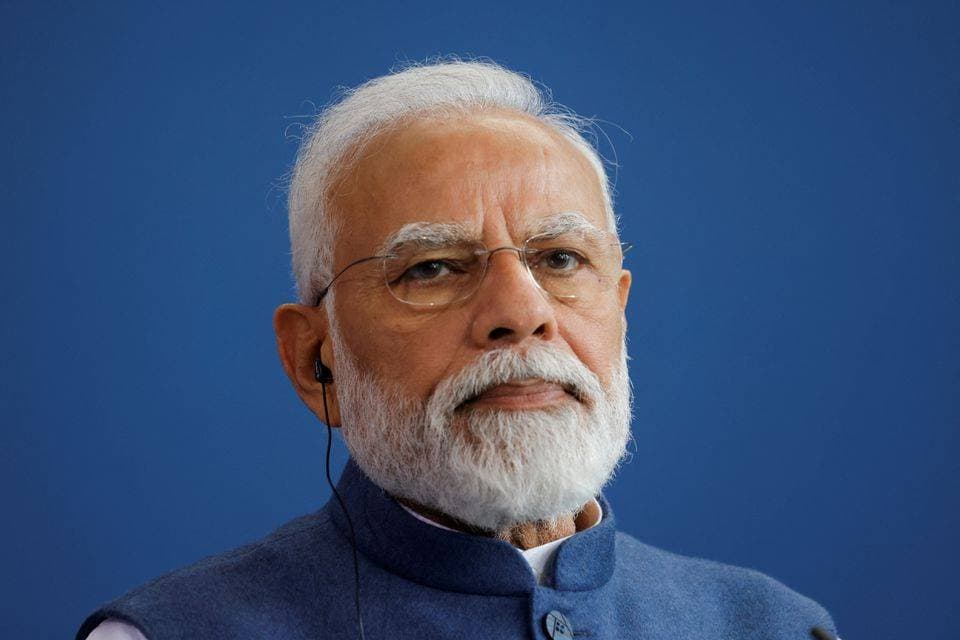
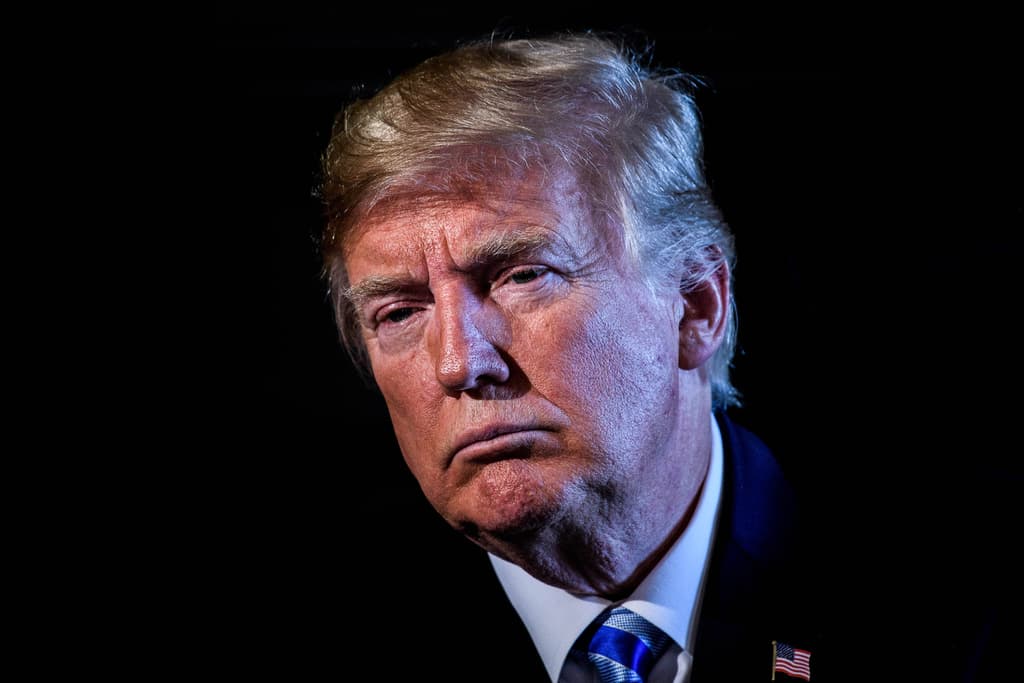

Fai attenzione ai link esterni.
Fai attenzione ai link esterni.
Domande frequenti