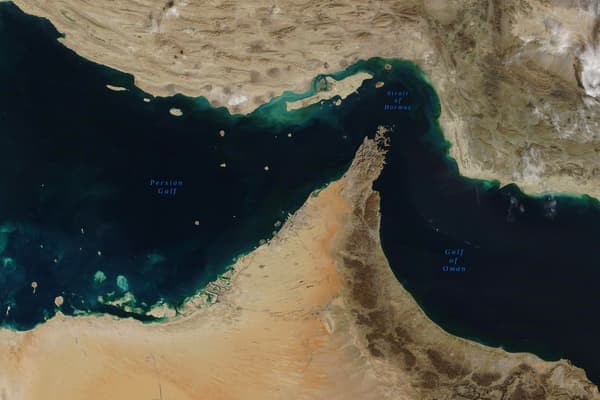
Trader sentiment on Strait of Hormuz transits remains subdued following the April 8 U.S.-Iran two-week ceasefire, which permitted only 2-7 vessels on the first day amid IRGC warnings of naval mines and mandatory alternative routing with coordination. Cumulative crossings since then total just four non-tankers, reflecting shippers' caution over safety risks and proposed Iranian tolls up to $2 million payable in cryptocurrency or yuan, capping daily volumes near a dozen. This fragile reopening after February's near-total blockade—handling 20% of global petroleum liquids—sustains a geopolitical risk premium in Brent crude, trading around $97 per barrel with heightened volatility. Traders eye IMF Portwatch daily "arrivals of ships" data through April 12 for resolution, alongside potential ceasefire breaches testing energy market dynamics.
Resumo experimental gerado por IA com dados do Polymarket · Atualizado10
85%
20
42%
30
21%
40
21%
50
12%
60
5%
$3,859 Vol.
10
85%
20
42%
30
21%
40
21%
50
12%
60
5%
The number of daily transit calls/arrivals includes container, dry bulk, roll-on/roll-off, general cargo, and tanker ships. Ships not reported by IMF Portwatch will not be considered.
This market will resolve as soon as IMF Portwatch publishes a daily number of transit calls equal to or above the specified level, or once data has been published for the final date in the specified period and no such value has been published. If no data has been published for the final date of the specified period within 14 calendar days (ET) after the end of that period, this market will resolve based on data published up to that point.
Revisions to previously published data points, made within this market’s timeframe, will be considered. However, they will not disqualify a previously published data point from qualifying. Revisions to previously published data points after data is published for April 12, 2026, however, will not be considered.
The resolution source for this market will be IMF Portwatch, specifically the transit calls data published for the Strait of Hormuz at https://portwatch.imf.org/pages/cb5856222a5b4105adc6ee7e880a1730, both in the chart and through downloadable files.
Mercado Aberto: Apr 8, 2026, 1:46 PM ET
Resolver
0x65070BE91...The number of daily transit calls/arrivals includes container, dry bulk, roll-on/roll-off, general cargo, and tanker ships. Ships not reported by IMF Portwatch will not be considered.
This market will resolve as soon as IMF Portwatch publishes a daily number of transit calls equal to or above the specified level, or once data has been published for the final date in the specified period and no such value has been published. If no data has been published for the final date of the specified period within 14 calendar days (ET) after the end of that period, this market will resolve based on data published up to that point.
Revisions to previously published data points, made within this market’s timeframe, will be considered. However, they will not disqualify a previously published data point from qualifying. Revisions to previously published data points after data is published for April 12, 2026, however, will not be considered.
The resolution source for this market will be IMF Portwatch, specifically the transit calls data published for the Strait of Hormuz at https://portwatch.imf.org/pages/cb5856222a5b4105adc6ee7e880a1730, both in the chart and through downloadable files.
Resolver
0x65070BE91...Trader sentiment on Strait of Hormuz transits remains subdued following the April 8 U.S.-Iran two-week ceasefire, which permitted only 2-7 vessels on the first day amid IRGC warnings of naval mines and mandatory alternative routing with coordination. Cumulative crossings since then total just four non-tankers, reflecting shippers' caution over safety risks and proposed Iranian tolls up to $2 million payable in cryptocurrency or yuan, capping daily volumes near a dozen. This fragile reopening after February's near-total blockade—handling 20% of global petroleum liquids—sustains a geopolitical risk premium in Brent crude, trading around $97 per barrel with heightened volatility. Traders eye IMF Portwatch daily "arrivals of ships" data through April 12 for resolution, alongside potential ceasefire breaches testing energy market dynamics.
Resumo experimental gerado por IA com dados do Polymarket · Atualizado
Cuidado com os links externos.
Cuidado com os links externos.
Frequently Asked Questions