
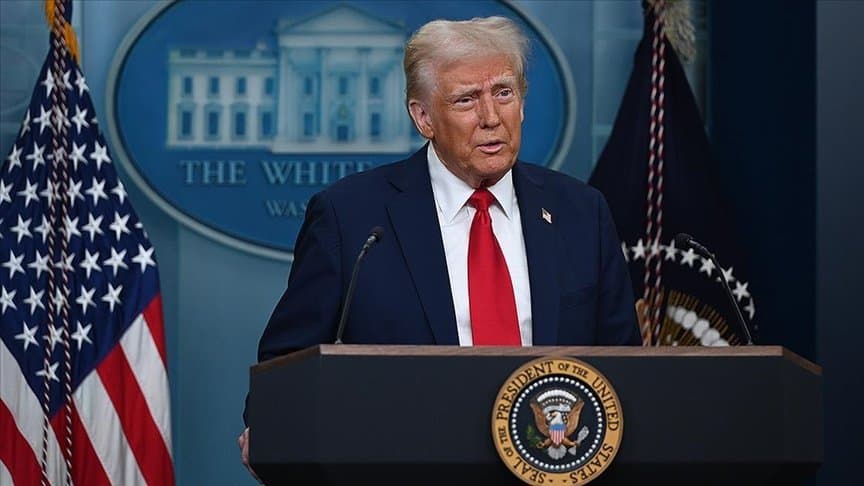
Direct US-Iran talks in Islamabad, mediated by Pakistan on April 11-12, ended without agreement after 21 hours, as gaps persisted over Iran's nuclear enrichment program, demands for facility dismantlement, full reopening of the Strait of Hormuz without tolls, sanctions relief, and ending proxy support. The US responded with a naval blockade of Iranian ports, squeezing Tehran's economy amid a two-week ceasefire expiring April 21. Pakistani mediators visited Iran on April 16 to facilitate a potential second round, while President Trump signaled possible resumption soon. These stalled diplomacy and escalation risks highlight barriers to a permanent peace deal, with indirect channels ongoing but mistrust deep-rooted.
Experimental AI-generated summary referencing Polymarket data. This is not trading advice and plays no role in how this market resolves. · UpdatedUS x Iran permanent peace deal by...?
US x Iran permanent peace deal by...?
$8,333,899 Vol.
May 31, 2026
April 22
16%
April 30
38%
May 31
60%
June 30
67%
$8,333,899 Vol.
April 22
$5,550,198 Vol.
16%
April 30
$1,532,662 Vol.
38%
May 31
$1,007,085 Vol.
60%
June 30
$248,298 Vol.
67%
This market will resolve to “Yes” if Iran and the United states agree to a permanent peace deal by the specified date, 11:59 PM ET. Otherwise, this market will resolve to “No”.
A permanent peace deal refers to any agreement which explicitly indicates that military hostilities between the United States and Iran have ended or will permanently cease, or uses equivalent language clearly signaling a lasting end to military hostilities between the United States and Iran. Agreements that are explicitly temporary or which do not include a definitive agreement to end military hostilities between the US and Iran on a lasting basis (e.g. a temporary extension of the two-week ceasefire agreement announced on April 7, 2026), will not qualify.
A qualifying agreement will be considered to have been established if either of the following conditions are met:
- The United States and Iran each sign or formally adopt a written agreement (e.g. a treaty or multi-point agreement) which meets the above criteria.
- Both the governments of the United States and Iran provide clear public confirmation that a qualifying agreement has been definitively established. Negotiations, statements of progress, or other statements which do not constitute a definitive announcement that a qualifying agreement has been reached will not count.
The primary resolution source for this market will be official information from the governments of the United States and Iran; however, a consensus of credible reporting may also be used.Direct US-Iran talks in Islamabad, mediated by Pakistan on April 11-12, ended without agreement after 21 hours, as gaps persisted over Iran's nuclear enrichment program, demands for facility dismantlement, full reopening of the Strait of Hormuz without tolls, sanctions relief, and ending proxy support. The US responded with a naval blockade of Iranian ports, squeezing Tehran's economy amid a two-week ceasefire expiring April 21. Pakistani mediators visited Iran on April 16 to facilitate a potential second round, while President Trump signaled possible resumption soon. These stalled diplomacy and escalation risks highlight barriers to a permanent peace deal, with indirect channels ongoing but mistrust deep-rooted.
This market will resolve to “Yes” if Iran and the United states agree to a permanent peace deal by the specified date, 11:59 PM ET. Otherwise, this market will resolve to “No”.
A permanent peace deal refers to any agreement which explicitly indicates that military hostilities between the United States and Iran have ended or will permanently cease, or uses equivalent language clearly signaling a lasting end to military hostilities between the United States and Iran. Agreements that are explicitly temporary or which do not include a definitive agreement to end military hostilities between the US and Iran on a lasting basis (e.g. a temporary extension of the two-week ceasefire agreement announced on April 7, 2026), will not qualify.
A qualifying agreement will be considered to have been established if either of the following conditions are met:
- The United States and Iran each sign or formally adopt a written agreement (e.g. a treaty or multi-point agreement) which meets the above criteria.
- Both the governments of the United States and Iran provide clear public confirmation that a qualifying agreement has been definitively established. Negotiations, statements of progress, or other statements which do not constitute a definitive announcement that a qualifying agreement has been reached will not count.
The primary resolution source for this market will be official information from the governments of the United States and Iran; however, a consensus of credible reporting may also be used.
A permanent peace deal refers to any agreement which explicitly indicates that military hostilities between the United States and Iran have ended or will permanently cease, or uses equivalent language clearly signaling a lasting end to military hostilities between the United States and Iran. Agreements that are explicitly temporary or which do not include a definitive agreement to end military hostilities between the US and Iran on a lasting basis (e.g. a temporary extension of the two-week ceasefire agreement announced on April 7, 2026), will not qualify.
A qualifying agreement will be considered to have been established if either of the following conditions are met:
- The United States and Iran each sign or formally adopt a written agreement (e.g. a treaty or multi-point agreement) which meets the above criteria.
- Both the governments of the United States and Iran provide clear public confirmation that a qualifying agreement has been definitively established. Negotiations, statements of progress, or other statements which do not constitute a definitive announcement that a qualifying agreement has been reached will not count.
The primary resolution source for this market will be official information from the governments of the United States and Iran; however, a consensus of credible reporting may also be used.
Market Opened: Apr 12, 2026, 4:48 PM ET
Volume
$8,333,899End Date
May 31, 2026Market Opened
Apr 12, 2026, 4:48 PM ETResolver
0x65070BE91...This market will resolve to “Yes” if Iran and the United states agree to a permanent peace deal by the specified date, 11:59 PM ET. Otherwise, this market will resolve to “No”.
A permanent peace deal refers to any agreement which explicitly indicates that military hostilities between the United States and Iran have ended or will permanently cease, or uses equivalent language clearly signaling a lasting end to military hostilities between the United States and Iran. Agreements that are explicitly temporary or which do not include a definitive agreement to end military hostilities between the US and Iran on a lasting basis (e.g. a temporary extension of the two-week ceasefire agreement announced on April 7, 2026), will not qualify.
A qualifying agreement will be considered to have been established if either of the following conditions are met:
- The United States and Iran each sign or formally adopt a written agreement (e.g. a treaty or multi-point agreement) which meets the above criteria.
- Both the governments of the United States and Iran provide clear public confirmation that a qualifying agreement has been definitively established. Negotiations, statements of progress, or other statements which do not constitute a definitive announcement that a qualifying agreement has been reached will not count.
The primary resolution source for this market will be official information from the governments of the United States and Iran; however, a consensus of credible reporting may also be used.Direct US-Iran talks in Islamabad, mediated by Pakistan on April 11-12, ended without agreement after 21 hours, as gaps persisted over Iran's nuclear enrichment program, demands for facility dismantlement, full reopening of the Strait of Hormuz without tolls, sanctions relief, and ending proxy support. The US responded with a naval blockade of Iranian ports, squeezing Tehran's economy amid a two-week ceasefire expiring April 21. Pakistani mediators visited Iran on April 16 to facilitate a potential second round, while President Trump signaled possible resumption soon. These stalled diplomacy and escalation risks highlight barriers to a permanent peace deal, with indirect channels ongoing but mistrust deep-rooted.
This market will resolve to “Yes” if Iran and the United states agree to a permanent peace deal by the specified date, 11:59 PM ET. Otherwise, this market will resolve to “No”.
A permanent peace deal refers to any agreement which explicitly indicates that military hostilities between the United States and Iran have ended or will permanently cease, or uses equivalent language clearly signaling a lasting end to military hostilities between the United States and Iran. Agreements that are explicitly temporary or which do not include a definitive agreement to end military hostilities between the US and Iran on a lasting basis (e.g. a temporary extension of the two-week ceasefire agreement announced on April 7, 2026), will not qualify.
A qualifying agreement will be considered to have been established if either of the following conditions are met:
- The United States and Iran each sign or formally adopt a written agreement (e.g. a treaty or multi-point agreement) which meets the above criteria.
- Both the governments of the United States and Iran provide clear public confirmation that a qualifying agreement has been definitively established. Negotiations, statements of progress, or other statements which do not constitute a definitive announcement that a qualifying agreement has been reached will not count.
The primary resolution source for this market will be official information from the governments of the United States and Iran; however, a consensus of credible reporting may also be used.
A permanent peace deal refers to any agreement which explicitly indicates that military hostilities between the United States and Iran have ended or will permanently cease, or uses equivalent language clearly signaling a lasting end to military hostilities between the United States and Iran. Agreements that are explicitly temporary or which do not include a definitive agreement to end military hostilities between the US and Iran on a lasting basis (e.g. a temporary extension of the two-week ceasefire agreement announced on April 7, 2026), will not qualify.
A qualifying agreement will be considered to have been established if either of the following conditions are met:
- The United States and Iran each sign or formally adopt a written agreement (e.g. a treaty or multi-point agreement) which meets the above criteria.
- Both the governments of the United States and Iran provide clear public confirmation that a qualifying agreement has been definitively established. Negotiations, statements of progress, or other statements which do not constitute a definitive announcement that a qualifying agreement has been reached will not count.
The primary resolution source for this market will be official information from the governments of the United States and Iran; however, a consensus of credible reporting may also be used.
Volume
$8,333,899End Date
May 31, 2026Market Opened
Apr 12, 2026, 4:48 PM ETResolver
0x65070BE91...Direct US-Iran talks in Islamabad, mediated by Pakistan on April 11-12, ended without agreement after 21 hours, as gaps persisted over Iran's nuclear enrichment program, demands for facility dismantlement, full reopening of the Strait of Hormuz without tolls, sanctions relief, and ending proxy support. The US responded with a naval blockade of Iranian ports, squeezing Tehran's economy amid a two-week ceasefire expiring April 21. Pakistani mediators visited Iran on April 16 to facilitate a potential second round, while President Trump signaled possible resumption soon. These stalled diplomacy and escalation risks highlight barriers to a permanent peace deal, with indirect channels ongoing but mistrust deep-rooted.
Experimental AI-generated summary referencing Polymarket data. This is not trading advice and plays no role in how this market resolves. · Updated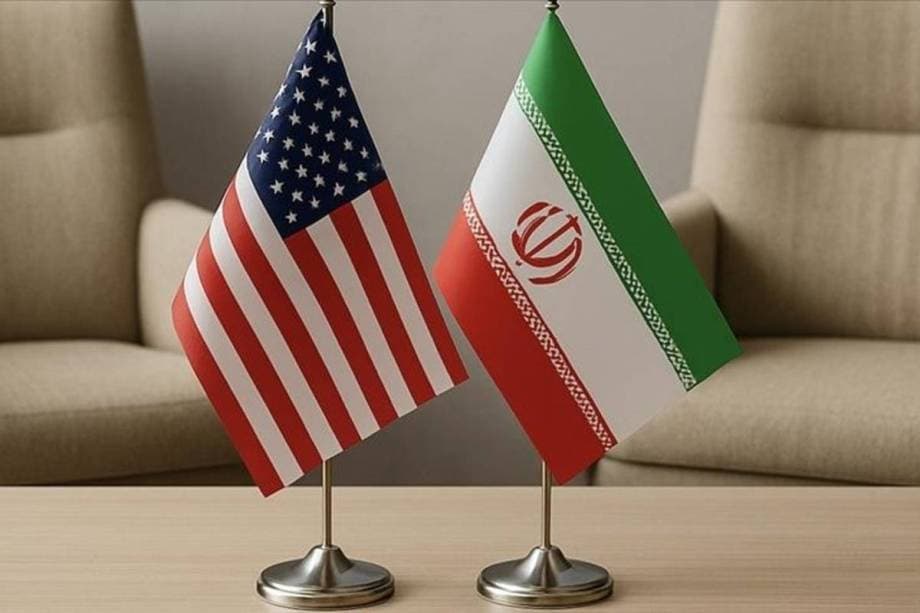

Beware of external links.
Beware of external links.
Frequently Asked Questions