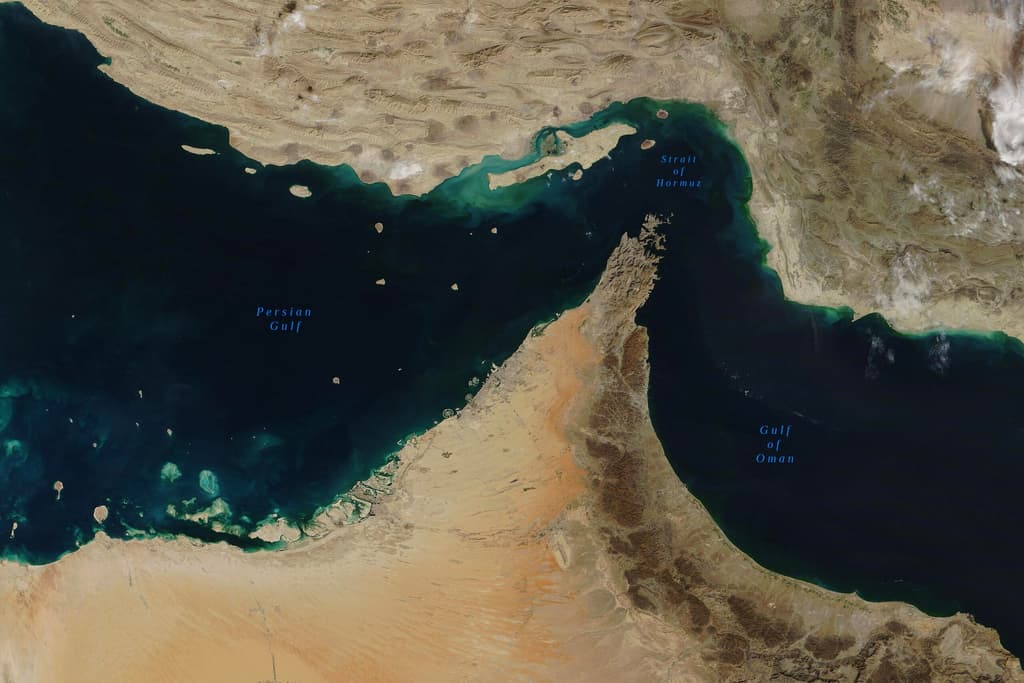
Trader consensus favors severely restricted maritime traffic through the Strait of Hormuz at the end of April, with the 0-10 ships daily bin leading due to the U.S. naval blockade of Iranian ports that took effect on April 13 following failed ceasefire talks in the ongoing Iran conflict. Ship-tracking data shows only 14-15 vessels transiting since, mostly Iran-linked tankers, averaging under 10 per day—far below the pre-crisis norm of 130-140 amid earlier disruptions from military actions and risk aversion. No de-escalation signals or diplomatic breakthroughs have emerged in the past 48 hours, sustaining low volumes as commercial operators anchor outside the chokepoint, with projections delaying normal flows until May.
Riepilogo sperimentale generato dall'AI con riferimento ai dati di Polymarket. Questo non è un consiglio di trading e non ha alcun ruolo nella risoluzione di questo mercato. · AggiornatoNumero medio di navi che transitano nello Stretto di Hormuz alla fine di aprile?
Numero medio di navi che transitano nello Stretto di Hormuz alla fine di aprile?
0-10 37%
10-20 22.8%
60+ 14%
50-60 9.2%
$103,763 Vol.
$103,763 Vol.
30 apr 2026
0-10
37%
10-20
23%
20-30
9%
30-40
9%
40-50
8%
50-60
9%
60+
14%
0-10 37%
10-20 22.8%
60+ 14%
50-60 9.2%
$103,763 Vol.
$103,763 Vol.
30 apr 2026
0-10
$25,539 Vol.
37%
10-20
$11,106 Vol.
23%
20-30
$10,247 Vol.
9%
30-40
$8,902 Vol.
9%
40-50
$8,141 Vol.
8%
50-60
$10,687 Vol.
9%
60+
$29,142 Vol.
14%
This market will resolve according to the 7-day moving average of transit calls (“Arrivals of Ships”) for the Strait of Hormuz that IMF Portwatch reports for April 30, 2026.
Transit calls include container, dry bulk, roll-on/roll-off, general cargo, and tanker ships. Ships not reported by IMF Portwatch will not be considered.
This market will resolve as soon as data for the specified date has been published. If no data for the specified date has been published by May 14, 2026, 11:59 PM ET, this market will resolve based on data for the most recent date prior to April 30, 2026, for which data is available.
This market will resolve based on the first publication of data for April 30, 2026. Any subsequent revisions will not be considered.
If the reported value falls exactly between two brackets, this market will resolve to the higher range bracket.
The resolution source for this market will be IMF Portwatch, specifically the transit calls data published for the Strait of Hormuz at https://portwatch.imf.org/pages/cb5856222a5b4105adc6ee7e880a1730, both in the chart and through downloadable files.Trader consensus favors severely restricted maritime traffic through the Strait of Hormuz at the end of April, with the 0-10 ships daily bin leading due to the U.S. naval blockade of Iranian ports that took effect on April 13 following failed ceasefire talks in the ongoing Iran conflict. Ship-tracking data shows only 14-15 vessels transiting since, mostly Iran-linked tankers, averaging under 10 per day—far below the pre-crisis norm of 130-140 amid earlier disruptions from military actions and risk aversion. No de-escalation signals or diplomatic breakthroughs have emerged in the past 48 hours, sustaining low volumes as commercial operators anchor outside the chokepoint, with projections delaying normal flows until May.
This market will resolve according to the 7-day moving average of transit calls (“Arrivals of Ships”) for the Strait of Hormuz that IMF Portwatch reports for April 30, 2026.
Transit calls include container, dry bulk, roll-on/roll-off, general cargo, and tanker ships. Ships not reported by IMF Portwatch will not be considered.
This market will resolve as soon as data for the specified date has been published. If no data for the specified date has been published by May 14, 2026, 11:59 PM ET, this market will resolve based on data for the most recent date prior to April 30, 2026, for which data is available.
This market will resolve based on the first publication of data for April 30, 2026. Any subsequent revisions will not be considered.
If the reported value falls exactly between two brackets, this market will resolve to the higher range bracket.
The resolution source for this market will be IMF Portwatch, specifically the transit calls data published for the Strait of Hormuz at https://portwatch.imf.org/pages/cb5856222a5b4105adc6ee7e880a1730, both in the chart and through downloadable files.
Transit calls include container, dry bulk, roll-on/roll-off, general cargo, and tanker ships. Ships not reported by IMF Portwatch will not be considered.
This market will resolve as soon as data for the specified date has been published. If no data for the specified date has been published by May 14, 2026, 11:59 PM ET, this market will resolve based on data for the most recent date prior to April 30, 2026, for which data is available.
This market will resolve based on the first publication of data for April 30, 2026. Any subsequent revisions will not be considered.
If the reported value falls exactly between two brackets, this market will resolve to the higher range bracket.
The resolution source for this market will be IMF Portwatch, specifically the transit calls data published for the Strait of Hormuz at https://portwatch.imf.org/pages/cb5856222a5b4105adc6ee7e880a1730, both in the chart and through downloadable files.
Mercato aperto: Mar 24, 2026, 1:00 PM ET
Volume
$103,763Data di fine
30 apr 2026Mercato aperto
Mar 24, 2026, 1:00 PM ETResolver
0x69c47De9D...This market will resolve according to the 7-day moving average of transit calls (“Arrivals of Ships”) for the Strait of Hormuz that IMF Portwatch reports for April 30, 2026.
Transit calls include container, dry bulk, roll-on/roll-off, general cargo, and tanker ships. Ships not reported by IMF Portwatch will not be considered.
This market will resolve as soon as data for the specified date has been published. If no data for the specified date has been published by May 14, 2026, 11:59 PM ET, this market will resolve based on data for the most recent date prior to April 30, 2026, for which data is available.
This market will resolve based on the first publication of data for April 30, 2026. Any subsequent revisions will not be considered.
If the reported value falls exactly between two brackets, this market will resolve to the higher range bracket.
The resolution source for this market will be IMF Portwatch, specifically the transit calls data published for the Strait of Hormuz at https://portwatch.imf.org/pages/cb5856222a5b4105adc6ee7e880a1730, both in the chart and through downloadable files.Trader consensus favors severely restricted maritime traffic through the Strait of Hormuz at the end of April, with the 0-10 ships daily bin leading due to the U.S. naval blockade of Iranian ports that took effect on April 13 following failed ceasefire talks in the ongoing Iran conflict. Ship-tracking data shows only 14-15 vessels transiting since, mostly Iran-linked tankers, averaging under 10 per day—far below the pre-crisis norm of 130-140 amid earlier disruptions from military actions and risk aversion. No de-escalation signals or diplomatic breakthroughs have emerged in the past 48 hours, sustaining low volumes as commercial operators anchor outside the chokepoint, with projections delaying normal flows until May.
This market will resolve according to the 7-day moving average of transit calls (“Arrivals of Ships”) for the Strait of Hormuz that IMF Portwatch reports for April 30, 2026.
Transit calls include container, dry bulk, roll-on/roll-off, general cargo, and tanker ships. Ships not reported by IMF Portwatch will not be considered.
This market will resolve as soon as data for the specified date has been published. If no data for the specified date has been published by May 14, 2026, 11:59 PM ET, this market will resolve based on data for the most recent date prior to April 30, 2026, for which data is available.
This market will resolve based on the first publication of data for April 30, 2026. Any subsequent revisions will not be considered.
If the reported value falls exactly between two brackets, this market will resolve to the higher range bracket.
The resolution source for this market will be IMF Portwatch, specifically the transit calls data published for the Strait of Hormuz at https://portwatch.imf.org/pages/cb5856222a5b4105adc6ee7e880a1730, both in the chart and through downloadable files.
Transit calls include container, dry bulk, roll-on/roll-off, general cargo, and tanker ships. Ships not reported by IMF Portwatch will not be considered.
This market will resolve as soon as data for the specified date has been published. If no data for the specified date has been published by May 14, 2026, 11:59 PM ET, this market will resolve based on data for the most recent date prior to April 30, 2026, for which data is available.
This market will resolve based on the first publication of data for April 30, 2026. Any subsequent revisions will not be considered.
If the reported value falls exactly between two brackets, this market will resolve to the higher range bracket.
The resolution source for this market will be IMF Portwatch, specifically the transit calls data published for the Strait of Hormuz at https://portwatch.imf.org/pages/cb5856222a5b4105adc6ee7e880a1730, both in the chart and through downloadable files.
Volume
$103,763Data di fine
30 apr 2026Mercato aperto
Mar 24, 2026, 1:00 PM ETResolver
0x69c47De9D...Trader consensus favors severely restricted maritime traffic through the Strait of Hormuz at the end of April, with the 0-10 ships daily bin leading due to the U.S. naval blockade of Iranian ports that took effect on April 13 following failed ceasefire talks in the ongoing Iran conflict. Ship-tracking data shows only 14-15 vessels transiting since, mostly Iran-linked tankers, averaging under 10 per day—far below the pre-crisis norm of 130-140 amid earlier disruptions from military actions and risk aversion. No de-escalation signals or diplomatic breakthroughs have emerged in the past 48 hours, sustaining low volumes as commercial operators anchor outside the chokepoint, with projections delaying normal flows until May.
Riepilogo sperimentale generato dall'AI con riferimento ai dati di Polymarket. Questo non è un consiglio di trading e non ha alcun ruolo nella risoluzione di questo mercato. · Aggiornato
Fai attenzione ai link esterni.
Fai attenzione ai link esterni.
Domande frequenti