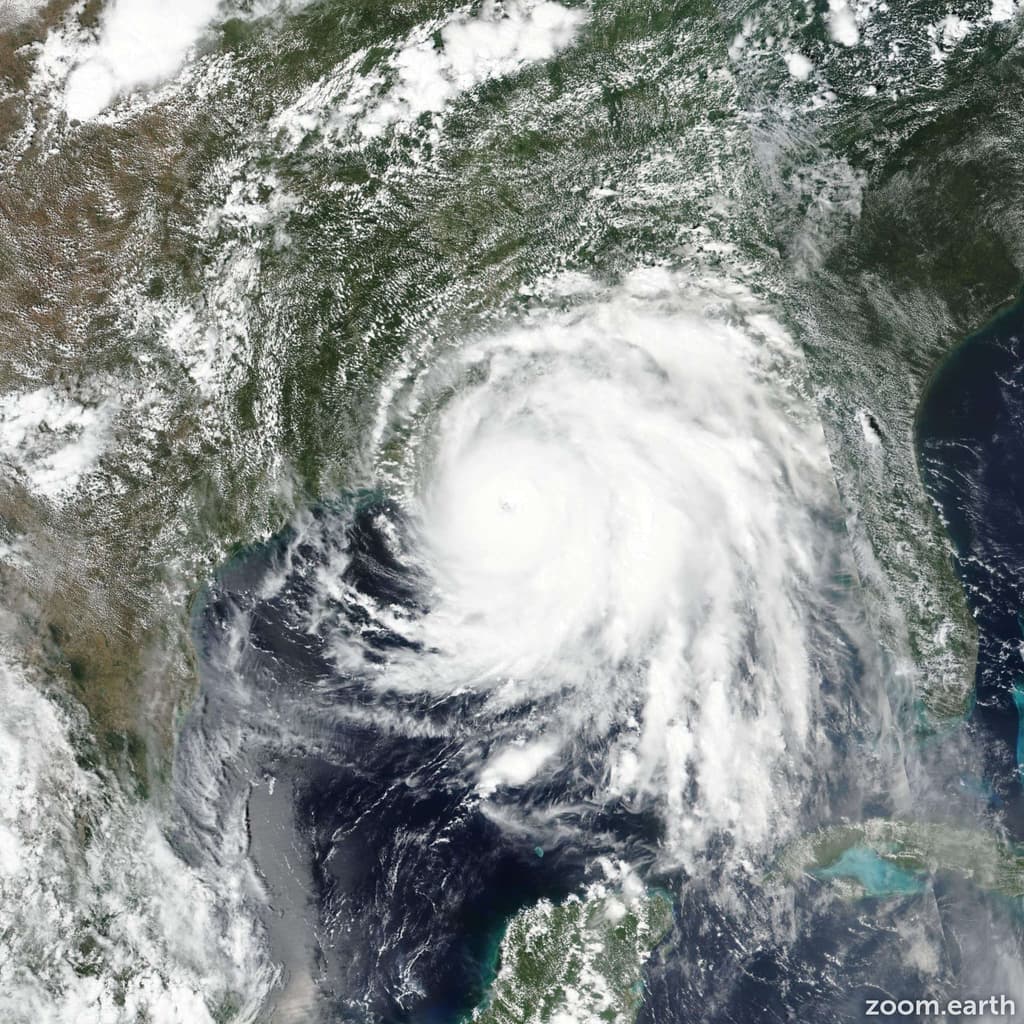
Trader consensus reflects an 89.5% implied probability of no Category 5 hurricane—defined on the Saffir-Simpson Hurricane Wind Scale as sustained winds of 157 mph or higher—making landfall on the U.S. mainland before 2027, driven by historical rarity and recent seasonal outcomes. Only four such events have occurred since 1851 (1935 Labor Day Hurricane, Camille in 1969, Andrew in 1992, and Michael in 2018), averaging less than one per decade. The 2025 Atlantic season produced three Category 5 storms (Erin, Humberto, Melissa), yet none threatened or struck the U.S., with no hurricanes landing there for the first time since 2015. Colorado State University's April 2026 forecast predicts below-normal activity (13 named storms, six hurricanes, two major) amid weak La Niña conditions expected to enhance wind shear and suppress intensification. National Hurricane Center outlooks begin May 15, with the June 1 season start as the next key monitor point.
Riepilogo sperimentale generato dall'AI con riferimento ai dati di Polymarket. Questo non è un consiglio di trading e non ha alcun ruolo nella risoluzione di questo mercato. · AggiornatoQualche uragano di categoria 5 arriverà negli Stati Uniti prima del 2027?
Qualche uragano di categoria 5 arriverà negli Stati Uniti prima del 2027?
Sì
$131,442 Vol.
$131,442 Vol.
Sì
$131,442 Vol.
$131,442 Vol.
This market will resolve to "Yes" if any storm makes landfall in the conterminous United States as a Category 5 hurricane, as reported in official National Hurricane Center advisories (https://www.nhc.noaa.gov/archive/2023/IDALIA.shtml?) between market creation and December 31, 2026, 11:59 PM ET. Otherwise, this market will resolve to “No”.
This market may resolve based on the initial advisory released by the NHC for whether any storm has made landfall in the conterminous United States at Category 5 strength, regardless of any later retraction or analysis that may contradict the initial qualifying announcement. However, subsequent corrections or updates will be considered if they indicate a qualifying incident.
Mercato aperto: Dec 31, 2025, 12:09 PM ET
Resolver
0x65070BE91...This market will resolve to "Yes" if any storm makes landfall in the conterminous United States as a Category 5 hurricane, as reported in official National Hurricane Center advisories (https://www.nhc.noaa.gov/archive/2023/IDALIA.shtml?) between market creation and December 31, 2026, 11:59 PM ET. Otherwise, this market will resolve to “No”.
This market may resolve based on the initial advisory released by the NHC for whether any storm has made landfall in the conterminous United States at Category 5 strength, regardless of any later retraction or analysis that may contradict the initial qualifying announcement. However, subsequent corrections or updates will be considered if they indicate a qualifying incident.
Resolver
0x65070BE91...Trader consensus reflects an 89.5% implied probability of no Category 5 hurricane—defined on the Saffir-Simpson Hurricane Wind Scale as sustained winds of 157 mph or higher—making landfall on the U.S. mainland before 2027, driven by historical rarity and recent seasonal outcomes. Only four such events have occurred since 1851 (1935 Labor Day Hurricane, Camille in 1969, Andrew in 1992, and Michael in 2018), averaging less than one per decade. The 2025 Atlantic season produced three Category 5 storms (Erin, Humberto, Melissa), yet none threatened or struck the U.S., with no hurricanes landing there for the first time since 2015. Colorado State University's April 2026 forecast predicts below-normal activity (13 named storms, six hurricanes, two major) amid weak La Niña conditions expected to enhance wind shear and suppress intensification. National Hurricane Center outlooks begin May 15, with the June 1 season start as the next key monitor point.
Riepilogo sperimentale generato dall'AI con riferimento ai dati di Polymarket. Questo non è un consiglio di trading e non ha alcun ruolo nella risoluzione di questo mercato. · Aggiornato
Fai attenzione ai link esterni.
Fai attenzione ai link esterni.
Domande frequenti