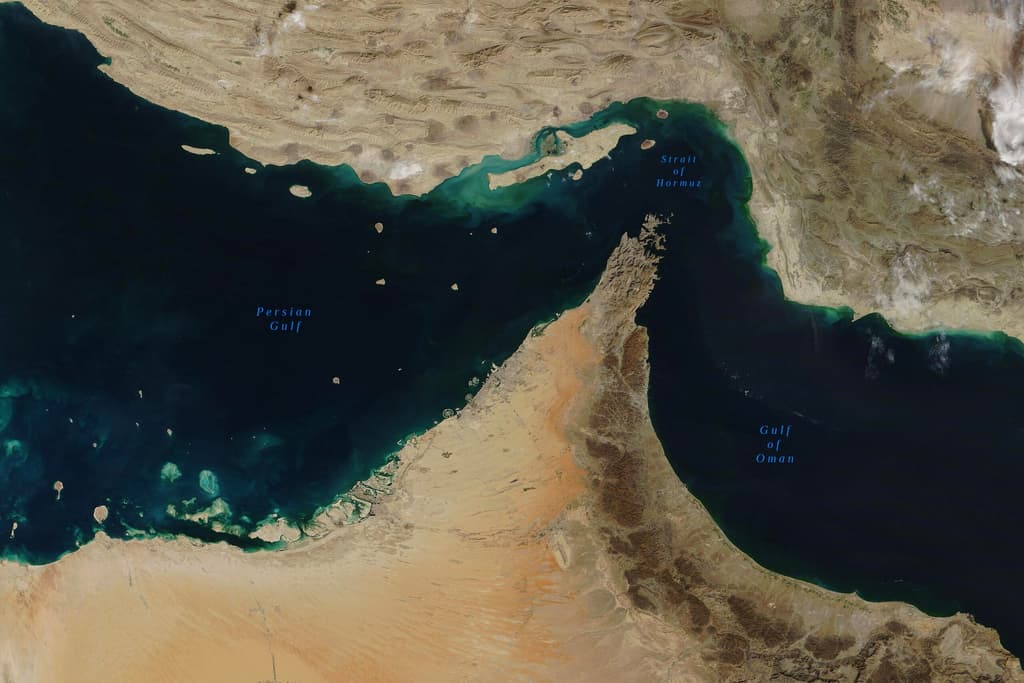
Trader consensus on Polymarket prices a 76.5% implied probability against Strait of Hormuz shipping traffic returning to pre-crisis normalcy—around 130 daily transits—by April 30, driven by the ongoing U.S. naval blockade initiated April 13 amid the 2026 Hormuz crisis and persistent Iranian restrictions. Despite a U.S.-Iran ceasefire earlier this month, vessel volumes linger below 10% of baseline, with only 3-9 ships, mostly Iran-linked, transiting daily as of April 14-15, per ship-tracking data from Kpler and Reuters. Heightened geopolitical risks, weak insurance coverage, and attack fears deter commercial rerouting, embedding a risk premium in global energy trade. Key catalysts include potential blockade lifts or diplomatic progress, but the tight two-week window to resolution reinforces trader skepticism.
Polymarket verilerine atıfta bulunan deneysel AI tarafından oluşturulmuş özet. Bu bir işlem tavsiyesi değildir ve bu piyasanın nasıl çözümlendiğinde hiçbir rolü yoktur. · GüncellendiEvet
$9,671,866 Hac.
$9,671,866 Hac.
Evet
$9,671,866 Hac.
$9,671,866 Hac.
Daily transit calls include container, dry bulk, roll-on/roll-off, general cargo, and tanker ships. Ships not reported by IMF Portwatch will not be considered.
This market will resolve as soon as IMF Portwatch publishes a 7-day moving average of transit calls equal to or above the specified level, or once data has been published for the final date in the specified period and no such value has been published. If no data has been published for the final date of the specified period within 14 calendar days (ET) after the end of that period, this market will resolve based on data published up to that point.
Revisions to previously published data points made within this market’s timeframe will be considered. However, they will not disqualify a previously published data point from qualifying. Revisions to previously published data points after data is published for April 30, 2026, however, will not be considered.
The resolution source for this market will be IMF Portwatch, specifically the transit calls data published for the Strait of Hormuz at https://portwatch.imf.org/pages/cb5856222a5b4105adc6ee7e880a1730, both in the chart and through downloadable files.
Piyasa Açıldı: Mar 9, 2026, 2:01 PM ET
Resolver
0x65070BE91...Daily transit calls include container, dry bulk, roll-on/roll-off, general cargo, and tanker ships. Ships not reported by IMF Portwatch will not be considered.
This market will resolve as soon as IMF Portwatch publishes a 7-day moving average of transit calls equal to or above the specified level, or once data has been published for the final date in the specified period and no such value has been published. If no data has been published for the final date of the specified period within 14 calendar days (ET) after the end of that period, this market will resolve based on data published up to that point.
Revisions to previously published data points made within this market’s timeframe will be considered. However, they will not disqualify a previously published data point from qualifying. Revisions to previously published data points after data is published for April 30, 2026, however, will not be considered.
The resolution source for this market will be IMF Portwatch, specifically the transit calls data published for the Strait of Hormuz at https://portwatch.imf.org/pages/cb5856222a5b4105adc6ee7e880a1730, both in the chart and through downloadable files.
Resolver
0x65070BE91...Trader consensus on Polymarket prices a 76.5% implied probability against Strait of Hormuz shipping traffic returning to pre-crisis normalcy—around 130 daily transits—by April 30, driven by the ongoing U.S. naval blockade initiated April 13 amid the 2026 Hormuz crisis and persistent Iranian restrictions. Despite a U.S.-Iran ceasefire earlier this month, vessel volumes linger below 10% of baseline, with only 3-9 ships, mostly Iran-linked, transiting daily as of April 14-15, per ship-tracking data from Kpler and Reuters. Heightened geopolitical risks, weak insurance coverage, and attack fears deter commercial rerouting, embedding a risk premium in global energy trade. Key catalysts include potential blockade lifts or diplomatic progress, but the tight two-week window to resolution reinforces trader skepticism.
Polymarket verilerine atıfta bulunan deneysel AI tarafından oluşturulmuş özet. Bu bir işlem tavsiyesi değildir ve bu piyasanın nasıl çözümlendiğinde hiçbir rolü yoktur. · Güncellendi
Harici bağlantılara dikkat edin.
Harici bağlantılara dikkat edin.
Sıkça Sorulan Sorular