
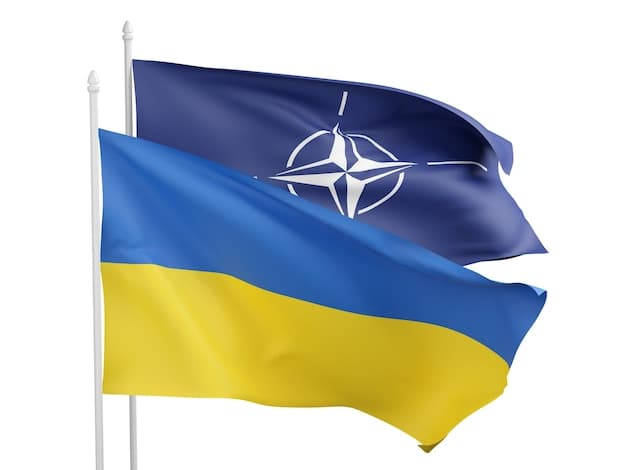
European discussions center on a potential multinational reassurance or peacekeeping force for Ukraine after any ceasefire, with 26 countries pledging contributions since September 2025 and a UK-France declaration of intent signed in January 2026. No NATO or EU troops are currently deployed in combat roles inside Ukraine, and plans explicitly tie any ground presence to a credible end to hostilities rather than active fighting. Russian President Vladimir Putin warned on September 12 that such deployments would constitute war with Russia, reiterating longstanding opposition. Recent Ramstein-format meetings and NATO support focus on equipment and training outside Ukraine, while eastern-flank battlegroups remain in allied territory. An ambassadors' meeting on September 14 may address related security guarantees, though resolution depends on ceasefire conditions and escalation risks.
Riepilogo sperimentale generato dall'AI con riferimento ai dati di Polymarket. Questo non è un consiglio di trading e non ha alcun ruolo nella risoluzione di questo mercato. · Aggiornato$481,958 Vol.
31 dicembre 2026
7%
$481,958 Vol.
31 dicembre 2026
7%
For military personnel to qualify toward a "Yes" resolution, they must be 1) officially acknowledged as active military by the NATO or EU entity or member state they are affiliated with; 2) be publicly acknowledged by NATO or an EU-affiliated entity to have entered Ukraine for a combat-related military purpose directly pertaining to the ongoing conflict with Russia.
For military personnel to qualify toward a "Yes" resolution they need be active duty and acknowledged as described above. Participation in a combat role is necessary for this market to resolve to "Yes" (e.g. military personnel providing training or intelligence support would not qualify toward a "Yes" resolution, however drone pilots or infantry directly attacking Russian troops, or soldiers targeting and downing missiles from Ukrainian soil would qualify toward a "Yes" resolution).
The primary resolution source for this market will be official information from NATO, the EU, or member states of either entity, however a consensus of credible reporting will also be used.
Mercato aperto: Jun 30, 2026, 7:39 PM ET
Risolutore
0x65070BE91...For military personnel to qualify toward a "Yes" resolution, they must be 1) officially acknowledged as active military by the NATO or EU entity or member state they are affiliated with; 2) be publicly acknowledged by NATO or an EU-affiliated entity to have entered Ukraine for a combat-related military purpose directly pertaining to the ongoing conflict with Russia.
For military personnel to qualify toward a "Yes" resolution they need be active duty and acknowledged as described above. Participation in a combat role is necessary for this market to resolve to "Yes" (e.g. military personnel providing training or intelligence support would not qualify toward a "Yes" resolution, however drone pilots or infantry directly attacking Russian troops, or soldiers targeting and downing missiles from Ukrainian soil would qualify toward a "Yes" resolution).
The primary resolution source for this market will be official information from NATO, the EU, or member states of either entity, however a consensus of credible reporting will also be used.
Risolutore
0x65070BE91...European discussions center on a potential multinational reassurance or peacekeeping force for Ukraine after any ceasefire, with 26 countries pledging contributions since September 2025 and a UK-France declaration of intent signed in January 2026. No NATO or EU troops are currently deployed in combat roles inside Ukraine, and plans explicitly tie any ground presence to a credible end to hostilities rather than active fighting. Russian President Vladimir Putin warned on September 12 that such deployments would constitute war with Russia, reiterating longstanding opposition. Recent Ramstein-format meetings and NATO support focus on equipment and training outside Ukraine, while eastern-flank battlegroups remain in allied territory. An ambassadors' meeting on September 14 may address related security guarantees, though resolution depends on ceasefire conditions and escalation risks.
Riepilogo sperimentale generato dall'AI con riferimento ai dati di Polymarket. Questo non è un consiglio di trading e non ha alcun ruolo nella risoluzione di questo mercato. · Aggiornato


Fai attenzione ai link esterni.
Fai attenzione ai link esterni.
Domande frequenti