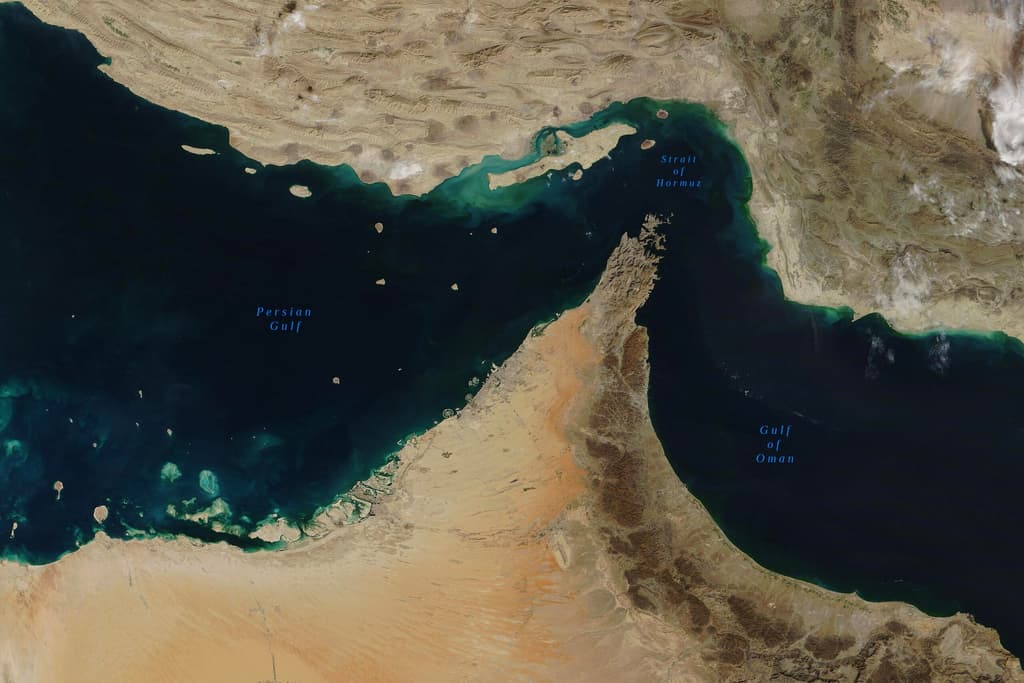
Trader consensus on Polymarket prices a 76.5% implied probability against Strait of Hormuz traffic returning to normal by April's end, reflecting persistent double blockades by U.S. naval forces and Iranian controls amid the ongoing conflict. Ship-tracking data as of April 15 shows transits at under 10% of pre-war volumes—down over 95% since hostilities erupted in early March—despite a fragile ceasefire, with only Iran-linked vessels sporadically passing due to sea mines, elevated insurance premiums, and rerouting risks. Surging tanker freight rates and anchored fleets underscore the supply chain strain on 20% of global oil and LNG flows, while analysts warn normalization could take weeks or months. Key catalysts include diplomatic progress or military de-escalation before April 30, though recent non-rebound post-ceasefire bolsters the "No" positioning.
Polymarket 데이터를 참조하는 실험적 AI 생성 요약입니다. 이것은 거래 조언이 아니며 이 마켓의 정산에 영향을 미치지 않습니다. · 업데이트예
$9,652,106 거래량
$9,652,106 거래량
예
$9,652,106 거래량
$9,652,106 거래량
Daily transit calls include container, dry bulk, roll-on/roll-off, general cargo, and tanker ships. Ships not reported by IMF Portwatch will not be considered.
This market will resolve as soon as IMF Portwatch publishes a 7-day moving average of transit calls equal to or above the specified level, or once data has been published for the final date in the specified period and no such value has been published. If no data has been published for the final date of the specified period within 14 calendar days (ET) after the end of that period, this market will resolve based on data published up to that point.
Revisions to previously published data points made within this market’s timeframe will be considered. However, they will not disqualify a previously published data point from qualifying. Revisions to previously published data points after data is published for April 30, 2026, however, will not be considered.
The resolution source for this market will be IMF Portwatch, specifically the transit calls data published for the Strait of Hormuz at https://portwatch.imf.org/pages/cb5856222a5b4105adc6ee7e880a1730, both in the chart and through downloadable files.
마켓 개설일: Mar 9, 2026, 2:01 PM ET
Resolver
0x65070BE91...Daily transit calls include container, dry bulk, roll-on/roll-off, general cargo, and tanker ships. Ships not reported by IMF Portwatch will not be considered.
This market will resolve as soon as IMF Portwatch publishes a 7-day moving average of transit calls equal to or above the specified level, or once data has been published for the final date in the specified period and no such value has been published. If no data has been published for the final date of the specified period within 14 calendar days (ET) after the end of that period, this market will resolve based on data published up to that point.
Revisions to previously published data points made within this market’s timeframe will be considered. However, they will not disqualify a previously published data point from qualifying. Revisions to previously published data points after data is published for April 30, 2026, however, will not be considered.
The resolution source for this market will be IMF Portwatch, specifically the transit calls data published for the Strait of Hormuz at https://portwatch.imf.org/pages/cb5856222a5b4105adc6ee7e880a1730, both in the chart and through downloadable files.
Resolver
0x65070BE91...Trader consensus on Polymarket prices a 76.5% implied probability against Strait of Hormuz traffic returning to normal by April's end, reflecting persistent double blockades by U.S. naval forces and Iranian controls amid the ongoing conflict. Ship-tracking data as of April 15 shows transits at under 10% of pre-war volumes—down over 95% since hostilities erupted in early March—despite a fragile ceasefire, with only Iran-linked vessels sporadically passing due to sea mines, elevated insurance premiums, and rerouting risks. Surging tanker freight rates and anchored fleets underscore the supply chain strain on 20% of global oil and LNG flows, while analysts warn normalization could take weeks or months. Key catalysts include diplomatic progress or military de-escalation before April 30, though recent non-rebound post-ceasefire bolsters the "No" positioning.
Polymarket 데이터를 참조하는 실험적 AI 생성 요약입니다. 이것은 거래 조언이 아니며 이 마켓의 정산에 영향을 미치지 않습니다. · 업데이트
외부 링크에 주의하세요.
외부 링크에 주의하세요.
자주 묻는 질문