
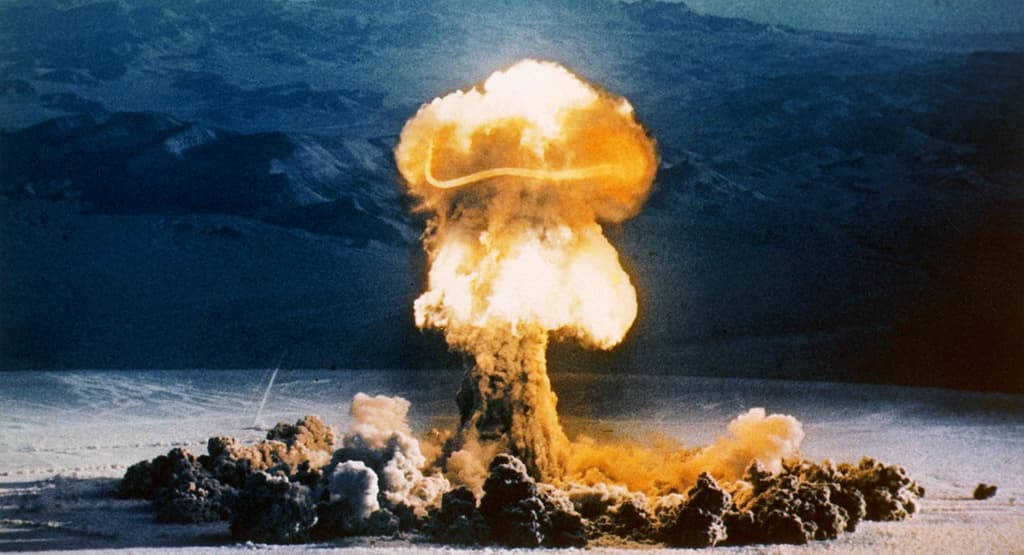
Russia maintains a moratorium on nuclear explosive tests since the Soviet collapse, with no such detonation reported in 2026 despite heightened strategic signaling. Recent activity centers on missile launches and exercises, including a cancelled Avangard ICBM test window in early September, a successful Yars launch from Plesetsk on August 28, and a large strategic forces drill on September 9 involving ICBM, SLBM, and bomber components under direct presidential oversight. Russia revoked its CTBT ratification in 2023 amid New START's expiration and mutual accusations with the United States over potential testing. Preparations continue for systems like the Burevestnik nuclear-powered cruise missile, while UN officials have warned that any resumption could spark an arms race. These developments reflect routine modernization and deterrence posture rather than confirmed plans for explosive tests.
Experimental AI-generated summary referencing Polymarket data. This is not trading advice and plays no role in how this market resolves. · UpdatedUnited Nations warns nuclear weapon states refusing test ban treaty ratification
September 30, 2026 dips to 1%1%
On September 1, 2026, the United Nations highlighted that Russia, along with other nuclear states, refuses to ratify the Comprehensive Nuclear-Test-Ban Treaty, warning that any new nuclear test could trigger another arms race. This underscored the geopolitical risks but no test occurred, maintaining low market probabilities for a Russian nuclear test by September 30, 2026.
Russia conducts intercontinental ballistic missile test shortly after CIA Director's visit
Russia launched an ICBM test days after a rare visit by the U.S. CIA Director to Moscow, a move interpreted as strategic nuclear signaling to deter NATO and Western involvement in Ukraine, without conducting a nuclear explosion.
Russia conducts successful test of nuclear-capable intercontinental ballistic missile
Russia conducted a successful test launch of a nuclear-capable ICBM from the Plesetsk Cosmodrome to the Kura range, reinforcing its nuclear deterrence posture amid ongoing tensions and signaling military strength without a nuclear detonation.
Russia conducts successful intercontinental ballistic missile test from Plesetsk to Kamchatka
September 30, 2026 dips to 1%1%
On August 29, 2026, Russia conducted a successful ICBM test launching a warhead from Plesetsk Cosmodrome to the Kura range in Kamchatka. This test demonstrated Russia's nuclear delivery capabilities but did not involve a nuclear detonation, so it did not qualify as a nuclear test under the market's criteria.
Russian Ministry of Defense reports ICBM test launch as part of nuclear saber-rattling
December 31, 2026 dips to 6%1%
On August 28, 2026, the Russian Ministry of Defense reported a training launch of a solid-propellant mobile ICBM from the Plesetsk Cosmodrome, part of ongoing nuclear saber-rattling to project military strength. This test was unrelated to any nuclear detonation and did not indicate a nuclear test by Russia.
Russia conducts training launch of nuclear-capable ICBM from Plesetsk Cosmodrome
On August 28, 2026, Russia conducted a training launch of a solid-propellant mobile ICBM from Plesetsk Cosmodrome as part of ongoing nuclear saber-rattling to project military strength. This reinforced perceptions of nuclear readiness but was not a nuclear test detonation, contributing to market skepticism about an imminent test.
Russian forces conduct intercontinental ballistic missile test launch as nuclear saber-rattling
December 31, 2026 dips to 6%1%
On August 28, 2026, the Russian Ministry of Defense reported a training launch of a solid-propellant mobile ICBM from Plesetsk Cosmodrome, part of ongoing nuclear saber-rattling to project military strength and deter Western support for Ukraine. This reinforced market perceptions of nuclear capability without an actual nuclear test.
Russian forces conduct ICBM test launch as part of nuclear saber-rattling
On August 28, 2026, Russian forces launched an intercontinental ballistic missile (ICBM) from Plesetsk Cosmodrome as part of ongoing nuclear saber-rattling to project military strength and deter Western support for Ukraine. This test was a missile launch, not a nuclear detonation, and thus did not fulfill the market's nuclear test criteria.
Russia prepares for suspected test of nuclear-powered Burevestnik missile
Satellite imagery in late August 2026 showed Russian aircraft and ships positioned around Novaya Zemlya, indicating preparations for a test of the nuclear-powered Burevestnik cruise missile. Analysts suggested an imminent test, raising market attention but no confirmed nuclear detonation occurred.
IAEA head warns US and Russia against resuming nuclear tests
The head of the organization overseeing the nuclear test ban treaty warned that resuming nuclear testing by the US or Russia could trigger a dangerous global nuclear test spiral. This statement increased international pressure and likely contributed to the market's low probability assessment for a Russian nuclear test.
Putin may test nuclear-powered Burevestnik cruise missile soon
December 31, 2026 rises to 9%3%
In late August 2026, analysts reported that Vladimir Putin may be about to test the nuclear-powered Burevestnik missile, capable of flying for days. Satellite imagery showed preparations for an imminent test, raising market concerns but no confirmed nuclear test occurred.
Russia completes largest nuclear exercises involving strategic forces
December 31, 2026 dips to 6%1%
Russia concluded a major nuclear exercise involving strategic missile forces, naval and air units, including launches of ICBMs and hypersonic missiles, demonstrating readiness but without conducting a nuclear test detonation.
Russia conducts missile launches near disputed Kuril Islands amid Pacific Fleet exercises
December 31, 2026 dips to 6%1%
Russia carried out live-fire missile launches near the Kuril Islands as part of Pacific Fleet exercises, demonstrating military capability but with no nuclear test reported, which likely contributed to the market's decline in nuclear test probability.
Reports of Russia analyzing use of low yield nuclear weapons in Ukraine
September 30, 2026 dips to 2%1%
Reports emerged that Russia was considering the use of low yield nuclear weapons in Ukraine amid ongoing advances. Despite these reports, no nuclear test was confirmed, and the market probability for a nuclear test continued to decline.

Russia conducts rare missile exercise near disputed Kuril Islands
On August 21, 2026, Russia carried out a missile exercise involving naval vessels and land-based launchers near the Southern Kuril Islands, a region also claimed by Japan. The exercise included launches from a nuclear-powered submarine but did not involve any nuclear detonation, thus not meeting the market's nuclear test criteria.
Russia conducts missile tests on disputed islands amid Japan protests
Russia's Pacific Fleet conducted missile tests including nuclear-capable systems near disputed islands, escalating military tensions but no nuclear detonation test was reported, influencing market caution.
Russian 'Doomsday' submarine carrier sails for first time
The Khabarovsk submarine, carrier of Poseidon nuclear torpedoes, sailed for the first time, marking a strategic milestone but not involving a nuclear test. This event underscored Russia's nuclear deterrent capabilities without indicating an imminent nuclear test, aligning with market price declines.
Carrier of Russian 'Doomsday' weapon goes to sea, raising strategic concerns
December 31, 2026 dips to 6%1%
The Khabarovsk submarine, capable of deploying Poseidon nuclear torpedoes with devastating potential, sailed for the first time, highlighting Russia's strategic deterrent advancements. While significant, this event did not involve a nuclear test but affected market sentiment on nuclear risks.
Russian 'Doomsday' weapon carrier submarine goes to sea
The Khabarovsk submarine, capable of deploying nuclear-powered underwater drones with devastating potential, sailed for the first time, highlighting Russia's strategic deterrent advancements but not constituting a nuclear test.
Russian 'Doomsday' submarine carrying Poseidon nuclear torpedoes goes to sea
December 31, 2026 dips to 6%1%
The Khabarovsk submarine, capable of deploying nuclear-powered Poseidon torpedoes, sailed for the first time, highlighting Russia's strategic deterrent capabilities but not involving a nuclear test. This reinforced market perceptions of nuclear threat without confirming testing.
Russia tests new nuclear-powered submarine designed for ultra long-range nuclear torpedo
Russia conducted factory trials of the nuclear-powered submarine Khabarovsk, designed to carry the Poseidon nuclear-powered underwater drone, signaling advancements in nuclear delivery systems but not a nuclear test detonation.
Russia's Khabarovsk nuclear submarine begins factory sea trials
December 31, 2026 dips to 6%1%
Russia commenced sea trials of the Khabarovsk submarine designed to carry nuclear-powered Poseidon underwater drones, signaling strategic nuclear capability development but not a nuclear test, which tempered market expectations.
Russian state TV calls for nuclear strike on Britain amid rising tensions
December 31, 2026 rises to 13%4%
A Russian state TV presenter publicly called for a nuclear strike on Britain, escalating rhetoric but without any nuclear test occurring, contributing to market caution.
Russian Navy's Khabarovsk submarine begins factory sea trials
December 31, 2026 dips to 12%1%
Russia's Khabarovsk nuclear submarine started sea trials, demonstrating progress in nuclear delivery systems but not involving a nuclear test detonation.
Russia’s nuclear-powered submarine Khabarovsk begins sea trials
December 31, 2026 dips to 6%1%
On August 17, Russia’s nuclear-powered submarine Khabarovsk, designed to carry nuclear-powered underwater drones, began factory sea trials. While a significant nuclear-capable weapons development, this event did not involve a nuclear test detonation, thus not fulfilling the market’s nuclear test criteria.
Russia tests new nuclear-powered submarine designed for ultra long-range nuclear torpedo
September 30, 2026 dips to 2%1%
Russia conducted factory trials of the nuclear-powered submarine Khabarovsk, designed to carry nuclear-powered underwater drones, signaling military advancements but not a nuclear test detonation, which kept market prices stable or declining.
Russian nuclear submarine Khabarovsk begins factory sea trials in the White Sea
September 30, 2026 dips to 2%1%
Russia's Project 09851 Khabarovsk nuclear submarine, designed to carry nuclear-powered underwater drones, commenced sea trials. This development reflects ongoing nuclear weapons delivery system advancements but does not constitute a nuclear test detonation.
Russia conducts factory trials of new nuclear-powered submarine Khabarovsk
Russia sent the nuclear-powered submarine Khabarovsk to sea for factory trials, demonstrating advancement in nuclear delivery systems but not constituting a nuclear test, which helped maintain market skepticism about an imminent nuclear detonation.
Ukrainian long-range strikes hit Russian industrial site in Samara
December 31, 2026 dips to 6%1%
Ukrainian strikes on Russian territory increased regional tensions but did not involve nuclear detonations, contributing to market price declines as no nuclear test occurred.
No confirmed nuclear test by Russia despite increased site activity
December 31, 2026 dips to 6%1%
By the end of the analysis window, no credible reports confirmed that Russia conducted a nuclear test, despite earlier preparations and statements. This led to a decline in market prices reflecting reduced likelihood of a test by December 31, 2026.
Zelenskyy reports Russian use of North Korean missiles in attacks on Zaporizhzhia
December 31, 2026 dips to 6%1%
Ukrainian President Zelenskyy stated Russia launched North Korean KN-23 missiles against Zaporizhzhia, indicating continued missile use but no nuclear detonation, reinforcing market views against a Russian nuclear test.
Completion of securing plutonium at Semipalatinsk nuclear test site
December 31, 2026 dips to 6%1%
The completion of a long-term operation to secure nuclear materials at a former Soviet test site indicated ongoing nuclear safety efforts but no new nuclear tests by Russia.
US intelligence warns Russia may provoke NATO with limited attack this autumn
December 31, 2026 rises to 10%2%
US intelligence reports raised concerns that Russia could orchestrate a provocation against a NATO country as early as autumn 2026, aiming for a minor victory amid setbacks in Ukraine. This heightened fears of escalation, temporarily increasing the perceived likelihood of a Russian nuclear test by December 31, 2026.
Russia could attack NATO within weeks, US intelligence warns
December 31, 2026 rises to 11%2%
US officials indicated that Russia might escalate tensions by launching cyberattacks or small land incursions against NATO countries from autumn 2026 onward, increasing market concerns about possible nuclear escalation but without evidence of nuclear testing.
US intelligence warns Russia could provoke NATO with limited attacks soon
December 31, 2026 dips to 7%3%
US intelligence reports suggested Russia might attempt a limited assault or cyberattack on a NATO country in the near future to test alliance resolve, raising concerns but not indicating nuclear testing. This heightened geopolitical tensions but did not increase expectations of a Russian nuclear test, contributing to a slight price decline in the market for a December 31, 2026 test.
Russian cruise missile strikes NATO territory in Poland
December 31, 2026 dips to 7%3%
A Russian cruise missile landed in Poland creating a large crater, escalating fears of Russian provocations against NATO and influencing market perceptions of potential nuclear escalation.
Russian cruise missile lands in NATO territory, raising tensions
December 31, 2026 dips to 9%2%
A Russian cruise missile struck Poland in late July, creating a large crater and escalating fears of Russian provocations against NATO. This incident contributed to market concerns about potential Russian military escalations, though it was not a nuclear test.
Analysis of Russia's diverse tactical nuclear weapons following May 2026 nuclear exercise
December 31, 2026 dips to 6%3%
In early August 2026, expert analysis highlighted Russia's large and diverse tactical nuclear arsenal revealed during May 2026 exercises, underscoring nuclear capabilities but with no indication of a nuclear test detonation during the analysis window. This contributed to a gradual market decline in test probability.
Russia launches extensive missile and drone strikes on Kyiv amid ongoing war
December 31, 2026 rises to 12%3%
On August 4–5, Russia intensified missile and drone attacks on Kyiv, causing casualties and damage but with no nuclear test reported. This military escalation affected market perceptions of Russian aggression without nuclear detonations.
Russia intensifies missile and drone strikes on Kyiv amid ongoing war
December 31, 2026 jumps to 12%6%
On August 4–5, Russia launched extensive missile and drone attacks on Kyiv, escalating military conflict but without conducting a nuclear test. This military escalation affected market perceptions of Russian aggression, causing price fluctuations without confirming nuclear testing.
Analysis of Russia's May 2026 nuclear exercise highlights intimidation strategy
December 31, 2026 dips to 6%1%
On August 4, 2026, analysis of Russia's May nuclear exercises emphasized their role in intimidating the West amid the Ukraine conflict, reinforcing perceptions of nuclear threat without evidence of nuclear testing.
Analysis highlights Russia's May 2026 nuclear exercise as intimidation tactic
December 31, 2026 dips to 6%3%
An August 4, 2026 analysis emphasized Russia's May nuclear exercises as part of a broader strategy to intimidate the West without conducting actual nuclear tests. This reinforced market views that Russia was signaling rather than testing, contributing to a decline in test probability prices for both September and December 2026 outcomes.
International Atomic Energy Agency reports fragile power connection at Russian-occupied Zaporizhzhia Nuclear Plant
December 31, 2026 dips to 6%1%
On August 4, 2026, the IAEA reported power instability at the Zaporizhzhia Nuclear Power Plant under Russian control, raising nuclear safety concerns but no indication of nuclear testing. This event influenced market perceptions of nuclear risks in the conflict zone.
IAEA reports fragile power connection at Russian-occupied Zaporizhzhia Nuclear Power Plant
December 31, 2026 dips to 6%1%
The International Atomic Energy Agency reported on August 4, 2026, that the Zaporizhzhia Nuclear Power Plant under Russian control briefly lost off-site power due to fragile grid connections, raising safety concerns but not indicating any nuclear test by Russia.
Russia floats out new nuclear-powered cruise missile submarine Ulyanovsk
December 31, 2026 dips to 6%1%
On August 3, 2026, Russia launched the nuclear-powered cruise missile submarine Ulyanovsk, marking progress in naval nuclear capabilities but not involving a nuclear test detonation.
Analysis highlights Russia’s May 2026 nuclear exercise as intimidation amid Ukraine war struggles
December 31, 2026 dips to 7%1%
Experts noted that Russia’s May 2026 nuclear exercise was intended to intimidate NATO during a period of poor performance in the Ukraine war. Despite the nuclear signaling, no nuclear test occurred, and the market price declined as confidence in a test diminished.
Analysis of Russia’s May 2026 nuclear exercise reveals strategic intimidation
September 30, 2026 dips to 2%1%
Russia conducted a large nuclear exercise in May 2026 aimed at intimidating NATO amid challenges in the Ukraine war. Despite this show of force, no nuclear test occurred, and the market further lowered the probability of a Russian nuclear test by September 30 and December 31, 2026.
Russia stages major war games with nuclear-capable missiles in Barents Sea
December 31, 2026 dips to 7%3%
Russia conducted large-scale war games involving nuclear-capable missiles in the Barents Sea as a warning to NATO amid setbacks in Ukraine. While demonstrating nuclear readiness, no nuclear test was conducted, leading to a slight market decline in test probability.
Russia stages threatening nuclear-capable bomber patrol near NATO territory
September 30, 2026 dips to 2%1%
In early August 2026, Russia conducted nuclear-capable bomber patrols near NATO borders, intensifying nuclear signaling without conducting a nuclear test, which contributed to the market's gradual price decline as no test occurred.
Russian forces conduct missile and drone strikes in Ukraine, no nuclear test reported
December 31, 2026 dips to 7%2%
On August 2, 2026, Russian forces launched multiple missile and drone strikes in Ukraine, including attacks on ports and infrastructure, but no nuclear test was reported or attributed to Russia during these operations.
U.S. intelligence reports Russia modernizing nuclear weapons amid multiple failed tests
December 31, 2026 drops to 6%5%
The U.S. intelligence community's 2026 Annual Threat Assessment reported that Russia is modernizing its nuclear weapons capabilities despite multiple failed tests, indicating ongoing development but no successful nuclear detonation. This tempered market expectations and contributed to a decline in the December 31, 2026 outcome price from 11% to 6%.
No nuclear test detected amid Russia’s ongoing military operations
September 30, 2026 dips to 1%1%
Despite intensified Russian missile and drone attacks in Ukraine and military advances, no nuclear test was detected or reported by credible sources during early August 2026. This reinforced market skepticism about a near-term Russian nuclear test, contributing to price declines for the September 30, 2026 outcome.
US intelligence warns Russia may provoke NATO with attacks this autumn
US intelligence reports suggested Russia could attempt a limited assault or cyberattack on a NATO country to test alliance resolve, raising market concerns about escalation but not confirming nuclear testing.
Russia fires record number of ballistic missiles at Ukraine in July 2026
December 31, 2026 rises to 11%2%
Russia launched at least 126 ballistic missiles at Ukraine in July 2026, a wartime record, increasing military tensions but with no indication of nuclear testing. This heightened conflict contributed to market speculation about potential escalations.
Russia intensifies missile strikes in Ukraine using North Korean ballistic missiles
December 31, 2026 dips to 7%3%
Russia launched missile strikes in Ukraine using North Korean ballistic missiles, increasing military activity but with no indication of nuclear testing. This military escalation did not raise the probability of a nuclear test, reflected in stable or declining market prices.
Russia launches new Yasen-M nuclear submarine Ulyanovsk with hypersonic missiles
On July 28, 2026, Russia launched the nuclear-powered attack submarine Ulyanovsk equipped with advanced hypersonic missiles, enhancing its strategic nuclear capabilities. This event underscored Russia's nuclear modernization but was not a nuclear test, contributing to market caution.
Russia floats out Yasen-M-class nuclear submarine Ulyanovsk
December 31, 2026 dips to 8%1%
Russia completed the hull construction phase of the nuclear-powered submarine Ulyanovsk, advancing its naval nuclear capabilities but not conducting a nuclear test.
Russia launches nuclear-powered cruise-missile submarine Ulyanovsk at Severodvinsk
December 31, 2026 dips to 7%2%
On July 28, 2026, Russia launched the nuclear-powered cruise-missile submarine Ulyanovsk, marking a significant naval development but not involving a nuclear test detonation.
Putin signs decree increasing Russian Armed Forces personnel
December 31, 2026 dips to 8%1%
President Putin signed a decree raising the authorized strength of the Russian armed forces, reflecting military expansion but not indicating any nuclear test activity, which contributed to market stability at lower nuclear test probabilities.
Putin signs decree expanding Russian Armed Forces amid ongoing military tensions
December 31, 2026 dips to 8%2%
On July 27, 2026, President Putin signed a decree increasing the authorized size of the Russian Armed Forces, signaling continued military readiness and escalation in the Ukraine conflict. While this indicated heightened military posture, no nuclear test was reported, maintaining market expectations of no test by year-end.
Russian Navy Day highlights naval strength and Arctic territorial claims
President Putin's statements on Russia's naval capabilities and Arctic presence reinforced military strength but did not indicate nuclear testing, contributing to stable or declining test probability.
Russian Navy forms first unmanned systems regiment within Northern Fleet
December 31, 2026 dips to 8%1%
The Russian Navy announced the formation of its first unmanned systems regiment, signaling military modernization but unrelated to nuclear testing. This reflects ongoing military developments without nuclear detonations.
Russia's Foreign Minister Lavrov confirms preparations for potential nuclear test following U.S. testing announcement
December 31, 2026 dips to 7%3%
On July 25, Russia's Foreign Minister Sergei Lavrov confirmed that work is underway to prepare proposals for a potential Russian nuclear test, following President Trump's announcement to resume U.S. nuclear testing. This heightened market attention but no test occurred, reflected in stable or declining prices.
Zelensky warns of North Korean troops and missiles arriving in Russia
On July 25, 2026, Ukrainian President Zelensky warned that Russia was preparing bases to receive additional North Korean soldiers and ballistic missiles, signaling increased military cooperation but no nuclear test, affecting market risk assessment downward.
Russian forces make territorial gains in Ukraine amid ongoing conflict
December 31, 2026 rises to 11%3%
On July 24, 2026, Russian military advances in Ukraine were reported, reflecting continued conventional military operations without any nuclear test activity. This contributed to market fluctuations but did not increase the likelihood of a nuclear test.
Russia builds new transmission line to Zaporizhzhia nuclear plant amid conflict
Russia constructed an 86-kilometer transmission line to the Zaporizhzhia nuclear power plant to connect it to the Russian grid, increasing nuclear generation capacity but not conducting a nuclear test. This infrastructure move affected market perceptions of Russia's nuclear capabilities without a test event.
Russian Foreign Intelligence Service claims Germany is preparing nuclear weapons
December 31, 2026 dips to 8%1%
On July 20, 2026, Russia's Foreign Intelligence Service alleged that Germany was working on nuclear weapons capabilities, a claim dismissed by Germany as disinformation. This was part of Russia's strategic nuclear signaling but not a nuclear test.
Germany approves French firm to produce nuclear fuel rods using Russian technology
Germany authorized Framatome to produce nuclear fuel rods under a licensing agreement with Russian firms, reflecting ongoing nuclear cooperation but unrelated to nuclear testing by Russia.
Russia builds power line to connect Zaporizhzhia nuclear plant to Russian grid
December 31, 2026 dips to 8%1%
Russia constructed an 86-kilometer transmission line to connect the Zaporizhzhia nuclear power plant to its own grid, increasing nuclear generation capacity. This infrastructure move did not involve a nuclear test but reflected Russia's nuclear energy strategy amid conflict.
Germany approves French firm's nuclear fuel rod production using Russian technology
Germany approved a French firm's application to produce nuclear fuel rods under a licensing agreement with Russian firms, reflecting ongoing nuclear industry cooperation but unrelated to nuclear weapons testing. This event did not increase nuclear test risk, aligning with market price stability.
Germany approves nuclear fuel rod production with Russian firms despite political concerns
On July 22, Germany approved a French firm's application to produce nuclear fuel rods using Russian licenses and technology, reflecting ongoing nuclear cooperation but not nuclear testing by Russia. This maintained geopolitical tensions without increasing nuclear test probability.
Russian hardliners push Putin to use tactical nuclear weapons or conduct nuclear test
December 31, 2026 dips to 8%2%
Amid ongoing Ukrainian drone strikes and military pressure, Russian hardliners openly urged President Putin to use tactical nuclear weapons or stage a nuclear test to force an end to the war. Analysts warned a nuclear strike was unlikely but acknowledged a test could occur. This rhetoric maintained market caution but did not translate into an actual test during the window.
Russia builds new transmission line to Zaporizhzhia nuclear plant in Ukraine
By July 1, 2026, Russia had constructed an 86-kilometer transmission line and substations to connect the Zaporizhzhia nuclear power plant to its own grid, aiming to restart reactors. This infrastructure work is related to nuclear energy but not a nuclear test.
Russia's intelligence claims Germany preparing nuclear weapons rejected by Berlin
December 31, 2026 dips to 9%2%
Germany dismissed Russian intelligence claims about its nuclear weapons development as false propaganda, reducing fears of nuclear escalation and nuclear testing by Russia. This contributed to a slight decrease in market prices for a Russian nuclear test.
Russia launches unprecedented number of ballistic missiles amid Ukraine conflict
December 31, 2026 dips to 8%1%
Russia launched 107 ballistic missiles and 20 Zircon missiles in the first 19 days of July, exceeding monthly production estimates, indicating intense military activity but no nuclear test, which maintained market skepticism about an imminent nuclear detonation.
Russia launches one of largest ballistic missile strikes against Kyiv Oblast
Russian forces launched a large ballistic missile strike on Kyiv Oblast, using various missile types and drones, but no nuclear detonation was reported. This military escalation did not meet the nuclear test definition, so the market remained unchanged.
Russia proposes expanding military enlistment to include those convicted of nuclear material theft
December 31, 2026 dips to 8%2%
Russia's government proposed a bill to allow people convicted of theft of nuclear materials and other serious offenses to enlist in the military, raising concerns but not indicating any nuclear test activity. This legislative move did not increase the likelihood of a nuclear test, contributing to a slight market price decline.
Russia signals readiness for nuclear testing amid increased Novaya Zemlya activity
December 31, 2026 rises to 11%2%
In early July 2026, reports highlighted Russia's withdrawal from the CTBT and increased activity at the Novaya Zemlya nuclear test site, including construction and military presence. Statements from Russian officials indicated the site was ready for full-scale testing, raising market speculation about a possible nuclear test before year-end.
Russian presidential aide states nuclear fleet at full combat readiness
Russian officials declared their nuclear forces at full combat readiness, reinforcing nuclear signaling amid ongoing conflict but without any nuclear test. This contributed to market caution but no direct nuclear detonation evidence.

Russia successfully test-fires Sarmat intercontinental ballistic missile
December 31, 2026 dips to 10%1%
Russia conducted a successful test of the Sarmat ICBM, a nuclear-capable missile system, which heightened concerns about nuclear capabilities but was not a nuclear test detonation. This event influenced market perceptions of Russia's nuclear posture.
Gazprom shares fall to all-time low amid stalled China pipeline talks
December 31, 2026 dips to 6%1%
On July 16, 2026, Gazprom shares fell 5% to an all-time low following reports that talks with China over the Power of Siberia-2 pipeline stalled, reflecting economic pressures on Russia. While unrelated to nuclear testing, this economic downturn contributed to overall market uncertainty.
Russian Defense Ministry confirms nuclear fleet at full combat readiness
December 31, 2026 dips to 8%1%
Russia's Northern and Pacific fleets were reported at full combat readiness during exercises, reinforcing Russia's nuclear posture but without any nuclear test conducted. This maintained market uncertainty and influenced the price decline for the December 31, 2026 outcome.
Commemoration of first atomic test 'Trinity' on July 16, 1945
The historical remembrance of the first nuclear test did not affect the market's nuclear test probability for Russia but marked the anniversary during the analysis window.
Ukraine’s SBU warns Russia sent nuclear ‘dirty’ drone weapons into battle
Ukraine's Security Service warned that Russia deployed nuclear 'dirty' drones, raising fears of nuclear escalation but not confirming a nuclear test. This news maintained market caution but did not lead to a significant price increase for a nuclear test outcome.
Russian nuclear fleet declared at full combat readiness by Kremlin aide
December 31, 2026 dips to 10%1%
On July 16, a Kremlin aide announced that Russia's naval strategic nuclear forces were at full combat readiness, reinforcing nuclear deterrence posture amid ongoing conflict. This statement maintained market caution but did not indicate a nuclear test, contributing to the gradual price decline for the December 31, 2026 outcome.
Russia issues nuclear apocalypse warnings after alleged assassination of atomic engineer
December 31, 2026 dips to 8%2%
Following the alleged Ukrainian drone assassination of a senior engineer at the Russian-occupied Zaporizhzhia nuclear power plant, Russia issued warnings of a 'nuclear apocalypse.' Despite the heightened rhetoric and tensions, no nuclear test was conducted, and the market continued to discount the likelihood of a test by year-end.
No credible reports of Russian nuclear test emerge amid heightened tensions
September 30, 2026 dips to 1%2%
Despite increased military activity and deployment of nuclear-capable missiles, no credible news or official confirmation of a Russian nuclear test was reported during the analysis window, leading to a sharp decline in market prices for the likelihood of a test by September 30, 2026.
Russian nuclear forces declared at full combat readiness
December 31, 2026 dips to 10%1%
Russian officials announced that their naval strategic nuclear forces were at full combat readiness, heightening concerns about potential nuclear use but without any test detonation. This statement maintained market caution about nuclear risks.
Russia fires record number of ballistic missiles at Ukraine in July 2026
December 31, 2026 dips to 8%2%
Russia launched at least 126 ballistic missiles in July 2026, a wartime record, including Iskander M, S-400, and KN-23 missiles, but no nuclear tests were reported. This increased military activity raised concerns but did not confirm any nuclear detonation, leading to a slight market price decrease.
Russian aide claims naval strategic nuclear forces at full combat readiness
Nikolai Patrushev stated that Russia's naval strategic nuclear forces are fully combat ready, signaling heightened nuclear posture but no nuclear test was conducted during the period.
Russia’s strategic nuclear naval forces placed on full combat alert
December 31, 2026 dips to 8%1%
Nikolai Patrushev announced that Russia’s strategic nuclear naval forces were on full combat alert, reinforcing Russia's nuclear readiness but without indication of an imminent test, contributing to market uncertainty.
Northrop Grumman expands Utah campus to support US Sentinel missile program
September 30, 2026 dips to 3%1%
The US expanded its missile program infrastructure, signaling ongoing nuclear weapons modernization but unrelated to Russian nuclear testing. This event had minimal impact on the market's assessment of a Russian nuclear test.
Northrop Grumman expands Utah campus to support US Sentinel missile program
On July 15, 2026, Northrop Grumman broke ground on a new facility to support the US Air Force's Sentinel intercontinental ballistic missile program, signaling ongoing US nuclear modernization. While not directly related to Russian nuclear tests, this development influenced market perceptions of nuclear arms dynamics globally.
No nuclear test events reported by U.S. Nuclear Regulatory Commission
December 31, 2026 dips to 8%2%
The U.S. Nuclear Regulatory Commission reported no nuclear events on July 15-16, 2026, confirming no nuclear test activity by Russia during this period and supporting market confidence that no test occurred by mid-July.
Russia's President Putin supervises nuclear readiness test involving missile launches
On July 15, 2026, President Vladimir Putin supervised a planned nuclear forces command and control exercise involving launches from land, sea, and air to assess operational readiness. This exercise demonstrated Russia's nuclear capabilities but did not involve an actual nuclear detonation, influencing market perceptions accordingly.
Russian-controlled Zaporizhzhia nuclear plant chief engineer killed by Ukrainian drone
December 31, 2026 dips to 10%1%
On July 15, 2026, a Ukrainian drone strike killed the chief engineer at the Russian-controlled Zaporizhzhia Nuclear Power Plant, raising concerns about nuclear safety but not indicating any nuclear test by Russia. This event heightened tensions but did not affect the likelihood of a Russian nuclear test.
Northrop Grumman expands Utah campus to support US Sentinel missile program
On July 15, Northrop Grumman announced expansion of its Utah facility to support the US Air Force's Sentinel intercontinental ballistic missile program. This development reflects ongoing nuclear weapons modernization by the US but does not relate to any Russian nuclear test activity.
Russia declares strategic naval nuclear forces fully combat-ready
December 31, 2026 rises to 10%1%
Russian presidential aide Nikolai Patrushev announced that Russia’s strategic naval nuclear forces are at full combat readiness under a long-term plan to 2050, signaling sustained nuclear preparedness but no new nuclear test detonation.
Russian nuclear forces at full combat readiness, Kremlin says
Russian officials declared their naval strategic nuclear forces prepared for combat, emphasizing readiness and deterrence without conducting a nuclear test. This statement reinforced market caution but did not trigger a price increase indicating a test.
Putin aide declares Russia’s strategic naval nuclear forces fully combat-ready
December 31, 2026 dips to 10%1%
On July 15, 2026, Nikolai Patrushev announced that Russia’s strategic naval nuclear forces are fully combat-ready, signaling military preparedness but no nuclear test. This statement maintained market awareness of Russia’s nuclear capabilities without triggering a test event.
Russian presidential aide declares naval strategic nuclear forces at full combat readiness
Nikolai Patrushev announced that Russia's naval strategic nuclear forces are in a state of full combat readiness, reinforcing Russia's nuclear deterrence posture amid ongoing conflict. This statement increased market awareness of Russia's nuclear capabilities but did not indicate a nuclear test detonation.
Putin aide claims Russia’s naval nuclear forces are in full combat readiness
On July 15, a senior aide to Vladimir Putin stated that Russia’s naval strategic nuclear forces are at full combat readiness, signaling heightened alert but not indicating any nuclear test. This statement maintained market uncertainty but did not confirm a nuclear detonation.
Russian nuclear energy agency confirms no nuclear test but reports on nuclear plant incidents and personnel changes
December 31, 2026 dips to 8%1%
Russian nuclear agency Rosatom reported on personnel and operational matters at nuclear power plants, including the death of a chief engineer at Zaporizhzhia NPP, but no nuclear test detonations were reported. The market remained stable with low probability for a nuclear test by the end of 2026.
Russia's nuclear fleet declared at full combat readiness by Kremlin
December 31, 2026 rises to 11%2%
On July 15, 2026, Russian presidential aide Nikolai Patrushev announced that Russia's nuclear fleet is at full combat readiness, signaling heightened nuclear posture but no nuclear test. This statement contributed to market caution but no confirmed nuclear detonation.
Russian nuclear agency confirms death of Zaporizhzhia plant engineer after Ukrainian drone strike
Russian authorities notified the IAEA of the death of the Russian occupation chief engineer at the Zaporizhzhia Nuclear Power Plant following a Ukrainian drone strike. This event involved conflict around nuclear facilities but was not a nuclear test by Russia.
Russian naval strategic nuclear forces declared at full combat readiness
Russian presidential aide Nikolai Patrushev stated that Russia's naval strategic nuclear forces are prepared for combat in any maritime sector, signaling readiness but not indicating any nuclear test activity.
Russia transfers nuclear munitions to Russian and Belarusian units capable of nuclear use
December 31, 2026 rises to 12%3%
In mid-July 2026, Russian General Staff announced the delivery and transfer of nuclear munitions to units in Russia and Belarus, signaling heightened nuclear readiness and contributing to market uncertainty about potential nuclear testing.
No credible reports of Russian nuclear test despite increased military activity
December 31, 2026 dips to 6%4%
Despite ongoing military exercises and nuclear-capable missile tests, no credible reporting confirmed a nuclear test detonation by Russia during the summer of 2026, leading to a decline in market probability for a nuclear test event.
Interfaith remembrance event highlights global nuclear disarmament efforts
December 31, 2026 dips to 7%2%
A public event commemorating the Trinity nuclear test emphasized the global desire for a world without nuclear weapons. While not directly related to Russian nuclear testing, such events reflect international pressure against nuclear tests, indirectly influencing market sentiment to discount a Russian nuclear test by year-end.
US official expresses concern over possible Russian nuclear test amid Ukraine battlefield shifts
December 31, 2026 rises to 12%1%
On July 13, 2026, Jon Finer expressed concerns that if Ukraine made substantial progress, Russia might contemplate a nuclear test or tactical nuclear weapon use to send a message, raising fears of escalation and temporarily increasing market probabilities for a test by year-end.
Russia summons German ambassador accusing Berlin of supporting Ukrainian attacks
December 31, 2026 dips to 9%2%
Russia accused Germany of supporting Ukrainian attacks on Russian civilian infrastructure, escalating diplomatic tensions but not involving nuclear testing, contributing to geopolitical uncertainty.
US officials discuss possibility of Russian nuclear test amid battlefield shifts
December 31, 2026 rises to 12%3%
In a podcast on July 13, 2026, Jon Finer expressed concerns that if Ukraine made substantial progress, Russia might contemplate a nuclear test or tactical nuclear weapon use to send a message, raising fears of escalation. This discussion likely influenced market perceptions of nuclear test risk.
Russia deploys elite Tu-214PU command jet to Tehran amid US-Iran tensions
December 31, 2026 dips to 10%2%
Russia's deployment of the highly secure Tu-214PU airborne command aircraft to Tehran was interpreted as a strategic move to strengthen military cooperation with Iran and signal deterrence to the US, impacting market perceptions of Russia's military posture but not indicating nuclear testing.
Russia deploys elite command aircraft to Tehran amid US-Iran tensions
Russia's deployment of the Tu-214PU command aircraft to Tehran signaled heightened military coordination with Iran but did not involve nuclear testing, causing no increase in nuclear test probability.
Analysis highlights Russia's nuclear saber-rattling but no imminent nuclear test
December 31, 2026 dips to 9%2%
Analysts noted that while Russian officials continue nuclear threats and calls for enhanced nuclear posture, the frequency of saber-rattling has diminished its impact and no credible signs of an imminent nuclear test exist. This reinforced market confidence that a nuclear test by year-end remains unlikely.
Putin signs bill expanding military enlistment to include those convicted of nuclear material theft
December 31, 2026 dips to 10%1%
Russia proposed expanding military recruitment to include individuals convicted of theft of nuclear materials, signaling increased militarization but not indicating nuclear testing. This legislative move contributed to market uncertainty but did not confirm nuclear test activity.
Analysis highlights limits of Russian nuclear threats amid Ukraine war
On July 13, analysis emphasized that despite Russian nuclear rhetoric since 2022, no credible nuclear readiness or testing has occurred. This assessment reinforced market views that Russia is unlikely to conduct a nuclear test imminently, contributing to stable or declining test probabilities.
Pacific Islands reject China's ballistic missile test in 'Blue Continent'
September 30, 2026 dips to 3%2%
On July 11, Pacific Islands condemned China's ballistic missile test in the Pacific Ocean. While this event involved nuclear-capable missile testing by China, it did not involve Russia and thus did not affect the probability of a Russian nuclear test.
China warns Russia against using nuclear weapons in Ukraine conflict
December 31, 2026 dips to 7%2%
China publicly warned Russia not to consider using nuclear weapons against Ukraine, signaling diplomatic pressure on Moscow amid increased nuclear rhetoric but no nuclear test.
Russia and Belarus conduct joint non-strategic nuclear exercises
December 31, 2026 dips to 9%1%
Russia and Belarus held joint military exercises involving the delivery of nuclear weapons to units in the field, marking the first such training since their nuclear-sharing arrangement. This exercise was a significant nuclear posture development but did not involve an actual nuclear test detonation.
Russian gasoline shortages worsen amid intensified Ukrainian strikes
Russian Deputy Prime Minister Alexander Novak acknowledged partial refinery shutdowns due to Ukrainian drone strikes, worsening gasoline shortages and economic pressure in Russia, increasing geopolitical tensions but no nuclear test occurred, maintaining low market odds for a test.
Russia and China conduct Joint Sea-2026 naval exercises near Qingdao
From July 6 to July 13, 2026, Russia and China held combined naval exercises, enhancing military cooperation but not involving nuclear testing. This demonstrated strategic partnership but did not indicate any nuclear test activity by Russia.
Russian military reports successful test of nuclear-powered Burevestnik missile covering 14,000 km
December 31, 2026 dips to 6%4%
Russian Chief of General Staff Valery Gerasimov reported a successful 15-hour test flight of the nuclear-powered Burevestnik missile covering 14,000 kilometers, with President Putin declaring the tests complete and ordering preparations for deployment. This official confirmation was a critical factor in market assessment of nuclear test probability.
European leaders report China firmly rejects Russian nuclear rhetoric
December 31, 2026 dips to 10%2%
Ukrainian President Zelensky reported that European leaders conveyed China's harsh rejection of Russian nuclear threats, signaling international diplomatic pressure against nuclear escalation and reducing market expectations of a Russian nuclear test.
China warns Russia against any nuclear strike thoughts amid Ukraine conflict
China issued a stern warning to Russia not to consider or discuss nuclear strikes in the Ukraine war, signaling international pressure and diplomatic constraints that likely contributed to the market's low probability of a Russian nuclear test.
Russia threatens nuclear use against NATO countries amid Ukraine conflict escalation
December 31, 2026 rises to 12%2%
On July 9, Russian officials publicly threatened the use of nuclear weapons against NATO countries supporting Ukraine, escalating nuclear rhetoric but without conducting a nuclear test. This increased market unease, reflected in a temporary price rise for the December 31, 2026 outcome.
Russian threats to use nuclear weapons on NATO countries amid Ukraine conflict
December 31, 2026 dips to 9%3%
Russia issued threats of nuclear weapon use against NATO countries arming Ukraine, increasing geopolitical tensions but without conducting a nuclear test. This rhetoric influenced market perceptions of nuclear risk.
Reports highlight Russia's lowered nuclear use threshold but no nuclear test conducted
December 31, 2026 dips to 9%1%
Analysis and reports indicated Russia's nuclear doctrine allows for first use under certain conditions, increasing tensions. However, no nuclear test detonations were reported or confirmed during this period, and the market prices remained low accordingly.
Russia signals readiness for nuclear testing amid increased Novaya Zemlya activity
December 31, 2026 rises to 11%3%
In early July 2026, reports highlighted Russia's withdrawal from the CTBT and increased activity at the Novaya Zemlya nuclear test site, including construction and military presence. Statements from Russian officials indicated the site was ready for full-scale testing, raising market speculation about a possible nuclear test before year-end, temporarily increasing probabilities for the December 31, 2026 outcome.
Russia adds Finland to nuclear target list after weapons law change
Following Finland's legislative change allowing nuclear weapons on its territory, Russia publicly declared Finland a potential nuclear target. This statement increased geopolitical tensions but did not correspond to an actual nuclear test by Russia.
Russia puts Finland on nuclear target list after weapons law change
September 30, 2026 dips to 3%2%
On July 7, Russia added Finland to its nuclear target list following Finland's approval of legislation allowing nuclear weapons import, increasing geopolitical tensions but no nuclear test occurred, influencing market caution.
Kremlin states nuclear weapons use only if Russia's existence threatened
September 30, 2026 dips to 3%2%
On July 7, Kremlin spokesperson Dmitry Peskov reiterated that Russia would only use nuclear weapons if its existence was threatened, signaling restraint despite ongoing conflict and rhetoric. This statement likely contributed to market price declines reflecting lower nuclear test probability.
Russia adds Finland to nuclear target list after weapons law change
Following Finland's approval of nuclear weapons import legislation, Russia publicly added Finland to its nuclear target list, escalating nuclear tensions but not indicating a test, affecting market risk perceptions.
Russia puts Finland on nuclear target list after weapons law change
Following Finland's approval of legislation allowing nuclear weapons on its territory, Russia publicly added Finland to its list of potential nuclear targets, escalating nuclear tensions but not conducting a nuclear test.
Kremlin states nuclear weapons use only if Russia's existence threatened
Kremlin spokesperson Dmitry Peskov reiterated that Russia would only use nuclear weapons if its existence was threatened, signaling a defensive posture that tempered market fears of imminent nuclear testing.
Russia continues missile tests at Kura range with nuclear-capable rockets
December 31, 2026 rises to 10%1%
Russia conducted missile tests at the Kura range involving nuclear-capable systems, reinforcing its nuclear capabilities without conducting a nuclear test. This sustained market skepticism about an imminent nuclear test by the end of 2026.
Russia launches massive combined missile and drone attack on Kyiv and surrounding region
On July 7, 2026, Russian forces launched a large-scale combined attack involving cruise and ballistic missiles and drones targeting Kyiv and its region. Despite the scale, there was no indication of a nuclear test. This military escalation increased geopolitical tensions but did not affect the nuclear test market significantly.
Russia adds Finland to nuclear target list after weapons law change
Following Finland's repeal of its ban on nuclear weapons import and deployment, Russia publicly added Finland to its nuclear target list on July 7, 2026. This escalated nuclear tensions but did not involve a nuclear test by Russia.
Russian drone strike hits nuclear fuel storage facility near Chornobyl
On July 7, Russia struck a building at Ukraine's Centralised Spent Nuclear Fuel Storage Facility near Chornobyl, causing a fire that was extinguished. This incident raised nuclear safety concerns but did not involve a nuclear test, maintaining market skepticism about a test occurring.
Russia launches unannounced largest nuclear exercise in years
December 31, 2026 dips to 10%1%
Russia mobilized nearly 65,000 troops and numerous strategic nuclear assets in a three-day drill framed as preparation for nuclear force use in case of aggression, reinforcing nuclear signaling but not involving a nuclear test detonation.
China and Russia begin annual naval exercise amid rising tensions
The start of the Maritime Interaction 2026 naval exercise between China and Russia in the Yellow Sea signaled continued military cooperation but did not involve nuclear testing. This event maintained geopolitical tension but did not significantly affect nuclear test probabilities.
China tests submarine-launched ballistic missile, starts naval exercise with Russia
September 30, 2026 dips to 3%2%
China conducted a submarine-launched ballistic missile test coinciding with the start of the annual Maritime Interaction naval exercise with Russia, signaling military cooperation but no nuclear test by Russia, which helped maintain low market odds for a Russian nuclear test by September 30, 2026.
China conducts submarine-launched ballistic missile test during joint naval drills with Russia
On July 6, 2026, China test-fired a submarine-launched ballistic missile with a dummy warhead in the Pacific Ocean coinciding with the start of annual naval exercises with Russia. Russia publicly stated the test posed no threat, and no nuclear test by Russia was reported during this period, which kept market expectations for a Russian nuclear test low.
Russia and China begin annual naval exercise with missile tests
Starting July 6, Russia and China commenced their annual Maritime Interaction/Joint Sea naval exercise, including missile tests by China. This military cooperation signaled ongoing strategic posturing but did not involve Russian nuclear testing, maintaining market skepticism about a near-term test.
China tests submarine-launched ballistic missile during joint naval exercise with Russia
China test-fired a submarine-launched ballistic missile coinciding with the start of the annual Russian-Chinese Marine Interaction 2026 exercise. While this was a significant nuclear-capable missile test, it was conducted by China, not Russia, and did not directly affect the market's assessment of a Russian nuclear test.
China conducts rare submarine-launched ballistic missile test in Pacific
China conducted a rare test of a submarine-launched ballistic missile in the Pacific Ocean, sparking regional concern. While unrelated to Russia, this event contributed to broader geopolitical tensions affecting market caution regarding nuclear weapons tests globally.
China tests submarine-launched ballistic missile during joint naval drills with Russia
December 31, 2026 dips to 9%1%
China conducted a submarine-launched ballistic missile test coinciding with joint naval exercises with Russia, highlighting regional military cooperation but not involving a Russian nuclear test.
China test fires submarine-launched ballistic missile, begins naval exercise with Russia
China's test of a submarine-launched ballistic missile coincided with the start of a joint naval exercise with Russia, signaling military cooperation but not involving any Russian nuclear test, which helped stabilize market expectations.
Russia and China begin annual joint naval exercise in Yellow Sea
September 30, 2026 dips to 3%2%
The start of the Maritime Interaction 2026 exercise with China, including Russian naval forces, demonstrated ongoing military cooperation but did not involve nuclear testing, slightly affecting market sentiment.
Russia launches waves of missiles and drones at Kyiv, exposing air defense gaps
Russian forces launched multiple missile and drone attacks on Kyiv, causing casualties and highlighting vulnerabilities in Ukrainian air defenses. While significant militarily, this did not involve a nuclear test and thus did not directly affect the nuclear test market.
Russia and China commence annual joint naval exercise in the Yellow Sea
September 30, 2026 dips to 3%2%
Russia participated in the Maritime Interaction 2026 naval exercise with China, which included strategic missile tests by China but no nuclear test detonations by Russia. This event maintained geopolitical tensions but did not trigger a nuclear test market move.
Russian aide advocates series of nuclear tests to intimidate NATO
December 31, 2026 rises to 9%1%
On July 5, a Russian presidential aide publicly suggested conducting a series of underground nuclear tests to demonstrate military capability and intimidate NATO. This rhetoric increased market uncertainty but did not correspond to an actual nuclear detonation, keeping test probability low.
Russian analyst Yuri Baranchik publicly advocates for series of underground nuclear explosions
December 31, 2026 rises to 11%3%
On July 5, 2026, Russian analyst Yuri Baranchik argued publicly that Russia should conduct a series of underground nuclear explosions starting with low-power tactical warheads and escalating to ICBM warheads. This statement increased market perceptions of a possible nuclear test by the end of 2026, causing a temporary rise in the December 31, 2026 outcome odds.
Russian commentator advocates for a series of underground nuclear tests
December 31, 2026 rises to 11%2%
On July 5, 2026, Russian commentator Yuri Baranchik publicly advocated for Russia to conduct a series of underground nuclear explosions, starting with low-power tactical devices and escalating to ICBM warheads. This rhetoric may have influenced market perceptions, but no actual test occurred, keeping probabilities low.
Russian military expert publicly calls for tactical nuclear weapon use in Ukraine
December 31, 2026 dips to 8%1%
Russian military expert Yuri Knutov wrote in a Russian newspaper advocating for the use of tactical nuclear weapons on the battlefield in Ukraine to erase fortifications and manpower. This public call raised concerns about nuclear escalation but did not correspond with any confirmed nuclear test, maintaining market skepticism.
Russian analyst publicly advocates for nuclear tests to demonstrate strength
December 31, 2026 rises to 10%2%
On July 5, 2026, Russian analyst Yuri Baranchik publicly argued that Russia should conduct a series of underground nuclear explosions starting with low-power tactical warheads and escalating to ICBM warheads. This statement increased market speculation about a possible nuclear test by the end of 2026, though no test occurred during the window.
Russian commentator publicly advocates for series of nuclear tests to restore deterrence
December 31, 2026 rises to 11%3%
A Russian commentator argued for Russia to conduct a series of underground nuclear explosions to restore fear and deterrence, reflecting internal discourse on nuclear posture. This increased market speculation about a possible nuclear test later in the year, causing a temporary rise in the December 31, 2026 outcome odds.
Russian Analyst Yuri Baranchik Advocates for Underground Nuclear Test Series
December 31, 2026 dips to 8%1%
Russian analyst Yuri Baranchik publicly argued that Russia should conduct underground nuclear explosions to restore deterrence. While reflecting aggressive internal rhetoric, the lack of official state action led the market to quickly discount the threat, with odds dropping back down.
Russian official advocates for a series of underground nuclear explosions
On July 5, a Russian aide to the president publicly suggested conducting a series of underground nuclear explosions escalating in scale, indicating a rhetorical escalation in nuclear signaling. This statement contributed to market uncertainty but did not confirm an imminent test.
Russian Analyst Yuri Baranchik Urges Series of Underground Nuclear Explosions
Russian analyst Yuri Baranchik publicly argued that Russia should conduct a series of underground nuclear explosions to restore fear and deterrence, temporarily increasing market uncertainty.
Russian official advocates for nuclear tests to restore deterrence
December 31, 2026 dips to 8%1%
A Russian presidential aide publicly discussed the strategic rationale for Russia to conduct a series of nuclear tests, including underground explosions of tactical and strategic warheads, to restore fear and demonstrate nuclear capability. This rhetoric likely influenced market perceptions but did not correspond to an actual test.
Russian official advocates for escalating underground nuclear tests to demonstrate strength
December 31, 2026 rises to 11%2%
On July 5, 2026, Russian aide Yury Baranchik publicly suggested conducting a series of underground nuclear explosions starting with low-yield tactical devices and escalating to ICBM warheads. This rhetoric increased market attention to the possibility of a nuclear test but did not correspond to an actual test, causing some price volatility.
Russian analyst advocates for series of underground nuclear tests to demonstrate strength
On July 5, 2026, Russian analyst Yuri Baranchik publicly argued that Russia should conduct a series of underground nuclear explosions starting with low-power tactical warheads and escalating to ICBM warheads. This statement increased market speculation about a possible nuclear test by the end of 2026, though no test occurred during the window.
Russian analyst advocates for nuclear tests to restore deterrence
A Russian commentator publicly argued for a series of nuclear tests to restore fear and deterrence, reflecting internal discourse on nuclear posture but no official test announcement. This rhetoric contributed to market awareness of nuclear signaling without triggering a test probability spike.
Russian President Putin responds to Western peace proposals amid nuclear signaling
December 31, 2026 rises to 11%2%
On July 4, Russian President Vladimir Putin responded firmly to Western and possibly eastern partners' proposals for peace without Russia achieving its goals, reinforcing nuclear signaling rhetoric. This maintained market caution but did not indicate an imminent nuclear test.
Russian leader Vladimir Putin responds to Western peace proposals amid nuclear test discourse
December 31, 2026 rises to 12%3%
On July 4, Russian President Vladimir Putin responded to Western and possibly eastern partners' proposals to force peace without Russia achieving its goals. This included nuclear test discussions, with public statements emphasizing nuclear readiness, which likely influenced market speculation and a price increase.
US warns Russia may provoke NATO with military action near Poland
US intelligence warned that Russia might conduct a military provocation near Poland, possibly from Kaliningrad or Belarus, to test NATO's resolve. This raised fears of escalation involving nuclear-capable regions but did not involve a nuclear test by Russia, affecting market sentiment downward.
US warns Poland of potential Russian attack to test NATO resolve
The US warned Poland about a potential Russian armed provocation involving drone strikes or limited ground incursions to test NATO's response. This heightened geopolitical tensions and contributed to market caution regarding nuclear escalation, though it did not indicate a nuclear test by Russia.
US Warns Russia Is Planning Provocations on Polish Soil to Test NATO Resolve
The United States warned Poland of potential Russian armed provocations, including drone strikes or limited ground incursions from Kaliningrad or Belarus. While this heightened geopolitical tensions, it did not indicate an imminent nuclear test, leading to market caution.
Russia stages major war games with nuclear-capable missiles in Barents Sea as Ukraine gains ground
December 31, 2026 dips to 9%1%
Russia held large-scale war games involving nuclear-capable missiles in the Barents Sea, intended as a warning to NATO amid setbacks in Ukraine. This military activity reinforced perceptions of Russia's nuclear readiness, affecting market pricing for nuclear test likelihood.
US warns Russia may plan limited attack on Poland to test NATO resolve
On July 3, 2026, US intelligence warned of a possible Russian provocation against Poland to test NATO's unity, raising concerns about escalation but not involving nuclear testing. This contributed to market caution regarding Russia's military intentions.
US Pentagon updates nuclear strategy emphasizing tactical nuclear weapons for conflicts with Russia and China
December 31, 2026 dips to 7%2%
The US Department of War announced a revised nuclear strategy focusing on limited tactical nuclear weapons deployments in regional conflicts with Russia and China, reflecting heightened tensions and influencing market perceptions of nuclear escalation risks.
US warns Russia planning attack on Poland to test NATO resolve
December 31, 2026 rises to 12%2%
The US warned that Russia might stage a ground-based attack on Poland from Kaliningrad or Belarus to test NATO's response. This heightened geopolitical tensions but did not involve any nuclear test by Russia.
US warns of potential Russian attack on Poland to test NATO resolve
December 31, 2026 dips to 9%1%
On July 3, 2026, the US warned Poland about a potential Russian armed provocation involving drone strikes or limited ground incursions to test NATO's response. This heightened geopolitical tensions and contributed to market caution regarding nuclear escalation, though it did not indicate a nuclear test by Russia.
US warns Poland of possible Russian provocation to test NATO resolve
December 31, 2026 dips to 11%1%
The US warned Poland about a potential Russian armed provocation on Polish soil involving drone strikes or limited ground incursions to test NATO's response. This heightened geopolitical tensions but did not indicate a nuclear test by Russia, contributing to market caution regarding nuclear escalation.
Report reveals extensive Russian drone surveillance over European nuclear sites
The International Institute for Strategic Studies reported that Russia conducted a 15-month drone campaign over Europe targeting NATO nuclear bases and sensitive sites, exposing gaps in allied air defenses. While this demonstrated Russian military reconnaissance capabilities and strategic signaling, it did not involve any nuclear test by Russia.
IISS reports Russia's 18-month drone surveillance campaign over European nuclear sites
The International Institute for Strategic Studies published a report on July 2 revealing that Russia conducted a coordinated drone surveillance campaign over 18 months targeting nuclear and military sites across Europe, using shadow fleet vessels as launch platforms. This intelligence operation heightened tensions but did not involve a nuclear test, maintaining market expectations of no imminent test.
Russia conducts extensive drone surveillance over European nuclear sites
A report revealed Russia's 19-month drone campaign over sensitive NATO nuclear sites in Europe, demonstrating strategic nuclear reconnaissance but no nuclear test. This underscored Russia's nuclear signaling posture without actual nuclear detonations, keeping market probabilities low.
Russian official calls for revising nuclear doctrine to allow pre-planned strikes
Nikolai Patrushev advocated for revising Russia's nuclear doctrine to permit nuclear weapon use against superior coalitions, increasing fears of nuclear escalation and impacting market pricing on nuclear test likelihood.
Russian Embassy in Sweden reports drone incidents as intimidation attempts
December 31, 2026 dips to 8%1%
The Russian Embassy in Sweden reported drone landings on its grounds, including one carrying a simulated explosive device, which were described as intimidation attempts. While unrelated directly to nuclear testing, these incidents contributed to heightened tensions and perceptions of Russian assertiveness, influencing market sentiment about nuclear risk but not indicating a test.
Russia launches large-scale drone attack on Ukraine with 135 drones
September 30, 2026 drops to 1%8%
Russia launched a large-scale drone attack on Ukraine using 135 drones, escalating the conflict but not involving a nuclear test. This action raised fears of escalation but ultimately led to a decline in market prices reflecting reduced likelihood of a nuclear test by September 30, 2026.
Russia announces successful test of Sarmat intercontinental ballistic missile
December 31, 2026 dips to 9%2%
Russia announced a successful test of the Sarmat ICBM, a strategic nuclear-capable missile, underscoring ongoing nuclear modernization efforts. However, this test did not involve a nuclear detonation, so it did not increase the likelihood of a nuclear test in the market.
Loss of emergency response communication capability reported in Louisiana
On July 1, 2026, a major loss of emergency response organization notification methods was reported in Louisiana. While involving radiation monitoring, this event was unrelated to any Russian nuclear test and did not affect market expectations for the nuclear test market.
Russia launches 130 drones and one ballistic missile into Ukraine
December 31, 2026 rises to 12%2%
Russian forces launched a large-scale drone and missile attack on Ukraine, escalating the conflict but without any nuclear detonations. This military aggression contributed to market uncertainty about Russia's potential nuclear actions.
Norway confirms Russia tested nuclear-powered Burevestnik missile with extended range
December 31, 2026 dips to 9%3%
Norwegian military intelligence confirmed a test launch of the nuclear-powered Burevestnik missile that flew much further than before, underscoring Russia's ongoing nuclear weapons development but not constituting a nuclear test detonation. This contributed to market reassessment and a price decline by July 1.
Russian forces intensify military operations in Ukraine without nuclear test
September 30, 2026 dips to 1%2%
Throughout June and early July 2026, Russian forces conducted missile and drone strikes and made territorial gains in Ukraine, but no nuclear test was reported or detected. The focus remained on conventional warfare, which likely reduced market expectations of a nuclear test by Russia in 2026.
Russia and Belarus conduct joint nuclear-capable military exercises
Russia and Belarus held joint exercises involving the delivery and management of nuclear weapons to units in the field, marking the first such training since their nuclear-sharing arrangement. This increased nuclear signaling but did not involve a nuclear test.
Russia conducts nuclear forces readiness test supervised by Putin
December 31, 2026 dips to 9%1%
Russia's nuclear forces carried out a planned command and control exercise including missile launches from land, sea, and air, testing operational readiness but not detonating a nuclear device. This reinforced Russia's nuclear signaling without crossing the threshold of a nuclear test.
Russia launches waves of missiles and drones at Kyiv, escalating conflict
December 31, 2026 dips to 9%1%
On July 1, 2026, Russia launched a significant attack involving 130 drones and one ballistic missile against Kyiv, intensifying the ongoing conflict in Ukraine. Despite this military escalation, there was no credible reporting of Russia conducting a nuclear test, which kept the market's nuclear test probabilities low.
Russia conducts large-scale missile and drone strikes against Ukraine
December 31, 2026 dips to 9%2%
On July 1, 2026, Russian forces launched a significant number of drones and ballistic missiles against Ukraine, including 130 drones and one ballistic missile overnight. While these strikes involved nuclear-capable delivery systems, no nuclear detonation was reported, maintaining market skepticism about an actual nuclear test.
Report confirms Russia conducted nuclear-powered Burevestnik missile test in late June
December 31, 2026 dips to 9%1%
Norwegian military intelligence confirmed a test launch of Russia's nuclear-powered Burevestnik missile on Novaya Zemlya, indicating ongoing nuclear weapons development but not a nuclear explosive test. This maintained market skepticism about a full nuclear test by year-end.
Louisiana Department of Environmental Quality investigates orphan radioactive source
On July 1, 2026, the Louisiana Department of Environmental Quality reported inspection of a radioactive device found at a scrap metal site. This event was unrelated to Russian nuclear testing and did not affect the market probabilities for a Russian nuclear test.
Russia announces draft design of new nuclear rocket engine by end of 2026
December 31, 2026 rises to 13%4%
Russia announced plans to develop a new nuclear rocket engine by the end of 2026, signaling ongoing nuclear modernization efforts but not an actual nuclear test. This announcement contributed to a temporary rise in market probability for a test by December 31, 2026.
Putin supervises planned Russian nuclear forces command and control exercise
December 31, 2026 dips to 9%2%
On July 1, 2026, President Putin oversaw a planned nuclear forces command and control exercise involving missile launches from land, sea, and air. The drills tested operational readiness but did not include a nuclear detonation, maintaining market expectations that no nuclear test occurred.
No credible reports of Russian nuclear test amid heightened geopolitical tensions
December 31, 2026 drops to 2%9%
Despite increased tensions and speculation about nuclear escalation, no credible reporting emerged attributing any nuclear test to Russia during the analysis window. This absence of evidence led to a sharp market reassessment, pushing probabilities for a test near zero by June and September 2026.
Russian forces launch reduced ballistic missile strikes amid ongoing conflict
December 31, 2026 rises to 12%2%
Russian forces launched 28 ballistic missiles on the night of July 1-2, a decrease from previous attacks, indicating strategic calculations but no nuclear test, which influenced market prices slightly upward due to ongoing military tensions.
No credible reports of Russian nuclear test amid heightened geopolitical tensions
September 30, 2026 dips to 2%3%
Despite increased tensions and speculation about nuclear escalation, no credible reporting emerged attributing any nuclear test to Russia during the analysis window. This absence of evidence led to a sharp market reassessment, pushing probabilities for a test near zero by June and September 2026.
Russia and Belarus conduct major nuclear exercises involving tactical nuclear weapons
December 31, 2026 rises to 13%3%
On June 30, 2026, Russian and Belarusian forces held large nuclear exercises demonstrating operational readiness with tactical nuclear weapons. This heightened concerns about Russia's nuclear posture but did not involve a nuclear test, causing a temporary rise in market interest for a test by December 31, 2026.
US Space Command warns of Russian hypothetical use of nuclear anti-satellite weapon
December 31, 2026 dips to 6%4%
On June 30, 2026, US Space Command focused on Russia's hypothetical use of a nuclear anti-satellite weapon in a wargame, emphasizing nuclear threats in space but not a nuclear test on Earth. This contributed to market price declines reflecting skepticism about a Russian nuclear test.
Report highlights Russia's nuclear-powered Burevestnik missile test flight
December 31, 2026 dips to 10%1%
Reports confirmed Russia's nuclear-powered cruise missile Burevestnik flew 14,000 kilometers in a 15-hour test in late 2025, demonstrating advanced nuclear delivery capabilities but not a nuclear test detonation, affecting market risk assessment.
Russia conducts successful Sarmat intercontinental ballistic missile test
Russia announced a successful test of the Sarmat ICBM, a strategic nuclear missile, highlighting ongoing nuclear modernization but not constituting a nuclear test detonation, thus not triggering a market price increase for a nuclear test event.
Experts detail Russia's diverse tactical nuclear weapons after May exercises
December 31, 2026 dips to 10%1%
Russian nuclear experts published analysis of the May 2026 nuclear exercises, highlighting Russia's large and diverse tactical nuclear arsenal. This reinforced perceptions of Russia's nuclear capabilities but did not report any nuclear test, contributing to market caution.
DGAP memo urges NATO response to Russia's nuclear signaling and ICBM test
September 30, 2026 dips to 1%2%
The German Council on Foreign Relations published a memo analyzing Russia's nuclear signaling steps in May 2026, emphasizing the need for NATO and Germany to respond to Russia's recent ICBM test and nuclear exercises. This diplomatic analysis reflected heightened concerns but no nuclear test, reinforcing market expectations of no test by June 30.
No radiation leak after contamination events at South Africa's Koeberg nuclear plant
On June 30, 2026, South Africa's nuclear regulator reported no radioactive material leaked during contamination events at the Koeberg nuclear power station. This incident was unrelated to any Russian nuclear test and did not influence market expectations for such an event.
Putin orders Russian nuclear forces to special combat duty regime
Putin's order to place nuclear forces on a special combat duty regime was a strong nuclear signal amid the Ukraine conflict, raising concerns but not amounting to a nuclear test. This contributed to market uncertainty but no price spike indicating a test.
Russia and Belarus hold major nuclear drill involving tactical nuclear weapons
December 31, 2026 rises to 13%3%
On June 30, 2026, Russia and Belarus conducted a large nuclear exercise involving tactical nuclear weapons, demonstrating Russia's nuclear capabilities and raising concerns about potential nuclear tests. This event coincided with a peak in market prices for the December 31, 2026, outcome.
Russia's nuclear signaling continues amid negative war developments
September 30, 2026 rises to 8%3%
Russia maintained nuclear signaling through exercises and rhetoric amid setbacks in Ukraine, but no nuclear test occurred. This sustained pressure caused minor market fluctuations but did not increase nuclear test probabilities significantly.
Russia denies nuclear test but continues nuclear rhetoric amid Ukraine war
December 31, 2026 dips to 6%4%
Despite ongoing conflict and nuclear threats, no credible reports emerged of Russia conducting a nuclear test by June 30, 2026. Russian officials emphasized the strategic role of nuclear weapons but refrained from testing, leading markets to lower the probability of a nuclear test for the June-September window.
Russia conducts nuclear energy and nuclear power industry activities, no nuclear test reported
Throughout late June and early July, Russia focused on nuclear power plant operations, construction, and international cooperation in nuclear energy. No reports indicated any nuclear test detonations by Russia during this period, maintaining market skepticism about a nuclear test occurring by the end of 2026.
Ukrainian drone attacks on Russian oil refineries cause fuel crisis
Ukrainian drone strikes on Russian oil refineries intensified, leading to a significant fuel shortage in Russia. This heightened military tension but did not include any nuclear test activity, contributing to market uncertainty and a slight decline in the probability of a Russian nuclear test by year-end.
China and Russia conduct joint strategic nuclear-capable bomber patrol
December 31, 2026 rises to 12%2%
China and Russia conducted a joint strategic patrol over the Sea of Japan and western Pacific involving nuclear-capable bombers, prompting U.S. and allied intercepts. This saber-rattling event heightened nuclear tensions in the region during the analysis window.
Russia launches waves of missiles and drones at Kyiv, escalating conflict
December 31, 2026 rises to 12%2%
On June 29, 2026, Russia launched a large-scale missile and drone attack on Kyiv, intensifying the conflict but without any nuclear test. This military escalation briefly increased market concern about nuclear use, reflected in a price spike.
Russia conducts successful test of nuclear-capable intercontinental ballistic missile
December 31, 2026 rises to 13%3%
On June 29, 2026, Russia announced a successful test of a nuclear-capable ICBM, reinforcing nuclear threat perceptions and causing a peak in market prices for the December 31, 2026 outcome. This test was a demonstration of nuclear capability but not a nuclear detonation.
Russia conducts precision strikes on strategic military installations in Ukraine
December 31, 2026 rises to 13%3%
Russia struck key military and intelligence-related sites in Ukraine, including facilities linked to biological and nuclear components, escalating tensions but not involving a nuclear test. This heightened concerns about nuclear signaling but did not confirm any nuclear detonation, contributing to market uncertainty and a temporary price increase.
Russia tests RS-28 Sarmat ICBM, demonstrating advanced nuclear capability
December 31, 2026 rises to 13%3%
On June 29, Russia successfully tested the RS-28 Sarmat ICBM, a key element of its nuclear modernization with a payload capacity exceeding Western counterparts. This demonstration increased market speculation about a potential nuclear test later in 2026, causing a temporary price spike in the probability of a test by December 31, 2026.
Russian nuclear bomber drills conducted north of the UK
December 31, 2026 rises to 12%2%
Russia staged nuclear bomber drills with Tu-160 strategic bombers over neutral waters near the UK, signaling nuclear readiness and raising tensions. This military posturing contributed to market uncertainty but did not indicate an actual nuclear test.
IISS Report Claims Russian Drones Surveilled NATO Nuclear and Military Sites
December 31, 2026 rises to 13%3%
A report by the International Institute for Strategic Studies (IISS) alleged that Russian intelligence conducted a drone campaign over sensitive NATO military and nuclear sites. This contributed to a brief spike in the market's perceived risk of nuclear escalation.
Putin stages war games with nuclear-capable missiles in Barents Sea
December 31, 2026 rises to 13%2%
Russia conducted major war games involving nuclear-capable missiles as a strategic warning to NATO amid setbacks in Ukraine, raising market concerns about potential nuclear escalation but no actual nuclear test occurred.
US debuts nuclear test vehicle shaped by AI and supercomputers
December 31, 2026 rises to 13%1%
The US introduced a new 3D-printed flight-test vehicle designed to simulate nuclear weapon conditions, reflecting ongoing nuclear weapons development but not directly involving Russia. This event contributed to the broader nuclear context but did not affect the Russian nuclear test market directly.
Russia continues missile and drone attacks on Ukraine amid ongoing conflict
December 31, 2026 rises to 12%2%
On June 28 and early July, Russia launched multiple missile and drone attacks targeting Kyiv and surrounding areas, escalating military tensions but with no indication of nuclear testing. These actions influenced market perceptions of Russian military aggression but did not involve nuclear detonations.
Russia conducts nuclear-capable missile and munitions exercises without nuclear detonation
December 31, 2026 rises to 12%2%
Reports confirmed that Russian and Belarusian forces carried out exercises involving the delivery and transfer of nuclear munitions and tactical nuclear weapons drills, signaling nuclear readiness but without conducting a nuclear test. This military signaling was interpreted as posturing, contributing to market confidence that no nuclear test would occur imminently.
Russian forces conduct nuclear exercises including delivery and transfer of nuclear munitions to units in Russia and Belarus
December 31, 2026 rises to 13%3%
Russian and Belarusian forces conducted nuclear exercises involving the delivery and transfer of nuclear munitions, signaling readiness but not involving an actual nuclear test detonation. This heightened concerns about nuclear posture but did not increase the likelihood of a test, reflected in cautious market reactions.
Putin delivers speech reinforcing Russia's military strength amid Ukraine conflict
On June 28, Russian President Vladimir Putin addressed the United Russia Party Congress, projecting strength and resolve to achieve military objectives in Ukraine. This speech was part of shaping domestic and international perceptions amid ongoing conflict but did not signal a nuclear test. The market interpreted this as continued nuclear posturing without an actual test.
Eurasia Group highlights Russia's vulnerability and increased Ukrainian strikes
December 31, 2026 dips to 9%3%
Ian Bremmer of Eurasia Group noted Russia's weakened defense capabilities amid rising Ukrainian long-range strikes, increasing concerns about Russia's strategic position but not indicating a nuclear test, contributing to market uncertainty and price volatility.
Russian oligarch publicly questions use of nuclear weapons amid conflict
December 31, 2026 rises to 13%3%
Konstantin Malofeyev, a Russian oligarch, publicly questioned why Russia has not used nuclear weapons despite the ongoing conflict, reflecting internal discourse on nuclear strategy. This statement contributed to market speculation but did not indicate an actual test, leading to minor price fluctuations.
Rhetoric intensifies over Russia's nuclear posture amid Ukraine conflict
December 31, 2026 dips to 9%1%
In late June 2026, Russian officials and oligarchs publicly discussed nuclear weapons use amid ongoing conflict in Ukraine, increasing market fears of nuclear escalation but without any confirmed nuclear test.
Russian forces make significant territorial gains in Ukraine in June 2026
September 30, 2026 dips to 3%1%
Russian military advances in Ukraine increased territorial control by 31 square miles in June, intensifying the conflict but without any nuclear test activity. This conventional warfare focus contributed to market skepticism about a near-term Russian nuclear test, lowering probabilities for both market outcomes.
Russian forces gain significant territory in Ukraine amid ongoing conflict
December 31, 2026 rises to 12%3%
Russian military advances in Ukraine increased territorial control, but no nuclear test or related nuclear escalation was reported. This military activity maintained geopolitical tensions but did not trigger nuclear test concerns, reflected in stable or slightly declining market prices.
Reports of possible Russian provocations in Baltic states and Poland raise tensions
December 31, 2026 rises to 12%2%
Sources reported concerns about potential Russian provocations in the Baltic states or Poland, reflecting heightened geopolitical tensions and fears of escalation including nuclear threats. This contributed to increased market uncertainty and a temporary rise in the probability of a nuclear test by the end of 2026.
Russian forces gain territory in Ukraine amid ongoing conflict
December 31, 2026 rises to 12%2%
Reports indicated Russian military advances in Ukraine, increasing geopolitical tensions but with no indication of nuclear test activity by Russia during this period.
UK Royal Navy maintains continuous surveillance on Russian warships in UK waters
December 31, 2026 dips to 9%4%
The UK disclosed a three-month surveillance operation on Russian warships, including a warning shot fired by a Russian frigate, highlighting heightened military tensions but no nuclear test, which contributed to market price declines after late June.
Russian military expert proposes tactical nuclear weapon use on Ukrainian battlefield
On June 26, 2026, a Russian military expert publicly suggested using tactical nuclear weapons in Ukraine to break fortifications, raising concerns about nuclear escalation. Although no test occurred, this rhetoric likely influenced market perceptions of nuclear risk, contributing to price volatility.
Royal Navy maintains surveillance on Russian warships in UK waters
December 31, 2026 dips to 9%1%
The UK Royal Navy disclosed a continuous three-month surveillance operation on Russian warships, including a warning shot fired at a British yacht. This increased tensions but did not involve nuclear testing, contributing to market uncertainty and price declines.
Ukrainian drone strikes intensify against Russian oil and energy infrastructure
December 31, 2026 rises to 12%2%
On June 26, 2026, Ukrainian forces intensified drone strikes on Russian oil and energy infrastructure, exacerbating fuel shortages and economic pressure in Russia. While increasing tensions, these strikes did not trigger any Russian nuclear test, but contributed to the geopolitical context of nuclear signaling.
Russian radicals demand nuclear strike on Ukraine amid escalating conflict
Pro-war hardliners in Russia pressured President Putin to escalate the war with nuclear weapons following effective Ukrainian attacks. This increased market fears of nuclear use but remained political pressure without confirmed nuclear testing.
Royal Navy maintains prolonged surveillance of Russian warships in UK waters
December 31, 2026 dips to 10%1%
The UK Royal Navy's continuous monitoring of Russian warships, including incidents of warning shots, highlighted heightened military tensions but did not indicate a nuclear test, influencing market caution.
Russia begins major nuclear drills focused on strategic readiness
December 31, 2026 rises to 12%2%
Russia's Defense Ministry announced the start of three-day strategic nuclear exercises to prepare forces for external threats. This heightened military activity contributed to market uncertainty and a slight increase in the probability of a nuclear test by December 31, 2026.
Finland lifts ban on nuclear weapons deployment amid security concerns over Russia
December 31, 2026 dips to 10%1%
Finland passed legislation allowing nuclear arms to be imported and deployed on its territory, a move condemned by Russia as a threat to its security. This heightened nuclear tensions but did not involve Russia conducting a nuclear test.
NATO countries warn of possible Russian provocations in Baltic states or Poland
December 31, 2026 rises to 12%2%
NATO members on the eastern flank warned that Russia might prepare provocations in the Baltic states or Poland to test NATO cohesion amid ongoing conflict pressures. This heightened geopolitical tensions but did not indicate a nuclear test, contributing to market caution.
Multinational Gallant Boar 2026 military exercises end near Suwalki corridor amid NATO-Russia tensions
The conclusion of the Gallant Boar 2026 exercises involving Poland, Lithuania, and France near the Suwalki corridor reflected heightened NATO-Russia tensions but no nuclear test activity. This contributed to market stability and a slight decline in the perceived probability of a Russian nuclear test by year-end.
Belarusian leader Lukashenko visits Russia amid tensions over Belarus-based Russian tactical nuclear weapons
Amid heightened tensions and Belarus hosting Russian tactical nuclear weapons, Lukashenko's June 26, 2026 visit to Russia underscored ongoing nuclear posture but did not involve nuclear testing. This diplomatic event influenced market perceptions of nuclear risk without confirming a test.
Russia launches waves of missiles and drones at Kyiv amid ongoing conflict
Russia intensified its military campaign in Ukraine with missile and drone attacks, reflecting ongoing conflict but no nuclear test activity. This sustained military pressure did not translate into nuclear testing, keeping market expectations low.
Kremlin discussions intensify on potential use of tactical nuclear weapons amid Ukraine conflict
December 31, 2026 rises to 11%1%
On June 26, 2026, reports emerged of growing discussions within the Kremlin about the possible use of tactical nuclear weapons in the ongoing conflict with Ukraine, increasing market uncertainty and briefly elevating the probability of a nuclear test by Russia.
Russia launches large-scale drone and missile attacks on Ukraine
Russian forces launched 130 drones and one ballistic missile into Ukraine, reflecting ongoing military aggression but no nuclear test. This heightened geopolitical tensions but did not trigger a nuclear detonation event.
Russia launches massive missile and drone attack on Kyiv and Poltava regions
Russia launched 7 ballistic missiles and 189 attack drones targeting Ukrainian regions, with Ukrainian defenses intercepting most. This large-scale conventional attack increased market wariness but did not indicate a nuclear test.
Russian hardliners demand nuclear strike on Ukraine amid escalating conflict
December 31, 2026 rises to 11%1%
On June 26, pro-war radical circles in Russia pressured President Putin to escalate the war in Ukraine with nuclear strikes following effective Ukrainian attacks on Russian territory. This increased market uncertainty but did not result in an actual nuclear test.
Gallant Boar 2026 military exercises near Suwalki corridor conclude
December 31, 2026 dips to 9%2%
The multinational Gallant Boar 2026 military exercises involving Poland, Lithuania, and France ended on June 26, 2026, near the Suwalki corridor, reflecting heightened NATO-Russia tensions but no nuclear test activity, contributing to market stability and slight decline in nuclear test probability.
Russia begins major strategic nuclear drills to prepare armed forces for external threats
December 31, 2026 rises to 12%3%
Russia's Defense Ministry announced the start of three-day strategic nuclear exercises, signaling readiness and increasing market concerns about potential nuclear testing, which influenced price movements for the December 31, 2026 outcome.
Drone strike hits nuclear power plant in UAE, raising global nuclear safety concerns
December 31, 2026 drops to 6%5%
On June 26, 2026, a drone strike targeted a nuclear power plant in the UAE, causing a fire but no radiological leakage. The incident raised international alarm about nuclear safety and terrorism risks, indirectly affecting perceptions of nuclear risks globally, including Russia's nuclear posture.
Russian radicals demand nuclear strike on Ukraine amid escalating conflict
December 31, 2026 rises to 13%4%
Pro-war radical groups in Russia pressured President Putin to escalate the war in Ukraine, including calls for a nuclear strike in response to Ukrainian attacks on Russian territory. This heightened rhetoric increased market speculation about a possible nuclear test.
Russian Military Expert Suggests Possible Tactical Nuclear Weapon Use on Battlefield
December 31, 2026 rises to 12%2%
A Russian military expert publicly proposed the potential use of tactical nuclear weapons in limited battlefield scenarios in Ukraine, increasing market concerns about a possible nuclear test later in the year and causing a temporary rise in the December 31, 2026 outcome odds.
Russia launches fresh ballistic missile attack against Kyiv
Russia conducted a missile strike on Kyiv causing fires and casualties, continuing conventional military pressure without nuclear testing, which maintained market skepticism about nuclear test occurrence.
Russian Defense Minister Belousov urges preparations for nuclear tests at Novaya Zemlya
On June 25, Russian Defense Minister Andrei Belousov reported to President Putin that the Novaya Zemlya nuclear test site is fully ready for nuclear testing and proposed immediate preparations for full-scale nuclear tests in response to U.S. actions. This indicated Russia's readiness to resume testing but no test occurred during the analysis window, sustaining market caution.
Russia considers resuming nuclear tests amid hostile US policies
December 31, 2026 dips to 10%1%
Deputy Foreign Minister Sergei Ryabkov confirmed Russia is examining the possibility of resuming nuclear tests due to hostile US policies, but no decision or test was made, leading to market uncertainty and price fluctuations.
Russia's Deputy Foreign Minister confirms consideration of resuming nuclear tests amid hostile US policies
December 31, 2026 rises to 11%2%
Deputy Foreign Minister Sergei Ryabkov acknowledged that Russia is examining the possibility of resuming nuclear weapons testing due to perceived hostile US policies, though no decision was made, causing market uncertainty.
International Institute for Strategic Studies reports extensive Russian drone campaign
December 31, 2026 dips to 10%1%
A report detailed Russia's 19-month drone campaign targeting NATO countries and nuclear sites, highlighting ongoing military aggression but no nuclear test. This contributed to market uncertainty about Russia's nuclear intentions.
Ukraine reports Russian advances near Sukhetske and Rodynske
Further Russian military advances were reported by Ukraine’s DeepState OSINT group, but no nuclear test was detected or claimed by Russia, maintaining downward pressure on the market.
Russian Defense Minister Belousov reports Novaya Zemlya test site fully ready for nuclear testing
December 31, 2026 rises to 12%2%
On June 25, 2026, Defense Minister Andrei Belousov informed President Putin that the Novaya Zemlya nuclear test site was fully prepared for nuclear testing and proposed immediate preparations for full-scale tests in response to U.S. actions. This announcement increased market uncertainty and temporarily raised the probability of a nuclear test by the end of 2026.
Russian Foreign Minister Lavrov reiterates nuclear demands amid stalled talks
September 30, 2026 dips to 4%1%
Lavrov stated Russia's readiness to resume negotiations but insisted on conditions including Ukrainian neutrality and non-nuclear status. He accused the West of blocking settlement and maintained Russia's nuclear posture, sustaining market uncertainty without indicating a nuclear test.
Russia Pressures Belarus to Deepen Role in Ukraine War Amid Nuclear Sharing
December 31, 2026 dips to 9%2%
Reports highlighted that Russia is pressuring Belarus to expand its involvement in the war, utilizing Belarusian territory where Russian tactical nuclear weapons and forces are already stationed.
Russian Foreign Minister Lavrov reiterates commitment to nuclear negotiations stance
December 31, 2026 rises to 11%1%
Lavrov stated Russia's readiness to resume negotiations with Ukraine but insisted on conditions including Ukrainian neutrality and non-nuclear status, reflecting ongoing nuclear-related diplomatic tensions without any nuclear test activity.
NNSA chief calls Russian nuclear threats a sign of weakness
December 31, 2026 rises to 12%1%
Brandon Williams, head of the U.S. National Nuclear Security Administration, stated that Russian nuclear threats reflect weakness and lack of confidence in conventional forces, signaling that Russia's nuclear posturing is more about signaling than actual testing. This reinforced market views against an imminent nuclear test.
Russia Plans High-Capacity Nuclear Fuel Reprocessing Plant
December 31, 2026 dips to 9%2%
Russia announced feasibility and site selection studies for a new high-capacity nuclear fuel reprocessing plant, focusing its nuclear narrative on civil and industrial capabilities rather than military testing.
Russian Foreign Minister Lavrov insists on tough conditions for Ukraine talks
December 31, 2026 rises to 11%2%
Lavrov stated Russia’s demands for Ukrainian neutrality and recognition of annexations, rejecting Western proposals and signaling ongoing conflict and nuclear brinkmanship, which maintained market uncertainty and price volatility.
Russia's Doomsday Radio broadcasts 20 secret codes amid false flag attack warnings
December 31, 2026 rises to 13%3%
On June 24, 2026, Russia's mysterious Doomsday Radio transmitted 20 cryptic messages, coinciding with warnings from Polish officials about a possible Russian false flag attack. This heightened nuclear signaling increased market uncertainty about potential Russian nuclear actions.
Calls for global majority against war and nuclear weapons intensify
December 31, 2026 dips to 9%1%
Activists and organizations highlighted the growing threat of nuclear weapons use amid the Ukraine conflict and military build-ups, including Russia’s nuclear posture. Despite these concerns, no nuclear test by Russia was reported, and market prices reflected low likelihood.
Russia launches large-scale drone attack on Ukraine with 135 drones
Russian forces launched a massive drone attack on Ukrainian territory, deploying various strike UAVs. This significant military escalation increased fears of further conflict intensification but did not involve a nuclear test, keeping market prices stable.
Russian strategic Tu-160 nuclear-capable bombers patrol near UK
December 31, 2026 rises to 12%2%
Russian nuclear-capable Tu-160 bombers conducted a 16-hour flight including air-to-air refueling over the Barents and Norwegian Seas, escorted by MiG-31 fighters and intercepted by NATO jets. This demonstration of nuclear-capable forces contributed to market awareness of ongoing nuclear posturing.
Russian strategic bombers conduct nuclear-capable patrol near UK
Russia's Tu-160 bombers flew nuclear-capable patrols near UK airspace, accompanied by fighter jets, signaling military posturing but not involving nuclear testing. This maintained market awareness of nuclear risks without triggering test expectations.
Russian strategic bombers conduct nuclear-capable patrol near UK
Russian Tu-160 bombers flew a 16-hour nuclear-capable patrol over the Barents and Norwegian Seas, escorted by fighter jets, signaling strategic nuclear posture but not a nuclear test. This maintained market focus on nuclear tensions.
Putin conducts nuclear war drills near Britain amid rising tensions
December 31, 2026 rises to 11%1%
On June 23, 2026, Russian President Putin staged nuclear war drills near Britain, signaling nuclear readiness and deterrence posture. This military demonstration heightened geopolitical tensions and temporarily increased market concerns about potential nuclear activity, raising the probability for the December 31, 2026 outcome.
Russia stages nuclear bomber drills north of the UK
September 30, 2026 rises to 8%3%
Russian Tu-160 strategic bombers conducted a 16-hour nuclear-capable mission over neutral waters near the UK, signaling nuclear readiness and heightening tensions, which influenced market pricing for the September 30, 2026 outcome.
Russian strategic Tu-160 bombers conduct long-range patrol near UK
On June 23, 2026, Russia flew nuclear-capable Tu-160 bombers on a 16-hour patrol including air-to-air refueling over the Barents and Norwegian Seas, signaling military readiness but not involving a nuclear test. This demonstration of capability influenced market perceptions of Russia's nuclear posture, slightly affecting the market probabilities for a nuclear test by September 30, 2026.
Global anti-nuclear movement highlights risks amid escalating tensions
December 31, 2026 rises to 9%2%
Amid rising military spending and nuclear threats, global peace advocates warned of increased risks of nuclear conflict involving Russia, reflecting heightened geopolitical tensions. This discourse contributed to cautious market sentiment but did not indicate any actual nuclear test by Russia.
Putin stages nuclear war drill north of Britain amid rising tensions
December 31, 2026 rises to 11%2%
On June 23, 2026, Russian President Putin conducted nuclear war drills near Britain, signaling nuclear readiness and deterrence posture. This military demonstration heightened geopolitical tensions but did not involve a nuclear test detonation.
Russia stages nuclear bomber drills north of the UK
December 31, 2026 dips to 9%3%
Russia conducted a 16-hour mission with Tu-160 strategic bombers over neutral waters near the UK, demonstrating nuclear strike readiness but without conducting any nuclear test. This military activity increased geopolitical tensions but did not involve a nuclear detonation, leading to a slight market price decrease for a Russian nuclear test.
Russia conducts nuclear bomber drills north of the UK
Russian Tu-160 strategic bombers conducted a 16-hour mission over neutral waters near the UK, signaling nuclear readiness but not conducting a nuclear test. This military posturing contributed to market awareness of nuclear threat without actual testing.
Russian nuclear-capable Tu-160 bombers conduct patrol over Barents and Norwegian seas
December 31, 2026 rises to 11%1%
Russia staged threatening nuclear-capable bomber patrols near NATO territory in June 2026, reinforcing nuclear signaling but without conducting a nuclear test, contributing to market volatility.
Russia stages nuclear-capable bomber patrol near NATO territory
September 30, 2026 dips to 3%2%
In June 2026, Russia conducted a nuclear-capable bomber patrol over the Barents and Norwegian seas near NATO borders, reinforcing its nuclear signaling posture without conducting a nuclear test. This action contributed to market uncertainty but did not confirm any nuclear detonation.
Russia advances in Ukraine but no nuclear test reported
December 31, 2026 dips to 9%1%
Ukraine’s DeepState OSINT group reported Russian advances near Ryasne and other locations, indicating ongoing conflict but no nuclear test by Russia, contributing to market price decreases.
Russia tests new nuclear-powered submarine carrying Poseidon drone
December 31, 2026 dips to 9%1%
Russia sent the nuclear-powered submarine Khabarovsk to sea for factory trials, demonstrating advancement in nuclear delivery systems but not constituting a nuclear test, affecting market sentiment about nuclear capabilities.
Russian Tu-160 bombers conduct nuclear-capable patrol near NATO territory
On June 22, 2026, Russia staged a nuclear-capable bomber patrol near NATO borders, signaling nuclear readiness and strategic messaging but without conducting a nuclear test detonation. This maintained market caution but no test confirmation.
Russian Foreign Minister Lavrov criticizes NATO nuclear expansion in censored article
December 31, 2026 dips to 10%1%
Lavrov's article condemned NATO's nuclear expansion and militarization, highlighting Russia's nuclear threat perception but not indicating any nuclear test. This contributed to geopolitical tensions but did not trigger a nuclear test event.
Russian military expert publicly discusses potential tactical nuclear weapon use in Ukraine conflict
December 31, 2026 rises to 13%3%
A Russian military expert proposed the battlefield use of low-yield tactical nuclear artillery shells in Ukraine, signaling a possible lowering of the nuclear use threshold and contributing to market uncertainty and price volatility.
Russia stages nuclear-capable bomber patrol over Barents and Norwegian seas
December 31, 2026 rises to 12%2%
On June 22, 2026, Russia conducted a nuclear-capable bomber patrol near NATO territory, reinforcing nuclear threat perceptions and sustaining market interest in a potential nuclear test, though no test occurred.
Russian military expert proposes tactical nuclear weapon use on Ukrainian battlefield
December 31, 2026 dips to 9%4%
On June 22, 2026, a Russian military expert published an article suggesting the use of tactical nuclear weapons in limited battlefield scenarios in Ukraine. The article was later removed, indicating sensitivity. This raised concerns about nuclear escalation but did not report an actual nuclear test.
UN’s IAEA completes repairs on Ukraine’s Zaporizhzhya Nuclear Power Plant external power infrastructure
The IAEA reported completion of key power infrastructure repairs at Zaporizhzhya, reducing nuclear accident risks amid conflict, which tempered fears of nuclear escalation and nuclear test likelihood.
Belarusian leader Lukashenko visits Russia amid tensions over Belarus-based Russian military stations
On June 25, 2026, Belarusian President Alexander Lukashenko traveled to Russia for talks with Vladimir Putin amid heightened tensions related to Russian tactical nuclear weapons and drone guidance stations in Belarus. While this increased regional nuclear signaling, no nuclear test was reported or attributed to Russia during this period.
Ukraine reports Belarus-based Russian signal repeater stations guiding drone strikes are non-operational
Ukrainian President Zelenskyy announced on June 22, 2026, that Russian-installed signal repeater stations on the Belarus-Ukraine border, used to guide Russian drone strikes, have been disabled. This development reduced immediate nuclear threat signaling but did not involve any nuclear test by Russia.
Russian military expert proposes limited tactical nuclear weapon use on Ukrainian battlefield
A Russian military expert publicly suggested the potential use of low-yield tactical nuclear artillery shells in limited battlefield areas in Ukraine. While this raised concerns, no actual nuclear test or detonation was reported, maintaining market skepticism about a nuclear test.
Russia conducts nuclear-powered cruise missile test flight covering 14,000 km
In June 2026, Russia successfully tested the nuclear-powered Burevestnik cruise missile, which flew 14,000 kilometers. While this test involved a nuclear-powered delivery system, it did not involve a nuclear detonation and thus did not meet the market's definition of a nuclear test.
Russian Tu-160 bombers conduct nuclear-capable patrol near NATO territory
On June 22, 2026, Russia staged a nuclear-capable bomber patrol near NATO borders, escalating nuclear signaling but without conducting a nuclear test. This action maintained market wariness but did not confirm a test event.
Russian Tu-160 strategic bombers conduct nuclear-capable mission near UK waters
December 31, 2026 rises to 12%2%
On June 22, 2026, Russia conducted a 16-hour mission with Tu-160 supersonic strategic bombers over neutral waters near Britain, signaling nuclear readiness and heightening tensions. This military demonstration increased market concerns about potential nuclear activity, temporarily raising the probability for both September 30 and December 31, 2026 outcomes.
Russian nuclear-capable bombers patrol near NATO territory
December 31, 2026 dips to 9%3%
In June 2026, Russia staged threatening patrols of nuclear-capable Tu-160 bombers near NATO borders, escalating tensions but without conducting nuclear tests. This military signaling contributed to market uncertainty about potential nuclear actions.
Russian President Putin claims final test of Burevestnik nuclear-powered cruise missile
December 31, 2026 rises to 11%1%
Putin announced completion of the final test of the Burevestnik missile, emphasizing its strategic significance and almost unlimited range due to nuclear propulsion. Despite this, the test was not a nuclear detonation but a missile flight test, which maintained market skepticism about an actual nuclear test.
Russian military expert suggests possible tactical nuclear weapon use in Ukraine conflict
December 31, 2026 rises to 12%2%
Yuri Knutov, a Russian military expert, publicly proposed the potential battlefield use of low-yield nuclear artillery shells in Ukraine, raising concerns about escalation and influencing market perceptions of nuclear risk.
MIT researchers publish analysis of Russia's 9M730 Burevestnik nuclear-powered missile
A study by U.S. researchers characterized Russia's 9M730 Burevestnik as primarily a technology demonstrator with limited operational success, reinforcing market views that Russia's nuclear capabilities are still developing and reducing expectations of an imminent nuclear test.
Russia stages nuclear bomber drills off north of Britain with nuclear-capable missiles
Russia conducted nuclear-capable bomber drills over the Barents and Norwegian Seas, signaling military readiness and nuclear capability amid the Ukraine conflict. This demonstration of nuclear-capable forces contributed to market uncertainty about potential nuclear tests.
Russia conducts nuclear-capable bomber patrol near NATO territory
December 31, 2026 rises to 13%3%
On June 22, 2026, Russia staged a threatening nuclear-capable Tu-160 bomber patrol over Barents and Norwegian seas near NATO borders, signaling nuclear readiness but without conducting a nuclear test. This military action maintained market concerns about nuclear escalation but did not confirm a nuclear detonation.
Russia conducts nuclear-capable bomber patrol near NATO territory
On June 22, Russia staged a threatening nuclear-capable Tu-160 bomber patrol over Barents and Norwegian seas near NATO borders, signaling nuclear readiness but without a nuclear test. This military action maintained market concerns about nuclear escalation but did not confirm a nuclear detonation.
Finland lifts ban on nuclear weapons amid security concerns over Russia
December 31, 2026 dips to 10%1%
Finland passed legislation allowing nuclear weapons on its territory, reflecting heightened regional security concerns related to Russia but not involving any Russian nuclear test. This increased geopolitical tensions affecting market perceptions.
Finland lifts ban on nuclear weapons amid security concerns over Russia
Finland passed legislation allowing nuclear arms on its territory, reflecting heightened regional security concerns related to Russia. While this increased nuclear awareness, no Russian nuclear test occurred, and the market price for a Russian test declined.
Russia announces successful final test of nuclear-powered Burevestnik cruise missile
December 31, 2026 dips to 9%1%
Russia declared the successful completion of final tests for the Burevestnik nuclear-powered cruise missile, signaling advancement in nuclear-capable weapons development but not a nuclear test detonation. This announcement contributed to market nuclear risk perceptions without confirming a nuclear test.
Russian General Staff announces delivery of nuclear munitions to Russian and Belarusian units
Valery Gerasimov, chief of the Russian General Staff, stated that nuclear munitions were delivered to Russian and Belarusian units capable of using nuclear weapons, accompanied by tactical nuclear weapons exercises. This military signaling reinforced market views of nuclear readiness without an actual nuclear test, maintaining skepticism about an imminent test.
Russia and Belarus conduct joint tactical nuclear weapons exercises
In late May 2026, Russia and Belarus conducted comprehensive nuclear force exercises involving simulated launches of missiles equipped with nuclear warheads. These exercises demonstrated nuclear signaling but did not involve actual nuclear detonations, influencing market perceptions of Russia's nuclear posture without confirming a test.
Russian and Belarusian forces conduct nuclear munitions delivery exercises
Russian and Belarusian troops carried out exercises involving the delivery and transfer of nuclear munitions and tactical nuclear weapons drills, signaling nuclear readiness but without conducting a nuclear test. This military signaling was interpreted as posturing, contributing to market confidence that no nuclear test would occur imminently.
Russia confirms successful test flight of nuclear-powered Burevestnik missile
December 31, 2026 rises to 13%2%
Russia announced a successful test flight of its nuclear-powered Burevestnik missile, which flew 14,000 kilometers, demonstrating advanced nuclear delivery capabilities but not constituting a nuclear test detonation. This event increased market attention on Russia's nuclear capabilities but did not indicate a nuclear test.
Report highlights Russia's withdrawal from Comprehensive Nuclear Test Ban Treaty and preparations for nuclear testing
December 31, 2026 rises to 13%3%
In early 2026, reports confirmed Russia's official withdrawal from the CTBT and increased activity at the Novaya Zemlya test site, including readiness statements from Russian officials, fueling market speculation about a possible resumption of nuclear testing.
Reports highlight Russia's nuclear weapons modernization and missile tests
December 31, 2026 rises to 13%2%
In June 2026, reports detailed Russia's ongoing nuclear weapons modernization, including successful test flights of the nuclear-powered Burevestnik missile and large-scale nuclear exercises, raising concerns but no evidence of nuclear test detonations. This news caused a temporary increase in market probability for a nuclear test by year-end.
Russia lowers nuclear-use threshold in response to Western escalation
December 31, 2026 rises to 12%2%
President Putin lowered the threshold for nuclear weapon use, allowing consideration of nuclear strikes in response to conventional attacks threatening Russia or Belarus. This heightened nuclear tensions but did not include any nuclear test, causing a temporary price increase in the market.
Russia conducts successful test flights of nuclear-powered Burevestnik missile
December 31, 2026 rises to 11%1%
On June 20, 2026, reports confirmed Russia's successful test flights of the nuclear-powered Burevestnik missile, demonstrating advanced nuclear delivery capabilities but not involving a nuclear detonation test. This news initially raised market speculation about nuclear activity, causing a slight price increase for the December 31, 2026 outcome.
MIT researchers reveal risks of Russia's nuclear-powered Burevestnik missile
December 31, 2026 dips to 10%1%
In June 2026, MIT researchers published an analysis highlighting the environmental and safety risks of Russia's 9M730 Burevestnik nuclear-powered cruise missile, including the potential release of radioactive material during flight. This report underscored the missile's controversial nature and contributed to market uncertainty about Russia's nuclear testing intentions.
Report highlights Russia's successful test flights of new nuclear delivery systems
A report noted Russia's successful test flights of new nuclear delivery systems, including the long-range nuclear-powered Burevestnik missile, increasing concerns about nuclear escalation but no confirmed nuclear test detonation.
Reports confirm Russia's successful tests of nuclear-powered cruise missile Burevestnik
In June 2026, credible sources reported Russia completed tests of the 9M730 Burevestnik nuclear-powered cruise missile, highlighting advancements in nuclear weapon delivery systems but not constituting a nuclear test as defined by a nuclear detonation.
Russian military expert publicly suggests potential use of tactical nuclear weapons in Ukraine
December 31, 2026 rises to 12%4%
Yuri Knutov proposed battlefield use of low-yield nuclear artillery shells in Ukraine, raising concerns about nuclear escalation and increasing market perceptions of a possible nuclear test by year-end, causing a temporary rise in odds.
Moscow mayor reports air defenses shoot down 35 Ukrainian drones over capital
December 31, 2026 dips to 10%1%
Moscow's air defenses intercepted multiple Ukrainian drones, reflecting ongoing military tensions but no nuclear test activity. This maintained market uncertainty about escalation to nuclear testing.
Russian Ministry of Defense announces start of major strategic nuclear exercises
December 31, 2026 rises to 13%4%
Russia began a three-day strategic nuclear drill aimed at preparing its armed forces for external threats, raising market concerns about potential nuclear escalation and influencing the price increase around late June.
Russian military expert publicly discusses potential tactical nuclear weapon use in Ukraine conflict
December 31, 2026 rises to 13%4%
Yuri Knutov, a Russian military expert, proposed the use of tactical nuclear weapons on the battlefield in Ukraine, sparking market speculation about Russia's nuclear intentions. This heightened perceived risk temporarily increased the market's probability for a nuclear test by December 31, 2026.
Russian military expert suggests potential use of tactical nuclear weapons on battlefield
December 31, 2026 rises to 10%3%
On June 19, Russian military expert Yuri Knutov publicly proposed the use of tactical nuclear weapons in Ukraine, raising concerns about nuclear escalation and causing a temporary rise in market perceptions of a possible nuclear test by the end of 2026.
Russian military expert proposes limited tactical nuclear weapon use in Ukraine
December 31, 2026 dips to 10%1%
An article by a Russian military expert suggested the possible use of tactical nuclear weapons on the battlefield in Ukraine, raising concerns about escalation. This contributed to market uncertainty but did not indicate an actual nuclear test by Russia.
Russian military expert proposes tactical nuclear weapon use in Ukraine conflict
December 31, 2026 dips to 9%1%
A Russian military expert publicly suggested the potential battlefield use of low-yield tactical nuclear weapons in Ukraine, raising concerns about nuclear escalation and influencing market perceptions of nuclear risk. However, no actual test was reported, leading to a moderate market impact.
Russia announces successful final test of nuclear-powered Burevestnik missile
December 31, 2026 dips to 10%1%
On June 19, Russia announced it had successfully conducted a final test of its nuclear-powered Burevestnik cruise missile. While this demonstrated advanced nuclear delivery technology, it did not constitute a nuclear test as defined by a nuclear detonation, thus not directly increasing the likelihood of a nuclear test event.
Russia completes final test of Burevestnik nuclear-powered cruise missile
December 31, 2026 dips to 10%1%
Russia announced a successful final test of its Burevestnik nuclear-powered cruise missile, demonstrating advancement in nuclear delivery technology but not involving a nuclear detonation test. This event maintained market interest in Russia's nuclear capabilities without confirming a nuclear test.
Russia and Belarus conduct major joint nuclear drills
December 31, 2026 rises to 13%2%
Russia and Belarus held extensive nuclear exercises involving strategic and non-strategic forces, signaling readiness and raising tensions about potential nuclear weapon use, which influenced market expectations for a nuclear test.
Russian Military Expert Proposes Battlefield Use of Tactical Nuclear Weapons in Ukraine
December 31, 2026 rises to 11%1%
Russian military expert Yuri Knutov published an article in Rossiyskaya Gazeta suggesting the use of low-yield tactical nuclear artillery shells along Ukrainian lines, raising concerns about nuclear escalation.
Experts warn Russia's nuclear-powered Skyfall missile poses environmental risks
December 31, 2026 dips to 10%2%
On June 19, 2026, experts highlighted that Russia's Burevestnik (Skyfall) nuclear-powered cruise missile is a 'fairly useless' weapon but an environmental hazard due to potential radioactive emissions during flight. This raised concerns about Russia's nuclear weapons development but did not indicate any nuclear test, contributing to market skepticism about imminent testing.
MIT analysis reveals workings of Russia’s nuclear-powered Burevestnik missile
December 31, 2026 rises to 10%1%
MIT researchers published an analysis explaining how Russia's nuclear-powered Burevestnik missile operates, highlighting ongoing nuclear weapons development but not indicating a nuclear test. This reinforced market expectations of no test by June 30, while increasing speculation about a possible test later in the year, raising December 31 outcome odds.
Reports Detail How Russia's Skyfall Nuclear-Powered Cruise Missile Works
December 31, 2026 dips to 10%1%
New technical reports and expert analyses were published detailing the mechanics of Russia's Burevestnik (Skyfall) nuclear-powered cruise missile, highlighting its hazardous nature but noting it does not provide a decisive strategic advantage.
Russia tests nuclear-powered Burevestnik cruise missile, raising strategic concerns
December 31, 2026 rises to 10%1%
On June 18, reports confirmed Russia tested its nuclear-powered Burevestnik cruise missile, a strategic weapon with an almost unlimited range. While not a nuclear test detonation, this test demonstrated Russia's advanced nuclear weapons capabilities, contributing to market uncertainty and a slight increase in nuclear test probability.
MIT Researchers Publish Analysis of Russia's Nuclear-Powered Burevestnik Missile
MIT researchers published an analysis showing how the Burevestnik missile operates and its hazardous nature. While highlighting ongoing development, it did not indicate an explosive nuclear test, supporting expectations of no imminent test.
MIT researchers publish analysis of Russia's nuclear-powered Burevestnik missile
June 30, 2026 dips to 0%1%
On June 18, MIT researchers published an analysis explaining how Russia's nuclear-powered Burevestnik missile operates. While this highlighted ongoing nuclear weapons development, it did not indicate a nuclear test, reinforcing market expectations of no test by June 30.
Ukrainian drone strikes damage major Moscow oil refinery, increasing economic pressure on Russia
On June 16 and 18, Ukrainian drone strikes hit the Kapotnya oil refinery in Moscow, a key fuel supplier, knocking out primary processing units and exacerbating fuel shortages. This heightened economic pressure on Russia amid ongoing tensions but did not trigger a nuclear test, contributing to cautious market sentiment.
Report reveals details of Russia's nuclear-powered 'Skyfall' missile technology
December 31, 2026 dips to 10%1%
On June 18, a report detailed Russia's nuclear-powered Burevestnik (Skyfall) missile, highlighting its nuclear propulsion and raising concerns about nuclear weapons development, which maintained market attention on Russia's nuclear capabilities but did not confirm a test.
MIT Researchers Publish Analysis on Russia's Nuclear-Powered 'Skyfall' Missile
An analysis by MIT researchers shed light on the operation of Russia's Burevestnik nuclear-powered cruise missile, confirming technical developments but indicating no plans for an explosive nuclear test.
MIT researchers analyze Russia's nuclear-powered Burevestnik missile
December 31, 2026 rises to 11%3%
MIT researchers published an analysis of Russia's nuclear-powered Burevestnik cruise missile, highlighting its hazardous nature and ongoing nuclear weapons development but not indicating a nuclear test. This reassured markets about no imminent test but kept speculation alive for later in the year.
MIT researchers publish analysis of Russia's nuclear-powered Burevestnik missile
December 31, 2026 dips to 10%1%
MIT researchers detailed how Russia's nuclear-powered Burevestnik cruise missile operates, highlighting ongoing nuclear weapons development. This report raised concerns but did not indicate a nuclear test detonation, supporting market expectations of no test by June 30, 2026.
Russian military expert publicly discusses potential tactical nuclear weapon use in Ukraine
December 31, 2026 dips to 10%1%
In June 2026, a Russian military expert proposed the limited battlefield use of tactical nuclear weapons in Ukraine, increasing concerns about nuclear escalation but without any actual nuclear test or detonation occurring.
MIT analysis reveals operation of Russia’s nuclear-powered Skyfall missile
MIT researchers published an analysis explaining how Russia’s nuclear-powered Burevestnik ('Skyfall') missile operates, highlighting ongoing nuclear weapons development but not indicating a nuclear test. This reassured markets about no imminent test but kept speculation alive for later in the year.
MIT researchers analyze Russia's nuclear-powered 'Skyfall' missile
On June 18, MIT researchers published an analysis shedding light on how Russia's nuclear-powered Burevestnik ('Skyfall') missile operates. While this highlighted Russia's ongoing nuclear weapons development, it did not indicate a nuclear test, supporting market expectations of no test by June 30, 2026.
No credible reports of Russian nuclear test detonation amid ongoing conflict and nuclear signaling
Despite ongoing military tensions and nuclear signaling, including calls by experts and NATO for caution, no credible or confirmed reports emerged of Russia conducting an actual nuclear test detonation during the analysis window, leading to market stabilization at low probabilities.
Russian military expert publicly suggests possible tactical nuclear weapon use in Ukraine
On June 18, 2026, Russian military expert Yuri Knutov published an article proposing the use of low-yield tactical nuclear artillery shells on the battlefield in Ukraine. The article's subsequent removal suggested sensitivity around nuclear escalation discussions, increasing market concerns about potential nuclear tests.
MIT researchers publish analysis warning Russia's Burevestnik missile likely releases radioactive material during flight
Two MIT scientists analyzed the Burevestnik missile's nuclear propulsion system, concluding it likely emits radioactive material throughout its flight, raising environmental and safety concerns. This report highlighted the missile's operational risks and influenced market sentiment by underscoring the weapon's hazardous nature.
IAEA reports fragile power connection at Russian-occupied Zaporizhzhia Nuclear Power Plant
December 31, 2026 drops to 6%6%
On June 18, the International Atomic Energy Agency reported fragile power connections at the Zaporizhzhia Nuclear Power Plant under Russian control, raising safety concerns but not indicating any nuclear test by Russia. This contributed to a decline in market confidence regarding a nuclear test.
UN’s IAEA reports completion of repairs at Ukraine’s Zaporizhzhya Nuclear Power Plant
The International Atomic Energy Agency announced repairs on key external power infrastructure at Ukraine’s Zaporizhzhya Nuclear Power Plant under a temporary ceasefire. This event underscored nuclear safety concerns in the region but did not involve any Russian nuclear test or detonation.
US-Iran memorandum of understanding signed, easing regional tensions
September 30, 2026 dips to 3%2%
The US and Iran signed a memorandum of understanding that took immediate effect, reducing regional tensions and potentially lowering the likelihood of Russia conducting provocative nuclear tests in the near term.
Russia rejects European peace initiative amid ongoing Ukraine conflict
December 31, 2026 dips to 9%1%
Russia's Foreign Minister Sergei Lavrov dismissed Europe's peace plan as an ultimatum, maintaining maximalist war aims and nuclear threats, which sustained geopolitical tensions but did not involve nuclear testing.
Russian military expert suggests possible tactical nuclear weapon use in Ukraine
September 30, 2026 rises to 7%2%
A Russian military expert publicly proposed limited tactical nuclear weapon use on the battlefield in Ukraine, raising concerns about nuclear escalation. This statement increased market anxiety about a potential nuclear test or use, affecting the September 30, 2026 outcome.
Russian military expert proposes tactical nuclear weapon use in Ukraine
December 31, 2026 rises to 13%3%
A Russian military expert publicly suggested the battlefield use of low-yield nuclear artillery shells to break Ukrainian fortifications, raising concerns about nuclear escalation and impacting market perceptions of imminent nuclear tests.
Russian military activity intensifies in Ukraine with no nuclear test reported
September 30, 2026 dips to 2%2%
Russian forces launched multiple missile and drone strikes against Ukraine, but no nuclear test was reported or indicated. The focus remained on conventional warfare, which likely reduced market expectations of a nuclear test by Russia in 2026.
Russian military expert suggests possible tactical nuclear weapon use in Ukraine
December 31, 2026 jumps to 13%6%
A Russian military expert publicly proposed limited battlefield use of tactical nuclear weapons in Ukraine, raising concerns about escalation but without any confirmed nuclear test, contributing to market unease and price volatility.
Russian military expert suggests tactical nuclear weapon use on Ukrainian battlefield
On June 18, 2026, a Russian military expert publicly proposed limited tactical nuclear weapon use in Ukraine to break fortifications, signaling increased nuclear threat levels. This contributed to market concerns about nuclear escalation and testing.
Russian military successfully test-fires Tsirkon hypersonic missile from nuclear submarine
On June 17, 2026, the Russian military announced a successful test launch of the Tsirkon missile from the Severodvinsk nuclear submarine, hitting a target in the Barents Sea. This event demonstrated Russia's advanced nuclear-capable delivery systems but did not involve a nuclear detonation, thus not qualifying as a nuclear test under the market definition.
Iran’s Foreign Minister briefs Russian FM on US-Iran interim peace deal
September 30, 2026 dips to 4%1%
On June 17, 2026, Iran’s Foreign Minister briefed Russian Foreign Minister Lavrov on a US-Iran interim peace agreement, signaling diplomatic developments that may reduce regional tensions and nuclear escalation risks, indirectly influencing market sentiment downward.
Russian military successfully test-fires Tsirkon hypersonic missile from nuclear submarine
On June 17, 2026, the Russian military announced a successful test launch of the Tsirkon hypersonic missile from the Severodvinsk nuclear submarine, hitting a target in the Barents Sea. While this demonstrated advanced nuclear-capable delivery systems, it was not a nuclear detonation and thus did not qualify as a nuclear test under the market definition.
Russia lays keel for ninth Yasen-M nuclear attack submarine
December 31, 2026 rises to 11%1%
Russia's Defense Ministry announced the laying of the keel for the ninth Yasen-M nuclear attack submarine, indicating ongoing nuclear force modernization but no nuclear test. This development contributed to market uncertainty about Russia's nuclear intentions.
Russia stages nuclear bomber drills north of the UK
Russian Tu-160 strategic bombers conducted a 16-hour nuclear drill mission over neutral waters near the UK, demonstrating nuclear strike capabilities and raising NATO concerns, which influenced market perceptions of nuclear risk but did not confirm a test.
Russian Defence Minister signals readiness to prepare for full-scale nuclear testing
December 31, 2026 rises to 13%3%
Following President Trump's announcement about US nuclear testing, Russia's Defence Minister stated it would be advisable to begin preparations for full-scale nuclear testing, raising market concerns about a possible resumption of tests.
Leaked analysis reveals challenges in Russia's nuclear missile reliability
On June 17, reports surfaced about reliability issues in Russia's Oreshnik hypersonic nuclear-capable missile system, indicating manufacturing and guidance problems. This tempered market expectations for an imminent nuclear test, contributing to stabilization of test probability prices.
Russian military fires Tsirkon hypersonic missile from nuclear submarine
December 31, 2026 dips to 10%1%
On June 17, 2026, the Russian military announced a successful test launch of the Tsirkon hypersonic missile from the Severodvinsk nuclear submarine, hitting a target in the Barents Sea. This event involved missile testing but did not constitute a nuclear detonation, thus not affecting the nuclear test market outcome.
Russia successfully tests Sarmat ICBM, plans deployment by late 2026
December 31, 2026 dips to 10%1%
On June 17, 2026, Russia announced a successful test launch of the Sarmat intercontinental ballistic missile, a key nuclear delivery system, with plans to deploy it by the end of 2026. This military development influenced market perceptions of Russia's nuclear capabilities but did not constitute a nuclear test as defined by a detonation.
Russia announces successful test launch of Sarmat ICBM
Russia reported a successful test launch of the Sarmat intercontinental ballistic missile, a key component of its nuclear arsenal, signaling military modernization but not an actual nuclear detonation. This event maintained market awareness of Russia's nuclear capabilities without triggering expectations of a nuclear test.
Russian military successfully tests Sarmat ICBM, preparing deployment by end of 2026
Russia announced a successful test launch of the Sarmat intercontinental ballistic missile, a key nuclear delivery system, with plans to deploy it by late 2026. This demonstration of nuclear capability did not involve a nuclear detonation but showed progress in strategic weapons development, which did not trigger the nuclear test market.
Russia announces deployment plans for Sarmat ICBM by late 2026
December 31, 2026 rises to 10%2%
Russia confirmed plans to station the first Sarmat-armed regiment by the end of 2026, reinforcing its nuclear modernization efforts and impacting market expectations for nuclear activity.
Russian military test-fires Tsirkon hypersonic missile from nuclear submarine
The Russian military announced a successful test launch of the Tsirkon missile from the Severodvinsk nuclear submarine, demonstrating advanced nuclear-capable delivery systems but not involving a nuclear detonation. This military activity highlighted Russia's strategic capabilities without triggering nuclear test market moves.
Russian military successfully tests Tsirkon hypersonic missile from nuclear submarine
The Russian military announced a successful test launch of the Tsirkon hypersonic missile from the Severodvinsk nuclear submarine, hitting a target in the Barents Sea. This demonstration of advanced nuclear-capable delivery systems increased geopolitical tensions but did not involve a nuclear detonation, thus not qualifying as a nuclear test.
Russia fires Tsirkon hypersonic missile from nuclear submarine in Barents Sea
On June 17, Russia's Northern Fleet announced a successful test firing of the Tsirkon hypersonic missile from the nuclear submarine Severodvinsk, demonstrating advanced nuclear-capable weaponry and sustaining market interest in Russia's nuclear capabilities.
Russia announces successful Sarmat ICBM test and nuclear readiness exercises
December 31, 2026 rises to 13%3%
Russia conducted a successful test launch of the Sarmat intercontinental ballistic missile and announced large-scale strategic forces exercises involving the delivery and transfer of nuclear munitions to Russian and Belarusian units. This military signaling heightened market expectations of a possible nuclear test later in the year, causing a temporary rise in the December 31, 2026 outcome odds.
Iran’s Foreign Minister briefs Russian FM on U.S.-Iran framework agreement
December 31, 2026 dips to 9%1%
Iran informed Russia about a new framework agreement with the U.S. aimed at ending hostilities, with Russia expressing support. This diplomatic development reduced immediate nuclear escalation risks, influencing market sentiment to lower the probability of a Russian nuclear test by June 30, 2026.
Russia successfully tests Tsirkon hypersonic missile from nuclear submarine
On June 17, 2026, Russia announced a successful test launch of the Tsirkon hypersonic missile from the Severodvinsk nuclear submarine. While this demonstrated advanced missile capabilities, it was not a nuclear test, and thus did not affect the probability of a Russian nuclear detonation.
Russia's Novaya Zemlya test site shows increased activity amid nuclear test preparations
Satellite imagery in mid-2026 revealed heightened activity at Russia's Novaya Zemlya nuclear test site, including construction and logistics buildup, signaling possible preparations for nuclear testing. This raised market speculation about a potential test, impacting the December 31, 2026 outcome price.
Increased activity observed at Russia’s Novaya Zemlya nuclear test site
December 31, 2026 rises to 13%3%
Satellite imagery showed heightened activity at Novaya Zemlya, including construction and presence of large trucks and cranes, indicating Russia's test site is fully ready for nuclear testing, which influenced market speculation.
Ukrainian drone attacks hit Moscow oil refinery and airport
Ukraine conducted drone strikes on Moscow's oil refinery and airport, escalating conflict but with no indication of nuclear testing by Russia. This maintained market expectations of no nuclear test by June 30, 2026.
Vladimir Putin signs decree calling elections to the State Duma on September 20
On June 16, 2026, Vladimir Putin signed a decree calling for State Duma elections on September 20, 2026. This political event contributed to regional tensions but did not involve or indicate any nuclear testing activity by Russia.
Russian President Putin signs decree for State Duma elections
Putin’s focus on domestic politics and upcoming elections suggested no immediate nuclear test, contributing to market skepticism about a test occurring soon.
Russia and Belarus complete large-scale nuclear forces exercises including deployment of nuclear warheads in Belarus
December 31, 2026 dips to 10%1%
From May 19 to 21, 2026, Russia and Belarus conducted extensive nuclear forces exercises involving 64,000 troops and delivery of nuclear munitions to Belarusian units, signaling increased nuclear readiness and raising market concerns about potential nuclear escalation.
Russia launches large-scale missile and drone strikes on Kyiv and other Ukrainian cities
On June 14-15, Russian forces conducted extensive missile and drone attacks on Kyiv, Dnipro, and Kharkiv, causing civilian casualties and infrastructure damage. These conventional strikes increased tensions but did not involve nuclear detonations, keeping the market's nuclear test probability low.
Russia and Laos sign intergovernmental agreement on peaceful nuclear cooperation
Russia expanded its nuclear diplomacy by signing a framework agreement with Laos for peaceful nuclear energy cooperation, signaling ongoing nuclear sector activity but unrelated to nuclear weapons testing, thus having limited impact on the market.
British forces seize Russian 'shadow fleet' oil tanker in English Channel
On June 14, 2026, British forces intercepted a Russian oil tanker, signaling increased Western pressure on Russia's economic resources amid ongoing conflict, indirectly affecting perceptions of Russia's strategic capabilities including nuclear posture.
UK intercepts Russian shadow fleet tanker in English Channel
December 31, 2026 jumps to 12%5%
On June 14, British forces intercepted a Russian shadow fleet tanker in the English Channel, part of ongoing efforts to disrupt Russia's oil exports amid the Ukraine conflict. While not directly related to nuclear testing, this event contributed to geopolitical tensions influencing market perceptions of Russia's strategic posture.
British forces seize Russian 'shadow fleet' oil tanker Smyrtos in English Channel
December 31, 2026 dips to 10%1%
The UK detained a Russian oil tanker carrying crude oil, marking the first direct seizure of a Russian 'shadow fleet' vessel, signaling increased Western interdiction efforts against Russian economic assets. This heightened geopolitical tensions but did not indicate any nuclear test activity, contributing to a decline in market expectations for a Russian nuclear test by June 30, 2026.
Russian forces make significant territorial gains in Ukraine amid ongoing conflict
December 31, 2026 drops to 2%9%
Russian military advances in Ukraine increased geopolitical tensions but did not involve nuclear testing. This conventional warfare focus contributed to the market lowering the probability of a Russian nuclear test within the year.
Russian Foreign Ministry states nuclear weapons in Belarus counterbalance NATO and Ukraine
The Russian Foreign Ministry declared that nuclear weapons deployed in Belarus create a counterweight to Ukraine and NATO, reinforcing Russia's nuclear posture and contributing to market concerns about nuclear escalation.
Russia announces successful final test of nuclear-powered Burevestnik missile
December 31, 2026 dips to 10%1%
President Vladimir Putin declared the completion of final tests for the Burevestnik nuclear-powered cruise missile, signaling Russia's strategic nuclear capabilities but without conducting a nuclear detonation. This announcement served as a nuclear signaling event, impacting market perceptions of nuclear test likelihood.
Russian Foreign Ministry highlights nuclear weapons in Belarus as strategic counterweight
On June 13, the Russian Foreign Ministry emphasized the strategic role of Russia's nuclear weapons stationed in Belarus as a counterbalance to Ukraine and NATO forces, signaling continued nuclear posture without a test detonation. This statement contributed to market stability and slight price increases.
German military warns Russia may develop nuclear weapons for space deployment
September 30, 2026 rises to 7%2%
Germany's top military space commander warned that Russia might be working on placing nuclear warheads in orbit, raising concerns about new forms of nuclear threat. This heightened geopolitical tension influenced market perceptions for the September 30, 2026 outcome.
Putin signs law withdrawing Russia’s ratification of the Comprehensive Nuclear Test Ban Treaty
December 31, 2026 dips to 9%1%
In November 2023, Russia officially withdrew from the CTBT, and by mid-2026, satellite imagery showed increased activity at the Novaya Zemlya test site, indicating preparations for possible nuclear testing. However, no test was confirmed, leading to market caution and price declines.
Russian Foreign Ministry highlights nuclear weapons in Belarus as counterweight to NATO
September 30, 2026 rises to 6%1%
The Russian Foreign Ministry emphasized the strategic role of Russia's nuclear weapons deployed in Belarus, underscoring ongoing nuclear signaling amid tensions with NATO, which influenced market perceptions of nuclear risk.
Russian forces continue military operations and drone campaigns without nuclear test
Reports detailed ongoing Russian military operations and a 19-month drone campaign targeting NATO countries, including nuclear sites, but no nuclear test detonation was reported during this period.
German military space commander warns Russia may develop nuclear weapons for space deployment
December 31, 2026 rises to 10%3%
On June 13, Germany's top military space commander warned that Russia might be working on technology to place nuclear warheads in space, raising concerns about new forms of nuclear threat and influencing market perceptions of nuclear risk.
German Space Command warns Russia may develop nuclear strike capability in space
A German Major General warned that Russia might be developing technology to place nuclear charges in orbit, raising concerns about new nuclear threats but no test was reported. This statement influenced market perceptions about Russia's nuclear intentions without evidence of a test.
German military warns Russia may develop nuclear weapons for space deployment
December 31, 2026 rises to 11%3%
Germany's top military space commander warned that Russia might be working on technology to place nuclear warheads in orbit, raising concerns about new forms of nuclear threat. This statement increased market apprehension about nuclear escalation, influencing the December 31, 2026 price.
German commander warns Russia may place nuclear explosive device in orbit
December 31, 2026 jumps to 12%5%
Major General Michael Traut of the Bundeswehr Space Command warned that Russia might be developing technology to place nuclear devices in space, raising fears of nuclear escalation and contributing to market price increases for the December 31, 2026 outcome.
Russia deploys nuclear weapons in Belarus as counterweight to NATO
December 31, 2026 rises to 9%2%
The Russian Foreign Ministry stated that Russia's nuclear weapons in Belarus create a counterweight to Ukraine and NATO forces, signaling a heightened nuclear posture. This announcement influenced market perceptions of nuclear risk, affecting the December 31, 2026 outcome price.
Russia conducts missile tests with nuclear-capable systems at Kura range
Russia carried out missile tests involving nuclear-capable rockets at the Kura range, reinforcing nuclear signaling but without conducting a nuclear test, maintaining low market probabilities for a test.
Russian drone strikes nuclear fuel site near Chernobyl, causing fire but no nuclear detonation
A Russian drone hit a spent nuclear fuel storage site near Chernobyl, triggering a fire quickly extinguished with no casualties or radiation increase. This incident raised fears but did not constitute a nuclear test, contributing to market caution.
Russia continues nuclear signaling amid Ukraine conflict without nuclear test
December 31, 2026 rises to 10%3%
Amid ongoing conflict in Ukraine, Russia engaged in nuclear signaling and missile tests but did not conduct a nuclear test. This maintained market skepticism about a test occurring by the end of June, keeping prices low.
Russia announces missile tests at Kura range amid nuclear signaling
December 31, 2026 rises to 10%2%
Russia announced further missile tests at the Kura range, continuing nuclear-capable missile activity without a nuclear detonation, reinforcing market views that a nuclear test was unlikely in the near term.
Russia confirms deployment of nuclear weapons in Belarus as NATO tensions rise
December 31, 2026 rises to 10%1%
The Russian Foreign Ministry stated that Russia's nuclear weapons in Belarus create a counterweight to Ukraine and NATO forces, reinforcing Russia's nuclear posture in the region. This heightened geopolitical tensions but did not involve a nuclear test.
Canada adds sanctions targeting Russian defense-industrial base
Canada amended sanctions to target senior leadership and entities supporting Russia's defense-industrial base, including nuclear services, as part of broader sanctions efforts.
Russia continues missile tests at Kura range with nuclear-capable rockets
December 31, 2026 rises to 10%2%
Russia continued missile tests at the Kura range involving nuclear-capable rockets, reaffirming ongoing weapons testing but with no nuclear detonation. This sustained the market's low probability assessment for a nuclear test by the end of 2026.
Russia conducts missile tests at Kura range with nuclear-capable systems
December 31, 2026 rises to 10%1%
Russia again tested missiles at the Kura range capable of carrying nuclear warheads, reinforcing ongoing nuclear weapons activity but no nuclear test, contributing to market stability at low test probability.
German military warns Russia may develop nuclear weapons for space deployment
December 31, 2026 rises to 10%2%
Germany's Bundeswehr Space Command warned that Russia might be developing technology to place nuclear explosive devices in orbit, raising concerns about new nuclear escalation domains and influencing market perceptions of nuclear risk.
Bulletin of the Atomic Scientists reports slow progress in Russia's nuclear modernization
December 31, 2026 dips to 10%2%
The Bulletin published an assessment noting significant delays and challenges in Russia's nuclear modernization program and no confirmed nuclear test in 2026, supporting market sentiment that a nuclear test was unlikely, contributing to the continued drop in odds.
Putin announces completion of final test of nuclear-powered Burevestnik cruise missile
December 31, 2026 rises to 11%4%
President Putin claimed the final test of the nuclear-powered Burevestnik cruise missile was completed, highlighting Russia's advanced nuclear weapons development but not constituting a nuclear detonation test, influencing market price spikes.
Kremlin announces transfer of nuclear munitions to Russian and Belarusian units
A Kremlin press release stated that Russian troops had delivered and transferred nuclear munitions to units in Russia and Belarus, signaling readiness to use nuclear weapons. This announcement heightened market expectations of a possible nuclear test later in the year, causing a sharp increase in the December 31, 2026 outcome odds.
Market reacts to increased nuclear signaling amid Ukraine conflict
December 31, 2026 jumps to 12%5%
Following a series of nuclear signaling steps by Russia amid negative developments in the Ukraine conflict, the market saw a notable increase in the probability of a nuclear test by December 31, 2026, rising from 7% to 12%. Analysts emphasized the seriousness of Russia’s posture but noted no confirmed nuclear detonation.
German Bundeswehr commander warns Russia may develop orbital nuclear weapons
December 31, 2026 rises to 11%3%
Major General Michael Traut warned that Russia might be working on technology to place nuclear explosive devices in orbit, raising concerns about a new dimension of nuclear threat and contributing to market uncertainty about potential Russian nuclear escalation.
Senior Russian Military Official Fanil Sarvarov Killed in Moscow Car Bombing
December 31, 2026 rises to 11%4%
Fanil Sarvarov, head of the General Staff's army operational training directorate, was assassinated in a car explosion near Moscow. The high-profile attack highlighted ongoing domestic security vulnerabilities in Russia, causing brief volatility and spikes in the nuclear test prediction market.
Ukraine launches long-range strikes on Russian military and energy sites
December 31, 2026 jumps to 18%11%
Ukrainian forces struck key Russian military and energy infrastructure, including a defense factory producing drone components, significantly raising fears of escalation and causing a sharp market price spike for a Russian nuclear test by year-end.
Russia approves new safety guidelines for radioactive materials and nuclear reactor components
Russia's regulatory actions on nuclear safety, including approval of guidelines for radioactive material transfer and reactor coolant safety, indicated ongoing nuclear sector activity but did not signal a nuclear test, thus having limited impact on market prices.
Market price spikes amid heightened tensions but no nuclear test reported
December 31, 2026 jumps to 12%5%
Prices for the December 31, 2026 outcome spiked to 12% on June 11 following increased speculation about Russia's nuclear posture, but no credible reports of a nuclear test emerged, indicating market reaction to heightened geopolitical tensions rather than confirmed events.
Russia successfully tests RS-28 Sarmat intercontinental ballistic missile
December 31, 2026 rises to 8%1%
Russia announced a successful test launch of the RS-28 Sarmat ICBM, a key element of its nuclear arsenal modernization, reinforcing perceptions of nuclear capability and willingness to escalate, which influenced market prices upward.
Russia approves new nuclear safety guidelines for radioactive materials and reactor cooling
December 31, 2026 rises to 9%2%
Russia's Federal Ecological, Technical and Atomic Supervision Service approved new safety guidelines related to radioactive materials and nuclear reactor cooling systems. While not a nuclear test, these regulatory moves contributed to market attention on Russia's nuclear activities, sustaining elevated prices for the December 31, 2026 outcome.
Russia approves new safety guidelines for radioactive materials and nuclear reactor components
December 31, 2026 rises to 8%1%
Russia's regulatory authorities issued new safety guidelines related to radioactive materials and nuclear reactor components, reflecting ongoing nuclear sector activity but not indicating any nuclear test. This contributed to market stability rather than sharp price changes.
Russia approves new nuclear safety guidelines for radioactive materials and reactor cooling systems
Russia's regulatory moves to approve safety guidelines for radioactive materials and reactor cooling systems indicate ongoing nuclear infrastructure management but do not signal nuclear testing, thus having limited impact on test market prices.
Putin confirms no nuclear explosive tests despite missile advancements
December 31, 2026 dips to 6%1%
By June 2026, despite successful missile tests and military posturing, there was no credible reporting of Russia conducting a nuclear explosive test. This confirmation contributed to the market's low pricing of a nuclear test occurring by the end of 2026.
SIPRI Yearbook highlights Russia's nuclear weapons modernization and missile tests
December 31, 2026 jumps to 12%5%
On June 9, 2026, SIPRI released its Yearbook noting Russia's continued nuclear weapons modernization, including missile tests and deployment of dual-capable missiles in Belarus. This reinforced market perceptions of Russia's nuclear readiness, contributing to price spikes around June 10-11 for the December 31, 2026 outcome.
Russian President Putin announces completion of final test of Burevestnik nuclear-powered cruise missile
December 31, 2026 jumps to 12%5%
On June 10, Putin announced that Russia had completed the final test of the Burevestnik nuclear-powered cruise missile, a strategic weapon with potentially unlimited range. This announcement heightened market concerns about Russia's nuclear capabilities and contributed to price spikes.
MIT researchers publish analysis of Russia's nuclear-powered Burevestnik missile
December 31, 2026 jumps to 18%11%
On June 18, MIT researchers published an analysis revealing how Russia's nuclear-powered Burevestnik missile operates, highlighting ongoing nuclear weapons development but not indicating a nuclear test. This increased market expectations of a possible test later in the year, causing a temporary rise in December 31, 2026 outcome odds.
German commander warns Russia may place nuclear device in space
December 31, 2026 rises to 10%3%
Germany's top military space commander warned Russia might be developing technology to place nuclear explosives in orbit, raising fears of unprecedented nuclear escalation. This statement contributed to a sharp price spike on June 10 for the December 31, 2026 outcome.
Russia’s Northern Fleet nuclear submarine Arkhangelsk conducts successful missile test in Arctic
September 30, 2026 rises to 7%2%
The Arkhangelsk nuclear submarine fired an Oniks cruise missile from underwater, hitting a naval target 200 km away. This test demonstrated Russia’s ongoing strategic military capabilities but was not a nuclear detonation, thus not fulfilling the market’s nuclear test criteria.
Russia successfully tests Sarmat intercontinental ballistic missile
December 31, 2026 jumps to 11%5%
On May 12, Russia tested the Sarmat ICBM, a key element of its nuclear modernization, with the military confirming the launch's success. This demonstration of advanced nuclear capability increased market speculation about a potential nuclear test later in 2026, causing a price spike.
Russia criticizes IAEA resolution on Iran nuclear safeguards as politically motivated
December 31, 2026 rises to 11%4%
On June 10, 2026, Russia's Permanent Representative to International Organizations in Vienna criticized the IAEA Board of Governors' agenda item on Iran as legally inconsistent and politically motivated, highlighting Russia's defensive posture in nuclear diplomacy. While not a direct nuclear test, this event contributed to market perceptions of heightened nuclear tensions.
Russia’s nuclear signaling intensifies amid ongoing conflict in Ukraine
September 30, 2026 rises to 8%3%
Following setbacks in Ukraine, Russia increased nuclear signaling through exercises and public statements, raising market concerns about nuclear escalation, though no nuclear test detonation was reported.
Russia's Permanent Representative to IAEA addresses nuclear safeguards amid tensions
December 31, 2026 rises to 10%3%
On June 10, 2026, Russia's Permanent Representative to the IAEA made a statement defending Russia's position on nuclear safeguards and criticizing US and Israeli actions against Iran's nuclear facilities. This reinforced Russia's assertive nuclear posture during the period, contributing to market speculation about nuclear testing.
Russian Defense Minister Belousov States Tactical Nuclear Weapons Do Not Threaten US
Russian Defense Minister Andrei Belousov stated that Russian tactical nuclear weapons do not pose a threat to the United States, and that attempts to raise the issue in arms control negotiations are futile.
Germany warns Russia may develop nuclear warheads for space deployment
September 30, 2026 rises to 7%2%
Germany's top military space commander publicly warned that Russia might be working on technology to place nuclear warheads in orbit, raising concerns about escalation and nuclear threat expansion. This statement contributed to market uncertainty and a temporary price increase for the September 30, 2026 outcome.
SIPRI highlights Russia's nuclear weapons modernization and missile tests
December 31, 2026 rises to 10%3%
SIPRI's 2026 Yearbook release emphasized Russia's continued nuclear weapons modernization, including missile tests and deployment of dual-capable missiles in Belarus, reinforcing concerns about nuclear escalation but no confirmed nuclear test. This contributed to a price spike on June 10 for the December 31, 2026 outcome.
US increases spending on nuclear weapons by 22% in 2025, raising global tensions
The International Campaign to Abolish Nuclear Weapons reported a significant US nuclear budget increase, contributing to global nuclear tensions and indirectly influencing market perceptions of Russia's nuclear posture and potential testing.
Russia and Belarus declare readiness to use nuclear weapons to defend Union State
December 31, 2026 rises to 9%1%
Russian Deputy Foreign Minister Mikhail Galuzin stated that Russia and Belarus are prepared to use nuclear weapons among other means to defend their Union State, escalating nuclear rhetoric amid NATO exercises near their borders. This heightened nuclear signaling contributed to a market price increase for the December 31, 2026 outcome.
Russia’s deputy foreign minister states readiness to use nuclear weapons for security
December 31, 2026 rises to 12%4%
On June 9, Russia's deputy foreign minister declared that Russia and Belarus are prepared to use all means, including nuclear weapons, to ensure their security. This statement reinforced market caution and contributed to a modest increase in the probability of a nuclear test by the end of 2026, without indicating an imminent test.
Serious incident at Zaporizhzhia Nuclear Power Plant amid ceasefire
A serious incident occurred at Europe's largest nuclear plant during de-mining efforts under a localized ceasefire between Russia and Ukraine. Russian personnel were injured, but this was not a nuclear test. The event heightened concerns about nuclear safety but did not affect the nuclear test market directly.
Russian Deputy Foreign Minister states readiness to use nuclear weapons to defend Union State
December 31, 2026 rises to 8%1%
On June 9, 2026, Russian Deputy Foreign Minister Mikhail Galuzin publicly declared that Russia and Belarus are prepared to use nuclear weapons to defend their Union State, escalating nuclear saber-rattling amid NATO military exercises near their borders. This statement increased market concerns about potential nuclear escalation, impacting the December 31, 2026 outcome price.
Russia and Belarus declare readiness to use nuclear weapons to defend Union State
On June 9, Russian Deputy Foreign Minister Mikhail Galuzin stated that Russia and Belarus are prepared to use nuclear weapons to defend their Union State amid NATO exercises near their borders. This statement increased geopolitical tensions but did not indicate a nuclear test.
Russia and Belarus declare readiness to use nuclear weapons to defend Union State
December 31, 2026 rises to 10%3%
Russian Deputy Foreign Minister Mikhail Galuzin stated that Russia and Belarus are prepared to use nuclear weapons to defend their Union State, escalating nuclear rhetoric amid NATO exercises near their borders and influencing market perceptions of nuclear risk.
Global nuclear arsenal modernization continues amid rising tensions
December 31, 2026 dips to 7%1%
Reports highlighted ongoing modernization of nuclear arsenals by Russia and other nuclear states, with increased geopolitical tensions and breakdowns in arms control. This context maintained market caution but did not indicate an imminent Russian nuclear test.
Russia conducts drone strike on nuclear fuel storage near Chernobyl
December 31, 2026 rises to 10%3%
Russian forces launched a drone attack on the Centralized Spent Nuclear Fuel Storage Facility near Chernobyl, causing damage but no nuclear detonation. The strike was classified as a war crime by Ukraine, increasing geopolitical tensions but not constituting a nuclear test, keeping market prices low.
Ukraine classifies Russian strike on nuclear fuel storage near Chornobyl as war crime
December 31, 2026 dips to 10%1%
The Security Service of Ukraine declared a Russian strike on the Centralized Spent Nuclear Fuel Storage Facility near Chornobyl a war crime, highlighting the ongoing nuclear tensions but no nuclear test by Russia.
SBU Classifies Russian Strike on Spent Nuclear Fuel Storage Facility Near Chornobyl as War Crime
December 31, 2026 jumps to 20%13%
A Russian Geran-2 drone struck the Centralized Spent Nuclear Fuel Storage Facility near Chornobyl, raising nuclear safety concerns and contributing to a temporary spike in nuclear-related market anxiety.
Russian forces strike nuclear-waste storage facility near Chornobyl
December 31, 2026 rises to 11%4%
On June 7, Russian forces struck a nuclear-waste storage facility near the Chornobyl Nuclear Power Plant, causing damage but not a nuclear detonation. This aggressive act heightened geopolitical tensions and market uncertainty about nuclear escalation risks.
Russian drone strikes nuclear fuel storage near Chornobyl, Ukraine says
December 31, 2026 rises to 8%1%
Ukraine reported a Russian drone hit a nuclear fuel storage facility near Chornobyl, raising fears of nuclear escalation and contamination. This event heightened market concerns about Russia's nuclear risk, influencing the December 31, 2026 price.
German military space commander warns Russia may develop orbital nuclear weapons
December 31, 2026 jumps to 12%5%
Major General Michael Traut warned that Russia might be working on technology to place nuclear devices in orbit, which could have severe consequences for satellite infrastructure. This raised concerns about escalation but did not involve a nuclear test, reinforcing market expectations of no test by June 30.
Local ceasefire declared near Zaporizhzhia Nuclear Power Plant for critical repairs
December 31, 2026 rises to 8%1%
A local ceasefire was implemented to allow repairs to a damaged high-voltage power line critical for the safe operation of the Zaporizhzhia Nuclear Power Plant. This reduced immediate nuclear accident risks but did not involve any nuclear testing by Russia, maintaining market caution.
Russia intensifies drone attacks on Ukraine with heavy losses
September 30, 2026 dips to 6%3%
Russian forces launched numerous drone attacks on Ukrainian territory, with Ukraine shooting down most drones. These conventional military actions, including strikes on critical infrastructure, did not involve nuclear testing, reinforcing market expectations against a nuclear test.
IAEA brokers ceasefire near Zaporizhzhya Nuclear Power Plant for repairs
September 30, 2026 rises to 7%2%
The IAEA brokered a localized ceasefire starting June 5 to allow repairs at the Zaporizhzhya Nuclear Power Plant, reducing immediate nuclear escalation fears but maintaining market uncertainty about Russia's nuclear intentions.
DGAP warns of implications of Russia's nuclear signaling for European security
The German Council on Foreign Relations highlighted Russia's nuclear signaling steps in May 2026, correlating with negative war developments and urging NATO to respond, reinforcing market views of nuclear threat without an actual test.
DGAP report analyzes Russia's nuclear signaling and exercises in May 2026
September 30, 2026 dips to 4%1%
The June 4, 2026 DGAP report assessed Russia's nuclear signaling steps in May, including the Sarmat missile test and nuclear exercises, concluding these were strategic posturing rather than nuclear test detonations, influencing market perceptions.
Zaporizhzhia Thermal Power Plant heavily shelled by Russian forces, threatening nuclear safety
Russian shelling of the Zaporizhzhia Thermal Power Plant endangered the power supply critical for cooling the nuclear reactors, raising nuclear accident risks. Despite the threat, no nuclear test was conducted, contributing to the market's declining probability of a Russian nuclear test.
Russian forces heavily shell Zaporizhzhia Thermal Power Plant, threatening nuclear safety
December 31, 2026 dips to 7%1%
Russian attacks on the Zaporizhzhia Thermal Power Plant, which supplies power to the Zaporizhzhia Nuclear Power Plant, increased risks of nuclear accidents but did not involve a nuclear test. This sustained threat contributed to market skepticism about a nuclear test occurring soon.
DGAP warns of Russia's nuclear signaling amid war setbacks
DGAP published analysis noting Russia's nuclear signaling steps in May 2026 correlated with negative developments in Ukraine, urging NATO to take these drills seriously despite low likelihood of immediate nuclear escalation. This analysis influenced market perceptions of nuclear risk.
Russia signals possible nuclear test following military setbacks
December 31, 2026 rises to 11%4%
In early June, Russia's nuclear signaling intensified amid negative developments in Ukraine, including statements about potential nuclear use in worst-case scenarios. This increased market fears of a nuclear test, reflected in price spikes for the December 31, 2026 outcome.

Analysis highlights Russia's nuclear signaling amid war setbacks
December 31, 2026 rises to 8%1%
A DGAP report on June 4 detailed Russia's nuclear signaling steps in May 2026, including strategic nuclear force exercises and missile tests, correlating with negative developments in the Ukraine war. This analysis reinforced market caution about a nuclear test but did not confirm any detonation, affecting the December 31, 2026 outcome price.
Russia announces planned nuclear test following Victory Day fiasco
Following a disappointing Victory Day event, Russia declared it would conduct a nuclear test imminently, signaling a potential escalation and directly impacting market expectations for a nuclear test by Russia.
Analysis highlights Russia's nuclear signaling and implications for European security
A DGAP memo published on June 4 analyzed Russia's recent nuclear signaling, including the May missile test and exercises, emphasizing the need for NATO to take these developments seriously. This analysis reflected ongoing concerns but did not indicate any nuclear test, reinforcing market expectations of no test by June 30.
DGAP report highlights Russia's nuclear signaling amid war setbacks
A DGAP memo published in early June 2026 analyzed Russia's nuclear signaling steps in May 2026, linking them to negative developments in the Ukraine conflict and warning NATO allies to take these nuclear exercises seriously. This report contributed to market uncertainty and price movements for the December 31, 2026 outcome.
DGAP reports on Russia’s nuclear signaling and implications for European security
September 30, 2026 dips to 5%3%
Analysis highlighted Russia’s nuclear exercises and missile tests in May 2026 as strategic signaling rather than nuclear testing, influencing NATO’s security posture and market perceptions of nuclear test likelihood.
DGAP memo highlights Russia’s nuclear signaling and low likelihood of escalation
A DGAP report assessed Russia’s nuclear exercises and signaling as serious but unlikely to lead to nuclear escalation, reinforcing market views that a nuclear test was improbable, contributing to low prices.
Germany and NATO urged to respond to Russia’s nuclear signaling and ICBM tests
December 31, 2026 dips to 7%1%
Following Russia's nuclear signaling steps and recent ICBM tests, Germany and NATO were advised to take policy actions. This reinforced perceptions of nuclear posturing without an actual nuclear test, contributing to market price stabilization at low levels.
DGAP memo highlights implications of Russia’s nuclear signaling for European security
A June 4, 2026 DGAP memo analyzed Russia’s nuclear signaling steps in May 2026, emphasizing the need for NATO and Germany to respond to Russia’s nuclear exercises and ICBM test. This analysis reinforced market caution about nuclear escalation risks.
DGAP memo analyzes Russia's nuclear signaling and low likelihood of imminent nuclear test
December 31, 2026 rises to 10%3%
A DGAP memo published on June 4 analyzed Russia's recent nuclear signaling steps, including the May missile test and nuclear exercises, emphasizing the seriousness of Russia’s nuclear posture but concluding a low likelihood of an imminent nuclear test. This analysis influenced market sentiment to lower the probability of a nuclear test within the year.
DGAP warns NATO to take Russia's nuclear signaling seriously after ICBM test
December 31, 2026 rises to 8%1%
The German Council on Foreign Relations (DGAP) issued a memo urging NATO allies to respond to Russia's recent ICBM test and nuclear exercises, highlighting the seriousness of Russia's nuclear signaling amid the Ukraine conflict. This reinforced market caution and modest price increases for the December 31, 2026 outcome.
Russia and Belarus conduct large-scale nuclear force exercises
December 31, 2026 rises to 10%2%
In late May and early June, Russia and Belarus conducted comprehensive nuclear force exercises involving simulated launches of missiles equipped with nuclear warheads, signaling nuclear readiness but not conducting an actual nuclear test.
DGAP reports Russia's nuclear signaling amid Ukraine conflict
DGAP memo highlighted Russia's nuclear signaling steps in May 2026 correlated with negative developments in the Ukraine war, urging NATO allies to take policy steps. This increased market concern about potential nuclear escalation but did not confirm any nuclear test.
DGAP memo urges NATO response to Russia's nuclear signaling and ICBM test
June 30, 2026 dips to 1%1%
The German Council on Foreign Relations published a memo analyzing Russia's nuclear signaling steps in May 2026, emphasizing the need for NATO and Germany to respond to Russia's recent ICBM test and nuclear exercises. This diplomatic analysis reflected heightened concerns but no nuclear test, reinforcing market expectations of no test by June 30.
Russia holds sudden strategic nuclear forces exercise rehearsing nuclear launch response
From May 19 to 21, Russia conducted a sudden exercise rehearsing nuclear weapon launches in response to hypothetical external attacks. This nuclear signaling increased tensions but did not constitute a nuclear test, maintaining market skepticism about actual testing.
DGAP memo urges NATO response to Russian nuclear signaling
The German Council on Foreign Relations published a memo analyzing Russia's nuclear signaling steps in May, reinforcing market caution and maintaining low probabilities for a near-term test.
International Atomic Energy Agency holds nuclear safety and security meetings in Vienna
December 31, 2026 rises to 10%2%
The IAEA convened meetings on nuclear safety standards and security, including participation by Russian nuclear safety officials, reflecting ongoing international oversight but no indication of Russian nuclear test activity.
Russian diplomat issues fresh nuclear warnings to Western nations
December 31, 2026 jumps to 12%5%
Russian Deputy Foreign Minister Sergey Ryabkov emphasized Russia's readiness to use nuclear weapons if its territorial integrity is threatened, signaling heightened nuclear posture and increasing market concerns about potential nuclear escalation.
DGAP reports Russia’s nuclear signaling amid Ukraine war setbacks
DGAP highlighted Russia’s nuclear signaling steps in May 2026 correlated with negative developments in Ukraine, increasing geopolitical tensions but no nuclear test, contributing to market skepticism about an imminent test.
Russia declares intention to conduct nuclear test following Victory Day
Following the Victory Day fiasco, Russia declared it would conduct a nuclear test almost immediately thereafter, signaling nuclear readiness and escalating tensions, which impacted market expectations for a test before the end of 2026.
DGAP memo warns NATO to take Russia's nuclear exercises seriously despite low escalation risk
A June 4, 2026 DGAP memo analyzed Russia's nuclear signaling and exercises, emphasizing the need for NATO vigilance but assessing a low likelihood of nuclear test escalation, which aligned with market price stability at low test probabilities.
Russia signals nuclear test intent following Victory Day setbacks
December 31, 2026 jumps to 12%5%
Following the Victory Day events, Russia declared it would conduct a nuclear test soon, heightening market fears. However, no confirmed nuclear test occurred during the analysis window, leading to price volatility but no definitive resolution.
NPT Review Conference ends without agreement amid nuclear tensions
December 31, 2026 dips to 10%2%
The 2026 Nuclear Nonproliferation Treaty Review Conference closed without consensus, highlighting the breakdown in arms control and increasing nuclear risks, indirectly influencing market perceptions of nuclear test likelihood.
Russia escalates nuclear signaling amid Ukraine conflict
December 31, 2026 rises to 11%4%
In May and early June 2026, Russia took nuclear signaling steps toward Ukraine and the West correlated with negative developments in the war. These actions raised concerns but did not involve a nuclear test, influencing market perceptions and causing minor price fluctuations.
Russia conducts long-range missile and drone strikes amid nuclear signaling
December 31, 2026 rises to 10%3%
On June 4-5, 2026, Russia carried out a series of long-range drone and missile strikes against Ukraine, coinciding with nuclear signaling steps including statements by Russian officials and a localized ceasefire near the Zaporizhia Nuclear Power Plant. These actions increased market attention on Russia's nuclear posture and potential testing.
Russia declares intent to conduct nuclear test following Victory Day
December 31, 2026 rises to 10%2%
Following a disappointing Victory Day, Russia announced it would conduct a nuclear test imminently, signaling its nuclear capabilities amid escalating tensions. This announcement increased market speculation about a possible test, impacting the December 31, 2026 outcome price.
Russia declares intent to conduct nuclear test following Victory Day
September 30, 2026 rises to 9%4%
Following a disappointing Victory Day event, Russia declared it would conduct a nuclear test almost immediately thereafter, signaling nuclear readiness and escalating tensions. This announcement contributed to market price increases for both September 30 and December 31, 2026 outcomes, reflecting heightened risk perception despite no confirmed test.
Russia successfully tests RS-28 Sarmat intercontinental ballistic missile
Russia announced a successful test of the RS-28 Sarmat ICBM, a key element of its nuclear arsenal modernization, reinforcing its nuclear capabilities and contributing to market concerns about potential nuclear tests.
Analysis warns of implications of Russia's nuclear signaling for European security
December 31, 2026 dips to 7%1%
A policy analysis discussed Russia's nuclear exercises and missile tests as strategic signaling to Europe and NATO, emphasizing the seriousness of Russia's nuclear posture but not indicating a nuclear test. This contributed to market caution but no increase in nuclear test probability.
Russia conducts strategic nuclear forces exercise including nuclear launch rehearsal
December 31, 2026 dips to 7%1%
From May 19 to 21, Russia held a sudden exercise rehearsing nuclear weapon launches in response to hypothetical attacks, signaling readiness but not confirming a nuclear test, impacting market perceptions of nuclear risk.
DGAP publishes analysis on Russia’s nuclear signaling and European security implications
September 30, 2026 rises to 7%2%
DGAP released a memo on June 4 analyzing Russia's nuclear signaling steps in May 2026, including exercises and missile tests, emphasizing the need for NATO to respond. This analysis reflected heightened market concern about potential nuclear escalation but did not confirm any nuclear test.
Russia announces successful test of RS-28 Sarmat intercontinental ballistic missile
December 31, 2026 jumps to 12%5%
On June 4, Russia announced a successful test of the RS-28 Sarmat ICBM, a key element of its nuclear modernization, reinforcing nuclear signaling and contributing to market perceptions of increased nuclear threat.
DGAP memo analyzes Russia's nuclear signaling amid Ukraine war setbacks
September 30, 2026 dips to 4%1%
In early June 2026, DGAP published a memo analyzing Russia's nuclear signaling steps toward Ukraine and the West, correlating with negative military developments but assessing a low likelihood of nuclear escalation. This analysis reinforced market views that Russia was unlikely to conduct a nuclear test imminently, sustaining low prices.
DGAP report warns of Russia's nuclear signaling and implications for European security
December 31, 2026 rises to 8%1%
The German Council on Foreign Relations published a memo analyzing Russia's nuclear signaling through military exercises and missile tests, emphasizing the low likelihood of an actual nuclear test but urging NATO vigilance. This reinforced market sentiment against a nuclear test occurring soon.
DGAP analysis highlights Russia's nuclear signaling but no test
DGAP published a memo analyzing Russia's nuclear signaling in 2026, emphasizing exercises and missile tests as strategic messaging rather than actual nuclear detonations. This reinforced market views that no nuclear test had occurred, maintaining low probabilities.
DGAP reports on Russia's nuclear signaling and implications for European security
DGAP highlighted Russia's nuclear signaling steps in May 2026 correlated with negative developments in Ukraine, emphasizing the seriousness of Russia's recent ICBM test and nuclear exercises. This analysis influenced market caution regarding a nuclear test.
Russia announces successful RS-28 Sarmat ICBM test launch
December 31, 2026 jumps to 18%11%
Russia declared a successful test launch of its RS-28 Sarmat intercontinental ballistic missile, a key element of its nuclear arsenal modernization. This announcement increased market speculation about a possible imminent nuclear test by Russia, causing a sharp price spike for the December 31, 2026 outcome.
Russia signals intent to conduct nuclear test following Victory Day
Following the Victory Day events, Russia declared it would conduct a nuclear test soon, heightening market speculation, though no confirmed test occurred within the analysis window.
DGAP report highlights Russia’s nuclear signaling and exercises in May 2026
The German Council on Foreign Relations analyzed Russia’s nuclear signaling steps and large-scale exercises in May 2026, concluding the drills were nuclear posturing amid battlefield setbacks but unlikely to lead to an actual nuclear test. This analysis contributed to market confidence that no test would occur soon.
DGAP publishes analysis of Russia's nuclear signaling and exercises
DGAP released a memo analyzing Russia's May 2026 nuclear signaling steps, including strategic nuclear force exercises and missile tests, highlighting the need for NATO to respond. This reinforced market caution and modestly increased the December 31, 2026 outcome odds.
German Council on Foreign Relations warns of Russia's nuclear signaling in May 2026
December 31, 2026 rises to 10%2%
A memo highlighted Russia's nuclear signaling steps including ICBM tests and exercises in May 2026, urging NATO and Germany to respond. This analysis underscored heightened tensions but no nuclear test, supporting market declines in test probability.
German Council on Foreign Relations publishes memo on Russia's nuclear signaling
The DGAP memo analyzed Russia's recent nuclear signaling steps, including the May missile test and nuclear exercises, emphasizing the seriousness of Russia's nuclear posture and urging NATO and Germany to respond. This analysis reinforced market expectations of no imminent nuclear test but kept concerns elevated, influencing price dynamics for both outcomes.
DGAP memo highlights Russia's nuclear signaling and implications for European security
December 31, 2026 rises to 10%2%
DGAP published a memo analyzing Russia's sudden strategic nuclear exercises in May 2026, emphasizing the seriousness of the drills as nuclear signaling without an actual test, influencing market perceptions and policy discussions.
Russia’s nuclear signaling escalates amid Ukraine conflict and NATO tensions
December 31, 2026 jumps to 12%5%
On June 4, analysis highlighted Russia's nuclear signaling steps in May 2026, including ICBM tests and nuclear exercises, correlating with negative developments in Ukraine and raising concerns among NATO allies about potential nuclear escalation, though no nuclear test detonation occurred.
Russia does not rule out nuclear strike in worst-case scenario
December 31, 2026 rises to 10%2%
Russian officials publicly acknowledged the possibility of using nuclear weapons if the state's territorial integrity is threatened, normalizing nuclear rhetoric. This statement increased market anxiety about nuclear escalation, affecting the December 31, 2026 outcome price.
Analysis highlights Russia’s nuclear signaling and exercises amid Ukraine conflict
September 30, 2026 rises to 5%1%
A report detailed Russia's sudden nuclear force exercises from May 19-21 and test launch on May 12, interpreting these as nuclear signaling amid deteriorating war conditions in Ukraine, increasing NATO concerns but not confirming a nuclear test detonation.
Russia conducts strategic nuclear forces exercise rehearsing nuclear launch response
From May 19 to 21, Russia held a sudden exercise of its strategic nuclear forces to rehearse nuclear weapon launches in response to hypothetical external attacks. This nuclear signaling heightened concerns but did not indicate an actual test, supporting market expectations of no test by June 30.
Russia signals nuclear readiness with ICBM test and nuclear exercises
December 31, 2026 rises to 8%1%
In early June, Russia conducted nuclear signaling steps including an ICBM test and strategic nuclear exercises, intended to demonstrate readiness and deter Western actions. These moves raised tensions but did not constitute a nuclear test, influencing market prices upward temporarily.
Russia conducts large-scale strategic nuclear forces exercise
September 30, 2026 rises to 5%1%
From May 19 to 21, Russia held a major nuclear forces exercise involving thousands of troops and missile launchers, including deployment of nuclear warheads to Belarusian missile brigades. This demonstration of nuclear capability increased market speculation about potential nuclear escalation but did not involve an actual nuclear test.
Germany warns of Russia's nuclear escalation amid Ukraine conflict
Germany's DGAP published a memo highlighting Russia's recent nuclear signaling steps correlated with negative developments in its war against Ukraine, urging NATO allies to take policy steps in response to Russia's ICBM tests and nuclear exercises. This increased market concern about a possible nuclear test by Russia.
Zaporizhzhia Thermal Power Plant hit by heavy fire, threatening nuclear safety
December 31, 2026 rises to 11%4%
Russian forces shelled the Zaporizhzhia Thermal Power Plant, endangering the power supply critical for the safety of the Zaporizhzhia Nuclear Power Plant. This incident raised nuclear safety concerns but was unrelated to any nuclear test by Russia.
German Council on Foreign Relations analyzes Russia's nuclear signaling
The DGAP published a memo analyzing Russia's May nuclear exercises and ICBM test, concluding they were signaling steps linked to the Ukraine war. This diplomatic analysis reassured the market that no actual explosive test was imminent, stabilizing expectations.
Russian nuclear submarine Arkhangelsk conducts missile test in Barents Sea
On June 3, 2026, Russia's nuclear-powered submarine Arkhangelsk successfully launched a cruise missile at a target 200 km away, demonstrating ongoing military capabilities but not constituting a nuclear test. This event maintained market attention on Russia's military posture without confirming nuclear testing.
Russian nuclear submarine Arkhangelsk conducts missile test in Barents Sea
September 30, 2026 rises to 7%2%
Russia's nuclear-powered submarine Arkhangelsk successfully fired an Oniks cruise missile from underwater, demonstrating naval nuclear-capable strike capabilities and reinforcing Russia's nuclear signaling during the analysis window.
Zaporizhzhia Nuclear Power Plant suffers 17th blackout under Russian occupation
The occupied Zaporizhzhia NPP lost external power supply again, marking the 17th blackout since Russian control. Each blackout poses nuclear safety risks but no nuclear test occurred, maintaining market doubts about a Russian nuclear test.
Russian nuclear submarine Arkhangelsk successfully tests cruise missile in Barents Sea
The Arkhangelsk nuclear submarine launched an Oniks cruise missile from underwater, hitting a target 200 km away, demonstrating Russia's nuclear-capable naval strike capabilities but not involving a nuclear test detonation.
Russian Deputy Foreign Minister Sergey Ryabkov issues fresh nuclear warnings to Western nations
On June 3, Ryabkov reiterated that Russia could use nuclear weapons in worst-case scenarios if its territorial integrity is threatened, reinforcing nuclear deterrence rhetoric amid ongoing tensions. This statement contributed to market uncertainty but did not indicate an imminent nuclear test.
Russian Deputy Foreign Minister warns of nuclear response to territorial encroachment
December 31, 2026 rises to 8%1%
Russian Deputy Foreign Minister Sergey Ryabkov warned that any encroachment on Russia or its territorial integrity could lead to a nuclear response, heightening nuclear rhetoric and increasing market caution about a nuclear test possibility.
Russian diplomat Sergey Ryabkov issues fresh nuclear warnings to Western nations
December 31, 2026 jumps to 12%5%
Russian Deputy Foreign Minister Sergey Ryabkov reiterated nuclear threats, warning that any aggression against Russia or its territory could provoke a nuclear response. This statement reinforced market concerns about nuclear risks amid ongoing geopolitical tensions.
Russian nuclear submarine Arkhangelsk successfully tests cruise missile in Barents Sea
September 30, 2026 rises to 8%3%
The Arkhangelsk nuclear submarine launched an Onyx cruise missile from underwater, hitting a target 200 km away, demonstrating Russia's advanced nuclear-capable naval capabilities. This military activity contributed to market uncertainty about Russia's nuclear intentions, influencing both market outcomes.
Arkhangelsk nuclear submarine conducts successful missile test in Arctic
September 30, 2026 dips to 4%1%
Russia's Arkhangelsk nuclear-powered submarine fired an Oniks cruise missile from underwater, hitting a target 200 km away, showcasing strategic capabilities but not a nuclear test detonation.
Russian Deputy Foreign Minister issues nuclear warning to West
December 31, 2026 jumps to 12%5%
Sergey Ryabkov reiterated that Russia could use nuclear weapons in worst-case scenarios involving threats to its territorial integrity, heightening fears of nuclear conflict and impacting market sentiment on nuclear test probabilities.
Russian Deputy Foreign Minister Sergey Ryabkov issues fresh nuclear warnings to the West
December 31, 2026 rises to 10%3%
Ryabkov warned that any aggression against Russia or its territory could lead to nuclear response under worst-case scenarios, reinforcing Russia's nuclear deterrence posture amid ongoing tensions. This statement maintained market caution but did not indicate a nuclear test.
Russia’s Arkhangelsk nuclear submarine conducts successful missile test in Barents Sea
The Arkhangelsk nuclear-powered submarine fired an Onyx cruise missile from underwater, hitting a target 200 km away in the Barents Sea. While not a nuclear test, this demonstration of nuclear-capable delivery systems contributed to market perceptions of Russia’s military readiness, influencing the December 31, 2026 outcome price.
Russian military buildup in Ukraine raises nuclear threat concerns
By early June 2026, Russian forces were concentrating troops for an intensified offensive in Ukraine, with speculation about potential nuclear weapon use if the conflict continued. This increased geopolitical risk but no nuclear test occurred, further lowering market probabilities.
Russian Deputy Foreign Minister Sergey Ryabkov issues fresh nuclear warnings to Western nations
September 30, 2026 rises to 8%3%
On June 3, Ryabkov warned that any aggression against Russia or its territory could lead to nuclear weapon use, reinforcing Russia's nuclear deterrence posture and contributing to market unease about potential nuclear escalation.
Russia’s Arkhangelsk nuclear submarine conducts missile test in Barents Sea
September 30, 2026 rises to 7%2%
The Arkhangelsk nuclear submarine successfully fired an Oniks cruise missile from underwater, demonstrating Russia's naval nuclear strike capabilities. This military activity heightened market concerns about nuclear escalation, influencing both September 30 and December 31, 2026 outcomes.
Russian Deputy Foreign Minister Ryabkov issues fresh nuclear warnings to the West
December 31, 2026 jumps to 12%5%
On June 3, Russian Deputy Foreign Minister Sergey Ryabkov warned that any encroachment on Russia or its territorial integrity could lead to a nuclear response. This heightened nuclear rhetoric contributed to increased market caution and a modest rise in the probability of a nuclear test by December 31, 2026.
DGAP publishes memo analyzing Russia's nuclear signaling
December 31, 2026 rises to 8%1%
The German Council on Foreign Relations (DGAP) published an analysis of Russia's recent ICBM test and nuclear exercises, urging NATO to respond. This expert assessment highlighted the seriousness of Russia's nuclear posture, contributing to a modest rise in the December 31, 2026 contract.
Arkhangelsk nuclear submarine conducts successful missile test in Arctic
Russia’s Arkhangelsk nuclear submarine fired an Oniks cruise missile from underwater, demonstrating naval nuclear-capable forces' readiness. This was a missile test, not a nuclear detonation, and thus did not fulfill the market's nuclear test criteria.
Russia announces imminent nuclear test following Victory Day
December 31, 2026 rises to 11%3%
Following the Victory Day events, Russia declared it would conduct a nuclear test almost immediately, which caused a notable market reaction reflecting increased probability of a nuclear test by year-end.
Russia announces planned nuclear test following Victory Day
December 31, 2026 rises to 8%1%
In reaction to the Victory Day events, Russia declared it would conduct a nuclear test imminently, which increased market speculation and price volatility, though no confirmed test occurred within the window.
Russia renews accusations of Ukrainian shelling at Zaporizhzhia Nuclear Power Plant
Russia officially accused Ukraine of airstrikes on the occupied Zaporizhzhia Nuclear Power Plant, aiming to justify escalatory actions. This increased concerns about nuclear risks but did not indicate a nuclear test by Russia.
Russia renews accusations against Ukraine for shelling Zaporizhzhia Nuclear Power Plant
December 31, 2026 dips to 7%1%
Russia accused Ukraine of airstrikes on the occupied Zaporizhzhia Nuclear Power Plant to justify escalatory actions. Ukraine denied these claims, and the accusations were seen as part of an information campaign, not evidence of a Russian nuclear test, reinforcing market skepticism.
Russia renews accusations against Ukraine for shelling Zaporizhzhia Nuclear Power Plant
Russia accused Ukraine of airstrikes on the occupied Zaporizhzhia Nuclear Power Plant to justify escalatory actions. Ukraine denied these claims, and no nuclear test was reported, reinforcing market views that a nuclear test was unlikely in the near term.
EU Condemns Russian Drone Crash in Romania as Medvedev Warns of More Incidents
Following a Russian drone crash in Romania, Dmitry Medvedev warned Europe to brace for more incidents, escalating regional tensions but keeping actions below the nuclear threshold.
Missile alert issued in Yamal region, Russia for first time since war began
A missile alert was declared in Russia's Yamal region, a key energy area far from combat zones, indicating heightened military alertness but no nuclear test. This event reflected increased tensions without nuclear detonation, consistent with low market prices for a nuclear test.
EU condemns Russian drone attack violating EU airspace
The EU strongly condemned a Russian drone carrying explosives crashing into Romanian territory, highlighting ongoing conflict tensions but no nuclear test. This event maintained geopolitical tensions without affecting nuclear test probabilities significantly.
Ukraine displays Belarusian electronics from Russian Oreshnik missile system
Ukraine showcased components from Russian missiles including the Oreshnik system, highlighting Belarusian and Russian-made parts. This underscored ongoing missile threats but did not indicate a nuclear test, reinforcing market skepticism about imminent Russian nuclear detonations.
Russia launches missile strikes on Kyiv using nuclear-capable weapons with conventional warheads
Russia conducted a missile strike on Kyiv and neighboring regions using a large number of nuclear-capable weapons armed with conventional warheads, reinforcing nuclear signaling without conducting a nuclear test. This action maintained market uncertainty about a nuclear test, affecting the September 30, 2026 outcome price.
Russia conducts devastating missile strike on Kyiv using nuclear-capable weapons with conventional warheads
December 31, 2026 rises to 10%2%
On May 24, Russia launched a large missile strike on Kyiv and surrounding regions using a significant number of nuclear-capable weapons armed with conventional warheads. This action was part of Russia's nuclear signaling amid the ongoing conflict, reinforcing market concerns about nuclear escalation.
EU to discuss increased pressure on Moscow after use of nuclear-capable missiles
Following reports of Russia's use of the 'Oreshnik' medium-range ballistic missile capable of carrying nuclear warheads in attacks on Ukraine, the EU announced plans to discuss stepping up pressure on Moscow. This reflected international concern over Russia's nuclear threats but no nuclear test occurred.
Russia uses hypersonic Oreshnik missile in massive drone and missile attack on Kyiv
December 31, 2026 dips to 4%2%
Russia launched a massive missile and drone attack on Kyiv including the use of the nuclear-capable hypersonic Oreshnik missile, though only conventional warheads were used. This attack was a significant escalation but did not constitute a nuclear test detonation, influencing market skepticism about a test by mid-2026.
Russia uses hypersonic Oreshnik missile in missile strike on Kyiv
Russia launched a missile strike on Kyiv using the hypersonic Oreshnik missile, capable of carrying nuclear warheads, causing casualties and damage. This marked the third known use of the missile in the conflict but was a conventional strike, not a nuclear test, keeping market expectations low for a nuclear test.
Russia conducts large missile strike on Kyiv using nuclear-capable weapons with conventional warheads
On May 24, Russia launched a complex missile strike against Kyiv and neighboring regions using a large number of nuclear-capable weapons armed with conventional warheads. This action was part of Russia's nuclear signaling but did not involve a nuclear test.
Russia launches massive missile and drone attack on Kyiv using nuclear-capable Oreshnik missile
June 30, 2026 dips to 1%3%
Russia conducted a large-scale missile and drone strike on Kyiv, including the use of the hypersonic Oreshnik missile capable of carrying nuclear warheads, though only conventional warheads were used. This attack was a significant escalation and a demonstration of nuclear-capable weapon use without an actual nuclear detonation, causing a sharp drop in market odds for a nuclear test by June 30, 2026.
Russia launches massive missile and drone strike on Kyiv using Oreshnik and other missiles
September 30, 2026 dips to 4%2%
Russia conducted a large-scale missile and drone attack on Kyiv, employing the hypersonic Oreshnik missile capable of carrying nuclear warheads. Despite the missile's nuclear capability, the strikes were conventional, and no nuclear test was reported, which led to a further decline in market prices for nuclear test occurrence.
Russia deploys hypersonic Oreshnik missile in conventional strike on Kyiv
Russia launched a massive missile and drone attack on Kyiv, employing the hypersonic Oreshnik missile. Because the strike was entirely conventional and did not involve a nuclear detonation, it signaled that Russia's advanced delivery systems were being used without nuclear testing, contributing to a decline in market odds.
Russia uses nuclear-capable Oreshnik missile in mass attack on Kyiv
December 31, 2026 rises to 8%1%
On May 24, Russia launched a massive missile and drone attack on Kyiv, including the use of the nuclear-capable Oreshnik hypersonic missile. This attack was part of ongoing hostilities but did not constitute a nuclear test. The use of nuclear-capable weapons in conflict increased tensions but did not affect the market's nuclear test probability significantly.
Russia uses hypersonic Oreshnik missile in massive attack on Kyiv
September 30, 2026 dips to 4%2%
Russia launched a large-scale missile and drone attack on Kyiv using the hypersonic Oreshnik missile, which is capable of carrying nuclear warheads. This military escalation raised concerns about nuclear risks but was not a nuclear test, leading to further market price declines.
EU to discuss increasing pressure on Moscow after Oreshnik missile strike
December 31, 2026 dips to 8%2%
Following Russia's use of the Oreshnik missile, the EU announced plans to discuss new measures to increase pressure on Moscow, framing the missile use as a reckless nuclear threat. This diplomatic response contributed to market uncertainty but did not indicate a nuclear test, influencing the probabilities for longer-term outcomes.
EU discusses increasing pressure on Moscow after Russian missile strikes
December 31, 2026 dips to 7%1%
Following Russian use of medium-range ballistic missiles capable of carrying nuclear warheads in Ukraine, the EU considered stepping up sanctions and diplomatic pressure on Russia. This political response reflected heightened tensions but did not indicate a nuclear test, contributing to market declines.
EU considers increased pressure on Moscow after use of nuclear-capable missiles
December 31, 2026 drops to 7%5%
Following reports of Russia using 'Oreshnik' medium-range ballistic missiles capable of carrying nuclear warheads in attacks on Ukraine, the EU announced plans to discuss stepping up pressure on Russia. This political response highlighted nuclear risks but did not confirm any nuclear test, contributing to market skepticism.
EU Condemns Russia's Use of Nuclear-Capable Oreshnik Missile
The European Union strongly criticized Russia's deployment of the Oreshnik medium-range ballistic missile, calling it a reckless risk of nuclear war and a political tactic of intimidation.
EU officials condemn Russia's use of Oreshnik missile and discuss increasing pressure on Moscow
September 30, 2026 dips to 6%2%
The EU's High Representative for Foreign Affairs called Russia's use of the Oreshnik missile a reckless risk of nuclear war and announced plans to discuss increased international pressure on Russia. This political response underscored the seriousness of the missile's nuclear capability but did not indicate an actual nuclear test, reinforcing market skepticism.
Russia and Belarus conduct large-scale nuclear force exercises
Russia and Belarus held a three-day coordinated nuclear forces exercise involving the Strategic Missile Forces and naval nuclear forces, signaling military readiness but not involving a nuclear detonation. This demonstration heightened market awareness of Russia's nuclear capabilities without confirming a test.
Russia announces imminent nuclear test following Victory Day setbacks
Following a disappointing Victory Day, Russia declared it would conduct a nuclear test almost immediately, signaling its nuclear capabilities and intent to assert strength. This announcement increased market speculation about a possible test, impacting the December 31, 2026 outcome price.
NPT Review Conference ends without consensus amid nuclear tensions
The 11th NPT Review Conference concluded without adopting a final document, reflecting deep international divisions on nuclear disarmament amid rising nuclear tensions. This outcome underscored the challenging environment for nuclear arms control but did not signal any imminent Russian nuclear test, contributing to market caution.
Russia conducts large-scale demonstration of nuclear forces amid Ukraine conflict
On May 22, Russia showcased the combat readiness of its nuclear triad in response to Ukrainian attacks, signaling nuclear capability without conducting a nuclear test. This demonstration heightened market concerns about nuclear escalation, influencing the price for the September 30, 2026 outcome.
Russia supplies Belarus with nuclear weapons during joint drills near Ukraine border
December 31, 2026 dips to 9%3%
Russia supplied Belarus with nuclear weapons and missile systems during joint military drills near the Ukrainian border, heightening regional tensions and nuclear signaling. This reinforced market caution but did not indicate a nuclear test, supporting modest price increases for longer-term outcomes.
Russia conducts major nuclear exercises in Belarus involving 64,000 troops
Russia launched nuclear-capable missiles and issued nuclear munitions to units during large-scale nuclear drills in Belarus, signaling nuclear readiness amid rising tensions with NATO, which influenced market perceptions of nuclear test likelihood.
Russia conducts large-scale strategic nuclear forces exercise including missile tests
Russia held a sudden strategic nuclear forces exercise from May 19 to 21, rehearsing nuclear weapon launches and test-fired the RS-28 Sarmat ICBM on May 12. This heightened nuclear signaling raised concerns but did not confirm a nuclear test, impacting market perceptions for the December 31, 2026 outcome.
Russia and Belarus conduct joint nuclear exercises including Yars ICBM launch
September 30, 2026 rises to 5%1%
On May 21, Russia and Belarus completed combined nuclear force exercises, including the launch of a Yars intercontinental ballistic missile and the delivery of nuclear munitions to Belarusian units. This demonstrated Russia's nuclear readiness and strategic cooperation with Belarus but did not involve a nuclear test detonation, causing market uncertainty and a slight decline in short-term test probability.
Russia and Belarus conduct tactical nuclear weapons exercises amid strategic concerns
December 31, 2026 dips to 8%4%
Following Putin's visit to Beijing, Russia and Belarus conducted tactical nuclear weapons exercises and expressed mutual recognition of positions on New START expiration and nuclear proliferation concerns. These actions reinforced Russia's nuclear signaling but did not involve a nuclear test, contributing to market skepticism about an imminent test.
Russia conducts strategic nuclear forces exercises including missile launches
Russia held sudden nuclear forces exercises from May 19 to 21, rehearsing nuclear weapon launches and test-fired the RS-28 Sarmat ICBM on May 12, signaling nuclear readiness but without conducting a nuclear test detonation. This heightened market concern about potential nuclear escalation.
Russia conducts strategic nuclear forces exercises including missile launches
Russia held sudden strategic nuclear forces exercises from May 19 to 21, rehearsing nuclear weapon launches in response to hypothetical attacks, including test-firing a Yars ICBM and a Zircon hypersonic missile. This heightened nuclear signaling increased market concerns about a possible nuclear test.
Russia and Belarus complete combined nuclear force exercises
September 30, 2026 dips to 5%1%
The combined Russian-Belarusian nuclear exercises concluded, demonstrating Russia's ability to deploy nuclear munitions in Belarus and rehearse launch procedures, but no nuclear detonation occurred. This maintained market skepticism about an imminent nuclear test, contributing to continued low prices.
Russia delivers nuclear munitions to Belarusian units amid nuclear drills
June 30, 2026 dips to 2%1%
Russian General Staff chief Valery Gerasimov announced the delivery and transfer of nuclear munitions to Russian and Belarusian units capable of using nuclear weapons, reinforcing nuclear signaling but not involving a nuclear test detonation. This contributed to market uncertainty.
Russia and Belarus conduct tactical nuclear weapons exercises
September 30, 2026 dips to 5%1%
Following the Sarmat test and nuclear exercises, Russian and Belarusian forces conducted tactical nuclear weapons drills, demonstrating nuclear readiness without conducting a nuclear test, which maintained market skepticism about a test by the deadlines.
Russia conducts nuclear forces exercises including missile test launches
Russia held sudden strategic nuclear forces exercises from May 19 to 21, including test launches of nuclear-capable missiles, signaling readiness and escalating nuclear posture amid tensions. This contributed to initial market price levels reflecting increased nuclear test risk.
Putin and Lukashenko supervise largest nuclear exercises since Cold War
September 30, 2026 rises to 5%1%
Vladimir Putin and Belarus President Alexander Lukashenko jointly supervised the largest nuclear exercises since the Cold War, involving missile launches simulating land, sea, and air operations, raising concerns among NATO and Ukraine.
Russia completes nuclear exercises involving multiple military branches and Belarus
By May 21, Russia concluded its nuclear forces exercises involving the Strategic Missile Forces, Northern and Pacific Fleets, and Belarusian units, focusing on readiness and deployment of nuclear weapons. The exercises heightened geopolitical tensions but did not include a nuclear test, maintaining market skepticism about an actual test.
Russia and Belarus complete joint nuclear exercises with missile launches
On May 21, Russia and Belarus concluded combined nuclear drills including the launch of a Yars ICBM and deployment of nuclear munitions, underscoring Russia's nuclear signaling and military integration with Belarus but no nuclear test detonation occurred.
Putin and Lukashenko monitor joint Russia-Belarus nuclear exercises
Russian and Belarusian presidents participated via video conference in joint nuclear forces exercises involving missile launches and nuclear munitions delivery, emphasizing nuclear signaling without nuclear detonations, sustaining market expectations of no test.
Russia and Belarus conduct joint nuclear war games with 64,000 troops
The joint exercises in late May involved deployment of nuclear-capable missile systems and test-firings of strategic and tactical nuclear weapons systems, reinforcing Russia's nuclear posture but without any nuclear detonation test. This sustained military activity maintained market skepticism about an imminent nuclear test.
Russian troops deliver nuclear munitions in major exercise with Belarus
December 31, 2026 rises to 12%1%
Russian General Staff chief Valery Gerasimov announced the delivery and transfer of nuclear munitions to Russian and Belarusian units capable of using nuclear weapons, reinforcing nuclear signaling but not constituting a test.
Russian Ministry of Defense details nuclear force exercise with missile launches
The Russian MoD announced that nuclear units launched ballistic and cruise missiles within Russia during the May 19-21 exercise, involving strategic missile forces and fleets. This demonstration of nuclear readiness was a strong signal but did not constitute a nuclear test detonation, maintaining market caution.
Russian General Staff announces delivery of nuclear munitions to troops
December 31, 2026 dips to 7%1%
Valery Gerasimov, chief of the Russian General Staff, announced the delivery and transfer of nuclear munitions to Russian and Belarusian units capable of using nuclear weapons. This nuclear signaling amid ongoing modernization efforts increased market caution but did not indicate a nuclear test.
Russia test-fires Yars ICBM during large-scale joint nuclear drills with Belarus
On May 21, Russia launched a Yars intercontinental ballistic missile during extensive joint nuclear exercises with Belarus, demonstrating nuclear force readiness and deepening military cooperation. This event coincided with a slight market price increase for the December 31, 2026 outcome.
Russia issues nuclear munitions and launches nuclear-capable missiles amid NATO tensions
Amid heightened tensions with NATO, Russia issued nuclear munitions to units and launched nuclear-capable missiles during exercises, signaling nuclear readiness but not conducting a nuclear test detonation. This maintained low market probabilities for a nuclear test.
Russia flexes nuclear muscles amid NATO tensions with missile launches and munitions issuance
Russia launched nuclear-capable missiles and issued nuclear munitions to some units during major nuclear exercises amid heightened tensions with NATO over the Ukraine war and Baltic drone activity. This military signaling reinforced perceptions of nuclear capability without crossing into nuclear testing, sustaining low market probabilities for a test.
Russia delivers nuclear warheads in major exercise amid Ukraine conflict
Russian troops moved nuclear warheads during a three-day exercise, underscoring Moscow's nuclear posture amid its conflict with the West over Ukraine. This military signaling reinforced the market's view of nuclear capability without a nuclear test, sustaining low probabilities for a test event.
Russia delivers nuclear munitions to Belarus as part of major nuclear drills
September 30, 2026 dips to 5%1%
Russia issued nuclear munitions to units in Belarus and launched nuclear-capable missiles during major exercises, escalating tensions but not conducting a nuclear test detonation. This reinforced the market's view of ongoing nuclear readiness without testing.
Russia holds sudden strategic nuclear forces exercise amid Ukraine conflict
September 30, 2026 dips to 5%2%
Russia conducted unannounced nuclear exercises rehearsing launch of nuclear weapons in response to hypothetical aggression, reinforcing nuclear signaling but no nuclear test detonation was reported.
Russia launches major nuclear-capable missile exercises and transfers nuclear munitions to troops
On May 21, Russia conducted large-scale nuclear exercises involving 64,000 personnel and launched nuclear-capable missiles, including the delivery and transfer of nuclear munitions to Russian and Belarusian units. This military signaling heightened market concerns about a possible nuclear test but was interpreted as posturing rather than an imminent test.
Russia delivers nuclear munitions and launches nuclear-capable missiles amid NATO tensions
Russia issued nuclear munitions to units and launched nuclear-capable missiles as part of major nuclear exercises, signaling nuclear muscle-flexing but no nuclear test detonation. This maintained low market expectations for a nuclear test by mid-2026.
Russia displays nuclear munitions and missiles during major nuclear exercises
September 30, 2026 plunges to 5%46%
Russia launched nuclear-capable missiles and issued nuclear munitions to some units during major nuclear exercises amid heightened tensions with NATO over the Ukraine war and drone activity in the Baltic.
Russia delivers nuclear munitions to Russian and Belarusian units during exercises
Russian General Staff Chief Valery Gerasimov announced the delivery and transfer of nuclear munitions to Russian and Belarusian units capable of using nuclear weapons as part of ongoing nuclear exercises. This demonstrated nuclear readiness and signaling but did not constitute a nuclear test.
Putin and Lukashenko monitor joint Russia-Belarus nuclear exercises via video conference
Russian and Belarusian presidents participated directly in joint nuclear forces exercises involving missile launches and strategic bombers, demonstrating nuclear force coordination but no nuclear test. This event maintained market expectations of no imminent nuclear detonation by Russia.
Russia announces nuclear exercises following Ukrainian drone attack on Moscow
December 31, 2026 rises to 10%2%
Following a major Ukrainian drone strike on Moscow on May 17, Russia announced nuclear exercises from May 19 to 21 rehearsing nuclear weapon launch procedures. This was interpreted as nuclear signaling correlated with negative developments in the Ukraine war, reinforcing market caution and modest increases in the probability of a nuclear test by the end of 2026.
Russia and Belarus recognize each other's nuclear positions amid strategic arms concerns
Following the expiration of the New START treaty, Russia and Belarus issued statements recognizing each other's nuclear positions and expressing concerns about nuclear proliferation. This diplomatic development underscored ongoing nuclear tensions but did not involve a nuclear test.
Russia and Belarus Deliver Nuclear Munitions in Tactical Exercises
Russian and Belarusian forces conducted joint tactical nuclear weapons exercises, including the simulated delivery and transfer of nuclear warheads to combat units, signaling readiness without explosive testing.
Russia conducts nuclear forces exercises including multiple nuclear-capable missile tests
From May 19 to 21, Russia held sudden strategic nuclear forces exercises rehearsing nuclear weapon launches in response to hypothetical attacks. The exercises included test launches of Yars and Sineva ICBMs and hypersonic missiles, signaling nuclear readiness and escalating tensions with NATO and Ukraine.
Russia transfers nuclear munitions to Belarusian units during joint exercises
Russian General Staff chief Valery Gerasimov announced the delivery and transfer of nuclear munitions to Russian and Belarusian units capable of using nuclear weapons, underscoring the seriousness of the joint nuclear drills but not indicating a nuclear test.
Russia test-fires nuclear-capable missiles during ongoing nuclear drills amid NATO tensions
September 30, 2026 dips to 4%2%
During the ongoing nuclear exercises, Russia test-fired nuclear-capable missiles including the Yars ICBM and Zircon hypersonic missile, reinforcing its nuclear deterrence posture. This further pressured market prices downward as geopolitical tensions escalated, though no nuclear test detonation occurred.
Russia declares intent to conduct nuclear test following Victory Day
Following a disappointing Victory Day, Russia announced it would conduct a nuclear test almost immediately thereafter, signaling heightened nuclear posture and causing market concern about a possible test.
Russia conducts sudden strategic nuclear forces exercise
From May 19 to 21, Russia held a sudden exercise of its strategic nuclear forces, rehearsing nuclear weapon launches in response to hypothetical attacks, which increased market concerns about nuclear escalation and potential testing.
Russia completes nuclear forces exercise with missile test launches
Russia concluded its three-day nuclear forces exercise involving ballistic and cruise missile launches, testing command and control readiness of its strategic nuclear forces. Despite the scale and missile launches, no nuclear detonation test was reported, maintaining market uncertainty about an actual nuclear test.
Russia delivers nuclear munitions and launches nuclear-capable missiles in major exercises
Russia issued nuclear munitions to units and launched nuclear-capable missiles during major exercises amid rising tensions with NATO, demonstrating nuclear force readiness without conducting a nuclear test. This reinforced market views that Russia is not conducting nuclear tests but maintaining nuclear deterrence posture.
Russia holds sudden nuclear force exercise amid Ukraine conflict escalation
September 30, 2026 dips to 5%1%
Russia conducted unannounced nuclear force exercises involving missile launches and strategic forces, signaling nuclear readiness but without an actual nuclear test, which led to further market price declines.
Russia issues nuclear munitions and launches nuclear-capable missiles during exercises
On May 21, Russia launched nuclear-capable missiles and issued nuclear munitions to some units as part of ongoing nuclear exercises. Despite the display of nuclear readiness, no nuclear detonation occurred, reinforcing the market's view that no nuclear test would happen by the resolution dates.
Russia test-fires Yars ICBM during joint nuclear drills with Belarus
During the final stage of joint nuclear exercises, Russia test-fired the Yars intercontinental ballistic missile, reinforcing its nuclear capabilities and strategic signaling without conducting a nuclear test detonation.
Russia delivers nuclear munitions in Belarus as part of nuclear drills
On May 21, Russia conducted nuclear forces exercises including test-firing a Yars ICBM and a Zircon hypersonic missile, demonstrating nuclear readiness and signaling strength to NATO. These drills increased market attention on Russia's nuclear posture but did not involve a nuclear detonation test.
Russia and Belarus Complete Combined Strategic Nuclear Exercises
Russia and Belarus concluded their joint nuclear drills, which included simulated deliveries of nuclear munitions to Belarus and the test launch of a Yars intercontinental ballistic missile.
Russia launches largest nuclear exercises including Belarusian launch sites
December 31, 2026 dips to 8%4%
Russia launched its largest nuclear exercises in years, mobilizing tens of thousands of troops and numerous strategic assets, including nuclear submarines and missile launchers, with Belarusian forces participating. This display of nuclear muscle amid geopolitical tensions did not involve a nuclear test detonation, further pushing market prices down as the test likelihood diminished.
Russia issues nuclear munitions and launches nuclear-capable missiles amid NATO tensions
September 30, 2026 dips to 4%2%
Russia deployed nuclear munitions to units and launched nuclear-capable missiles during major exercises amid heightened tensions with NATO, signaling nuclear readiness but without conducting a nuclear test detonation. This contributed to market declines in the probability of a nuclear test.
Russian General Staff confirms delivery and transfer of nuclear munitions to Russian and Belarusian units
December 31, 2026 rises to 11%3%
On May 21, 2026, Russian General Staff chief Valery Gerasimov stated that troops carried out the delivery and transfer of nuclear munitions to units in Russia and Belarus capable of using nuclear weapons. This official confirmation of nuclear munitions deployment reinforced market expectations of a nuclear test possibility.
Russia issues nuclear munitions to Belarus during joint nuclear drills
On May 21, Russia and Belarus conducted the second stage of their joint nuclear force exercises, including the delivery of nuclear munitions to Belarus and missile launches. Despite the heightened nuclear posture, no nuclear test detonation occurred, reinforcing the market's view against a nuclear test event.
Russia launches nuclear-capable missiles in major exercises amid NATO tensions
Russia launched nuclear-capable missiles and issued nuclear munitions to units during large-scale nuclear exercises, demonstrating strategic capabilities amid heightened tensions with NATO. These actions did not involve a nuclear test detonation, sustaining low market probabilities for a test.
Russia flexes nuclear muscles with missile launches and nuclear munitions delivery amid NATO tensions
September 30, 2026 dips to 5%1%
Russia launched nuclear-capable missiles and issued nuclear munitions to units during major nuclear exercises amid heightened tensions with NATO. This show of force underscored Russia's nuclear readiness but did not constitute a nuclear test detonation, further reducing market expectations for a test by the deadlines.
Russia issues nuclear munitions amid major nuclear exercises amid NATO tensions
Russia launched nuclear-capable missiles and issued nuclear munitions to some units during major nuclear exercises amid heightened tensions with NATO, demonstrating nuclear force readiness but no nuclear test was conducted.
Russia holds sudden strategic nuclear forces exercise
From May 19 to 21, Russia conducted an unannounced exercise of its strategic nuclear forces, rehearsing nuclear weapon launches in response to hypothetical attacks, signaling readiness and escalating tensions. This contributed to market speculation about imminent nuclear tests.
Russia says troops delivered nuclear munitions during May exercise
December 31, 2026 rises to 12%4%
A Kremlin press release, quoted by arms‑control analysts, said Russian troops had delivered and transferred nuclear munitions to units in Russia and Belarus, signalling readiness to use nuclear weapons. The news heightened expectations of a possible test later in the year, lifting the December‑31 odds sharply on June 11.
Russia completes major nuclear drills with missile launches and strategic force displays
December 31, 2026 dips to 7%1%
Russia concluded its nuclear drills involving missile launches, nuclear submarines, and aircraft, reinforcing nuclear readiness without conducting a nuclear test detonation. This confirmed the market's declining expectation of a test by the deadlines.
Russia launches Yars ICBM during large-scale joint nuclear drills with Belarus
During extensive joint nuclear exercises with Belarus, Russia test-fired a Yars intercontinental ballistic missile, demonstrating strategic readiness without conducting a nuclear test detonation. This reinforced nuclear signaling but did not increase the likelihood of an actual nuclear test.
Russia completes nuclear force exercises amid ongoing Ukraine conflict
December 31, 2026 rises to 8%1%
The conclusion of the May 19-21 nuclear drills marked the end of a significant period of nuclear signaling by Russia. Despite the scale and intensity of the exercises, no nuclear test detonation was reported, contributing to a market reassessment and price stabilization.
Russia and Belarus hold joint nuclear drills in Belarus
Russia conducted joint nuclear drills with Belarus, including deployment of nuclear weapons in Belarus, signaling strategic nuclear cooperation. This event reinforced market concerns about nuclear escalation but did not report any nuclear test detonations.
Putin and Lukashenko oversee largest joint nuclear exercises since Cold War
Russian and Belarusian leaders supervised extensive nuclear-capable missile exercises involving land, sea, and air forces. The drills, involving 64,000 personnel, simulated nuclear force readiness but did not include actual nuclear detonations, which maintained market skepticism about a nuclear test occurring soon.
Russia and Belarus conduct large-scale joint nuclear-capable missile drills
Russia and Belarus held extensive nuclear drills involving ballistic missiles, submarines, and strategic bombers, signaling military strength amid tensions but without conducting a nuclear test. This show of force initially maintained some market uncertainty about a potential test but did not confirm any nuclear detonation, contributing to a gradual price decline.
Russia declares nuclear test imminent following Ukrainian drone attack on Moscow
After a major Ukrainian drone strike on Moscow, Russia declared it would conduct a nuclear test almost immediately, raising market fears; however, no nuclear detonation test was confirmed, leading to price declines.
Russian General Staff confirms delivery and transfer of nuclear munitions during exercises
On May 21, Russian General Staff chief Valery Gerasimov confirmed the delivery and transfer of nuclear munitions to Russian and Belarusian units capable of using nuclear weapons during the recent exercises, reinforcing nuclear signaling but not indicating a nuclear test. This official confirmation maintained market caution but did not increase the probability of a nuclear test.
Russia launches nuclear-capable missiles and issues nuclear munitions amid NATO tensions
December 31, 2026 rises to 8%1%
As part of ongoing nuclear drills, Russia launched nuclear-capable missiles and issued nuclear munitions to units, signaling nuclear readiness amid heightened tensions but without conducting a nuclear detonation, sustaining market skepticism about an imminent test.
Russia launches unannounced nuclear-capable missile exercises including Belarusian sites
September 30, 2026 dips to 5%1%
On May 20, 2026, Russia conducted unannounced nuclear-capable missile exercises involving Belarusian launch sites amid heightened tensions with NATO. These exercises showcased nuclear readiness but did not involve an actual nuclear test, reinforcing market expectations against a nuclear detonation within the year.
Russia test launches RS-28 Sarmat missile during nuclear exercises
During the May 19-21 nuclear drills, Russia test-launched the RS-28 Sarmat missile, emphasizing its strategic nuclear readiness. This practical demonstration reinforced market concerns about a possible nuclear test but did not confirm any nuclear detonation.
Russia displays nuclear warhead delivery and transfer in major exercise
December 31, 2026 dips to 7%1%
Russia publicly showed footage of troops delivering and transferring nuclear warheads to missile launch systems during a major nuclear exercise, signaling readiness to use nuclear weapons. Despite this heightened signaling, no nuclear detonation test occurred, and market odds for a test continued to decline.
Russia shows footage of troops delivering nuclear warheads in major exercise
December 31, 2026 rises to 8%1%
Russia released footage of troops loading nuclear warheads onto missile launchers during ongoing nuclear drills, signaling readiness but not conducting a nuclear test detonation. This maintained market skepticism about an imminent test.
Russia conducts large-scale unannounced nuclear exercises including Belarusian launch sites
September 30, 2026 dips to 5%1%
Russia launched its largest nuclear exercises in years involving tens of thousands of troops, missile launchers, aircraft, and submarines, rehearsing nuclear force preparation and use. Despite the scale and nuclear-capable systems involved, no nuclear detonation test occurred, maintaining low market probabilities for a nuclear test.
Russia shows troops moving nuclear warheads in major exercise
September 30, 2026 dips to 6%1%
Footage released showed Russian service members participating in nuclear forces exercises, including movement of nuclear warheads. This demonstration of readiness was part of drills rather than an actual nuclear test, reinforcing the market's downward adjustment of test likelihood.
U.S. intelligence reports Russia modernizing nuclear weapons amid failed tests
September 30, 2026 dips to 3%3%
The U.S. intelligence community reported Russia is modernizing its nuclear arsenal despite multiple failed tests, indicating capability challenges and reducing likelihood of a nuclear test, impacting market prices downward.
Russia shows troops delivering nuclear warheads in major exercise
The Russian Defense Ministry released footage of troops moving and loading nuclear warheads onto missile launch systems as part of ongoing nuclear drills. This demonstration of operational readiness for nuclear weapons use was part of the broader May 19-21 exercises, reinforcing Russia's nuclear posture without conducting a nuclear test.
Russia conducts major nuclear-capable forces exercise including Belarusian sites
June 30, 2026 dips to 2%1%
Russia launched a large-scale nuclear forces exercise involving nuclear-capable missiles and munitions, demonstrating readiness and deterrence without conducting a nuclear test. This military signaling maintained market skepticism about an imminent nuclear detonation.
Russian General Staff announces delivery of nuclear munitions to Russian and Belarusian units
December 31, 2026 dips to 7%1%
The Russian General Staff confirmed delivery of nuclear munitions to units in Russia and Belarus capable of using nuclear weapons, accompanied by tactical nuclear weapons exercises. This military signaling reinforced perceptions of nuclear readiness but did not involve a nuclear test detonation.
Russian soldiers place nuclear arms on high alert during drills in Belarus
December 31, 2026 dips to 8%4%
Belarusian Defense Ministry reported Russian troops practicing nuclear weapons combat readiness and loading special ammunition onto missile systems, signaling heightened nuclear posture but no test detonation, influencing market sentiment downward.
Russia demonstrates nuclear warhead delivery in major military exercise
June 30, 2026 dips to 2%1%
Russia publicly displayed troops loading nuclear warheads onto missile launchers and rehearsed nuclear weapon use procedures during a large-scale exercise. This demonstration was a strategic deterrence signal rather than an actual nuclear test, contributing to the market's declining probability of a nuclear test by the deadlines.
Russia conducts large-scale strategic nuclear forces exercises involving 64,000 troops
December 31, 2026 rises to 8%1%
Russia launched extensive nuclear exercises involving its army, navy, and air force, demonstrating nuclear readiness and signaling strength amid ongoing conflict, which contributed to market uncertainty but did not indicate an actual nuclear test.
Russia conducts unannounced nuclear exercise including Belarusian launch sites
September 30, 2026 dips to 5%1%
Russia launched nuclear-capable missiles and issued nuclear munitions to units during a major nuclear exercise amid tensions with NATO. The exercise was a show of force but did not involve an actual nuclear test, reinforcing market expectations against a nuclear detonation in 2026.
Russia confirms nuclear warheads delivery in major military exercise
December 31, 2026 rises to 9%1%
On May 20, 2026, Russia confirmed the delivery of nuclear warheads during ongoing large-scale exercises, demonstrating readiness but not conducting an actual nuclear test detonation. This reinforced the market's view that while nuclear capabilities were active, no test had occurred, maintaining low probabilities.
Russia launches largest nuclear exercises including Belarusian launch sites
September 30, 2026 dips to 4%2%
Russia began its largest nuclear exercises in years involving tens of thousands of troops, missile launchers, aircraft, and submarines, including rehearsals of nuclear warhead delivery and launch procedures. The exercises, coordinated with Belarus, demonstrated nuclear readiness but did not involve a nuclear test detonation, further reducing market expectations for a test.
Russia launches unannounced large-scale nuclear forces exercise including Belarusian launch sites
December 31, 2026 dips to 7%1%
Russia conducted a sudden nuclear forces exercise rehearsing the use of nuclear weapons in response to hypothetical aggression, involving multiple strategic forces and signaling nuclear readiness without conducting a nuclear test. This reinforced market skepticism about an imminent nuclear test despite heightened nuclear signaling.
Russia launches large-scale strategic nuclear forces exercises
Russia conducted command-post exercises involving 64,000 troops and its strategic nuclear forces, signaling military readiness amid conflict tensions. This military signaling was interpreted as posturing, affecting market perceptions of nuclear test likelihood.
Russia conducts major nuclear forces exercise involving troop movements with nuclear warheads
December 31, 2026 dips to 7%1%
Russia held a three-day exercise demonstrating the movement of troops with nuclear warheads, signaling nuclear readiness and deterrence posture but not conducting a nuclear test explosion. This reinforced the market's view that Russia was signaling rather than testing nuclear devices.
Russian soldiers place nuclear arms on high alert during drills in Belarus
September 30, 2026 jumps to 8%5%
As part of the nuclear force exercises, Russian military personnel practiced bringing nuclear weapons units to the highest levels of combat readiness in Belarus, including simulated bombing exercises and loading special ammunition onto missile launch vehicles. This reinforced nuclear signaling but was not a nuclear test.
Russia conducts unannounced nuclear exercise including Belarusian launch sites
December 31, 2026 dips to 9%3%
Russia launched unannounced nuclear exercises involving its nuclear triad and Belarusian launch sites, demonstrating operational capabilities but not conducting a nuclear test. This maintained the market's low probability of a nuclear test occurring.
Russia says troops deliver nuclear warheads in major exercise
December 31, 2026 dips to 8%4%
Russian Defense Ministry confirmed the movement and deployment of nuclear warheads during ongoing nuclear forces exercises, reinforcing Russia's nuclear posture but without conducting a nuclear test, maintaining market skepticism about an actual test.
Russia launches major nuclear exercise including warhead delivery to missile systems
December 31, 2026 dips to 10%2%
Russia conducted a large-scale nuclear exercise involving 64,000 personnel and rehearsed the delivery and launch procedures of nuclear warheads on mobile missile systems, including in Belarus. This demonstration of nuclear readiness amid ongoing conflict heightened market concerns but did not constitute a nuclear test, pushing prices lower.
Russia conducts major nuclear exercise with warhead delivery drills
June 30, 2026 rises to 3%1%
Russian forces demonstrated delivery and loading of nuclear warheads onto mobile missile launchers during a large nuclear exercise, emphasizing combat readiness but not conducting a nuclear test. This reinforced market perceptions of nuclear threat without confirming a test.
Russia launches unannounced nuclear-capable exercises including Belarusian sites
December 31, 2026 dips to 7%1%
On May 20, Russia conducted major nuclear exercises involving the delivery and transfer of nuclear munitions to Russian and Belarusian units. These exercises showcased nuclear readiness and muscle-flexing amid tensions with NATO but did not involve a nuclear test detonation, contributing to continued market price declines.
Russia conducts largest nuclear exercises in years including Belarusian launch sites
December 31, 2026 rises to 9%1%
Russia launched its largest nuclear exercises in years, mobilizing tens of thousands of troops and multiple strategic nuclear platforms, including cooperation with Belarus. Despite the scale, no nuclear detonation test was reported, reinforcing market consensus against a nuclear test by the deadlines.
Russia Launches Major Nuclear Forces Exercise Involving Tactical Warheads
September 30, 2026 rises to 5%1%
Russia initiated large-scale exercises of its nuclear forces, demonstrating the delivery and loading of tactical nuclear warheads to mobile missile systems.
Russia conducts unannounced nuclear-capable missile exercises including Belarusian sites
Russia launched nuclear-capable missiles and issued nuclear munitions to units during unannounced exercises, signaling nuclear muscle-flexing but without an actual nuclear test detonation. This maintained market skepticism about a test occurring soon.
Russia shows troops delivering nuclear warheads in major exercise
Russian Defense Ministry released footage showing troops delivering nuclear warheads to missile launch systems as part of ongoing nuclear exercises, signaling readiness but not conducting a nuclear test. This maintained market caution and low probability for a nuclear test by June 30.
ISW says Russia’s surprise May nuclear drills were a strategic pressure move
June 30, 2026 dips to 1%1%
ISW analysis explained that the surprise May nuclear drills were intended to pressure NATO and distract from battlefield setbacks, reinforcing the view that the activities were political signaling rather than an actual test, further pushing odds lower.
Russia launches unannounced nuclear exercise including Belarusian launch sites
September 30, 2026 dips to 5%1%
On May 20, 2026, Russia conducted unannounced nuclear exercises involving its nuclear triad and Belarusian launch sites. This military activity reinforced Russia's nuclear readiness but did not involve an actual nuclear test, contributing to the market's decline in test probability.
U.S. intelligence reports Russia modernizing nuclear weapons amid failed tests
December 31, 2026 dips to 7%1%
U.S. intelligence community reported in May 2026 that Russia is modernizing its nuclear arsenal despite multiple failed tests of new systems, indicating ongoing nuclear capability development but no confirmed nuclear test.
Russia launches largest nuclear exercise in years including Belarusian launch sites
September 30, 2026 dips to 6%4%
Russia commenced a major nuclear exercise involving 64,000 troops, missile launchers, aircraft, and submarines, rehearsing nuclear warhead delivery and launch procedures but without conducting an actual nuclear test. This signaling amid ongoing conflict with the West further reduced market expectations of a nuclear test by the deadlines.
U.S. Strategic Command estimates Russia has up to 2,000 nonstrategic nuclear warheads
December 31, 2026 dips to 7%1%
STRATCOM's announcement that Russia's nonstrategic nuclear warhead stockpile remains stable without increase suggested no new nuclear tests, reinforcing market skepticism about a test occurring soon.
Russia stages test launch of Sarmat ICBM amid nuclear talks deadlock
September 30, 2026 dips to 4%2%
Russia staged a test launch of its Sarmat intercontinental ballistic missile amid stalled nuclear talks, with President Putin announcing the missile will enter combat duty by the end of 2026. This reinforced nuclear capability signaling without a nuclear test detonation, further reducing market expectations for a test.
Russia conducts major nuclear exercise including warhead delivery drills
December 31, 2026 jumps to 8%5%
Russia showcased troops delivering nuclear warheads to missile launch systems and rehearsed launch procedures in a large-scale nuclear exercise, signaling high combat readiness but not conducting a nuclear test. This demonstration of capability likely contributed to market uncertainty but did not increase nuclear test probability.
Russia conducts large-scale nuclear forces exercise including Belarusian launch sites
December 31, 2026 dips to 7%2%
Russia launched unannounced nuclear exercises involving land, sea, and air-based strategic forces, signaling nuclear readiness and deterrence without conducting an actual nuclear test. This military signaling likely maintained market caution but did not increase test probability.
Russia shows troops delivering nuclear warheads in major exercise
September 30, 2026 dips to 5%1%
Russia publicly displayed troops moving and loading nuclear warheads onto missile systems during a large-scale exercise, signaling readiness but not conducting a nuclear test. This demonstration maintained market expectations of no nuclear test by the end of June.
Russia conducts major nuclear forces exercise with warhead delivery
September 30, 2026 dips to 5%2%
Russian forces conducted a major nuclear exercise involving delivery and transfer of nuclear warheads to missile launch systems, rehearsing launch procedures for tactical nuclear weapons. This was a significant nuclear signaling event but did not constitute a nuclear explosive test, contributing to market confidence that no test would occur by June 30, 2026.
Russia conducts major nuclear-capable forces exercise including Belarusian sites
December 31, 2026 dips to 8%4%
Russia launched a large-scale nuclear forces exercise involving delivery of nuclear warheads and missile launches from Belarusian territory, demonstrating nuclear readiness but without conducting an actual nuclear test. This maintained market skepticism about an imminent nuclear test, keeping prices low.
Russian Defense Ministry releases footage of nuclear missile launchers during drills
The Russian Defense Ministry published footage showing road-mobile missile launchers preparing to launch cruise missiles as part of the ongoing nuclear exercises coinciding with President Putin's state visit to China. This demonstration was interpreted as a strategic signal to NATO about Russia's nuclear deterrent capabilities.
Russia launches unannounced nuclear exercise including Belarusian launch sites
December 31, 2026 dips to 8%4%
On May 20, 2026, Russia conducted unannounced nuclear exercises involving its nuclear triad and Belarusian launch sites. This military activity demonstrated nuclear capability readiness but did not involve a nuclear test detonation, reinforcing the market's view against a nuclear test event.
Russia conducts largest nuclear exercises in years including Belarusian launch sites
September 30, 2026 dips to 5%1%
Russia launched its largest nuclear exercises in years, mobilizing nearly 65,000 troops and numerous nuclear-capable platforms, signaling nuclear readiness but not conducting a nuclear test detonation. This reinforced the market's view that a nuclear test was unlikely in the near term.
Russia launches largest nuclear exercises in years including Belarusian launch sites
December 31, 2026 jumps to 8%5%
Russia conducted its largest nuclear exercises in years, mobilizing nearly 65,000 troops and multiple missile launchers, including strategic nuclear submarines, with coordinated drills in Belarus. The exercises involved missile launches but no nuclear detonations, reinforcing market views against a nuclear test occurrence.
Russia tests Sarmat strategic nuclear missile, plans combat duty by end of 2026
December 31, 2026 rises to 12%4%
Russia successfully tested the Sarmat intercontinental ballistic missile, a strategic nuclear weapon, with plans to deploy it by the end of 2026. This demonstration of capability was a significant nuclear signaling event but did not constitute a nuclear test, influencing market sentiment downward.
Russia's nuclear exercise coincides with Putin's Beijing visit, signaling nuclear muscle-flexing
The timing of Russia's nuclear exercises alongside high-profile diplomacy with China was interpreted as deliberate signaling of nuclear strength, reinforcing market views that Russia was emphasizing deterrence rather than conducting nuclear tests, leading to stable low probabilities for nuclear testing.
Russia begins large‑scale nuclear forces exercise without prior notice
September 30, 2026 rises to 5%1%
Russia launched an unannounced, massive nuclear‑forces exercise involving 64,000 troops, 200 missile launchers and 13 submarines. The scale and surprise raised concerns that Russia might move toward a real nuclear test, nudging the September‑30 odds upward.
Russia launches unannounced major nuclear exercise including Belarusian launch sites
Russia conducted a major nuclear forces exercise involving delivery and preparation of nuclear warheads, including operations from Belarusian territory. This military drill was framed as preparation for nuclear force use in case of aggression but did not involve an actual nuclear test detonation, reinforcing market expectations against a nuclear test by the deadlines.
Russia conducts unannounced nuclear exercises including Belarusian launch sites
December 31, 2026 rises to 8%1%
Russia held surprise nuclear force exercises involving strategic missile forces and naval units, including deployment of nuclear-capable missiles in Belarus, reinforcing nuclear signaling but no nuclear test occurred.
Russia begins massive nuclear forces exercises involving 64,000 troops and nuclear-capable systems
December 31, 2026 dips to 6%1%
Russia launched its largest nuclear exercises in years, mobilizing tens of thousands of troops and numerous nuclear-capable missile launchers, aircraft, and submarines. These drills, framed as preparation for nuclear force use under threat, reinforced Russia's nuclear readiness but did not involve an actual nuclear test detonation, impacting market sentiment by maintaining low probabilities for a test.
Russia launches unannounced largest nuclear exercise including Belarusian launch sites
On May 20, 2026, Russia began its largest nuclear exercises in years, mobilizing extensive strategic nuclear forces and coordinating with Belarus. The drills involved missile launches and strategic force maneuvers but did not include a nuclear test, reinforcing the market's view that no nuclear detonation occurred.
Russia conducts nuclear forces exercise including Belarusian launch sites
September 30, 2026 plunges to 5%46%
Russia launched a major nuclear exercise that included the use of Belarusian launch sites, demonstrating nuclear capabilities and signaling readiness for potential nuclear use.
Russia conducts major nuclear warhead delivery exercise amid Ukraine conflict
December 31, 2026 dips to 7%1%
Russia held a three-day exercise involving nuclear warhead delivery systems, mobilizing tens of thousands of troops and strategic assets. This demonstration of nuclear readiness was a form of nuclear signaling without an actual nuclear test detonation, reinforcing market views that a nuclear test was unlikely.
Russia completes three-day nuclear warhead delivery exercise
September 30, 2026 dips to 5%1%
Russia concluded a three-day exercise involving mobile launchers and command chains under wartime conditions, demonstrating readiness but not conducting a nuclear detonation. This confirmed the market's view that no nuclear test occurred, pushing probabilities lower.
Russian Deputy Foreign Minister warns US over nuclear testing moratorium
Russian Deputy Foreign Minister Sergei Ryabkov stated Russia is closely monitoring US actions regarding nuclear testing and warned that US resumption of tests would provoke a domino effect, signaling Russia's cautious stance but no immediate nuclear test.
US Strategic Command estimates Russia has up to 2,000 non-strategic nuclear warheads
In May 2026, USSTRATCOM stated Russia's non-strategic nuclear warhead stockpile remains stable without evidence of new nuclear tests, reinforcing market views that Russia was not conducting nuclear detonations during this period.
Russian President Putin announces Sarmat ICBM to enter combat duty by end of 2026
September 30, 2026 dips to 7%3%
Following a successful test launch of the Sarmat intercontinental ballistic missile, Putin announced it would be deployed by the end of 2026, signaling nuclear capability modernization but no nuclear test detonation occurred.
Putin announces deployment of new Sarmat nuclear missile by year-end
December 31, 2026 dips to 7%1%
President Putin declared that Russia will deploy the powerful Sarmat strategic nuclear missile by the end of 2026, reinforcing Russia's nuclear deterrent and contributing to market uncertainty about nuclear testing.
Russia conducts large-scale nuclear forces exercise including warhead delivery
September 30, 2026 dips to 5%2%
Russia held major nuclear exercises involving delivery of nuclear warheads to missile launchers and mobilization of strategic forces. This demonstration of nuclear readiness increased tensions and market uncertainty but did not involve an actual nuclear test detonation, contributing to the decline in test probability prices.
Russia confirms nuclear forces exercise amid Putin's Beijing visit
December 31, 2026 drops to 7%5%
Russia's Defense Ministry confirmed the ongoing nuclear forces exercise involving strategic missile forces, naval and air components, coinciding with President Putin's diplomatic visit to China, reinforcing nuclear signaling without an actual nuclear test.
Russia launches large-scale nuclear exercises including Belarusian sites
September 30, 2026 dips to 5%1%
Russia conducted its largest nuclear exercises in years, mobilizing thousands of troops and nuclear-capable systems, including delivery of nuclear warheads to Belarus. Despite the scale, no nuclear detonations occurred, reinforcing market views that Russia would not conduct a nuclear test soon.
Russia showcases nuclear warhead delivery in major military exercise
On May 20, Russia displayed troops delivering nuclear warheads during ongoing nuclear forces exercises. While demonstrating capability, no nuclear detonation occurred, reinforcing market sentiment against an imminent nuclear test.
Russia conducts major nuclear-capable military exercises including Belarusian sites
September 30, 2026 dips to 5%1%
In late May 2026, Russia launched unannounced nuclear-capable missile exercises involving troop movements of nuclear warheads and missile launches from Belarusian territory. These actions served as nuclear signaling but did not involve actual nuclear detonations, further lowering the market's perceived probability of a nuclear test.
Russia and Belarus conduct joint nuclear war games with 64,000 troops
Russia and Belarus held joint nuclear war games involving nuclear-capable missile systems and strategic forces, reinforcing nuclear deterrence messaging but no nuclear test was reported, maintaining low market probabilities for a test.
Russia shows troops loading nuclear warheads onto Iskander‑M launchers in major exercise
June 30, 2026 dips to 2%1%
Russia released footage of troops loading nuclear warheads onto mobile Iskander‑M launchers as part of a large‑scale nuclear exercise. While the drill demonstrated readiness, it also signalled that Russia was focusing on conventional‑level nuclear posturing rather than conducting an actual test, nudging the market further down.
Russia test launches Sarmat intercontinental ballistic missile, Putin announces combat duty by end of 2026
December 31, 2026 dips to 6%2%
Russia staged a test launch of its Sarmat ICBM, with President Putin announcing it will enter combat duty by the end of 2026. This demonstration of nuclear delivery capability increased tensions but did not involve a nuclear detonation, influencing market prices downward for a test.
Russian President Putin announces Sarmat ICBM to enter combat duty by end of 2026
Putin announced the successful test of the Sarmat strategic nuclear missile and its planned deployment by the end of 2026, signaling nuclear capability modernization but not an actual nuclear test, which kept market expectations for a test low.
Russia releases footage of troops delivering nuclear warheads during major exercise
December 31, 2026 rises to 8%3%
Russian Defense Ministry released footage showing troops loading nuclear warheads onto missile launchers as part of ongoing nuclear exercises, emphasizing combat readiness for nuclear weapon use. This demonstration of nuclear force posture reinforced deterrence signals but did not constitute a nuclear test, contributing to market stability at lower test probability levels.
Russia launches massive nuclear drills involving thousands of troops and submarines
December 31, 2026 dips to 8%1%
A major three-day nuclear exercise was launched from May 19-21, 2026, involving over 65,000 troops, 200 missile launchers, 140 aircraft, and 13 submarines, raising global tensions.
Russia shows troops moving nuclear warheads in major exercise amid Ukraine conflict
December 31, 2026 dips to 8%4%
On May 20, 2026, Russia publicly displayed troops transporting nuclear warheads during ongoing nuclear force exercises. This demonstration underscored Russia's nuclear readiness but did not involve a nuclear test detonation, reinforcing market expectations of no test by the resolution dates.
Russia tests Sarmat ICBM, Putin announces combat duty by end of 2026
December 31, 2026 drops to 7%5%
On May 20, 2026, Russia successfully test-launched the Sarmat intercontinental ballistic missile, with President Putin announcing it would enter combat duty by the end of 2026. This missile test was a significant nuclear signaling event but did not involve a nuclear detonation, leading to further market price declines as a nuclear test remained unconfirmed.
U.S. Space Force observes Minuteman III ICBM test amid nuclear talks deadlock
September 30, 2026 dips to 5%1%
The U.S. conducted an ICBM test while nuclear talks with Russia ended in deadlock, highlighting ongoing strategic missile developments but no nuclear test by Russia, which influenced market perceptions downward.
Russian military showcases nuclear deterrent during large-scale exercises
During the ongoing nuclear drills, Russia released footage of missile launchers and strategic missile carriers, signaling nuclear readiness and deterrence, reinforcing market concerns about nuclear escalation but no actual test detonation.
Russia conducts major nuclear forces exercise including delivery of nuclear munitions
June 30, 2026 dips to 1%1%
Russia launched nuclear-capable missiles and issued nuclear munitions to some units during a large-scale nuclear exercise amid heightened tensions with NATO. This demonstration of nuclear readiness increased market concerns but did not involve an actual nuclear test detonation, pushing prices lower.
Russia shows troops moving nuclear warheads in major exercise
June 30, 2026 dips to 1%1%
On May 20, 2026, Russia publicly displayed troops transporting nuclear warheads during a large-scale exercise, emphasizing nuclear readiness without conducting a nuclear test. This demonstration reinforced market expectations that Russia was signaling rather than detonating nuclear devices.
Russian troops place nuclear arms on high alert during Belarus drills
December 31, 2026 dips to 7%1%
Russian military units practiced bringing nuclear weapons units to highest combat readiness in Belarus, signaling nuclear posture escalation but no nuclear test occurred.
Russia launches unannounced large-scale nuclear exercises including Belarusian launch sites
June 30, 2026 dips to 0%1%
Russia conducted large-scale nuclear triad exercises involving land, sea, and air-based strategic forces, framed as preparation for nuclear force use if threatened. This military readiness display reinforced the market's view that Russia was signaling strength without conducting an actual nuclear test, further reducing the likelihood of a test by June 30, 2026.
Russia begins massive nuclear drills involving 64,000 troops and missile launches
December 31, 2026 dips to 4%4%
Russia launched large-scale nuclear exercises from May 19 to 21, involving thousands of troops, missile launchers, aircraft, and submarines, including ballistic and cruise missile test launches. These drills were framed as preparation for nuclear force use under threat but did not include any nuclear detonations, impacting market sentiment on nuclear test likelihood.
Russia conducts large-scale strategic nuclear forces exercises
September 30, 2026 dips to 5%1%
From May 19 to 21, Russia held sudden large-scale exercises involving 64,000 troops and nuclear forces, rehearsing nuclear weapon launch procedures under threat scenarios, signaling nuclear readiness but not conducting a nuclear test.
Russia Launches Unannounced Tactical Nuclear Exercises with Belarusian Forces
June 30, 2026 dips to 2%1%
Russia initiated unannounced exercises of its strategic and tactical nuclear forces to rehearse the delivery and transfer of nuclear munitions. The drills served as geopolitical signaling rather than indicating an imminent live nuclear test, keeping the market probabilities low.
Russia announces and begins three-day nuclear forces drills
December 31, 2026 rises to 10%2%
Russia launched a large-scale nuclear exercise involving over 64,000 troops, missile launchers, aircraft, warships, and submarines, including nuclear-capable forces, as a show of strength amid the Ukraine conflict. This nuclear signaling heightened market concerns about a possible nuclear test, influencing price movements for both September 30 and December 31, 2026 outcomes.
Russia Launches Massive Strategic Nuclear Exercises Involving Over 64,000 Troops
December 31, 2026 dips to 7%1%
The Russian Ministry of Defense initiated three-day large-scale military exercises involving strategic nuclear forces, practicing the preparation and use of nuclear weapons without conducting actual nuclear detonations. This confirmed that Russia's nuclear posturing remained limited to simulated drills and missile launches rather than live nuclear tests, causing the probability of a test by the end of 2026 to drop.
Russia announces nuclear forces exercise including drills in Belarus
September 30, 2026 dips to 4%3%
Russia announced exercises involving nuclear forces and joint drills with Belarus on May 19–21, practicing preparation and use of nuclear weapons. This heightened concerns but no nuclear test occurred, contributing to market price declines.
Russia begins major three-day nuclear weapons drills involving thousands of troops
From May 19 to 21, 2026, Russia conducted extensive nuclear forces exercises involving over 65,000 soldiers, missile launchers, aircraft, ships, and submarines. This demonstration of nuclear readiness amid ongoing conflict and geopolitical tensions raised market expectations of a possible nuclear test.
Russia launches largest nuclear exercise in years including Belarusian launch sites
From May 19 to 21, 2026, Russia conducted a large-scale, unannounced nuclear exercise involving 64,000 personnel, over 200 missile launchers, 140 aircraft, 73 surface ships, and 13 submarines, including strategic nuclear missile carriers. This demonstration of nuclear readiness increased market anticipation of a possible nuclear test by Russia.
Russia conducts sudden large-scale nuclear forces exercise rehearsing nuclear weapon launches
From May 19 to 21, Russia held a sudden, large-scale exercise of its strategic nuclear forces, rehearsing nuclear weapon launch procedures in response to hypothetical external threats. This was interpreted as nuclear signaling amid the Ukraine conflict, increasing market caution but not involving an actual nuclear test detonation.
Russia launches sudden large-scale nuclear forces exercise including Belarusian launch sites
June 30, 2026 dips to 2%1%
Russia conducted a major nuclear exercise rehearsing launch procedures for nuclear weapons, involving thousands of personnel and multiple missile systems. This was a strong nuclear signaling move amid the ongoing conflict in Ukraine but did not involve an actual nuclear test, reinforcing market expectations against a nuclear detonation by June 30, 2026.
Russia conducts major nuclear forces exercise including warhead delivery drills
September 30, 2026 dips to 4%2%
From May 19 to 21, Russia held a sudden large-scale exercise rehearsing nuclear warhead delivery and launch procedures, demonstrating readiness but not conducting a nuclear test. This heightened geopolitical tensions and reinforced market views that Russia was signaling rather than testing nuclear weapons.
Russia begins massive three-day nuclear forces drills
December 31, 2026 plunges to 12%38%
Starting May 19, 2026, Russia conducted large-scale nuclear forces exercises involving 64,000 troops, focusing on preparation and use of nuclear weapons under threat of aggression. These drills showcased readiness but did not involve an actual nuclear test detonation, leading to further market price declines.
Russia begins three-day strategic nuclear exercises with over 65,000 troops
September 30, 2026 plunges to 4%47%
The Russian Ministry of Defense announced large-scale military exercises focused on 'the preparation and use of nuclear forces in the event of a threat of aggression,' involving more than 65,000 soldiers and over 200 missile launchers.
Russia begins major strategic nuclear drills
September 30, 2026 rises to 5%1%
Russia launched three-day strategic nuclear exercises to prepare forces for external threats. While signaling nuclear readiness, these drills did not involve nuclear detonations, leading to minor market fluctuations but no increase in nuclear test probability.
Russia announces and begins largest nuclear exercise in years including Belarusian launch sites
December 31, 2026 dips to 5%3%
Russia launched a major unannounced nuclear exercise involving over 64,000 personnel, 200 missile launchers, and strategic nuclear submarines, rehearsing nuclear force use in response to aggression threats. This large-scale drill reinforced nuclear readiness signaling but did not involve an actual nuclear test, impacting market prices by maintaining nuclear threat awareness without test confirmation.
Russia holds major strategic nuclear forces exercise including warhead delivery
December 31, 2026 dips to 6%2%
From May 19 to 21, Russia conducted a large-scale nuclear forces exercise involving delivery and transfer of nuclear warheads to missile units, rehearsing launch procedures. This signaling showed readiness but did not involve a nuclear test, reinforcing market expectations of no test by the deadlines.
Russia launches massive nuclear exercises involving thousands of troops and nuclear-capable forces
December 31, 2026 dips to 7%1%
Russia began large-scale nuclear drills involving over 64,000 troops, missile launchers, aircraft, surface ships, and submarines, including rehearsals of nuclear weapon launch procedures. These exercises were nuclear signaling rather than actual nuclear tests, contributing to market skepticism about a nuclear test occurring soon.
Russia conducts strategic nuclear forces exercise
December 31, 2026 rises to 11%1%
Russia held a sudden exercise of its strategic nuclear forces from May 19 to 21, rehearsing the launch of nuclear weapons in response to a hypothetical external attack, following its May 12 missile test.
Russia launches massive unannounced nuclear exercises
December 31, 2026 rises to 8%1%
Russia initiated its largest nuclear exercises in years, mobilizing 65,000 troops, strategic submarines, and aircraft to rehearse the preparation and use of nuclear forces. The drills reinforced the market's view that Russia was signaling strength without planning an actual explosive test.
Russia launches massive nuclear forces exercise amid Ukraine conflict
December 31, 2026 dips to 6%2%
Russia began a three-day large-scale nuclear forces exercise involving 64,000 troops, missile launchers, aircraft, warships, and submarines, including nuclear-capable ballistic and cruise missile test launches. This military signaling amid intensified Ukraine drone strikes raised global tensions and influenced market perceptions of a possible nuclear test.
Russia Launches Large-Scale Unannounced Strategic Nuclear Exercises
December 31, 2026 rises to 8%2%
Russia mobilized strategic nuclear forces, including missile launchers and submarines, for a sudden three-day exercise. The drills simulated responses to external aggression, reinforcing nuclear signaling without conducting actual explosive tests.
Russia holds massive nuclear drills involving strategic forces amid Ukraine conflict
December 31, 2026 rises to 8%1%
From May 19 to 21, Russia conducted large-scale nuclear exercises involving 64,000 troops, multiple missile launchers, and nuclear-capable weapons systems. These drills were intended to rehearse nuclear force readiness under threat scenarios, increasing market perceptions of nuclear test risk.
Russia conducts surprise nuclear exercises amid Ukraine conflict
Russian forces held unannounced nuclear exercises from May 19 to 21, showcasing nuclear readiness and attempting to influence NATO decision-making. While involving nuclear warheads, these exercises did not include a nuclear test detonation, maintaining downward pressure on market prices.
Russia begins massive nuclear drills involving 64,000 troops and strategic forces
September 30, 2026 dips to 4%2%
Russia launched large-scale nuclear exercises involving thousands of troops, missile launchers, aircraft, and submarines, simulating nuclear force preparation and use. These drills were seen as nuclear signaling amid the Ukraine conflict but did not involve an actual nuclear test, causing market prices to decline sharply.
Russia begins large-scale strategic nuclear exercises including Belarusian sites
December 31, 2026 rises to 8%1%
Russia launched major nuclear force exercises involving tens of thousands of troops, missile launchers, aircraft, ships, and submarines, rehearsing nuclear weapon launch procedures. These drills served as nuclear signaling amid ongoing conflict but did not involve an actual nuclear test detonation, contributing to market perceptions of low likelihood of a test by mid-2026.
Russia conducts nuclear exercises involving 64,000 troops, navy, and air force
The Russian Ministry of Defense reported command-post exercises focused on preparation and use of nuclear forces, including missile launches at test ranges within Russia. This practical demonstration of nuclear force coordination contributed to market price increases reflecting elevated nuclear test risk.
Russia holds sudden strategic nuclear forces exercise amid Ukraine conflict
December 31, 2026 dips to 6%2%
From May 19 to 21, Russia conducted a sudden strategic nuclear forces exercise rehearsing nuclear launch in response to hypothetical attacks, following a May 12 missile test and a Ukrainian drone strike on Moscow. This signaling raised concerns but did not involve an actual nuclear test, influencing market sentiment downward.
Russia Launches Massive Strategic Nuclear Forces Exercises
Russia initiated three-day military exercises involving over 64,000 troops and strategic nuclear forces, practicing the preparation and use of nuclear weapons in response to perceived threats.
Russia launches unannounced large-scale nuclear forces exercise including Belarusian launch sites
June 30, 2026 dips to 1%1%
Russia conducted a sudden nuclear forces exercise rehearsing nuclear weapon launches in response to hypothetical external threats. This military signaling followed the Sarmat missile test and was interpreted as nuclear posturing rather than an actual nuclear test, contributing to market confidence that no nuclear test detonation occurred by June 30, 2026.
Russian Defense Ministry announces nuclear drills rehearsal for threat scenarios
The Russian Defense Ministry framed the ongoing nuclear exercises as rehearsals for preparation and use of nuclear forces in case of aggression. This official framing emphasized readiness and deterrence without indicating any nuclear test, maintaining downward pressure on nuclear test probability markets.
Russia conducts sudden strategic nuclear forces exercise
September 30, 2026 rises to 5%1%
From May 19 to 21, Russia held a suddenly announced exercise of its strategic nuclear forces, rehearsing the launch of nuclear weapons in response to a hypothetical external attack. This nuclear signaling step amid the Ukraine conflict maintained market caution but did not indicate an actual nuclear test.
Russia begins massive unannounced nuclear forces exercise including Belarusian launch sites
December 31, 2026 rises to 7%1%
From May 19 to 21, Russia held a sudden strategic nuclear forces exercise involving multiple branches and Belarusian territory, signaling nuclear readiness amid rising tensions. This unexpected drill raised concerns but was interpreted as posturing rather than a precursor to a nuclear test, causing moderate market fluctuations.
Russia begins large-scale unannounced nuclear exercises including Belarusian sites
Russia launched a major three-day nuclear forces exercise involving tens of thousands of troops, missile launchers, aircraft, and submarines, including strategic nuclear missile carriers. The exercise was framed as preparation for nuclear force use in response to aggression but did not involve a nuclear test, reinforcing market expectations of no test by June 30.
Russia launches largest nuclear exercises in years including Belarusian sites
Russia initiated its largest nuclear exercises in years, mobilizing tens of thousands of troops and numerous nuclear-capable systems, including integration with Belarusian forces. The unannounced drills were framed as preparation for nuclear force use in case of aggression, signaling nuclear readiness but not involving a nuclear test, which further lowered market expectations for a test.
Russia begins massive nuclear forces exercises amid rising tensions
December 31, 2026 dips to 8%4%
Russia launched a three-day exercise involving 64,000 troops focusing on preparation and use of nuclear forces under threat of aggression. This military drill heightened geopolitical tensions but did not involve a nuclear test, contributing to further market price declines.
Russia deploys over 64,000 troops in strategic nuclear exercises
December 31, 2026 drops to 6%5%
The Russian Ministry of Defense reported the start of large-scale exercises involving strategic nuclear forces from May 19 to 21, including missile launches and joint drills with Belarus. This heightened market uncertainty about a nuclear test but no test was conducted.
Russia conducts three-day nuclear forces drills amid Ukraine conflict
December 31, 2026 drops to 7%5%
Russia held a three-day exercise involving nuclear forces to prepare for potential aggression, demonstrating nuclear signaling but not conducting an actual nuclear test, which contributed to market price declines.
Russia announces nuclear forces exercise including Belarus-based nuclear weapons drills
December 31, 2026 plunges to 11%39%
Russia's Ministry of Defence stated the exercises would include joint preparation and use of nuclear weapons deployed in Belarus, signaling increased nuclear readiness but no test. This contributed to market volatility and price declines.
Russia launches large-scale nuclear exercise including Belarusian launch sites
Russia conducted a large-scale nuclear exercise involving multiple military branches and launch sites in Russia and Belarus, demonstrating nuclear readiness but not conducting an actual nuclear test. This reassured markets that while Russia is signaling nuclear capability, no test detonation occurred.
Russia launches unannounced strategic nuclear forces exercise including Belarusian launch sites
December 31, 2026 plunges to 11%39%
From May 19 to 21, Russia held sudden strategic nuclear forces exercises rehearsing nuclear weapon launches in response to hypothetical attacks. The drills included delivery of nuclear munitions to Russian and Belarusian units but did not involve a nuclear test detonation. This military signaling increased market speculation about a possible test later in the year.
Russia launches unannounced major nuclear exercises including Belarusian launch sites
Russia began large-scale nuclear drills involving 64,000 troops and numerous nuclear-capable systems, rehearsing nuclear force preparation and use under threat. The exercises were a strategic show of force but did not involve nuclear detonation tests, reinforcing market expectations against an imminent nuclear test.
Russia launches massive nuclear exercises involving 64,000 troops and nuclear-capable missile launches
September 30, 2026 rises to 5%1%
From May 19 to 21, Russia conducted large-scale nuclear force exercises involving tens of thousands of personnel, missile launchers, aircraft, warships, and submarines, including nuclear-capable ballistic and cruise missile launches. This was a strategic signaling move amid heightened tensions but did not involve a nuclear test detonation.
Russia launches massive nuclear drills involving 65,000 troops and nuclear-capable forces
December 31, 2026 rises to 8%2%
Russia began large-scale nuclear exercises from May 19 to 21, involving thousands of troops, missile launchers, aircraft, and submarines, rehearsing nuclear force preparation and use under threat scenarios. This heightened geopolitical tensions but did not involve an actual nuclear test detonation, contributing to a further decline in market pricing for a nuclear test by December 31, 2026.
Russia begins large-scale nuclear forces exercises involving over 64,000 troops
December 31, 2026 plunges to 11%39%
From May 19 to 21, 2026, Russia conducted extensive military exercises focused on nuclear forces preparation and use under threat conditions, including missile launches. Despite the scale and nuclear focus, no nuclear detonation occurred, which contributed to the market's decline in the probability of a nuclear test.
Russia begins massive three-day nuclear forces exercise involving 64,000 troops
September 30, 2026 drops to 5%5%
From May 19 to 21, Russia conducted large-scale nuclear drills involving thousands of troops, missile launchers, aircraft, and submarines to rehearse nuclear force preparation and use, signaling strength amid the Ukraine conflict but not performing a nuclear test. This exercise further reduced market expectations of an actual nuclear detonation.
Russia conducts three-day nuclear weapons drills amid Ukraine conflict escalation
September 30, 2026 rises to 6%2%
Russia's military began a three-day exercise focused on nuclear forces preparation, signaling nuclear readiness but not conducting an actual nuclear test, which contributed to market uncertainty but ultimately no price increase for a test.
Russia begins largest nuclear exercises in years involving thousands of troops and strategic forces
December 31, 2026 dips to 7%1%
Russia launched unannounced large-scale nuclear drills from May 19 to 21, mobilizing tens of thousands of troops, missile launchers, aircraft, and submarines, including strategic nuclear submarines. The exercises rehearsed preparation and use of nuclear forces under threat scenarios, signaling nuclear readiness but not constituting a nuclear explosive test, which tempered market expectations for an actual test.
Russia begins major nuclear drills involving thousands of troops and missile launches
Russia launched large-scale nuclear exercises involving 64,000 personnel and numerous missile systems, rehearsing nuclear force deployment under threat scenarios. These drills were interpreted as nuclear signaling rather than preparation for an actual nuclear test, contributing to market caution and modest price fluctuations.
Russia conducts massive nuclear exercises involving 64,000 troops and missile launches
December 31, 2026 jumps to 12%5%
From May 19 to 21, Russia held large-scale nuclear force exercises including ballistic and cruise missile launches, involving tens of thousands of troops and multiple military branches. These drills were a show of strength amid Ukraine conflict tensions but did not constitute a nuclear test.
Russia launches large-scale nuclear forces exercises involving 65,000 troops
December 31, 2026 rises to 8%2%
From May 19 to 21, 2026, Russia conducted massive nuclear drills involving thousands of troops, missile launchers, aircraft, submarines, and warships. These exercises simulated preparation and use of nuclear forces in response to aggression but did not include an actual nuclear detonation, maintaining market skepticism about a nuclear test.
Russia begins three-day nuclear forces readiness exercises involving 64,000 troops
September 30, 2026 dips to 5%1%
Russia launched large-scale nuclear drills from May 19 to 21, involving thousands of troops and nuclear-capable missile practice launches. These exercises demonstrated Russia's nuclear readiness but did not involve any nuclear detonations, leading to further market confidence that no nuclear test would occur by the resolution dates.
Russia launches massive three-day nuclear drills involving 64,000 troops
From May 19 to 21, Russia conducted large-scale nuclear exercises involving thousands of troops, missile launchers, aircraft, and submarines, including nuclear-capable systems. This military signaling amid the Ukraine conflict raised fears of nuclear escalation and influenced market prices.
Russia launches largest nuclear exercises in years
September 30, 2026 plunges to 5%46%
Russia mobilized nearly 65,000 troops and strategic forces for its largest nuclear drills in years, announced without prior public notice, featuring practice launches of nuclear-capable missiles.
Russia launches largest nuclear forces exercise in years including Belarusian sites
Starting May 19, 2026, Russia conducted a major unannounced nuclear forces exercise involving 64,000 troops, over 200 missile launchers, 140 aircraft, 73 surface vessels, and 13 submarines, including strategic nuclear missile carriers. The exercise was a nuclear signaling step amid ongoing conflict but did not involve a nuclear test detonation, contributing to market reassessment of nuclear test likelihood.
Russia begins major unannounced nuclear exercises including Belarusian launch sites
December 31, 2026 dips to 11%1%
Russia launched its largest nuclear exercises in years, mobilizing tens of thousands of troops and numerous strategic assets to rehearse nuclear force readiness. This nuclear signaling amid heightened tensions reinforced market views that Russia was unlikely to conduct an actual nuclear test soon.
Russia's nuclear drills coincide with Putin's visit to China amid rising tensions
The nuclear drills from May 19 to 21 occurred as President Putin began a two-day visit to China, signaling Russia's strategic posture amid escalating tensions with Ukraine and the West. This geopolitical context influenced market perceptions of nuclear test likelihood.
Russia launches largest nuclear exercises in years including Belarusian launch sites
December 31, 2026 dips to 7%1%
Russia began a major three-day nuclear forces exercise involving tens of thousands of troops and numerous missile launchers, rehearsing nuclear weapon use procedures. This military posturing heightened fears but did not involve an actual nuclear test detonation.
Russia launches massive nuclear forces exercise involving 64,000 troops and strategic missile launches
September 30, 2026 rises to 5%1%
From May 19 to 21, Russia conducted a large-scale nuclear exercise involving over 64,000 personnel, 200 missile launchers, and strategic missile submarines. This sudden and extensive drill heightened fears of nuclear escalation and increased market prices for the possibility of a nuclear test.
Russia launches major nuclear-capable military exercises including Belarusian launch sites
December 31, 2026 dips to 7%1%
Russia conducted large-scale nuclear exercises involving tens of thousands of troops, missile launchers, aircraft, and submarines, rehearsing nuclear weapon use procedures. Despite the scale and nuclear-capable forces involved, no nuclear test detonation occurred, reinforcing market expectations of no nuclear test.
Russia conducts large-scale unannounced nuclear exercises including Belarusian launch sites
December 31, 2026 rises to 10%2%
From May 19 to 21, Russia held sudden nuclear exercises involving 64,000 troops, missile launchers, aircraft, surface vessels, and submarines, rehearsing nuclear force preparation and use. The drills included Belarusian forces and were framed as a response to external threats, reinforcing Russia's nuclear signaling amid the Ukraine conflict and increasing market caution about a nuclear test.
Russia launches unannounced strategic nuclear exercises including Belarusian launch sites
September 30, 2026 rises to 5%1%
From May 19 to 21, Russia conducted sudden strategic nuclear forces exercises involving Belarusian units, signaling nuclear readiness amid ongoing tensions. While not indicating an imminent nuclear test, these drills increased market awareness of Russia's nuclear posture, slightly affecting probabilities for tests later in the year.
Russia launches major nuclear forces exercise involving thousands of troops and nuclear-capable systems
September 30, 2026 dips to 5%1%
From May 19 to 21, Russia conducted large-scale nuclear drills involving tens of thousands of troops, missile launchers, aircraft, and submarines, including nuclear-capable systems. The exercise was a show of force amid heightened tensions but did not involve an actual nuclear test detonation.
Russia launches unannounced large-scale nuclear exercises including Belarus
December 31, 2026 dips to 8%2%
Russia conducted large-scale nuclear exercises involving over 200 missile launchers, aircraft, ships, and submarines, including Belarusian participation. These drills demonstrated nuclear readiness but did not include a nuclear test detonation, maintaining market skepticism about an imminent test.
Russian Ministry of Defense announces surprise strategic nuclear exercises
December 31, 2026 dips to 5%3%
The Russian Ministry of Defense announced unannounced nuclear exercises from May 19 to 21 involving ballistic and cruise missile launches within Russia, aiming to posture strength amid battlefield challenges and influence NATO decision-making. This announcement contributed to market price volatility.
Russia launches unannounced strategic nuclear exercises including Belarusian launch sites
June 30, 2026 dips to 1%1%
Russia conducted sudden nuclear forces exercises from May 19-21, involving missile forces and Belarusian units, signaling nuclear readiness amid rising tensions but without conducting an actual nuclear test detonation. This unexpected drill caused market uncertainty and a further decline in the perceived likelihood of a nuclear test by mid-2026.
Russia conducts sudden strategic nuclear forces exercise
December 31, 2026 rises to 12%4%
From May 19 to 21, Russia held a sudden exercise of its strategic nuclear forces rehearsing nuclear weapon launches in response to hypothetical attacks. This military signaling increased market attention on Russia's nuclear capabilities but did not involve a nuclear test detonation, modestly raising year-end test odds.
Russia begins three-day nuclear forces drills involving 64,000 troops
December 31, 2026 plunges to 12%38%
Starting May 19, 2026, Russia conducted large-scale nuclear exercises focusing on preparation and use of nuclear forces under threat of aggression. These drills involved missile launches and troop maneuvers but did not include any nuclear test detonations, reinforcing market expectations of no nuclear test.
Russia launches unannounced three-day nuclear exercises
Russia initiated a massive, unannounced strategic nuclear exercise involving land, sea, and air forces to rehearse the preparation and use of nuclear weapons. The drills signaled nuclear posturing rather than preparations for an actual explosive test, keeping the probability of a test low.
Russia launches massive nuclear drills involving thousands of troops and missiles
September 30, 2026 dips to 5%2%
Russia began large-scale nuclear exercises involving over 64,000 troops and multiple missile launches, demonstrating readiness to use nuclear forces if threatened but not conducting an actual nuclear test. This military posturing amid the Ukraine conflict maintained market skepticism about a nuclear test.
Russia conducts large-scale strategic nuclear forces exercises
December 31, 2026 dips to 12%1%
From May 19 to 21, 2026, Russia held large-scale exercises of its strategic nuclear forces involving missile launches and command-post drills. These exercises were interpreted as nuclear signaling and readiness drills, not nuclear explosive tests, which contributed to market confidence that no test would occur imminently.
Russia and Belarus launch large-scale joint nuclear exercises including missile launches
From May 19 to 21, Russia and Belarus conducted unannounced joint nuclear exercises involving over 64,000 personnel and multiple missile launches, including ballistic and cruise missiles, practicing preparation and use of nuclear forces. This heightened fears of nuclear escalation and influenced market prices downward.
Russia conducts massive nuclear forces exercise amid Ukraine conflict
December 31, 2026 dips to 7%1%
From May 19 to 21, 2026, Russia held large-scale nuclear drills involving thousands of troops and numerous missile launches, signaling readiness to use nuclear weapons if threatened. This heightened tensions in Europe and NATO, impacting market perceptions of nuclear test likelihood by year-end.
Russian Ministry of Defense announces surprise nuclear exercises to signal strength
September 30, 2026 rises to 7%2%
On May 19, Russia announced unannounced strategic nuclear exercises involving missile launches and multiple military districts, aiming to posture strength against Ukraine's allies and distract from battlefield weaknesses. This contributed to market uncertainty but no nuclear test occurred.
Russia Launches Large-Scale Strategic Nuclear Exercises
December 31, 2026 rises to 8%3%
Russia initiated its largest nuclear triad exercises in years, mobilizing tens of thousands of troops and strategic submarines. The drills focused on simulated responses and tactical deployments in Belarus, but did not involve any live nuclear detonations.
Russia launches largest nuclear exercise in years including Belarus
September 30, 2026 plunges to 8%43%
Russia announced its largest nuclear exercise in years on May 19, mobilizing nearly 65,000 troops and including Belarusian launch sites, which was unannounced and raised concerns about nuclear escalation posture.
Russia launches major nuclear drills involving missiles and submarines
September 30, 2026 dips to 4%2%
From May 19 to 21, Russia conducted large-scale nuclear drills involving thousands of troops, missile launches, and submarines, demonstrating nuclear readiness but not conducting a nuclear test, which further reduced market expectations for a test.
Russia launches massive three-day nuclear drills involving thousands of troops
September 30, 2026 dips to 5%3%
Russia conducted large-scale nuclear exercises involving tens of thousands of troops and multiple nuclear-capable delivery systems, simulating nuclear force use without an actual nuclear test, which further lowered market expectations for a nuclear test in 2026.
Russia conducts strategic nuclear exercises involving 64,000 troops
From May 19 to 21, Russia held command-post exercises rehearsing the preparation and use of nuclear forces, signaling readiness but not conducting an actual nuclear test. This military signaling increased market attention but did not raise test probabilities significantly.
Russia begins massive nuclear forces drills involving 64,000 troops
September 30, 2026 dips to 4%2%
Russia launched a three-day nuclear forces exercise involving tens of thousands of troops and thousands of equipment pieces, focusing on preparation and use of nuclear forces under threat. This military readiness demonstration did not include a nuclear test, contributing to further decline in market expectations for a nuclear test.
Russia conducts surprise three-day nuclear forces exercise
December 31, 2026 rises to 12%4%
From May 19 to 21, Russia held a sudden, large-scale nuclear forces exercise involving over 64,000 personnel and extensive missile launches, signaling readiness to use nuclear weapons in response to aggression. This heightened market concerns about a possible nuclear test, causing a notable price increase in the market.
Russia conducts large-scale nuclear exercises involving 64,000 troops
September 30, 2026 dips to 5%1%
From May 19 to 21, Russia held command-post exercises rehearsing the preparation and use of nuclear forces, including strategic nuclear forces, but no actual nuclear detonation occurred. This military signaling was taken seriously but did not fulfill the market's nuclear test criteria, leading to further price declines.
Russia launches largest unannounced nuclear exercises including Belarusian sites
December 31, 2026 dips to 8%4%
Russia commenced large-scale nuclear force exercises involving 64,000 personnel, missile launchers, aircraft, ships, and submarines, rehearsing nuclear launch procedures. The unannounced nature and scale heightened geopolitical tensions but did not involve an actual nuclear test, leading to further market price declines.
Russia begins nuclear forces exercise amid rising tensions with NATO
From May 19 to 21, Russia conducted nuclear forces exercises involving ballistic and cruise missile launches within Russia, signaling readiness to use nuclear weapons if threatened. This military exercise increased market speculation about a possible nuclear test but was a conventional drill without a nuclear detonation.
Russia Launches Unannounced Nuclear Exercise Including Belarusian Launch Sites
December 31, 2026 dips to 7%1%
Russia conducted large-scale nuclear force exercises involving land, sea, and air strategic forces, framed as preparation for nuclear use in case of aggression. This nuclear signaling amid military setbacks heightened tensions but did not involve a nuclear test, contributing to market caution.
Russia launches largest nuclear forces exercise in years involving 64,000 troops
From May 19 to 21, Russia conducted a major unannounced nuclear forces exercise involving tens of thousands of troops, missile launchers, aircraft, ships, and submarines, including strategic nuclear missile carriers. This nuclear signaling step amid the Ukraine conflict raised tensions but did not involve an actual nuclear test detonation, leading to cautious market reactions and slight price increases for longer-dated outcomes.
Russia launches large-scale nuclear exercises including Belarusian sites
June 30, 2026 dips to 1%1%
Russia conducted sudden, large-scale nuclear exercises involving strategic nuclear forces and Belarusian units, rehearsing nuclear weapon launch procedures. This nuclear signaling amid the Ukraine conflict heightened international concern but did not involve an actual nuclear test, maintaining market expectations of no test by June 30, 2026.
Russia Launches Massive Unannounced Nuclear Exercises
September 30, 2026 dips to 4%2%
Russia initiated a sudden, large-scale three-day exercise of its strategic nuclear forces, involving ground-launched missiles, submarines, and strategic bombers. The drills intensified global tensions but reinforced that Russia was focusing on signaling and readiness maneuvers rather than conducting an actual explosive nuclear test.
Russia launches unannounced nuclear forces exercise including Belarusian launch sites
Russia conducted a large-scale nuclear forces exercise rehearsing the launch of nuclear weapons in response to hypothetical external threats. This military signaling increased geopolitical tensions but did not involve an actual nuclear test, maintaining low market probabilities for a nuclear detonation.
Russia launches surprise three‑day nuclear exercise with live missile launches
June 30, 2026 dips to 1%1%
An unannounced large‑scale nuclear exercise involving 65,000 troops and live missile launches was launched. The drill was framed as a rehearsal, not a test, prompting the market to view the activity as signaling rather than a nuclear detonation, pushing odds still lower.
Russia begins massive strategic nuclear drills amid Ukraine conflict
From May 19 to 21, Russia conducted large-scale strategic nuclear exercises involving rehearsals for nuclear weapon launches in response to hypothetical external attacks. This nuclear signaling correlated with negative developments in the Ukraine war and affected market perceptions of nuclear escalation risk.
Russia launches unannounced large-scale nuclear forces exercise including Belarusian launch sites
September 30, 2026 drops to 5%5%
Russia conducted a sudden, large-scale nuclear forces exercise involving strategic missile forces, naval and air components, framed as a rehearsal for nuclear force preparation and use. This nuclear signaling amid ongoing conflict heightened tensions but did not involve an actual nuclear test detonation, influencing market perceptions downward.
Russia launches massive unannounced strategic nuclear exercises
December 31, 2026 drops to 4%8%
Russia initiated its largest nuclear drills in years, involving 65,000 troops, strategic submarines, and mobile launchers. The focus on simulated launches and tactical drills in Belarus further reinforced that Russia's nuclear posture was centered on military exercises rather than conducting an actual explosive nuclear test.
Russia announces large-scale nuclear exercises involving missile launches
The Russian Ministry of Defense announced nuclear force exercises from May 19 to 21 involving over 64,000 personnel, missile launchers, aircraft, ships, and submarines, rehearsing nuclear readiness and launch procedures but not conducting a nuclear test. This military signaling coincided with President Putin's visit to China, impacting market perceptions of nuclear risk.
Russia conducts nuclear forces exercise simulating nuclear weapon use amid rising tensions
December 31, 2026 rises to 8%2%
From May 19 to 21, 2026, Russia held command-post exercises on the preparation and use of nuclear forces in response to hypothetical aggression, reinforcing nuclear signaling but without conducting a nuclear detonation test. This coincided with a slight market price recovery to 8% for the December 31, 2026 outcome.
Russia conducts large-scale nuclear forces exercise involving thousands of troops
From May 19 to 21, Russia held a sudden large-scale nuclear forces exercise involving over 64,000 personnel and multiple missile launches, intended to rehearse nuclear weapon use in response to aggression. This was a strong nuclear signaling event but did not involve an actual nuclear test detonation.
Russia begins large-scale nuclear-capable missile exercises
From May 19 to 21, Russia conducted extensive military exercises involving strategic nuclear forces, including ballistic and cruise missile launches. These drills demonstrated readiness to use nuclear weapons but did not involve an actual nuclear test detonation, affecting market sentiment.
Russia conducts major nuclear exercise including warhead delivery to troops
December 31, 2026 rises to 7%2%
Russia held a three-day nuclear forces exercise involving the delivery and transfer of nuclear warheads to Russian and Belarusian units. This nuclear signaling amid the Ukraine conflict heightened market awareness but did not indicate a nuclear test, leading to cautious price increases for longer-dated outcomes.
Russia begins largest nuclear forces exercises since Cold War
Russia launched a three-day military exercise involving over 64,000 troops and strategic nuclear forces, including ballistic and cruise missile launches. The drills focused on preparation and potential use of nuclear weapons but did not include any nuclear test detonations, reinforcing market expectations against an imminent test.
Russia begins major strategic nuclear drills amid war tensions
Russia launched three-day strategic nuclear exercises to prepare forces for external threats, signaling nuclear readiness but not conducting a nuclear test, which contributed to market price stabilization at low levels.
Belarus announces nuclear exercise coordinated with Russian forces
December 31, 2026 dips to 6%2%
Belarusian Defense Ministry announced a nuclear exercise practicing delivery and preparation of nuclear munitions from unprepared positions, coordinated with Russian forces. This heightened nuclear signaling but did not constitute a nuclear test, contributing to market caution and low test probability.
Bulletin of the Atomic Scientists outlines Russia’s nuclear modernization and recent ICBM test
September 30, 2026 dips to 4%2%
The Bulletin of the Atomic Scientists published a detailed overview of Russia’s nuclear arsenal and noted the recent Sarmat test, emphasizing that no nuclear explosion had been reported. The technical focus helped traders downgrade the chance of a test.
Belarus announces parallel nuclear exercise with Russia
The Belarusian Defense Ministry announced its own nuclear exercise on May 18, coordinating with Russian forces to practice the delivery and preparation of nuclear munitions from unprepared positions.
Belarus announces nuclear exercise coordinated with Russian forces
On May 18, the Belarusian Defense Ministry announced a nuclear exercise involving delivery and preparation of nuclear munitions from unprepared positions, coordinated with Russian forces. This expanded nuclear signaling heightened concerns but did not involve a nuclear test, reinforcing market expectations of no test by June 30.
Belarus announces nuclear exercise coordinated with Russian forces
September 30, 2026 dips to 6%2%
Belarusian Defense Ministry announced a nuclear exercise involving delivery and preparation of nuclear munitions from unprepared positions, coordinated with Russian forces. This expanded nuclear signaling heightened concerns but did not involve a nuclear test, reinforcing market expectations of no test by June 30, 2026.
Russia launches largest nuclear exercises in years including Belarusian launch sites
December 31, 2026 dips to 5%3%
Russia began a large-scale, unannounced nuclear exercise involving 65,000 troops, missile launchers, aircraft, and submarines, including strategic nuclear forces. Belarus participated with coordinated nuclear munitions drills. These exercises were seen as nuclear signaling and readiness tests, not actual nuclear detonations, further reducing market expectations of a nuclear test.
Ukrainian drone strike on Moscow escalates tensions amid nuclear signaling
December 31, 2026 dips to 6%2%
On May 17, Ukrainian drones penetrated Moscow's air defenses and conducted a major strike, prompting Russia to announce imminent nuclear force tests and exercises. This event intensified fears but did not result in a nuclear test, influencing market perceptions and price movements for the December 31, 2026 outcome.
Ukraine launches massive drone attack on Moscow, hitting oil refinery
Ukraine conducted a large-scale drone strike on Moscow and surrounding areas, including an oil refinery, marking one of the largest attacks on the Russian capital. This heightened tensions but did not lead to a Russian nuclear test, contributing to market skepticism about an imminent test.
Ukrainian drone attack on Moscow escalates tensions, Russia signals nuclear readiness
December 31, 2026 dips to 11%1%
On May 17, hundreds of Ukrainian drones penetrated Moscow's air defenses and conducted a major strike. Russia reacted by announcing a nuclear test and conducting a sudden nuclear forces exercise shortly thereafter, signaling nuclear readiness but not conducting a nuclear detonation. This sequence heightened geopolitical tensions but did not increase the likelihood of an actual nuclear test.
Ukrainian drone strike hits Moscow, killing three and injuring a dozen
December 31, 2026 dips to 8%4%
Ukraine conducted a large-scale drone attack on Moscow and surrounding areas, killing at least three people and injuring many, demonstrating Kyiv's increasing ability to strike deep into Russian territory. This event heightened tensions but did not involve a Russian nuclear test.
Russia conducts nuclear signaling exercises amid Ukraine conflict
In mid-May 2026, Russia undertook nuclear signaling steps including missile tests and military exercises to signal strength amid setbacks in Ukraine. These actions heightened tensions but did not involve a nuclear test detonation, leading to continued market declines in test probability.
Russia conducts nuclear signaling exercises amid Ukraine conflict
The May 2026 nuclear signaling also affected the December 31, 2026 market by reinforcing the perception that Russia was using nuclear threats as deterrence rather than conducting actual nuclear tests.
Putin announces deployment of RS-28 Sarmat nuclear-capable missile by year-end
December 31, 2026 dips to 8%4%
President Putin declared that the RS-28 Sarmat intercontinental ballistic missile, dubbed Satan II, will enter combat service by the end of 2026. This announcement followed a successful missile test but did not involve a nuclear detonation, contributing to market skepticism about an imminent nuclear test.
Putin announces deployment of nuclear-capable RS-28 Sarmat missile by year-end
December 31, 2026 dips to 8%4%
Russian President Vladimir Putin declared plans to deploy the RS-28 Sarmat ICBM, a nuclear-capable missile, by the end of 2026. This announcement indicated nuclear capability expansion but did not involve a nuclear test, leading to market price declines as no test occurred.
Report confirms Russia's use of nuclear-capable cruise missiles in Ukraine
December 31, 2026 dips to 11%1%
Images confirmed Russia's use of nuclear-capable 9M729 ground-launched cruise missiles in Ukraine, but these were conventional strikes without nuclear detonations. This reinforced Russia's nuclear capability rhetoric but did not indicate a nuclear test, keeping market probabilities low.
Bulletin: Russia’s nuclear modernization hampered – no test confirmed in 2026
December 31, 2026 dips to 8%4%
The Bulletin of the Atomic Scientists published a detailed assessment noting that Russia’s nuclear modernization program faces “significant challenges and delays” and that no nuclear test had been confirmed in 2026. The analysis reinforced market sentiment that a test was unlikely, contributing to the continued drop in odds.
Russia completes successful flight test of Sarmat ICBM amid modernization efforts
Russia conducted a successful flight test of its Sarmat intercontinental ballistic missile, signaling progress in its nuclear modernization program and raising market awareness of Russia's nuclear capabilities without conducting a test explosion.
Bulletin of the Atomic Scientists reports on Russia's nuclear weapons modernization progress
September 30, 2026 dips to 9%1%
The report highlighted Russia's ongoing nuclear modernization, including delays and the current stockpile size, but noted no evidence of new nuclear test detonations. This reinforced market views that Russia was enhancing capabilities without conducting nuclear tests.
Analysis shows slow progress in Russia's nuclear modernization program
December 31, 2026 dips to 6%2%
Open-source analysis revealed significant delays in Russia's nuclear modernization, including ICBM and bomber upgrades, reducing likelihood of imminent nuclear testing and contributing to market price decline.
Bulletin of the Atomic Scientists reports delays in Russia’s nuclear modernization
December 31, 2026 dips to 10%1%
The Bulletin of the Atomic Scientists published a detailed assessment noting significant challenges and delays in Russia’s nuclear modernization program and no confirmed nuclear test in 2026. This analysis supported market sentiment that a nuclear test was unlikely, contributing to the decline in odds.
Putin hails Russia's test launch of powerful nuclear-capable missile
September 30, 2026 plunges to 10%41%
President Putin publicly praised the Sarmat missile test as a major step in Russia's nuclear modernization, emphasizing its strategic deterrence role. This reinforced the interpretation that Russia was focusing on missile development rather than conducting nuclear detonations, further lowering market expectations for a nuclear test.
Putin hails Russia's test launch of a new ballistic missile
December 31, 2026 dips to 6%2%
On May 13, Russia successfully test-fired the Sarmat intercontinental ballistic missile, touted as the world's most powerful missile system, signaling modernization of its nuclear forces. This demonstration increased market concerns about Russia's nuclear capabilities but did not constitute a nuclear test.
Putin emphasizes nuclear modernization amid Ukraine conflict, highlights Sarmat missile readiness
December 31, 2026 dips to 10%1%
Following the Sarmat missile test, Putin reiterated Russia's nuclear modernization efforts and nuclear deterrence posture amid the Ukraine war, signaling strength without conducting a nuclear test. This maintained market uncertainty but did not increase the probability of a nuclear test.
Russia test-fires new Sarmat intercontinental ballistic missile
September 30, 2026 dips to 3%4%
Russia successfully test-launched the Sarmat ICBM, touted by President Putin as the world's most powerful nuclear-capable missile, signaling nuclear capability modernization but not constituting a nuclear detonation test. This event caused a notable market price drop reflecting uncertainty about an imminent nuclear test.
Russia test-fires new Sarmat intercontinental ballistic missile
Russia successfully test-launched its new Sarmat ICBM, touted as a powerful nuclear-capable missile, signaling modernization of its nuclear forces and raising market expectations of a nuclear test by year-end.
Putin announces Sarmat missile will enter combat service by end of 2026
December 31, 2026 dips to 8%4%
President Putin declared the Sarmat missile, tested successfully on May 12, will be deployed by the end of 2026. This statement reinforced the focus on missile modernization rather than nuclear testing, contributing to the market's reduced probability of a nuclear test within the year.
Russia test-launches new Sarmat intercontinental ballistic missile
December 31, 2026 dips to 8%2%
Russia successfully test-fired its new Sarmat ICBM, hailed by President Putin as the most powerful missile in the world, signaling continued modernization of its nuclear forces. This demonstration of advanced nuclear-capable missile technology influenced market perceptions of Russia's nuclear posture, contributing to price declines in the market for a nuclear test by year-end.
Putin announces Sarmat missile deployment by end of 2026
December 31, 2026 rises to 7%1%
Putin publicly stated that the Sarmat missile will be deployed by the end of 2026, emphasizing its nuclear capabilities and strategic importance, reinforcing market expectations for no immediate nuclear test but ongoing modernization.
Russia tests new nuclear-capable ICBM amid U.S. treaty expiration
Russia conducted a test of its new Sarmat ICBM, the world's most powerful missile, shortly after the February expiration of the New START treaty, signaling a new era of nuclear modernization.
Russia announces missile tests at Kura range with nuclear capability
Russia announced missile tests at the Kura range, where rockets capable of carrying nuclear warheads were test-fired, reinforcing Russia's nuclear readiness but not involving a nuclear detonation. This maintained market caution but did not increase the likelihood of a nuclear test event.
Russia tests long-range missile after US nuclear treaty expires
September 30, 2026 dips to 5%1%
Following the expiration of the New START treaty, Russia tested a new long-range missile capable of carrying nuclear warheads, reinforcing its nuclear modernization but not conducting a nuclear detonation test. This maintained market skepticism about an imminent nuclear test.
Russia tests new Sarmat intercontinental ballistic missile
Russia conducted a test launch of its new Sarmat ICBM, hailed by President Putin as a modernization of its nuclear forces. This demonstration of nuclear-capable missile technology increased market speculation about potential nuclear activity, causing a price rise for the December 31, 2026 outcome.
Russia successfully test-launches new Sarmat intercontinental ballistic missile
December 31, 2026 dips to 6%2%
Russia conducted a test launch of its new Sarmat ICBM, hailed by President Putin as the world's most powerful missile, signaling nuclear modernization but not involving a nuclear detonation. This demonstration of capability influenced market perceptions, slightly lowering the chance of an actual nuclear test by year-end.
Russia announces successful test launch of new Sarmat ICBM
Russia publicly announced and showed video of a successful test launch of the new Sarmat intercontinental ballistic missile. Because the launch was a test of a delivery system rather than an actual nuclear detonation, the market viewed it as reducing the immediate likelihood of a nuclear test, pushing the June‑30 outcome lower.
Putin hails successful test launch of new Sarmat intercontinental ballistic missile
On May 12-13, Russia test-fired the new Sarmat ICBM, touted as the world's most powerful missile system, signaling modernization of its nuclear forces. This demonstration of nuclear capability increased market expectations of a possible nuclear test by Russia, contributing to price rises.
Putin hails Russia's Sarmat nuclear missile test launch
June 30, 2026 plunges to 2%50%
Russia successfully test-fired its new Sarmat intercontinental ballistic missile, which President Putin described as 'the most powerful missile in the world' and claimed would enter combat service by the end of 2026. This major nuclear weapons development announcement significantly impacted market sentiment.
CNN investigation reveals Russian ship likely carrying nuclear submarine reactor components sank
A Russian cargo ship sank in 2024 carrying components for nuclear submarine reactors, raising concerns about nuclear technology transfers but no evidence of nuclear explosive testing by Russia in 2026.
Putin says Sarmat ICBM test‑launch was successful, no nuclear detonation
September 30, 2026 dips to 5%4%
Putin announced a successful test‑launch of the new RS‑28 Sarmat ICBM but clarified it was a flight test, not a nuclear detonation. The clarification that the launch was a missile‑system test – not a nuclear explosion – further reduced the perceived probability of an actual nuclear test, reinforcing the market’s downward swing.
Putin hails successful test launch of new Sarmat intercontinental ballistic missile
December 31, 2026 dips to 11%1%
Russian President Vladimir Putin announced a successful test launch of the nuclear-armed Sarmat ICBM, emphasizing Russia's nuclear modernization but without conducting a nuclear detonation. This demonstration of missile capability was interpreted as a signal of strength rather than a nuclear test, maintaining downward pressure on nuclear test probabilities.
Putin announces successful Sarmat ICBM test launch
June 30, 2026 plunges to 2%48%
Russia's new Sarmat intercontinental ballistic missile, dubbed 'Satan II' by NATO, was successfully test-launched. President Putin stated it would enter combat service by the end of 2026, significantly impacting nuclear capabilities and market sentiment.
Putin announces successful Sarmat ICBM test launch
December 31, 2026 plunges to 8%42%
President Vladimir Putin announced the successful test launch of Russia's new Sarmat strategic nuclear missile, describing it as 'the most powerful in the world' and stating it would enter combat service by year's end.
Russia announces successful test launch of Sarmat ICBM
Russia publicly demonstrated the successful test launch of its new Sarmat intercontinental ballistic missile, touted as the world's most powerful nuclear missile. This event signaled ongoing nuclear modernization but did not involve a nuclear test detonation, leading to moderate price declines in the market.
Putin hails Russia's test launch of new ballistic missile
September 30, 2026 rises to 9%1%
President Putin publicly praised the Sarmat missile test as a key step in modernizing Russia's nuclear forces, signaling continued nuclear capability development but not an actual nuclear detonation, which contributed to market uncertainty.
Russia claims successful test of nuclear‑capable Sarmat ICBM on May 12
June 30, 2026 dips to 1%2%
Russia reported a successful test of the new Sarmat ICBM, describing it as nuclear‑capable. While the test was a launch of a missile, no nuclear explosion was claimed, leading the market to further downgrade the probability of an actual nuclear test.
Putin hails test‑launch of new Sarmat nuclear‑capable ICBM
December 31, 2026 drops to 4%8%
Russia announced and televised a successful test‑launch of the new Sarmat intercontinental ballistic missile, which is nuclear‑armed. Traders briefly saw this as evidence that a nuclear test might have occurred, lifting the “Yes” price to double‑digit levels before the market corrected for the fact that the launch was a missile test, not a nuclear detonation.
Putin announces successful test launch of new Sarmat ICBM
December 31, 2026 plunges to 12%38%
President Vladimir Putin announced a successful test launch of Russia's new Sarmat intercontinental ballistic missile, describing it as the most powerful in the world, which increased nuclear modernization signals and market uncertainty.
CNN reveals Russia transported nuclear reactor components to North Korea on sunken ship
December 31, 2026 dips to 8%4%
An investigation uncovered that Russia was shipping nuclear reactor parts to North Korea, potentially expanding Pyongyang's nuclear capabilities. This raised international concerns about nuclear proliferation but did not indicate Russia conducting a nuclear test itself, influencing market doubts about imminent Russian nuclear testing.
Putin announces successful test of RS-28 Sarmat ICBM
December 31, 2026 dips to 5%3%
On May 12, 2026, President Vladimir Putin claimed that Russian forces successfully tested the RS-28 Sarmat super-heavy intercontinental ballistic missile, highlighting Russia's nuclear-capable weapons development. This demonstration of military strength involved missile testing but did not involve a nuclear detonation, leading to a drop in market prices for a nuclear test by year-end.
Investigation reveals Russian ship likely carried nuclear submarine reactor components
December 31, 2026 rises to 7%1%
A CNN investigation published on May 12, 2026, found that the Russian cargo ship Ursa Major, which sank in December 2024, was likely carrying components for submarine-type nuclear reactors. This raised concerns about Russia's nuclear technology transfers but did not indicate any nuclear test, thus not increasing market probabilities for a test by year-end.
Russia test-launches new nuclear-capable Sarmat intercontinental ballistic missile
December 31, 2026 dips to 8%4%
Russia conducted a test launch of its new Sarmat ICBM, hailed by President Putin as the world's most powerful missile, but the test did not involve a nuclear detonation. This event reassured markets that while Russia is modernizing its nuclear forces, it had not conducted a nuclear test, contributing to the decline in nuclear test probability prices.
Russia Successfully Tests Sarmat ICBM, Plans Deployment by End of Year
Russia successfully test-fired its new RS-28 Sarmat intercontinental ballistic missile. President Putin confirmed the delivery system would enter service by the end of 2026, but no actual nuclear explosive test was conducted.
Russia test-launches new Sarmat ICBM, calls it world's most powerful missile
Russia successfully test-launched its new nuclear-capable Sarmat intercontinental ballistic missile, which President Putin described as the most powerful missile in the world. This modernization effort of Russia's nuclear triad occurred amid the expiration of the New START treaty, reducing formal nuclear constraints between Russia and the U.S.
Putin announces Russia's Sarmat missile test as part of nuclear forces modernization
September 30, 2026 drops to 4%6%
President Putin publicly hailed the successful test launch of the Sarmat missile, emphasizing ongoing modernization of Russia's nuclear triad without conducting a nuclear test. This reinforced market views that no nuclear test had occurred, pushing down the likelihood prices further.
Russia's missile test does not meet nuclear test criteria, market adjusts probabilities down
June 30, 2026 plunges to 2%48%
The test of the Sarmat missile was a conventional launch without a nuclear chain reaction, so it did not fulfill the market's definition of a nuclear test. This clarification led to a sharp decline in the market's assessed probability of a nuclear test by Russia within the year.
Russia conducts successful test launch of Sarmat intercontinental ballistic missile
June 30, 2026 surges to 39%37%
Russia successfully test-fired its new Sarmat ICBM from the Plesetsk Cosmodrome, demonstrating strategic modernization but not an actual nuclear detonation, which temporarily spiked and then stabilized the market.
Russia successfully test-fires new Sarmat intercontinental ballistic missile
Russia conducted a successful test launch of its new Sarmat strategic nuclear-capable missile, which President Vladimir Putin hailed as the most powerful in the world. While the test demonstrated Russia's nuclear modernization efforts, it was a missile delivery system test rather than a nuclear detonation, keeping the probability of an actual nuclear test low.
Russia test-launches new Sarmat intercontinental ballistic missile
June 30, 2026 dips to 1%1%
Russia successfully test-fired the nuclear-armed Sarmat ICBM, part of its nuclear forces modernization. This was a delivery system test, not a nuclear detonation, which the market interpreted as reducing the immediate likelihood of a nuclear test, causing a price drop for the June 30 outcome.
Putin claims successful test of world's most powerful nuclear missile
Russian President Vladimir Putin announced a successful test launch of the Sarmat ICBM, calling it the most powerful missile in the world, which modernizes Russia's nuclear triad and follows the expiration of the New START treaty.
Putin announces deployment of new Sarmat nuclear missile by end of 2026
President Putin stated Russia will deploy the Sarmat strategic nuclear missile by the end of 2026, signaling modernization without conducting a nuclear test explosion, which contributed to market price declines for a nuclear test event.
Putin announces Sarmat missile deployment by year-end
President Putin stated that Russia will deploy the new Sarmat strategic nuclear missile by the end of 2026, emphasizing modernization without conducting a nuclear test. This announcement reinforced expectations of capability upgrades rather than nuclear detonations, impacting market prices downward.
Putin claims successful Sarmat ICBM test launch
September 30, 2026 plunges to 4%46%
Russian President Vladimir Putin announced the successful test launch of the RS-28 Sarmat super-heavy intercontinental ballistic missile, marking a key step in modernizing Russia's nuclear arsenal after the New START treaty expired.
Russia successfully tests new RS-28 Sarmat nuclear-capable ICBM
December 31, 2026 rises to 13%1%
Russia conducted a successful test launch of the RS-28 Sarmat intercontinental ballistic missile, touted as the world's most powerful nuclear missile system, signaling ongoing nuclear modernization but not a nuclear test detonation. This event increased market attention on Russia's nuclear capabilities but did not confirm a nuclear test, contributing to price declines.
Russia successfully tests Sarmat nuclear-capable intercontinental ballistic missile
June 30, 2026 plunges to 2%48%
Russia conducted a test launch of the Sarmat ICBM, touted by President Putin as the world's most powerful missile capable of carrying multiple nuclear warheads. This demonstration of nuclear-capable missile technology increased market attention but did not constitute a nuclear test detonation, leading to a sharp drop in the market's probability for an actual nuclear test by June 30, 2026.
Putin announces deployment plans for Sarmat missile later in 2026
Following the successful test launch, Putin stated that Russia will deploy the Sarmat missile by the end of 2026, reinforcing Russia's strategic nuclear capabilities without conducting a nuclear test. This announcement contributed to the market's reassessment of nuclear test probabilities.
Russia successfully test-fires Sarmat strategic nuclear missile
June 30, 2026 plunges to 2%48%
Russia successfully test-launched its new Sarmat intercontinental ballistic missile. Because the launch was a test of a delivery system rather than an actual nuclear detonation, the market viewed it as reducing the immediate likelihood of an explosive nuclear test.
Russia tests new intercontinental ballistic missile Sarmat, hailed by Putin
December 31, 2026 plunges to 8%42%
Russia successfully test-fired the Sarmat ICBM, described by President Putin as the world's most powerful missile, marking a significant nuclear-capable weapons test but not a nuclear detonation, which led to further market price declines reflecting reduced likelihood of a nuclear test.
Russia successfully tests Sarmat intercontinental ballistic missile
June 30, 2026 plunges to 2%48%
Russia conducted a test launch of the Sarmat ICBM, touted by President Putin as the world's most powerful missile, capable of carrying multiple nuclear warheads. This test was a conventional missile launch without a nuclear detonation, signaling modernization of Russia's nuclear forces but not an actual nuclear test, which contributed to a sharp drop in market prices for a nuclear test by June 30, 2026.
Russia test-fires Sarmat strategic nuclear intercontinental ballistic missile
June 30, 2026 plunges to 1%36%
Russia successfully test-fired its new Sarmat ICBM, which President Vladimir Putin announced would enter combat service by the end of the year. Because the launch was a test of a delivery system rather than an actual nuclear detonation, the market viewed it as reducing the immediate likelihood of a nuclear test, pushing the June 30 outcome lower.
Russia successfully test launches new Sarmat intercontinental ballistic missile
June 30, 2026 plunges to 3%47%
Russia test-fired its new Sarmat ICBM, hailed by President Putin as the world's most powerful missile, signaling modernization of its nuclear forces but not an actual nuclear detonation. This event reinforced expectations of missile development rather than nuclear testing, contributing to a drop in market prices for a nuclear test by June 30, 2026.
Russia's nuclear forces modernization continues without nuclear test
December 31, 2026 dips to 8%3%
Despite the missile test and announcements of new nuclear-capable weapons, no nuclear detonation occurred. This absence of a nuclear test amid heightened military activity led the market to further reduce the likelihood of a nuclear test by the resolution dates.
Ukrainian forces strike Russian oil and chemical plants amid ongoing conflict
September 30, 2026 dips to 5%1%
Ukrainian military attacks damaged key Russian oil refineries and chemical plants, escalating conflict tensions but not involving nuclear tests. These strikes underscored ongoing hostilities but did not increase likelihood of a Russian nuclear test, influencing market prices downward.
Russia successfully tests new Sarmat nuclear-capable intercontinental ballistic missile
June 30, 2026 plunges to 2%48%
Russia conducted a test launch of the Sarmat ICBM, touted by President Putin as the world's most powerful missile, expected to enter combat service by the end of 2026. This demonstration of nuclear capability was seen as a strategic signal rather than an actual nuclear test, contributing to a sharp drop in market prices for a nuclear test by June 30, 2026.
Russia successfully test-fires Sarmat strategic nuclear missile
December 31, 2026 rises to 8%2%
Russia conducted a successful test launch of its new Sarmat intercontinental ballistic missile, which President Vladimir Putin announced would enter combat service by the end of the year. This demonstration of strategic capability caused a temporary rise in the December 31, 2026 contract as traders weighed heightened nuclear posturing.
Russia tests new heavy nuclear-capable Sarmat ICBM, Putin calls it world's most powerful
December 31, 2026 rises to 12%1%
Russia successfully conducted a test launch of the Sarmat heavy intercontinental ballistic missile, touted by President Putin as the most powerful missile globally. This demonstration of advanced nuclear capability reduced market expectations of an imminent nuclear test, as Russia showcased its modernization without detonating a nuclear device.
Russia tests new Sarmat heavy intercontinental ballistic missile
December 31, 2026 rises to 13%2%
Russia successfully tested the Sarmat ICBM, touted by President Putin as the world's most powerful nuclear-capable missile, signaling nuclear capability modernization but not a nuclear detonation test. This event initially raised market expectations for a possible nuclear test later in the year.
Russia Successfully Tests Sarmat Strategic Nuclear Missile
Russia conducted a successful test-launch of its RS-28 Sarmat ICBM, which President Putin announced would enter combat service by the end of the year.
Russia tests long-range missile after US nuclear treaty expires
September 30, 2026 drops to 5%5%
Following the expiration of the New START treaty in February 2026, Russia tested a new long-range missile capable of carrying nuclear warheads, signaling continued nuclear weapons development but no confirmed nuclear test, influencing market prices downward.
Russia Test-Fires Sarmat Strategic ICBM Following Treaty Expiration
Russia successfully test-launched its new Sarmat intercontinental ballistic missile. While the launch demonstrated strategic capabilities, it was a delivery vehicle test rather than an actual nuclear explosive test, solidifying the low probability of a nuclear test.
Putin announces deployment of new Sarmat nuclear missile by end of 2026
September 30, 2026 dips to 9%1%
President Putin stated that the Sarmat strategic nuclear missile, successfully tested on May 12, 2026, will be deployed by the end of the year. This announcement reinforced the focus on missile deployment rather than an immediate nuclear test, contributing to the market's decline in nuclear test probability.
Russia test-fires Sarmat nuclear-capable ICBM
December 31, 2026 plunges to 7%43%
Russia successfully test-launched its new Sarmat intercontinental ballistic missile, a nuclear-capable ICBM, as part of modernization efforts. The test was announced by President Putin and confirmed by the Russian Defense Ministry.
Russia successfully tests RS-28 Sarmat intercontinental ballistic missile
September 30, 2026 plunges to 10%41%
On May 12, 2026, Russia announced a successful test launch of the RS-28 Sarmat ICBM, a nuclear-capable missile, but this test did not involve a nuclear detonation. The event was met with Western indifference, and it reassured markets that Russia was advancing its nuclear capabilities without conducting a nuclear test, contributing to a price drop in the market.
Russia tests new Sarmat nuclear-capable ICBM, Putin calls it world's most powerful
Russia conducted a test launch of its new Sarmat intercontinental ballistic missile, touted by President Putin as the most powerful in the world. This demonstration of nuclear capability was a significant nuclear signaling event but did not constitute a nuclear test, leading to a market decline in test probability.
Russia successfully tests new nuclear-capable Sarmat intercontinental ballistic missile
December 31, 2026 plunges to 12%38%
On May 12, 2026, Russia test-fired the Sarmat ICBM, a nuclear-capable missile hailed by President Putin as the world's most powerful. However, this was a missile launch test without a nuclear detonation, so it does not qualify as a nuclear test under the market's definition, leading to further price declines.
Russia tests new nuclear-capable Sarmat ICBM, Putin claims combat readiness by end of 2026
September 30, 2026 dips to 6%4%
Russia successfully tested the Sarmat heavy intercontinental ballistic missile, which is nuclear-capable, with President Putin announcing plans to deploy it by the end of 2026. This test was a demonstration of nuclear delivery capability but not a nuclear detonation, influencing market perceptions downward on a nuclear test occurring soon.
Putin announces Sarmat missile will enter combat service by end of 2026
September 30, 2026 plunges to 10%41%
Following the May 12 test launch, President Putin declared that the RS-28 Sarmat ICBM would be deployed by the end of 2026, emphasizing its nuclear capability and strategic importance. This announcement reinforced Russia's nuclear modernization but did not indicate a nuclear test detonation, affecting market expectations accordingly.
Russia successfully tests nuclear-capable intercontinental ballistic missile, plans deployment
September 30, 2026 dips to 5%3%
Russia announced a successful test of a nuclear-capable intercontinental ballistic missile with plans to deploy it later in 2026, signaling continued nuclear weapons development but no nuclear test detonation, which maintained low market probabilities for a nuclear test event.
Russia conducts successful test launch of Sarmat nuclear-capable ICBM
December 31, 2026 drops to 6%6%
On May 12, 2026, Russia test-fired the RS-28 Sarmat intercontinental ballistic missile, hailed by President Putin as the world's most powerful missile. Although nuclear-capable, this was a missile test without a nuclear detonation, thus not qualifying as a nuclear test under the market definition, leading to further price declines.
Russia successfully tests Sarmat nuclear-capable intercontinental ballistic missile
September 30, 2026 dips to 5%1%
Russia conducted a successful test launch of the Sarmat heavy ICBM, which President Putin announced would enter combat duty by the end of 2026. This test demonstrated nuclear delivery capability but was not a nuclear detonation, leading to further market decline in the probability of a nuclear test.
Putin praises missile test amid claims of nearing end to Ukraine fighting
December 31, 2026 plunges to 12%38%
President Putin publicly praised the Sarmat missile test on May 12, 2026, framing it as a strategic modernization step while also claiming the fighting in Ukraine was nearing an end. This political messaging reinforced the interpretation that Russia was not conducting nuclear tests but focusing on conventional missile capabilities.
Russia successfully test-fires new Sarmat intercontinental ballistic missile
December 31, 2026 plunges to 12%38%
Russia test-fired the new Sarmat ICBM, hailed by President Putin as the world's most powerful missile, signaling modernization of its nuclear forces but not constituting a nuclear test. This event reassured markets that Russia was advancing its nuclear capabilities without conducting a nuclear detonation.
Russia successfully test launches Sarmat intercontinental ballistic missile
September 30, 2026 drops to 5%5%
Russia conducted a successful test launch of the Sarmat ICBM, hailed by President Putin as the world's most powerful missile. Despite its nuclear capability, this was a missile test without a nuclear detonation, thus not qualifying as a nuclear test under the market definition.
Russia test-fires new intercontinental ballistic missile hailed by Putin
September 30, 2026 drops to 5%5%
Russia successfully test-fired the Sarmat intercontinental ballistic missile, which President Putin called the world's most powerful. This was a conventional missile test without a nuclear detonation, which contributed to the market's decline in the probability of a nuclear test.
Putin announces Russia's nuclear modernization with new missile tests
December 31, 2026 dips to 8%4%
Putin publicly hailed the Sarmat missile test as a key step in modernizing Russia's nuclear arsenal, emphasizing nuclear deterrence without conducting a nuclear explosion. This reassured markets that Russia was advancing capabilities but not conducting a nuclear test, contributing to the market's decline in nuclear test probability.
Russia test-launches new Sarmat intercontinental ballistic missile
September 30, 2026 plunges to 9%42%
On May 12, 2026, Russia successfully test-fired its new Sarmat ICBM, a key part of its nuclear modernization efforts. This demonstration of nuclear-capable missile technology reinforced Russia's nuclear posture but was not a nuclear test detonation, contributing to market reassessment and price decline.
Russia successfully tests Sarmat nuclear-capable intercontinental ballistic missile
December 31, 2026 dips to 8%4%
Russia conducted a test launch of the Sarmat ICBM, a nuclear-capable missile hailed by President Putin as the world's most powerful, signaling modernization of its nuclear forces but not involving a nuclear detonation. This reassured markets that while Russia is advancing its nuclear delivery systems, it had not conducted a nuclear test, contributing to a drop in the market's probability for a nuclear test by the listed dates.
Russia announces successful test launch of Sarmat intercontinental ballistic missile
On May 12, Russia publicly announced the successful test launch of the Sarmat ICBM, demonstrating advanced nuclear-capable missile technology. While this confirmed Russia's nuclear weapons modernization progress, it was a missile test rather than a nuclear detonation, thus not fulfilling the market's nuclear test criteria.
Russia test-fires new intercontinental ballistic missile hailed by Putin
December 31, 2026 plunges to 8%42%
Russia conducted a test launch of the Sarmat intercontinental ballistic missile, which President Putin called the world's most powerful missile. This was a conventional missile test without a nuclear detonation, reinforcing Russia's nuclear modernization but not triggering a nuclear test market event, causing further price declines.
Russia announces successful test launch of Sarmat intercontinental ballistic missile
September 30, 2026 plunges to 10%41%
On May 12, Russia publicly announced the successful test launch of its new Sarmat ICBM, a key element in its nuclear modernization program. This demonstration of nuclear-capable missile capability was a major signaling event but did not constitute a nuclear test detonation, leading to a moderate decline in market prices for a nuclear test.
Russia test-fires new nuclear-capable RS-28 Sarmat ICBM, hailed by Putin
December 31, 2026 drops to 7%5%
Russia successfully test-launched the RS-28 Sarmat intercontinental ballistic missile, which is nuclear-capable but the test was a missile launch, not a nuclear detonation. Putin praised it as the world's most powerful missile, but no nuclear test occurred, leading to further market price declines.
Putin announces Sarmat missile to enter combat service by year-end
September 30, 2026 drops to 5%7%
Following the successful test launch, President Putin declared that the Sarmat missile would be ready for combat duty by the end of 2026, emphasizing Russia's focus on nuclear force modernization without conducting a nuclear test. This official statement further reduced market expectations for a nuclear test within the analysis window.
Russia successfully test launches RS-28 Sarmat ICBM, no nuclear detonation reported
September 30, 2026 dips to 6%4%
On May 12, 2026, Russia announced a successful test launch of the RS-28 Sarmat intercontinental ballistic missile, hailed by President Putin as part of nuclear forces modernization. However, this was a missile launch test, not a nuclear detonation, which contributed to the market's decline in nuclear test probability.
Russia begins massive nuclear forces drills amid Ukraine conflict
Russia launched large-scale maneuvers involving nuclear-capable ballistic and cruise missiles, demonstrating military readiness and nuclear deterrence posture, which maintained market attention on Russia's nuclear capabilities without a nuclear test occurring.
Russia successfully tests nuclear-capable intercontinental ballistic missile
Russia announced a successful test of a nuclear-capable ICBM and plans to deploy it later in 2026, signaling continued nuclear weapons development but not a nuclear test detonation, which kept market probabilities low for an actual nuclear test event.
Putin hails Russia's successful test launch of the RS-28 Sarmat nuclear-capable intercontinental ballistic missile
December 31, 2026 dips to 12%1%
On May 12, President Vladimir Putin announced the successful test launch of the RS-28 Sarmat ICBM, a nuclear-capable missile, emphasizing its power and planned deployment by the end of 2026. This event was a show of nuclear strength but did not involve a nuclear detonation, leading to market price declines as the test did not meet the nuclear test definition.
Russia test-fires new Sarmat intercontinental ballistic missile
September 30, 2026 plunges to 9%42%
On May 12, Russia successfully test-launched the Sarmat ICBM, a key modernization effort of its nuclear forces. This demonstration of nuclear-capable missile technology heightened market attention but did not constitute a nuclear test, leading to a sharp drop in the market's probability assessment.
Russia test-fires new nuclear-capable Sarmat intercontinental ballistic missile
September 30, 2026 plunges to 10%41%
Russia successfully test-launched the Sarmat ICBM, a nuclear-capable missile hailed by President Putin as the world's most powerful, signaling modernization of Russia's nuclear forces but not constituting a nuclear test detonation. This event led to a sharp decline in market prices for a nuclear test as it confirmed missile development without an actual nuclear explosion.
Putin announces final stages of new nuclear weapons development alongside missile test
December 31, 2026 plunges to 12%38%
Alongside the Sarmat missile test, Putin announced progress on other nuclear-capable systems like the Poseidon underwater drone and Burevestnik cruise missile, reinforcing Russia's nuclear modernization but without any nuclear test detonation, further reducing market expectations for a nuclear test.
Russia successfully test launches Sarmat intercontinental ballistic missile
December 31, 2026 dips to 9%2%
On May 12, 2026, Russia announced the successful test launch of the Sarmat ICBM, a key modernization of its nuclear arsenal, which was hailed by President Putin and widely reported. This demonstration of nuclear capability increased market expectations of Russia conducting nuclear tests by the end of 2026.
Russia successfully tests RS-28 Sarmat intercontinental ballistic missile
On May 12, Russia announced a successful test launch of the RS-28 Sarmat ICBM, a nuclear-capable missile described as the most powerful in the world. This event raised tensions but did not constitute a nuclear test detonation, influencing market perceptions of Russia's nuclear capabilities.
Putin hails Russia's test launch of a new ballistic missile
December 31, 2026 plunges to 12%38%
President Putin publicly praised the test launch of the Sarmat missile as part of Russia's nuclear forces modernization, but no nuclear detonation occurred. This reinforced market views that Russia had not conducted a nuclear test, leading to a drop in the market's nuclear test probability.
Russia successfully test-fires new Sarmat intercontinental ballistic missile
September 30, 2026 dips to 6%4%
Russia test-fired the Sarmat ICBM, a nuclear-capable missile, signaling modernization of its nuclear forces but not conducting a nuclear detonation. This demonstration of capability without a test reduced market expectations for a nuclear test in 2026.
Russia tests new nuclear-capable Sarmat ICBM, touted as world's most powerful
On May 12, 2026, Russia successfully test-launched the Sarmat intercontinental ballistic missile, which President Putin described as the most powerful in the world. This test heightened market concerns about Russia's nuclear capabilities, causing a price increase in the December 31, 2026 market.
Putin praises Russia’s nuclear missile test amid Ukraine conflict de-escalation claims
September 30, 2026 drops to 4%8%
President Putin hailed the successful test of the Sarmat missile, emphasizing Russia’s ongoing nuclear modernization despite claims that fighting in Ukraine is nearing an end. This reinforced Russia’s nuclear capabilities but did not involve a nuclear detonation, thus not fulfilling the market’s nuclear test criteria.
Russia successfully test-launches new Sarmat intercontinental ballistic missile
December 31, 2026 dips to 8%2%
On May 12, 2026, Russia conducted a successful test launch of the RS-28 Sarmat ICBM, hailed by President Putin as the world's most powerful missile. This event demonstrated Russia's nuclear modernization efforts but was a missile test, not a nuclear detonation, thus not fulfilling the market's nuclear test criteria.
Russia successfully tests new Sarmat intercontinental ballistic missile
September 30, 2026 dips to 5%1%
On May 12, Russia conducted a successful test launch of the Sarmat ICBM, a nuclear-capable missile hailed by President Putin as the world's most powerful. However, this was a missile test, not a nuclear detonation, leading markets to further reduce the probability of a nuclear test event.
Russia successfully test launches new Sarmat intercontinental ballistic missile
September 30, 2026 drops to 5%5%
Russia conducted a successful test launch of the Sarmat ICBM, hailed by President Vladimir Putin as the world's most powerful missile. This test demonstrated Russia's nuclear-capable missile capabilities but was not a nuclear detonation, impacting market confidence that no nuclear test occurred.
Russia test launches new Sarmat intercontinental ballistic missile
On May 12, 2026, Russia successfully test-fired the Sarmat ICBM, a nuclear-capable missile hailed by President Putin as the world's most powerful. This test was part of Russia's ongoing nuclear modernization program and served as a significant nuclear signaling event, increasing market speculation about potential nuclear activity.
Russia successfully tests Sarmat intercontinental ballistic missile
December 31, 2026 dips to 8%4%
Russia conducted a successful test launch of the Sarmat ICBM, a missile capable of carrying nuclear warheads, but this was a missile test, not a nuclear detonation. President Putin hailed it as a key part of nuclear forces modernization, but no nuclear test occurred, which likely further lowered market expectations for a nuclear test.
Russia successfully tests new Sarmat intercontinental ballistic missile
December 31, 2026 dips to 8%1%
Russia conducted a successful test launch of the Sarmat ICBM, a nuclear-capable missile hailed by President Putin as the world's most powerful, but this was a missile test, not a nuclear detonation, leading to further decline in nuclear test probability.
Russia successfully tests Sarmat intercontinental ballistic missile
September 30, 2026 plunges to 9%42%
On May 12, 2026, Russian President Putin announced a successful test launch of the RS-28 Sarmat ICBM, highlighting Russia's nuclear capabilities but not constituting a nuclear test detonation. This demonstration increased market attention on Russia's nuclear posture but did not confirm a nuclear test.
Russia tests new long-range missile after U.S. nuclear treaty expires
December 31, 2026 dips to 8%4%
Following the expiration of the New START treaty, Russia tested a new long-range missile capable of carrying nuclear warheads, signaling enhanced missile capabilities but no nuclear detonation test, reinforcing market views against a nuclear test event.
Russia test-fires new Sarmat intercontinental ballistic missile
December 31, 2026 dips to 8%1%
Russia successfully test-launched its new Sarmat ICBM as part of its nuclear forces modernization efforts, signaling military strength without conducting a nuclear detonation. This event reassured markets that Russia was focusing on missile development rather than nuclear testing, contributing to a decline in the perceived likelihood of a nuclear test by year-end.
Russian officials tighten security measures amid ongoing tensions
Russia's Federal Protective Service banned officials from wearing watches in meetings with Putin, reflecting heightened security concerns but no indication of nuclear testing.
Putin announces deployment of RS-28 Sarmat nuclear missile by year-end
President Putin declared that Russia will deploy the RS-28 Sarmat intercontinental ballistic missile, capable of carrying multiple nuclear warheads, by the end of 2026. This announcement underscored Russia's nuclear modernization efforts but did not indicate an immediate nuclear test, maintaining market caution.
Putin conducts major test of nuclear-capable intercontinental ballistic missile
December 31, 2026 dips to 12%1%
President Vladimir Putin hailed the successful test launch of the new Sarmat ICBM, a nuclear-capable missile, signaling Russia's nuclear modernization but not constituting a nuclear test detonation. This event maintained market uncertainty but did not confirm a nuclear test.
Russia Announces Nuclear Exercises Involving Strategic Nuclear Forces
September 30, 2026 plunges to 5%46%
The Russian Ministry of Defense announced three-day military exercises focused on 'the preparation and use of nuclear forces in the event of a threat of aggression,' which could be the largest in modern history. This announcement increased market skepticism about a nuclear test by September 30, 2026.
Putin announces deployment of new nuclear-capable RS-28 Sarmat missile by year-end
December 31, 2026 plunges to 11%39%
President Putin declared the RS-28 Sarmat ICBM, capable of carrying multiple nuclear warheads, will enter combat service by the end of 2026. This announcement underscored Russia's nuclear modernization but did not indicate an imminent nuclear test, influencing market sentiment downward.
Russia announces nuclear-capable rocket tests at Kuray test site ahead of May Day parade
September 30, 2026 plunges to 5%45%
Kiev24 reported that Russia announced nuclear-capable rocket tests at the Kuray test site from May 6-10, 2026, ahead of the May Day parade, confirming the nuclear-capable rocket tests.
Putin announces deployment of new RS-28 Sarmat nuclear missile by year-end
September 30, 2026 plunges to 10%41%
Russian President Vladimir Putin declared that the RS-28 Sarmat intercontinental ballistic missile, capable of carrying multiple nuclear warheads, would enter combat service by the end of 2026. This announcement raised market concerns about potential nuclear activity, causing a sharp drop in the market's 'Yes' probability.
Russia announces nuclear-capable rocket tests ahead of May Day parade
December 31, 2026 plunges to 8%42%
Kamchatka's Emergency Ministry announced rocket tests with nuclear capability scheduled for May 6-10, 2026, ahead of the May Day parade, triggering market reaction.
Putin Announces Deployment of Nuclear-Capable Sarmat ICBM
December 31, 2026 plunges to 10%40%
Vladimir Putin announced Russia's intention to deploy its nuclear-capable RS-28 Sarmat intercontinental ballistic missile (ICBM) — dubbed Satan II — by the end of the year. This announcement, timed after a muted Victory Day Parade, reduced the probability of a nuclear test by December 31, 2026.
Putin announces deployment of RS-28 Sarmat nuclear-capable missile by year-end
December 31, 2026 dips to 8%4%
President Putin declared the RS-28 Sarmat ICBM, capable of carrying multiple nuclear warheads, will enter combat service by the end of 2026. This announcement reinforced expectations of nuclear capability modernization but did not indicate an immediate nuclear test, contributing to market declines.
Analysts note that the expiration of New START removes legal barrier to testing but political costs remain high
Commentary emphasizing that while the treaty’s end technically allows testing, the diplomatic fallout and lack of strategic need keep the probability low, cementing the market’s low price.
Russia conducts test launch of Sarmat intercontinental ballistic missile
September 30, 2026 dips to 5%1%
Russia staged a test launch of its Sarmat ICBM, with President Putin announcing it will enter combat duty by the end of 2026. This demonstrated nuclear capability but was not a nuclear detonation, reducing the likelihood of an imminent nuclear test.
Russia conducts test launch of Sarmat intercontinental ballistic missile
December 31, 2026 rises to 11%3%
Russia successfully test-launched its Sarmat ICBM, a key component of its nuclear arsenal modernization. President Putin announced the missile would enter combat duty by the end of 2026. This demonstration of strategic capability temporarily increased market speculation about a possible nuclear test later in the year.
Russia conducts missile tests at Kura range amid nuclear signaling
December 31, 2026 dips to 8%4%
Russia conducted missile tests at the Kura range involving nuclear-capable missiles, reinforcing military signaling but with no nuclear detonation reported, maintaining market skepticism about an actual nuclear test.
Russia Announces Missile Tests at Kura Range with Nuclear Capability
December 31, 2026 dips to 5%3%
Russia announced missile tests at the Kura range involving rockets capable of carrying nuclear warheads. While these tests demonstrated nuclear delivery system readiness, no nuclear detonation tests were reported, maintaining market skepticism about an actual nuclear test.
Russia announces missile tests at Kura range with nuclear-capable rockets
September 30, 2026 plunges to 10%41%
Russia announced missile tests at the Kura range involving rockets capable of carrying nuclear warheads, signaling ongoing nuclear capabilities development but without conducting a nuclear test. This contributed to early market uncertainty but did not confirm a nuclear detonation.
Russia conducts missile tests at Kura range with nuclear-capable rockets
September 30, 2026 dips to 5%1%
Russia carried out missile tests at the Kura range involving nuclear-capable missiles, reinforcing its nuclear signaling but without conducting a nuclear test detonation, which kept market probabilities low for a test event.
Russia prepares for another Sarmat ICBM test around May 9 Victory Day
December 31, 2026 plunges to 12%38%
Aviation warnings and restricted zones indicated Russia was preparing a test launch of the Sarmat intercontinental ballistic missile around the symbolic May 9 Victory Day. The Sarmat missile is a key part of Russia's nuclear arsenal modernization but the test was of the missile system, not a nuclear detonation.
Russia uses nuclear-capable Oreshnik missile in massive strike on Ukraine
September 30, 2026 dips to 5%1%
Russia launched a massive missile and drone strike on Ukraine, including the use of the nuclear-capable Oreshnik intermediate-range ballistic missile. While this demonstrated Russia’s willingness to deploy nuclear-capable weapons, no nuclear test was reported, and the strike was conventional in nature, influencing market perceptions downward for a nuclear test occurring soon.
Russia announces nuclear-capable missile tests at Kura range ahead of Victory Day
December 31, 2026 plunges to 12%38%
Russia's Ministry of Defense announced missile tests at the Kura test range from May 6 to May 10, involving systems capable of carrying nuclear warheads. This raised market expectations for a nuclear test but was a routine missile test without a nuclear detonation.
Russia announces missile tests at Kura range with nuclear capability
December 31, 2026 dips to 8%4%
From May 6 to May 10, 2026, Russia conducted missile tests at the Kura range, which are nuclear-capable but did not involve a nuclear detonation test. The announcement and tests maintained military signaling but did not fulfill the market's nuclear test definition, contributing to the low probability of a test.
Russia begins nuclear-capable missile tests at Kura range ahead of Victory Day
December 31, 2026 dips to 8%4%
Russia started test launches of missiles capable of carrying nuclear warheads at the Kura training ground, signaling military readiness but these were missile tests, not nuclear detonations, which kept market expectations for a nuclear test low.
Russia and Ukraine envoys meet in Abu Dhabi for US-brokered peace talks
Diplomatic talks between Russia and Ukraine, brokered by the U.S., aimed at ending the nearly four-year war, signaled ongoing efforts to avoid escalation including nuclear testing. The talks coincided with the expiration of the last nuclear arms treaty, reinforcing market expectations against a nuclear test by Russia in the near term.
Russian Ministry of Defense Announces Missile Tests at Kura Range
Russia announced missile tests at the Kura range scheduled from May 6 to May 10, signaling ongoing missile development activities but not nuclear detonations. This reinforced the market's view that Russia was focusing on missile tests rather than nuclear tests.
Russia announces missile tests at Kura range in Kamchatka
September 30, 2026 dips to 6%3%
The Russian Ministry of Defense warned residents about missile tests at the Kura range from May 6 to May 10, involving intercontinental missiles capable of carrying nuclear warheads. This heightened market attention to potential nuclear activity but did not confirm a nuclear test, contributing to price declines.
Russia begins missile tests with nuclear capabilities at Kura range
September 30, 2026 dips to 5%1%
Russia started test launches of missiles capable of carrying nuclear warheads at the Kura range, signaling military readiness but not constituting a nuclear detonation, which led to a further decline in market probability for a nuclear test.
Russia announces nuclear-capable missile tests at Kura range from May 6 to May 10
September 30, 2026 plunges to 10%41%
Russia's Ministry of Defense warned of missile tests at the Kura test range in Kamchatka, a site used for nuclear-capable missile launches, from May 6 to May 10. This announcement heightened tensions and speculation about potential nuclear tests, initially supporting market prices before no nuclear detonation occurred.
Russia conducts nuclear-capable missile tests at Kura range amid heightened tensions
September 30, 2026 dips to 3%3%
Russia conducted missile tests at the Kura military testing range from May 6 to May 10, demonstrating nuclear strike capabilities without conducting a nuclear detonation. This show of force increased geopolitical tensions but did not fulfill the market's nuclear test definition, influencing price declines.
Russia conducts test launch of new nuclear-capable Sarmat intercontinental ballistic missile
December 31, 2026 dips to 11%1%
Russia successfully test-fired the Sarmat ICBM, which President Putin hailed as the world's most powerful missile, to be deployed by year-end. This demonstration of nuclear capability was a show of strength but not a nuclear detonation test, influencing market prices downward as a nuclear test seemed less likely imminently.
Russia begins nuclear-capable missile tests at Kura range ahead of Moscow parade
September 30, 2026 rises to 7%1%
Russia conducted missile tests capable of carrying nuclear payloads at the Kura test range from May 6 to May 10, demonstrating military readiness but without evidence of an actual nuclear detonation, which contributed to market uncertainty but no increase in nuclear test probability.
Russia schedules nuclear-capable ICBM tests over Victory Day parade
December 31, 2026 plunges to 12%38%
Russia announced missile tests at the Kura range from May 6 to 10, a site used for nuclear-capable ICBM testing. This was interpreted as a nuclear signaling move timed to deter Ukrainian attacks during the Victory Day parade, increasing market uncertainty about nuclear activity but not indicating an actual nuclear test.
Russia conducts nuclear-capable missile tests at Kura range
December 31, 2026 rises to 12%1%
Russia announced tests at the Kura range from May 6 to May 10, involving nuclear-capable missile launches, signaling military readiness but not an actual nuclear detonation. This raised tensions and was closely monitored, impacting market perceptions of nuclear test likelihood.
Russia closes Kura test range ahead of missile tests
December 31, 2026 dips to 8%4%
Russia closed the Kura test range in Kamchatka, a site for missile tests capable of carrying nuclear payloads, signaling preparations for missile testing but not a nuclear detonation. This activity was consistent with missile system tests rather than nuclear explosive tests, influencing market expectations downward.
Russia begins test launches of missiles with nuclear capabilities at Kura range
December 31, 2026 dips to 11%1%
Russia started missile tests capable of carrying nuclear warheads at the Kura test range from May 6 to May 10, signaling ongoing nuclear weapons development but not an actual nuclear detonation test. This maintained market caution but did not confirm a nuclear test.
Russian Ministry of Defense announces missile tests at Kura range
September 30, 2026 dips to 6%3%
Russia warned residents about missile tests at the Kura range scheduled from May 6 to May 10, signaling ongoing missile activity but no nuclear detonation. This contributed to market uncertainty but did not confirm a nuclear test.
Russia warns of missile tests at Kamchatka’s Kura range, May 6‑10
December 31, 2026 dips to 8%4%
Russia announced a series of missile tests at the Kura range (May 6‑10) – rockets capable of carrying nuclear warheads – but the Ministry made clear no nuclear devices were being detonated. The announcement reinforced market belief that the activities were conventional test flights, pushing Yes odds further down to single‑digit levels.
Russia activates Kura nuclear missile test range for missile launches
Starting May 6, 2026, Russia activated the Kura test range in Kamchatka for missile tests capable of carrying nuclear warheads. The exercises included missile launches but no nuclear explosive test, signaling ongoing nuclear force readiness without a test detonation.
Russia begins test launches of missiles with nuclear capabilities at Kura range
September 30, 2026 plunges to 10%41%
Russia started missile tests at the Kura training ground in Kamchatka involving systems capable of carrying nuclear warheads, with exercises scheduled through May 10. These tests demonstrated Russia's ongoing strategic missile capabilities but did not involve nuclear detonations, influencing market perceptions of nuclear test likelihood.
Putin announces deployment of new Sarmat nuclear missile and orders test fire
December 31, 2026 plunges to 12%38%
Russian President Putin declared plans to deploy the new Sarmat nuclear missile in 2026 and ordered its test firing, which indicated active missile development but did not confirm a nuclear test, contributing to market uncertainty and price decline.
U.S. Energy Secretary says any Trump‑ordered tests would be non‑nuclear
Clarification that any U.S. tests would not involve nuclear explosions reduced the perceived trigger for a Russian nuclear test, contributing to the final drop to 4%‑5%.
Russia conducts large-scale nuclear forces exercise involving missile launches
December 31, 2026 dips to 7%1%
Between May 19 and 21, 2026, Russia held extensive nuclear forces exercises including ballistic and cruise missile launches, signaling readiness but not constituting a nuclear test. This military signaling caused minor market fluctuations but no increase in test probability.
U.S. Intelligence Reports Russia Modernizing Nuclear Arsenal Amid Failed Tests
September 30, 2026 plunges to 10%41%
The U.S. intelligence community's 2026 Annual Threat Assessment highlighted Russia's modernization of nuclear weapons despite multiple failed tests, indicating ongoing development but no confirmed nuclear test detonations. This tempered market expectations for a nuclear test by Russia.
US Intelligence Reports Russia Modernizing Nuclear Weapons Amid Failed Tests
December 31, 2026 plunges to 12%38%
The U.S. intelligence community's 2026 Annual Threat Assessment highlighted Russia's ongoing modernization of its nuclear arsenal despite multiple failed tests of new systems. This report suggested challenges in Russia's nuclear testing program, reducing market expectations for imminent nuclear tests.
U.S. report highlights Russia's nuclear modernization amid failed tests
A U.S. Congressional report detailed Russia's ongoing nuclear weapons modernization despite multiple failed tests, underscoring Russia's strategic capabilities but no confirmed nuclear test detonations, influencing market risk assessments.
US report highlights Russia's nuclear modernization amid failed tests
December 31, 2026 plunges to 12%38%
A Congressional Research Service report and US intelligence assessments noted Russia's ongoing nuclear weapons modernization despite multiple failed tests of new systems, indicating challenges but no confirmed nuclear test. This tempered market expectations for a nuclear test in the near term.
U.S. report highlights Russia's nuclear modernization amid failed tests
September 30, 2026 plunges to 10%41%
The U.S. intelligence community's 2026 Annual Threat Assessment noted Russia is modernizing its nuclear weapons but has faced multiple failed tests of new systems, indicating no successful nuclear test occurred. This tempered market expectations for a nuclear test by Russia.
US Congressional report highlights Russia's nuclear arsenal modernization amid failed tests
December 31, 2026 plunges to 12%38%
A Congressional Research Service report detailed Russia's ongoing modernization of its nuclear forces despite multiple failed tests of new systems. This suggested Russia was focusing on improving capabilities without conducting nuclear detonations, reducing the likelihood of a test in the near term.
Report to Congress on Russia’s Nuclear Weapons Highlights Modernization Amid Failed Tests
December 31, 2026 plunges to 12%38%
On May 1, 2026, a US intelligence report noted Russia's ongoing nuclear weapons modernization despite multiple failed tests of new systems. This report underscored Russia's nuclear capabilities but did not confirm any nuclear test, influencing market sentiment downward.
US intelligence report highlights Russia's nuclear modernization amid failed tests
September 30, 2026 plunges to 10%41%
The U.S. intelligence community's 2026 Annual Threat Assessment noted Russia's ongoing nuclear weapons modernization despite multiple failed tests, indicating no successful nuclear detonations had occurred recently, which likely reduced market expectations for imminent nuclear tests.
U.S. intelligence confirms Russia's nuclear modernization but no test detected
December 31, 2026 dips to 8%3%
U.S. intelligence assessments confirmed Russia's nuclear modernization efforts and deployment of strategic warheads but reported no nuclear test, reinforcing market skepticism about an imminent test.
Russia tests Sarmat ICBM, Putin announces combat duty by end of 2026
December 31, 2026 plunges to 11%39%
On May 1, 2026, Russia successfully tested the Sarmat intercontinental ballistic missile, with President Putin announcing it would enter combat duty by the end of 2026. This demonstration of nuclear-capable missile capability increased nuclear signaling but did not constitute a nuclear test, leading to market reassessment.
US report highlights Russia's nuclear weapons modernization amid failed tests
September 30, 2026 dips to 5%1%
The US intelligence community reported that Russia is modernizing its nuclear arsenal despite multiple failed tests of new systems, indicating ongoing development but no confirmed nuclear test detonations. This tempered market expectations for a nuclear test within the near term.
U.S. report confirms Russia's nuclear arsenal modernization and deployment to Belarus
September 30, 2026 dips to 8%1%
The May 1, 2026 U.S. intelligence report confirmed Russia's modernization of nuclear forces and deployment of nonstrategic nuclear weapons to Belarus, increasing tensions but not indicating a nuclear test.
US Congressional report confirms Russia's nuclear modernization challenges without new tests
September 30, 2026 dips to 6%2%
The April 22 Congressional Research Service report highlighted Russia's ongoing nuclear modernization difficulties and multiple failed tests of new systems, with no evidence of new nuclear detonations. This reinforced market expectations that Russia would not conduct a nuclear test soon, pressuring prices lower.
IAEA head warns US and Russia against resuming nuclear tests
September 30, 2026 dips to 8%4%
The International Atomic Energy Agency Director General warned that resuming nuclear tests by Russia or the US would break a global norm and likely trigger other nations to follow, increasing diplomatic pressure against such tests.
Russia announces large-scale nuclear forces exercises for May 19-21
December 31, 2026 drops to 7%5%
Same as above, affecting the December 31, 2026 outcome similarly, causing a price drop as the market discounted the likelihood of an imminent test.
Russia announces large-scale nuclear forces exercises for May 19-21
September 30, 2026 dips to 3%3%
Russia's Ministry of Defense declared upcoming exercises focused on preparation and potential use of nuclear forces amid threat scenarios, including missile launches. This heightened market uncertainty about a possible nuclear test, initially supporting prices before a decline as no test occurred.
US intelligence reports Russia modernizing nuclear weapons amid failed tests
September 30, 2026 plunges to 10%41%
The U.S. intelligence community's 2026 Annual Threat Assessment highlighted Russia's ongoing modernization of its nuclear arsenal despite multiple failed tests, signaling continued development but no confirmed nuclear detonations. This tempered market expectations for an imminent nuclear test.
U.S. intelligence reports Russia modernizing nuclear weapons amid failed tests
December 31, 2026 plunges to 12%38%
The U.S. intelligence community reported that Russia is modernizing its nuclear arsenal despite multiple failed tests of new systems, indicating ongoing development but no confirmed nuclear test detonation by Russia.
CTBTO Chief Warns of Global Fallout If US or Russia Resumes Nuclear Testing
December 31, 2026 dips to 8%2%
The head of the Comprehensive Nuclear-Test-Ban Treaty Organization warned that any nuclear test by a major power would trigger a chain reaction of testing by other nations, highlighting the strong international pressure to maintain the moratorium.
IAEA head warns US and Russia against nuclear testing to prevent global test spiral
Rafael Grossi, head of the IAEA, warned that any nuclear test by the US, Russia, or others could trigger a global nuclear test spiral. This statement contributed to market caution and low expectations for a Russian nuclear test by June 30, 2026.
IAEA head warns US and Russia against resuming nuclear tests
The International Atomic Energy Agency Director General warned that if the US or Russia resumed nuclear testing, it would trigger other nations to follow, reinforcing the global norm against nuclear tests. This statement likely contributed to market skepticism about imminent Russian nuclear tests.
IAEA head warns against resumption of nuclear testing by major powers
December 31, 2026 plunges to 12%38%
Rafael Grossi, head of the International Atomic Energy Agency, warned that if the US, Russia, or others resume nuclear testing, it would trigger a global cascade of tests. This statement underscored international pressure against nuclear detonations, likely contributing to market skepticism about Russia conducting a nuclear test soon.
Head of nuclear test ban treaty organization warns US and Russia against resuming nuclear tests
The executive secretary of the Comprehensive Nuclear Test Ban Treaty Organization warned that if the US or Russia resumes nuclear testing, it could trigger a global spiral of nuclear tests. This statement underscored the international pressure against nuclear tests and likely contributed to market skepticism about Russia conducting a nuclear test.
IAEA head warns US and Russia against nuclear testing
September 30, 2026 plunges to 10%41%
The International Atomic Energy Agency Director General warned that if the US or Russia resumed nuclear testing, it would trigger other nations to follow, increasing global nuclear risks. This statement likely reinforced market skepticism about imminent Russian nuclear tests.
IAEA head warns against nuclear testing by major powers
December 31, 2026 plunges to 11%39%
International Atomic Energy Agency Director General Rafael Grossi warned that nuclear tests by the US, Russia, or others would trigger global proliferation, underscoring international pressure against nuclear detonations and supporting market declines in test probability.
UN nuclear test ban chief warns US and Russia against resuming nuclear tests
December 31, 2026 dips to 10%2%
The head of the Comprehensive Nuclear Test Ban Treaty Organization warned that if the US or Russia resumed nuclear testing, it would trigger a dangerous spiral of nuclear proliferation. This statement underscored international pressure on Russia to maintain its test moratorium, contributing to declining market probabilities.
Head of nuclear test ban treaty organization warns US and Russia against nuclear testing
December 31, 2026 plunges to 11%39%
The head of the organization overseeing the treaty banning nuclear testing warned that if the US, Russia, or any other nation conducts a nuclear test, it would trigger others to follow, increasing global nuclear risks. This statement likely contributed to market skepticism about imminent Russian nuclear testing.
UN nuclear test ban treaty head reiterates warning to US and Russia
December 31, 2026 plunges to 10%40%
The head of the organization overseeing the nuclear test ban treaty reiterated warnings that resuming nuclear tests by major powers like the US or Russia would lead to a breakdown of the global moratorium, reinforcing market expectations against imminent Russian nuclear tests.
IAEA chief warns a Russian nuclear test would spark a global testing spiral
December 31, 2026 drops to 7%5%
The IAEA chief warned that any nuclear test by Russia would trigger a cascade of follow‑on tests by other states, emphasising that the Comprehensive Test Ban Treaty remains in force and that no official Russian test had been reported. The warning lowered market expectations that Russia would break the test moratorium, prompting a sharp decline in the “Yes” price for all three dates.
Head of nuclear test ban treaty organization warns US and Russia against resuming nuclear tests
September 30, 2026 plunges to 10%41%
On April 29, the head of the organization overseeing the nuclear test ban treaty warned that if the US, Russia, or any other nation resumes nuclear testing, it would trigger a chain reaction of tests by other nations. This statement underscored international pressure against nuclear tests, likely contributing to market price declines.
Russia’s nuclear-capable Oreshnik missiles enter active service in Belarus
September 30, 2026 dips to 6%1%
Russia announced that its nuclear-capable Oreshnik missile system had entered active service in Belarus, demonstrating enhanced nuclear delivery capabilities. This development raised concerns about nuclear escalation but did not indicate an actual nuclear test, contributing to market uncertainty and price adjustments.
UN nuclear test ban treaty head warns US and Russia against nuclear testing
September 30, 2026 plunges to 10%41%
Rafael Grossi, head of the organization overseeing the nuclear test ban treaty, warned that if the US, Russia, or any other nation conducts a nuclear test, it would lead to other nations following suit. This heightened international pressure against nuclear testing likely contributed to market skepticism about Russia conducting a test soon.
UN nuclear test ban chief warns against nuclear test spiral
The head of the Comprehensive Nuclear Test Ban Treaty Organization warned that any nuclear test by the US, Russia, or others could trigger an uncontrollable spiral of nuclear testing. This international pressure likely discouraged Russia from conducting a nuclear test, influencing market sentiment downward.
IAEA head warns US and Russia against resuming nuclear testing
The International Atomic Energy Agency Director General warned that if the US or Russia resumes nuclear testing, other nations would follow, underscoring global concerns about nuclear test resumption. This statement contributed to market caution but did not indicate an imminent Russian nuclear test.
UN official warns against nuclear testing spiral by US, Russia, others
On April 29, 2026, the head of the Comprehensive Nuclear Test Ban Treaty Organization warned that any nuclear test by Russia or the US could trigger an uncontrollable spiral of nuclear testing, increasing market caution about a potential test but no test occurred.
IAEA head warns US and Russia against resuming nuclear tests
December 31, 2026 plunges to 12%38%
Rafael Grossi, head of the IAEA, warned that if the US or Russia resumes nuclear testing, it would trigger other nations to follow, reinforcing the global norm against nuclear tests and possibly deterring Russia from conducting a test during the period.
IAEA head warns US and Russia against resuming nuclear tests
September 30, 2026 dips to 8%4%
Rafael Grossi, head of the IAEA, warned that if the US or Russia resumes nuclear testing, it would trigger other nations to follow, reinforcing the global norm against testing and reducing the likelihood of Russia conducting a test in 2026.
Head of organization overseeing nuclear test ban treaty warns US and Russia
December 31, 2026 dips to 9%1%
The head of the organization overseeing the nuclear test ban treaty warned that if the US, Russia, or any other nation conducts a nuclear test, other nations will follow, raising global alarm about potential nuclear testing resumption. This statement heightened market awareness of nuclear test risks.
Head of organization overseeing nuclear test ban treaty issues warning to US and Russia
September 30, 2026 dips to 8%2%
On April 29, 2026, the head of the organization overseeing the nuclear test ban treaty warned that if the US or Russia resumed nuclear testing, other nations would follow. This heightened awareness of nuclear testing risks but did not indicate an imminent Russian nuclear test.
CTBTO Chief Warns US and Russia That Resuming Nuclear Tests Could Trigger Global Escalation
December 31, 2026 dips to 9%1%
Robert Floyd, head of the Comprehensive Nuclear-Test-Ban Treaty Organization, warned that any resumption of nuclear testing by major powers would trigger a dangerous chain reaction among other nations.
Head of organization overseeing nuclear test ban treaty warns US and Russia against nuclear tests
On April 29, the executive secretary of the Comprehensive Nuclear Test Ban Treaty Organization warned that any nuclear test by the US, Russia, or others would trigger a dangerous spiral of nuclear testing globally. This statement reinforced the international norm against nuclear testing, influencing market sentiment downward regarding the likelihood of a Russian nuclear test.
CTBTO Chief Warns of Domino Effect If US or Russia Resumes Nuclear Testing
The head of the Comprehensive Nuclear-Test-Ban Treaty Organization warned that any nuclear test by major powers would trigger a global resumption of testing, reinforcing the strong international norm against physical detonations.
UN nuclear test ban treaty head warns US and Russia against testing
The head of the organization overseeing the nuclear test ban treaty warned that if the US, Russia, or any other nation conducts a nuclear test, it could trigger a global nuclear test spiral. This warning likely contributed to market caution and low prices for a Russian nuclear test by June 30, 2026.
Russia schedules nuclear‑capable ICBM tests at Kamchatka’s Kura range for early May
June 30, 2026 drops to 2%10%
The Russian Defense Ministry announced that missile tests at the Kura test range in Kamchatka would take place from May 6‑10, framing them as a nuclear‑capable signalling move around Victory Day. The news sparked a sharp drop in market odds as traders interpreted the announcement as a scheduled, non‑explosive test rather than an actual nuclear detonation.
Russia warns West of dangerous nuclear policies amid NPT Review Conference
September 30, 2026 plunges to 9%42%
Russian officials publicly criticized Western nuclear policies as threatening Russia's core security interests, heightening nuclear tensions but without indication of imminent nuclear testing. This rhetoric contributed to market uncertainty but did not translate into a nuclear test.
Moscow warns West over dangerous nuclear policies amid NPT review
September 30, 2026 dips to 6%3%
Russia's delegation head warned that Western nuclear policies threaten Russia's core security interests and risk direct nuclear confrontation, heightening geopolitical tensions but no nuclear test was reported.
Russia attacks substations critical to nuclear safety in Ukraine 155 times
September 30, 2026 plunges to 6%45%
On April 26, 2026, Ukrainian officials reported that Russian forces had attacked critical substations supporting nuclear safety 155 times, raising concerns about nuclear risks but not constituting nuclear tests. This ongoing aggression heightened tensions but did not increase the likelihood of a Russian nuclear test, influencing market prices downward.
Shmyhal reports 155 attacks on Ukrainian nuclear safety substations
Ukrainian Energy Minister Denys Shmyhal reported that Russian forces had attacked substations critical to nuclear safety 155 times since the war began, significantly increasing nuclear safety concerns.
Moscow warns West of dangerous nuclear policies amid NPT Review Conference
September 30, 2026 dips to 6%3%
Russia's delegation head warned that Western nuclear policies threaten Russia's core security interests and risk direct nuclear confrontation, heightening tensions during the NPT Review Conference and impacting market sentiment on nuclear risks.
Russian forces attack substations critical to nuclear safety in Ukraine
December 31, 2026 plunges to 12%38%
Russian military strikes targeted Ukrainian substations vital for nuclear safety, raising concerns about nuclear risks but not constituting a nuclear test. This heightened tensions but did not increase the likelihood of a Russian nuclear test, contributing to market price declines.
Russia reiterates readiness to keep New START limits for another year
Putin’s reaffirmation that Russia would honor the treaty’s caps for an additional year if the U.S. does so removed a key catalyst for a test, pushing prices toward single‑digit levels.
Russia attacks substations critical to nuclear safety 155 times, raising nuclear risk concerns
December 31, 2026 plunges to 12%38%
Russian forces have repeatedly targeted Ukrainian substations vital for nuclear safety, increasing risks of emergency shutdowns and destabilizing nuclear reactor operations. This sustained attack campaign heightened fears of nuclear incidents but did not indicate a nuclear test by Russia, contributing to market skepticism.
Congressional report confirms Russian nuclear modernization challenges without new nuclear tests
December 31, 2026 plunges to 12%38%
A U.S. Congressional Research Service report highlighted Russia's ongoing nuclear modernization difficulties and multiple failed tests of new systems, with no evidence of new nuclear detonations. This reinforced market expectations of a continued test moratorium, contributing to the sharp decline in test probability prices.
US Congressional report highlights Russia's nuclear modernization and failed tests
December 31, 2026 dips to 12%1%
The April 22, 2026 US Congressional Research Service report detailed Russia's ongoing nuclear modernization amid multiple failed tests, indicating challenges in Russia's nuclear weapons development but no confirmed nuclear test. This contributed to market skepticism about imminent testing.
Congressional report details Russia's nuclear arsenal modernization amid failed tests
December 31, 2026 plunges to 11%39%
The U.S. Congressional Research Service reported that Russia is modernizing its nuclear weapons despite multiple failed tests of new systems, indicating ongoing development but no confirmed nuclear test, contributing to market price declines.
Concerns rise ahead of NPT review conference on nuclear disarmament
The upcoming Treaty on the Non-Proliferation of Nuclear Weapons (NPT) review conference starting April 27, 2026, raised concerns about unraveling nuclear arms control and modernization by nuclear states, including Russia. This increased market uncertainty about nuclear testing but did not indicate an imminent test.
US Congressional report highlights Russia's nuclear modernization amid failed tests
September 30, 2026 plunges to 10%41%
The US intelligence community's 2026 Annual Threat Assessment reported that Russia is modernizing its nuclear weapons capabilities despite multiple failed tests of new systems, indicating ongoing development but no confirmed nuclear test. This tempered market expectations for a nuclear test by Russia.
Russia’s deputy security council head Medvedev warns of “proportional” response to U.S. missile defenses
Medvedev’s warning that Russia would act proportionately if the U.S. pursues new missile defenses was interpreted as a diplomatic threat rather than an imminent test, further lowering market odds.
Congressional report highlights Russia's nuclear modernization amid failed tests
September 30, 2026 plunges to 9%42%
A Congressional Research Service report detailed Russia's ongoing nuclear weapons modernization despite multiple failed tests of new systems, signaling capability development without actual nuclear detonations. This tempered market expectations for a nuclear test by year-end.
Congressional Research Service Updates Report on Russia's Nuclear Weapons
An updated CRS report highlighted that while Russia continues to modernize its nuclear triad, the U.S. intelligence community assessed that Russia is highly unlikely to use nuclear weapons or conduct live nuclear tests unless facing an existential threat.
U.S. report highlights Russia's nuclear modernization amid multiple failed tests
December 31, 2026 plunges to 12%38%
The U.S. intelligence community's 2026 Annual Threat Assessment reported that Russia is modernizing its nuclear weapons capabilities despite multiple failed tests of new systems, indicating ongoing development but no confirmed nuclear test. This tempered market expectations for a nuclear test in 2026.
U.S. intelligence report highlights Russia's nuclear modernization amid failed tests
December 31, 2026 plunges to 12%38%
The April 22 Congressional Research Service report and U.S. intelligence community's 2026 Annual Threat Assessment noted Russia's ongoing nuclear weapons modernization despite multiple failed tests, signaling continued nuclear capability development but no confirmed nuclear test.
Congressional report details Russia's nuclear modernization and failed tests
September 30, 2026 plunges to 7%44%
A Congressional Research Service report highlighted Russia's ongoing nuclear modernization efforts amid multiple failed tests of new systems, indicating challenges but no confirmed nuclear detonations. This tempered market expectations for a nuclear test.
Pentagon report highlights Russia's nuclear arsenal modernization amid failed system tests
September 30, 2026 plunges to 10%41%
The U.S. Department of Defense released a report stating Russia is modernizing its nuclear weapons but facing multiple failed tests of new systems, indicating ongoing development but no confirmed nuclear detonations. This tempered market expectations for a nuclear test by Russia.
U.S. Congressional report highlights Russia's nuclear modernization amid failed tests
December 31, 2026 plunges to 12%38%
A U.S. Congressional report detailed Russia's efforts to modernize its nuclear arsenal despite multiple failed tests of new systems, indicating challenges in Russia's nuclear weapons program but no confirmed nuclear test.
Congressional report highlights Russia's nuclear arsenal modernization and failed tests
December 31, 2026 plunges to 12%38%
A Congressional Research Service report released on April 22, 2026, detailed Russia's ongoing modernization of its nuclear arsenal amid multiple failed tests of new systems. The report underscored Russia's nuclear capabilities but did not report any nuclear test detonations, reinforcing market expectations of no test.
U.S. report highlights Russia's nuclear modernization amid multiple failed tests
September 30, 2026 plunges to 10%41%
The U.S. intelligence community's 2026 Annual Threat Assessment reported that Russia is modernizing its nuclear weapons capabilities despite multiple failed tests of new systems, signaling ongoing development but no confirmed nuclear test. This tempered market expectations for an imminent nuclear test by Russia.
IAEA chief warns US and Russia against resuming nuclear tests
September 30, 2026 plunges to 10%41%
Rafael Grossi, head of the IAEA, warned that if the US, Russia, or any other nation conducts a nuclear test, it would trigger others to follow, increasing global nuclear risks. This heightened awareness likely contributed to market uncertainty and price declines.
IAEA official warns against nuclear test resumption by Russia or U.S.
December 31, 2026 plunges to 12%38%
The head of the Comprehensive Nuclear Test Ban Treaty Organization warned at the U.N. that if Russia or the U.S. resumes nuclear testing, it could trigger a global spiral of nuclear tests, reinforcing international pressure against such tests and reducing market expectations for a Russian nuclear test.
IAEA head warns US and Russia against resuming nuclear tests
September 30, 2026 plunges to 8%43%
Rafael Grossi, head of the International Atomic Energy Agency, warned that if the US, Russia, or any other nation resumes nuclear testing, it would trigger other nations to follow, increasing global nuclear risks. This statement underscored international pressure against nuclear tests, influencing market sentiment.
IAEA head warns US and Russia against resuming nuclear tests
December 31, 2026 plunges to 12%38%
The International Atomic Energy Agency Director General warned that if the US, Russia, or any other nation resumes nuclear testing, it would trigger a global cascade of tests. This statement heightened awareness of nuclear test risks but did not indicate an imminent Russian test, contributing to market declines.
US warns Russia plans nuclear anti-satellite weapon in space
September 30, 2026 dips to 10%2%
US Space Command head General Stephen Whiting publicly warned that Russia is considering deploying a nuclear weapon in space to target satellites, raising concerns but not indicating any nuclear test. This contributed to market caution but did not increase the likelihood of a nuclear test event.
IAEA head warns against resuming nuclear tests amid treaty challenges
The International Atomic Energy Agency Director General warned that if major powers like the US or Russia resume nuclear testing, it could trigger a global cascade of tests. This statement underscored the high international barriers to nuclear testing, reinforcing market skepticism about a Russian nuclear test in 2026.
IAEA head warns against nuclear testing by US, Russia, or others
June 30, 2026 plunges to 3%47%
The International Atomic Energy Agency Director General warned that any nuclear test by the US, Russia, or others would trigger a global cascade of nuclear tests, reinforcing international pressure against nuclear detonations. This diplomatic context contributed to market skepticism about Russia conducting a nuclear test in 2026.
IAEA head warns US and Russia against resuming nuclear tests
The head of the organization overseeing the nuclear test ban treaty warned that if the US or Russia resumes nuclear testing, other nations would follow, increasing global nuclear risks. This statement contributed to market uncertainty but did not indicate an imminent Russian nuclear test.
UN nuclear test ban treaty head warns US and Russia against resuming nuclear tests
September 30, 2026 plunges to 10%41%
The head of the organization overseeing the nuclear test ban treaty warned that if the US or Russia resumes nuclear testing, other nations would follow, raising global alarm and likely reducing market expectations for imminent Russian nuclear tests.
UN nuclear test ban treaty head warns US and Russia against resuming nuclear tests
The head of the organization overseeing the treaty banning nuclear testing warned that if the US, Russia, or any other nation resumes nuclear tests, it could trigger a dangerous spiral of nuclear testing by others. This heightened awareness likely contributed to market skepticism about imminent Russian nuclear tests.
US Space Command warns of Russian plans for nuclear weapon in space
US military officials publicly expressed concern over Russia's potential deployment of a nuclear anti-satellite weapon, heightening fears of nuclear escalation but not constituting a nuclear test, contributing to market caution.
Head of nuclear test ban treaty organization warns against resuming nuclear tests
June 30, 2026 dips to 1%1%
On April 21, 2026, the head of the organization overseeing the nuclear test ban treaty warned that if the US, Russia, or others resume nuclear testing, it could trigger a global nuclear test spiral. This statement likely influenced market sentiment by highlighting the risks and international pressure against nuclear tests, reducing expectations of a Russian nuclear test in 2026.
CTBTO Chief Warns Resuming Nuclear Tests Could Trigger Global Spiral
The head of the organization overseeing the nuclear test ban treaty warned that any resumption of testing by the US or Russia would trigger a global chain reaction, reinforcing diplomatic pressure and contributing to a decline in market odds.
US military warns of Russian plans for nuclear weapon in space
September 30, 2026 plunges to 10%41%
General Stephen Whiting of US Space Command publicly expressed concern over Russia's plans to deploy a nuclear anti-satellite weapon in orbit, raising fears of a new nuclear threat in space. This heightened tensions but did not indicate an imminent nuclear test by Russia, contributing to market uncertainty and a price drop.
House authorizers demand clarity on Russia's nuclear satellite leak
September 30, 2026 plunges to 10%41%
U.S. lawmakers expressed concern over leaked classified information about Russia's development of a nuclear weapon capable of detonating in space, raising awareness of Russia's nuclear capabilities but not indicating an actual test.
House authorizers seek details on leak about Russia's nuclear satellite program
September 30, 2026 plunges to 10%41%
U.S. lawmakers debated the impact of a classified information leak regarding Russia's development of a satellite capable of detonating a nuclear weapon in space, raising concerns about nuclear escalation but no actual test occurred. This increased market caution but did not indicate a nuclear test by Russia.
US lawmakers demand transparency on Russia's nuclear satellite program
September 30, 2026 plunges to 10%41%
House Armed Services Committee members debated the impact of a classified information leak about Russia's development of a nuclear-capable satellite, raising concerns about potential nuclear weapons in space. This heightened awareness contributed to market uncertainty but did not indicate an imminent nuclear test.
US House lawmakers demand transparency on Russia’s nuclear anti-satellite weapon program
September 30, 2026 plunges to 10%41%
US lawmakers expressed concern over leaked classified information about Russia’s development of a nuclear weapon capable of detonating in space, raising tensions but not indicating a nuclear test. This contributed to market uncertainty about Russia’s nuclear intentions.
Russia conducts missile tests at Kura range with nuclear-capable rockets
September 30, 2026 plunges to 10%41%
Russia announced missile tests at the Kura range involving rockets capable of carrying nuclear warheads, signaling ongoing military activity but not a nuclear detonation. This contributed to initial market interest but did not confirm a nuclear test, leading to a price drop as no test occurred.
Russia Reaffirms Commitment to Nuclear Testing Moratorium but Warns of Response to US Violations
Russian Deputy Foreign Minister Sergey Ryabkov stated that Moscow maintains a strict commitment to its 1990 national moratorium on nuclear testing, though it would respond in kind if the US resumes explosive tests.
House Intelligence Committee raises alarm over Russian nuclear weapon in space
September 30, 2026 plunges to 10%41%
Rep. Mike Turner criticized the Biden administration for underestimating the threat of Russia's development of a nuclear anti-satellite weapon, raising concerns about potential nuclear detonations in space. This heightened awareness contributed to market uncertainty about Russia's nuclear intentions.
US officials warn of Russian plans for nuclear weapon in space
September 30, 2026 plunges to 9%42%
US Space Command head General Stephen Whiting publicly warned that Russia is considering deploying a nuclear anti-satellite weapon in orbit, raising concerns about escalation but not indicating any nuclear test. This heightened awareness of Russian nuclear capabilities but did not signal an imminent nuclear test, contributing to market caution.
House authorizers seek clarity on leak about Russia's nuclear satellite program
September 30, 2026 plunges to 10%41%
U.S. lawmakers debated the impact of a classified information leak regarding Russia's development of a satellite capable of detonating a nuclear weapon in space, raising concerns about Russia's nuclear capabilities and influencing market perceptions of nuclear escalation risks.
House authorizers seek impact assessment of leak on Russia's nuclear satellite program
On April 20, 2026, U.S. lawmakers debated the implications of a classified information leak regarding Russia's development of a nuclear-capable satellite, raising concerns about Russia's nuclear capabilities and influencing market perceptions of nuclear risk.
Ukraine drone strike hits Russian oil facility in Tuapse
The attack raised concerns about Russia’s domestic stability and its need to conserve strategic assets, reducing the perceived incentive for a risky nuclear test.
US Space Command warns Russia may develop nuclear anti-satellite weapon in orbit
On April 16, 2026, the head of US Space Command expressed concerns that Russia might be developing a nuclear weapon in space to target satellites. While this raised alarm about Russia's nuclear capabilities, it did not indicate an imminent nuclear test, thus not reversing the market's decline in test probability.
US Space Command warns of Russian plans for nuclear anti-satellite weapon in space
September 30, 2026 plunges to 10%41%
General Stephen Whiting of US Space Command publicly warned on April 16, 2026, that Russia is planning to place a nuclear weapon in orbit to target satellites, raising global security concerns. This heightened fears of nuclear escalation but did not indicate an imminent nuclear test detonation by Russia, contributing to market price declines.
Russian Ministry of Defense announces missile tests at Kura range from May 6-10
The Russian Ministry of Defense warned residents about scheduled missile tests at the Kura range in early May, signaling ongoing military activity but not a nuclear test. This announcement maintained market uncertainty but did not increase the likelihood of a nuclear detonation.
US Space Command wargames Russia's hypothetical nuclear anti-satellite weapon use
The US Space Command conducted a wargame simulating Russia's potential use of a nuclear anti-satellite weapon, highlighting concerns about Russia's nuclear capabilities in space but no actual nuclear test occurred. This underscored tensions but did not increase expectations of a nuclear test, influencing market caution.
Russian Ministry of Defense announces missile tests at Kura range from May 6-10
September 30, 2026 plunges to 10%41%
The Russian Ministry of Defense warned of missile tests at the Kura range scheduled for early May, signaling ongoing missile testing activity but not nuclear detonations, which contributed to market uncertainty but no increase in nuclear test probability.
Russia announces missile tests at Kura range with nuclear-capable rockets
September 30, 2026 plunges to 10%41%
Russia publicly announced missile tests at the Kura range involving rockets capable of carrying nuclear warheads, signaling ongoing military activity but not a nuclear detonation. This announcement initially maintained some market uncertainty but did not confirm a nuclear test, contributing to a price drop.
Russia announces missile tests at Kura range with nuclear-capable rockets
December 31, 2026 plunges to 11%39%
Russia announced missile tests at the Kura range involving rockets capable of carrying nuclear warheads, signaling ongoing weapons testing but not a nuclear detonation. This announcement initially influenced market perceptions of a possible nuclear test by the end of 2026.
Russia conducts large-scale strategic nuclear exercises involving 64,000 troops
December 31, 2026 plunges to 12%38%
Russia launched extensive nuclear force exercises to demonstrate readiness and strategic capability, which initially raised market expectations for a nuclear test but did not include an actual detonation, leading to a price drop as no test occurred.
Russia launches large-scale strategic nuclear forces exercises
September 30, 2026 plunges to 10%41%
Russia conducted extensive command-post exercises involving its strategic nuclear forces, signaling military readiness but not involving any nuclear test detonations. This reassured markets that while Russia was active militarily, no nuclear test had occurred, contributing to a price decline in the market.
Russia conducts large-scale strategic nuclear forces exercises
September 30, 2026 plunges to 10%41%
Russia launched extensive command-post exercises involving its strategic nuclear forces, signaling military readiness but not involving any nuclear detonations. This heightened market attention to potential nuclear activity but did not confirm a test.
Chernihiv power outage due to Russian attack on power line
A power line in Chernihiv was damaged by Russian shelling, affecting over 4,300 customers and underscoring ongoing nuclear safety risks during the war.
U.S. imposes naval blockade on Iranian ports amid fragile ceasefire with Iran
December 31, 2026 dips to 8%4%
The U.S. military blockade of Iranian ports near the Strait of Hormuz raised regional tensions and cast doubt on the fragile ceasefire, increasing global security concerns but not directly implicating Russia in nuclear testing. This heightened geopolitical risk may have influenced market perceptions of nuclear escalation risks generally.
U.S. President Trump signals intent to resume nuclear testing
Trump’s public remarks about restarting U.S. nuclear tests heightened the risk of reciprocal Russian testing, initially spiking the market before the subsequent diplomatic reassurance pulled prices down further.
New Russian Soyuz-5 space launch vehicle undergoes final tests
December 31, 2026 dips to 12%1%
Russia's top space official announced that the Soyuz-5 launch vehicle is undergoing final tests and is ready for space projects. This development reflects Russia's focus on space technology rather than nuclear weapons testing, contributing to market sentiment against an imminent nuclear test.
Russian diplomat says Moscow will observe New START limits as long as the U.S. does
Dmitry Medvedev’s statement that Russia will stick to the treaty’s caps if the U.S. follows suit reassured markets that Moscow is not seeking to expand its arsenal through testing.
Russian forces intensify missile strikes in Ukraine but no nuclear test reported
September 30, 2026 plunges to 9%42%
On April 15–16, Russia launched its largest air attack on Ukraine in 2026, including ballistic missiles and drones, but there was no credible reporting of nuclear testing. This military escalation did not translate into nuclear test activity, reinforcing market skepticism about a test occurring soon.
Putin orders temporary cease‑fire for Easter, halting combat operations
September 30, 2026 plunges to 10%41%
On 10 April 2026 Putin signed a decree ordering a temporary cease‑fire for Orthodox Easter. The move was interpreted as a de‑escalation signal and further reduced market expectations that Russia would conduct a nuclear test in the near term.
Russia's Medvedev claims Iran's control of Strait of Hormuz is a 'nuclear weapon'
September 30, 2026 dips to 10%2%
Dmitry Medvedev described Iran's control over the Strait of Hormuz as a 'nuclear weapon' metaphorically, emphasizing geopolitical tensions but not indicating any Russian nuclear test. This rhetoric contributed to market uncertainty but no test occurred.
Russia’s Medvedev Calls Iran’s Control of Strait of Hormuz a 'Nuclear Weapon'
On April 9, Dmitry Medvedev described Iran’s control over the Strait of Hormuz as a nuclear weapon, emphasizing geopolitical tensions but not indicating any Russian nuclear test. This rhetoric heightened nuclear concerns but did not translate into a test, influencing market skepticism.
Dmitry Medvedev calls Iran’s control of Strait of Hormuz a 'nuclear weapon'
Medvedev's statement equating Iran's control of the Strait of Hormuz to a nuclear weapon heightened nuclear rhetoric but did not indicate any Russian nuclear test activity. This contributed to market uncertainty but did not increase test probability.
Russia’s Deputy Security Council Chair calls Iran’s control of Strait of Hormuz a 'nuclear weapon'
December 31, 2026 rises to 13%1%
Dmitry Medvedev equated Iran’s control over the Strait of Hormuz to a nuclear weapon, emphasizing geopolitical nuclear tensions but not indicating any Russian nuclear test. This statement contributed to market uncertainty but no test event.
Medvedev calls Hormuz closure a ‘nuclear‑weapon‑like’ test
June 30, 2026 plunges to 1%49%
Medvedev’s X‑post on 9 April described Iran’s control of the Strait of Hormuz as a “nuclear weapon” and warned that the closure was a “test.” The heightened nuclear rhetoric briefly lifted market optimism about a Russian test, but the effect was modest and the overall trend remained downward.
Medvedev calls Iran's control over Strait of Hormuz a 'nuclear weapon'
September 30, 2026 plunges to 10%41%
Dmitry Medvedev, deputy chair of Russia's Security Council, claimed Iran's control over the Strait of Hormuz is effectively a 'nuclear weapon' with 'inexhaustible potential,' adding to nuclear tensions in the region.
Russia's Deputy Security Council Chair Calls Strait of Hormuz Closure a 'Nuclear Weapon'
September 30, 2026 rises to 10%1%
Dmitry Medvedev, deputy chair of Russia's Security Council, stated on X that Iran's control over the Strait of Hormuz is effectively a 'nuclear weapon' with 'inexhaustible potential,' and that the strait is closed again. This statement contributed to the September 30, 2026 outcome price movement.
Dmitry Medvedev Calls Iran's Control of Strait of Hormuz a Virtual 'Nuclear Weapon'
Dmitry Medvedev issued a statement on X framing Iran's maritime blockade as a virtual nuclear weapon, emphasizing rhetorical posturing over actual physical nuclear testing by Russia.
Russian Security Council deputy warns Iran’s control of Strait of Hormuz is a nuclear weapon
June 30, 2026 drops to 2%8%
On April 9, Dmitry Medvedev described Iran’s control over the Strait of Hormuz as effectively a nuclear weapon, emphasizing geopolitical tensions but not indicating any Russian nuclear test. This statement reflected strategic posturing rather than action, maintaining low test probability.
Russia’s Security Council deputy chair calls Iran’s control of Strait of Hormuz a 'nuclear weapon'
September 30, 2026 dips to 10%2%
On April 9, Dmitry Medvedev described Iran’s control over the Strait of Hormuz as a 'nuclear weapon,' emphasizing geopolitical nuclear tensions in the region but not indicating any Russian nuclear test. This rhetoric contributed to heightened awareness of nuclear risks without evidence of testing.
Kremlin escalates nuclear rhetoric amid Ukraine conflict
September 30, 2026 dips to 9%1%
On April 8, 2026, reports indicated the Kremlin was intensifying nuclear escalation rhetoric to drive a wedge between the US and EU, but no nuclear test occurred. This heightened rhetoric increased geopolitical tensions but did not translate into a nuclear detonation, reinforcing market skepticism about a test happening soon.
Russian forces continue offensive operations in Ukraine amid nuclear escalation rhetoric
December 31, 2026 rises to 13%1%
Throughout early April 2026, Russian military operations in Ukraine persisted with no indication of nuclear testing. Concurrently, Kremlin-backed agencies increased nuclear escalation rhetoric to fracture US-EU relations, but no nuclear detonation occurred, reinforcing market expectations of no nuclear test by the deadlines.
Russian official Dmitry Medvedev claims Iran 'tested nuclear weapons' via Strait of Hormuz
September 30, 2026 plunges to 9%42%
Russian Security Council Deputy Chairman Dmitry Medvedev stated that Iran has 'tested its nuclear weapons' in the form of control over the Strait of Hormuz, a metaphorical claim rather than an actual nuclear detonation. This rhetoric increased geopolitical tensions but did not indicate a Russian nuclear test, contributing to market price declines.
Russian offensive campaign assessment highlights ongoing conflict but no nuclear test
June 30, 2026 plunges to 2%48%
On April 8, 2026, analysis of the Russian offensive campaign in Ukraine detailed heavy casualties and military attrition but did not report any nuclear test by Russia. The continued conflict and nuclear rhetoric increased market caution but the lack of a test event led to further price declines in the market.
ISW Reports Russian Nuclear Rhetoric Is Coordinated Information Effort to Divide US and EU
The Institute for the Study of War reported that the Kremlin's elevated nuclear escalation rhetoric and baseless SVR accusations are coordinated information efforts to drive a wedge between Western allies, rather than precursors to actual nuclear testing.
Russian Security Council Deputy Chairman Medvedev claims Iran has 'tested its nuclear weapons' via Strait of Hormuz
December 31, 2026 plunges to 12%38%
Dmitry Medvedev stated that Iran's control over the Strait of Hormuz is effectively a nuclear weapon, calling its closure a test with inexhaustible potential. This statement reflects heightened nuclear rhetoric involving Russia and Iran but does not indicate any Russian nuclear test, influencing market sentiment to lower the probability of a Russian test.
Russian Foreign Intelligence Service Accuses EU of Discussing Nuclear Weapons Development
The Russian SVR claimed that EU leaders are discussing developing their own nuclear weapons capabilities, specifically alleging Germany could build a bomb quickly. This shift in rhetoric focused on accusing Western nations rather than signaling imminent Russian nuclear tests, contributing to the continued low probability of a Russian test.
SVR accuses UK and France of attempting to transfer a 'dirty bomb' to Ukraine
September 30, 2026 plunges to 7%43%
The SVR made baseless accusations against the UK and France without evidence of nuclear weapon or dirty bomb transfer, likely intended to disrupt Western security discussions and elevate nuclear escalation rhetoric.
Russian forces suffer heavy casualties in Ukraine, nuclear rhetoric escalates
June 30, 2026 plunges to 2%48%
By April 8, 2026, reports indicated significant Russian military casualties in Ukraine and increased nuclear escalation rhetoric from the Kremlin, but no nuclear test occurred. This heightened tensions but did not translate into a nuclear test, further lowering market prices for a test by June 30, 2026.
SVR Accuses UK and France of Attempting to Transfer Nuclear Weapon to Ukraine
The SVR's baseless accusations against Western nations, likely intended to disrupt NATO cohesion, contributed to market speculation about nuclear escalation risks.
Russian intelligence accuses EU leaders of nuclear weapons ambitions amid tensions
Russian SVR accused EU leaders of discussing nuclear weapons production, part of Kremlin efforts to sow discord between the US and EU. These accusations were unsubstantiated and did not involve any Russian nuclear test, contributing to market skepticism about imminent Russian nuclear detonations.
Russian Foreign Intelligence Service claims EU leaders discuss nuclear weapons production capabilities
December 31, 2026 dips to 11%1%
On April 8, 2026, the Russian SVR accused EU leaders of planning nuclear weapons production, a claim aimed at sowing discord between the US and EU. This propaganda effort did not indicate any Russian nuclear test plans but reflected ongoing diplomatic tensions, maintaining market skepticism about a test.
Ukrainian air defenses shoot down 89.9% of Russian missiles and drones in March 2026
September 30, 2026 plunges to 10%42%
Ukraine's successful defense of its airspace in March 2026 undermined Russian claims of military superiority and reduced the perceived need for nuclear escalation.
Russia's SVR claims EU leaders discuss nuclear weapons production
The Russian Foreign Intelligence Service (SVR) falsely claimed EU leaders were discussing nuclear weapons development, part of a broader effort to fracture US-EU relations and portray the EU as acting against US nuclear interests.
Russia claims EU leaders discuss developing nuclear weapons
The Russian Foreign Intelligence Service (SVR) falsely claimed EU leaders were discussing nuclear weapons development, portraying the EU as a nuclear threat to Russia.
Kremlin escalates nuclear rhetoric but no nuclear test occurs
December 31, 2026 plunges to 12%34%
The Kremlin increased nuclear escalation rhetoric to influence US-EU relations amid the Ukraine conflict, but no nuclear test was conducted. This rhetoric did not translate into an actual nuclear detonation, leading to further market price declines for a nuclear test by Russia.
Russian forces report ambitious battlefield plans but no nuclear test
September 30, 2026 dips to 9%2%
On April 8, 2026, Ukrainian sources reported that Russian forces had ambitious plans for 2026 but lacked the strength for major operational changes. The Kremlin continued nuclear threats rhetorically but no nuclear test was conducted, reinforcing market moves away from a nuclear test outcome.
Kremlin's SVR makes baseless nuclear accusations amid ongoing conflict
On April 8, 2026, reports indicated that Russia's SVR agency made unfounded claims about Ukraine's nuclear ambitions and threats involving nuclear weapons, part of Kremlin's information warfare. No credible evidence of Russian nuclear testing emerged, contributing to market decline in test probability.
SVR claims EU leaders discuss EU nuclear weapons production
September 30, 2026 plunges to 10%41%
The Russian Foreign Intelligence Service (SVR) falsely accused EU leaders of developing nuclear weapons, portraying the EU as acting against US nuclear interests, which fueled nuclear escalation fears.
Russian military setbacks and Ukrainian advances undermine nuclear test expectations
September 30, 2026 dips to 9%3%
Reports from ISW and Russia Matters highlighted Russian military losses and Ukrainian counterattacks in early April 2026, reducing the perceived likelihood of Russia conducting a nuclear test soon.
Russian intelligence accuses EU of nuclear weapons ambitions amid disinformation campaign
On April 8, 2026, the Russian Foreign Intelligence Service claimed EU leaders discussed developing nuclear weapons, a baseless accusation aimed at fracturing US-EU relations. This rhetoric was part of Kremlin information efforts rather than evidence of Russian nuclear testing, reinforcing market views against an imminent test.
Russia's SVR Accuses EU of Acting Counter to US Nuclear Interests
The Russian Foreign Intelligence Service (SVR) made baseless accusations against the EU to fracture US-EU relations. Analysts noted this was part of a coordinated information effort to elevate nuclear escalation rhetoric rather than signal an imminent physical nuclear test, contributing to the sharp drop in market expectations.
Kremlin-backed SVR makes baseless nuclear accusations amid ongoing conflict
On April 8, 2026, the Russian SVR agency made unfounded claims about Ukraine's nuclear ambitions and threats involving the UK and France, part of Kremlin efforts to fracture Western relations. Despite nuclear rhetoric, no nuclear tests by Russia occurred, reinforcing market skepticism and contributing to low test probability prices.
Russian Foreign Intelligence Service accuses EU of nuclear ambitions amid no test evidence
December 31, 2026 plunges to 12%38%
The SVR made baseless claims about EU nuclear weapons development, part of Kremlin information efforts, but no evidence or reports of Russian nuclear testing surfaced. This reinforced market views against a near-term Russian nuclear test.
Kremlin-backed SVR makes baseless nuclear accusations amid ongoing conflict
On April 8, 2026, the Russian SVR agency made unfounded claims about nuclear threats and activities by other countries, part of Kremlin disinformation efforts. These accusations did not correspond to any actual Russian nuclear test, reinforcing market skepticism about a nuclear test occurring in the window.
Kremlin escalates nuclear rhetoric amid Ukraine conflict but no nuclear test occurs
June 30, 2026 plunges to 2%48%
In early April 2026, Russian officials increased nuclear escalation rhetoric to influence Western relations, but no nuclear test was reported. This rhetoric maintained market uncertainty but did not increase test probability, sustaining low prices.
Russian TV warns nuclear strike could wipe Ukrainian cities off the face of the earth
Russian state television aired a chilling warning that nuclear strikes could be used to “wipe Ukrainian cities off the face of the earth,” raising fears of imminent nuclear escalation but not an actual test. The news triggered a further plunge in the market’s expectation of a test.
Russia announces plans to resume nuclear rocket engine research for space missions
December 31, 2026 plunges to 12%38%
Russia declared it will present a draft design of a new nuclear rocket engine by the end of 2026, aimed at lunar flights and long-range space missions. This development reflects Russia's focus on nuclear technology for peaceful space exploration rather than nuclear weapons testing, which likely contributed to market reassessment of nuclear test probabilities.
Russia announces nuclear rocket engine design draft by end of 2026
June 30, 2026 plunges to 2%46%
Russia revealed plans to present a draft design for a nuclear rocket engine by the end of 2026, signaling nuclear technology development but not a nuclear test, which contributed to market reassessment of nuclear test likelihood.
Russia announces completion of nuclear rocket engine preliminary design
Russia announced on April 7, 2026, the completion of the preliminary design for a nuclear rocket engine intended for deep space missions. This technological development is unrelated to nuclear weapons testing and reflects peaceful space exploration ambitions, thus not supporting expectations of a nuclear test.
Russia Announces Timeline for Non-Explosive Space Nuclear Rocket Engine Design
Russia announced it will present a draft design for a new nuclear rocket engine by the end of 2026. This clarified that Russia's active nuclear development programs are focused on non-explosive space propulsion technology rather than explosive weapons testing.
Russia and China veto UN resolution on Strait of Hormuz amid Iran tensions
June 30, 2026 plunges to 2%48%
Russia and China vetoed a UN Security Council resolution aimed at protecting shipping in the Strait of Hormuz, reflecting geopolitical tensions but no indication of Russian nuclear testing. This event contributed to market uncertainty but did not increase nuclear test likelihood.
Russia announces nuclear rocket engine project draft design by end of 2026
Russia revealed plans to present a draft design for a nuclear rocket engine for space missions by the end of 2026, indicating nuclear technology development but unrelated to nuclear weapons testing, thus not supporting a nuclear test occurrence.
Russia commits to adhering to New START nuclear arms limits despite treaty expiration
September 30, 2026 plunges to 10%41%
On April 7, 2026, Russian officials stated that Russia would continue to observe the limits of the expired New START treaty as long as the United States did the same. This commitment reduced market fears of imminent Russian nuclear testing, contributing to a sharp decline in the market price for a test by September 30, 2026.
SVR falsely accuses UK and France of attempting to transfer nuclear weapons to Ukraine
December 31, 2026 plunges to 11%39%
The SVR made baseless accusations against the UK and France, part of a Kremlin effort to fracture US-EU relations and portray the EU as acting counter to US nuclear interests.
Russia sets 2026 deadline for draft design of nuclear rocket engine
December 31, 2026 plunges to 12%39%
On 7 April 2026 Russia announced completion dates for a new nuclear‑rocket‑engine project, a civilian space‑technology programme. The announcement shifted market perception that Moscow’s nuclear activity was focused on peaceful space work rather than a weapons test, prompting the sharp drop in "Yes" probabilities for a nuclear test.
Russian state TV issues chilling nuclear threat to Ukraine but no nuclear test reported
June 30, 2026 plunges to 2%48%
Russian state television threatened nuclear strikes against Ukraine, escalating nuclear rhetoric amid military setbacks. Despite the threats, no nuclear test was reported, contributing to the market's sharp decline in the probability of a Russian nuclear test by the deadlines.
SVR falsely accuses UK and France of nuclear ambitions
September 30, 2026 plunges to 9%42%
The SVR made baseless accusations against the UK and France without evidence of nuclear transfers, part of a Kremlin effort to fracture US-EU relations and increase nuclear threat rhetoric.
Russia and China veto UN resolution on Strait of Hormuz, escalating geopolitical tensions
September 30, 2026 dips to 9%1%
Russia and China vetoed a UN resolution aimed at protecting shipping in the Strait of Hormuz, increasing regional tensions but not involving nuclear testing. This diplomatic event contributed to heightened nuclear rhetoric but did not translate into nuclear test expectations.
Russia announces draft design completion of nuclear rocket engine by end of 2026
December 31, 2026 plunges to 12%38%
Russia announced plans to present a draft design of a new nuclear rocket engine for space missions by the end of 2026, indicating nuclear technology development but not a nuclear test. This announcement contributed to market reassessment of nuclear activity timelines.
Former CIA director discusses acute concerns about Russian nuclear use in 2022
September 30, 2026 plunges to 10%41%
William Burns, former CIA director, in an April 4 podcast, reflected on the acute concerns within the US administration about possible Russian nuclear use in 2022, underscoring ongoing fears but no new nuclear tests by Russia in 2026. This context contributed to market reassessment of nuclear test probabilities.
Russian intelligence accuses EU leaders of nuclear weapons ambitions amid disinformation campaign
June 30, 2026 plunges to 3%47%
Russian Foreign Intelligence Service (SVR) accused unspecified EU leaders of developing nuclear weapons capabilities, part of Kremlin efforts to fracture US-EU relations and elevate nuclear rhetoric. This disinformation campaign increased nuclear tension discourse but did not signal an actual Russian nuclear test, influencing market skepticism.
IAEA provides updates on Iran nuclear facilities after recent strikes
June 30, 2026 plunges to 2%48%
The IAEA reported on attacks at two additional Iranian nuclear facilities, continuing the pattern of strikes that have disrupted Iran's nuclear program and raised concerns about nuclear proliferation.
Trump declares intent to restart nuclear testing
December 31, 2026 plunges to 12%38%
Donald Trump announced his intention to restart nuclear testing, prompting concerns about nuclear proliferation and raising fears of nuclear conflict in the Middle East.
Russia announces draft design of new nuclear rocket engine by end of 2026
December 31, 2026 rises to 13%1%
Russia declared plans to present a draft design for a new nuclear rocket engine by the end of 2026, focusing on space exploration rather than nuclear weapons testing. This forward-looking announcement reinforced the market's view that no nuclear test had occurred in the analyzed window.
Trump reportedly declares intent to restart nuclear testing
Trump reportedly declared his intent to restart nuclear testing, raising nuclear risk perceptions and influencing market sentiment, though not directly related to Russia's actions.
Russia warns of nuclear escalation in Iran conflict
December 31, 2026 plunges to 13%37%
Russia's warning that the West Asia conflict could go nuclear heightened global nuclear risk perceptions and reduced confidence in Russia conducting a nuclear test.
Russia Warns of Nuclear Escalation in West Asia Conflict
Russia's leader Vladimir Putin made nuclear threats, warning that the West Asia conflict could go nuclear, heightening global nuclear risk perceptions.
Russian Navy general killed in military plane crash in Crimea
September 30, 2026 plunges to 6%40%
A Russian Navy general and 28 others died in a military transport plane crash near Sevastopol, Crimea. This tragic event was unrelated to nuclear testing and contributed to market views that no nuclear test occurred, reinforcing skepticism about a test in 2026.
No credible reports of Russian nuclear test amid ongoing geopolitical tensions
September 30, 2026 dips to 8%2%
Despite heightened tensions and discussions of nuclear posturing, no credible media or intelligence reports emerged indicating Russia conducted a nuclear test. This lack of evidence further pushed market prices down, reflecting diminished likelihood of a test by the end of 2026.
Russia’s deputy Security Council chair calls Strait of Hormuz a ‘nuclear weapon’
June 30, 2026 plunges to 2%46%
Dmitry Medvedev described Iran’s control over the Strait of Hormuz as effectively a nuclear weapon, reflecting Russia’s strategic rhetoric amid regional tensions. This statement contributed to market uncertainty about nuclear risks but did not signal a nuclear test by Russia.
Russian Navy general killed in military plane crash in Crimea
June 30, 2026 plunges to 3%47%
On April 6, 2026, a Russian Navy general died in a military transport plane crash near Sevastopol, Crimea. This incident highlighted ongoing military challenges but was unrelated to nuclear testing, reinforcing market views that no nuclear test occurred.
Western analysts note no evidence of Russian nuclear test despite tensions
June 30, 2026 plunges to 2%48%
Analyses from multiple sources during early April 2026 found no credible reports of Russia conducting or planning a nuclear test, despite ongoing geopolitical tensions and military conflicts. This consensus contributed to the market sharply lowering the probability of a Russian nuclear test by the listed dates.
European Union Reaffirms Commitment to Nuclear Test Ban Treaty at UN
December 31, 2026 plunges to 11%39%
The European Union delivered a statement at the UN Disarmament Commission, strongly reinforcing the global norm against nuclear testing and calling on all states to uphold the Comprehensive Nuclear-Test-Ban Treaty.
No nuclear test detected amid Russia’s ongoing military operations
September 30, 2026 plunges to 9%41%
Despite intensified Russian missile and drone attacks in Ukraine and military advances, no nuclear test was detected or reported by credible sources during early April 2026, reinforcing market skepticism about a near-term Russian nuclear test.
US Space Command highlights threat of Russian nuclear anti-satellite weapon in wargame
June 30, 2026 plunges to 2%48%
US Space Command focused on Russia's hypothetical use of a nuclear anti-satellite weapon in a wargame, emphasizing the threat of nuclear weapons in space but not a nuclear test on Earth. This reinforced concerns about Russia's nuclear capabilities but did not signal an imminent nuclear test, contributing to market price declines.
No credible reports of Russian nuclear test amid heightened geopolitical tensions
June 30, 2026 plunges to 2%46%
Despite increased tensions and speculation about nuclear escalation, no credible reporting emerged attributing any nuclear test to Russia during the analysis window. This absence of evidence led to a sharp market reassessment, pushing probabilities for a test near zero by June and September 2026.
Ukrenergo reports emergency power outages due to Russian shelling
Ukrenergo announced emergency power outages across Ukraine following Russian attacks, heightening nuclear safety concerns and contributing to market price volatility.
US-Israeli strikes on Iran and regional tensions increase nuclear risk awareness but no Russian test
June 30, 2026 plunges to 2%49%
The 2026 US-Israeli strikes on Iran's nuclear infrastructure and the resulting geopolitical tensions raised global nuclear concerns. However, no credible reports emerged of Russia conducting a nuclear test, leading to further market price declines for the likelihood of such a test by mid-2026.
Western analysts highlight risks of nuclear escalation but no Russian test reported
June 30, 2026 plunges to 2%48%
Analysts and commentators discussed the risks of nuclear escalation involving Russia, especially in light of the ongoing Ukraine conflict and NATO tensions, but no credible reports of a Russian nuclear test emerged. This contributed to the market's continued decline in the probability of a Russian nuclear test by the listed dates.
Russia denies nuclear test but continues nuclear rhetoric amid Ukraine war
June 30, 2026 plunges to 2%48%
Despite ongoing conflict and nuclear threats, no credible reports emerged of Russia conducting a nuclear test. Russian officials and analysts emphasized nuclear weapons' strategic role but refrained from testing, leading markets to lower test probability.
Russian leader Putin's nuclear threats and warnings amid Middle East conflict raise concerns but no test occurs
September 30, 2026 plunges to 9%42%
Russian leader Vladimir Putin frequently issued nuclear threats related to the West Asia conflict, raising global fears of nuclear escalation. However, no nuclear test was conducted by Russia during this period, leading to a decline in market prices reflecting the reduced likelihood of a test.
Trump’s nuclear‑use talk and Putin’s fresh nuclear threats dominate April‑6 nuclear news roundup
A nuclear‑news roundup highlighted that President Trump had revived talk of using tactical nukes, and noted that Putin’s recent nuclear threats added to global tension. The combined coverage reinforced market belief that a formal Russian test was unlikely in the near term.
Strikes on Iran's Bushehr Nuclear Plant Draw Russian Condemnation
December 31, 2026 plunges to 12%38%
Following strikes on Iran's Bushehr nuclear facility, Russia issued a strong diplomatic condemnation rather than military or nuclear escalation. This measured diplomatic response signaled that Russia was not seeking to escalate the conflict through physical nuclear testing.
Russia condemns attacks on Iran’s Bushehr nuclear plant amid regional conflict
September 30, 2026 dips to 9%1%
Russia expressed strong condemnation of attacks on the Bushehr nuclear power plant in Iran, highlighting concerns over nuclear safety but with no indication of Russia conducting nuclear tests itself, contributing to market skepticism about imminent Russian nuclear testing.
Russia says its nuclear‑capable Oreshnik missiles have entered service in Belarus
Moscow announced the operational deployment of the Oreshnik hypersonic system, a move seen as a deterrent rather than a prelude to testing, which helped push prices lower.
Russia condemns attacks on Iran’s Bushehr nuclear plant amid regional tensions
Russia expressed strong condemnation of attacks on the Bushehr nuclear power plant in Iran, where Russian personnel are present, but there was no indication of Russia conducting nuclear tests. This reinforced the market view that Russia was not escalating to nuclear testing.
Concerns rise over attacks near Russia-linked Bushehr nuclear plant in Iran
June 30, 2026 plunges to 2%48%
On April 5, reports highlighted escalating risks to the Bushehr nuclear power plant in Iran, where Russian personnel are present, due to ongoing strikes. This situation underscored Russia's involvement in nuclear energy abroad but did not indicate any nuclear test by Russia itself, contributing to market reassessment and price declines.
No credible reports of Russian nuclear test amid ongoing geopolitical tensions
June 30, 2026 plunges to 2%46%
Despite ongoing conflicts and heightened tensions, no credible reporting emerged attributing any nuclear test to Russia during the analysis window, leading to a collapse in market prices for a Russian nuclear test by all three dates.
Russia reopens gateway to ISS with nuclear-electric propulsion demonstration
Russia announced a nuclear-electric propulsion demonstration for the Gateway space station, which may have contributed to market speculation about nuclear technology developments.
US-Israeli strikes near Iran’s Bushehr nuclear plant prompt Russian evacuation
September 30, 2026 dips to 9%1%
On April 5, 2026, US and Israeli strikes near the Bushehr nuclear power plant in Iran, which Russia partly constructed and operates, led to Russia evacuating technicians. This event raised concerns about nuclear escalation in the region but was unrelated to any Russian nuclear test, contributing to market skepticism about imminent Russian nuclear testing.
US-Israeli strike near Iran's Bushehr nuclear plant kills one, no radiation increase
June 30, 2026 plunges to 2%48%
A projectile from a US-Israeli strike landed near Iran's Bushehr nuclear plant, killing one security guard but causing no increase in radiation levels. The International Atomic Energy Agency expressed concern but confirmed no nuclear detonation occurred. This event heightened regional tensions but did not involve Russian nuclear testing.
US war games predict near-certain Russian nuclear response if defeated by NATO
On April 4, 2026, reports from US NATO war games indicated a 0.99 probability that Russia would resort to nuclear weapons in a full-scale conflict with NATO if facing military defeat. This analysis underscored the high stakes but did not report any actual nuclear test, reinforcing market skepticism about imminent Russian nuclear detonations.
US NATO exercises confirm 99% probability of Russian nuclear use if threatened
September 30, 2026 plunges to 13%38%
NATO's February 2026 exercises indicated a near-certain probability (99%) that Russia would resort to nuclear weapons if facing military defeat, identifying key triggers such as blockades and strikes on strategic Russian targets. This heightened nuclear threat perception influenced market expectations but did not indicate an imminent test.
US NATO war games confirm 99% chance Russia would use nuclear weapons if threatened
September 30, 2026 plunges to 13%38%
US NATO exercises in February 2026 concluded that Russia would likely resort to nuclear weapons if facing military defeat, raising nuclear escalation concerns. However, this was a simulation and did not indicate an imminent nuclear test, leading markets to discount the probability of an actual test by Russia.
U.S. and NATO calculate Russia's nuclear response to full-scale conflict
September 30, 2026 plunges to 10%42%
U.S. NATO wargaming exercises confirmed the critical threshold of escalation between Moscow and the Alliance, reinforcing concerns about nuclear readiness and potential conflict escalation.
US intelligence official discusses past concerns about Russian nuclear use
September 30, 2026 dips to 10%2%
On April 4, former CIA director William Burns discussed in a podcast the acute concerns within the US administration in 2022 about potential Russian nuclear use, highlighting ongoing nuclear tensions but no current evidence of a test. This context maintained market caution but did not increase odds of a test.
NATO calculates Russia's nuclear response in full-scale conflict
NATO wargaming exercises revealed Russia's nuclear escalation threshold, increasing market concern about potential nuclear conflict and influencing both market options.
US NATO exercises confirm high probability of Russian nuclear use if threatened
September 30, 2026 plunges to 13%36%
On April 4, NATO exercises revealed a 99% probability that Russia would use nuclear weapons if facing military defeat, but no indication of imminent nuclear testing. This heightened nuclear rhetoric but did not translate into a test, influencing market skepticism about a test occurring soon.
Former CIA Director William Burns discusses nuclear concerns about Russia
William Burns, former CIA director, discussed in a podcast that people within the administration were concerned about nuclear use by Russia, reinforcing nuclear risk perceptions.
Russia evacuates 198 staff from Iran's Bushehr nuclear plant amid conflict
December 31, 2026 plunges to 12%38%
Russia's state nuclear company Rosatom evacuated 198 staff from the Bushehr nuclear power plant in Iran due to escalating military strikes near the facility. This evacuation underscored heightened risks but did not involve any nuclear test by Russia, reducing market expectations of imminent Russian nuclear testing.
US NATO war games indicate 99% chance Russia would use nuclear weapons if threatened with defeat
December 31, 2026 plunges to 10%40%
US-led NATO exercises in February 2026 concluded that Russia would likely resort to nuclear weapons if facing military defeat, with triggers including blockades and attacks on strategic Russian regions. This heightened awareness of nuclear escalation risk influenced market perceptions but did not indicate an imminent test.
Strikes near Bushehr nuclear plant raise security concerns but no nuclear test by Russia
June 30, 2026 plunges to 2%48%
Projectile impacts were identified near the Bushehr nuclear power plant complex, involving Russian personnel, but no nuclear detonation occurred. This incident heightened regional tensions but did not indicate a Russian nuclear test, reinforcing market skepticism.
Anti-Aircraft Artillery Strike on Bushehr Nuclear Power Plant Perimeter
December 31, 2026 dips to 9%1%
An anti-aircraft artillery strike targeted a defensive position just outside the Bushehr nuclear power plant, raising concerns about nuclear facility security and potential escalation.
No damage to Bushehr nuclear plant despite nearby strikes
June 30, 2026 plunges to 3%47%
Imagery confirmed no damage to the Bushehr nuclear power plant in Iran despite nearby projectile impacts on April 4, 2026. This event highlighted ongoing regional nuclear tensions but did not involve Russian nuclear testing, maintaining low market probabilities for such a test.
Former CIA director discusses acute concerns about Russian nuclear use in 2022
December 31, 2026 plunges to 12%34%
William Burns highlighted in an April 4 podcast the serious concerns within the US administration about potential Russian nuclear use in 2022, reflecting ongoing fears but no new nuclear test by Russia in 2026.
US NATO wargames confirm critical escalation threshold with Russia
September 30, 2026 plunges to 10%39%
US NATO Concept Development & Wargaming exercises in February 2026 confirmed a critical threshold of escalation in relations with Russia, underscoring heightened tensions but no nuclear test. This reinforced market doubts about imminent Russian nuclear testing despite conflict escalation.
U.S. NATO Wargames Confirm Russia's Nuclear Response Threshold
NATO wargames revealed Russia's nuclear response threshold in a full-scale conflict with NATO, increasing market concern about potential nuclear escalation.
CIA Director William Burns Notes Russia Only Considers Tactical Nuclear Use Under Extreme Threats to Crimea
In a widely reported podcast interview, CIA Director William Burns explained that Russia's threshold for considering tactical nuclear weapons remains tied to extreme scenarios like a rapid threat to Putin's grip on Crimea, reinforcing that Russia is not on the verge of arbitrary nuclear testing or deployment.
US NATO exercises confirm critical escalation thresholds with Russia
June 30, 2026 plunges to 2%46%
US NATO wargaming exercises in February 2026 confirmed thresholds for escalation with Russia but did not indicate any imminent Russian nuclear test, reinforcing market expectations of no test by mid-2026.
US war games predict high probability of Russian nuclear response in full-scale NATO conflict
September 30, 2026 plunges to 10%39%
US military exercises in February 2026 concluded that Russia would likely resort to nuclear weapons if facing defeat by NATO, with a near-certain probability of nuclear salvo. This heightened nuclear rhetoric increased market uncertainty but did not correspond to an actual nuclear test, influencing price volatility.
Russia Coordinates with Israel to Evacuate Workers from Bushehr Nuclear Plant
September 30, 2026 plunges to 10%40%
Following joint US-Israeli airstrikes in Iran, Russia's state nuclear company Rosatom evacuated personnel from the Bushehr nuclear facility, signaling that Russia was focused on diplomatic coordination and safety rather than nuclear escalation.
U.S. NATO wargames confirm critical escalation threshold with Russia
September 30, 2026 plunges to 9%42%
On April 4, 2026, reports emerged from U.S. NATO Concept Development & Wargaming exercises confirming the critical threshold of escalation in relations with Russia, including nuclear scenarios. This reinforced the perception of nuclear risk but did not correspond to any actual Russian nuclear test, leading markets to lower the probability of a test occurring soon.
Russia Evacuates Staff From Iran's Bushehr Nuclear Plant Following Nearby Strikes
Rosatom evacuated 198 personnel from the Bushehr nuclear facility after a projectile struck nearby. This coordination and defensive posture signaled a focus on managing regional fallout rather than initiating escalatory nuclear tests.
US calculates near-certain Russian nuclear response in full-scale NATO conflict
December 31, 2026 plunges to 13%37%
On April 4, 2026, US NATO wargaming exercises concluded that Russia would almost certainly resort to nuclear weapons if facing military defeat by NATO. This heightened nuclear rhetoric but did not indicate an imminent nuclear test by Russia, contributing to market reassessment of nuclear test probabilities.
US NATO war games confirm high probability of Russian nuclear response if threatened
December 31, 2026 plunges to 12%38%
US and NATO war games in early April 2026 concluded that Russia would likely resort to nuclear weapons if facing military defeat, with triggers including blockade or attacks on strategic Russian regions. This heightened nuclear rhetoric increased market uncertainty but did not correspond to an actual nuclear test by Russia.
CIA Director Burns Reflects on Past Russian Nuclear Threats
September 30, 2026 plunges to 10%40%
In an interview, CIA Director William Burns discussed the peak of U.S. concerns regarding Russian tactical nuclear use, which occurred in late 2022. The retrospective nature of the discussion highlighted that current risks of an active Russian nuclear test or detonation had stabilized.
IAEA Reports Projectile Strike Near Russia-Built Bushehr Nuclear Plant in Iran
September 30, 2026 plunges to 9%41%
The IAEA confirmed a projectile struck near the Bushehr nuclear plant, where Russian personnel are stationed. This highlighted that Russia's nuclear involvement was focused on managing its civilian reactor assets abroad rather than preparing for domestic weapons testing.
US NATO war games estimate 99% chance of Russian nuclear use if defeated
December 31, 2026 plunges to 14%36%
US-led NATO exercises in February 2026 concluded that Russia would almost certainly resort to nuclear weapons if facing military defeat, identifying key triggers such as blockades or strikes on strategic Russian regions. This heightened awareness of nuclear escalation risk influenced market perceptions but did not indicate an imminent test.
Former CIA Director William Burns discusses past concerns about Russian nuclear use
December 31, 2026 plunges to 10%40%
In an April 4 podcast, William Burns reflected on the acute concerns within the U.S. administration in fall 2022 about potential Russian nuclear use. This historical context reinforced market caution but did not indicate any imminent nuclear test by Russia, contributing to a decline in test probability.
U.S. war games predict near-certain Russian nuclear response to military defeat
September 30, 2026 plunges to 10%41%
On April 4, reports from U.S. NATO war games indicated a 0.99 probability of Russia resorting to nuclear weapons if facing military defeat by NATO. This scenario heightened awareness of nuclear risks but did not signal an actual test, influencing market perceptions downward.
Former CIA director discusses acute concerns about Russian nuclear use in 2022
September 30, 2026 plunges to 10%41%
William Burns highlighted in an April 4 podcast that US intelligence was seriously concerned about potential Russian nuclear use during the Ukraine conflict in 2022, underscoring ongoing fears but no actual nuclear test in 2026.
US war games predict Russia likely to use nuclear weapons if threatened with defeat by NATO
September 30, 2026 plunges to 9%40%
A US Army Times profile revealed that war games simulating a conflict with NATO concluded Russia would likely resort to nuclear weapons if facing military defeat, with a probability estimated at 0.99. This heightened nuclear escalation rhetoric influenced market perceptions but did not indicate an imminent test.
US NATO war games highlight near-certain Russian nuclear response in conflict
December 31, 2026 plunges to 10%40%
US NATO war games in February 2026 concluded that Russia would almost certainly resort to nuclear weapons if facing military defeat, raising fears of nuclear escalation but no actual test occurred. This heightened awareness influenced market perceptions about the likelihood of a Russian nuclear test in 2026.
US war games confirm high probability of Russian nuclear response in full-scale NATO conflict
September 30, 2026 plunges to 9%42%
US NATO war games in February 2026 confirmed that Russia would likely respond with nuclear weapons if facing military defeat by NATO, with a calculated probability of 0.99 for nuclear salvo. This scenario heightened awareness of Russia's nuclear posture but did not indicate an actual test, influencing market perceptions downward on a near-term test.
US NATO wargames highlight high probability of Russian nuclear response if threatened
September 30, 2026 plunges to 10%40%
US NATO exercises in February 2026 confirmed a 99% probability that Russia would use nuclear weapons if facing military defeat, identifying triggers like blockade of Kaliningrad and strikes on Russian strategic targets. This reinforced market perceptions of nuclear risk but did not indicate an imminent test, contributing to cautious price adjustments.
Former CIA director discusses Russia's tactical nuclear weapon considerations in 2022
June 30, 2026 plunges to 2%46%
William Burns stated in an April 4 podcast that Russia considered using tactical nuclear weapons in late 2022 if Ukraine's advance threatened Crimea. This historical insight reminded markets of Russia's nuclear posture but did not signal a new test, influencing price declines.
US war games predict Russia likely to use nuclear weapons if militarily defeated by NATO
December 31, 2026 plunges to 12%37%
On April 4, 2026, reports emerged from US Army Times about NATO war games indicating a near-certain probability (0.99) that Russia would resort to nuclear weapons if facing military defeat. While this heightened geopolitical risk, it did not translate into an immediate nuclear test, contributing to market reassessment and price declines.
US wargames predict near-certain Russian nuclear response in conflict with NATO
September 30, 2026 dips to 9%3%
On April 4, 2026, reports emerged from US Army Times profiling exercises indicating that in a direct clash with superior NATO forces, Russia would likely resort to nuclear weapons with a probability of 0.99. This heightened fears of nuclear escalation but did not indicate an imminent test, influencing market prices downward.
NATO calculates Russia's nuclear response in full-scale conflict with NATO
September 30, 2026 plunges to 9%43%
A US-NATO wargaming exercise confirmed the critical escalation threshold between Russia and NATO, heightening nuclear tensions and influencing market perception of potential conflict.
U.S. NATO wargaming confirms Russia's nuclear response threshold
September 30, 2026 plunges to 9%43%
U.S. NATO wargaming exercises revealed the critical escalation threshold between Moscow and NATO, heightening concerns about nuclear brinkmanship and influencing market pricing.
US NATO wargaming command confirms critical threshold of escalation in Russia-NATO relations
September 30, 2026 plunges to 9%42%
US NATO wargaming exercises confirmed escalation thresholds, reinforcing nuclear deterrence posture and reducing market speculation about a Russian nuclear test.
Russia Coordinates with Israel to Evacuate Technicians from Iran's Bushehr Nuclear Plant
Following US-Israeli military strikes near Iran's Bushehr nuclear facility, Russia coordinated with the Israel Defense Forces to safely evacuate its state nuclear technicians, demonstrating a focus on risk mitigation and de-escalation.
US-NATO Wargames Calculate High Probability of Russian Nuclear Response in Direct Conflict
Reports emerged detailing US-NATO command exercises showing that while Russia maintains a high probability of nuclear escalation in a direct clash with NATO, it continues to show restraint and relies on nuclear weapons as a strategic deterrent rather than active testing.
Russia Coordinates with IDF to Evacuate Workers from Iran's Bushehr Nuclear Plant
Amid US-Israeli strikes near the Bushehr nuclear power plant, Russia coordinated with the IDF to safely evacuate its technicians. This cooperative de-escalation measure signaled a preference for diplomatic and operational risk management over unilateral nuclear escalation.
Russia coordinates with Israel on evacuation of workers from Iran nuclear plant amid strikes
September 30, 2026 plunges to 9%42%
On April 4, 2026, Russia reportedly coordinated with the Israel Defense Forces to evacuate Russian technicians from Iran's Bushehr nuclear power plant following US-Israeli strikes nearby. This highlighted Russia's nuclear-related activities abroad but did not involve any nuclear test, reinforcing market views against an imminent Russian nuclear test.
U.S. NATO wargaming confirms nuclear escalation threshold with Russia
December 31, 2026 plunges to 12%39%
U.S. NATO wargaming exercises in February 2026 confirmed the critical threshold of escalation between Moscow and NATO, heightening nuclear tensions and influencing market sentiment.
U.S. calculates Russia's nuclear response in a full-scale NATO conflict
September 30, 2026 plunges to 10%41%
U.S. NATO wargaming exercises in February 2026 confirmed escalation thresholds between Moscow and NATO, heightening nuclear tensions and influencing market perceptions of potential nuclear use.
Russia Coordinates with Israel to Evacuate Rosatom Technicians from Iran's Bushehr Nuclear Plant
December 31, 2026 plunges to 12%35%
Following US-Israeli strikes near Iran's Bushehr nuclear power plant, Russia coordinated with the IDF to evacuate its nuclear technicians. This highlighted Russia's focus on managing external nuclear risks and protecting its personnel rather than initiating its own nuclear testing program.
US war games predict near-certain Russian nuclear response in full-scale NATO conflict
December 31, 2026 plunges to 12%38%
A US Army Times profile reported on April 4, 2026, that war games concluded Russia would likely resort to nuclear weapons in a direct clash with superior NATO forces, with a probability of 0.99. This scenario heightened nuclear rhetoric but did not indicate an imminent test, contributing to market uncertainty and price drops.
Former CIA director discusses concerns about Russian nuclear use in 2022
September 30, 2026 plunges to 10%41%
William Burns, former CIA director, discussed in an April 4 podcast the acute concerns within the US administration in late 2022 about potential Russian nuclear weapon use, reflecting ongoing high-level awareness of nuclear risks but no test occurrence in 2026.
Former CIA Director William Burns Highlights Past Concerns Over Russian Nuclear Use
September 30, 2026 drops to 46%5%
In an April 4 podcast interview, William Burns discussed the acute concerns within the U.S. administration in fall 2022 about potential Russian nuclear use, underscoring ongoing fears but no new evidence of nuclear testing by Russia in 2026. This maintained market skepticism about imminent Russian nuclear tests.
Russia Launches Soyuz-2.1a Carrying Meridian-M Military Communications Satellite
The Russian Space Forces successfully launched a military communications satellite from the Plesetsk spaceport. The successful conventional military space launch reinforced that Russia's immediate strategic focus was on communications and conventional operations rather than nuclear test escalation.
Ukrainian drone strikes severely damage Russian military logistics and infrastructure
September 30, 2026 plunges to 13%36%
Ukrainian drone attacks destroyed significant Russian military storage and logistics facilities, weakening Russia's conventional military capabilities. This ongoing conflict dynamic reduced expectations of Russia conducting a nuclear test, as focus remained on conventional warfare.
Russian military activity intensifies in Ukraine with no nuclear test reported
September 30, 2026 plunges to 9%37%
Russian forces launched multiple missile and drone strikes against Ukraine, but no nuclear test was reported or indicated. The focus remained on conventional warfare, which likely reduced market expectations of a nuclear test by Russia in 2026.
Former CIA director discusses 2022 fears of Russian nuclear use in Ukraine conflict
September 30, 2026 plunges to 10%40%
William Burns, former CIA director, in an April 4 podcast, reflected on the acute concerns within the US administration in late 2022 about potential Russian nuclear use. This retrospective discussion reinforced market skepticism about imminent Russian nuclear testing in 2026.
U.S. and Russia’s nuclear arms pact expires, raising fears of a new arms race
The New START treaty expired on Feb. 5, and analysts warned that the lack of limits could trigger a competitive buildup, prompting traders to reassess the likelihood of a Russian test.
Russian forces gain territory in Ukraine amid ongoing conflict
June 30, 2026 plunges to 2%48%
Russian military advances in Ukraine during early April 2026 increased geopolitical tensions but did not involve nuclear testing, leading markets to lower the probability of a Russian nuclear test within the year.
Russian military advances and Ukrainian counteractions continue without nuclear escalation
September 30, 2026 plunges to 10%40%
Between March 31 and April 7, 2026, Russian forces made limited advances in Ukraine while Ukrainian forces regained territory. Despite ongoing conflict and casualties, no nuclear tests or detonations by Russia were reported, reducing market expectations for a nuclear test in 2026.
Russian forces make limited advances in Ukraine, nuclear test unlikely
June 30, 2026 plunges to 2%48%
Russian military advances in Ukraine were reported but did not indicate escalation to nuclear testing. The market price for a nuclear test by June 30, 2026, dropped sharply, reflecting diminished expectations of such an event in the near term.
Ukrainian drone strikes destroy Russian storage facilities
September 30, 2026 plunges to 9%41%
Ukrainian drone strikes destroyed at least 40 percent of storage facilities at Russia’s Primorsk port, demonstrating Ukraine's growing nuclear-armed drone capabilities and increasing strategic uncertainty.
Market prices for June 30, 2026 outcome fall to near zero amid no nuclear test evidence
June 30, 2026 plunges to 2%46%
By April 3, 2026, the market price for the June 30, 2026 outcome fell to 2%, reflecting near certainty that Russia would not conduct a nuclear test by that date, given the lack of any credible reporting or indication of such an event.
Ukrainian forces continue strikes on Russian military assets amid ongoing conflict
September 30, 2026 plunges to 9%37%
On April 3, 2026, Ukrainian forces reported successful strikes on Russian military targets, including missile systems and fuel tanks, increasing pressure on Russian military operations. Despite heightened conflict, no credible reports of a Russian nuclear test emerged, contributing to market price declines for nuclear test probability.
Disinformation claims of Russian nuclear missile transfers to Iran debunked
September 30, 2026 plunges to 12%34%
A viral claim that Russia secretly delivered 1,000 RS-28 Sarmat nuclear missiles to Iran was confirmed as disinformation, reducing fears of imminent Russian nuclear escalation.
Russian nuclear rhetoric escalates but no nuclear test occurs
December 31, 2026 plunges to 12%39%
The Kremlin increased nuclear escalation rhetoric to influence Western relations, but no nuclear test was conducted or credibly reported. This contributed to the market lowering the probability of a Russian nuclear test by the end of 2026.
No credible reports of Russian nuclear test amid ongoing Ukraine conflict
September 30, 2026 plunges to 10%40%
Despite ongoing conflict and nuclear rhetoric, no credible reporting emerged of Russia conducting a nuclear test by early April 2026. This absence of evidence led to a sharp decline in market prices for all test date outcomes, reflecting diminished expectations of a test.
Ukrainian drones destroy 40% of Russia's Primorsk port storage facilities
September 30, 2026 plunges to 9%42%
Satellite imagery showed Ukrainian drone strikes destroyed at least 40% of storage facilities at Russia's Primorsk port, disrupting Russian logistics and military supply chains.
Russian forces make limited advances in Ukraine, no nuclear test reported
September 30, 2026 plunges to 10%41%
Reports confirmed Russian military activity in Ukraine but no nuclear detonations or tests. This absence of nuclear events contributed to a sharp drop in market prices for nuclear test occurrence by all three dates.
Launch of new Russian military communication satellite Meridian-M
December 31, 2026 plunges to 12%34%
On April 3, 2026, Russia successfully launched a Meridian-M military communication satellite, enhancing strategic command and control capabilities. While not a nuclear test, this development underscored ongoing modernization of Russia's strategic forces, contributing to market reassessment of nuclear test likelihood.
Russia conducts missile strikes including nuclear-capable missiles but no nuclear test
June 30, 2026 plunges to 3%47%
Russia launched a massive missile strike on Ukraine using nuclear-capable missiles, heightening fears of escalation. Despite the use of nuclear-capable weapons, no nuclear test detonation occurred, leading to further market price declines for the June 30, 2026 outcome.
Russian military advances in Ukraine but no nuclear test reported
December 31, 2026 plunges to 12%38%
Between March 31 and April 7, 2026, Russian forces made limited advances in Ukraine, but no nuclear test or related activity was reported. The ongoing conflict and military operations did not escalate to nuclear testing, reinforcing market expectations against a test by the end of 2026.
Russia's nuclear threats and claims about European nuclear capabilities
June 30, 2026 plunges to 2%48%
Russia made explosive claims suggesting Germany could develop nuclear weapons in 30 days, intensifying nuclear tensions and fueling market speculation about nuclear escalation.
Ukrainian drone strikes severely damage Russian military assets, complicating Russia's military capabilities
June 30, 2026 plunges to 2%49%
On April 3, 2026, reports detailed Ukrainian drone strikes destroying significant Russian military infrastructure and personnel, highlighting Russia's ongoing military challenges. This context suggested Russia was focused on conventional warfare rather than nuclear testing, further lowering market expectations for a test.
Russia Claims Germany Could Build Nuclear Bomb in 30 Days
Russia made explosive claims about Germany's nuclear capability, escalating nuclear tensions and contributing to market volatility.
Russian forces launch extensive drone and missile strikes in Ukraine
September 30, 2026 plunges to 13%38%
On April 3, Russian forces launched a large-scale drone and missile attack on Ukraine, indicating ongoing conventional military operations without nuclear testing. This sustained conflict context contributed to market reassessment of nuclear test likelihood.
Kremlin escalates nuclear rhetoric but no nuclear test occurs
December 31, 2026 plunges to 12%39%
The Kremlin increased nuclear escalation rhetoric to drive wedges between the US and EU, but no nuclear test was conducted. This rhetoric did not translate into action, leading to further market price declines as the likelihood of a nuclear test diminished.
Russia launches Meridian-M military communication satellite
September 30, 2026 plunges to 9%41%
On April 3, 2026, Russia successfully launched a Meridian-M military communication satellite from Plesetsk Cosmodrome. This event indicated ongoing military space capabilities but was unrelated to nuclear testing, contributing to market reassessment and price decline.
Russian Space Forces launch new Meridian-M military communication satellite
December 31, 2026 dips to 12%1%
On April 3, 2026, Russia successfully launched a Meridian-M military communication satellite, enhancing strategic communication capabilities. While related to nuclear forces' command and control, this event did not involve nuclear testing and reflected ongoing modernization efforts, influencing market perceptions of nuclear readiness but not test likelihood.
Bushehr nuclear power plant hit by missile strike
June 30, 2026 plunges to 2%48%
A missile strike hit the anti-aircraft artillery position just outside the Bushehr Nuclear Power Plant, raising concerns about nuclear facility security and potential escalation.
Russia warns West Asia conflict could go nuclear
Russian leadership issued a nuclear warning about the West Asia conflict, increasing nuclear risk perceptions and contributing to market price declines.
Russia launches new Meridian-M military communication satellite
September 30, 2026 plunges to 13%36%
Russia successfully launched a Meridian-M military communication satellite on April 3, 2026, demonstrating ongoing strategic military capabilities but unrelated to nuclear testing. This event coincided with market movements but did not signal a nuclear test.
Russia requests ceasefire to evacuate staff from Iranian nuclear plant
December 31, 2026 plunges to 12%38%
Russia announced plans to request a ceasefire from the US and Israel to evacuate Russian personnel from the Bushehr nuclear power plant in Iran. This diplomatic move indicated Russia's focus on nuclear infrastructure safety abroad rather than conducting nuclear tests, contributing to market declines in nuclear test probability.
Russia coordinates evacuation of staff from Iran's Bushehr nuclear plant amid US-Israeli strikes
December 31, 2026 plunges to 12%38%
Russia announced plans to evacuate about 200 personnel from the Bushehr nuclear power plant in Iran, requesting ceasefire adherence from the US and Israel during the evacuation. This highlighted Russia's focus on protecting its nuclear-related personnel abroad rather than conducting nuclear tests, reducing market expectations of a Russian nuclear test.
Russian strategic missile forces conduct nuclear-capable missile drills in Siberia
September 30, 2026 plunges to 8%43%
On April 2, 2026, Russia held strategic missile forces drills involving Yars intercontinental ballistic missiles capable of delivering nuclear warheads. These exercises were intended to test combat readiness and send warning signals to the West amid ongoing tensions, but did not involve any nuclear test detonations, leading to a drop in market probability for a nuclear test.
Russia asks US and Israel to enforce cease‑fire as it evacuates staff from Iran’s Bushehr nuclear plant
Russia announced it would request a cease‑fire from the United States and Israel while evacuating Rosatom staff from Iran’s Bushehr nuclear plant. The announcement shifted market sentiment away from a Russian nuclear test, pushing the “Yes” probability for a test down sharply across all listed dates.
Russia holds strategic nuclear missile drills in Siberia
December 31, 2026 plunges to 9%41%
Russia conducted regular exercises of its strategic nuclear forces to test combat-readiness amid high tensions with NATO over Ukraine, signaling nuclear preparedness and contributing to market concern.
Russian Foreign Intelligence Service alleges EU nuclear weapons development talks
September 30, 2026 plunges to 10%36%
On April 2, 2026, the Russian SVR claimed that EU leaders were discussing developing nuclear weapons capabilities, aiming to fracture US-EU relations and portray the EU as acting against US nuclear interests. This nuclear rhetoric increased geopolitical tensions but did not indicate an imminent Russian nuclear test, contributing to market uncertainty and price drops.
Russia Launches Long-Range Missile and Drone Strike Against Ukraine
June 30, 2026 plunges to 2%48%
Russia launched 10 Iskander-M ballistic missiles, 25 Kh-101 cruise missiles, two Iskander-K cruise missiles, and 542 drones toward Ukraine, escalating the conflict and increasing nuclear risk perceptions.
Russia evacuates staff from Iran’s Bushehr nuclear plant amid escalating conflict
December 31, 2026 plunges to 12%39%
Rosatom evacuated hundreds of Russian personnel from the Bushehr nuclear power plant in Iran following US-Israeli strikes near the facility, raising concerns about nuclear safety but no nuclear test by Russia. This event highlighted risks to Russian-linked nuclear facilities but did not indicate any nuclear detonation by Russia, contributing to market price declines on test likelihood.
Russia attacks Iran's Bushehr nuclear facility with heavy tanks and artillery
Russia launched an attack on Iran's Bushehr nuclear facility using heavy tanks and artillery, causing a major fire and significantly increasing nuclear risk perceptions.
Russia claims Germany could build nuclear bomb in 30 days
December 31, 2026 plunges to 12%38%
Russia made explosive claims alleging Germany could develop nuclear weapons capability within 30 days, escalating nuclear tensions and contributing to market concerns about rapid nuclear proliferation.
Russia-linked nuclear power plant in Iran at risk amid regional conflict
Reports on April 2 highlighted risks to the Bushehr nuclear power plant in Iran, where over 200 Russian specialists are stationed. Despite nearby projectile strikes, no nuclear test or detonation by Russia was reported. This context of heightened nuclear-related tensions influenced market perceptions but did not indicate a Russian nuclear test.
Market reacts to lack of nuclear test reports, prices drop further
September 30, 2026 plunges to 10%40%
Following the continued absence of any nuclear test by Russia and no credible claims or evidence, market prices for the September 30 and June 30, 2026 outcomes dropped sharply, reflecting diminished expectations of a test within these timeframes.
Russian Strategic Nuclear Forces Hold Combat-Readiness Drills in Siberia
Russia's strategic missile forces conducted routine exercises in Siberia using the Yars intercontinental ballistic missile system to test combat readiness. The focus on standard deterrence drills rather than live nuclear testing led to a sharp drop in the perceived probability of an actual nuclear test.
Russia Conducts Strategic Nuclear Drills in Siberia Amid High Tensions
September 30, 2026 plunges to 9%41%
Simultaneous with the December contract drop, the September contract fell from 50% to 9% as the Siberian Yars missile drills confirmed that Russia's nuclear activities remained limited to non-detonation readiness exercises.
Russian forces launch extensive missile and drone strikes on Ukraine
September 30, 2026 plunges to 9%37%
On April 2-3, Russia launched a large-scale missile and drone attack on Ukraine, focusing on conventional military targets. Despite the scale, there was no indication of nuclear testing or nuclear weapon use, which contributed to a sharp decline in market prices reflecting reduced expectations of a nuclear test.
Russian crude oil prices surge amid ongoing conflict, no nuclear test signals
September 30, 2026 plunges to 8%42%
Russian Urals crude oil prices hit a 13-year high, reflecting economic pressures but no signs of nuclear testing activity. The market further discounted the likelihood of a nuclear test by September 30, 2026, as no credible reports of nuclear detonations or preparations surfaced.
Russian Strategic Missile Forces Hold Drills in Siberia
December 31, 2026 plunges to 12%35%
The deployment of Yars ICBMs in Siberia for combat-readiness drills without any explosive detonations reassured the market that Russia's nuclear activities remained limited to non-testing maneuvers, causing the December 31, 2026 option to plummet.
Russia launches missile and drone strikes against Ukraine
June 30, 2026 plunges to 2%48%
Russian forces launched 10 Iskander-M ballistic missiles, 25 Kh-101 cruise missiles, two Iskander-K cruise missiles, and 542 drones toward Ukraine, escalating the conflict and increasing nuclear risk perceptions.
No credible reports of Russian nuclear test emerge amid ongoing conflict
December 31, 2026 plunges to 12%38%
Despite heightened tensions and nuclear rhetoric in early April 2026, no credible reporting or evidence surfaced indicating that Russia conducted a nuclear test. This lack of confirmation led to a sharp decline in market prices for the likelihood of a nuclear test by both September and December 2026.
Iran claims three nuclear facility attacks in March 2026
December 31, 2026 plunges to 10%41%
Iran's claim of multiple attacks on its nuclear facilities in March 2026 heightened regional nuclear tensions and may have influenced perceptions of nuclear readiness among Russia and its allies.
Russia holds regular nuclear missile drills amid high NATO tensions
December 31, 2026 plunges to 11%38%
Russia's strategic nuclear forces conducted regular exercises in Siberia on April 2, 2026, to test combat readiness and send warning signals to the West, but no nuclear test was conducted. This maintained the status quo and did not increase the likelihood of a nuclear test, influencing market prices downward.
Russia warns West Asia conflict could go nuclear
Russian leadership warned that the West Asia conflict could escalate to nuclear use, increasing nuclear risk perceptions and influencing market sentiment.
Russian Strategic Missile Forces Hold Drills in Siberia
Russia's strategic missile forces conducted regular combat-readiness exercises in Siberia using the Yars intercontinental ballistic missile system. The routine nature of these non-destructive drills reassured the market that Russia was continuing standard deterrence exercises rather than escalating to live nuclear detonations, causing the perceived probability of a nuclear test to drop sharply.
Russia holds regular exercises of its strategic nuclear forces in Siberia
December 31, 2026 plunges to 13%37%
Russia conducted strategic nuclear missile drills in Siberia, signaling combat-readiness testing and warning signals to NATO, which reduced speculation about a nuclear test by Russia.
Rosatom warns of worsening security situation at Iran's Bushehr nuclear power plant
Rosatom reported ongoing strikes at Iran's Bushehr nuclear facility, putting Russian personnel at risk and raising concerns about nuclear safety, though not a Russian nuclear test.
Russian military strikes intensify in Ukraine without nuclear escalation
September 30, 2026 plunges to 10%40%
Russian forces launched numerous missile and drone strikes against Ukraine on April 2-3, 2026, but there was no indication of nuclear weapon use or testing. This conventional military activity further reduced market expectations of a Russian nuclear test.
EU imposes comprehensive export controls on Russia's nuclear sector
December 31, 2026 plunges to 13%38%
In early April 2026, the European Union maintained and reinforced export control restrictions limiting Russia's access to nuclear-related goods and technology, signaling increased sanctions pressure. This constrained Russia's nuclear capabilities and likely reduced market expectations of a nuclear test within the year.
Russian Foreign Intelligence Service accuses EU leaders of nuclear weapons development plans
December 31, 2026 plunges to 12%39%
On April 2, 2026, the Russian SVR claimed that some EU leaders were discussing developing nuclear weapons production capabilities, aiming to fracture US-EU relations. This baseless accusation increased nuclear tension rhetoric but did not indicate any imminent Russian nuclear test, contributing to market skepticism.
Russia launches massive missile and drone strike on Ukraine including nuclear-capable missile
June 30, 2026 plunges to 2%48%
On April 2, 2026, Russia conducted a large-scale missile and drone attack on Ukraine, using a nuclear-capable intermediate-range ballistic missile. While this demonstrated Russia's nuclear-capable strike capability, it was not a nuclear test, contributing to market price drops as fears of an actual nuclear test diminished.
No credible reports of Russia conducting nuclear test amid heightened tensions
December 31, 2026 plunges to 9%42%
Despite military escalations and deployment of nuclear-capable weapons, no credible reports or confirmations emerged of Russia conducting a nuclear test during the analysis window. This absence of evidence led to a significant market reassessment and price decline for the likelihood of a nuclear test by Russia by the listed dates.
Russia deploys nuclear-capable Oreshnik missiles but no nuclear test reported
December 31, 2026 plunges to 13%37%
Russia announced the active service deployment of nuclear-capable Oreshnik missiles in Belarus, increasing nuclear tensions. However, no nuclear test was conducted or reported, contributing to the market's reassessment and price drop for the December 31, 2026 outcome.
Russian strategic nuclear missile forces conduct drills in Siberia
September 30, 2026 plunges to 9%42%
The Russian Defence Ministry announced drills of strategic nuclear missile forces in Siberia on April 2, involving movements of nuclear-capable missiles. This demonstration of readiness did not include any nuclear detonations, impacting market perceptions by reducing the likelihood of an imminent nuclear test.
Russia conducts strategic nuclear missile drills in Siberia
September 30, 2026 plunges to 10%41%
On April 2, 2026, Russia held exercises involving Yars intercontinental ballistic missiles capable of delivering nuclear warheads. These drills tested combat readiness and served as a warning to the West amid high tensions but did not constitute a nuclear test, leading to a sharp drop in market prices for a nuclear test by Russia.
US and Israel intensify campaign against Iran's nuclear program
The US and Israel launched a coordinated campaign targeting Iran's nuclear infrastructure, including the Natanz facility, escalating tensions in the region. This heightened nuclear risk perception likely influenced the market's price movements across all outcomes.
Iran's nuclear breakout time measured in days
Iran's nuclear program was reported to have a breakout time measured not in months but in days, indicating rapid advancement. This heightened nuclear risk perception likely influenced the market's price movements across all outcomes.
Russia conducts strategic nuclear missile drills in Siberia
December 31, 2026 plunges to 10%40%
The same drills on April 2, 2026, also impacted the market for the December 31, 2026 outcome, causing a similar sharp decline in the perceived likelihood of a nuclear test by Russia within the year.
Russian strategic missile forces hold drills in Siberia involving nuclear-capable missiles
September 30, 2026 plunges to 10%41%
On April 2, 2026, Russia conducted strategic missile forces drills in Siberia involving Yars intercontinental ballistic missiles capable of delivering nuclear warheads. While these exercises demonstrated readiness, no nuclear test detonation occurred, which contributed to market uncertainty but did not increase the likelihood of a nuclear test.
Russian nuclear missile forces hold drills in Siberia
December 31, 2026 plunges to 11%38%
Russia conducted regular exercises of its strategic nuclear forces in Siberia to test combat-readiness and send warning signals to the West amid high tensions, but no nuclear test was conducted. This reassured markets that no nuclear detonation had occurred, contributing to the decline in the probability of a nuclear test.
Russia warns US and Israel to stop attacks on Bushehr nuclear plant
June 30, 2026 plunges to 1%49%
Russia issued a statement strongly condemning attacks on the Bushehr nuclear power plant in Iran, where hundreds of Russian personnel are stationed, raising concerns about radioactive contamination risks.
Russian nuclear missile forces hold drills in Siberia
September 30, 2026 plunges to 8%41%
The drills by Russia's strategic nuclear forces were widely reported and confirmed that no nuclear test had taken place, reinforcing market confidence that the nuclear test market would resolve to No by September 30, 2026.
Russia Evacuates Staff from Iranian Bushehr Nuclear Plant Amid US-Israeli Attacks
June 30, 2026 plunges to 2%48%
Russia announced it would evacuate approximately 200 staff from the Bushehr nuclear power plant in Iran, which Russia built, as the US and Israel conducted strikes on the facility. This event caused a significant price drop to 2% for the June 30, 2026 outcome.
Russian-linked nuclear power plant in Iran at risk amid regional conflict
September 30, 2026 plunges to 10%36%
Ongoing strikes near the Bushehr nuclear power plant in Iran, where Russian personnel are present, raised concerns about nuclear safety but did not involve any nuclear test by Russia. This highlighted Russia's nuclear-related geopolitical involvement without testing nuclear weapons.
Russian strategic missile forces conduct drills in Siberia
December 31, 2026 plunges to 11%39%
Russia held drills involving Yars intercontinental ballistic missiles capable of delivering nuclear warheads, signaling readiness and sending warnings to the West amid tensions over Ukraine. This contributed to initial market uncertainty about a potential nuclear test.
Russian forces launch missile and drone strikes on Ukraine, no nuclear test
September 30, 2026 plunges to 9%37%
On April 2-3, Russian forces launched a large missile and drone strike campaign against Ukraine, focusing on conventional military targets. There were no reports or credible indications of a nuclear test by Russia during these operations, contributing to the market's decline in nuclear test probability.
SVR makes baseless accusations against UK and France
The SVR accused the UK and France of attempting to transfer a 'dirty bomb' or nuclear weapon to Ukraine, a baseless claim used by the Kremlin to fracture US-EU relations and escalate nuclear rhetoric.
Iran claims multiple nuclear facility attacks in March 2026
September 30, 2026 plunges to 10%41%
Iran reported three attacks on its nuclear facilities in March 2026, further escalating regional nuclear tensions and contributing to market concerns about nuclear instability.
Iran Claims Three Nuclear Facility Attacks in March 2026
Iran's claim of multiple attacks on its nuclear facilities intensified fears of nuclear proliferation and triggered a nuclear arms race narrative, affecting all market outcomes.
Russian Strategic Missile Forces Conduct Yars ICBM Drills in Siberia
Russia's Defence Ministry announced that its strategic missile forces conducted drills in Siberia involving camouflaged movements of Yars intercontinental ballistic missiles. While demonstrating nuclear readiness, the focus on mobile drills rather than explosive testing signaled that Russia was not moving toward an immediate physical nuclear detonation, causing the probability of a test by the 2026 deadlines to drop sharply.
Russia-Linked Bushehr Nuclear Power Plant in Iran Faces Growing Risks From Regional War
Reports highlighted that the Russian-built Bushehr nuclear power plant in Iran was increasingly caught in the crossfire of the US-Israel-Iran conflict, shifting strategic focus toward Middle Eastern nuclear security rather than Russian domestic testing.
Russian strategic nuclear missile forces conduct drills in Siberia
December 31, 2026 plunges to 13%37%
On April 2, Russia held exercises involving Yars intercontinental ballistic missiles capable of delivering nuclear warheads. These drills were intended to test combat readiness and send warning signals to the West, but did not involve any nuclear detonations, thus not fulfilling the criteria for a nuclear test.
Russian missile and drone strikes intensify in Ukraine without nuclear tests
December 31, 2026 plunges to 13%37%
Between April 2 and 3, 2026, Russian forces launched numerous missile and drone attacks against Ukraine, including Iskander-M ballistic and Kh-101 cruise missiles, but no nuclear detonations were reported. This conventional military activity without nuclear testing led to a significant market price drop reflecting reduced expectations of a nuclear test.
Russian Ministry of Defense reports extensive missile and drone strikes on Ukraine
December 31, 2026 plunges to 12%38%
Russian forces launched a large number of missiles and drones against Ukraine on April 2-3, 2026, but there was no indication of nuclear detonations. This military activity reinforced perceptions of conventional conflict escalation rather than nuclear testing, influencing market prices downward for a nuclear test outcome.
Russian personnel at Iran's Bushehr nuclear plant face mounting risks amid regional strikes
September 30, 2026 plunges to 13%36%
Ongoing strikes near Iran's Bushehr nuclear power plant, where Russian staff are present, raised concerns about nuclear safety but did not involve any nuclear detonation by Russia. This situation underscored the risks of nuclear facilities in conflict zones without indicating a Russian nuclear test, influencing market sentiment downward.
Ukrainian drone strikes damage Russian military infrastructure, no nuclear test reported
September 30, 2026 plunges to 9%37%
On April 2-3, Ukrainian forces launched extensive drone and missile strikes against Russian military targets in Ukraine, including damage to Russian port facilities. These conventional military developments underscored ongoing conflict but did not involve or suggest any Russian nuclear test, reinforcing market doubts about such an event.
Russia Claims Control of Luhansk Region Amid Ongoing Ukraine Conflict
December 31, 2026 plunges to 10%41%
On April 2, Russia's Defense Ministry claimed full control of Luhansk, a claim denied by Ukraine, reflecting ongoing conventional conflict rather than nuclear escalation. This contributed to market reassessment of Russia's nuclear test likelihood, lowering it due to focus on conventional warfare.
No Evidence of Russian Nuclear Test Amid Heightened Military Activity
December 31, 2026 plunges to 10%36%
Despite intense military operations and drone strikes in early April 2026, including attacks on Ukrainian infrastructure, there was no credible reporting of a Russian nuclear test. This absence of evidence contributed to the market's sharp decline in the probability of a Russian nuclear test by the end of 2026.
Russian missile and drone strikes intensify in Ukraine, no nuclear test reported
September 30, 2026 plunges to 10%40%
Russian forces launched extensive missile and drone attacks on Ukraine, but no nuclear detonations were reported or attributed to Russia. This conventional military escalation did not increase the probability of a nuclear test, contributing to further price declines.
Russia requests ceasefire as it evacuates staff from Bushehr nuclear plant
June 30, 2026 plunges to 1%49%
Rosatom head Alexei Likhachev announced Russia would ask U.S. and Israel to ensure a ceasefire while evacuating about 200 Russian staff from the Bushehr nuclear power plant in Iran, where Russia built the reactor.
U.S. and Israel launch strikes on Iran's Bushehr nuclear plant
U.S.-Israeli military action against Iran's Bushehr nuclear facility raised nuclear escalation risks, contributing to market volatility and price drops across all outcomes.
No credible reports emerge of Russian nuclear test amid ongoing Ukraine conflict
December 31, 2026 plunges to 14%36%
Despite heightened nuclear rhetoric and military tensions, no credible reporting or evidence surfaced indicating Russia conducted or planned a nuclear test by early April 2026. This absence of action led to a sharp decline in market prices for all test date outcomes.
Trump's Call to Restart Nuclear Testing Clarified as Referring to Delivery Vehicles Rather Than Detonations
A public post by Donald Trump calling to test nuclear weapons 'on an equal basis' with Russia and China was clarified by experts as likely referring to testing nuclear-propelled delivery vehicles rather than explosive nuclear detonations, easing fears of an imminent resumption of explosive nuclear testing.
France announces increase in nuclear weapons stockpile citing global threats
December 31, 2026 plunges to 12%39%
On April 1, 2026, French President Emmanuel Macron announced France would increase its nuclear weapons stockpile for the first time in decades, citing threats from Russia's war on Ukraine and other global security concerns. This announcement heightened nuclear tensions in Europe but did not signal a Russian nuclear test, influencing market sentiment downward.
Russia launches 700 drone strike series against Ukraine
Russian forces launched a large-scale drone attack on Ukraine, intensifying the conflict and raising nuclear escalation concerns, leading to a sharp decline in market confidence.
Russia launches 700 drone strike series against Ukraine
September 30, 2026 plunges to 9%41%
A massive drone attack by Russian forces on Ukraine on March 31-April 1 significantly disrupted Russian military momentum and reduced speculation about nuclear escalation.
Russia intensifies military strikes in Ukraine without nuclear escalation
September 30, 2026 plunges to 9%37%
Russian forces launched numerous missile and drone strikes against Ukraine on April 2-3, but there were no indications of nuclear weapon use or testing. The ongoing conventional conflict and absence of nuclear tests contributed to a sharp drop in market prices for nuclear test likelihood.
Russian Foreign Intelligence Service accuses EU of nuclear weapons ambitions
September 30, 2026 plunges to 10%41%
On April 8, 2026, the Russian SVR claimed that EU leaders were discussing developing nuclear weapons capabilities, aiming to fracture US-EU relations. This nuclear rhetoric increased tensions but did not indicate any imminent Russian nuclear test, contributing to market skepticism about such a test occurring soon.
Russian forces continue military operations without nuclear test indications
September 30, 2026 plunges to 13%38%
Russian military activity in Ukraine continued with drone strikes and ground offensives, but no credible reports emerged of nuclear testing. This maintained market skepticism about imminent Russian nuclear tests, contributing to price declines.
U.S. and Israeli nuclear strikes on Iran's nuclear infrastructure
September 30, 2026 plunges to 10%40%
In February 2026, the U.S. and Israel struck Iran's nuclear facilities, raising nuclear tensions in the Middle East and prompting Russia to issue nuclear threats, contributing to market volatility.
Russia completes design of 'Nucleon' nuclear engine for space exploration
December 31, 2026 dips to 48%2%
On April 1, Russia announced the completion of the preliminary design for the 'Nucleon' nuclear power plant intended for space applications, signaling a focus on peaceful nuclear technology rather than weapons testing. This development likely reassured markets that Russia was not preparing for a nuclear test, contributing to the decline in test probability prices.
EU imposes comprehensive export controls limiting Russia's access to nuclear-related goods
September 30, 2026 plunges to 14%37%
On April 1, 2026, the European Commission confirmed export control restrictions targeting Russian nuclear entities like Rosatom, limiting Russia's access to nuclear technology and materials. This policy action reduced the likelihood of Russia conducting a nuclear test soon due to constrained resources and international pressure.
Russian leader Vladimir Putin issues frequent nuclear threats amid West Asia conflict
December 31, 2026 plunges to 12%38%
Putin's repeated nuclear threats and Russia's warning that the West Asia conflict could escalate to nuclear levels heightened global tensions but did not translate into an actual nuclear test, leading markets to reassess the likelihood of such an event occurring soon.
Russia announces missile tests at Kura range with nuclear-capable rockets
September 30, 2026 plunges to 10%41%
Russia declared missile tests at the Kura range involving rockets capable of carrying nuclear warheads, signaling ongoing military readiness but not an actual nuclear detonation. This announcement initially caused some market uncertainty but did not confirm a nuclear test.
Former CIA Director discusses nuclear use concerns by Russia
William Burns, former CIA director, discussed in an April 4 podcast that people within the administration were concerned about nuclear use by Russia in late 2022, reinforcing nuclear threat perceptions.
U.S. intelligence reports Russia modernizing nuclear weapons amid failed tests
September 30, 2026 plunges to 10%41%
The U.S. intelligence community's 2026 Annual Threat Assessment highlighted Russia's modernization of nuclear weapons capabilities despite multiple failed tests, indicating ongoing development but no confirmed nuclear detonations, contributing to a sharp market price drop.
Russia deploys nuclear-capable Oreshnik missiles in Belarus amid Ukraine conflict
September 30, 2026 drops to 46%5%
On April 1, 2026, Russia announced that its nuclear-capable Oreshnik missile system had entered active service in Belarus, signaling a strategic military escalation. This deployment raised concerns about potential nuclear use but did not constitute a nuclear test, leading to initial market uncertainty reflected in prices around this date.
No credible reports of Russian nuclear test emerge amid heightened tensions
September 30, 2026 plunges to 10%41%
Despite increased military activity and deployment of nuclear-capable missiles by Russia, no credible news or official confirmation of a nuclear test by Russia was reported during the analysis window. This absence of evidence led to a sharp decline in market prices for the likelihood of a Russian nuclear test by September 30, 2026.
Russian forces launch prolonged drone strikes on Ukraine
September 30, 2026 plunges to 9%42%
On April 1, 2026, Russian forces conducted extensive drone strikes against Ukraine, launching 700 drones in two waves. This military activity increased tensions but did not involve nuclear testing, contributing to market reassessment of the likelihood of a nuclear test by Russia.
Ukrainian air defenses shoot down majority of Russian missiles and drones in March 2026
December 31, 2026 plunges to 13%37%
On April 1, 2026, Ukrainian Ministry of Defense reported that Ukrainian air defenses intercepted 89.9% of Russian missiles and drones in March, indicating ongoing conventional conflict without nuclear detonations. This reinforced market sentiment against a Russian nuclear test during the period.
Russian forces continue offensive operations in Ukraine without nuclear activity
December 31, 2026 plunges to 12%39%
Russian military operations in Kherson Oblast and drone strikes against Ukraine continued without any indication of nuclear testing. Ukrainian air defenses reported high interception rates of Russian missiles and drones, and no credible reports emerged of nuclear detonations, contributing to market skepticism about a nuclear test.
US Space Command wargame focuses on Russia's hypothetical nuclear anti-satellite weapon use
December 31, 2026 plunges to 10%40%
On March 23, 2026, US Space Command conducted a tabletop exercise simulating Russia's use of a nuclear anti-satellite weapon, highlighting strategic nuclear threats in space. This scenario raised awareness of Russia's nuclear capabilities but did not involve an actual test, contributing to market uncertainty and price drops.
Polymarket Quietly Removes and Archives Nuclear Detonation Betting Markets Following Public Backlash
Following intense public outrage and political scrutiny over the ethics of betting on global annihilation, Polymarket quietly archived and removed its nuclear detonation markets. This platform-wide action caused the implied probabilities for all listed deadlines to crash to near-zero levels as the contracts were retired.
Russia completes preliminary design of 'Nucleon' nuclear space engine
December 31, 2026 plunges to 12%38%
Russia announced completion of the preliminary design for the 'Nucleon' nuclear power plant for space applications, signaling advancements in nuclear technology but unrelated to nuclear weapons testing. This news did not support expectations of a nuclear test.
Russia Continues Information Campaigns and Nuclear Rhetoric Without Conducting Physical Tests
Reports highlighted that Russia's Foreign Intelligence Service (SVR) and the Kremlin continued to leverage nuclear escalation rhetoric and baseless accusations to fracture Western alliances, rather than preparing for or conducting actual physical nuclear tests. This lack of concrete testing activity led to a sharp drop in the perceived probability of a test occurring by any of the 2026 deadlines.
US Space Command discusses hypothetical Russian nuclear anti-satellite weapon
December 31, 2026 plunges to 13%38%
US Space Command publicly discussed a hypothetical Russian nuclear anti-satellite weapon during a wargame exercise, emphasizing the threat but without any actual nuclear test by Russia. This heightened awareness of Russia's nuclear capabilities in space increased market uncertainty but did not indicate an imminent test.
US NATO war games predict near-certain Russian nuclear response if defeated
December 31, 2026 plunges to 10%40%
US NATO exercises in February 2026 concluded that Russia would likely resort to nuclear weapons if facing military defeat, with a 0.99 probability of nuclear salvo in conflict scenarios involving Kaliningrad, Crimea, and strategic strikes. This heightened fears of nuclear escalation but did not indicate an imminent test, leading markets to reassess the timing of any Russian nuclear action.
Russian President Putin announces Sarmat ICBM to enter combat duty by end of 2026
September 30, 2026 plunges to 10%41%
Putin declared that the new Sarmat intercontinental ballistic missile, tested successfully, would be deployed by the end of 2026, indicating nuclear weapons modernization but no nuclear test. This announcement coincided with a sharp drop in market prices.
Putin Announces Successful Test of Sarmat Nuclear Missile, Combat Duty by End of 2026
December 31, 2026 plunges to 11%39%
Russian President Vladimir Putin announced the successful test of the Sarmat intercontinental ballistic missile and stated it would enter combat duty by the end of 2026. This indicated nuclear capability development but not an actual nuclear test, contributing to market uncertainty.
U.S. intelligence reports multiple failed Russian nuclear weapons tests amid modernization efforts
September 30, 2026 plunges to 10%41%
The U.S. intelligence community's 2026 Annual Threat Assessment highlighted Russia's modernization of nuclear weapons capabilities despite multiple failed tests, reducing confidence in imminent nuclear testing and contributing to a sharp market price drop.
Russia successfully tests Sarmat strategic nuclear missile
December 31, 2026 plunges to 11%39%
The successful Sarmat missile test on April 1, 2026, also impacted the December 31, 2026 market, causing a sharp drop in the perceived likelihood of a nuclear test by Russia within the year, as the test was a missile launch rather than a nuclear detonation.
Russia successfully tests Sarmat intercontinental ballistic missile
September 30, 2026 plunges to 10%41%
Russia conducted a test launch of its Sarmat ICBM, with President Putin announcing plans to deploy it by the end of 2026. This demonstration of nuclear delivery capability increased market uncertainty about a potential nuclear test but did not involve an actual nuclear detonation, leading to a sharp drop in test probability.
White House Declares Iran Mission Objectives as US-Israel War Continues
June 30, 2026 plunges to 2%48%
The White House reaffirmed its focus on preventing Iran from acquiring nuclear weapons during the ongoing conflict, shifting geopolitical focus and highlighting that nuclear tensions were centered on the Middle East rather than an imminent Russian test.
Russia successfully tests Sarmat intercontinental ballistic missile
December 31, 2026 plunges to 12%38%
The Sarmat ICBM test increased concerns about Russia's nuclear capabilities but did not involve a nuclear test, causing a significant drop in the market's probability for a nuclear test by December 31, 2026.
U.S. intelligence reports Russia modernizing nuclear weapons amid failed tests
December 31, 2026 plunges to 12%38%
The U.S. 2026 Annual Threat Assessment highlighted Russia's ongoing nuclear modernization despite multiple failed tests, signaling increased nuclear capabilities but no confirmed nuclear test. This tempered market expectations for an imminent test, causing a sharp price drop.
U.S. and Israeli Strikes on Iran and Artemis 2 Launch Shift Global Focus
June 30, 2026 plunges to 2%46%
The ongoing war in Iran, which began with U.S. and Israeli strikes on Iranian nuclear sites, dominated global security attention. This shift in geopolitical focus, combined with the successful launch of the Artemis 2 lunar mission, reduced immediate market fears of a Russian nuclear test, causing the odds to plummet.
Russia completes design of nuclear-powered space engine 'Nucleon'
September 30, 2026 drops to 46%5%
Russia announced completion of the preliminary design for the 'Nucleon' nuclear power plant for space applications, emphasizing peaceful nuclear technology development rather than weapons testing. This event did not suggest a nuclear test but was part of Russia's nuclear technology advancements.
Russia Focuses on Information Warfare and Accusations Rather Than Imminent Nuclear Testing
Instead of preparing for physical nuclear tests, Russia's state apparatus focused on information campaigns, such as accusing European nations of seeking nuclear capabilities. This shift in focus away from active testing led to a sharp drop in the perceived probability of a Russian nuclear test occurring in 2026.
Russian Security Council deputy chairman warns of nuclear escalation risks in Middle East
December 31, 2026 rises to 13%1%
Dmitry Medvedev warned that US actions against Iran could increase the likelihood of nuclear conflict in the Middle East, raising global nuclear tensions but not indicating any Russian nuclear test activity.
U.S. Space Command highlights Russia's alleged nuclear anti-satellite weapon in wargame
December 31, 2026 plunges to 12%38%
On April 1, 2026, U.S. Space Command publicly discussed a hypothetical Russian nuclear anti-satellite weapon during a wargame exercise, emphasizing the threat but without any actual nuclear test by Russia. This heightened awareness of Russia's nuclear capabilities in space increased market uncertainty but did not indicate an imminent test, contributing to a price drop as the market reassessed the likelihood of a test.
US State Department reports no large-scale increase in Russian nuclear warheads
December 31, 2026 plunges to 11%39%
In March 2026, the US State Department confirmed there were no indications of a large-scale increase in Russia's nuclear warheads, signaling no imminent nuclear test. This official assessment contributed to a sharp drop in market prices for a Russian nuclear test by the end of 2026 and September 2026.
Russian forces launch massive drone strikes on Ukraine amid ongoing conflict
September 30, 2026 plunges to 10%41%
Russian military activity intensified with 700 drones launched against Ukraine on March 31-April 1, 2026, highlighting ongoing conventional conflict rather than nuclear escalation. This military focus without nuclear testing news contributed to market price drops on nuclear test likelihood.
NASA Launches Artemis 2 Mission to Orbit Moon Amid Ongoing Iran War
June 30, 2026 plunges to 2%46%
The launch of the Artemis 2 mission on April 1, 2026, highlighted a period where global attention and strategic focus remained heavily anchored on space exploration and the conventional conflict in Iran, rather than Russian nuclear testing.
US‑Russia nuclear arms treaty expires, fueling test‑run speculation
December 31, 2026 plunges to 8%42%
Reports that the last remaining nuclear arms treaty between the U.S. and Russia expired on 26 February 2026 raised concerns of an unrestricted arms race, briefly spiking the “Yes” price in early April before subsequent clarifications that Russia remained committed to treaty limits, causing the price to tumble.
Market reacts to absence of Russian nuclear test despite heightened nuclear rhetoric
June 30, 2026 plunges to 2%48%
On April 1, 2026, market prices for the probability of a Russian nuclear test dropped sharply as no test occurred despite increased nuclear escalation rhetoric and accusations. This indicated market consensus that Russia was unlikely to conduct a nuclear test imminently.
Prediction market odds for Russian nuclear tests collapse across all 2026 deadlines
With no signs of Russia preparing or executing an immediate nuclear test following the expiration of the New START treaty, market confidence in a 2026 test plummeted, causing prices for all three target dates to drop to near-zero or low double-digit levels.
Russian Foreign Intelligence Service accuses EU leaders of nuclear weapons development plans
December 31, 2026 plunges to 12%39%
On April 1, 2026, the Russian SVR claimed that EU leaders were discussing developing nuclear weapons capabilities, aiming to fracture US-EU relations and portray the EU as acting against US nuclear interests. This nuclear rhetoric increased market uncertainty but did not indicate an imminent Russian nuclear test, contributing to price declines.
Russia completes design of 'Nucleon' nuclear engine for space exploration
September 30, 2026 drops to 46%5%
On April 1, Russia announced completion of the preliminary design for the 'Nucleon' nuclear power plant for space applications, signaling nuclear technology development focused on peaceful space exploration rather than weapons testing. This event did not indicate any nuclear test activity, contributing to market skepticism about imminent Russian nuclear tests.
Putin’s withdrawal from CTBT and readiness for nuclear testing noted but no test conducted
December 31, 2026 plunges to 12%39%
Russia officially withdrew from the Comprehensive Nuclear Test Ban Treaty in 2023 and has indicated readiness to resume nuclear testing. However, as of early April 2026, no nuclear test had been conducted or credibly reported, which led to a sharp market decline in the probability of a test by the end of 2026.
Russia successfully tests Sarmat strategic nuclear missile
September 30, 2026 plunges to 10%41%
On April 1, 2026, Russia conducted a successful test launch of its Sarmat intercontinental ballistic missile, with President Putin announcing plans to deploy it by the end of 2026. This demonstration of nuclear capability influenced market perceptions but did not constitute a nuclear test as defined by a nuclear detonation.
Russia Completes Preliminary Design of 'Nucleon' Space Nuclear Power Plant
Russia announced the completion of the preliminary design for the 'Nucleon' space complex, which utilizes a nuclear power plant for deep space exploration. This shifted public and market attention toward peaceful or space-based nuclear technology rather than imminent weapons testing.
Ukrainian drone strikes kill 34,000 Russian troops in March 2026
June 30, 2026 plunges to 2%48%
Ukrainian drone attacks killed or wounded 33,988 Russian servicemembers in March 2026, demonstrating significant Ukrainian drone lethality and complicating Russia's battlefield operations.
Russian military transport plane crashes in Crimea, killing all 29 aboard
September 30, 2026 drops to 46%5%
On March 31, a Russian Navy general and 28 others died in a military plane crash in Crimea, highlighting ongoing military challenges but with no connection to nuclear testing. This event did not increase expectations of a nuclear test, contributing to stable or declining market probabilities.
Russia begins pilot-scale production of miniature nuclear batteries
Tomsk Polytechnic University researchers initiated pilot-scale production of betavoltaic nuclear batteries, marking a step in long-duration energy systems. This development may have contributed to increased nuclear-related market sentiment, though it does not constitute a nuclear test.
Russia-Ukraine War: Russian forces gain Ukrainian territory
Russian forces gained 17 square miles of Ukrainian territory during March 10–April 7, 2026, according to ISW data, escalating the conflict and raising nuclear risk perceptions.
French Air Force General warns Russia may test NATO strength in 2028-2029
General Dominique Tardif, deputy commander of French Air Force, stated that Russia might test NATO's strength between 2028 and 2029, heightening nuclear tensions and influencing market sentiment.
Russian military advances and setbacks reported in Ukraine conflict
September 30, 2026 dips to 50%1%
Russian forces made advances near six settlements while Ukrainian forces regained control near others, indicating ongoing conventional conflict without nuclear escalation. This maintained uncertainty but did not increase likelihood of a nuclear test, contributing to stable market prices early in the window.
Researchers at Tomsk Polytechnic University initiate pilot production of miniature nuclear batteries
On March 31, 2026, Russian researchers announced pilot-scale production of long-life miniature nuclear batteries for medical and technological applications, indicating peaceful nuclear technology development rather than weapons testing. This news did not suggest any nuclear test activity, contributing to market skepticism about a test occurring soon.
Antony Dabila: Nuclear Deterrence Is No Longer Enough
A prominent article by Project Syndicate argued that nuclear deterrence is insufficient in the current geopolitical landscape, contributing to market speculation about nuclear escalation risks.
U.S. and Israeli Strikes on Iran's Nuclear Infrastructure
The 2026 strikes on Iran's nuclear facilities increased global nuclear tensions and likely influenced market perceptions of potential nuclear escalation involving Russia.
Russian military plane crashes in Crimea killing 29, no nuclear test reported
September 30, 2026 drops to 46%5%
On March 31, a Russian Navy general and 28 others died in a military transport plane crash in Crimea. This tragic event was widely reported but involved no nuclear test or nuclear detonation by Russia, reducing market expectations for a nuclear test.
Russia emphasizes nuclear deterrence amid ongoing Ukraine conflict
December 31, 2026 dips to 49%1%
On March 31, 2026, analyses highlighted Russia's reliance on nuclear deterrence as part of its broader military strategy in Ukraine, but no indication of imminent nuclear testing emerged. This reinforced market views that while nuclear rhetoric was high, actual testing was unlikely in the near term, contributing to initial price declines.
New START Treaty between US and Russia expires
The expiration of the New START treaty in February 2026 removed formal limits on Russian strategic nuclear forces, raising concerns about potential nuclear escalations but no immediate nuclear test followed, leading to initial market uncertainty.
French General Dominique Tardif Warns Russia May Test NATO Strength by 2028-2029
An interview with a high-ranking French officer suggested that any direct military confrontation or testing of NATO's resolve by Russia is projected years into the future, reducing the perceived threat of an immediate nuclear test in 2026.
Russia Announces Nuclear Deterrence Policy Shift Amid Iran Conflict
Russia's abrupt budget U-turn and renewed assault on Donbas were attributed to oil price rises and strategic decisions, increasing nuclear threat rhetoric and market uncertainty.
No credible reports of Russian nuclear test preparations despite military activity
December 31, 2026 dips to 46%4%
Despite ongoing Russian military operations in Ukraine and increased missile and drone strikes, there were no credible reports or evidence indicating Russia was preparing for or conducting a nuclear test by March 31, 2026. This lack of evidence contributed to the market's initial decline in the probability of a nuclear test by the later dates.
Analysis highlights Russia's nuclear influence through global reactor exports
June 30, 2026 plunges to 3%47%
On March 31, 2026, analysis noted Russia's state nuclear corporation Rosatom's extensive export of nuclear technology worldwide, establishing political influence but not indicating nuclear testing. This reinforced perceptions of Russia's nuclear capabilities but did not increase expectations of a test, contributing to market price declines.
Russian President Putin announces Sarmat ICBM to enter combat duty by end of 2026
September 30, 2026 plunges to 10%41%
On March 31, 2026, Putin announced that the new Sarmat intercontinental ballistic missile would be operational by the end of 2026, signaling ongoing nuclear modernization but not an immediate nuclear test. This announcement initially maintained market uncertainty about a test occurring soon.
No credible reports of Russian nuclear test activity despite military operations
June 30, 2026 plunges to 2%48%
During the week ending March 31, 2026, Russian forces were active in Ukraine but there were no credible reports or indications of nuclear testing preparations or detonations. This lack of evidence contributed to the market lowering the probability of a Russian nuclear test by the June, September, and December 2026 deadlines.
US State Department reports no large-scale increase in Russian nuclear warheads
December 31, 2026 plunges to 13%37%
The US State Department confirmed there were no indications of a large-scale increase in Russia's nuclear warheads, signaling no imminent nuclear test. This official assessment contributed to a sharp drop in market prices for a Russian nuclear test by the end of 2026 and September 2026.
U.S. intelligence reports Russia modernizing nuclear weapons amid failed tests
The 2026 U.S. intelligence assessment highlighted Russia's nuclear modernization efforts despite multiple failed tests of new systems, indicating challenges but no confirmed nuclear detonations. This background informed market expectations of modernization without nuclear testing.
U.S. and Israel strike Iranian nuclear facilities amid Iran crisis
September 30, 2026 plunges to 9%42%
The United States and Israel launched strikes on Iranian nuclear facilities, including Bushehr, marking a significant escalation in the Iran nuclear crisis and increasing nuclear tensions in the region.
U.S. and Israel strike Iran's nuclear infrastructure
December 31, 2026 plunges to 12%38%
The U.S.-Israel attacks on Iran's nuclear facilities in February 2026 intensified nuclear tensions, raising fears of a broader nuclear conflict and influencing perceptions of Russia's nuclear posture.
Russia signs new mutual-defense treaty with North Korea
June 30, 2026 plunges to 2%48%
Russia rewarded North Korea for supporting its Ukraine war with a new defense pact, including dropping opposition to North Korea's nuclear program and providing missile and submarine support, signaling increased nuclear cooperation.
Russia claims Germany could build nuclear bomb in 30 days
September 30, 2026 plunges to 9%42%
Russia made explosive claims alleging Germany could develop nuclear weapons capability within 30 days, which was widely reported as a provocative nuclear threat and diplomatic escalation.
Ukrainian forces shoot down 89.9% of Russian drones in March 2026
June 30, 2026 plunges to 2%48%
Ukrainian air defenses destroyed 89.9% of Russian missiles and drones launched in March 2026, showcasing Ukraine's growing air defense capabilities and effectiveness against Russian drone campaigns.
Heightened nuclear rhetoric but no indication of imminent Russian nuclear test
December 31, 2026 plunges to 14%36%
Multiple analyses and reports highlighted Russia's nuclear deterrence posture and rhetoric amid the Ukraine conflict, but no credible evidence emerged of preparations or intent to conduct a nuclear test. This contributed to a sharp drop in market prices for all test date outcomes as the risk was reassessed downward.
Russia's nuclear posture discussed amid ongoing Ukraine conflict
Analyses highlighted Russia's continued reliance on nuclear deterrence and conventional military attrition in Ukraine, with no indication of imminent nuclear testing. This reinforced market skepticism about a nuclear test occurring soon.


Beware of external links.
Beware of external links.
Frequently Asked Questions