
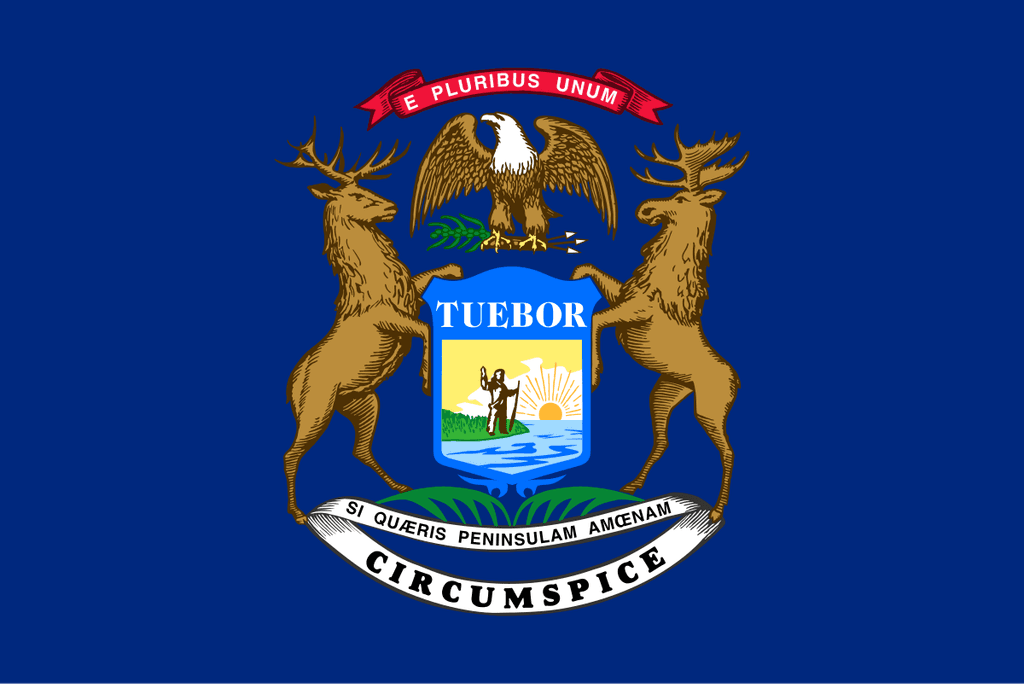
The Michigan 7th congressional district remains a toss-up battleground, with first-term Republican incumbent Tom Barrett facing Democrat William Lawrence in the November 2026 general election. Lawrence secured the Democratic nomination in the August primary by defeating two more moderate rivals, drawing national attention for his progressive platform centered on climate policy, data center restrictions, and expanded social programs. The DCCC’s recent addition of Lawrence to its Red to Blue program has boosted Democratic resources and organization in the Lansing-area seat, which Barrett flipped in 2024. Tight polling averages and trader pricing reflect the district’s underlying partisan balance, Barrett’s vulnerability as a freshman, and questions over whether Lawrence’s grassroots strength can overcome any moderation concerns among swing voters before Election Day.
Experimental AI-generated summary referencing Polymarket data. This is not trading advice and plays no role in how this market resolves. · Updated$20,426 Vol.
$20,426 Vol.
William Lawrence (D)
52%
Tom Barrett (R)
47%
$20,426 Vol.
$20,426 Vol.
William Lawrence (D)
52%
Tom Barrett (R)
47%
A candidate's party will be determined by their ballot-listed or otherwise identifiable affiliation with that party at the time all of the 2026 House elections are conclusively called by this market's resolution sources. A candidate without a ballot-listed affiliation to either the Democrat or Republican parties will be considered a member of one of these parties based on the party with which they most recently expressed their intent to caucus at the time all of the House elections are conclusively called by this market's resolution sources.
This market will resolve based on the result of the election as indicated by a consensus of credible reporting. If there is ambiguity, this market will resolve based solely on the official results as reported by the United States government, specifically the Federal Election Commission (https://www.fec.gov/).
Market Opened: Dec 16, 2025, 12:01 PM ET
Resolver
0x2F5e3684c...A candidate's party will be determined by their ballot-listed or otherwise identifiable affiliation with that party at the time all of the 2026 House elections are conclusively called by this market's resolution sources. A candidate without a ballot-listed affiliation to either the Democrat or Republican parties will be considered a member of one of these parties based on the party with which they most recently expressed their intent to caucus at the time all of the House elections are conclusively called by this market's resolution sources.
This market will resolve based on the result of the election as indicated by a consensus of credible reporting. If there is ambiguity, this market will resolve based solely on the official results as reported by the United States government, specifically the Federal Election Commission (https://www.fec.gov/).
Resolver
0x2F5e3684c...The Michigan 7th congressional district remains a toss-up battleground, with first-term Republican incumbent Tom Barrett facing Democrat William Lawrence in the November 2026 general election. Lawrence secured the Democratic nomination in the August primary by defeating two more moderate rivals, drawing national attention for his progressive platform centered on climate policy, data center restrictions, and expanded social programs. The DCCC’s recent addition of Lawrence to its Red to Blue program has boosted Democratic resources and organization in the Lansing-area seat, which Barrett flipped in 2024. Tight polling averages and trader pricing reflect the district’s underlying partisan balance, Barrett’s vulnerability as a freshman, and questions over whether Lawrence’s grassroots strength can overcome any moderation concerns among swing voters before Election Day.
Experimental AI-generated summary referencing Polymarket data. This is not trading advice and plays no role in how this market resolves. · Updated


Beware of external links.
Beware of external links.
Frequently Asked Questions